You love cats. They’re elegant, mysterious, and oh so charming. Then one day you come home to find your favorite couch looking like it survived a heavyweight boxing match. Let’s be real, some cat breeds are more prone to turning your home into their personal playground than others. While every feline has natural instincts that can be, well, challenging for furniture and decor, certain breeds take destruction to an entirely new level.
Understanding which breeds carry these tendencies isn’t about judgment or labeling cats as bad. It’s about preparation. If you’re drawn to a specific breed known for high energy or assertive behavior, you’ll want to know what you’re signing up for. So let’s dive in.
1. Bengal Cat
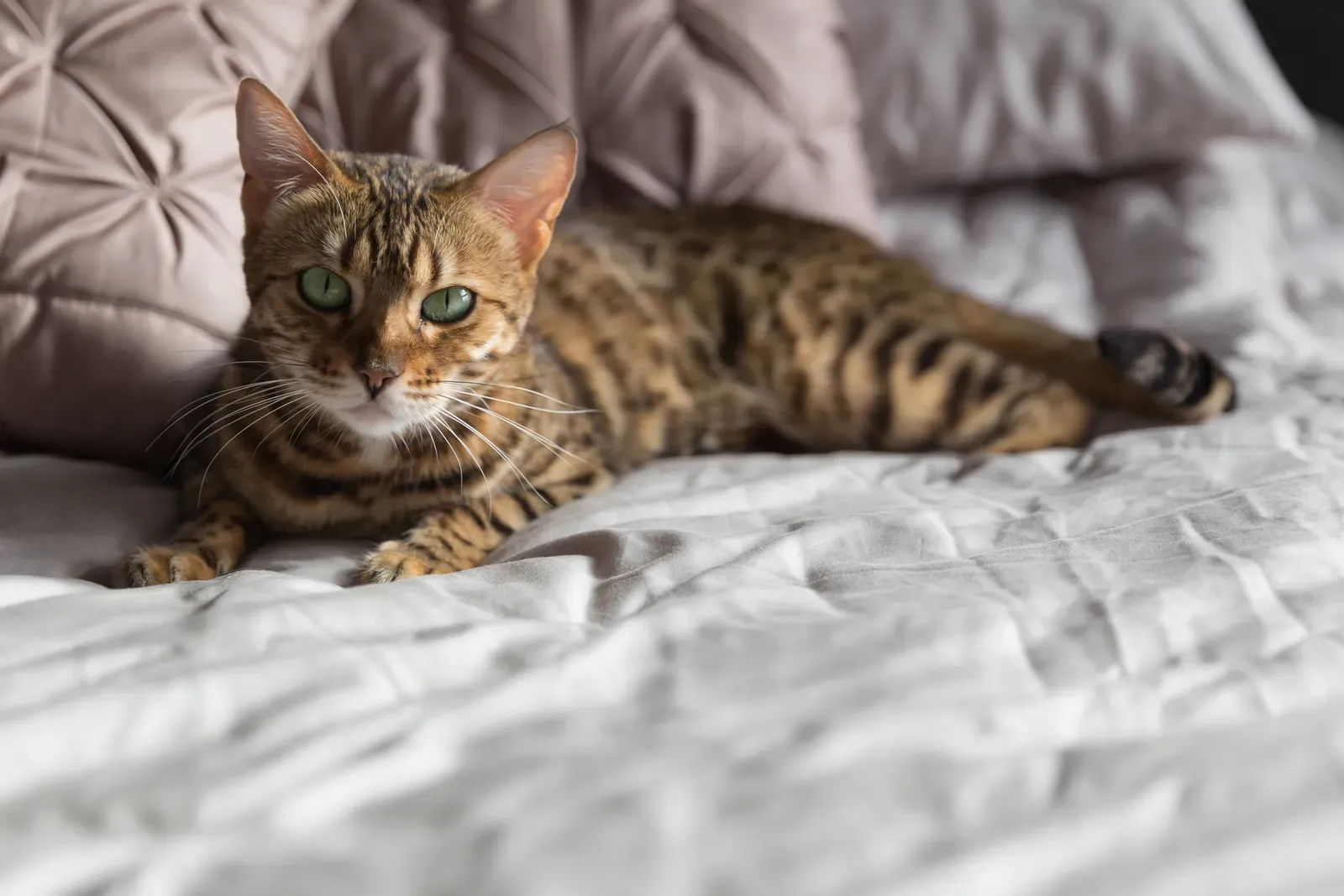
Bengals have quite a bit of a destructive streak, with behavioral issues like territorial spraying and play aggression being quite common if this breed doesn’t meet its needs. The Bengal is notoriously high maintenance, so you’ll need to put a lot of time into this cat to avoid aggressive behavior. Think of the Bengal as a wild cat trapped in a slightly more manageable body. Veterinary practitioners characterized Bengals as most active, most likely to aggress toward human family members, and most likely to urine mark.
Due to the hyperactive nature of Bengal cats, they get bored easily, and scratching anything around them is part of play. They are also very territorial, and they scratch various surfaces to mark their territory by leaving a scent and a visual mark of the dead outer layer of their claws. If you’re not prepared to give your Bengal constant mental stimulation, puzzle toys, and vertical climbing spaces, expect some serious damage.
2. Siamese Cat
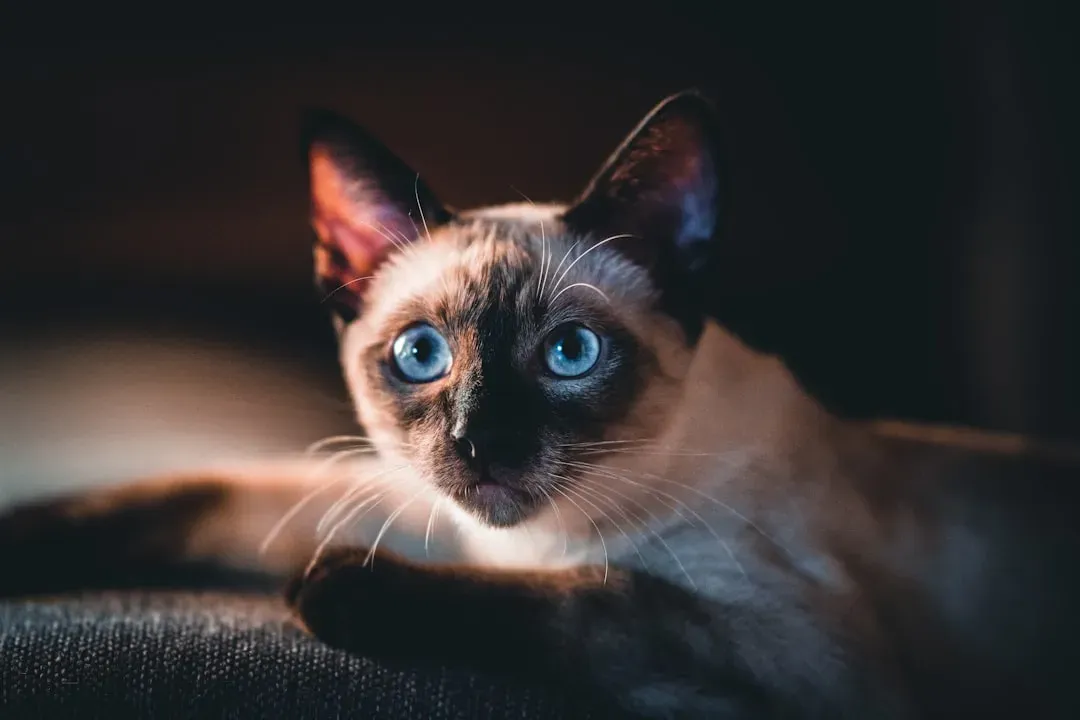
The Siamese cat is known to be the most aggressive of all cat breeds, likely due to the breed’s tendency to get very jealous of other pets. Siamese cats are needy and clingy, becoming very attached to their favorite human. Honestly, this breed doesn’t just want your attention. They demand it. Veterinarians perceived Siamese to be active and vocal, Persians to be less active and destructive, and Oriental Shorthairs to be more excitable and destructive.
Fabric chewing and sucking, with wool often being the fabric of choice, is most commonly seen in Burmese and Siamese cats, suggesting a genetic predisposition comparable to obsessive-compulsive disorders in humans. You might find your favorite sweater or blanket has become their new chew toy. Siamese cats are known for their high energy and might scratch more out of sheer excitement. If you ignore them for too long, they’ll find creative and often destructive ways to remind you they exist.
3. Savannah Cat

A cross between domestic cats and servals, they’re known for their towering stature and incredible athleticism. These cats don’t just jump – they soar, sometimes up to eight feet high in a single leap, and that ability, paired with endless curiosity, leads them straight to cabinets, countertops, and the tops of refrigerators. Imagine owning a small leopard with an Olympic-level vertical jump. That’s a Savannah.
Savannahs demand a high level of engagement, both physically and mentally, and without the right outlets, they can become destructive, often shredding fabrics, digging into furniture, or chewing on things they shouldn’t. Their wild ancestry makes them thrilling to watch, but they’re absolutely not for the faint of heart or anyone who values pristine home decor. These cats need space, stimulation, and patience.
4. Abyssinian Cat
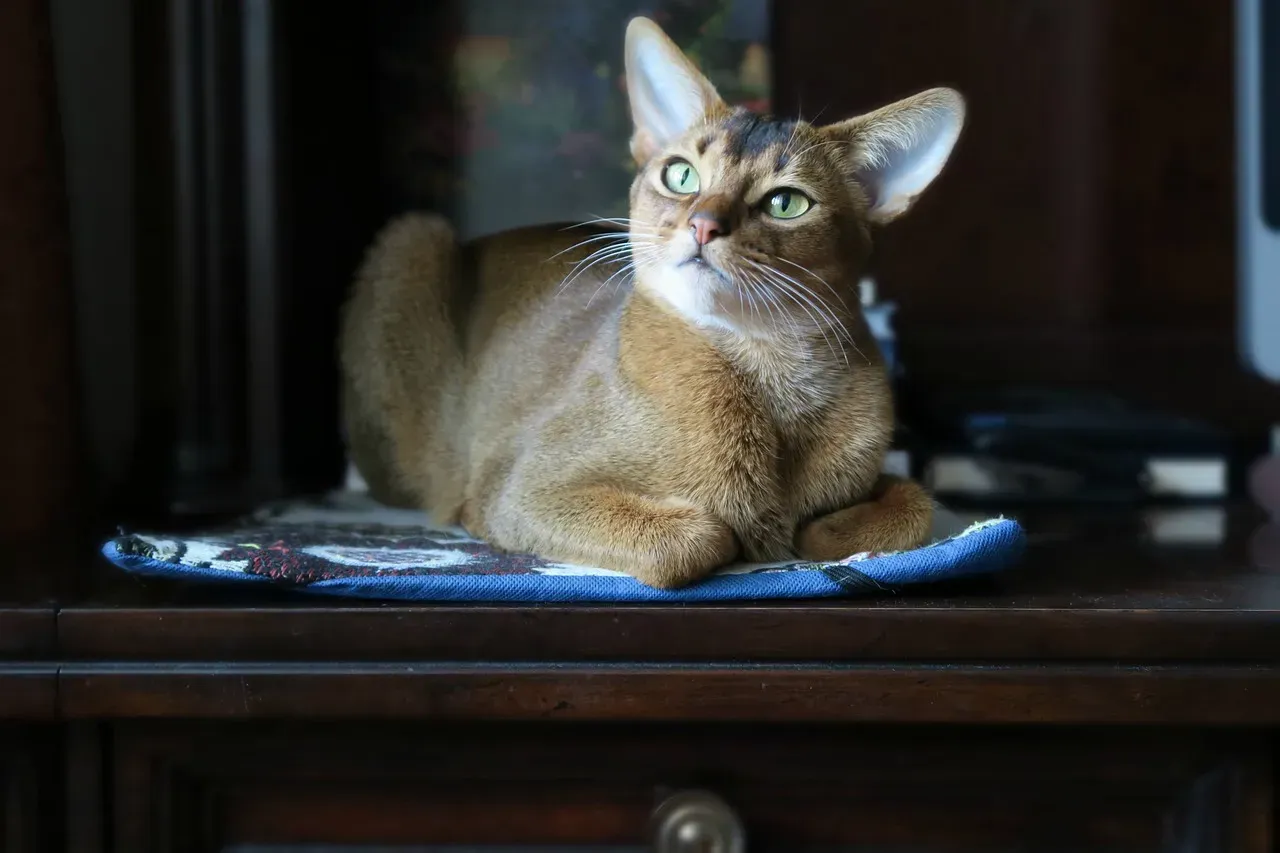
Agility and intellect define the Abyssinian, a breed with a reputation for turning your home into an obstacle course. These cats are quick learners and even quicker climbers, with a near-obsessive need to investigate their surroundings, and they won’t settle for floor-level exploration either – if you’ve got tall furniture or open shelves, consider them fair game. I’ve seen these cats treat bookcases like jungle gyms.
Abyssinians thrive on activity and novelty, and they can become restless if their environment doesn’t provide enough challenge, so expect them to get into cabinets, teeter on the edge of bookshelves, or play tag with fragile decor. The Abyssinian is the most energetic cat breed, highly active, playful, and loving to climb. Without proper enrichment, these cats will invent their own entertainment, usually at your expense.
5. Turkish Van
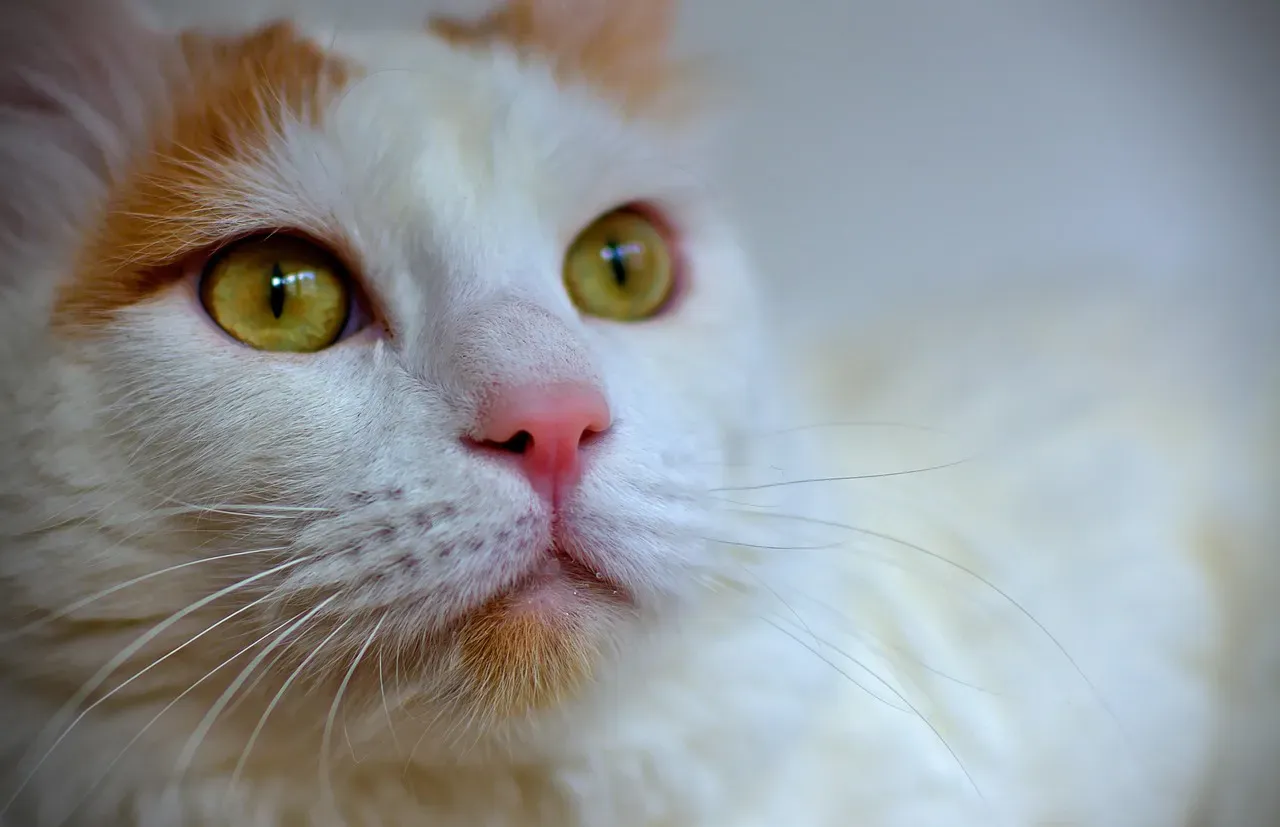
Water-loving and bold, Turkish Vans have earned a reputation for turning bathrooms into play zones and kitchens into disaster areas, and unlike most cats, they’re drawn to water and won’t hesitate to dive into sinks, tubs, or even toilets out of curiosity. Yes, you read that correctly. These cats actually enjoy water, which means your bathroom is never really safe.
Turkish Vans commonly showed aggression toward both humans and other cats. Turkish Vans are very curious, love exploring new places, and are always on the move. Their bold, fearless personalities combined with their love of mischief make them one of the more challenging breeds to manage. If you’re not ready for wet floors and knocked-over bathroom supplies, this breed isn’t for you.
6. Oriental Shorthair
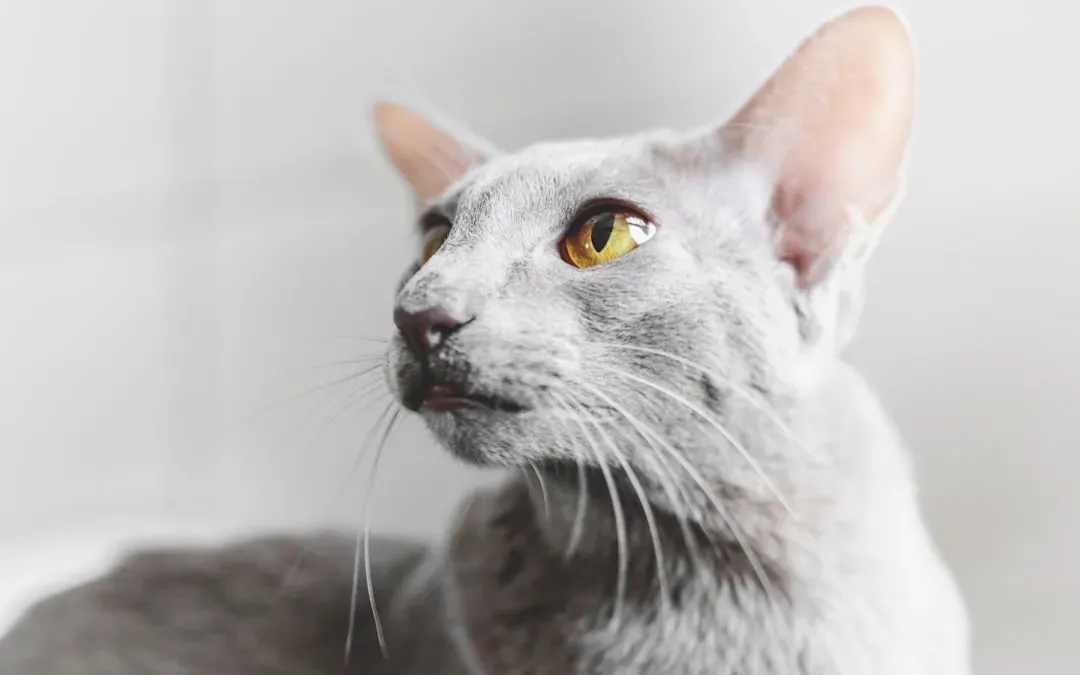
Veterinarians perceived Oriental Shorthairs to be more excitable and destructive. These cats are basically the Siamese’s equally dramatic cousins. They share that same intense need for interaction and stimulation. Ignoring an Oriental Shorthair is like leaving a toddler alone with a box of markers near your white walls.
They’re vocal, demanding, and won’t hesitate to express their displeasure when bored. Oriental cat breeds such as Siamese, Burmese and Birman can have a particular fondness for wool, and as a result, they may suck, chew and swallow parts of your favorite sweater or socks. If you value peace, quiet, and undamaged clothing, you’ll want to think twice about this breed. Still, for someone who wants an interactive and engaging companion, the Oriental Shorthair can be incredibly rewarding.
7. Sphynx Cat
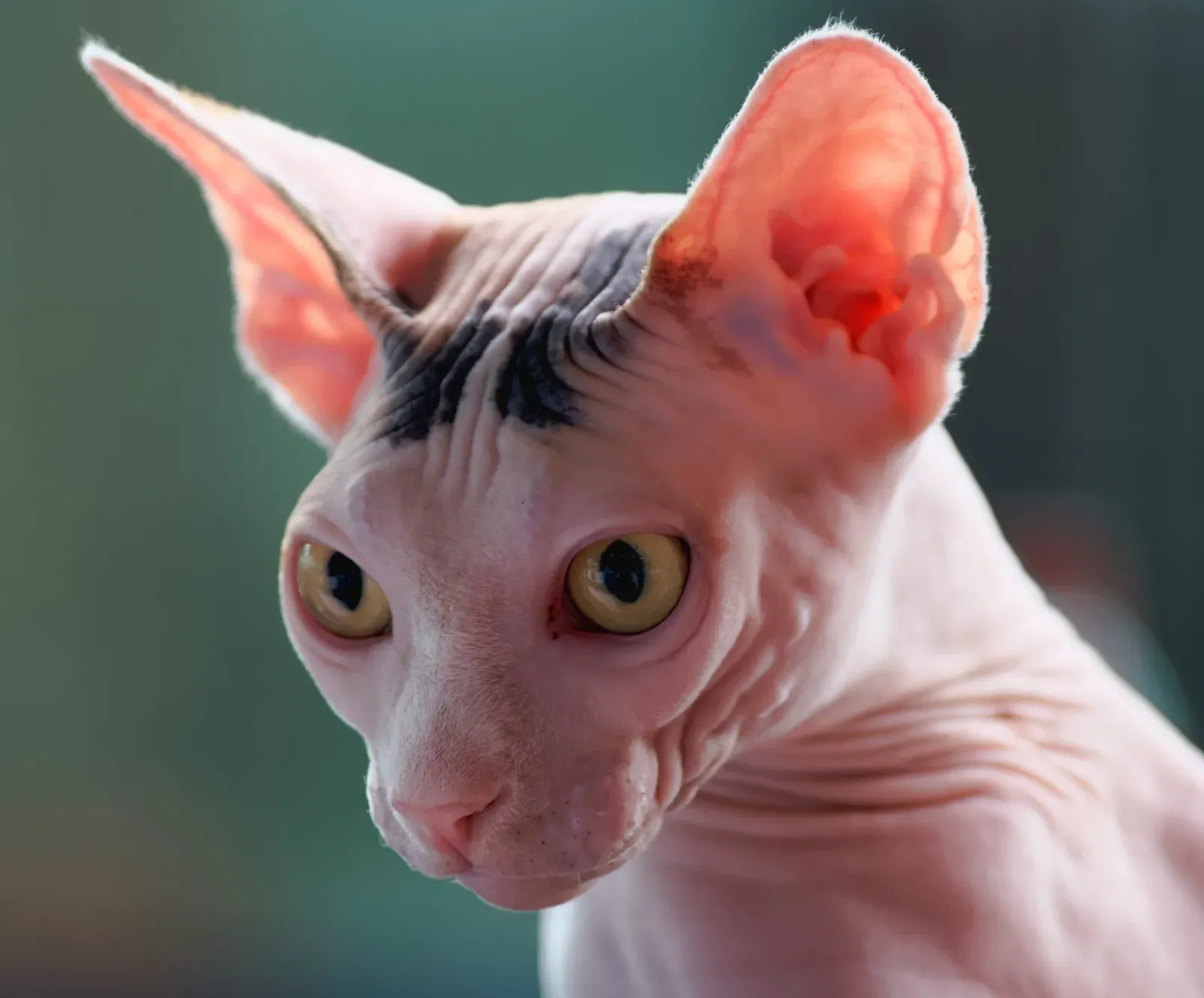
This breed is very demanding, which doesn’t just mean taking extra care of their skin due to a lack of fur, but it also means the Sphynx cat always wants to be the center of attention. Here’s the thing about Sphynx cats: they’re needy in ways most people don’t expect. Without constant human interaction, they act out.
For what it is worth, the Sphynx, Cornish Rex, Ragdoll, and Burmese are at the low end but are not significantly lower than most of the other breeds, except the Bengal and DSH. While they may not scratch furniture as much as some other breeds, their attention-seeking behaviors can be destructive in other ways. Knocking over objects, climbing where they shouldn’t, or vocalizing loudly until you pay attention are all common Sphynx tactics. They’re charming and affectionate, no doubt, but they’re also exhausting.
8. Scottish Fold
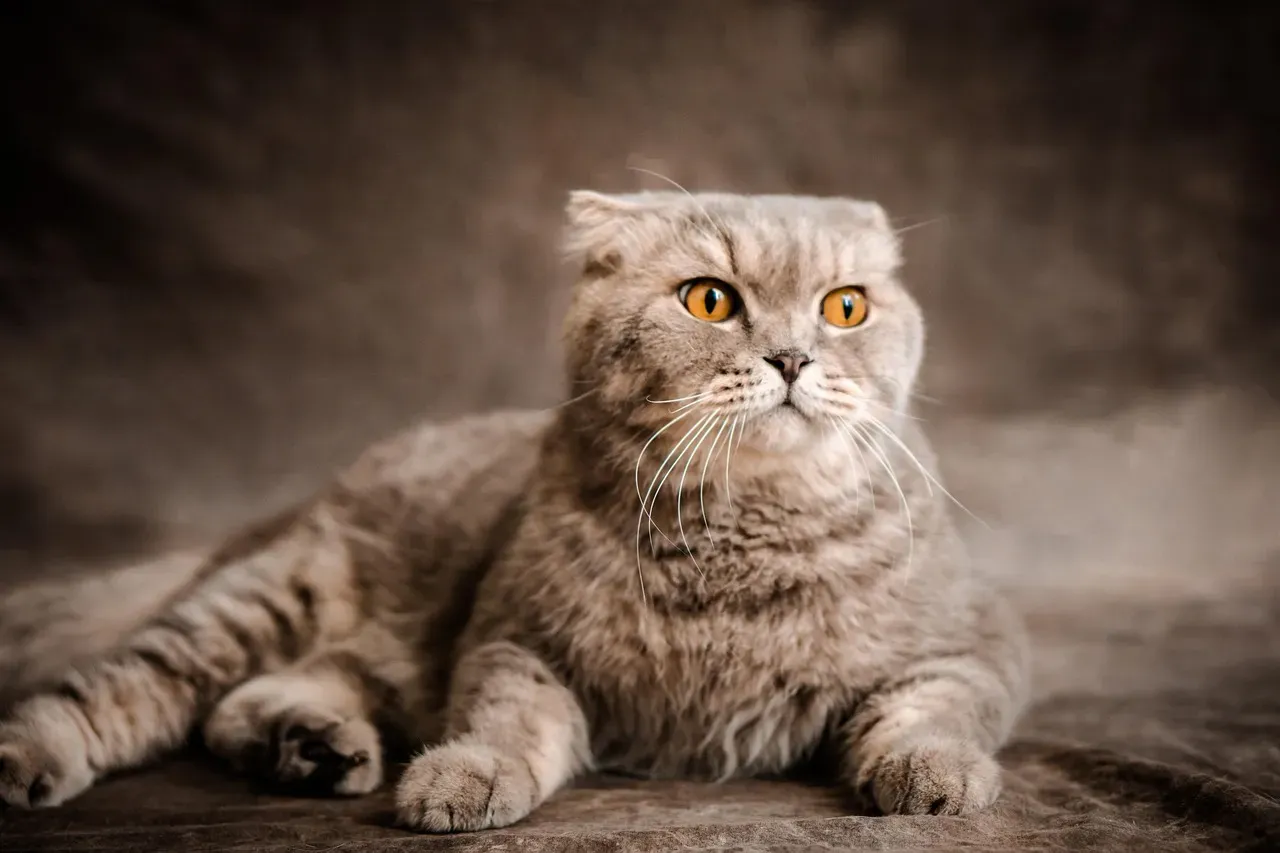
This breed is quite sensitive to change and may become aggressive when new pets are brought home. This cat is also not the friendliest toward babies and children, and the Scottish Fold doesn’t like to share the attention and is also fond of rough petting. It’s probably surprising to find the adorable Scottish Fold on this list, but don’t let those folded ears fool you.
These cats can be moody and territorial. They might not destroy furniture in the traditional sense, but their behavioral issues can manifest as aggression or litter box avoidance when stressed. This breed is quite sensitive to change. If you’re planning major life changes or have a busy household, the Scottish Fold might struggle to adapt, leading to destructive coping mechanisms.
9. Burmese Cat
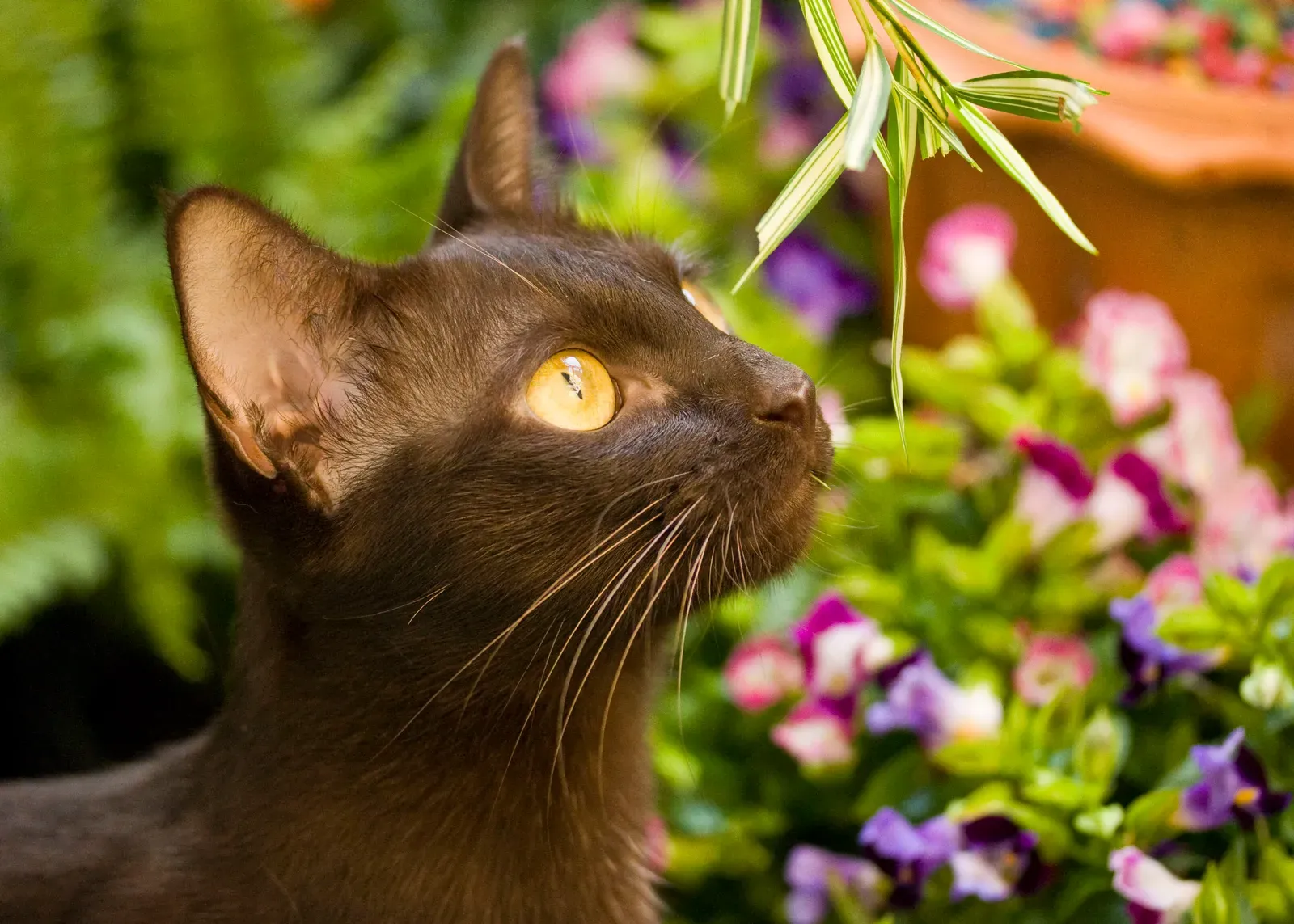
Fabric chewing and sucking, with wool often being the fabric of choice, is most commonly seen in Burmese and Siamese cats. It is most commonly seen in Burmese and Siamese cats, which suggests a genetic predisposition comparable to obsessive-compulsive disorders in humans. If you own wool sweaters, blankets, or scarves, consider them endangered species around a Burmese.
Some breeds, like Siamese and Burmese cats, may be more prone to certain compulsions like wool-sucking. This isn’t just annoying, it can be dangerous. Swallowing fabric pieces can lead to serious gastrointestinal blockages. Burmese cats also have high energy levels and need constant stimulation. Without it, they’ll channel that energy into chewing, scratching, or other destructive habits.
10. Domestic Shorthair
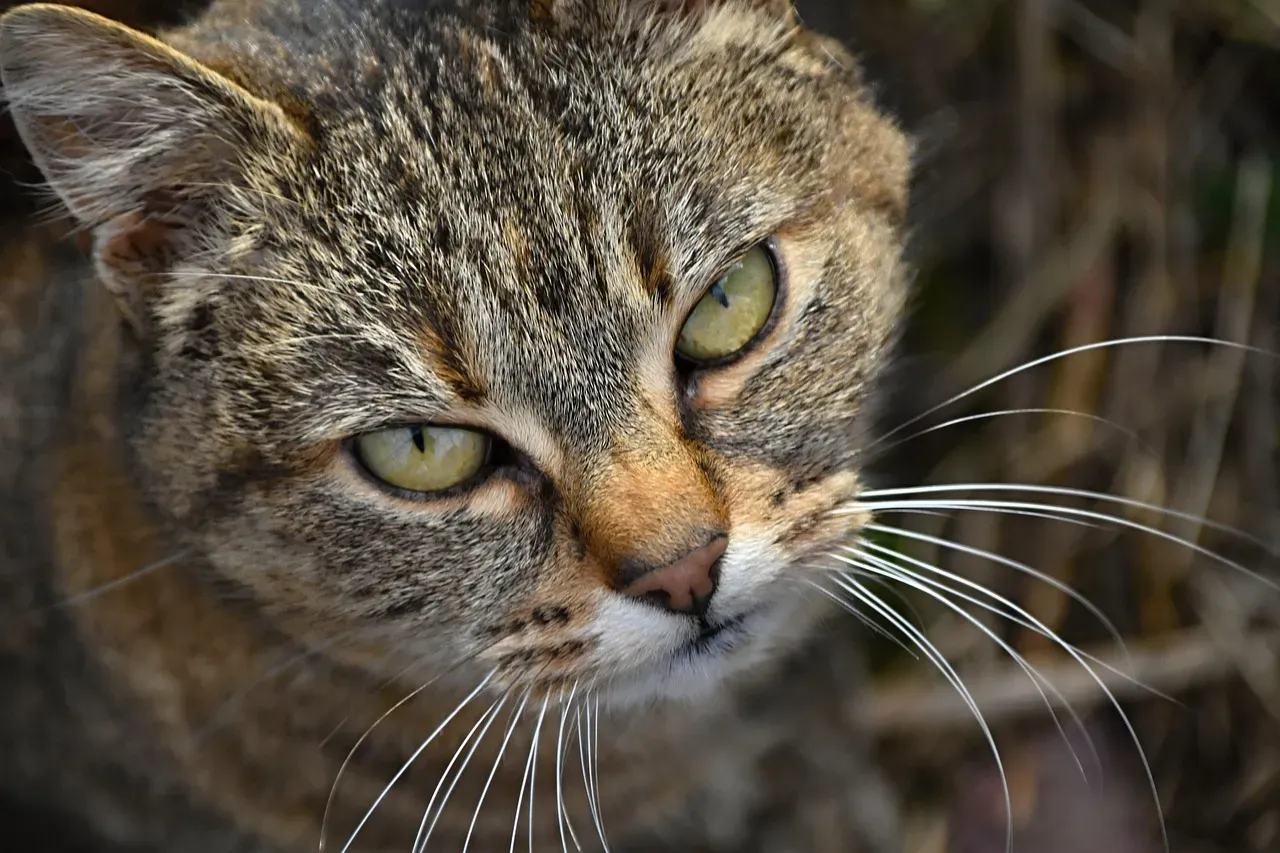
The popular DSH, which leads the ranking, is higher than the DLH. However, it is useful to know that the DSH is tops in tendency to engage in urine spraying and is significantly higher than about half of the purebreds. The Bengal ranks just below the DSH and is also higher in urine marking than about half of the breeds. Wait, you might be thinking. Domestic shorthairs are everywhere. How destructive can they be?
Actually, very. Ranking the lowest in ease of litter box use is the Persian, which is significantly lower ranking than all other breeds except the Bengal and Manx, which are fairly low ranking in this regard. Domestic shorthairs are unpredictable because they’re mixed breeds. You never quite know what behavioral traits they’ll inherit. Some are angels. Others are tiny tornadoes. Their tendency toward urine marking and scratching makes them worthy of this list, even if they’re not exotic or rare.
Conclusion
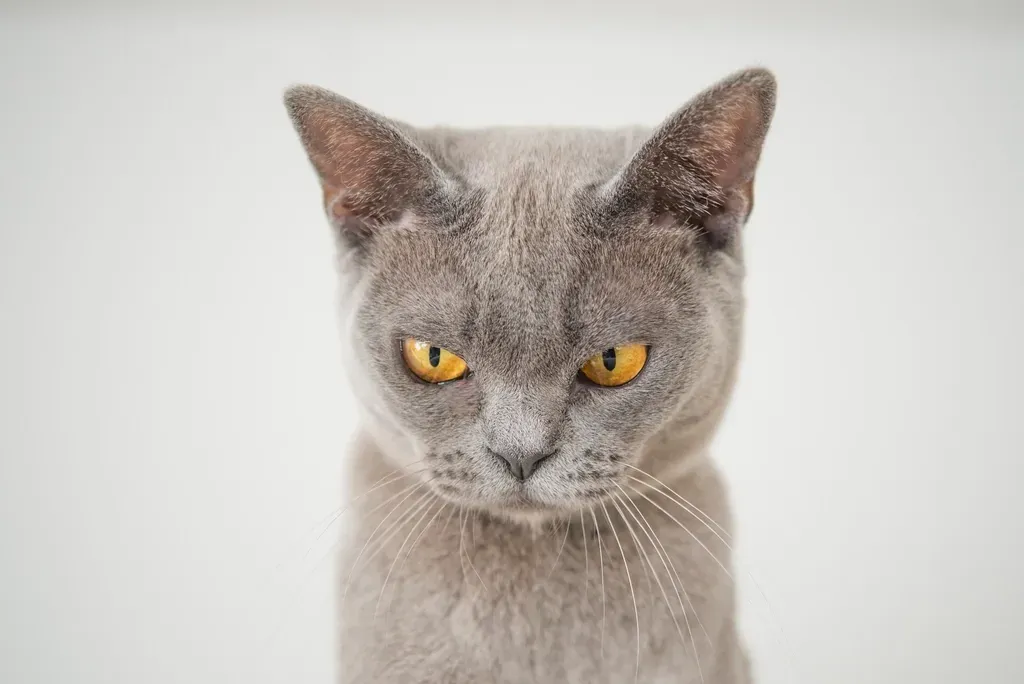
Here’s what you need to remember: destructive behavior in cats isn’t about spite or revenge. It’s instinct, boredom, stress, or lack of proper outlets for their energy. Their playful energy, curiosity, and intelligence often mean they get bored easily – and a bored cat can be a destructive cat. Of course, destruction doesn’t mean they’re bad pets. In fact, many of the breeds on this list are beloved for their affectionate, quirky, and highly engaging personalities, but they do require more enrichment, stimulation, and patience than your average couch potato kitty.
If you’re considering one of these breeds, prepare yourself with scratching posts, interactive toys, cat trees, and lots of patience. Understanding your cat’s needs is the first step toward a harmonious home. What do you think? Did your cat’s breed make the list, or have you experienced destruction from an unexpected source? Let us know what you’ve learned from living with your feline friend.
Kristina is a young writer from India. An arts graduate and an avid content creator, Kristina is passionate about animals and wildlife. She enjoys exploring topics related to pet care, animal behavior, conservation, and nature, combining thorough research with engaging storytelling.