Ever catch yourself wondering what’s going on inside that furry little head? Your cat might seem like a mysterious creature, living in its own world. Truth is, they’re talking to you all the time. You just need to learn their language.
Unlike dogs, who wear their emotions proudly, cats express themselves through posture, eyes, ears, and tails. Every flick, every blink, every position carries meaning. If you’ve been missing these cues, you’ve been missing out on understanding what your feline friend really needs and feels. Let’s dive into the signals you might have been overlooking.
That Tail Position Means Everything
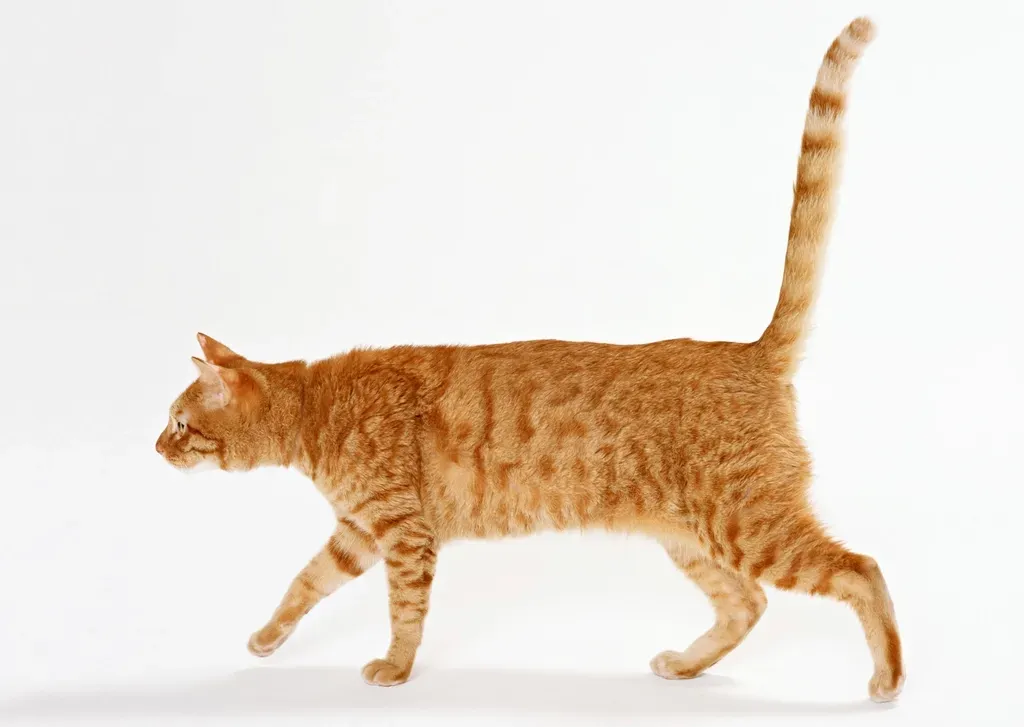
Your cat’s tail is basically a mood barometer, and honestly, it’s one of the clearest ways they communicate. Generally, the ‘tail up’ position (where the tail is held vertically in the air, at a right angle to the ground) signals friendly intent when a cat approaches another cat, animal or person. When you see that proud, upright tail, sometimes with a little curve at the tip, your cat is feeling confident and happy to see you.
Typically, the lower the tail, the less happy the cat. If the tail is between the legs, the cat is showing submission, and it could be an attempt to protect the belly and/or keep the tail away from injury. A low tail can mean nervousness or fear. A tail tucked between the back legs is often a sign that a cat is anxious or fearful, whereas a tail held out, moving slowly side-to-side across the body may signal frustration.
The Slow Blink Is Actually a Kiss
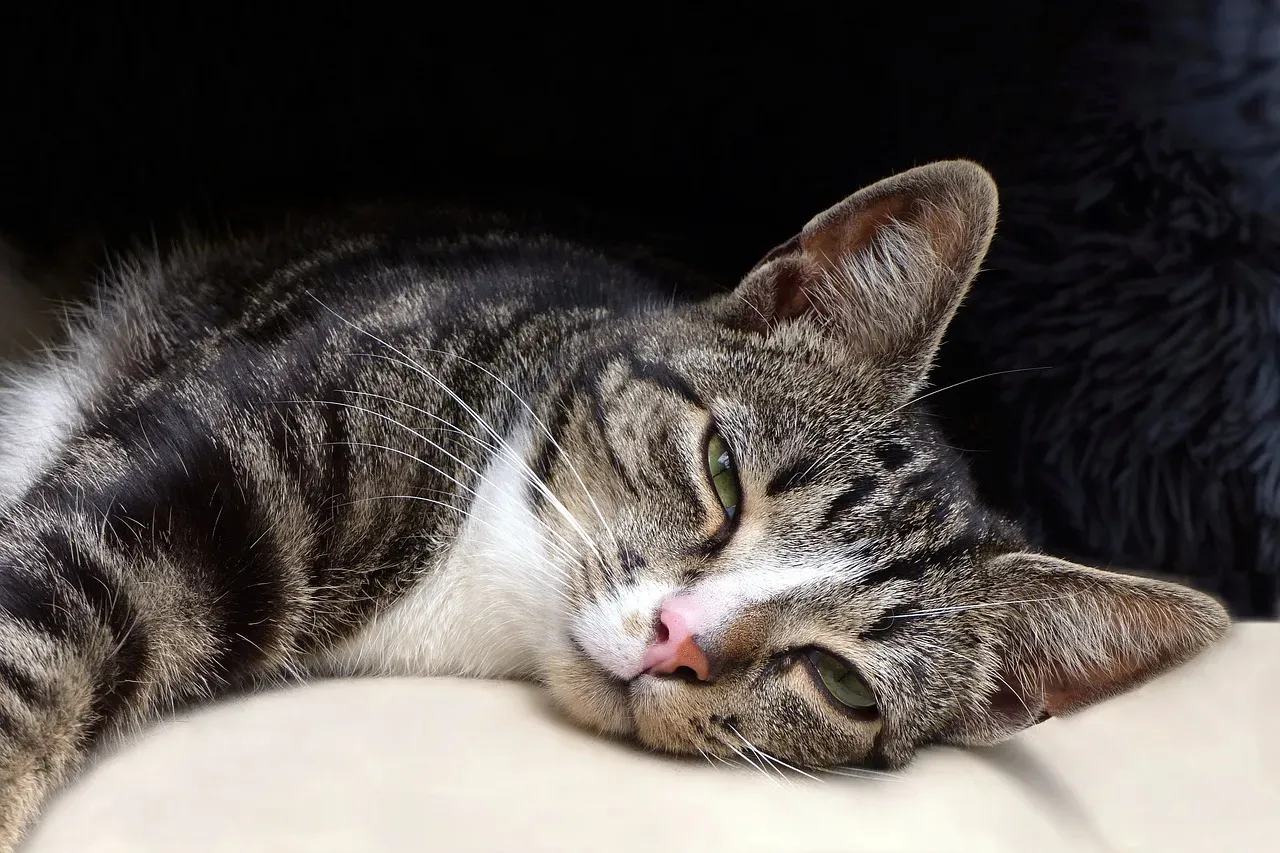
If your cat slowly closes their eyes while looking at you, consider yourself lucky. A cat who slowly blinks or lowers their eyelids is showing trust and affection, often referred to as a “cat kiss.” This simple gesture is one of the highest compliments a cat can give. They’re basically telling you they feel safe and content in your presence.
If a cat blinks slowly at you, it means they trust and love you. You can blink slowly back to show them that you love them too! Try it next time. Make eye contact with your cat, then slowly close and open your eyes. You might just start a whole conversation.
Ear Movements Reveal Their Mood
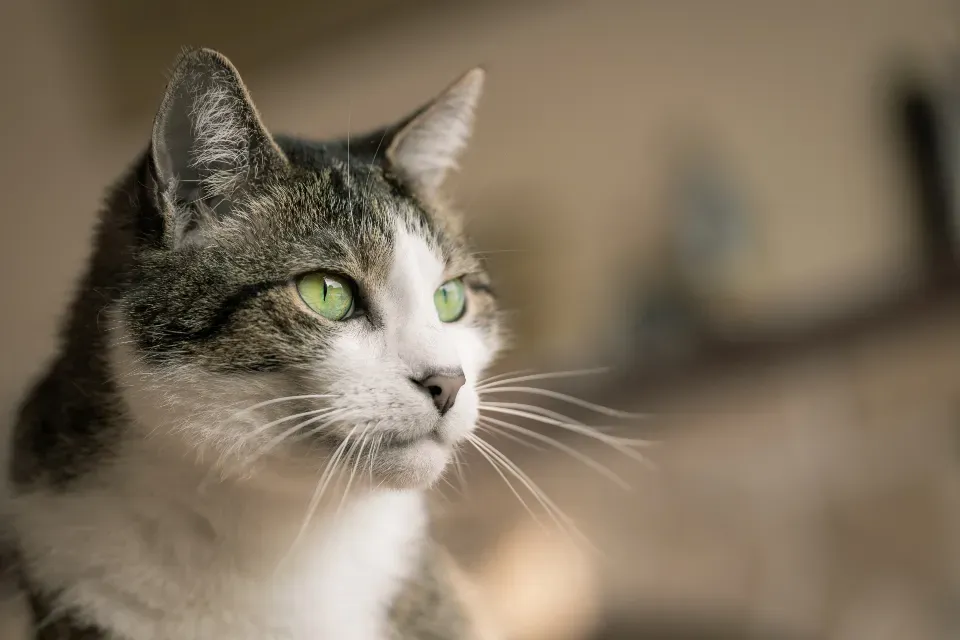
Ears held naturally means the cat is relaxed, while ears pinned back mean the cat is afraid. When a cat’s ears are facing forward and close together, that means the cat is interested in something. When a cat twists its ears so that the opening is to the side, that means the cat is angry. Reading your cat’s ears gives you instant insight into whether they’re comfortable or concerned.
Watch for those subtle shifts. Their ears may be rotated to the sides (in an “airplane ears” pose) or angled backward. When you spot airplane ears, your cat might be stressed or uncertain about something in their environment. It’s your cue to check what’s bothering them or give them some space.
Whiskers Forward or Back Matter More Than You Think
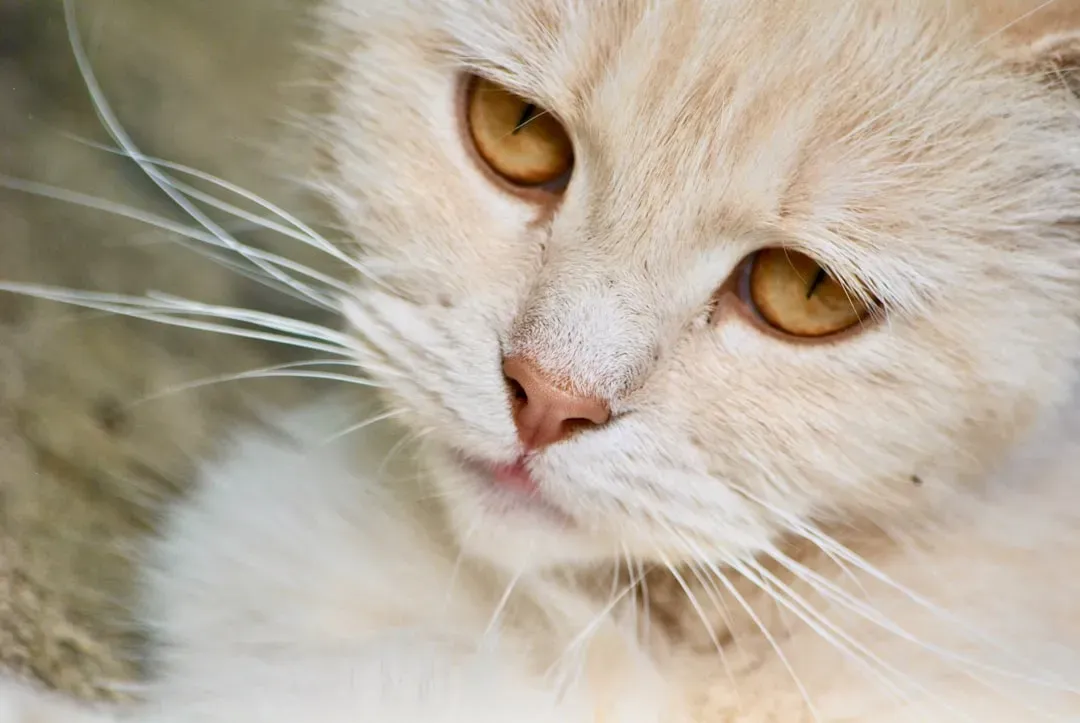
Your cat’s whiskers aren’t just for navigation in the dark. Whiskers not only act as a sensory aid for cats to find their way around in the dark, they also can tell us how a cat is feeling. If a cat’s whiskers are forward and fanned out, then the cat is interested in something. If a cat’s whiskers are pressed tight to their face, the cat is most likely afraid and is attempting to make itself look smaller.
When tense or highly alert, the whiskers will be fanned out and pointing forward in front of the face. When relaxed, a cat’s whiskers point directly out and are less spread out. A frightened or nervous cat may flatten their whiskers against the side of their face and bunch them together. Next time you interact with your cat, glance at those whiskers. They’re a quick read on emotional state.
Kneading Isn’t Just Cute, It’s Communication
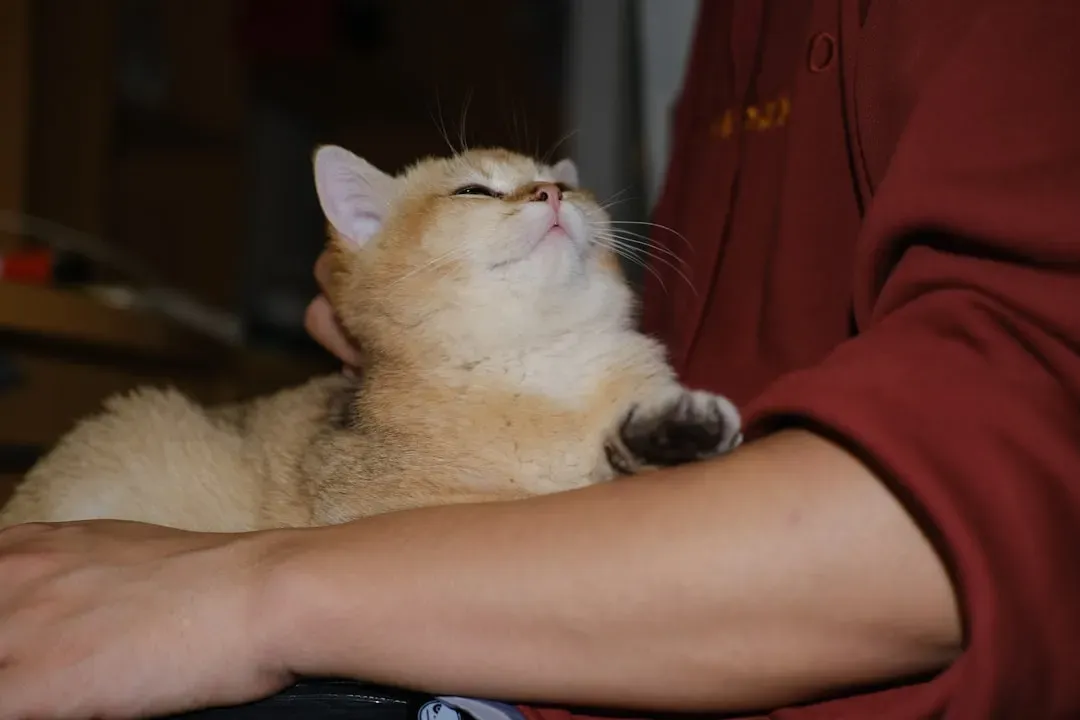
Cats sometimes repeatedly tread their front paws on humans or soft objects with a kneading action. This is instinctive to kittens and adults and is presumably derived from the action used to stimulate milk let-down from the mother during nursing. When your cat does this adorable biscuit-making motion on your lap, they’re reverting to that kitten comfort.
Kneading is often a precursor to sleeping, and many cats purr while kneading, usually taken to indicate contentment and affection. If your cat kneads you, take it as a serious compliment. They associate you with safety and comfort, the same way they felt with their mother. Let’s be real, it’s one of the sweetest things they do.
That Head Bump Is Actually Scent Marking
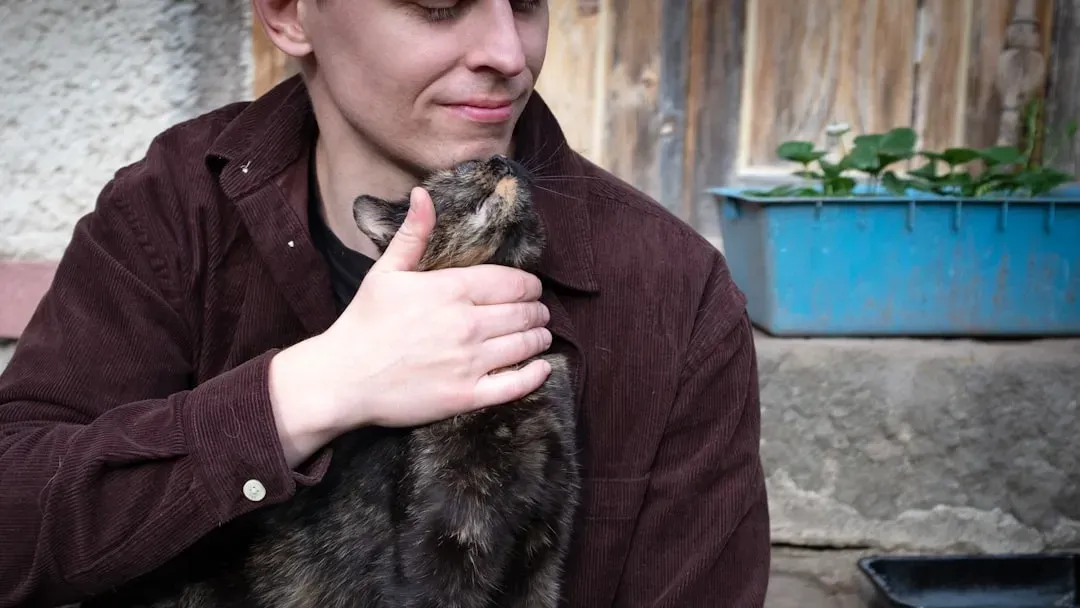
Cats sometimes “head-bump” humans or other cats with the front part of the head; this action is referred to as “bunting”. This communication might have an olfactory component as there are scent glands in this area of the body, and is possibly for seeking attention when the cat turns its head down or to the side. Your cat is literally marking you as theirs.
When your cat rubs its head against you or objects in your home, it’s a display of affection and marking territory. Cats have scent glands on their heads, and by head bunting or rubbing, they are leaving their scent as a way of claiming ownership and showing love. So when they bonk you with their head, they’re saying you belong to them. Honestly, it’s pretty endearing when you think about it.
Purring Doesn’t Always Mean Happy
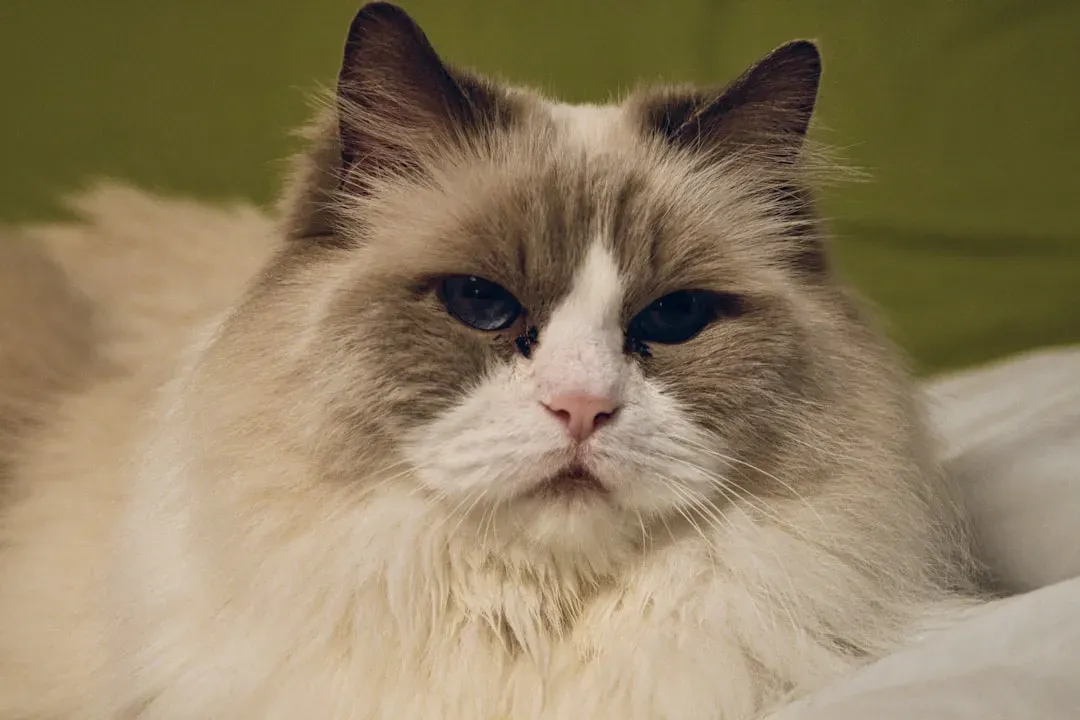
Here’s the thing most people get wrong: purring isn’t always about contentment. Meowing is often a form of communication with humans, while hissing and growling indicate fear or aggression. Purring is generally a sign of contentment, but it can also indicate pain or stress. Your cat might purr when they’re relaxed and cozy, but they might also purr when they’re anxious or unwell.
Cats purr when they’re happy, even while they’re eating. Sometimes, however, a cat may purr when they’re anxious or sick, using their purr to comfort themselves, like a child sucking their thumb. Pay attention to the context. If your cat is purring but also showing signs of distress, hiding, or acting differently, it might be time for a vet visit.
Belly Exposure Isn’t Always an Invitation
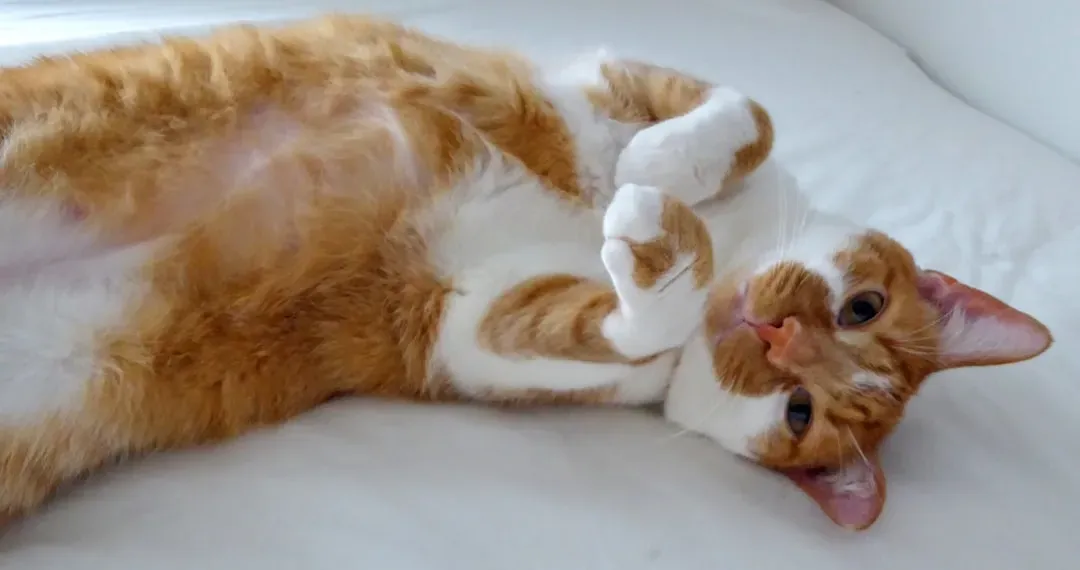
You see that fluffy belly and want to dive in for a rub, right? Hold up. When cats expose their bellies to us, they are saying they trust us. But when we take them up on this ‘offer’ by rubbing their bellies, they may retract it with a bite or a scratch, as it was only meant as a form of communication. It’s a display of trust, not necessarily permission to touch.
This is when they roll around on their backs, moving from one side of their body to the other (or sometimes they just lay on one side), exposing their belly. This can be aimed at other cats (or animals such as dogs) or people, and is usually carried out as a friendly greeting, showing that the cat is relaxed and comfortable or is in a playful mood. Read the rest of their body language before you go in for that belly rub.
Tail Thrashing Is a Clear Warning Sign
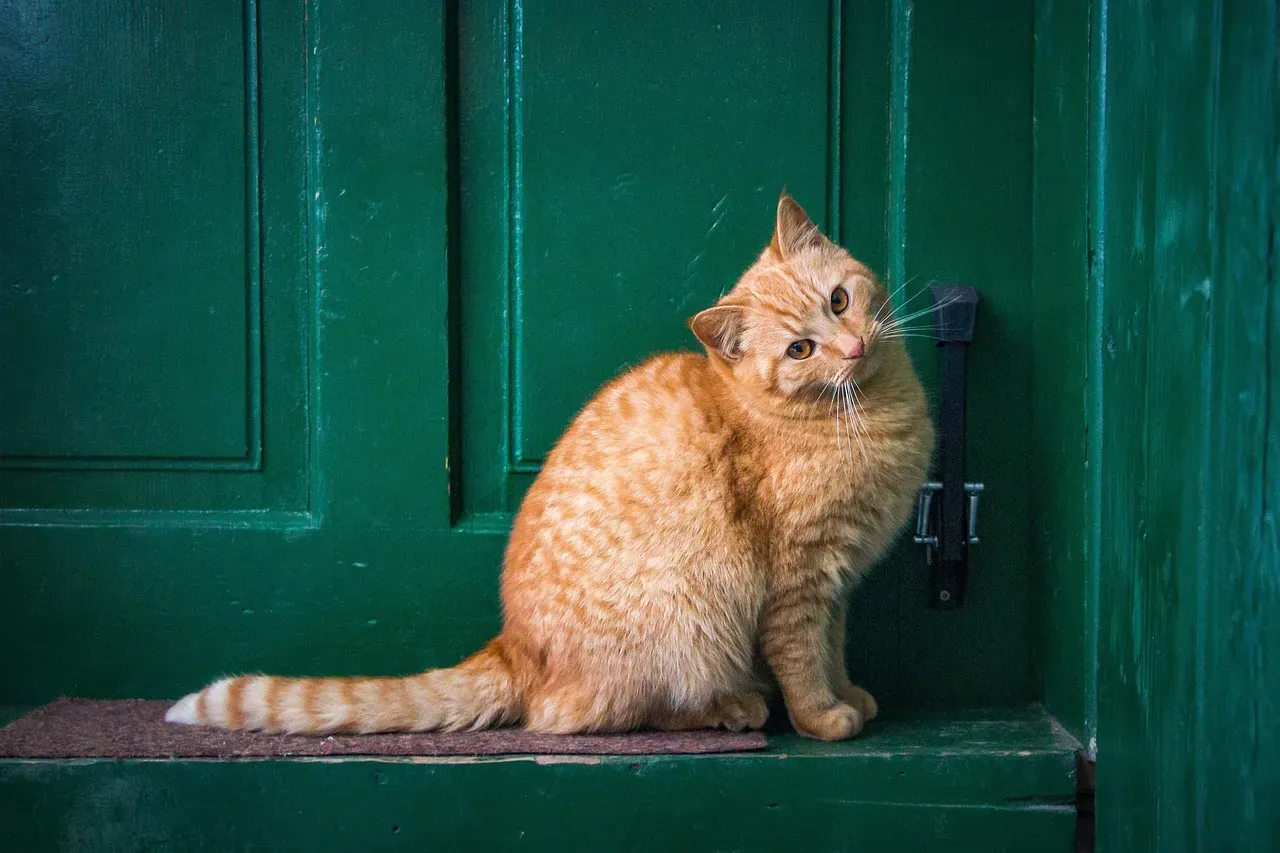
A stalking domestic cat will typically hold its tail low to the ground while in a crouch, and twitch it quickly from side to side. This tail behavior is also observed when a cat becomes “irritated” and is about to lash out and attack typically done by biting or scratching with the claws extended. When you see that tail whipping back and forth, it’s time to back off.
A cat tail wag can be more of a warning. The tail wag is a sign of heightened excitement, annoyance, or frustration. A flicking tail when the cat is not stalking something most likely means that the cat is annoyed. If you’ve been petting your cat and suddenly see the tail start thrashing, stop immediately. They’re telling you they’ve had enough.
Understanding Context Makes All the Difference
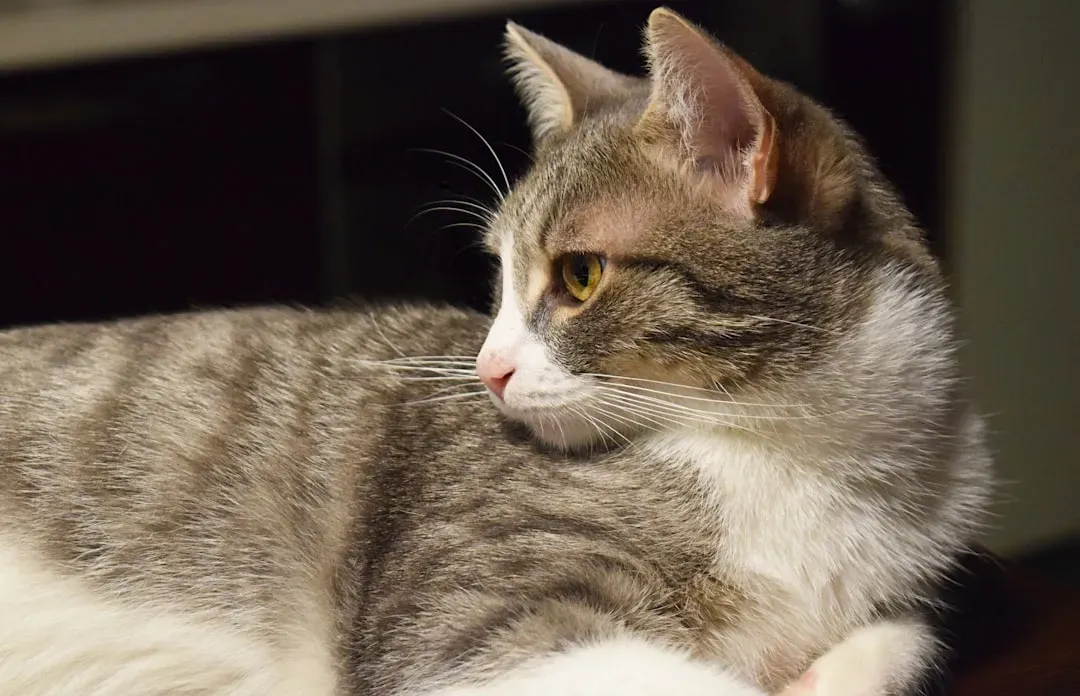
Note that when you’re interpreting cat body language, consider everything that’s going on around the cat. Put yourself in the cat’s paws and ask how the situation and environment – including the sights, sounds, and smells – might make them feel. No single signal tells the whole story. You need to look at the complete picture.
Cats express how they are feeling in so many different ways. Usually they use a combination of communication signals through their ears, eyes, and body posture. A high tail with forward ears and relaxed whiskers means something completely different than a high tail with flattened ears. The combination matters. Learning to read your cat takes time and attention, but it’s absolutely worth it. You’ll avoid scratches, reduce their stress, and build a deeper bond based on actual understanding. What signals have you been missing from your cat?
Kristina is a young writer from India. An arts graduate and an avid content creator, Kristina is passionate about animals and wildlife. She enjoys exploring topics related to pet care, animal behavior, conservation, and nature, combining thorough research with engaging storytelling.