Ever feel like you’re living with a tiny, furry mystery? You pour out food at the right time, provide a clean litter box, and offer endless affection, yet your cat still seems to be speaking an entirely different language. Here’s the thing: they absolutely are. Cats have evolved a complex communication system that goes far beyond simple meows and purrs, and most of us miss the subtle signals they’re sending every single day.
Understanding how your feline friend truly communicates can transform your relationship from basic coexistence to genuine connection. You might be surprised to discover that what you thought was random behavior is actually your cat’s deliberate attempt to tell you something important. Let’s dive into the fascinating world of feline communication and uncover the unexpected ways your cat is already talking to you.
The Slow Blink: Your Cat’s Version of a Kiss
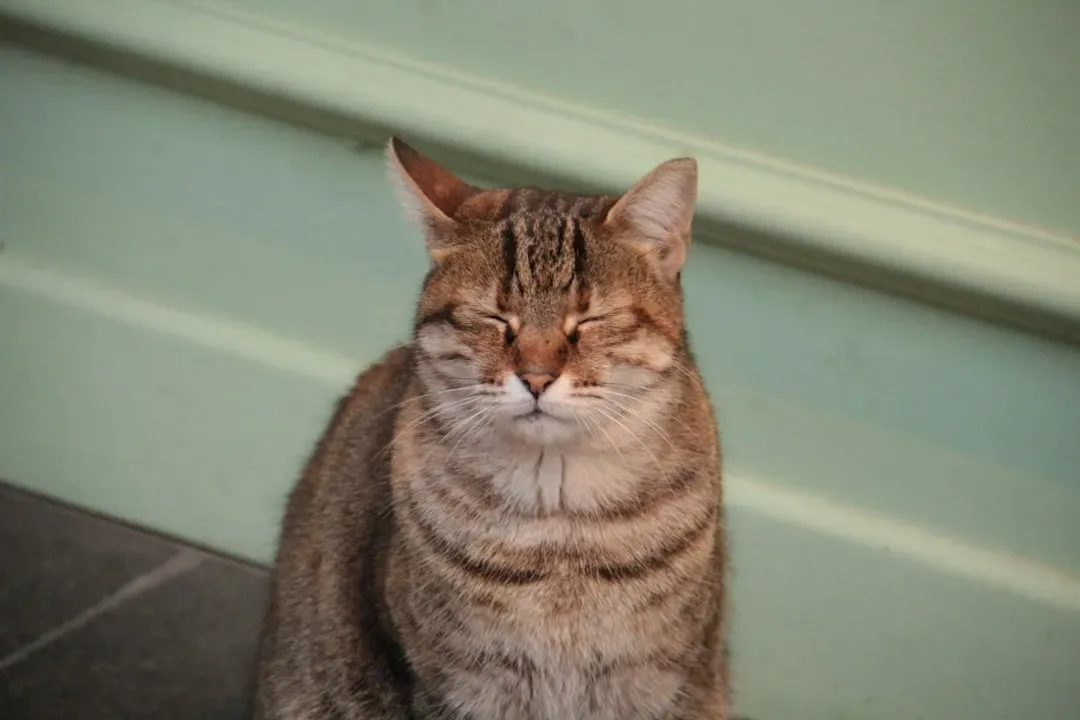
When your cat looks at you and blinks slowly, they’re not just being sleepy. This deliberate gesture means they trust you completely and aren’t threatened by your presence. Think of it as their way of blowing you a kiss across the room. If a cat blinks slowly at you, it means they trust and love you, and you can blink slowly back to show them that you love them too.
Often called a “cat kiss,” this gesture reflects trust and relaxation. Honestly, once you start recognizing this behavior and returning it, you’ll notice your cat doing it more often. It’s like you’ve unlocked a secret handshake that strengthens your bond. Interestingly, research shows that cats use this specific signal primarily with beings they feel safe around, which makes receiving one feel pretty special.
Whisker Position: The Forgotten Mood Indicator
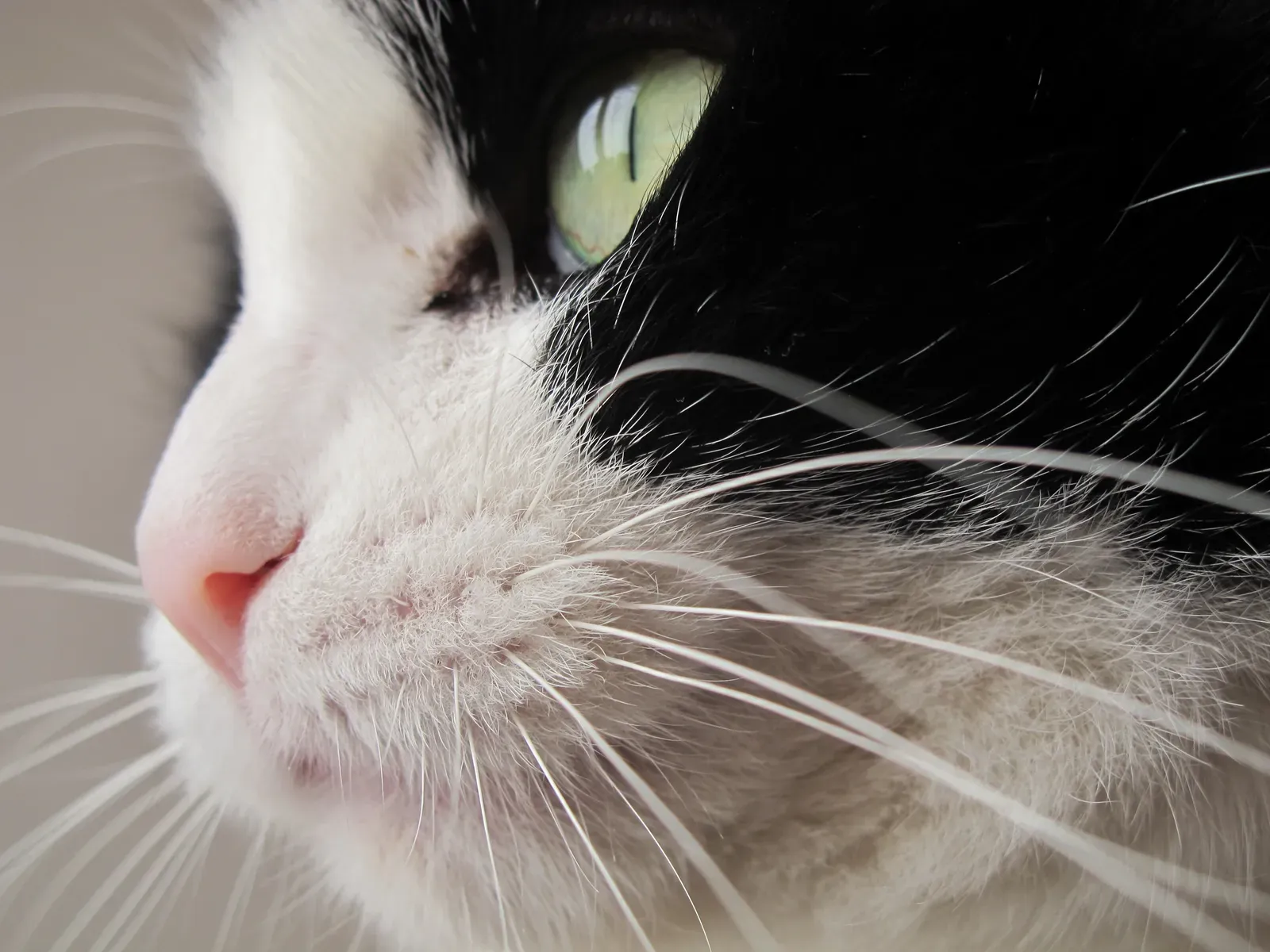
Whiskers are more than just facial adornments; they’re highly sensitive tools that help cats navigate their environment, and they also communicate mood with forward-facing whiskers indicating curiosity and interest, while whiskers pulled back against the face suggest fear or aggression. Most people focus entirely on tails and ears while completely ignoring what those fascinating facial sensors are doing.
When tense or highly alert, the whiskers will be fanned out and pointing forward in front of the face, when relaxed, a cat’s whiskers point directly out and are less spread out, and a frightened or nervous cat may flatten their whiskers against the side of their face and bunch them together. Next time you interact with your cat, take a moment to observe those whiskers. They’re broadcasting information constantly, and learning to read them gives you another layer of insight into your cat’s emotional state. I think it’s fascinating how much expression cats pack into such small facial details.
Tail Language Beyond the Basics
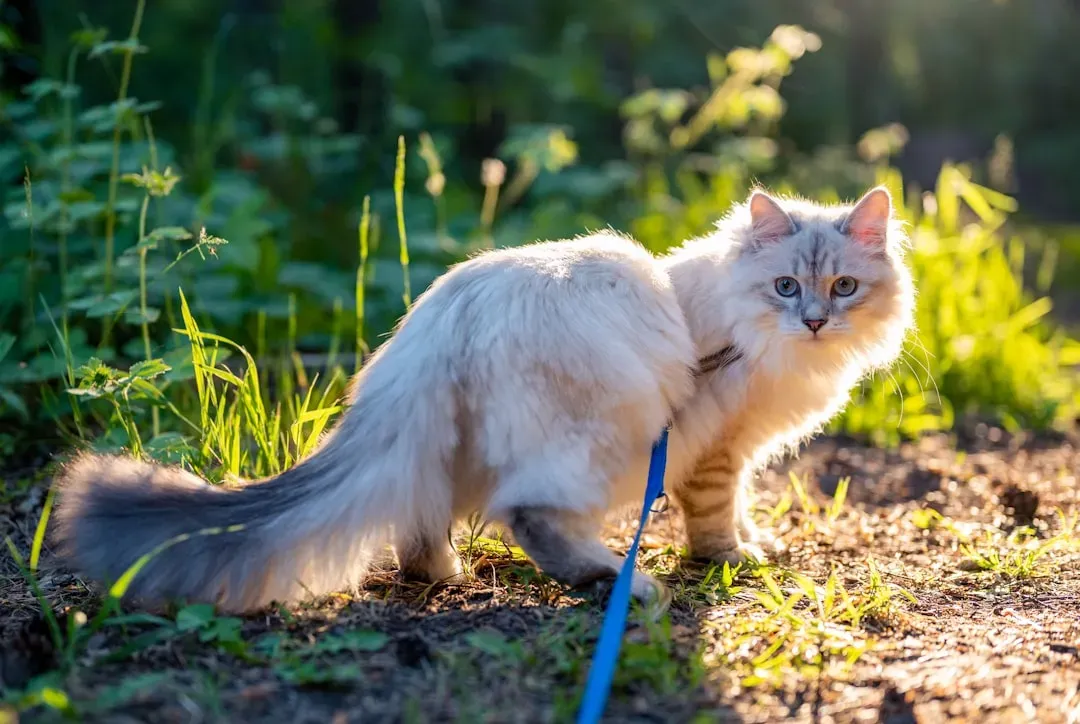
Most cat owners know that an upright tail generally signals happiness. A cat holding its tail vertically generally indicates positive emotions such as happiness or confidence; the vertical tail is often used as a friendly gesture toward people or other cats. However, there’s so much more nuance to tail communication that often gets overlooked.
Cats will twitch the tip of their tails when hunting, alert, or playful, and a stalking domestic cat will typically hold its tail low to the ground while in a crouch and twitch it quickly from side to side, which is also observed when a cat becomes irritated and is about to lash out. Pay attention to the speed and intensity of those movements. A slow, lazy swish typically means contentment, while rapid flicking screams frustration. When greeting their owners, cats often hold their tails straight up with a quivering motion that indicates extreme happiness. That little quiver at the end? Pure joy directed right at you.
The Chirp and Trill: Special Greeting Sounds
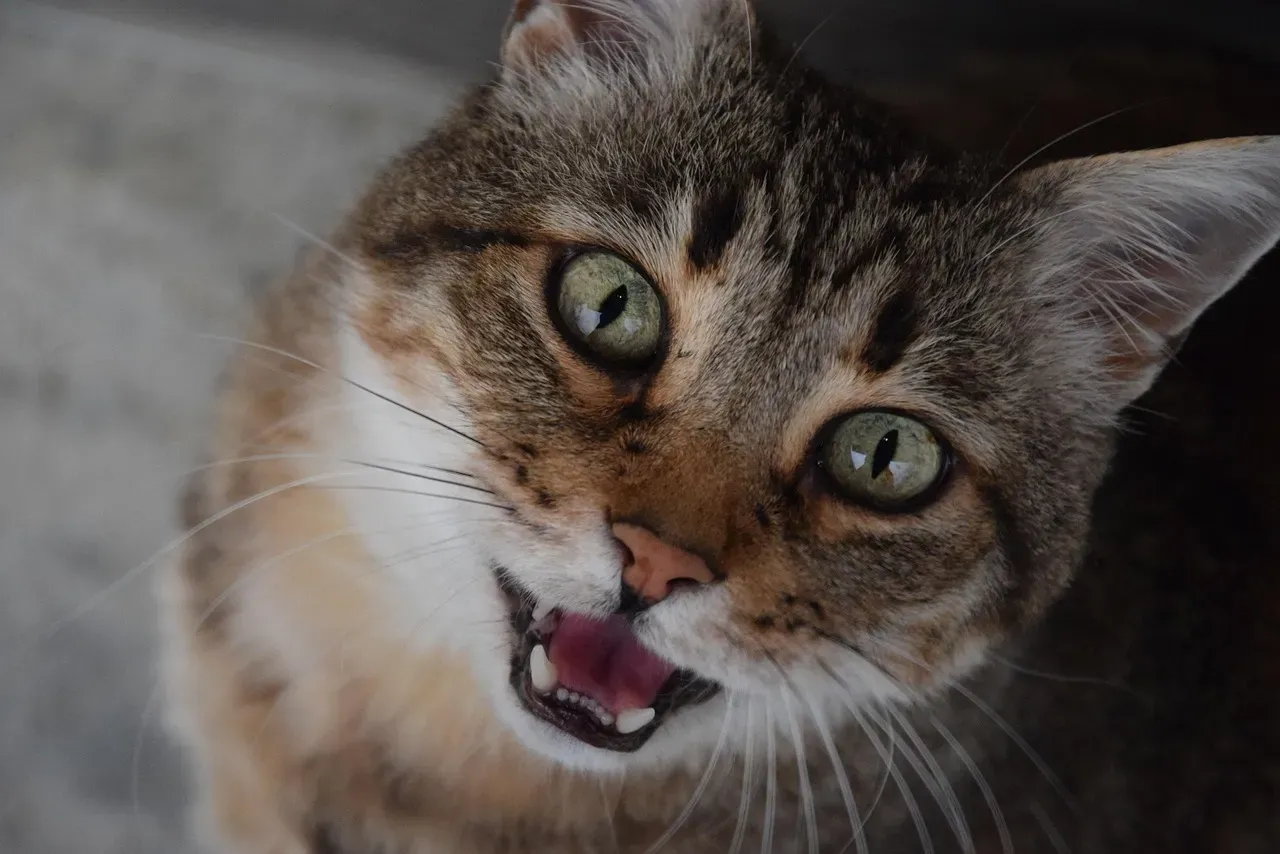
The chirr or chirrup sounds like a meow rolled on the tongue, is commonly used by mother cats to call their kittens inside the nest, and is also used in a friendly manner by cats when they are greeted by another cat or a human. If your cat makes this delightful sound when you walk into the room, consider yourself honored. They’re essentially using the same affectionate greeting they received from their mother.
Trilling sounds a bit like purring but has a much higher pitch, mother cats trill to communicate with their kittens, and when a cat trills, it’s probably feeling friendly and familial, with cats often trilling to their owners to greet them. Let’s be real: this is one of the most endearing sounds a cat makes. It’s their way of saying you’re part of their family unit. The next time you hear that distinctive chirping noise, know that your cat is expressing genuine affection and treating you like beloved kin.
Head Bunting and Cheek Rubbing: Claiming Their Territory

When your cat headbutts you, it’s not just an act of affection; it’s a significant compliment, and this behavior, known as bunting, is how cats deposit their scent to mark their territory. Head butting is a sign of affection and a way for cats to mark their territory, with your cat leaving its scent on you by head butting, claiming you as their own.
Cats rubbing their heads against objects is known as bunting, and bunting often happens in the core area of their territory and seems to be associated with comfort, reassurance and friendly social interactions. This behavior isn’t just cute; it’s deeply meaningful. Your cat is essentially saying you belong to them and they feel safe enough to intermingle their scent with yours. Cats have scent glands around their cheeks and forehead, making these rubbing sessions a deliberate form of communication that creates a shared family scent profile.
The Belly Display: Trust, Not Always an Invitation
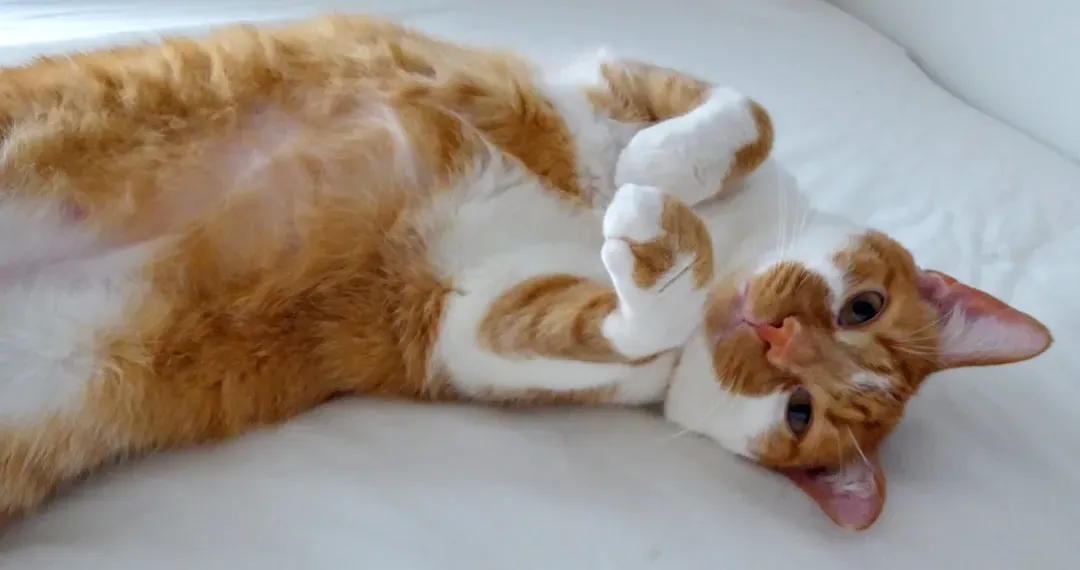
Here’s where many well-meaning cat owners get scratched. When a cat is happy, their posture is typically loose, and if they are showing their belly, it probably means that they feel safe, though this is not necessarily an invitation for a belly rub. I know it sounds crazy, but that exposed fluffy tummy isn’t always asking to be petted.
Many people, after they learn that a cat exposing itself feels comfortable, may see a cat with its belly up and think that it’s safe to rub or pet the cat’s belly, but the exposed belly is a sign of comfort and trust, not necessarily an invitation for a belly rub, and many people have touched a cat’s stomach only to have its owner instantly seize up, latching onto their hand with claws and teeth. The belly display communicates vulnerability and complete trust in you. Your cat is showing you their most defenseless area because they know you won’t hurt them. Appreciate the gesture for what it truly means rather than seeing it as permission to dive in with both hands.
Purring: Not Always What It Seems
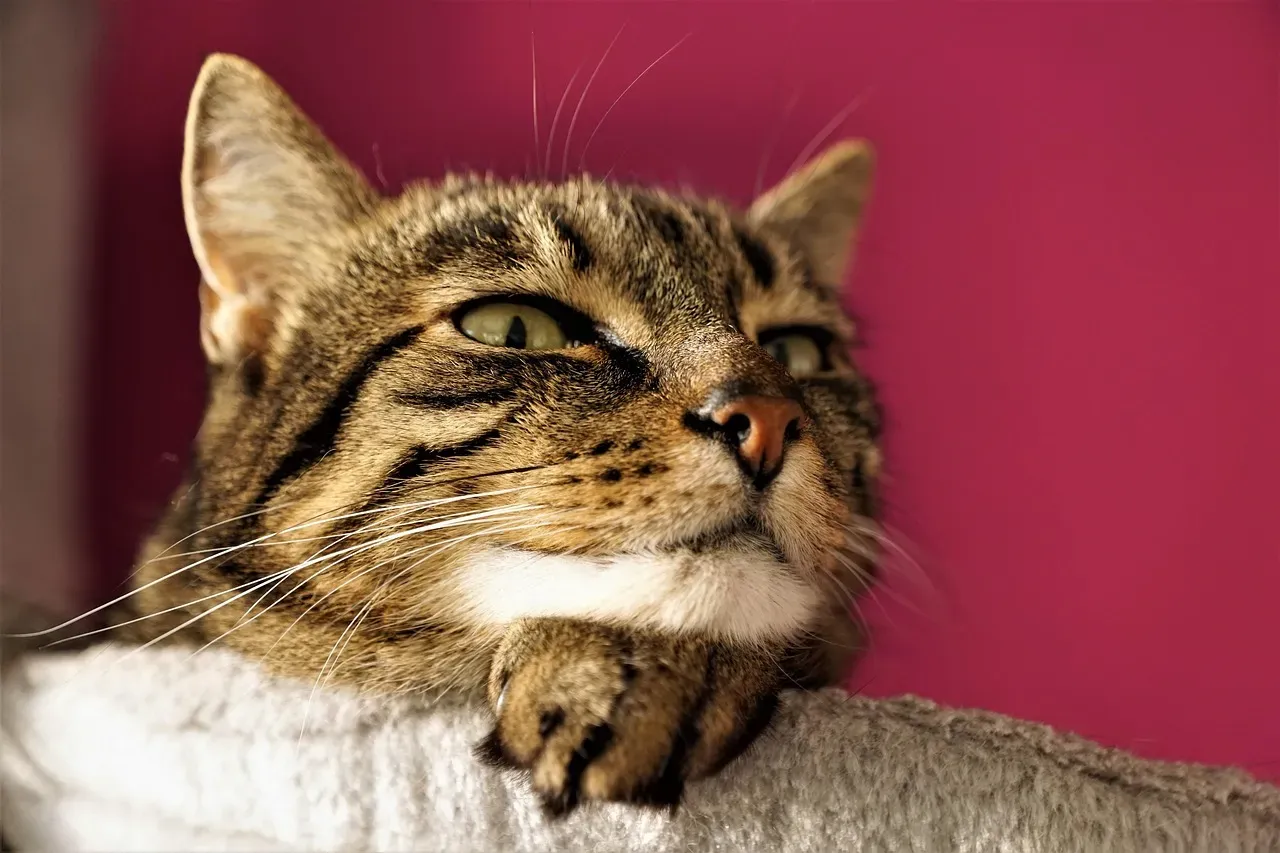
We tend to assume purring automatically equals happiness. We often think that our cats are happy when they purr, but this is only true if their body language is relaxed, as they can also purr to get your attention and fuss, and sometimes cats can purr in stressful situations, such as going to the vet. The context matters enormously when interpreting this common vocalization.
Purring is generally a sign of contentment, but it can also indicate pain or stress. Cats sometimes purr to self-soothe during difficult moments or even when they’re injured. This is why you need to look at the whole picture: body posture, ear position, and the situation your cat is in. A purring cat with tense muscles, flattened ears, or dilated pupils might actually be communicating distress rather than pleasure. Pay attention to those additional signals to truly understand what your cat needs.
Eye Contact and Staring: The Dominance Challenge
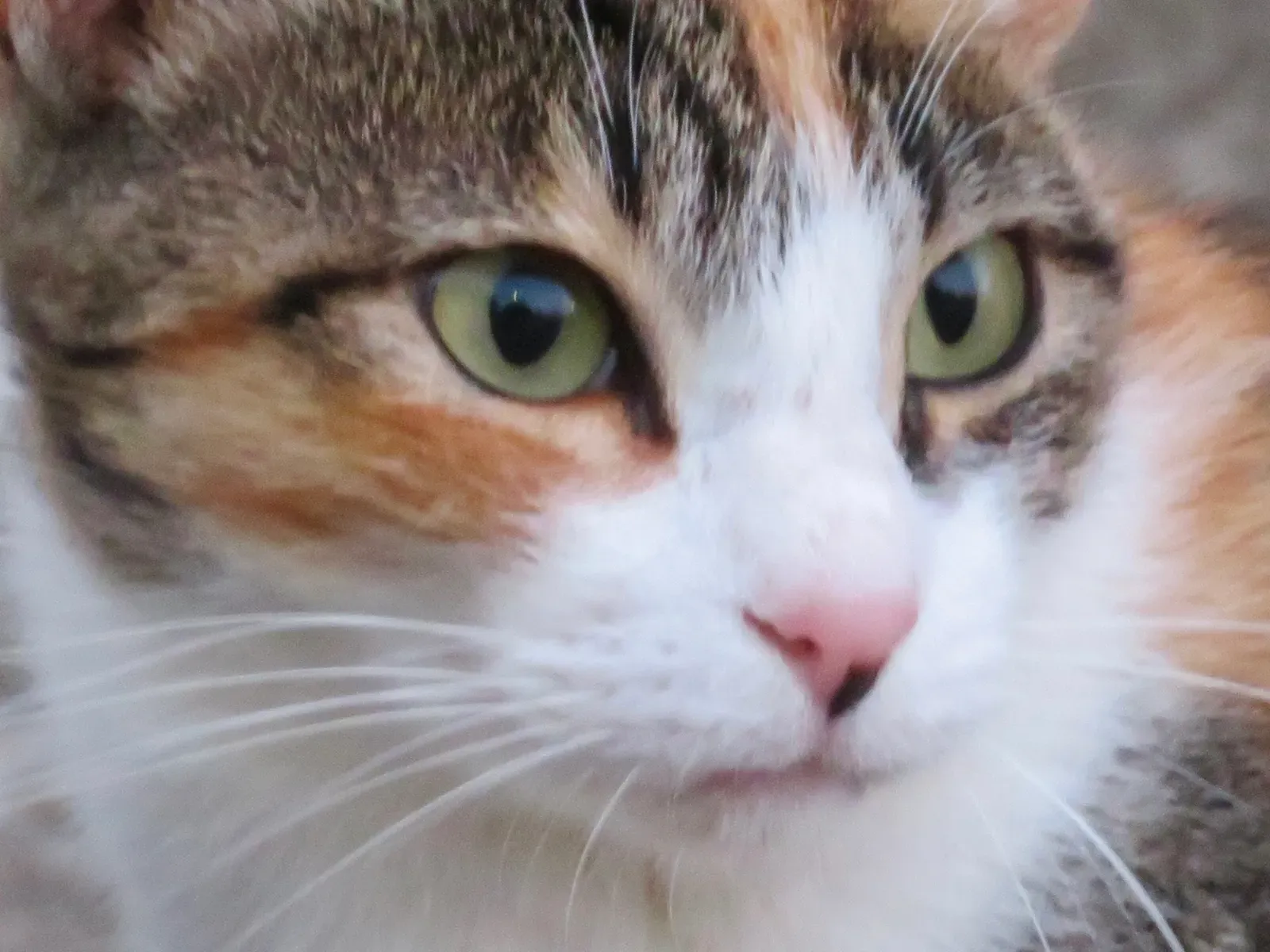
A direct stare by a cat usually communicates a challenge or threat and is more likely to be seen in high-ranking cats, with the direct stare often used during predation or for territorial reasons. This explains why your cat might seem offended when you stare at them lovingly. From their perspective, you’re being weirdly confrontational.
Direct eye contact can sometimes signal a territorial challenge in cats, however, a cat who slowly blinks or lowers their eyelids is showing trust and affection, often referred to as a cat kiss. Understanding this distinction transforms how you interact with your feline. Instead of maintaining intense eye contact, try the slow blink approach or simply look away periodically. Your cat will appreciate that you’re respecting their communication rules. It’s one of those unexpected aspects of cat behavior that makes perfect sense once you understand their perspective.
Vocal Variations: Meowing Just for You
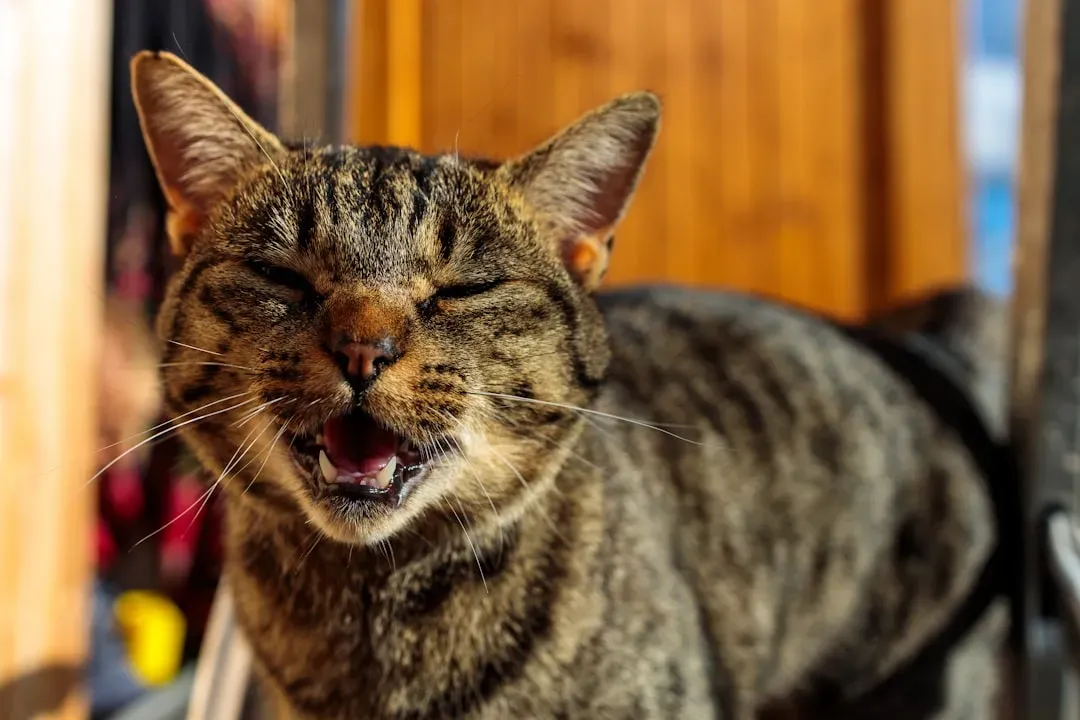
Meowing is a behavior cats have explicitly developed to communicate with humans, and in the wild, adult cats rarely meow at each other, but domestic cats use meows to convey a variety of needs and desires to their human companions. Your cat literally developed a special language just to talk to you. Let that sink in for a moment.
Cats vocalized more frequently with meows, purrs, and chirps when greeting male caregivers than when greeting female caregivers. Recent research even suggests cats adjust their communication strategies based on who they’re talking to. Each meow is tailored to communicate specific needs and desires, with the short, high-pitched meow often being a friendly hello, while a drawn-out meow might signal a complaint or request. Your cat is essentially learning which sounds work best to get your attention and achieve their goals. They’re master manipulators in the most adorable way possible.
Conclusion: Becoming Fluent in Feline
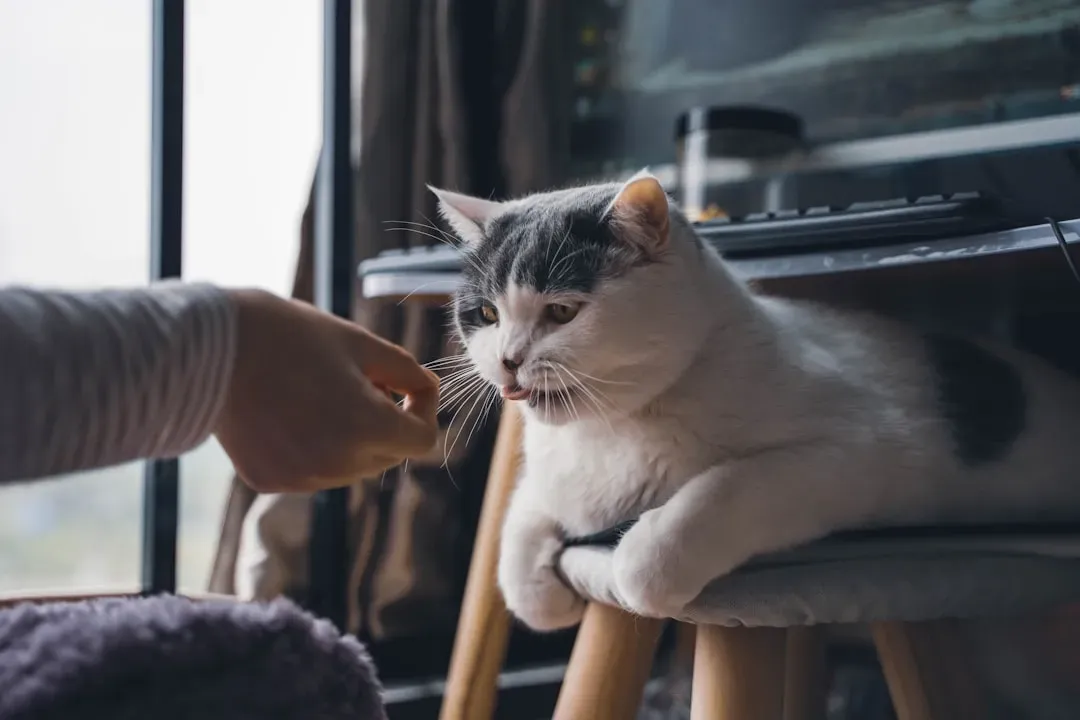
Learning to recognize these nine unexpected communication methods transforms your relationship with your cat from surface level to genuinely deep. Each slow blink, whisker twitch, and unique vocalization carries meaning that your cat desperately wants you to understand. The more you observe and respond appropriately to these signals, the stronger your bond becomes.
Remember that cats communicate through combinations of signals rather than single gestures. A happy cat with an upright tail, forward whiskers, and relaxed ears sends a completely different message than a cat with those same tail positions but flattened ears and dilated pupils. Context is everything in the feline communication world.
What surprising ways have you noticed your cat trying to communicate with you? Have you discovered any unique signals that seem specific to your feline friend? The language of cats is endlessly fascinating, and every cat owner becomes a bit of an expert translator over time.
Kristina is a young writer from India. An arts graduate and an avid content creator, Kristina is passionate about animals and wildlife. She enjoys exploring topics related to pet care, animal behavior, conservation, and nature, combining thorough research with engaging storytelling.