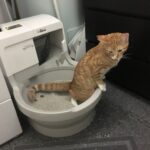
Have you ever watched your cat do something that made you wonder if they were upset, anxious, or just plain weird? Here’s the thing. Cats are experts at keeping us guessing. They communicate in ways that don’t always translate neatly to human expectations, which means we frequently get their signals completely wrong.
What looks like aggression might actually be pure joy. What seems like indifference could be the ultimate compliment. Your feline friend has been trying to tell you how happy they are all along, but the message keeps getting lost in translation. So let’s dive in and decode those mysterious behaviors that are actually signs your cat is living their best life with you.
The Belly Flop That Isn’t an Invitation
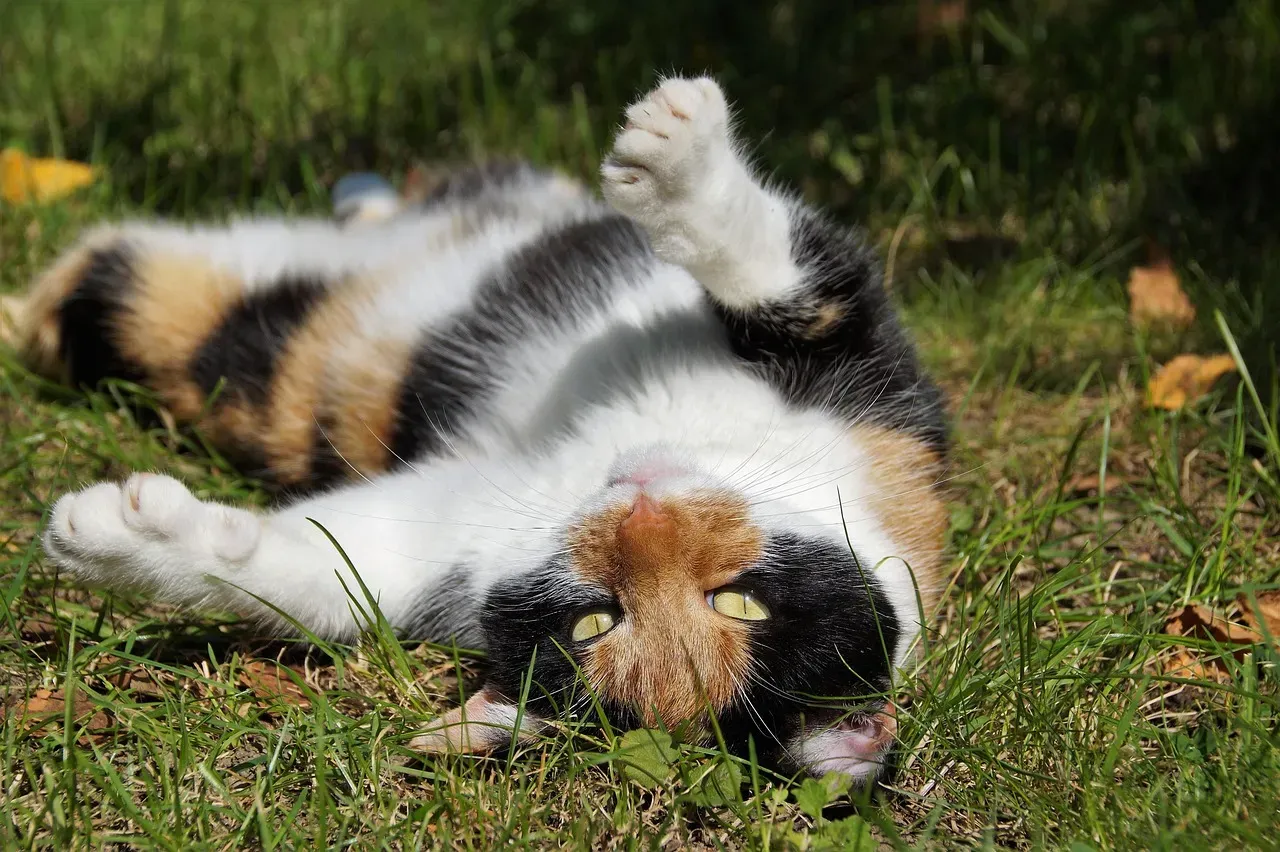
When your cat stretches out, rolls over, or exposes their belly, they’re showing complete trust and comfort around you, and these adorable gestures are a clear sign that your feline friend is feeling happy, safe, and completely at ease. Yet the moment you reach down to rub that fluffy tummy, you might get a swift swat or even a bite. Let’s be real, this can feel like a trap.
In most cases, a cat exposing its belly is actually a defensive mechanism, and when they show it to you, they are implicitly saying they trust you and feel safe in your presence. A cat showing its belly may simply feel secure, but forcing interaction at this point can break trust. Think of it as your cat saying “I’m so content with you that I can be vulnerable,” not “please touch my most sensitive spot.” The exposed belly is the compliment itself.
Slow Blinking Isn’t Sleepiness
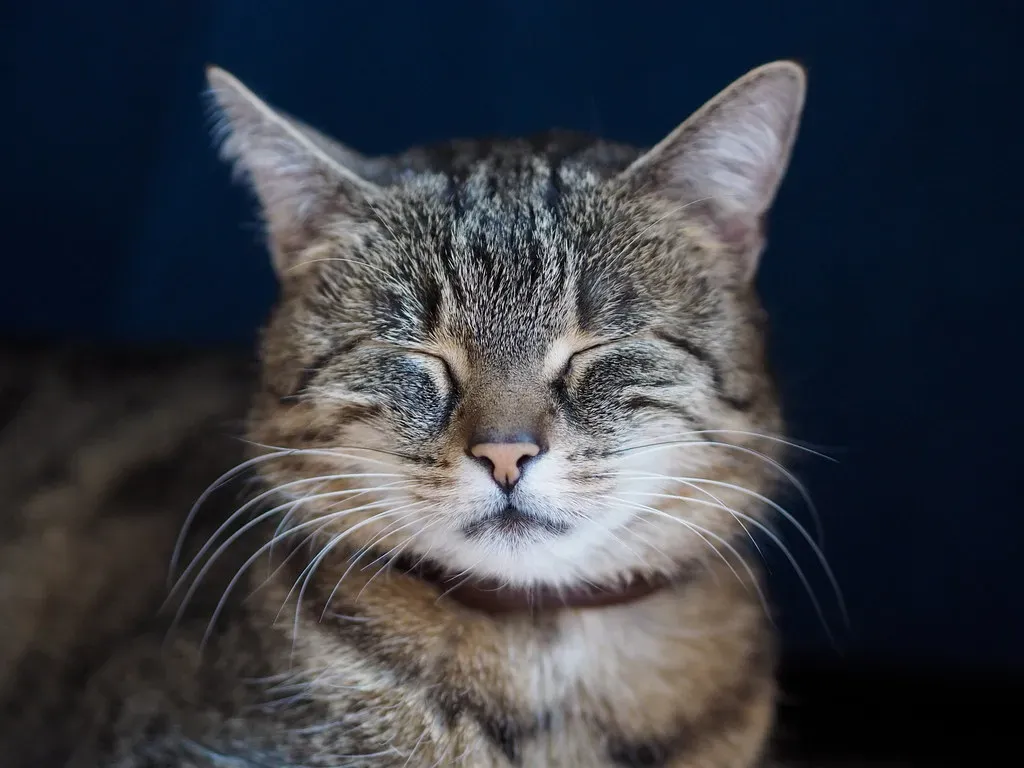
Some owners mistake slow blinks for drowsiness, but in reality, this gentle signal in cat body language shows deep comfort and trust. Honestly, this is one of the sweetest forms of feline communication once you understand it. A slow blink is your kitty’s way of saying they feel safe, happy, and confident around you.
It’s like the feline version of a warm hug, and when your cat slow-blinks at you, they’re signaling the idea that they feel safe and content in your presence. Cats interpret a slow blink as a sign of goodwill and relaxation, and reciprocating with a slow blink of your own can further deepen the bond between you and your feline friend. Try it next time your cat looks at you with those half-closed eyes. You might just get a kitty kiss right back.
The Puffed Tail During Playtime
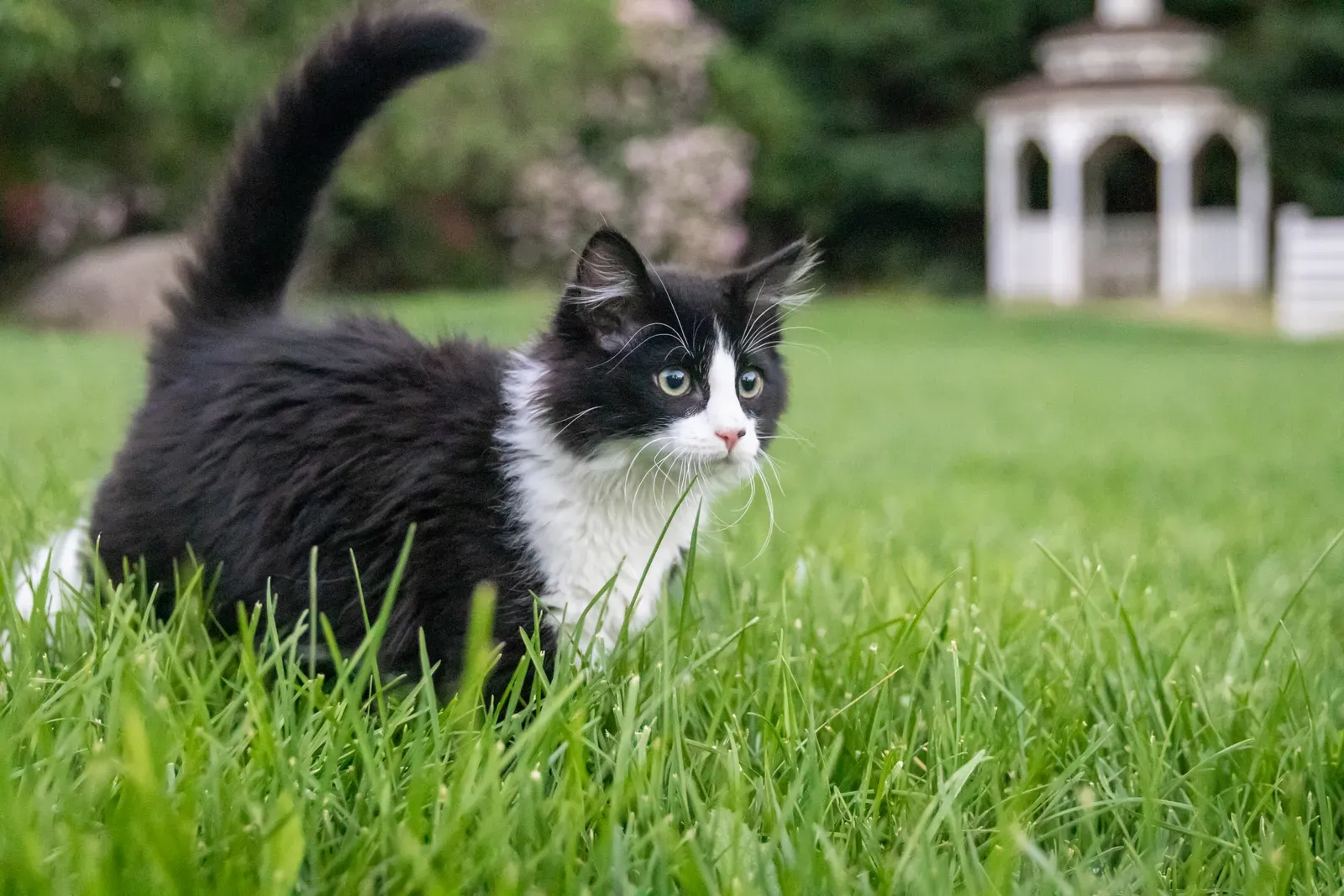
A puffed-out tail may also mean that your cat is feeling playful, and this behavior is often seen in kittens but can also be found in adult cats. I know it sounds crazy, but that Halloween cat silhouette isn’t always about fear or anger. It’s not uncommon to see a cat’s tail puff up during a fun game of chase or while they’re zooming around the house, and in these cases, the puffed-up tail is a sign of heightened energy rather than fear or aggression.
Cats make their tails puffy when they’re feeling playful and happy, and it’s generally seen in kittens, but some older cats have been known to make their tails bigger when they’re enjoying themselves. There’s nothing to worry about if your cat suddenly starts bouncing around with a puffed-up tail during a play session; it’s not a sign of aggression, but rather an indication of just how much your buddy is enjoying themselves. Other indicators of playfulness include erect ears, pointed forward whiskers, and dilated pupils. Context is everything here.
Bringing You Dead Prey Is Actually a Love Language
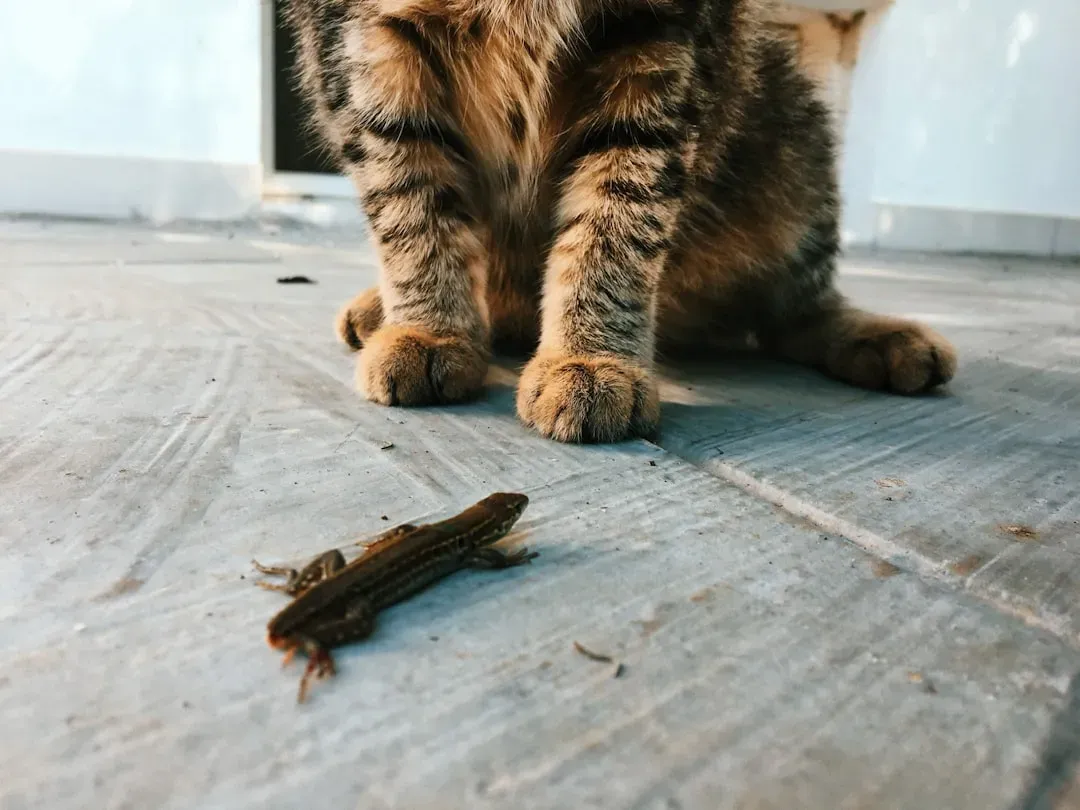
Yes, finding a deceased mouse on your pillow is unpleasant. Yet this behavior, while grim, reveals something profound about how your cat views you. Cats bring these gifts home because their home is where they feel safe and secure, and they bring it back to their core territory, where they know they can eat it undisturbed or store it safely for later, which can still be considered a sign of love, as it shows they feel safe with you.
Cats bring you gifts of toys or dead animals to signal affection, show off their catch, or as a way to educate their owners on how to hunt. The observed behavior is believed to replicate natural aspects of the wild, particularly in the relationship between a queen cat and her kittens, where a queen typically hunts and returns with prey to her den, often demonstrating killing and consuming the catch, a learning experience for her kittens. Your cat sees you as family and wants to share resources with you. It’s gross, sure, but it’s also kind of touching when you think about it that way.
Kneading With Their Paws Means Pure Bliss
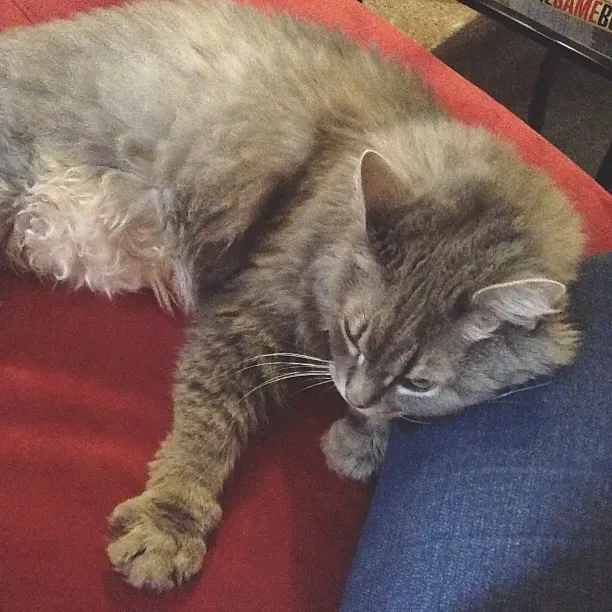
If your cat kneads against your lap or a soft surface with their paws, it’s a behavior reminiscent of their kittenhood, and kneading is often associated with feelings of comfort and contentment. This rhythmic pushing motion, sometimes called “making biscuits,” is one of those behaviors that looks a bit odd but signals deep happiness. Cats might knead a blanket or their favorite people or something soft, and it’s often the height of contentment, thought to be a throwback to the security that kittens feel when kneading on their mother, which is a clear sign that a cat is extremely happy.
This action mimics the instinctive behavior kittens perform while nursing, stimulating the release of endorphins. So when your cat is pushing their paws into you, claws and all, they’re literally getting a natural high from feeling so content and secure. Did you expect that your cat was essentially drugging themselves with happiness because of you?
Head Butting and Rubbing Against You
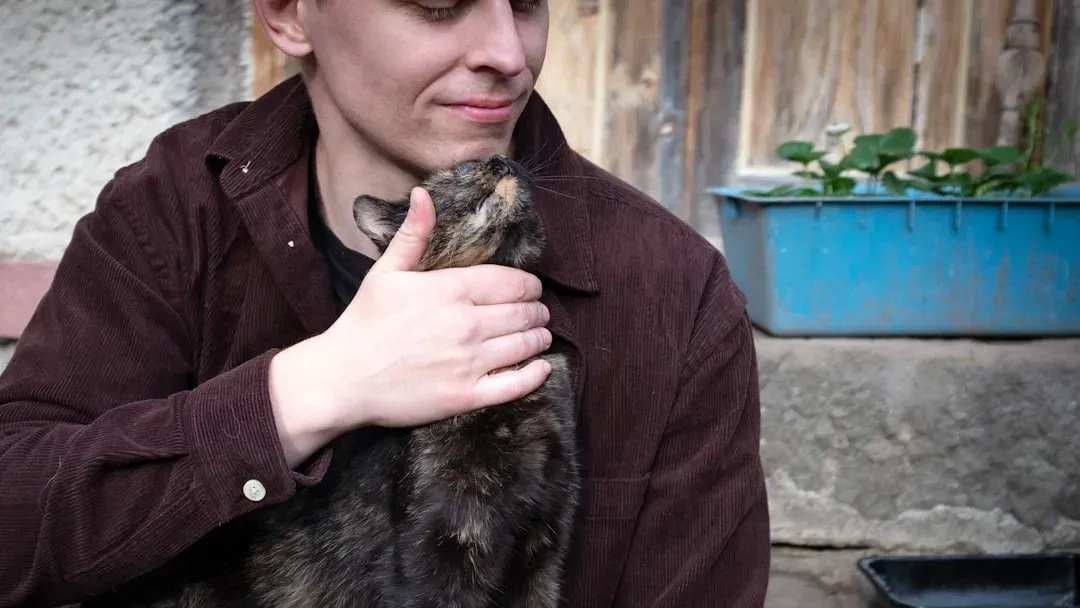
This behavior, often known as nuzzling or head-butting, is more than just cute; it’s a telltale sign that your cat is relaxed, happy, and trusts you implicitly. When your cat bonks their head against your leg or face, they’re doing something called scent marking. They have scent glands around their face and head, and they’re essentially claiming you as part of their territory.
Head-butting, kneading, or even a simple nuzzle can all be signs of a happy cat. This isn’t just about ownership though. Greeting you warmly means you can tell if a cat is pleased to see you as they will rub around your legs when you walk into a room. It’s a gesture of affection and belonging. Your cat is mingling their scent with yours, creating a shared family smell that makes them feel secure and content. The stronger the head bonk, the deeper the affection.
The Question Mark Tail Position
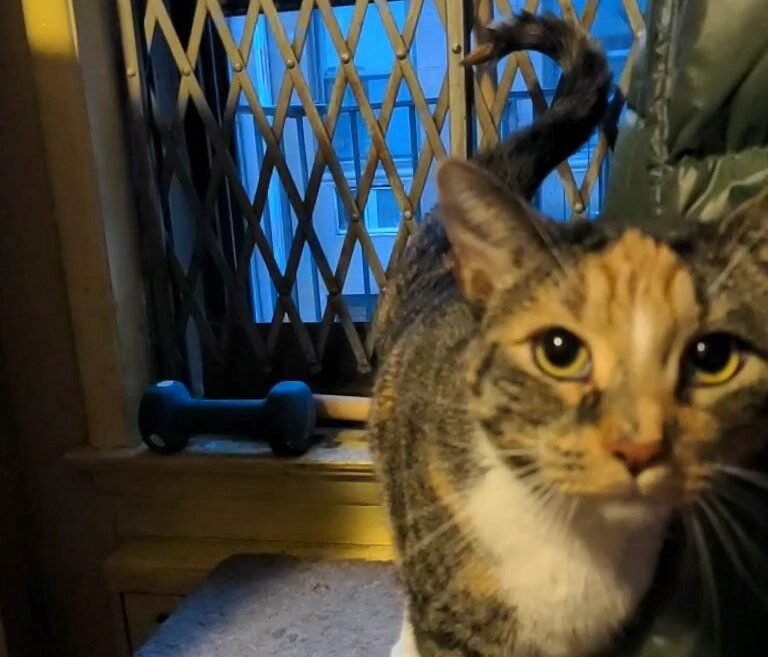
A hook happens when a cat holds their tail upright and then curls the tip slightly, kind of like a question mark, and this little tail quirk might look like a playful flourish, but it’s actually a clear sign your kitty is feeling happy and content around you. This is one of those subtle signals that’s easy to overlook. If your cat’s tail is formed like a hook or it looks like a question mark, they may be feeling playful and happy, and if your cat is approaching you and their tail is in this position, they may want to engage in bonding or play.
The upright hook tail can be a friendly greeting cue, as this position can signal confidence and as a signal to others that the cat is in a safe and confident space. When you see that cheerful curved tip bouncing toward you, your cat is basically waving hello and saying they’re in a great mood. One of the most positive signs in cat body language is a tail held straight up, and this upright position shows confidence, happiness, and approachability. What would you have guessed that tiny curve at the end meant before now?
Kristina is a young writer from India. An arts graduate and an avid content creator, Kristina is passionate about animals and wildlife. She enjoys exploring topics related to pet care, animal behavior, conservation, and nature, combining thorough research with engaging storytelling.