You’ve probably noticed it. Your cat follows your roommate around like they’re the most fascinating creature on Earth, yet barely acknowledges you when you walk in the door. Maybe you’re the one who fills the food bowl, cleans the litter box, and buys all those fancy toys. Still, your feline friend has clearly chosen someone else as their favorite. Honestly, it stings a little.
Here’s the thing, though. Cats aren’t being cruel or ungrateful. They’re just operating on a completely different wavelength than we might expect. Their preferences are shaped by a fascinating mix of biology, psychology, and experience that goes far deeper than who remembers to refill the kibble. Let’s dive into the mystery of why your cat might be playing favorites, and what that really means about the complex inner world of our feline companions.
The Critical Socialization Window That Sets Everything in Motion
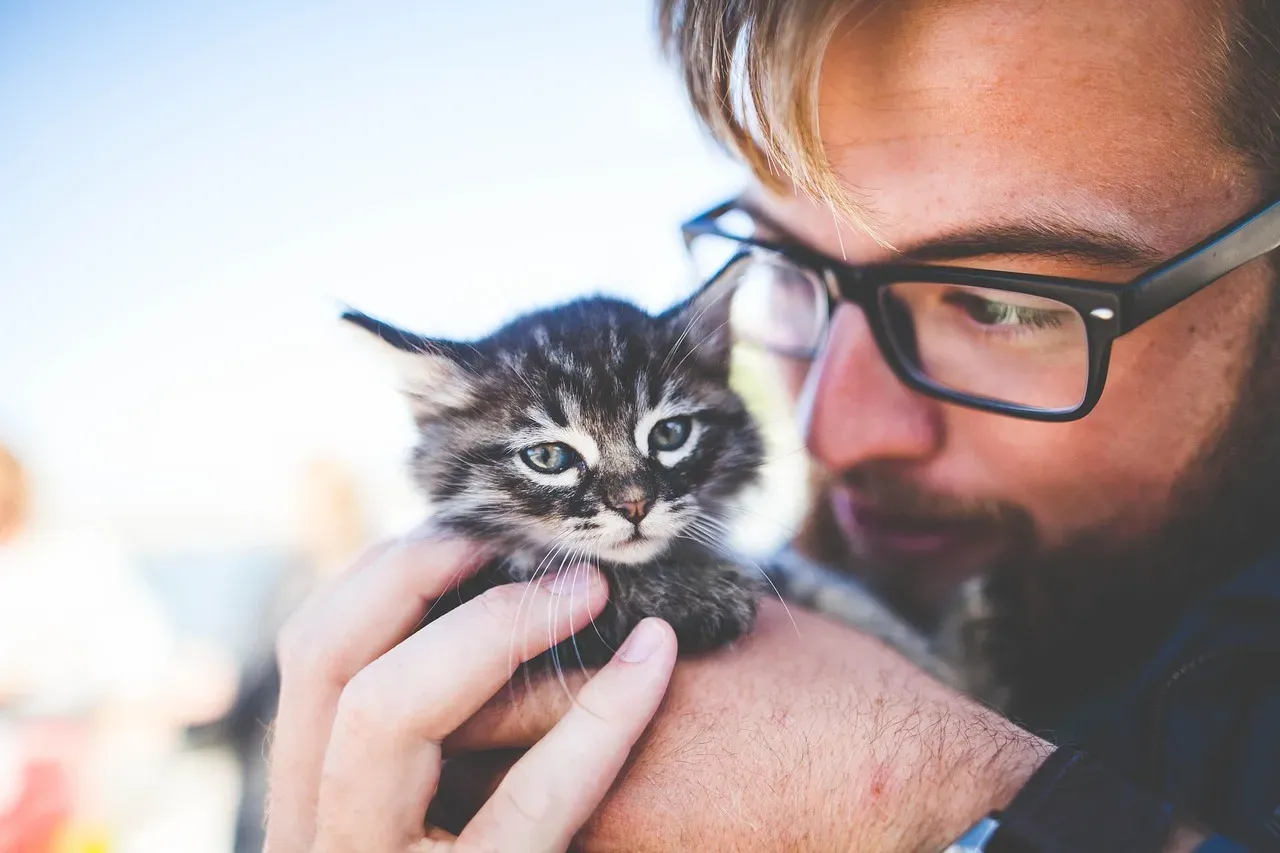
The early weeks of a kitten’s life hold extraordinary power over their future relationships with humans, particularly between the second and seventh weeks of age. If a cat doesn’t receive social experiences with humans during this sensitive period between four and eight weeks old, bonding with humans may become extremely difficult or even impossible. Think of it like a window that’s wide open for a brief moment, then gradually closes.
Kittens bond with the person who takes care of them and interacts with them most after being separated from their mother, as this person becomes their figure of safety and comfort. The quality and quantity of these early interactions literally shape the cat’s brain, determining how comfortable they’ll be with people for the rest of their lives. It’s not something that can easily be undone or rewritten later. Kittens handled daily by people during the first month of life develop more rapidly, become more outgoing, more social to humans, and have fewer problems with aggression.
Personality Matching: When Humans and Cats Just Click
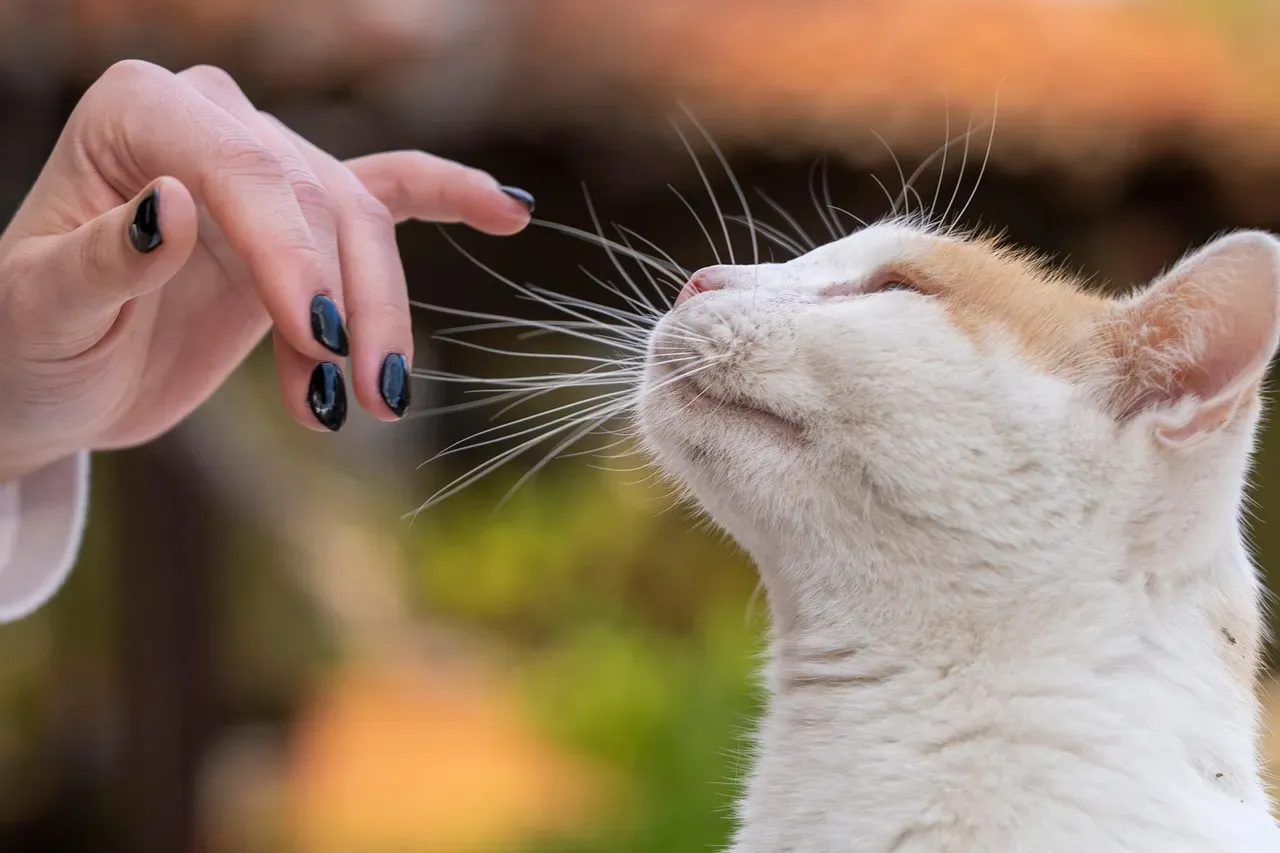
Let’s be real. Sometimes you just vibe with certain people, right? Cats are the same way. A cat’s breed or personality plays a major role in their preference, with relaxed cats gravitating toward calm, quiet family members while playful, energetic cats choose friends who give them exercise and attention.
Your energy matters more than you might think. Cats have their own unique personalities and preferences, with some drawn to individuals who have a calm and gentle demeanor while others prefer someone who is more playful and interactive. If you’re naturally high-energy and your cat is more of a chill, contemplative type, you might not be their ideal companion. That doesn’t make either of you wrong. It just means your personalities don’t mesh as perfectly as they might with someone else in your household.
The Person Who Speaks Fluent Cat Wins
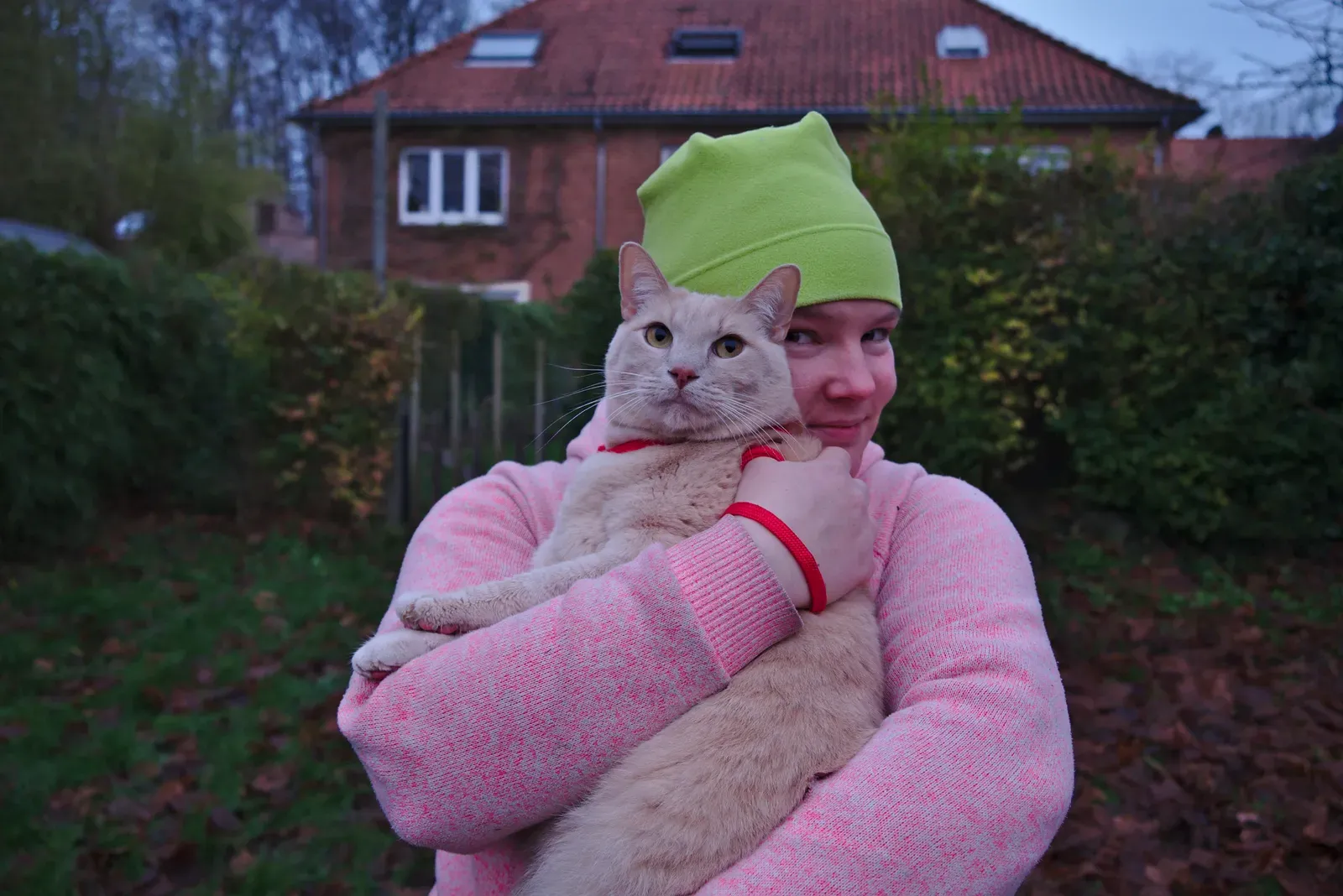
When one human consistently feeds, pets, plays with, snuggles, and pays attention to a cat, the two become better attuned to each other’s body language and mood, with cats gravitating toward those who understand them well. It’s like learning a foreign language. The more effort you put into understanding what your cat is trying to communicate, the stronger your bond becomes.
According to research by nutrition company Canadae, the person who makes the most effort is the favorite, with people who communicate by getting to know their cat’s cues and motives being more attractive to their cat companions. Notice how your cat’s tail moves? Do you recognize when their ears flatten or when they’re actually asking for space rather than affection? These subtle cues matter enormously. Cats appreciate humans who can read their signals without forcing interaction.
The Paradox of Trying Too Hard
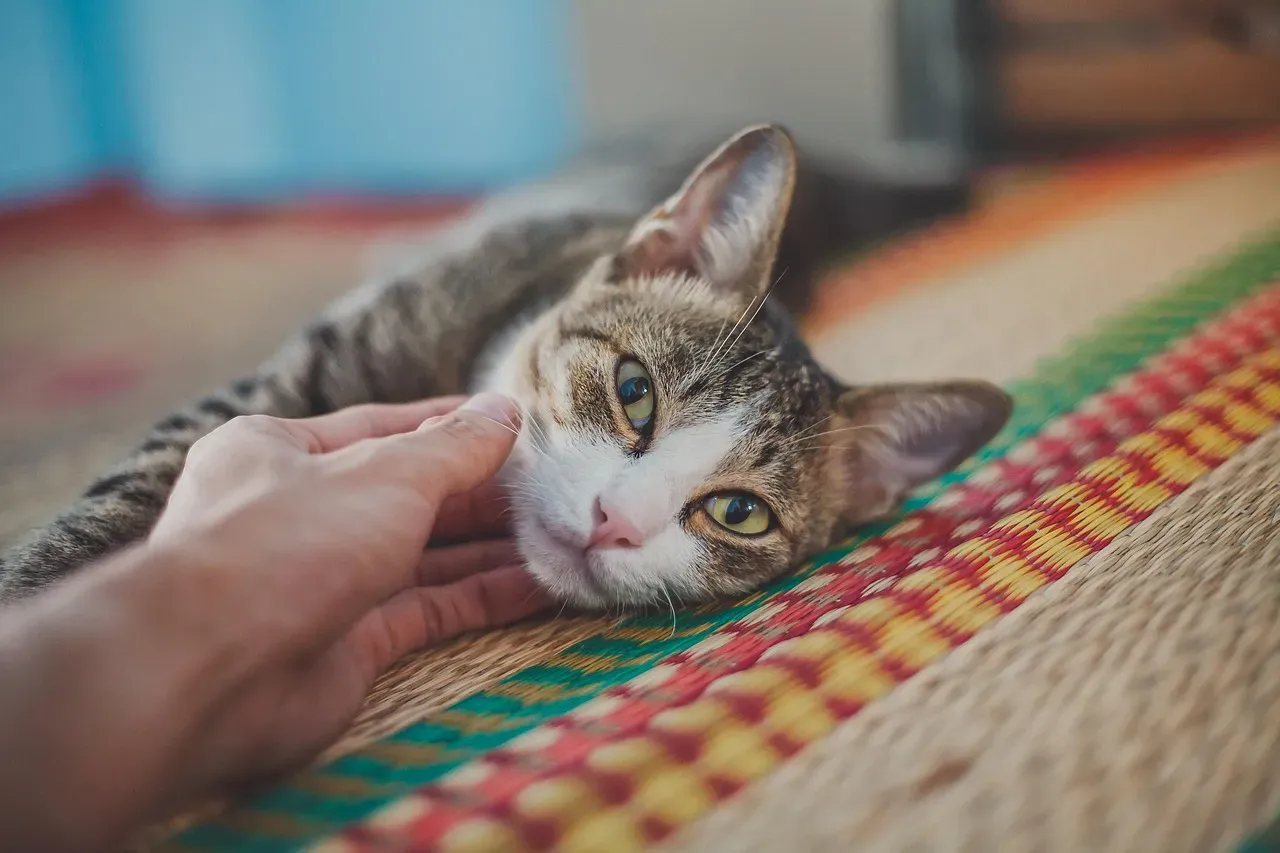
Here’s something that might sound crazy, but it’s true. Cats look for a lack of handling in their human companions and almost always gravitate more to humans that don’t subject them to handling. This explains why cats inexplicably approach people with feline allergies, as cat lovers make a fuss with stroking and picking them up, while someone with an adverse reaction shows no interest, which the cat acknowledges as a safe person to approach.
The person desperately trying to win your cat’s affection might actually be pushing them away. Cats value autonomy and control over their environment. When you scoop them up without asking or smother them with attention they didn’t request, you’re violating their boundaries. Meanwhile, the person who ignores the cat completely becomes irresistible precisely because they’re not demanding anything.
Routine and Consistency Build Trust
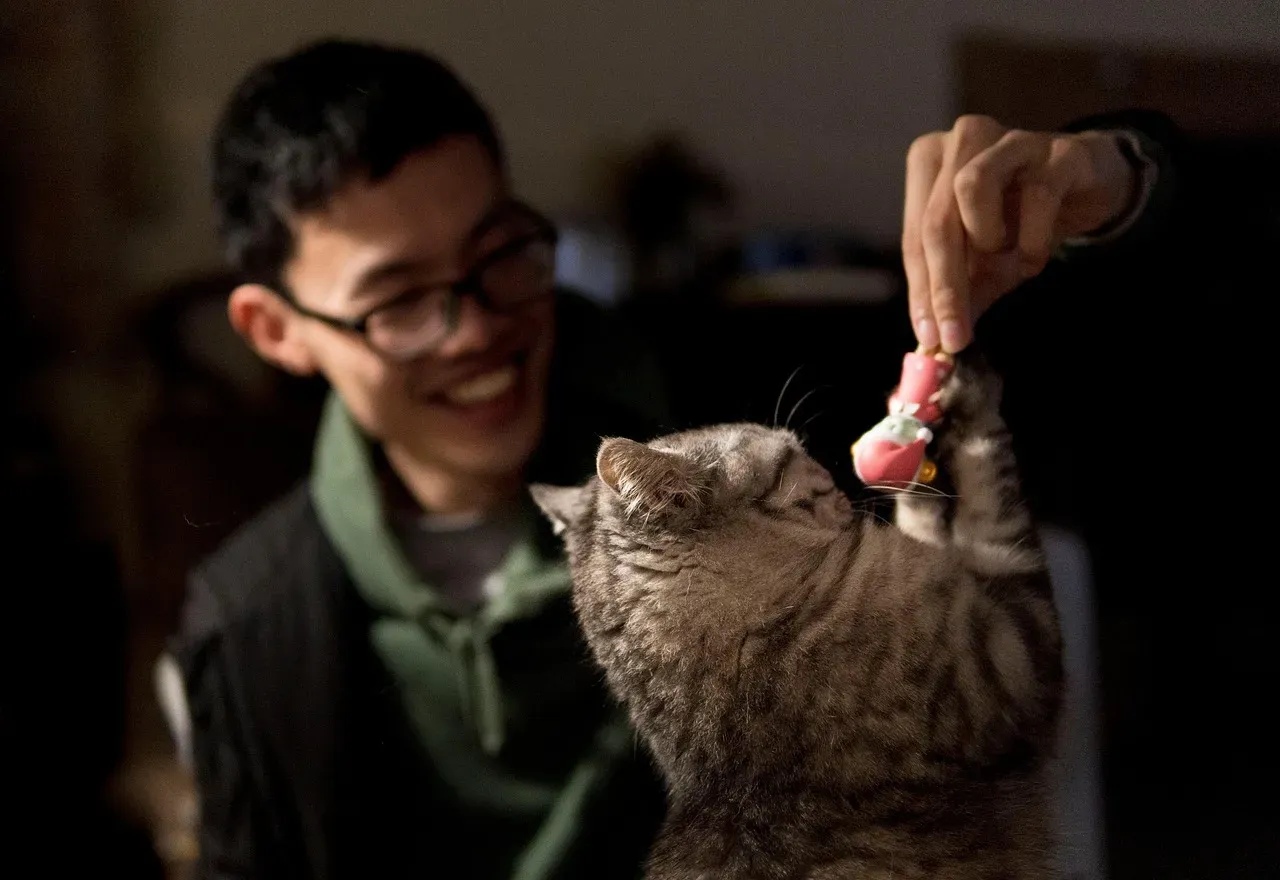
Cats are creatures of habit and thrive on routine and consistency, naturally forming strong bonds with individuals who feed them, play with them, and provide attention and care on a regular basis. Predictability feels safe to cats. If you’re the one who shows up at exactly the same time every day, your cat learns they can count on you.
A predictable and consistent routine is important because an inconsistent routine can be a source of chronic stress for cats, which can have detrimental effects on their physical health over time and induce cats to show more sickness behaviors and house soiling. Your cat isn’t being rigid or difficult when they want things done the same way every time. They’re protecting their sense of security in a world that can feel unpredictable and overwhelming.
Voice, Scent, and Subtle Sensory Preferences
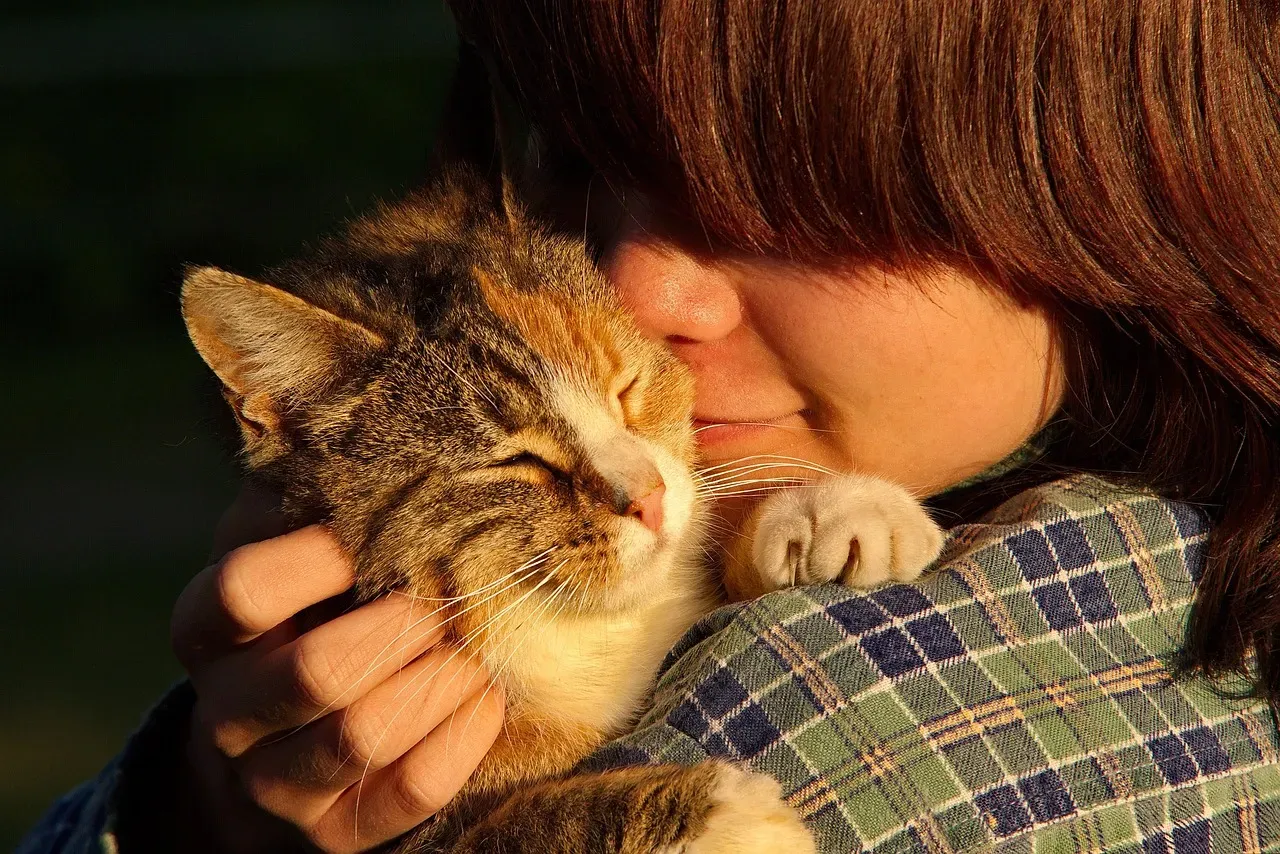
A cat’s preference can be influenced by a person’s mannerisms, voice, and treatment style, with some cats responding better to gentle or even firm handling. Maybe your voice is too loud for your cat’s sensitive ears, or perhaps your perfume overwhelms their delicate sense of smell. These aren’t things you’re doing wrong, but they matter to your cat.
At the end of the day, some cats choose favorites based on totally arbitrary criteria like who has the best smell, or cats might simply like women better than men, adults better than kids, or people who wear yellow better than those who wear black. Sometimes there’s no logical explanation. Your cat’s preference might come down to something as simple as the fact that your partner’s body temperature runs warmer, making them a more appealing napping spot. Cats are mysterious like that.
Past Trauma and Learned Associations
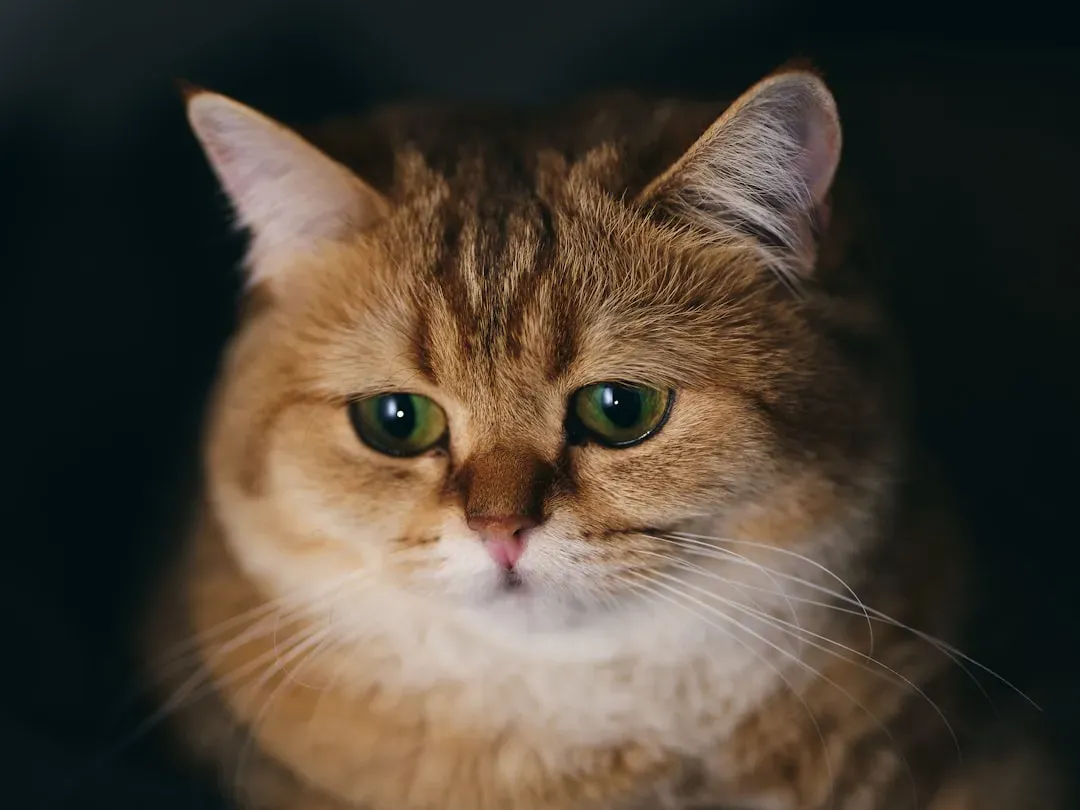
Cats with negative past experiences with certain human genders may become insecure and anxious around them. Trauma shapes a cat’s ability to attach to specific people, and if a cat or kitten was in an abusive or neglectful situation with a certain demographic, they’re more likely to feel uncomfortable and unsafe around some types of people.
If your rescue cat seems to favor one household member, it might have nothing to do with you personally. They could be reacting to something about you that reminds them of a past negative experience. A tall man with a deep voice, someone who moves quickly, or even a specific cologne could trigger old fears. Patience and gentle consistency can sometimes overcome these associations, but it takes time and understanding.
The Effort Investment Really Does Pay Off
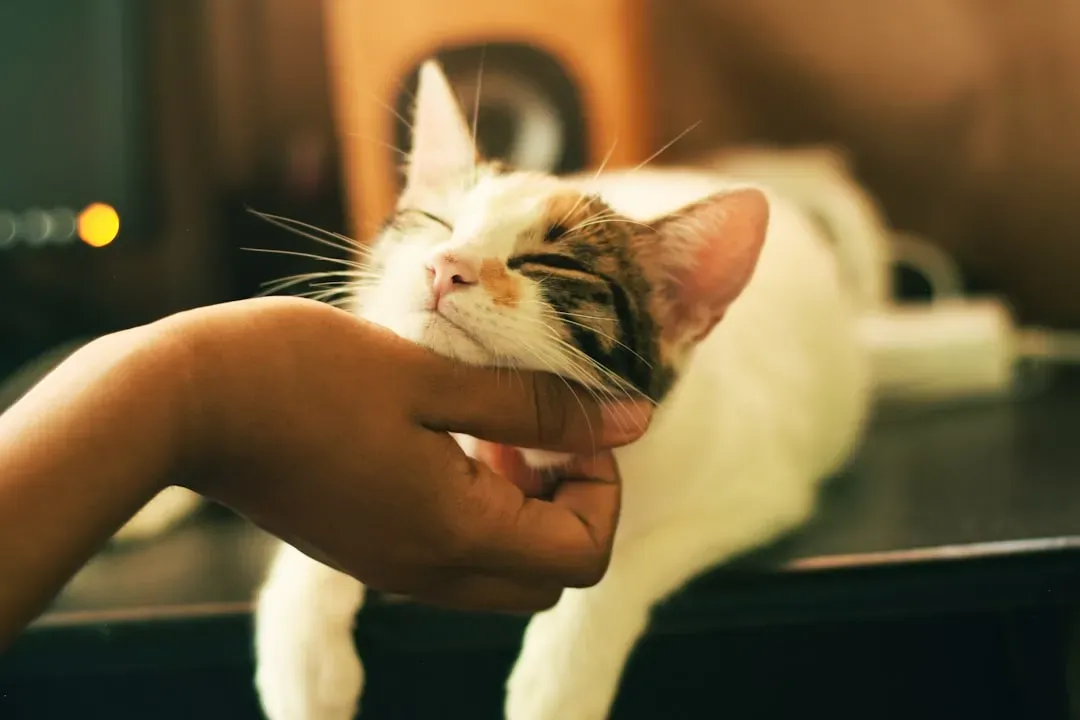
Hanging out with a cat and being available for fun activities when the cat is interested in interacting are hands down the most important factors when it comes to feline favoritism. Quality time matters. Not forced cuddle sessions, but genuine availability when your cat initiates interaction.
Reinforcing positive aspects of your cat’s behavior is a great way to earn their affection, so when they behave well, give them a treat or attention, and if they choose to come to you with affection, reciprocate it. Respecting boundaries is vital in any relationship including your relationship with your cat, as interacting is important but knowing when they need space and giving it to them is equally essential. It’s about being responsive rather than demanding.
Can You Change Your Cat’s Favorite Person Status?
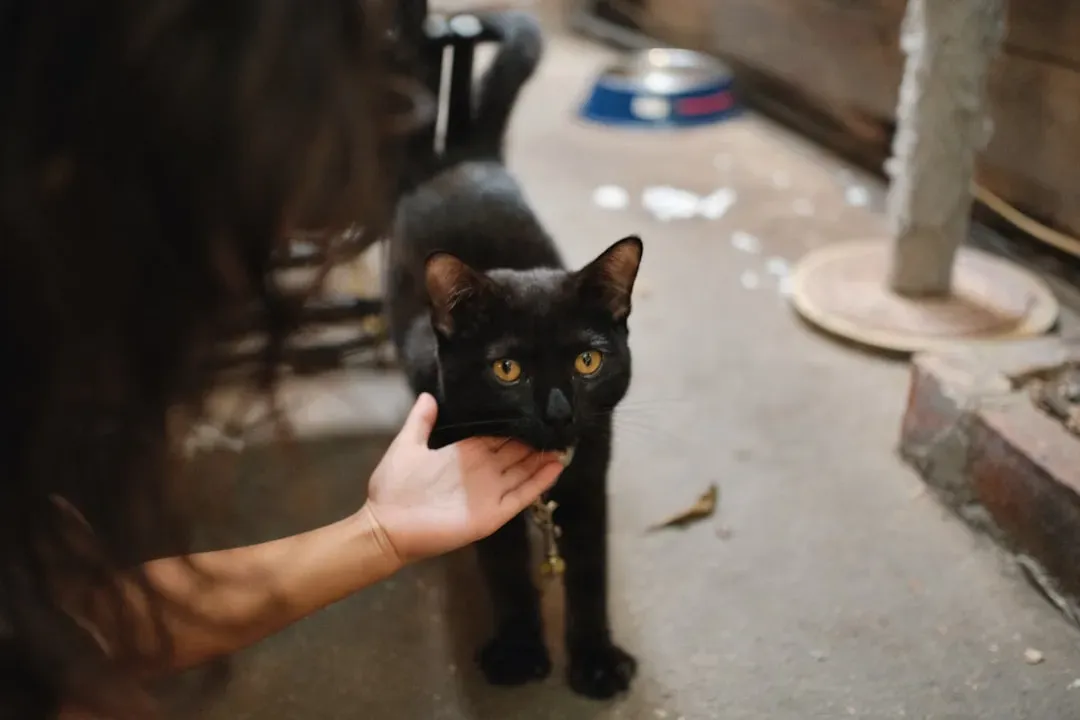
Cats’ preferences may change based on their experiences, interactions, and the level of attention and care they receive from different individuals, with building a strong bond through positive interactions helping maintain their preference. So yes, your position in your cat’s hierarchy isn’t necessarily permanent. You can shift things over time.
Cats pick their favorite people for easy-to-empathize-with reasons by preferring to be around those who understand what they’re communicating, most often individuals who spend time feeding, petting, talking to, and playing with them, and to become a cat’s bestie you’ll have to understand their personality well and cater to their idiosyncrasies. Start paying closer attention to what your cat is actually asking for rather than what you want to give them. Match their energy level. Learn when they want to play versus when they want to be left alone. Become fluent in their particular dialect of cat language.
Understanding Brings Acceptance and Connection
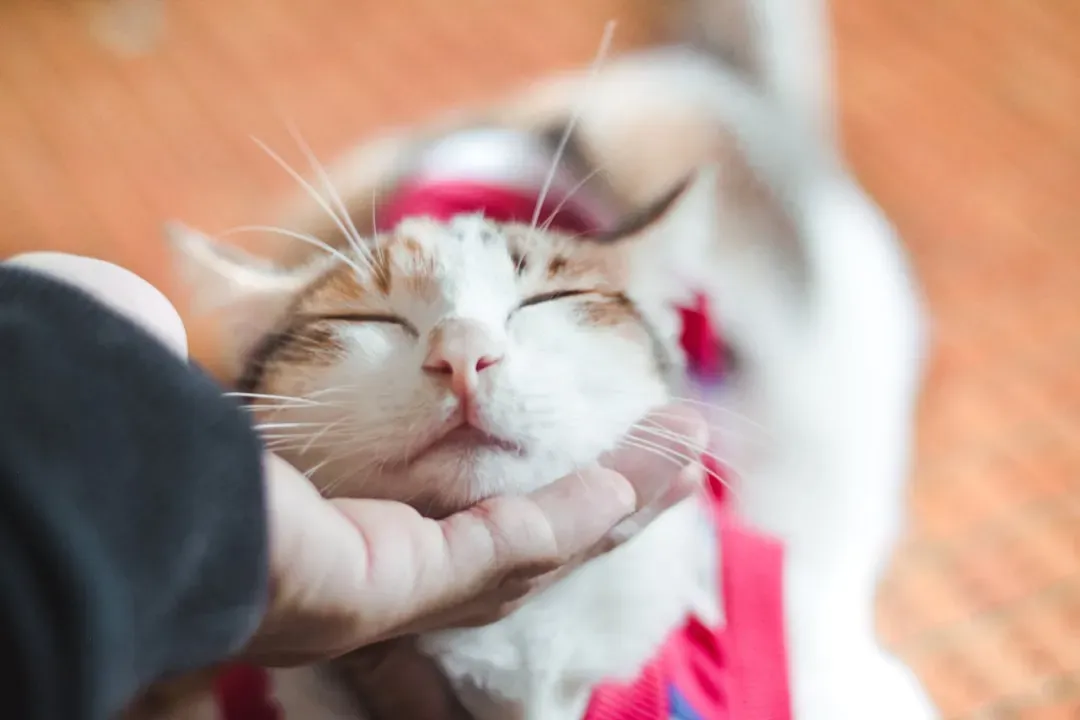
You cannot force a cat to choose you as a favorite person, but take solace in knowing all cats love their owners, as the independent nature of felines means they would not choose to live with you otherwise. Your cat doesn’t hate you just because they prefer cuddling with your partner. They’re simply expressing their preferences in the only way they know how.
There are many reasons that a cat may choose their favorite person over another, from their early experiences to socialization and matching personalities. The more we understand about what drives these preferences, the better equipped we are to build stronger bonds with our feline companions. It requires patience, observation, and a willingness to let the cat set the terms of the relationship rather than forcing our own expectations onto them.
The relationship between cats and humans is beautifully complex, shaped by biology, experience, personality, and countless tiny interactions that happen every single day. Your cat’s preference for one person over another isn’t a rejection. It’s just their honest expression of who makes them feel most understood, most safe, and most comfortable in a world that can sometimes feel too big and unpredictable. What do you think draws your cat to their favorite person? Have you noticed any patterns that make sense now?
Kristina is a young writer from India. An arts graduate and an avid content creator, Kristina is passionate about animals and wildlife. She enjoys exploring topics related to pet care, animal behavior, conservation, and nature, combining thorough research with engaging storytelling.