Have you ever stopped to wonder what’s really going through your cat’s mind in those quiet moments you share together? Cats are mysterious creatures, masters of concealment who rarely show their true feelings openly. That’s why recognizing the subtle ways they communicate during their final chapter can be so heartbreaking yet profoundly important. Your feline companion may be telling you something you’re not quite ready to hear, but understanding these signs can transform those last moments into something deeply meaningful. Let’s explore the quiet language of farewell that so many cat owners miss until it’s too late.
They Suddenly Crave Your Presence More Than Ever
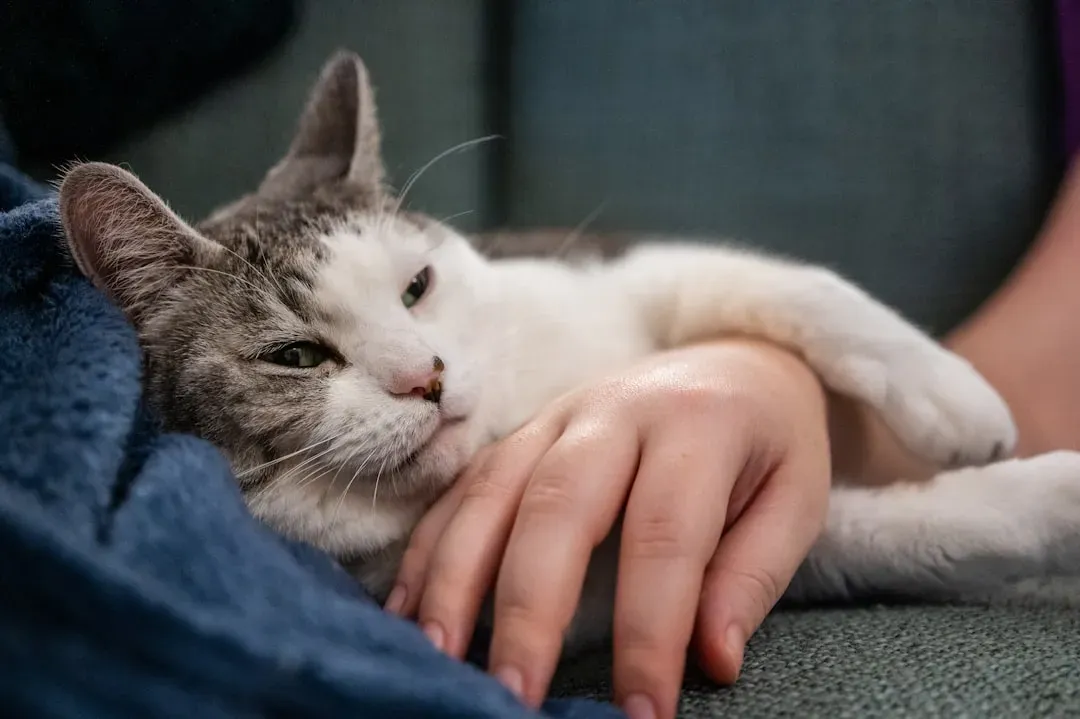
When a cat senses its life is nearing an end, it may seek out more affection from its owner, lingering closer, craving touch, or trying to snuggle more often. If your normally independent kitty is suddenly following you from room to room or insisting on curling up in your lap at every opportunity, pay attention. This isn’t just random affection.
It’s a way they say goodbye, by looking for warmth and affection from those they trust most. You might notice them staring at you with unusual intensity or pressing their head against your hand more frequently than before. Examples include a cat sitting on every family member’s lap, making their rounds as if checking in one last time with everyone they love.
Their Appetite Disappears Along With Their Interest
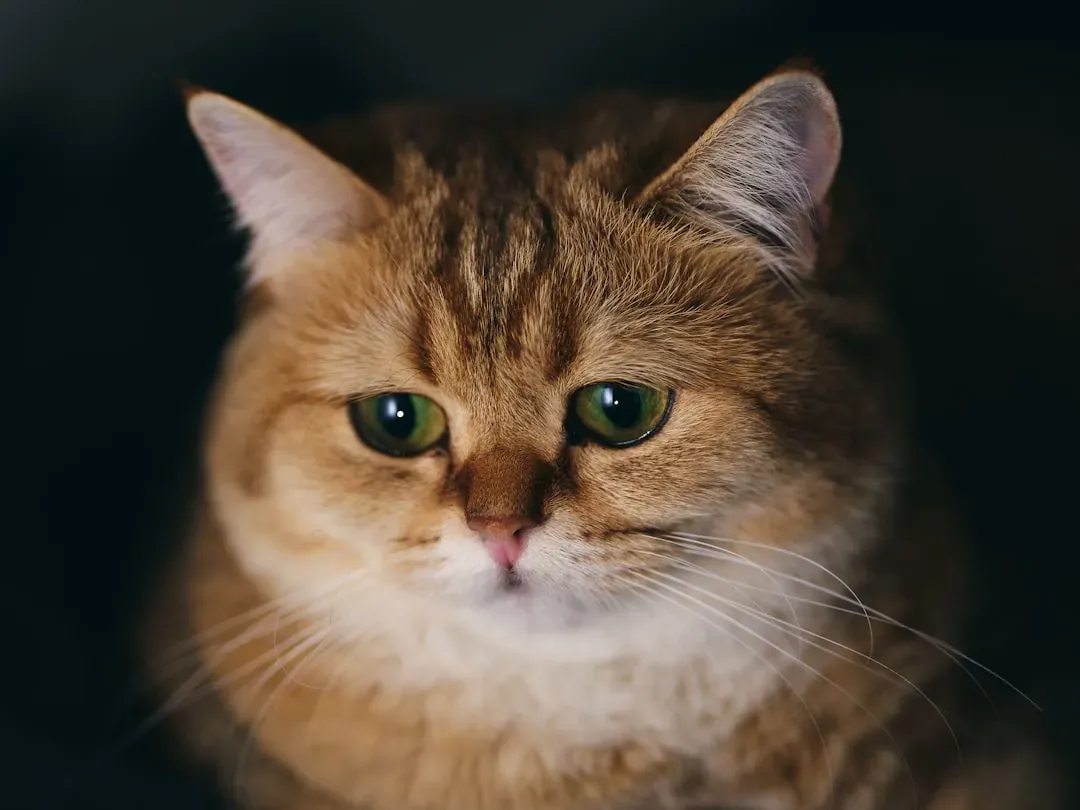
Refusing favorite treats or showing minimal interest in meals they once eagerly anticipated is one of the earliest signs something serious is happening. You’ll place their food bowl down and they’ll barely glance at it. Even that special treat you always kept for rewards sits untouched.
This is due to their body’s gradual shutdown, making it difficult to process food, and as their bodily functions weaken, the decrease in appetite serves as one of the clearer signs a cat is dying. Drinking significantly more or less water than usual, sometimes struggling to reach water bowls, also signals their body is changing in ways they can’t control. It’s hard to say for sure, but when cats stop enjoying the things that once brought them joy, they’re often communicating something profound.
They Hide Away in Places You’d Never Expect
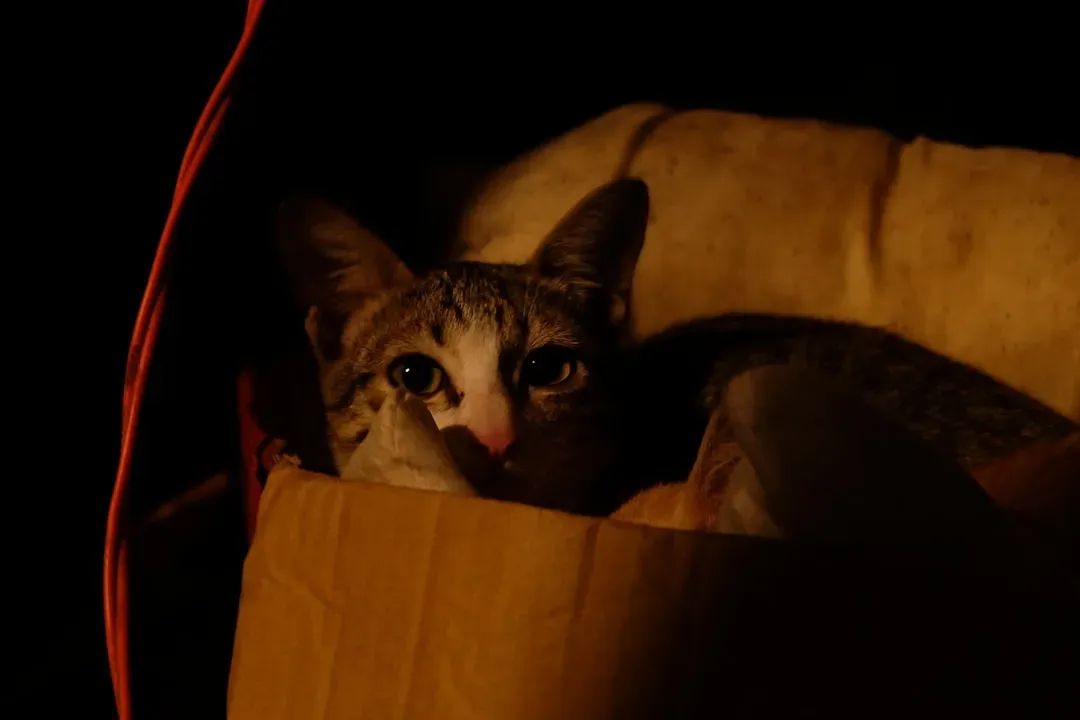
In the wild, a dying cat instinctively understands that they are more vulnerable to predators, and hiding is a way to protect themselves. Your house cat carries this ancient instinct deep in their bones. Dying cats often secret themselves away somewhere safe and quiet, as an innate instinct to protect themselves from predators that would target a weak animal.
You might find them tucked under the bed, squeezed behind furniture, or in closets they never bothered with before. Hiding or seeking solitude in unusual places becomes their priority. Hiding may be how some cats say goodbye – by retreating into a quiet, comfortable spot away from disturbance. Honestly, it breaks your heart when they choose solitude over your company, but sometimes respecting their space is the kindest thing you can do.
Their Coat Becomes Matted and Unkempt
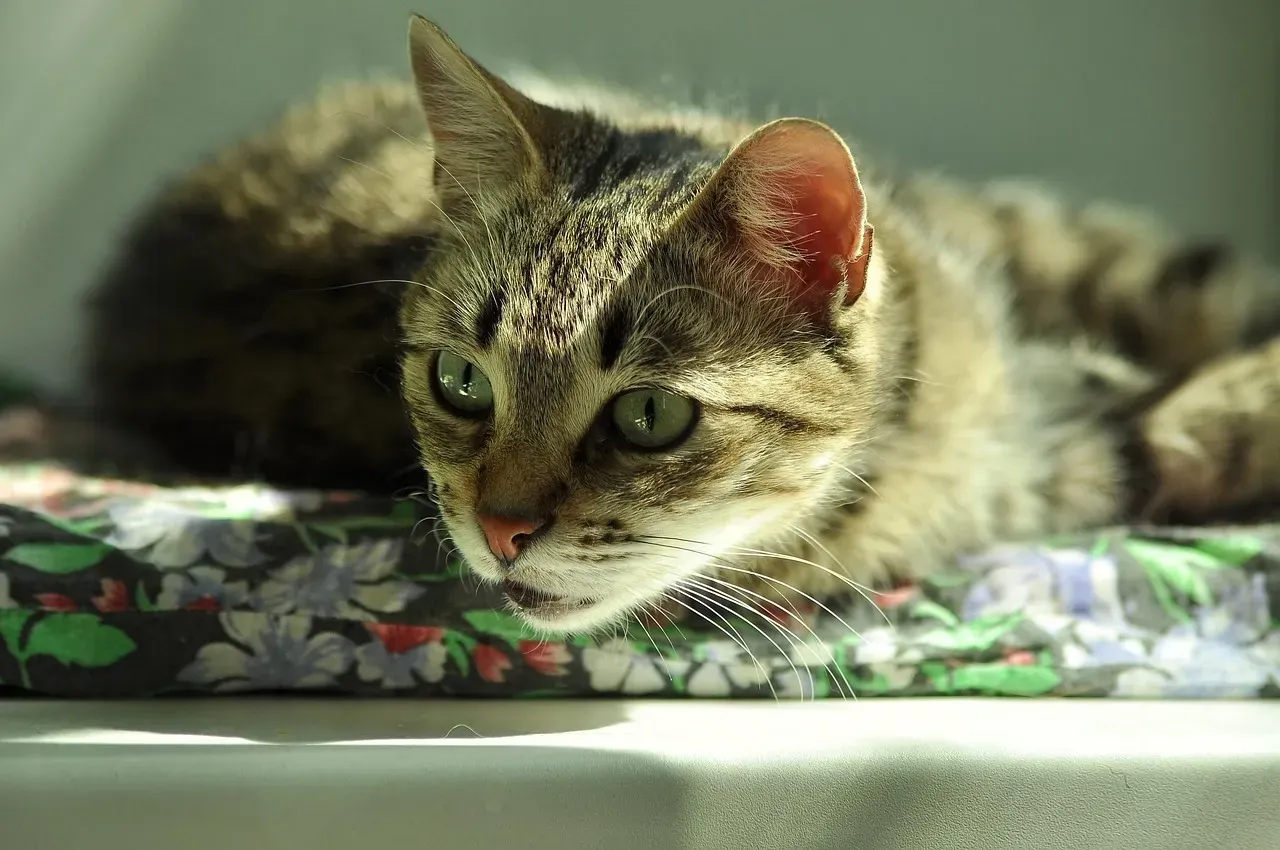
Cats are fastidious groomers by nature, spending hours maintaining their appearance. When that stops, it’s a red flag. The skin microbiome of cats changes in the face of disease, causing dying cats to develop a matted or unkempt appearance as self-grooming decreases or stops entirely.
Cats are usually meticulous groomers, but as they weaken, they stop grooming themselves, and in some cases, a strong or unusual odor may develop due to toxin build-up. You’ll notice clumps in their fur or that their once-shiny coat looks dull and lifeless. It’s one of those changes that happens gradually, then all at once you realize how different they look. This physical decline isn’t vanity – it’s exhaustion written across their body.
They Sleep Through Everything, Even Mealtimes
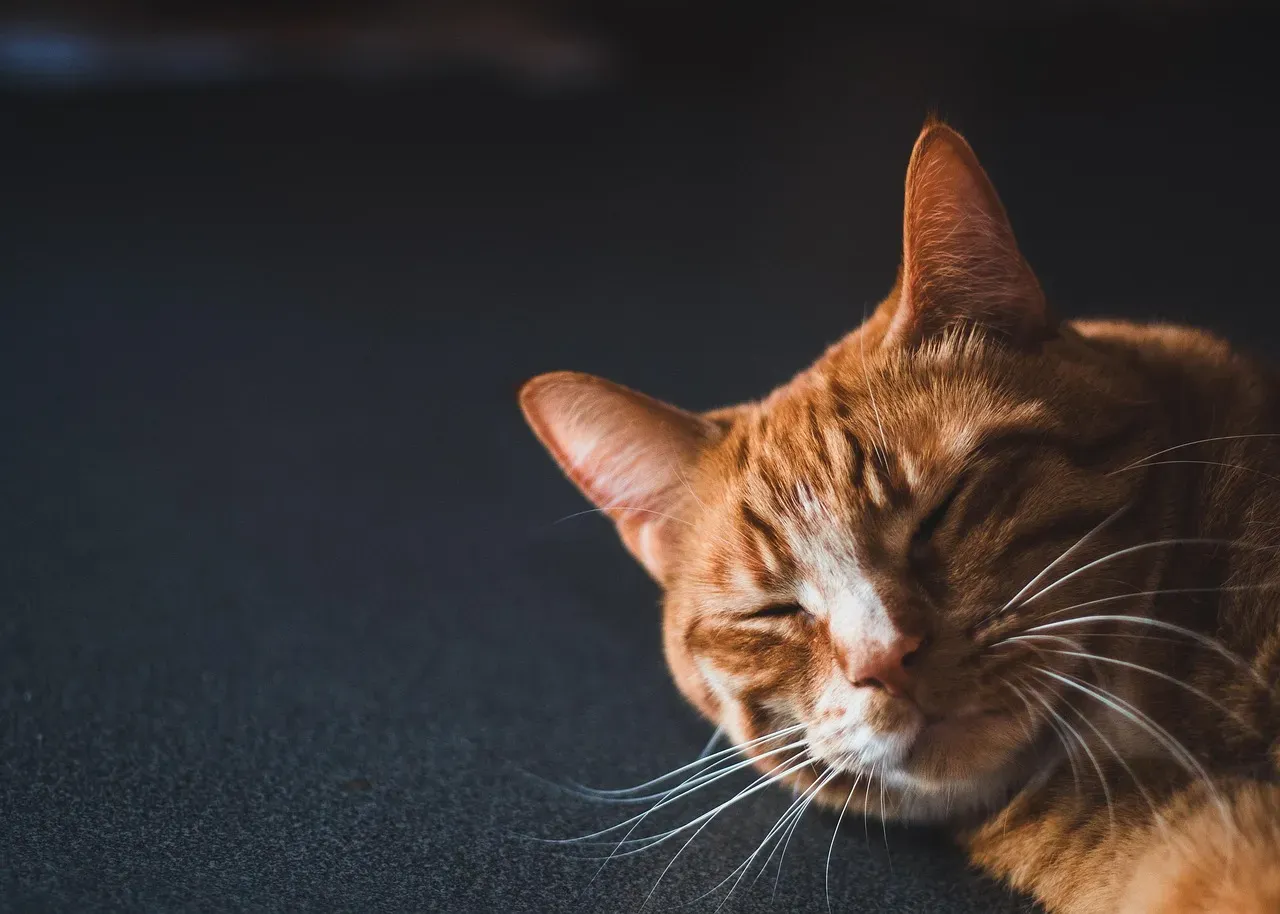
Sure, cats sleep a lot normally. They can indeed snooze for around 16 to 20 hours a day. However, in the last days of life, your cat might show extreme weakness and lethargy, not rousing as usual for fuss and attention, and might even sleep through meals and toileting.
Sleeping for notably longer periods and showing little interest in waking even for usually exciting events signals that their body is conserving what little energy remains. You might gently nudge them and get barely a response. Their favorite toy, that crinkly ball they used to chase endlessly, lies ignored beside them. Let’s be real, when a cat stops caring about the things that defined their personality, they’re telling you time is running short.
Their Breathing Changes in Unsettling Ways
Labored or shallow breathing is another signal that a cat’s life is nearing its end, as their heart and lung functions decline and cats may struggle to breathe normally. You might see their chest moving in irregular patterns or notice them breathing with their mouth open, which cats rarely do.
In the hours or days before death, cats typically experience irregular breathing patterns. Sometimes they’ll take a few breaths, pause for what feels like forever, then start again. “In the final stages of dying, cats may show changes in their breathing patterns, such as shallow or irregular breaths,” and they might stop breathing for a few seconds before starting again. It’s frightening to witness, but creating a calm space around them during these moments helps more than you might think.
Their Eyes Hold a Different Kind of Gaze
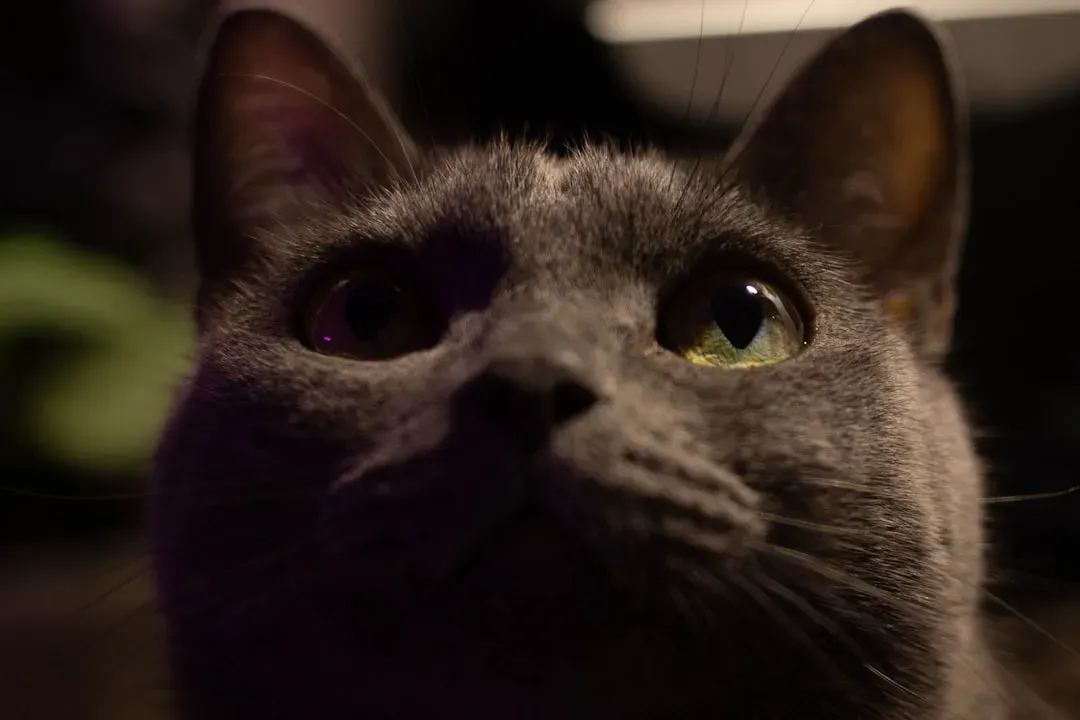
There’s something haunting about the way a dying cat looks at you. As a cat approaches the end of its life, its gaze may change, becoming deep and serene, and this subtle shift in their eyes can sometimes feel like they are communicating with you for the last time.
A cat looking deeply into the eyes of their owner might seem like ordinary affection, but when paired with other signs, it takes on deeper meaning. You might catch them simply staring at you with an intensity that feels like they’re memorizing your face. Many believe this is the cat’s way of saying goodbye, offering one final moment of connection before they pass on. I know it sounds almost mystical, but anyone who’s experienced it will tell you there’s recognition in that look – a silent understanding passing between you.
They Break Every Routine They Ever Had
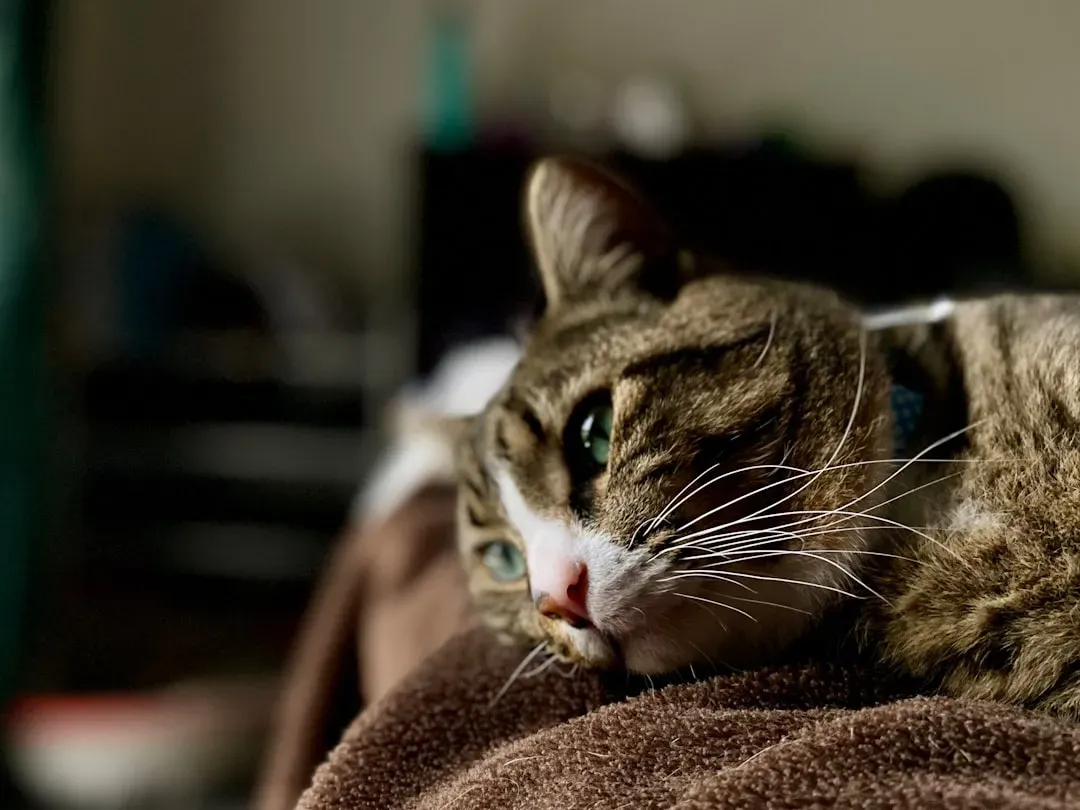
Cats are creatures of habit. They eat at the same time, sleep in the same spots, follow the same paths through your home. Cats may cry or meow more often, and break long-established routines in domestic cats, like suddenly avoiding favorite sleeping spots or changing preferred routes through the house.
Your once chatty cat might fall completely silent, or conversely, your quiet companion starts vocalizing constantly. Changes in vocalization (e.g., yowling, meowing excessively, or silence) signal confusion or discomfort. Having accidents outside the litter box or showing difficulty maintaining usual bathroom habits becomes more common as their body loses control. Here’s the thing – when everything that made them predictable suddenly changes, they’re not being difficult. They’re struggling with something beyond their control and sometimes the kindest response is simply being present without judgment.
Conclusion: Recognizing Love’s Final Language
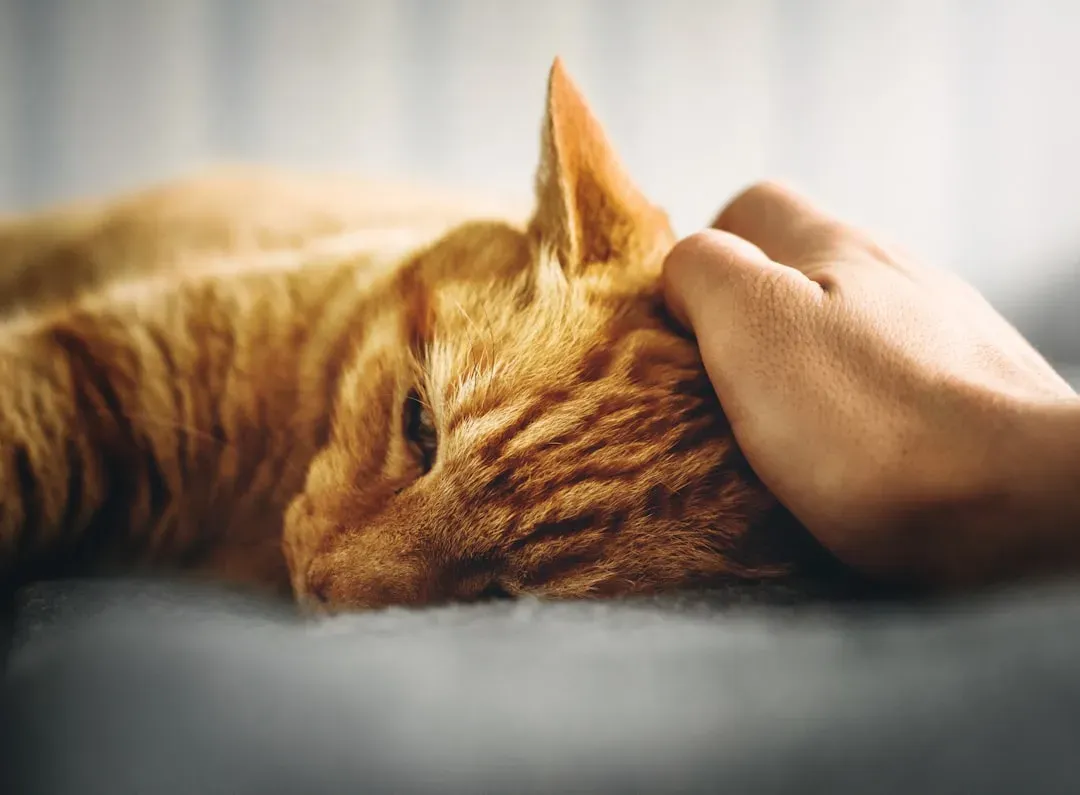
When cats approach the end of their lives, they often exhibit lethargy, behavioral changes, altered eating habits, visible pain, and seeking solitude or comfort from their owners, and these changes can be interpreted as a cat’s way of communicating their declining health. Understanding these eight ways your cat says goodbye doesn’t make the loss any easier, but it does give you the gift of awareness. You’ll know when to sit with them longer, when to speak softly, when to just be there.
The signs are there if you look closely enough. They’re written in changed routines, quiet retreats, and lingering gazes. Your cat has spent years reading your moods and emotions, learning your schedule, and adapting to your life. Now it’s your turn to read theirs. These aren’t just symptoms of decline – they’re a language of farewell spoken by creatures who can’t tell us in words what they need.
Did you notice any of these signs with your own cat? What do you wish you’d known sooner?
Kristina is a young writer from India. An arts graduate and an avid content creator, Kristina is passionate about animals and wildlife. She enjoys exploring topics related to pet care, animal behavior, conservation, and nature, combining thorough research with engaging storytelling.