Ever wondered what your cat is really trying to tell you when they’re not meowing? Honestly, there’s a whole fascinating world of feline communication happening right under your nose. While most people think cats just meow and purr, the truth is they’re sending you messages constantly through their body, facial expressions, and even scent.
Your furry friend has developed an incredibly sophisticated language tailored specifically for living with humans. Let’s be real, understanding these subtle signals can transform your relationship with your cat from simple coexistence to genuine connection. Ready to become fluent in cat?
The Expressive Dance of the Tail
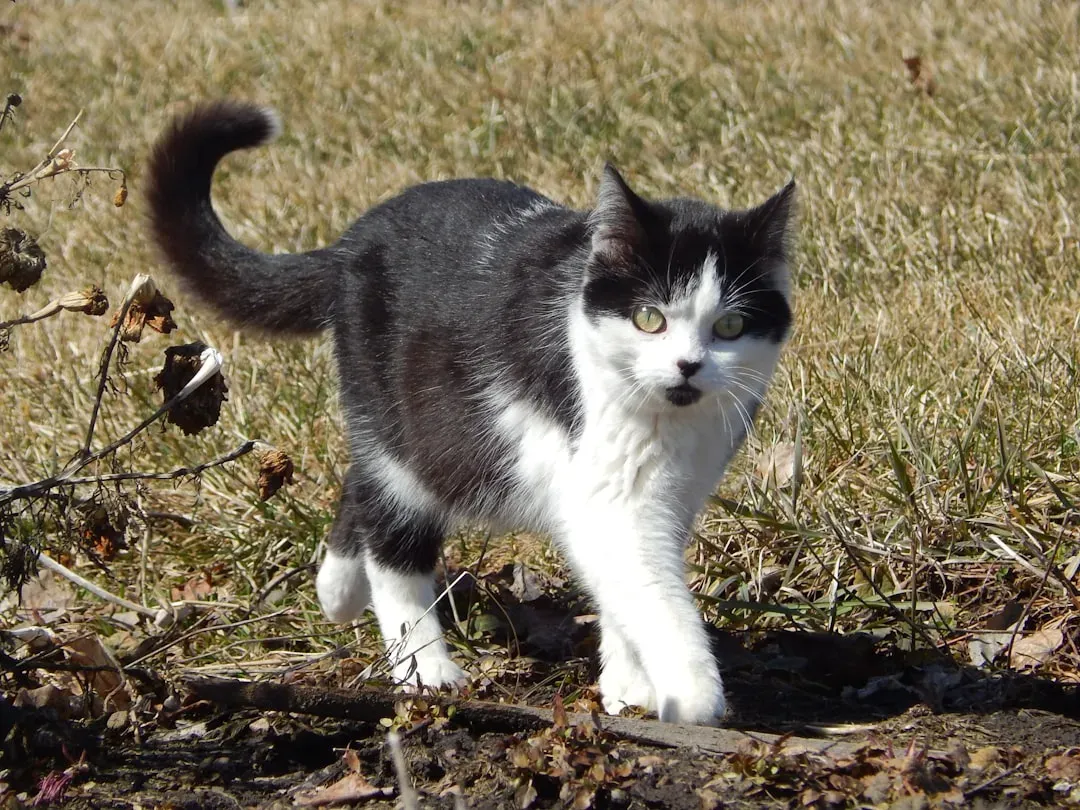
Your cat’s tail is one of their most powerful communication tools, and when they greet you with it held straight up with a quivering motion, it signals extreme happiness. Think of it as your cat’s version of running to hug you after a long day. An erect tail usually signifies friendliness, though if it’s hooked at the tip, your cat might be feeling cautiously optimistic.
Pay attention to how that tail moves throughout the day. A slow and soft wag means they’re enjoying your pets and feeling happy, though if it begins wagging faster and more aggressively, almost like a thrash, your cat is getting irritated and you should stop. When stalking or becoming irritated, cats typically hold their tail low to the ground and twitch it quickly from side to side before potentially lashing out. It’s like watching a mood ring in real time.
Whisker Positions That Speak Volumes
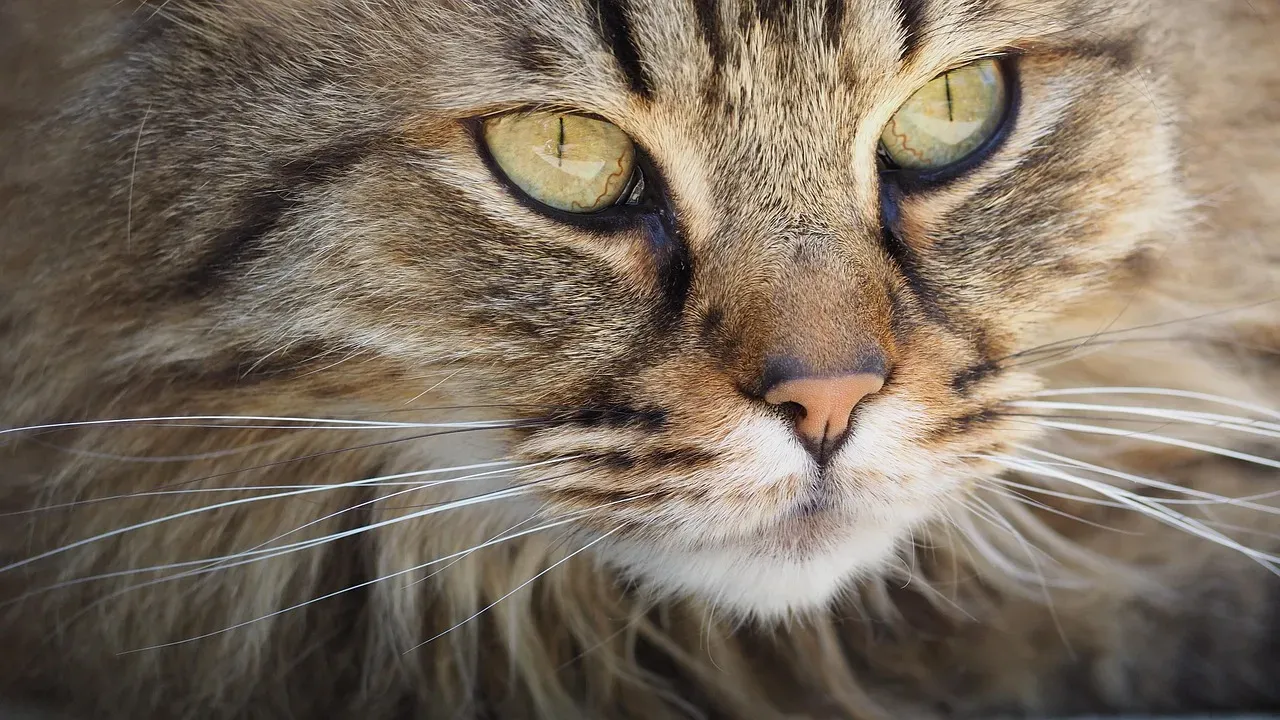
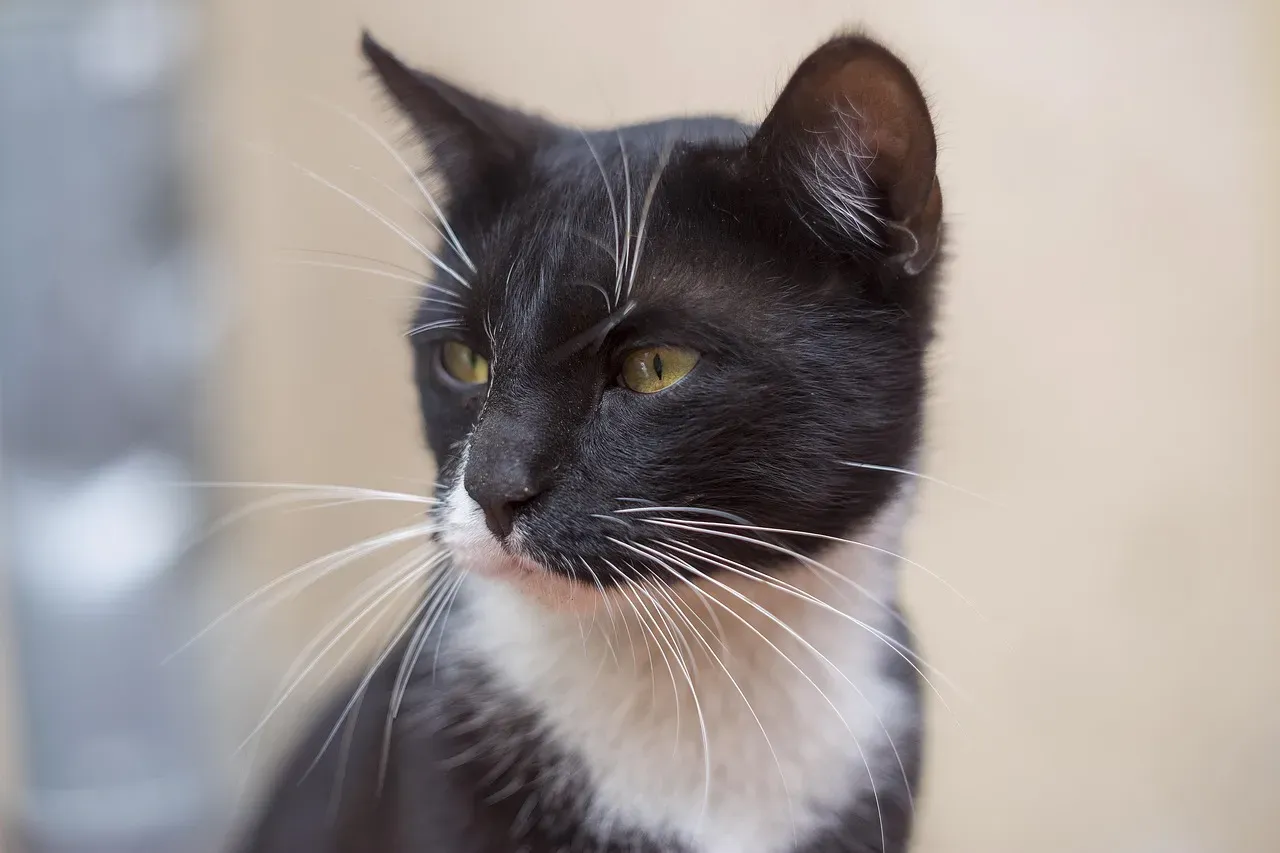
Whiskers not only help cats navigate in the dark, but they also reveal how a cat is feeling – when forward and fanned out, the cat is interested in something. I think it’s fascinating how these delicate sensory organs double as emotional barometers. When tense or highly alert, the whiskers fan out and point forward, while relaxed cats have whiskers pointing directly out and less spread.
If a cat’s whiskers are pressed tight to their face, the cat is most likely afraid and attempting to make itself look smaller. Next time you approach your cat, check those whiskers first. You’ll be surprised how much information they provide about whether your feline friend is ready for interaction or needs space.
Ears That Tell the Whole Story
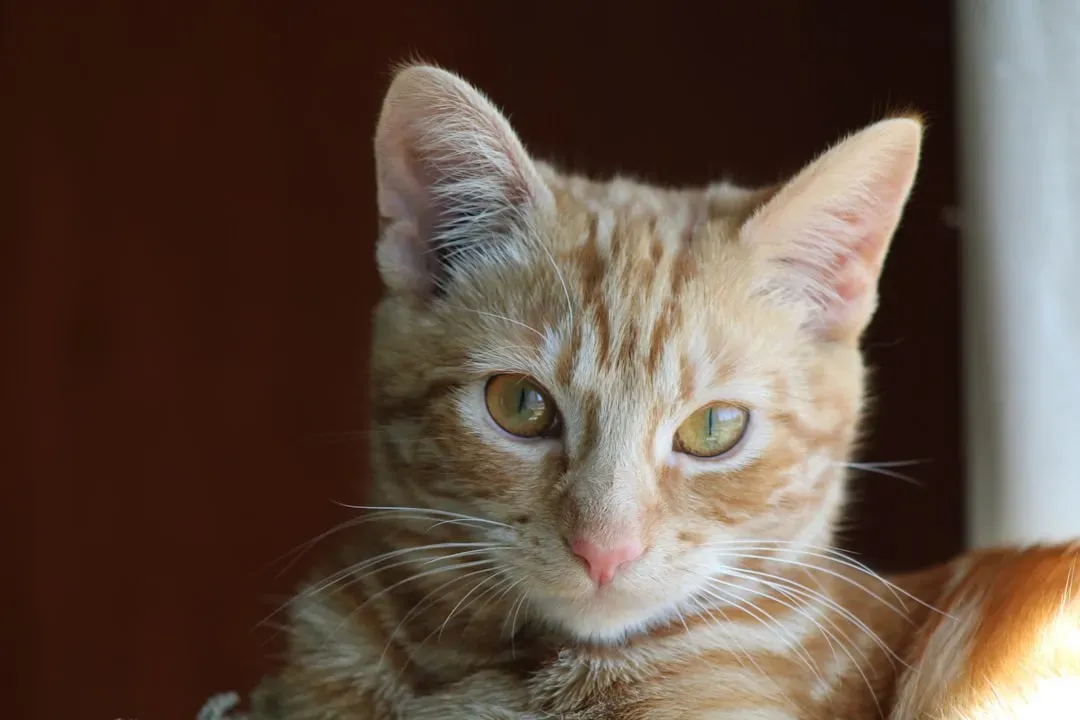
Your cat’s ears are constantly moving, adjusting, and broadcasting their emotional state to anyone paying attention. Cats can change ear positions very quickly – they’re erect when alert and focused, slightly relaxed when calm, and flattened against the head when extremely defensive or aggressive. Ears held naturally mean the cat is relaxed, while pinned back means fear, forward and close together signals interest, and twisted to the side indicates anger.
Here’s the thing: ear position is often the first warning sign before a mood shift. Watch how quickly those ears swivel when something catches their attention or makes them uncomfortable. Learning to read these subtle movements can help you avoid misunderstandings and respond appropriately to your cat’s needs.
The Secret Language of Slow Blinks
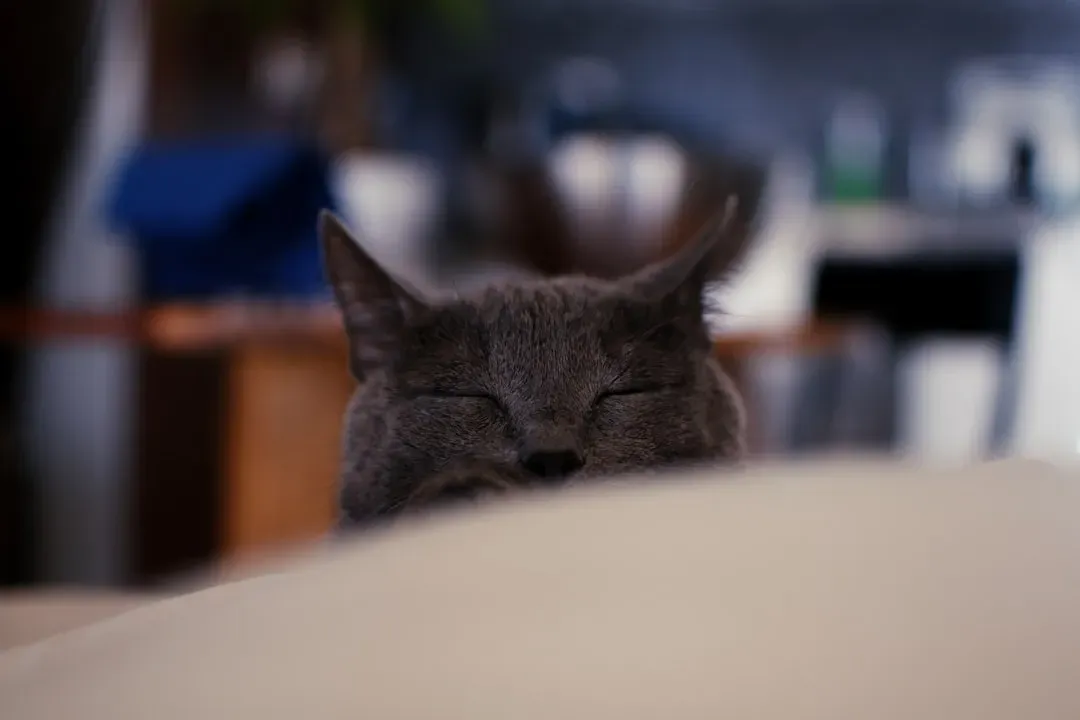
Cats use eye contact to establish trust and affection, and slow blinking is a clear sign of comfort and affection, often referred to as a “cat kiss”. When your cat gazes at you and slowly closes their eyes, it’s one of the highest compliments they can give. Slow blinking is a sign of trust and comfort, and reciprocating the gesture can reinforce the feeling of safety.
Try this yourself next time your cat looks at you. Give them a slow, deliberate blink and watch what happens. Many cats will return the gesture, creating a silent conversation of affection that strengthens your bond. It’s hard to say for sure, but this simple exchange might just be more meaningful than any meow.
Head Bunting and Cheek Rubbing
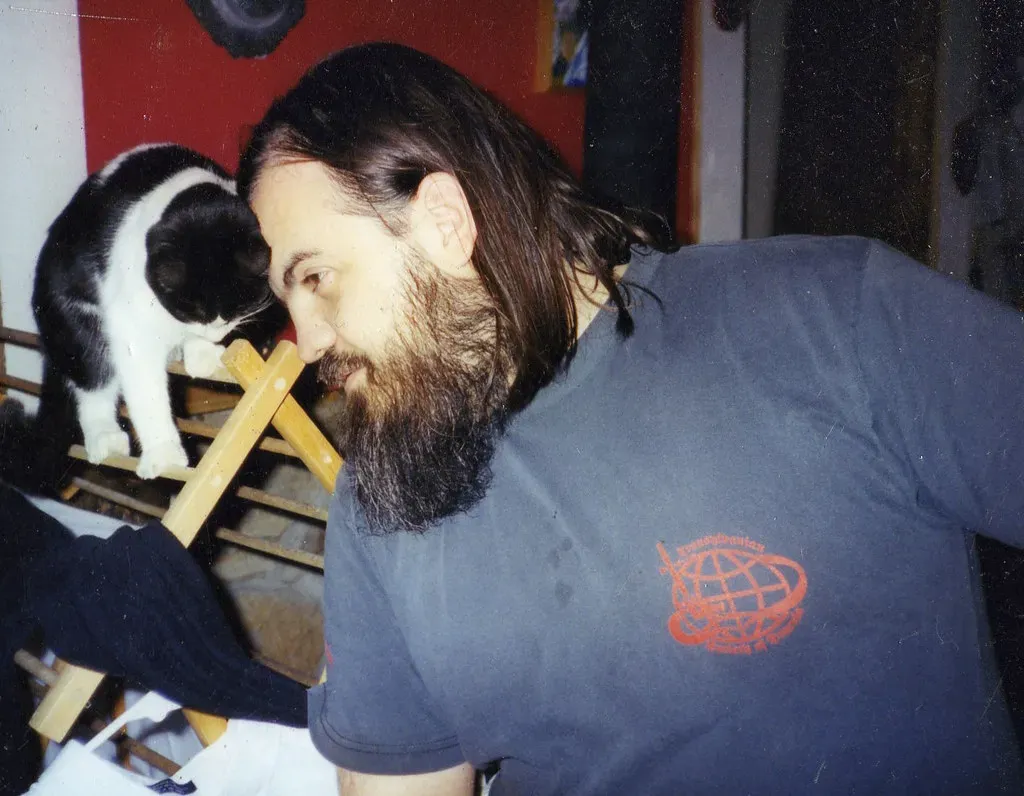
Cats sometimes “head-bump” humans with the front part of the head, known as “bunting,” which might have an olfactory component as there are scent glands in this area and is possibly for seeking attention. Cats have scent glands located on their heads, and by rubbing against you, they’re essentially marking you as part of their territory, showing love and ownership simultaneously.
Some cats also rub their faces on humans as a friendly greeting or indicating affection, combining tactile action with olfactory communication as the contact leaves scent around the mouth and cheeks. When your cat does this, they’re not just being affectionate – they’re claiming you as their own. You’ve been officially adopted by your cat, not the other way around.
Body Posture and Positioning
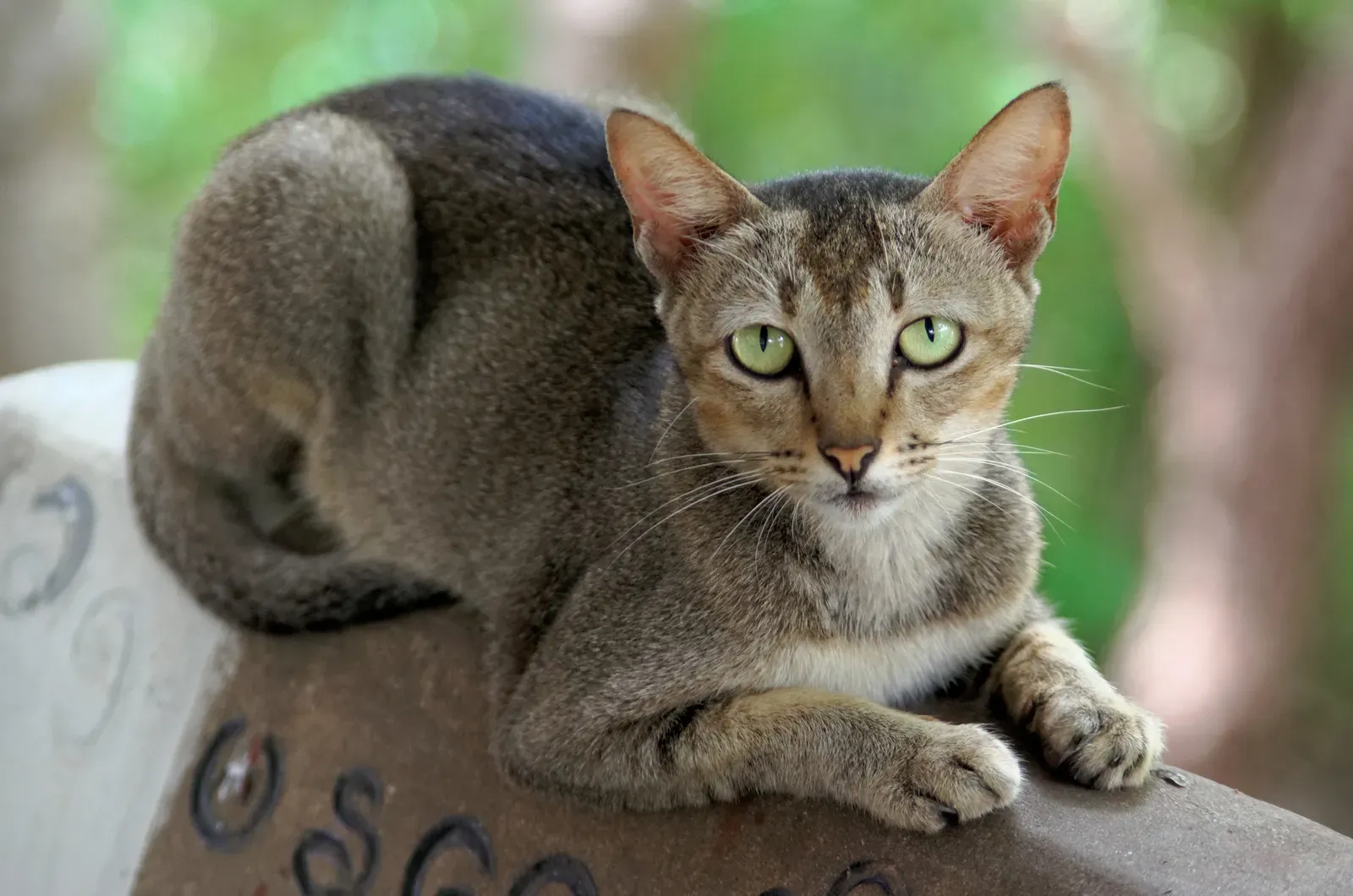
Cats forecast their intentions and next moves by pointing their body in the direction they’re likely to go, and if pointing their body and head toward you, they may be interested and receptive to your advances. Cats who are relaxed have loose, fluid body movements with slow and steady breathing, and they might fold their feet in front, stretch them way out, or slouch over the side of a perch.
If a cat is standing sideways to you, they might be feeling shy and considering escape, with this position giving them the advantage of being able to take off fast if needed. The whole body tells a story. A cat that’s hunched and tense is very different from one sprawled out belly-up in a sunbeam, even if neither makes a sound.
Kneading and Making Biscuits
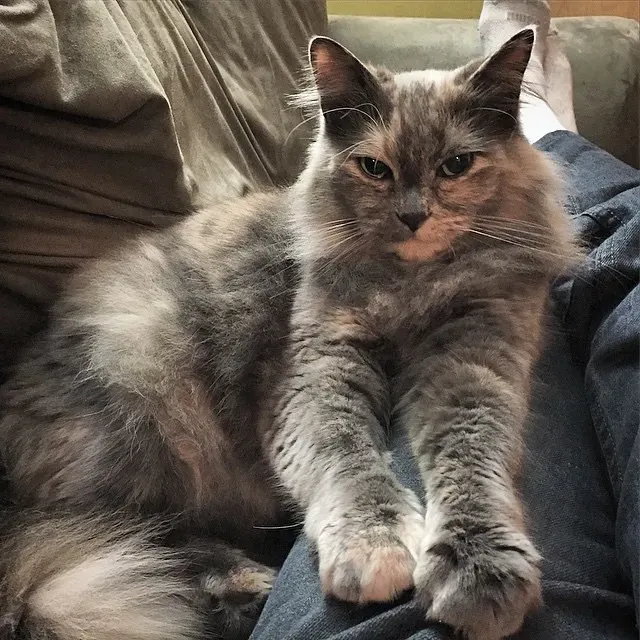
Kneading, or “making bread,” is a rhythmic paw movement that indicates happiness or contentment, originating from kittenhood where kittens knead to stimulate milk flow during nursing. When your adult cat kneads on your lap, they’re essentially treating you like their mother, which is both adorable and deeply touching.
Some cats get so relaxed during kneading that they drool slightly or purr loudly. It might look like they’re giving you a massage, though those claws can be sharp. This behavior is pure comfort and trust – your cat feels so safe with you that they’ve reverted to their most vulnerable, contented kittenhood state.
Scent Marking Through Strategic Rubbing
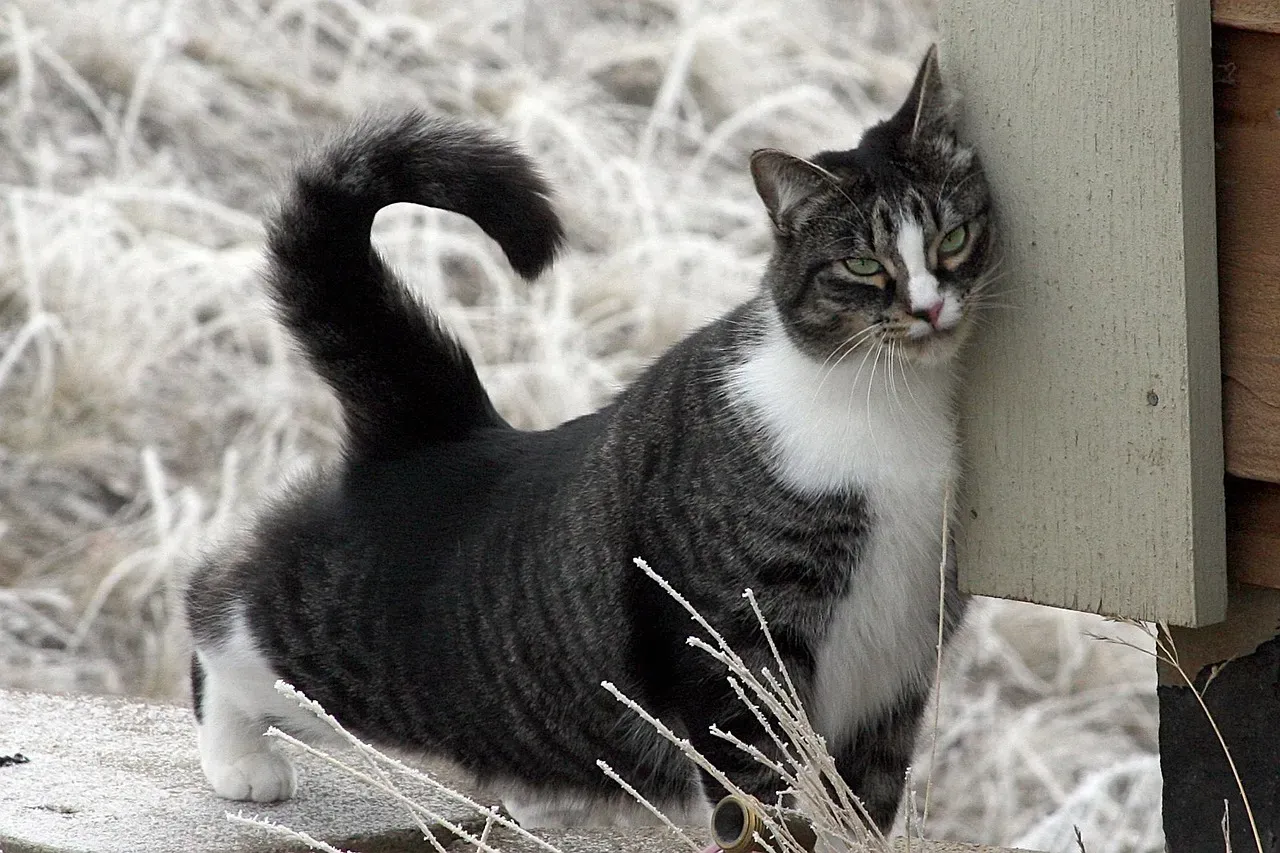
Cats communicate through scent using pheromones from glands located around the mouth, chin, forehead, cheeks, lower back, tail and paws, and their rubbing and head-bumping behaviors are methods of depositing these scents on substrates, including humans. When your cat rubs around your legs to greet you, they’re doing the same as they would in greeting another cat by mutual rubbing of face and body, though they use your legs since they can’t easily reach your face.
Cats rub their cheeks on prominent objects in their preferred territory, depositing a chemical pheromone produced in glands in the cheeks, known as a contentment pheromone. This invisible communication method is constantly happening in your home. Your cat is essentially creating a scent map that says “this is mine, this is safe, this is home.” Every time they weave through your legs or rub against furniture, they’re maintaining their olfactory diary.
Conclusion: Becoming Bilingual in Cat
Understanding your cat’s non-vocal communication opens up an entirely new dimension to your relationship. These eight methods – tail positioning, whisker movements, ear signals, slow blinks, head bunting, body posture, kneading, and scent marking – work together to create a rich, complex language. Once you start paying attention, you’ll realize your cat has been having full conversations with you all along.
The beauty of feline communication lies in its subtlety and honesty. Cats can’t fake these physical signals the way they might vary their vocalizations. What’s your cat trying to tell you right now? Take a moment to observe them closely and see what you discover.
Kristina is a young writer from India. An arts graduate and an avid content creator, Kristina is passionate about animals and wildlife. She enjoys exploring topics related to pet care, animal behavior, conservation, and nature, combining thorough research with engaging storytelling.