You’ve probably heard it a thousand times. Cats are cold, aloof little creatures who wouldn’t give you the time of day if it weren’t for that can opener in your hand. They’re just using you for food, right? It’s easy to believe that when your feline friend ignores you all day, only to suddenly appear at your feet the moment dinner time rolls around.
The stereotype has been around forever. Dogs are loyal and loving. Cats are opportunistic and selfish. We’ve all seen the memes, heard the jokes, and maybe even nodded along. Here’s the thing, though: what if everything you thought you knew about your cat’s affection was actually wrong? What if science could prove that those little furballs genuinely care about you, not just your kibble stash? Let’s dive into what researchers have discovered about the real relationship between you and your cat.
The Science Behind Secure Attachment in Cats
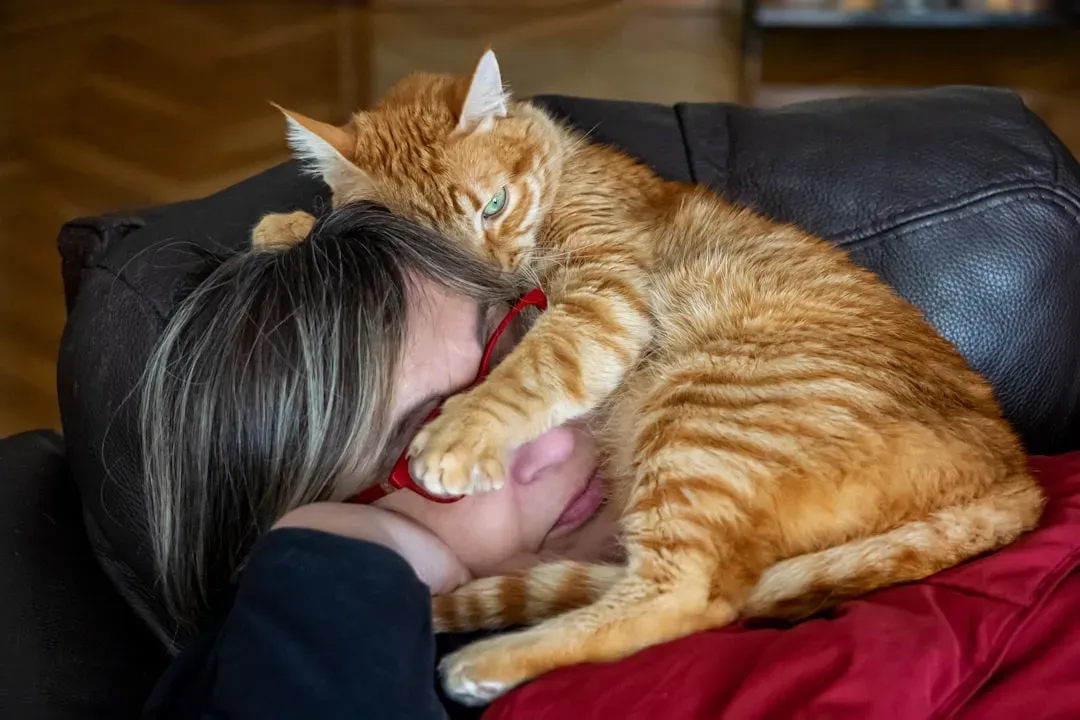
Research published in Current Biology found that cats form attachment bonds to their human caretakers in very much the same way that dogs and human children do, with about 65 percent of both cats and kittens classified as securely bonded to their people. Let’s be real, that’s a surprising number for anyone who’s been told cats are heartless freeloaders.
When researchers placed kittens in an unfamiliar room with their caregiver, then left them alone briefly, most of the kittens sought out their person for a rub and perhaps a kind word, then proceeded to explore, demonstrating they depended on their caregiver for security and used that as their foundation to engage with the world. Think about that for a second. Your cat actually sees you as a source of comfort and safety, not just a walking food dispenser.
These findings mirror those found in studies of dogs and human infants. So yeah, your cat might love you just as much as your neighbor’s overly enthusiastic golden retriever. They just express it differently, without all the face-licking and tail-wagging theatrics.
When Food Takes Second Place to Human Interaction
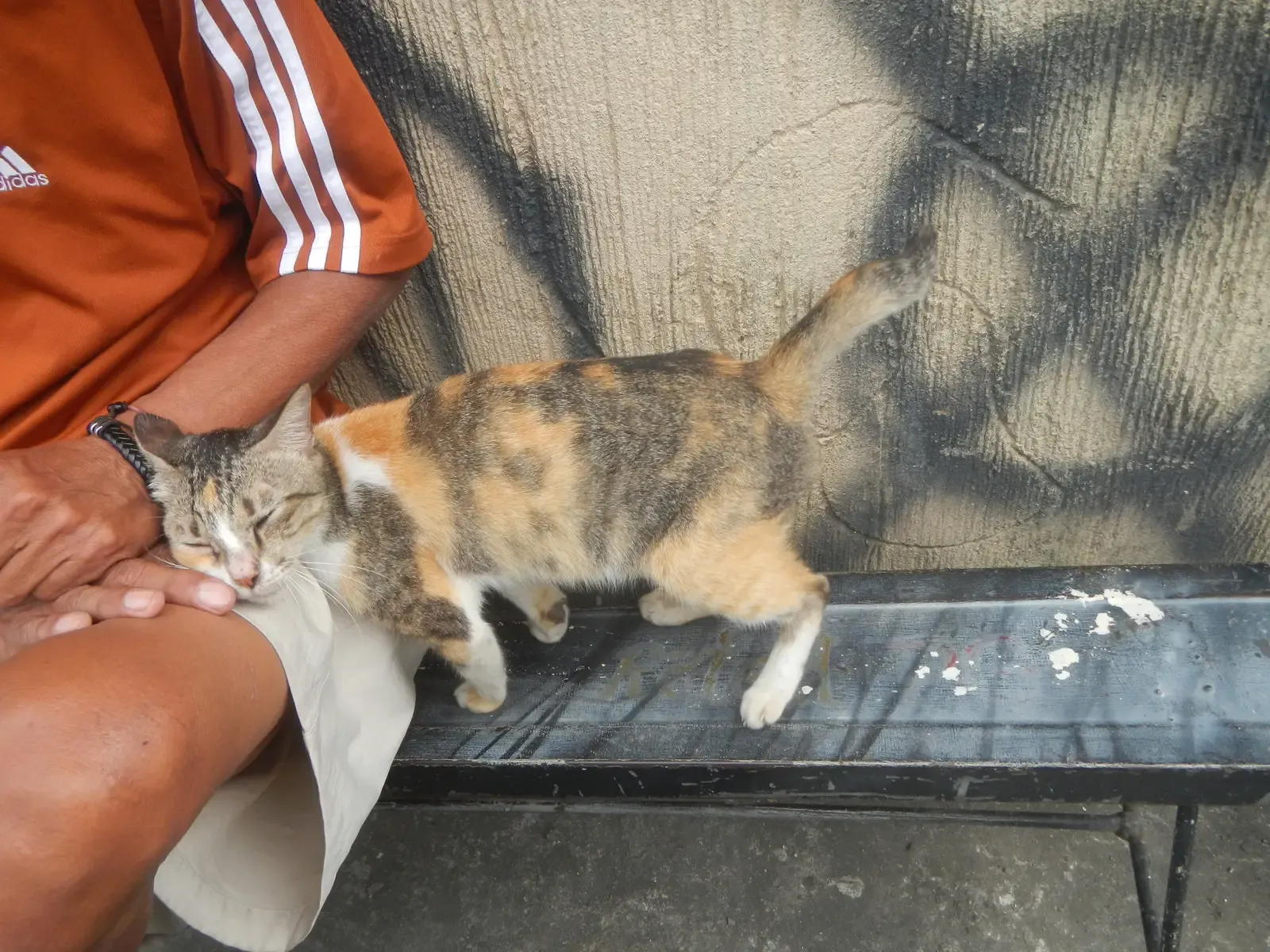
Here’s where things get really interesting. A study looked at what cats prefer to interact with, giving them options between human interaction, food, toys, or scent, and most cats chose interaction with humans, with food coming in as the runner-up. Yeah, you read that right. Given the choice, your cat would rather hang out with you than eat.
This study included both pet cats and shelter cats, which makes the findings even more compelling. Even cats without established homes showed a preference for human company over a meal. I know it sounds crazy when your cat screams at you every morning for breakfast, but the data doesn’t lie.
Earlier research found a majority of both pet and shelter cats preferred interacting with a person over eating food or playing with a toy, although clear individual variability in cat preferences was seen. Every cat has their own personality, sure, but the overall trend suggests that human companionship ranks pretty high on their priority list.
Understanding Affection Eaters and What They Reveal
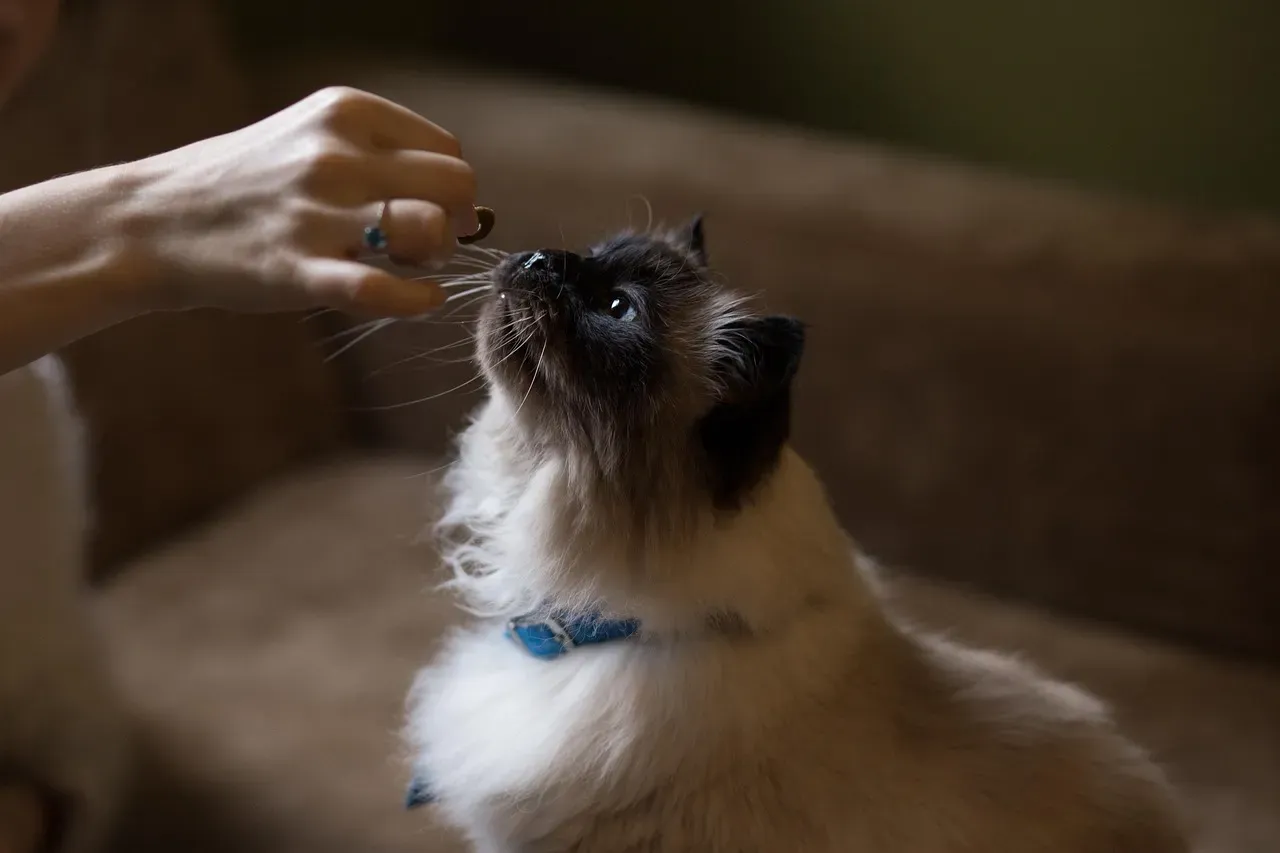
Some cats are called affection eaters, meaning they seem to eat better when they have human company, sometimes just wanting someone to sit with them while they eat, while others enjoy being pet or need even further encouragement. If your cat won’t touch their dinner unless you’re standing right there, it’s not manipulation. It’s actually a sign of attachment.
An affection eater is a cat that prefers or requires human interaction to feel comfortable eating, eating more when their human is around or might not eating at all if they aren’t, with some cats simply wanting their human nearby during mealtime, while others enjoy more active engagement such as being petted. This behavior shows vulnerability and trust, not opportunism.
Sure, affection eaters are often reacting to a scary new environment and the loss of their previous home or human companions, but the fact that they seek human presence for comfort during such a basic activity as eating speaks volumes about the bond they form with us.
The Truth About Hunger Versus Genuine Affection
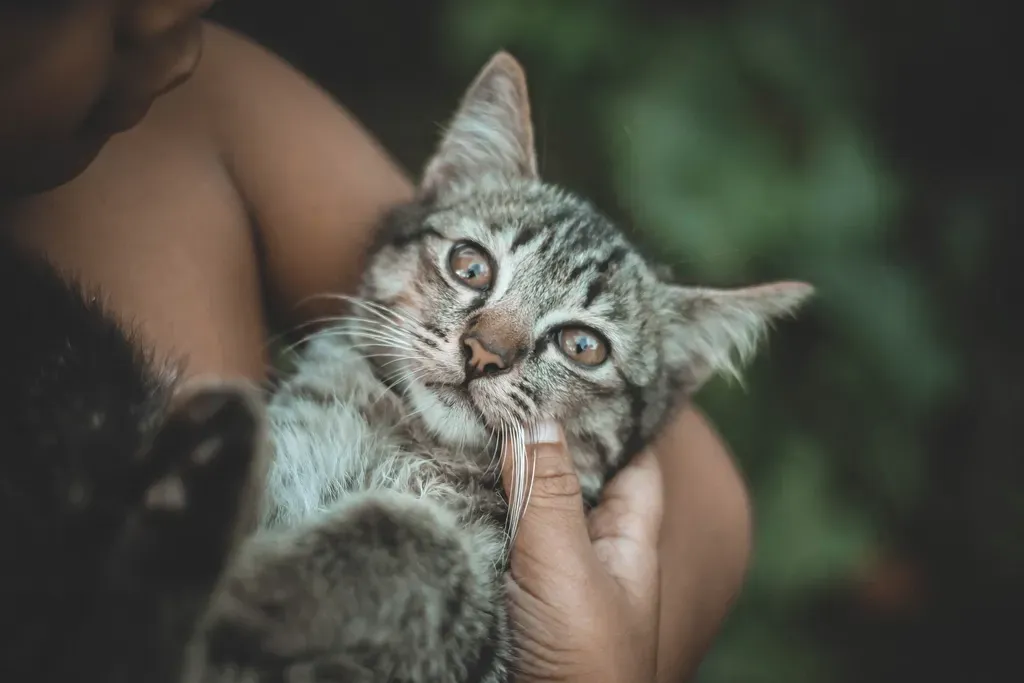
You might be thinking, okay, but my cat definitely gets more affectionate around meal times. That’s fair. Cats on restricted intake show more affectionate behaviors such as sitting in a lap in addition to attention-seeking behaviors such as begging, following owners, and meowing, likely in an attempt to solicit food from the owner. Food motivation is real, obviously.
However, this doesn’t mean all their affection is fake. For non-food motivated cats, rewards usually boil down to praise and affection or playtime, and in spite of the popular misconception that cats are aloof, a surprising number of kitties love to be praised. Some cats literally work for compliments and head scratches rather than treats.
Knowing their cat enjoys treats was the most reported motivating factor for caregivers to provide treats, and more than half of caregivers also reported frequently providing treats to show love to their pet. The relationship between cats, food, and affection is complicated because we use food to show love, and cats learn to associate our presence with both care and sustenance. That doesn’t diminish the genuine emotional connection that exists.
Reading the Body Language of Cat Love
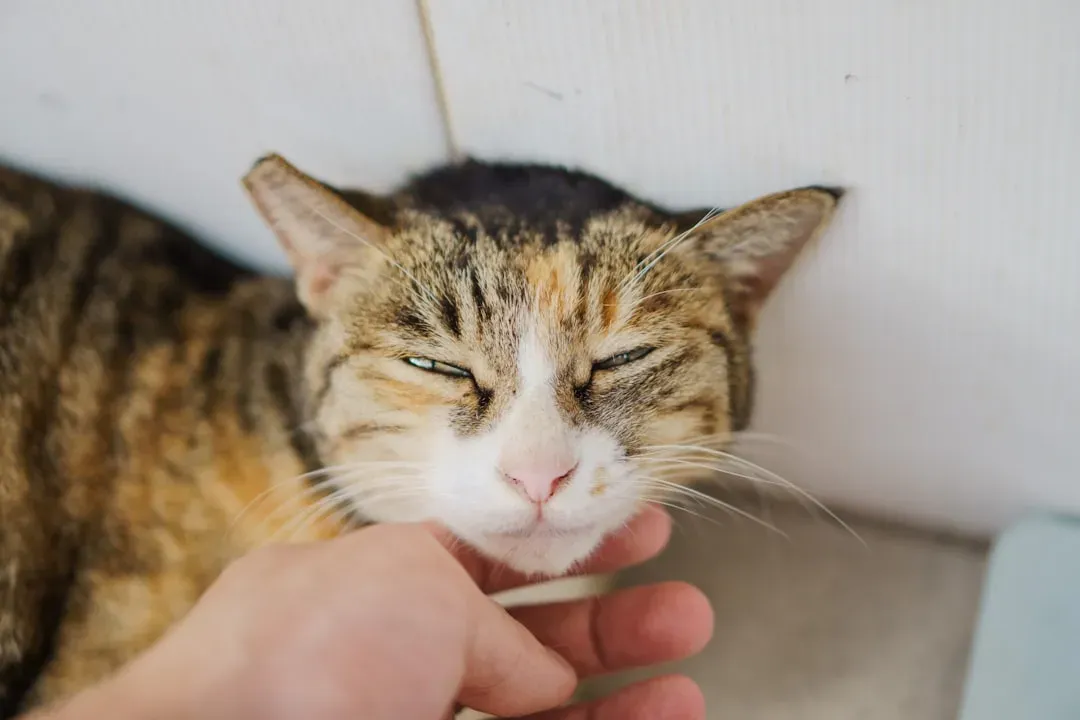
If a cat allows you to get close to them, that suggests a close bond, particularly where the contact is frequent or long lasting, with curling up on your lap for a nap being a sign of deep trust. Cats are vulnerable when they sleep, so choosing to snooze on you is basically the ultimate compliment.
A tail held in the upright flagpole position shows a friendly intention, indicating familiarity, trust, and affection, with some cats also using an upright question mark shaped tail to greet someone they like, and cats sometimes intertwining their tails as a sign of friendship, with the human equivalent being to wrap their tail around your calf. When your cat does that little tail-wrap thing around your leg, that’s their way of holding hands with you. Adorable, right?
When your cat rubs its head or side against your legs, the soft sensation you feel against your calves is actually your cat identifying you as a friend. Those head bumps and body rubs aren’t just about marking territory. They’re genuine displays of affection and acceptance.
How Cats Communicate Love Differently Than Dogs
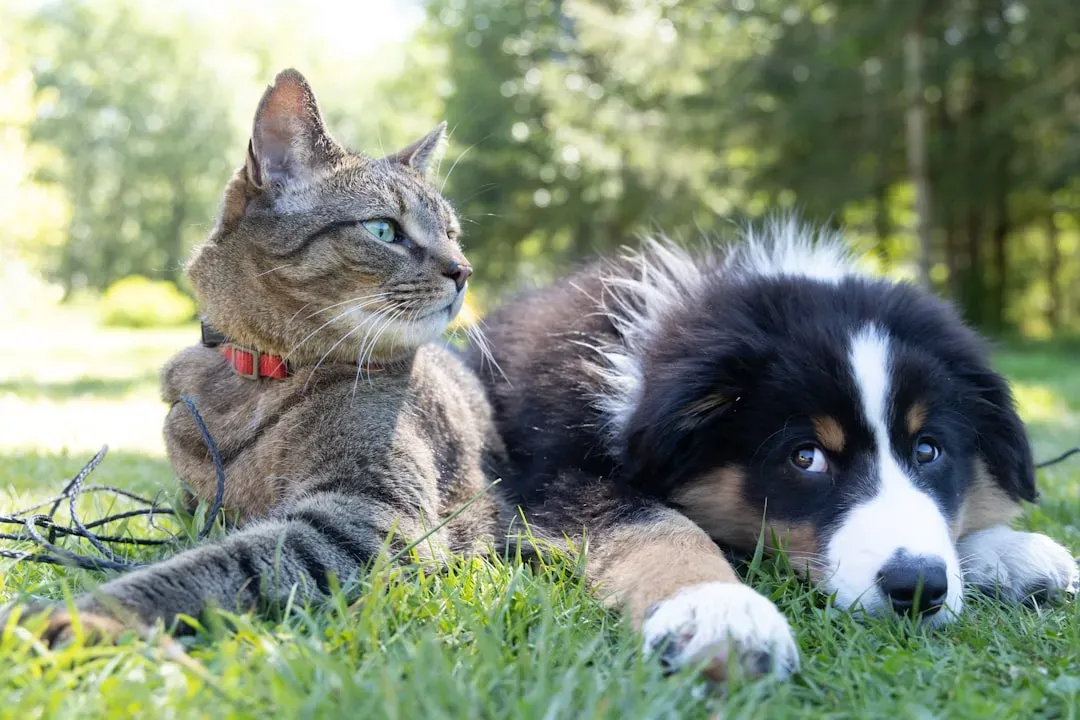
This process helps explain why cats have developed a different kind of relationship with their human owners than dogs, with early pet dogs having to beg for food scraps, for which an ability to tug at human heartstrings became an evolutionary advantage, and hunter-gatherers selecting them to perform other tasks. Dogs were bred to please us. Cats essentially domesticated themselves, which means they never developed that desperate need for approval.
A cat is not a pack animal and is adapted to a solitary life, and usually likes us but doesn’t need us emotionally in the same way as a dog. That independence doesn’t equal indifference, though. It just means their love looks different, more subtle, less performative.
Many cats are capable of complex social groupings and developing deeply meaningful attachments to their human protectors, and evidence is growing that the cat-human bond is both reciprocal, real and enduring, with cats not just liking us but really loving us, just being more subtle than dogs in the way they express themselves. Honestly, expecting a cat to act like a dog is like expecting an introvert to behave like an extrovert. Different personalities, different love languages.
Breaking Down the Oxytocin Response in Cats
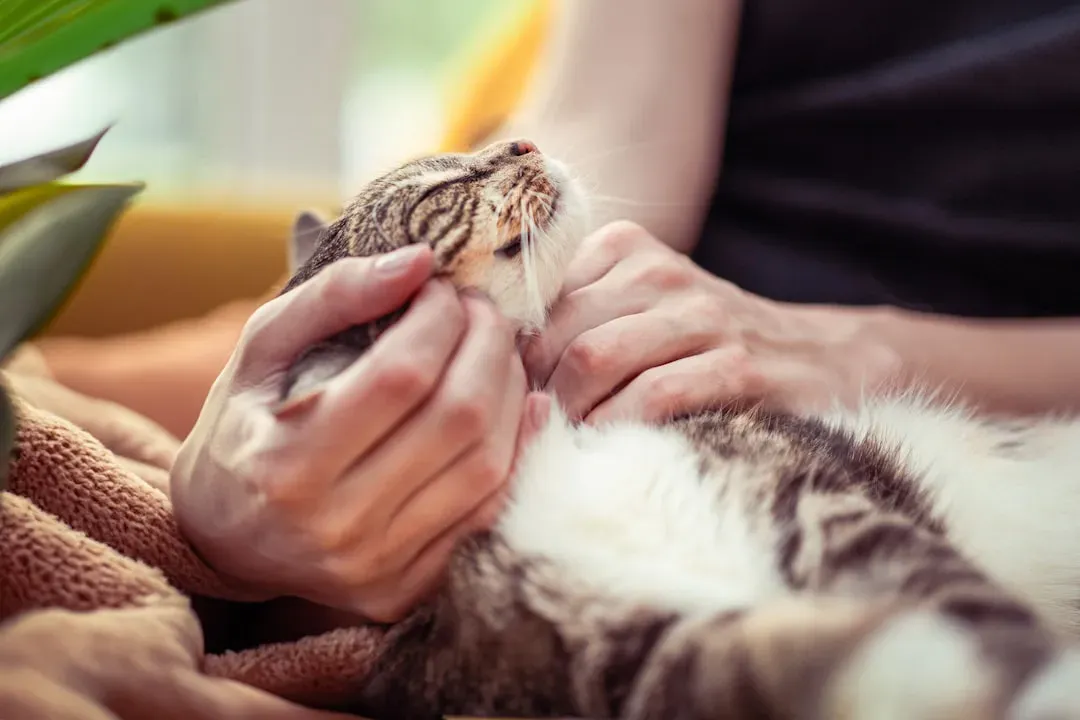
A study sampled the saliva of cats and dogs and found oxytocin hormone levels increased in both cats and dogs after being stroked, however, the amount of oxytocin, a love hormone used in social bonds, was much higher in dogs, increasing on average by 57.2 percent compared with just 12 percent in cats. Okay, so cats produce less oxytocin than dogs when petted. Does that mean they love us less? Not exactly.
The lower oxytocin response doesn’t mean cats don’t bond with us. It means they bond differently. They’re wired for independence, remember? Their evolutionary history didn’t require the same level of social bonding that pack animals needed. Yet they still produce that bonding hormone when we interact with them, which is pretty remarkable.
What matters more is their behavior. Two-thirds of cats searched for their owner after they left, greeted them upon their return and then relaxed, a rate of secure attachment similar to children and dogs, which is a good sign that they not only love us, but have also come to trust us. That behavioral evidence counts for more than hormone levels when you’re measuring genuine attachment.
The Role of Early Socialization in Feline Bonding
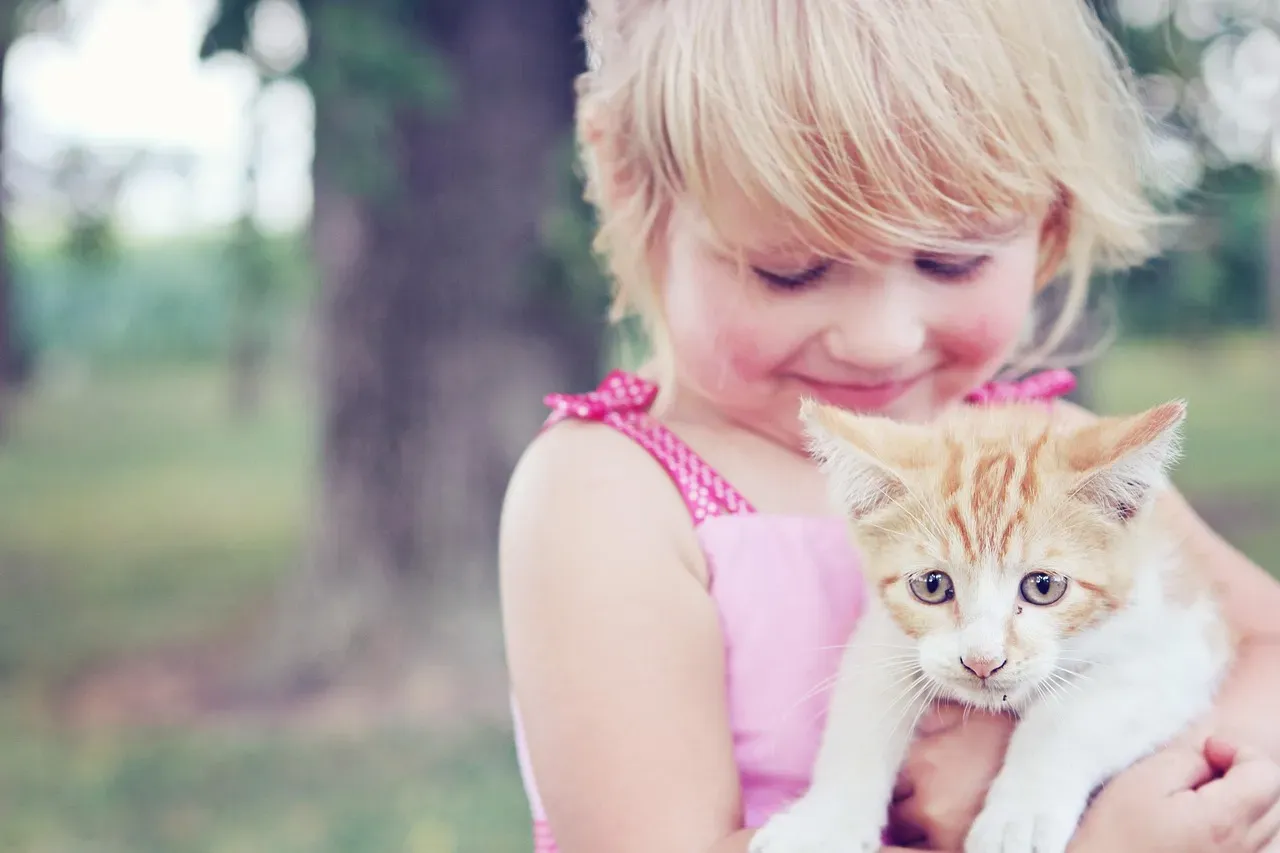
Unless cats get the opportunity to socialize with humans and other cats, they’re less likely to learn how to form emotional bonds and achieve good quality of life, with that at best being a lonely life for a cat and at worst leading to negative behavior. How a cat is raised dramatically affects their ability to bond with humans later.
Cats’ attachment to humans is partly influenced by their experiences of being handled by people as a kitten. Kittens who grow up around humans, being gently handled and cared for, develop different social capabilities than feral cats. It’s not that they’re incapable of love. They just might not have learned how to express it in ways we recognize.
Some of these things that people think are species differences could be experience differences, similar to what children would be like if never given the opportunity to socialize. That really puts things in perspective. A standoffish cat might not be naturally cold. They might just be socially inexperienced, which is completely different.
What Your Cat’s Relationship Style Says About Them
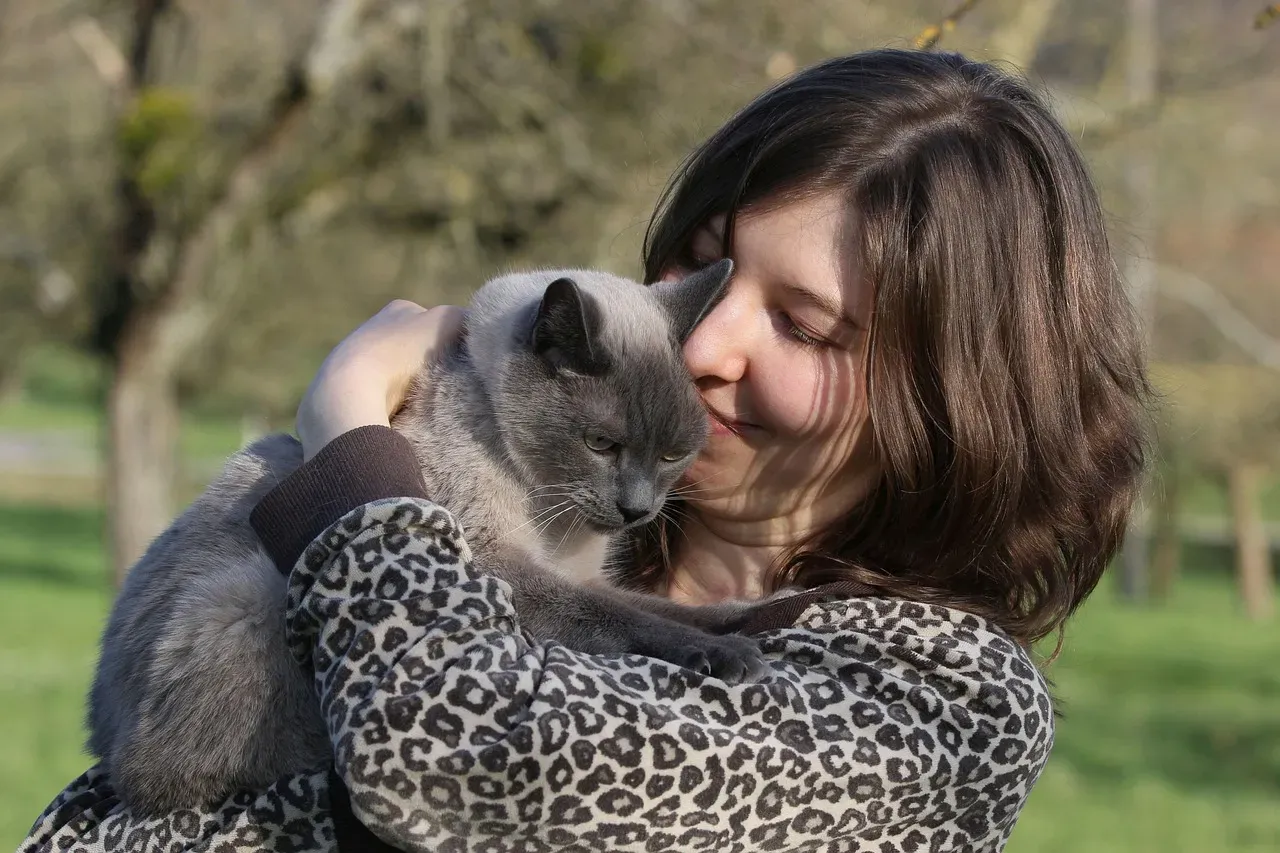
Different types of relationships can exist, described as open relationship, remote association, casual relationship, co-dependence and friendship, with the extent to which these relationships involve a bond towards the owner as a source of social support or secure attachment varying, meaning the cat-owner bond should not be profiled simply or solely in terms of attachment in its classic psychological sense. Not every cat is going to be your velcro companion, and that’s okay.
Some cats maintain what researchers call an “open relationship” with their humans. The cats typically have access to outdoors, relate well to other people but also have some affiliation with the owner, but have little need for owner proximity and may be seen as aloof or independent, representing perhaps the prototypical view of cats as largely solitary, independent animals. These cats still care about you. They just don’t need constant reassurance.
Indoor cats, purebred cats, cats that spend less time alone, cats living in apartments, cats with fewer behavioral problems, and cats that live with more cats in the same household have a better relationship with their owner, based on owner perceptions. Your cat’s lifestyle and environment shape how they interact with you. A cat with a rich, stimulating home life might show more affection simply because they’re happier overall.
The Final Verdict: Love or Just Lunch?
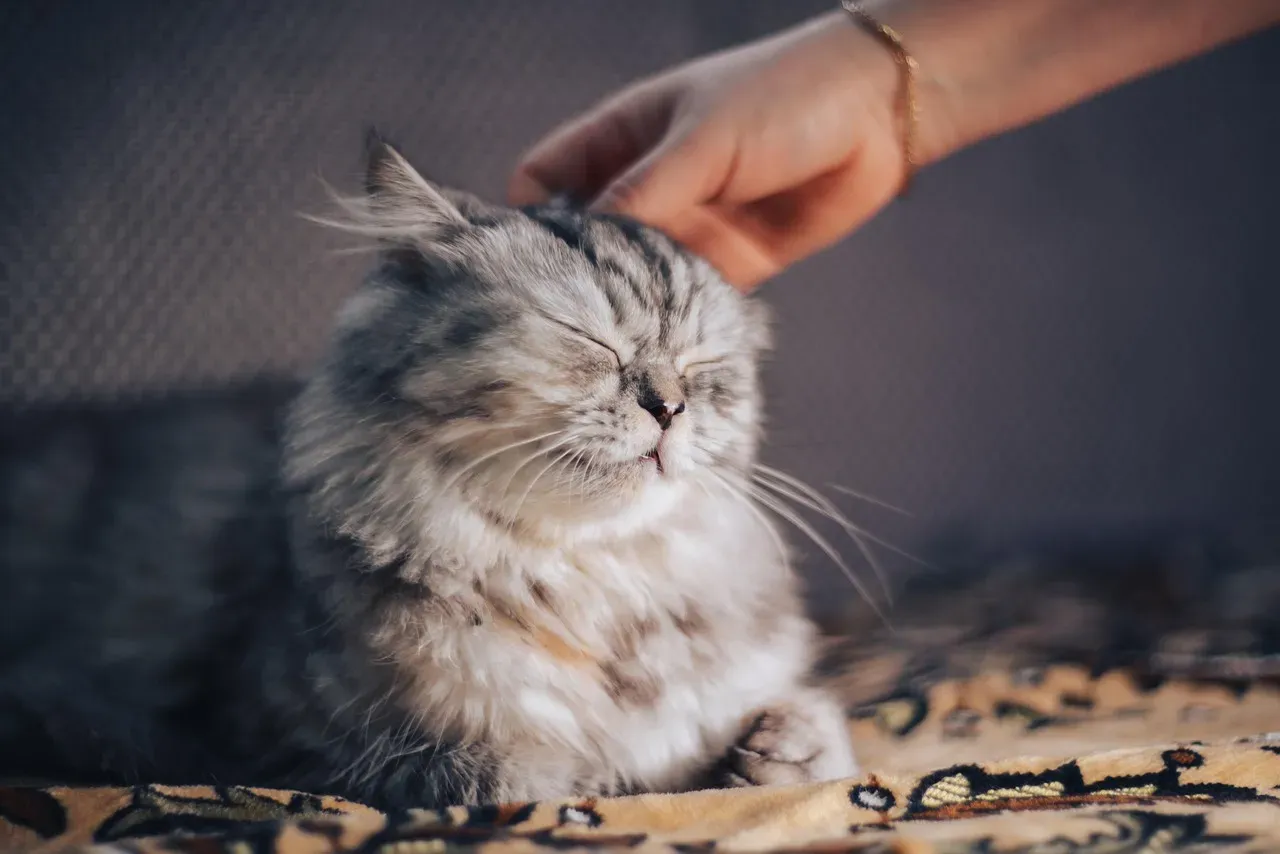
So after all that science, what’s the answer? Cats can form deep attachments with their humans, similar to those of dogs, can learn to trust their owners and may even show signs of jealousy when another person enters the picture, and are as capable of loving their owners as much as any dog. The myth is officially busted. Your cat isn’t just using you for food.
Evidence suggests cats care about us, and the evidence is growing that the cat-human bond is both reciprocal, real and enduring. They might not greet you at the door like an overexcited puppy or follow you from room to room begging for attention, but that doesn’t mean the love isn’t there. It’s just expressed in quieter, more dignified ways.
Perhaps we should worry less about whether cats love us, and think harder about how well we are loving them. Maybe instead of questioning their feelings, we should focus on understanding their unique way of showing affection and building stronger bonds based on mutual respect and understanding. Because yeah, they love you. They’re just too cool to be obvious about it. What do you think about it? Did your cat surprise you today with unexpected affection, or are they keeping up their mysterious reputation?
Kristina is a young writer from India. An arts graduate and an avid content creator, Kristina is passionate about animals and wildlife. She enjoys exploring topics related to pet care, animal behavior, conservation, and nature, combining thorough research with engaging storytelling.