You’ve probably caught your cat staring at you from across the room or noticed that deliberate flick of the tail before they pounced on a toy. These aren’t random movements. Your cat is constantly communicating with you through a sophisticated system of body language that most of us only half understand. It’s honestly one of the most overlooked aspects of cat ownership.
Cats are subtle and complicated in the way they communicate, and this complexity is exactly what makes them so fascinating. Unlike dogs who wear their hearts on their sleeves, felines have mastered the art of discretion. They’ve developed an intricate nonverbal vocabulary that involves every part of their body, from the tips of their ears to the end of their tails. Learning to decode these signals transforms your relationship with your cat from basic coexistence to genuine understanding.
The Tail Tells Tales You Never Knew
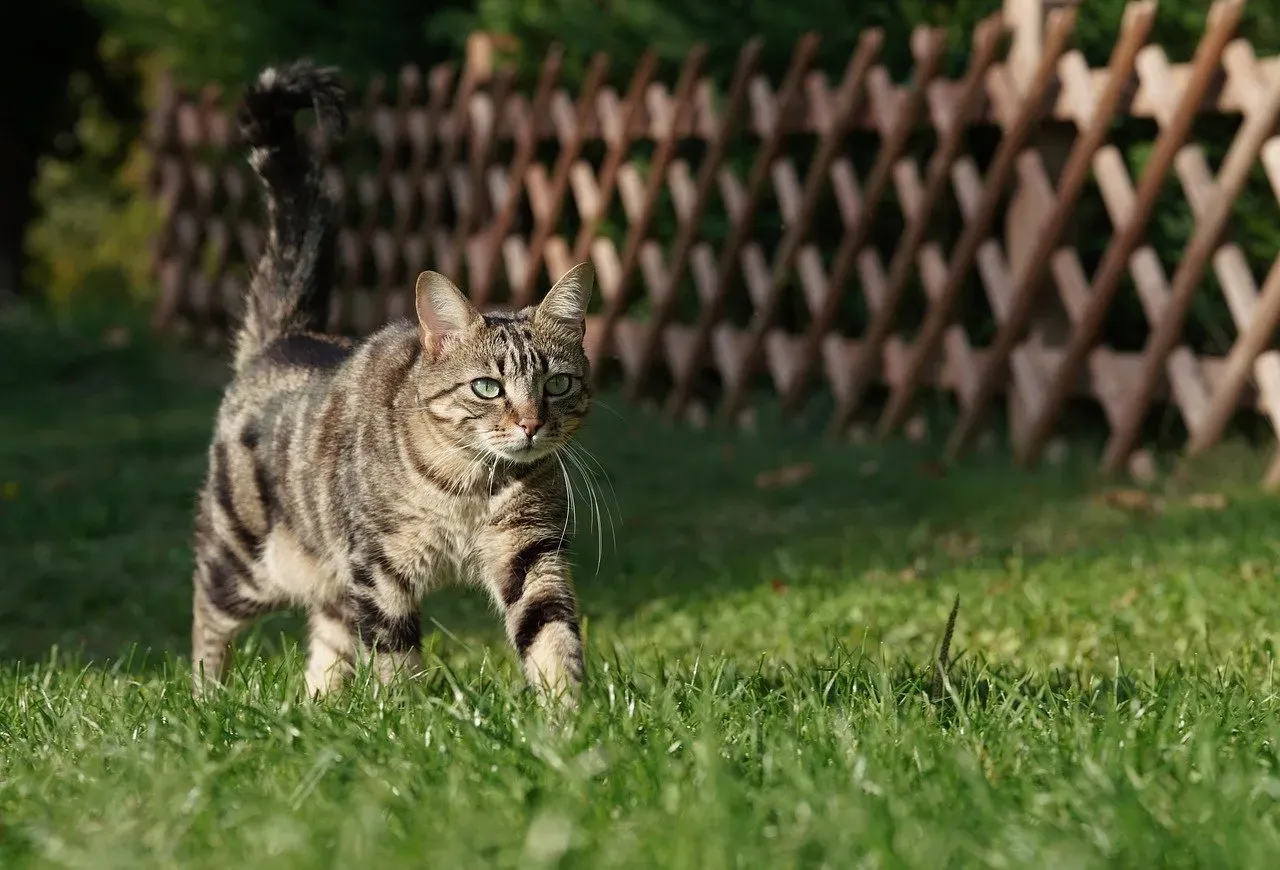
In cats, it’s their tail position that provides the greatest insight into what a cat is feeling. When your cat walks toward you with their tail held straight up, that’s their version of a friendly wave. A tail lifted vertically high in the air is one of the most reliable signs of a confident cat, indicating that the cat feels comfortable and open to interaction.
Sometimes you’ll notice a little hook or curve at the tip of that upright tail. A tail that is up but hooked at the tip may mean cautiously optimistic. Think of it as your cat saying they’re interested but still assessing the situation. Conversely, when that tail starts thrashing or thumping against the ground, that’s your cue to back off. When your cat thrashes their tail or is thumping it on the ground, they are irritated, annoyed, or angry, and this tells you that something is bothering your cat.
Ears Are Radar Dishes Broadcasting Mood
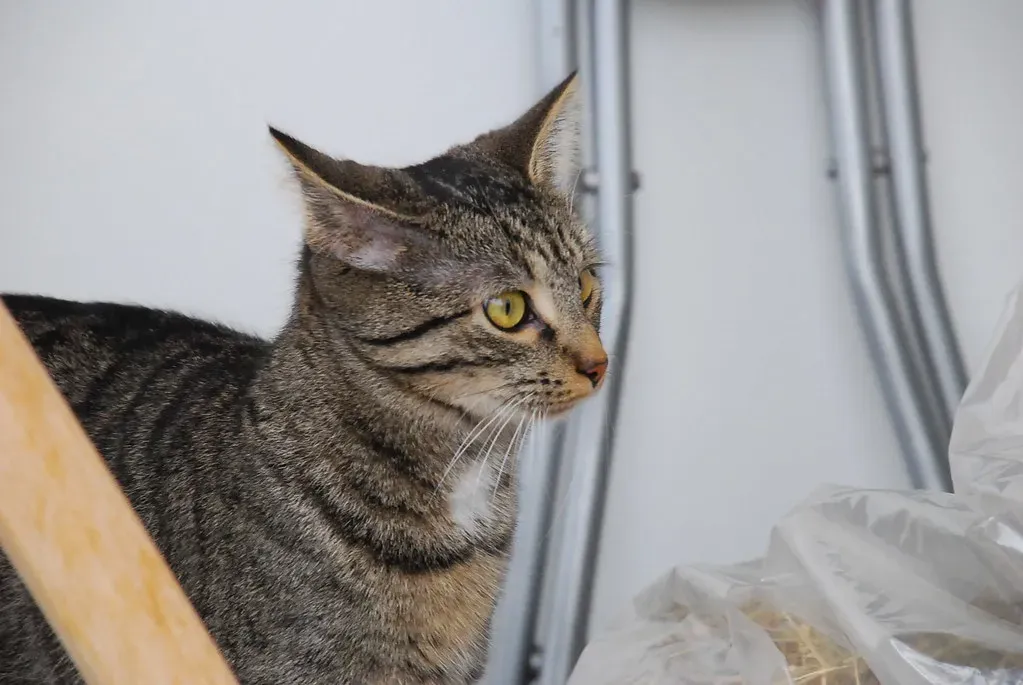
Those triangular ears perched atop your cat’s head do far more than pick up sounds. Like a sophisticated satellite dish turning to pick up a signal, the cat’s external ear rotates up to 180 degrees to locate and identify even the faintest of squeaks. When you see those ears facing forward and relaxed, your cat is in good spirits. If your cat has their ears forward, this cat ear position is neutral, usually meaning your cat is happy, content, and relaxed.
Watch out for what people call airplane ears. If your cat’s ears are flattened against their head in airplane mode, it means that they’re frightened or nervous, and it could lead to aggressive behavior. When ears go sideways or rotate backward, your cat is shifting from relaxed to concerned or defensive. If your cat has their ears held back or sideways, this means they are frightened or anxious, and something has upset them.
The Slow Blink Speaks Volumes
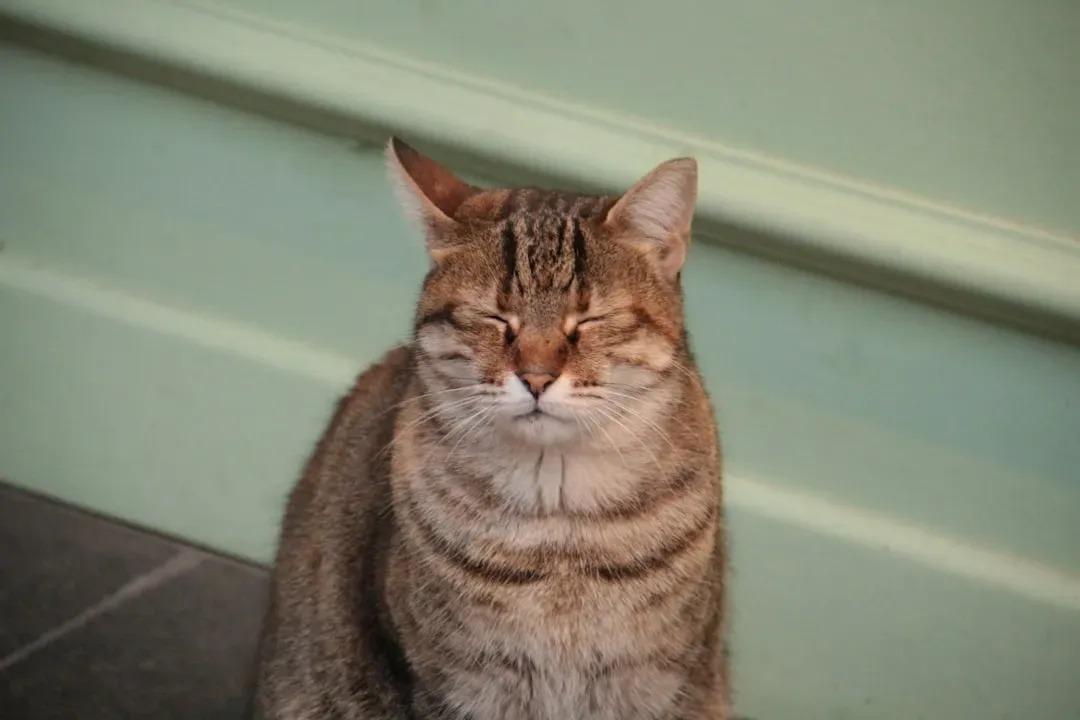
Here’s something you might not have realized. Cats blink slowly to show affection and relaxation, and if a cat blinks slowly at you, they are not threatened by you and in fact, they trust you. Scientists have actually studied this behavior and confirmed it’s a genuine form of communication.
The slow blink sequence typically involves a series of half-blinks followed by either a prolonged eye narrow or an eye closure. When your cat gives you this look, it’s basically a feline kiss. You can return the gesture by slowly narrowing your eyes and blinking back at them. Cats show a significantly higher rate of eye narrowing in response to the slow blink stimulus, and cats were more likely to approach an experimenter if they used slow blink sequences. It’s like having a secret handshake with your cat.
Whiskers Are Emotional Antennae
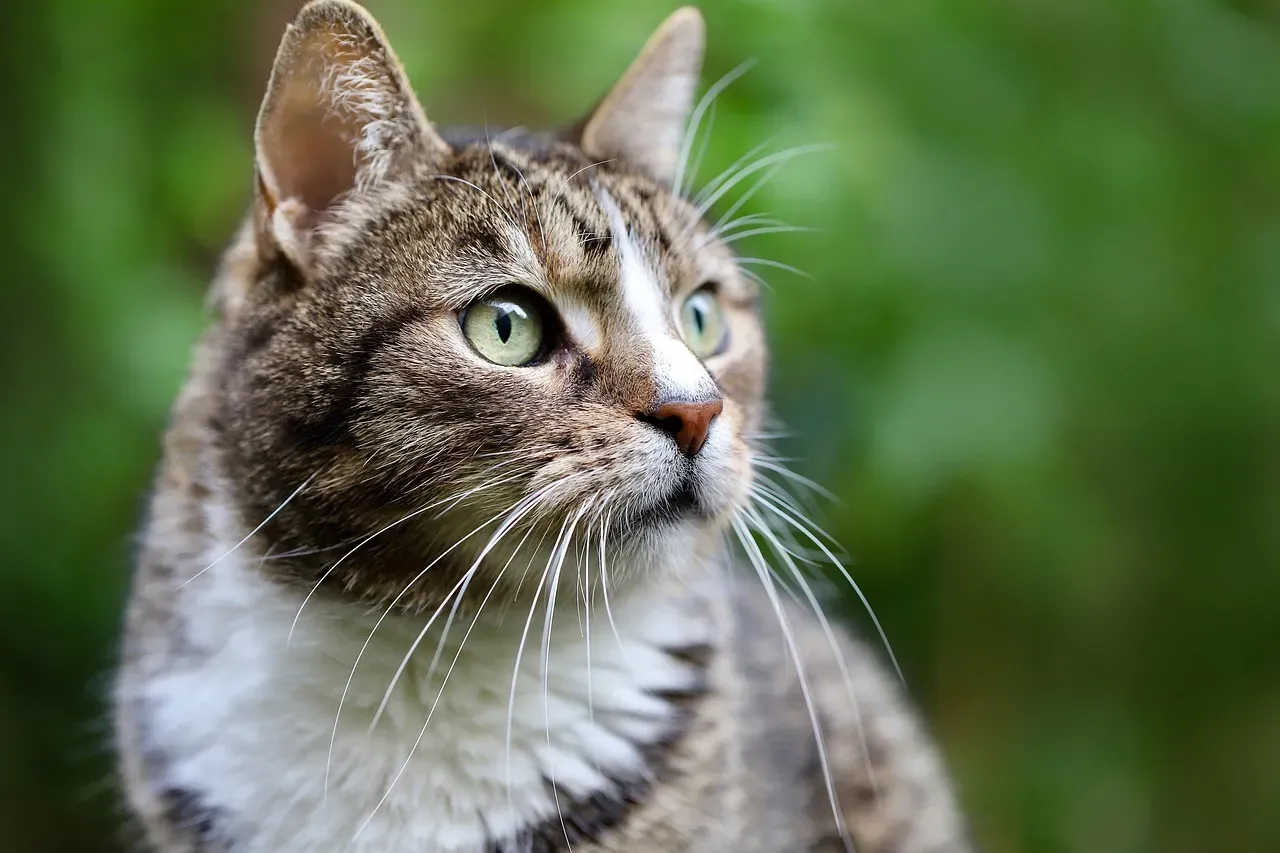
Most people ignore whiskers, thinking they’re just decorative features. That’s a mistake. When a cat’s whiskers are off to the sides and slightly lowered, it indicates a relaxed state, while whiskers pointing forward indicate interest and curiosity. These specialized hairs are packed with nerve endings and function as incredibly sensitive touch receptors.
Whiskers pulled back help the cat’s face appear smaller and non-threatening. If you notice your cat’s whiskers pressed flat against their cheeks, they might be feeling frightened or uncomfortable. Confident cats, by contrast, might push their whiskers forward. Pay attention to these subtle shifts. They often give you advance warning before your cat’s mood changes more dramatically.
Pupil Size Reveals Inner States
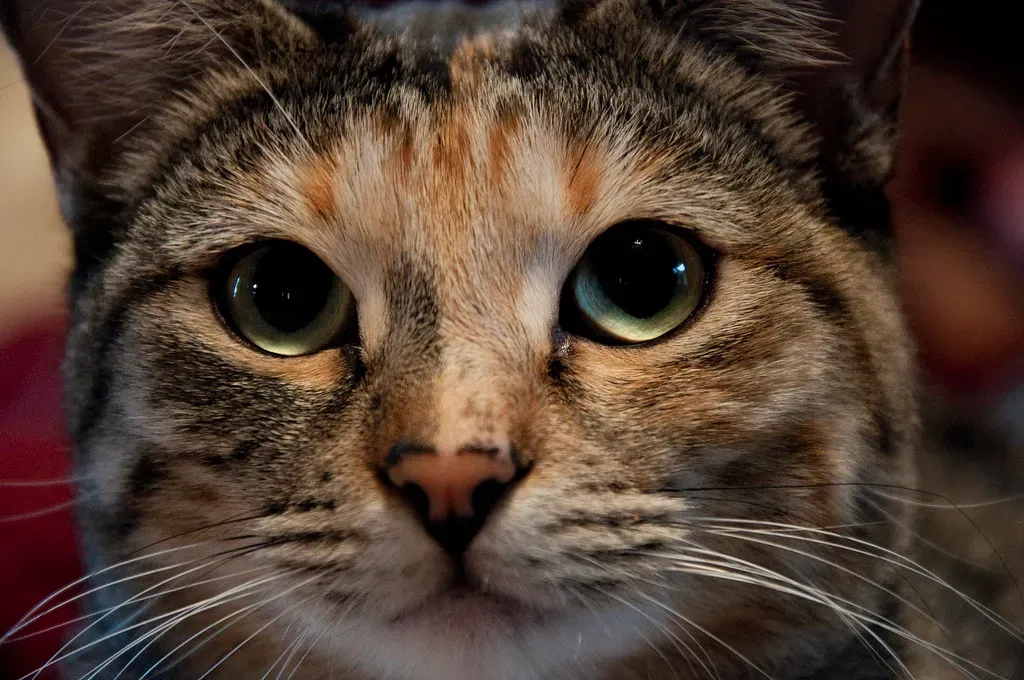
Your cat’s pupils aren’t just responding to light levels. They’re also broadcasting emotional information. Dilated pupils can indicate aggressive excitement, so it’s a good idea to give a cat space when you see its eyes are dilated, even if the cat seems to be playing. Those wide, dark pupils might mean your cat is overstimulated or anxious.
Wide-open eyes may indicate fear, interest, excitement, or aggression, while half-closed or drooping eyes convey relaxation and friendliness. Context matters enormously here. Dilated pupils during play are normal excitement. Dilated pupils combined with flattened ears and a low body posture signal fear or potential aggression. Learning to read these combinations helps you understand what your cat is really experiencing.
Body Posture Speaks Louder Than Meows
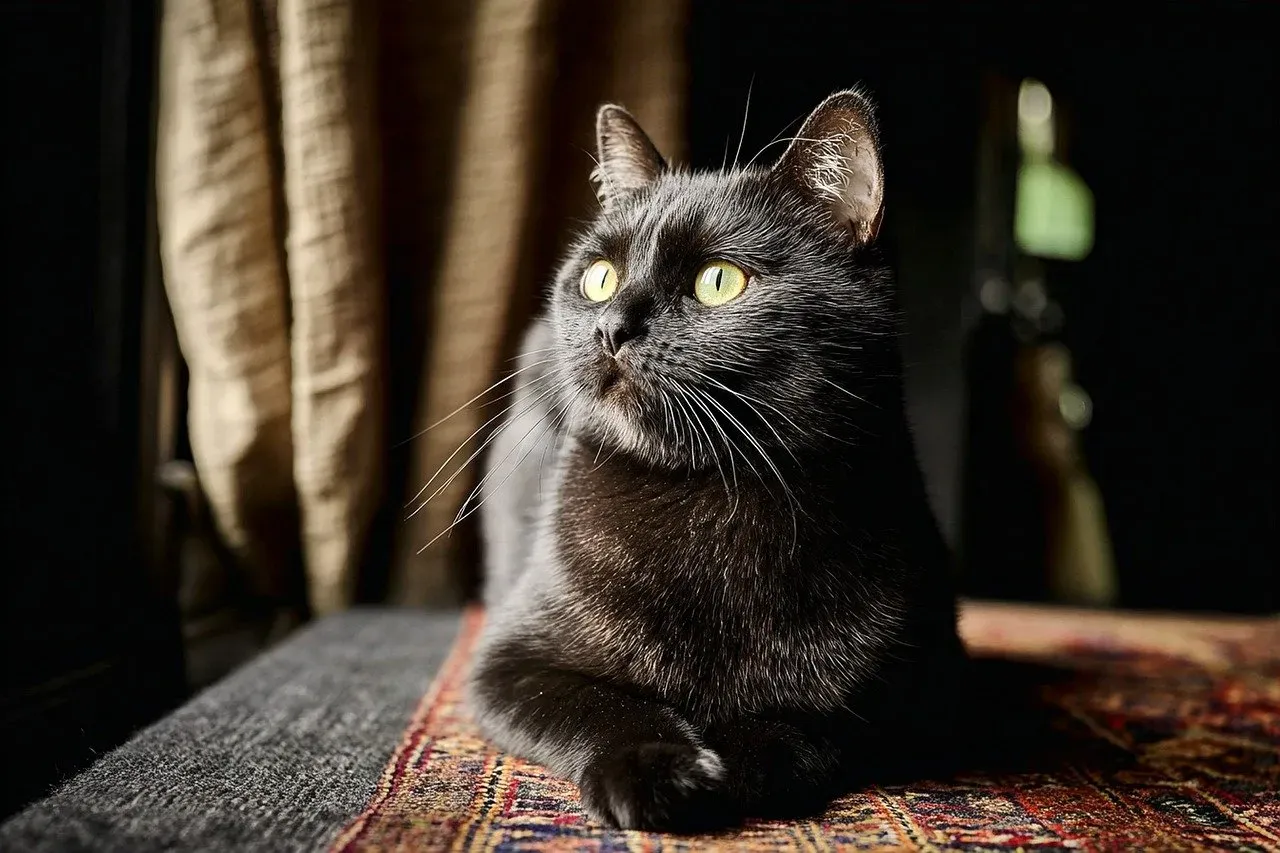
How your cat holds their body tells you exactly how they feel about their current situation. Cats who are relaxed will have loose, fluid body movements, and they might fold their feet in front of themselves, stretch their feet way out in front, or slouch over the side of a perch. That sprawled-out cat sleeping on their back? They feel completely safe in your home.
When a cat makes themselves smaller by crouching low or hunching their body, they’re either hunting or feeling threatened. When a cat is in pain or sick, they may hunch their body with their legs tucked underneath them, and their body may appear tense. Honestly, this is one of the most important signals to recognize because cats are masters at hiding illness. If your normally relaxed cat suddenly starts maintaining a hunched, tense posture, it’s time to visit the vet.
Kneading Is More Than Just Cute
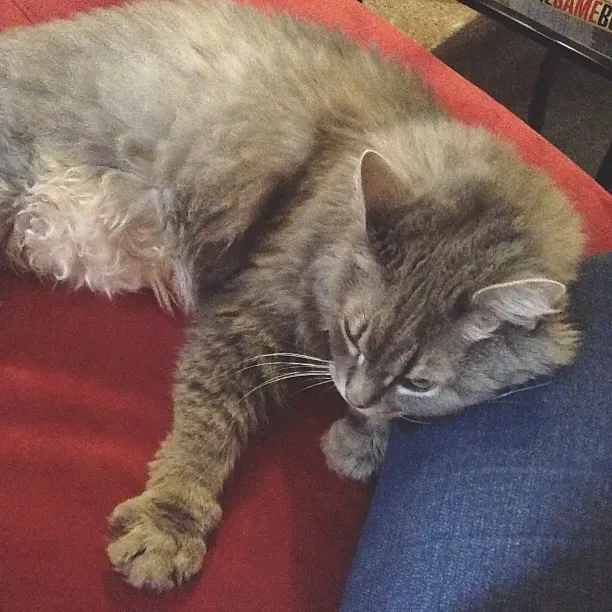
That rhythmic pressing motion your cat makes with their paws, often called making biscuits, isn’t random behavior. Kneading is a rhythmic paw movement that indicates happiness or contentment, and it originates from kittenhood, where kittens knead to stimulate milk flow during nursing. When your adult cat kneads on your lap or a soft blanket, they’re reverting to that comforting kitten behavior.
It’s actually a huge compliment. Your cat associates you with the safety and comfort they felt as a kitten with their mother. Some cats knead more than others, and some might even drool a little while doing it. That combination means your cat is in absolute bliss. Just keep some towels handy if your cat has their claws out during these moments of pure contentment.
Purring Isn’t Always What You Think
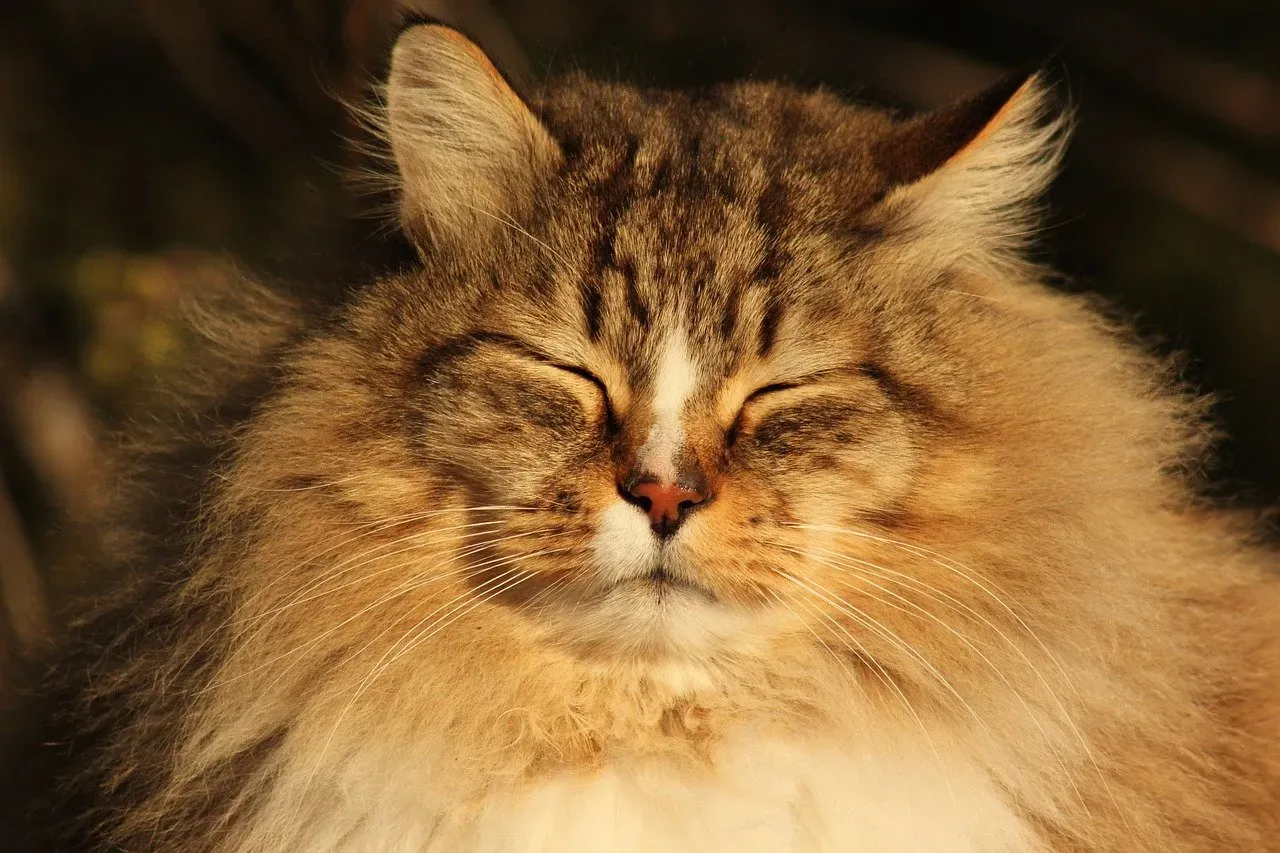
Most people assume purring equals happiness, and usually that’s true. We often think that our cats are happy when they purr, but this is only true if their body language is relaxed. Cats also purr in stressful or painful situations. Sometimes cats can purr in stressful situations, such as going to the vet, and they can also sometimes purr if they are in pain.
This is why reading body language holistically matters so much. A purring cat with relaxed ears, half-closed eyes, and a loose body is genuinely content. A purring cat with tense muscles, flattened ears, and wide eyes might be trying to self-soothe. It’s important to watch your cat’s body language as well as looking at the context as this is a better indicator of whether they are happy and comfortable.
Vocalizations Have Distinct Meanings
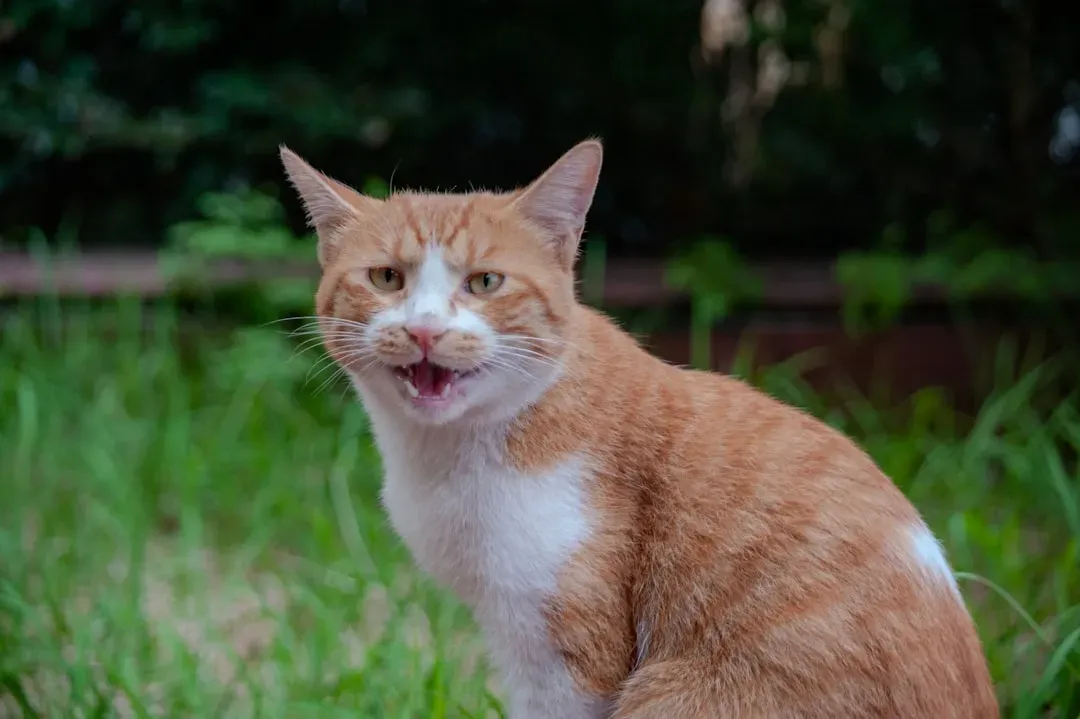
Let’s be real, cats have an entire vocabulary beyond the standard meow. Research shows cats adjust their body language and vocalizations when interacting with humans, using more eye contact and meows than they do with other cats. Your cat has literally developed special communication tools just for you.
Different meow pitches and lengths communicate different needs. A short, high-pitched meow is often a greeting. A longer, lower meow might indicate annoyance or demand. Chirps and trills usually signal friendliness or excitement, especially when your cat greets you at the door. Hissing and growling are obvious warnings. Yowling might indicate distress, mating behavior, or cognitive issues in older cats. Pay attention to the specific sounds your cat makes in different situations. You’ll start to recognize patterns.
Understanding Context Changes Everything
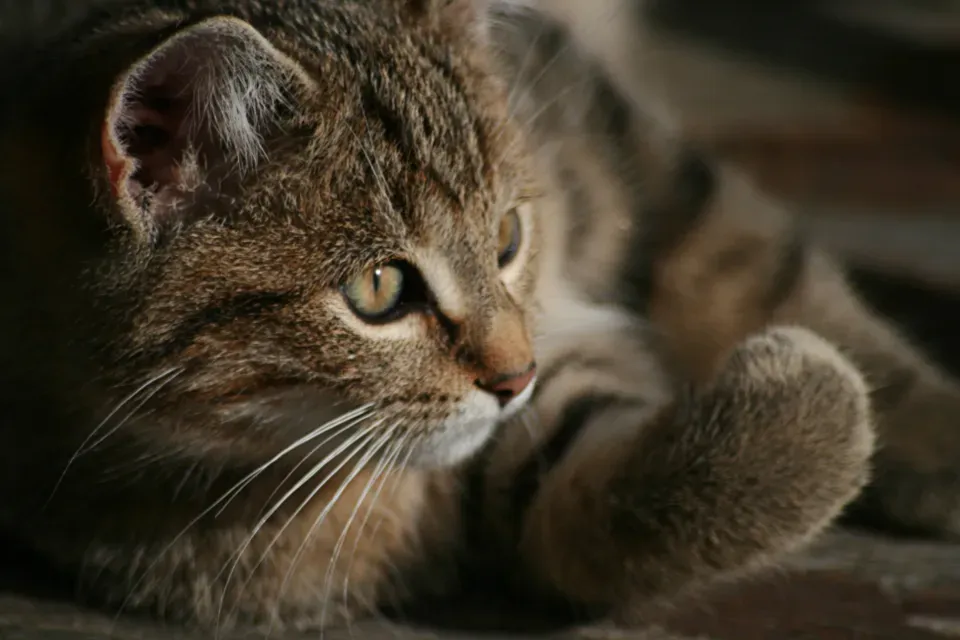
Here’s the thing that trips up most cat owners. A cat’s body language and behaviors should be looked at as part of a single big picture, and when it comes to reading cat body language, the key is to pay attention not only to physical cues but also the situation in which they take place. A tail swish during focused play means something completely different from a tail swish when you’re petting your cat’s belly.
When considering context, it’s important to try to see things from your cat’s perspective and assess how the cat might have perceived the gesture. What seems harmless to you might feel threatening to your cat. A confined space, loud noises, unfamiliar people, or sudden movements can all trigger stress responses. The same gesture from your cat can mean different things depending on whether they’re in their safe space or at the vet’s office.
What do you think about your cat’s secret language now that you know how to read it? Pay attention to these subtle signals over the next week and see how much more you understand about what your feline friend is really trying to tell you.
Kristina is a young writer from India. An arts graduate and an avid content creator, Kristina is passionate about animals and wildlife. She enjoys exploring topics related to pet care, animal behavior, conservation, and nature, combining thorough research with engaging storytelling.