Have you ever caught yourself wondering what your cat is really thinking? Those mysterious creatures roaming around your living room don’t exactly come with instruction manuals. Yet they’re constantly communicating with us, if only we’d pay attention to the right signals. Your cat’s tail might seem like just a fluffy appendage good for knocking things off counters, but it’s actually one of the most expressive communication tools your feline friend possesses.
Think about it. Cats don’t speak our language, so they’ve developed their own intricate system of signals to let us know what’s going on in their heads. While you might focus on their meows or purrs, their tail is practically shouting information at you all day long. Learning to read these signals isn’t just fascinating, it’s genuinely useful for building a stronger bond with your pet.
The Anatomy Behind the Communication
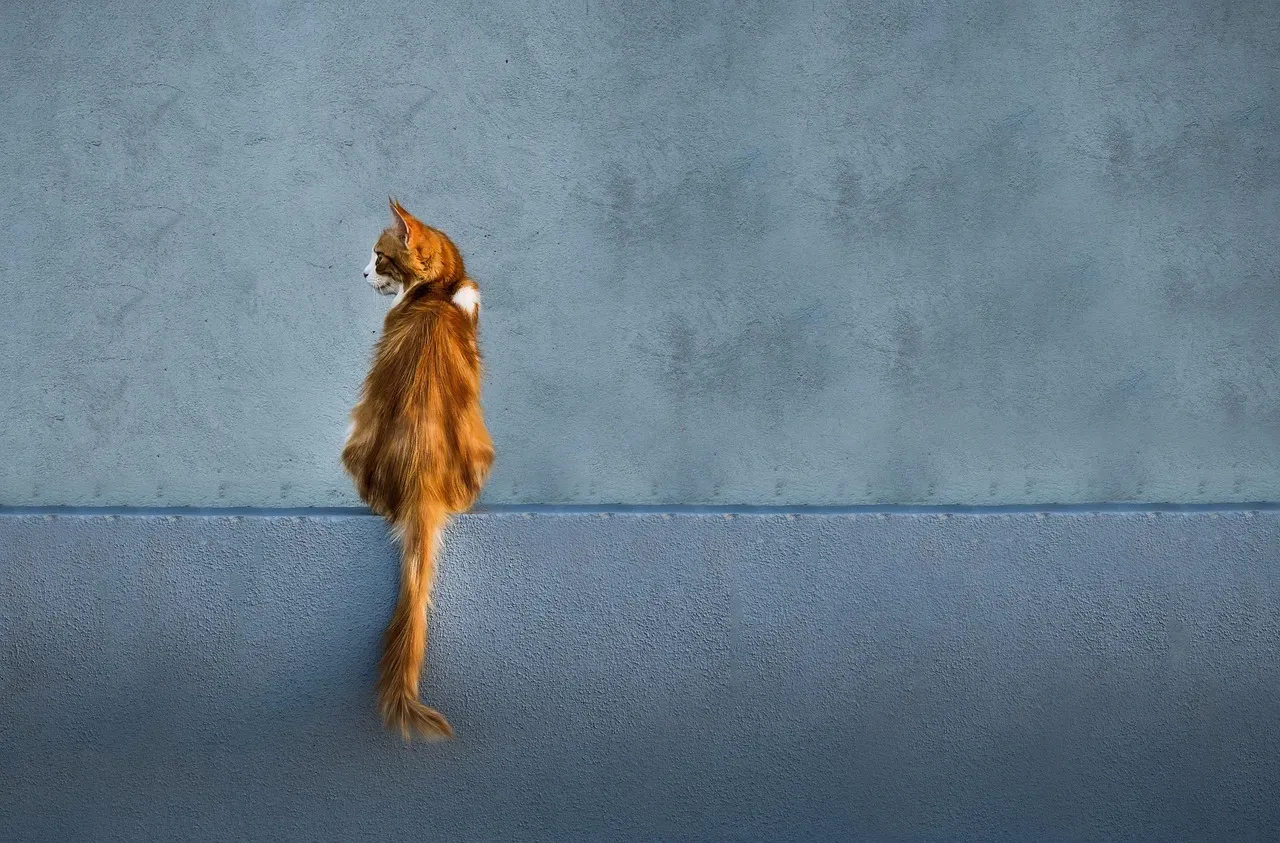
Your cat’s tail is essentially an extension of their spine, continuing backward for another 18 to 23 small bones. These bones, called caudal vertebrae, are surrounded by six different muscles, which allows a cat’s tail to have such a large range of subtle voluntary and involuntary motions. It’s like having a built-in antenna that can twist, curl, and move in almost any direction.
This complex structure isn’t just for show. Every flick, curve, and position serves a purpose, whether it’s maintaining balance when your cat makes those impressive leaps or sending clear signals to everyone around them. The tail is covered in layers of tissue, blood vessels, muscle, skin, and fur, making it both functional and expressive.
The Friendly Greeting: Tail Held High
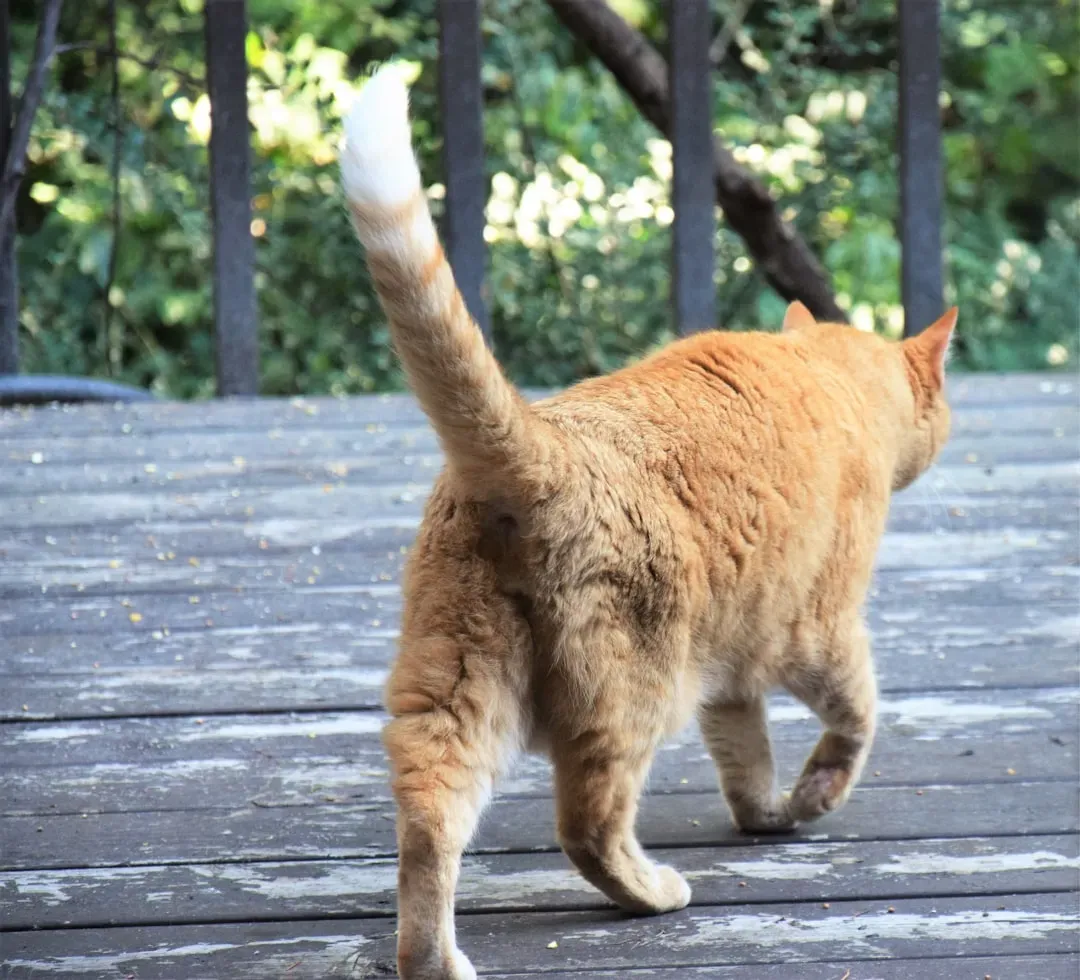
When a cat’s tail is upright, they are feeling social and confident, and are approaching in a friendly manner. This is honestly one of the best sights for any cat owner. Your feline friend is basically saying they’re happy to see you and open to interaction. This cat tail language indicates a friendly greeting between cats, and it’s how kittens greet their mothers.
Here’s the thing though. Even when your cat approaches with that tall, proud tail, most of them still prefer you focus your petting around their cheeks, under their chin, and near their ears rather than grabbing that tempting tail. The upright position is an invitation to interact, not necessarily an invitation to touch the tail itself. Pay attention to where your cat guides your hand once you start petting.
The Question Mark Tail: Ready to Play
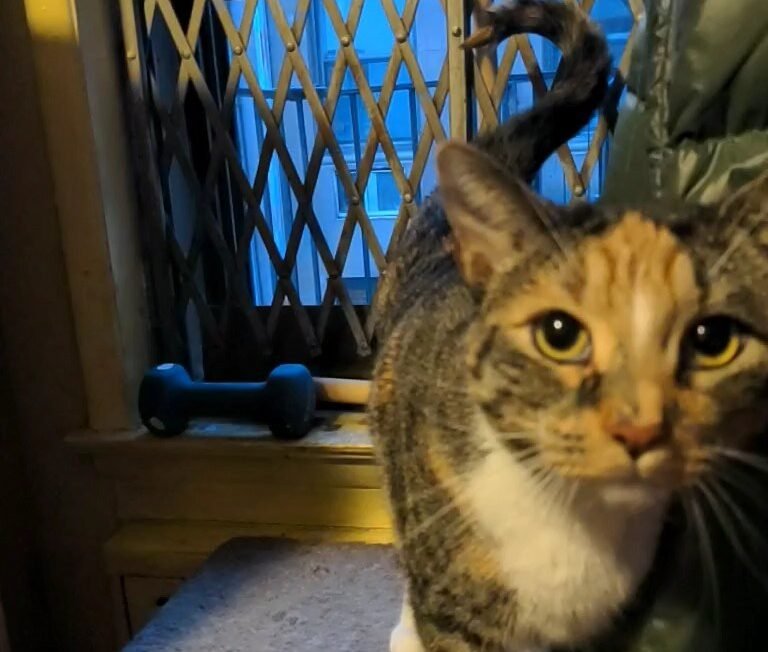
A tail held high with a question mark curve at the tip is friendly and usually in a good mood, creating a characteristic question-mark appearance. I think this is one of the most charming tail positions because it looks exactly like what it means. The question mark isn’t about confusion but instead, is an invitation to play or interact.
You’ll probably notice this position when your cat greets you at the door after work or when they’re feeling particularly social. A question mark tail indicates your cat is feeling friendly, confident, and socially engaged, essentially saying they’re happy to see you and open to interaction. It’s their way of initiating a positive exchange, so take advantage of these moments to strengthen your bond through play or gentle attention.
The Low or Tucked Tail: Fear and Anxiety
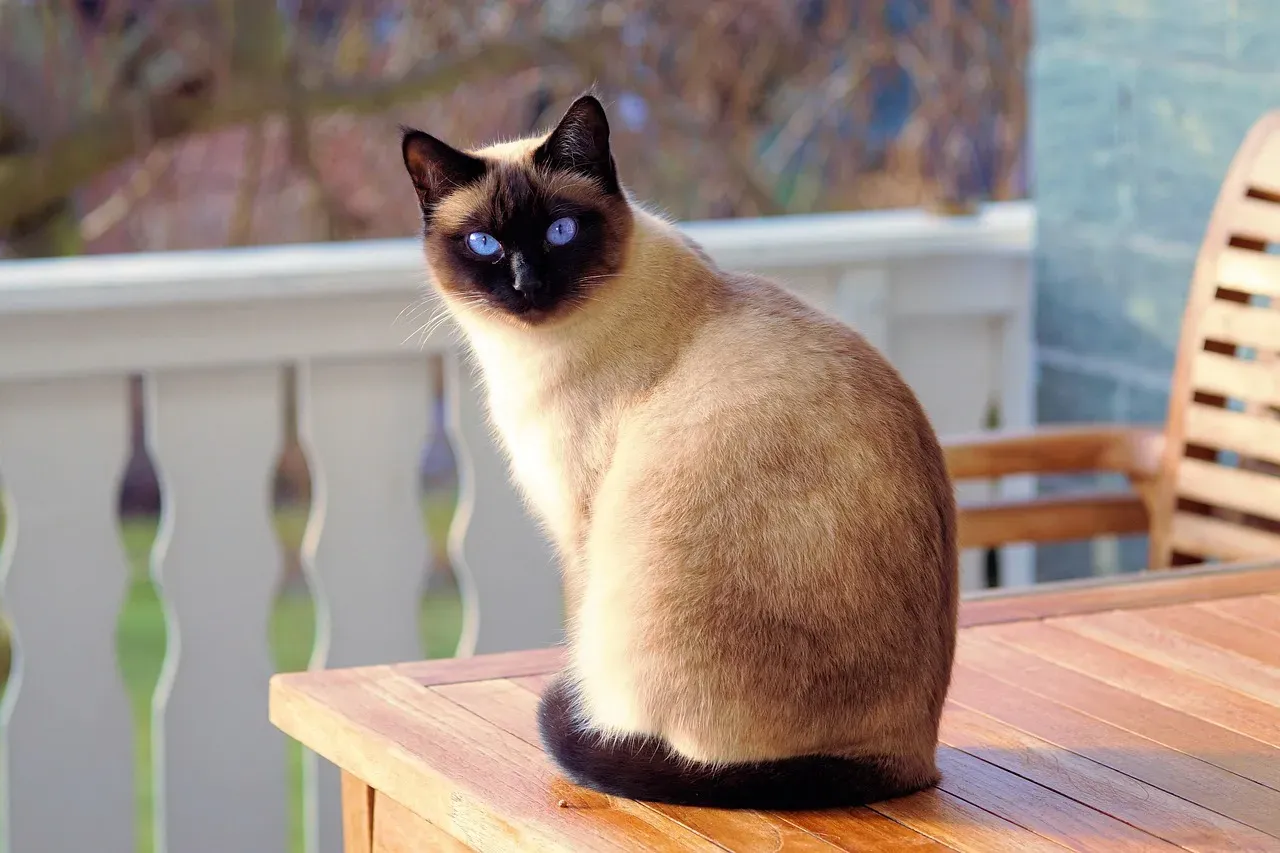
Things take a different turn when you notice your cat’s tail dropping low or tucking between their legs. A cat may lower their tail below the level of their back if they are frightened or anxious, and if the tail is tucked between their legs, they are really scared or may be experiencing pain. This is a vulnerable position, and your cat is trying to protect themselves by making themselves appear smaller.
A cat who has tucked the tail between the hindlegs is very frightened, adopting a submissive posture where they’re trying to appear small and non-threatening. However, don’t assume this means it’s safe to approach. Sometimes a frightened cat with no escape route may resort to defensive aggression, so it’s better to give them space and remove whatever is causing their distress if possible.
The Puffed-Up Tail: Defensive and Frightened
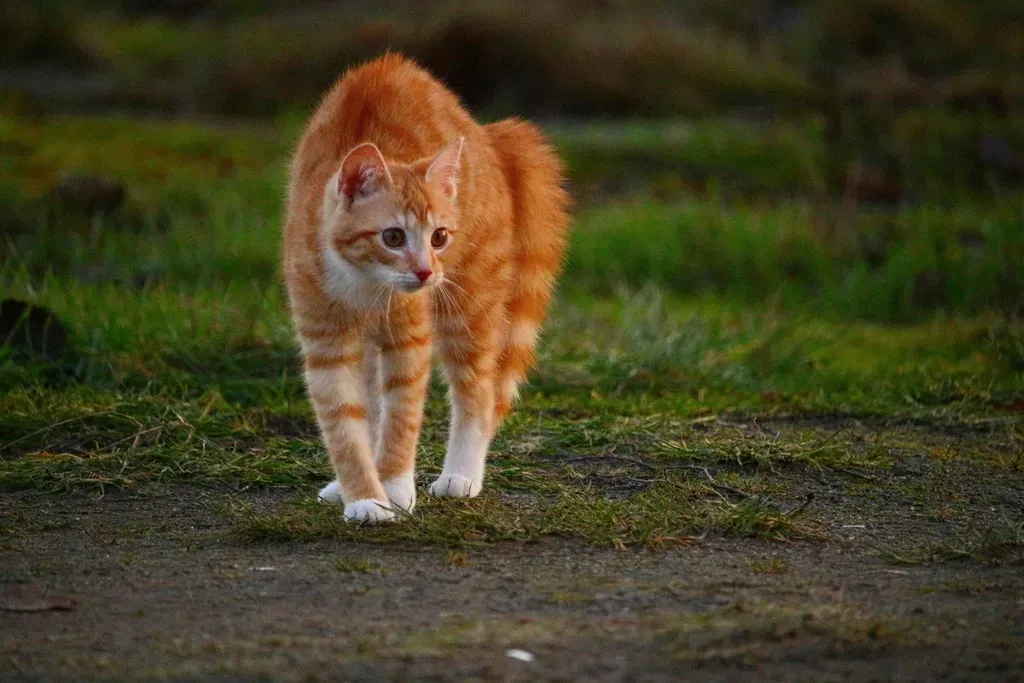
You’ve probably seen this in Halloween decorations, but when your actual cat puffs up their tail, it’s serious business. The quintessential Halloween-cat posture with a puffed tail and arched back means they are startled or frightened by a sudden, severe threat. A puffed-out tail, often two or three times the size of a normal one, is either a sign of a very excited cat or one that is scared and ready for a fight, with hair raised on their back to make them appear larger and a more formidable opponent.
This reaction is largely involuntary, triggered by their sympathetic nervous system when they feel genuinely threatened. Whether it’s a sudden loud noise, an unfamiliar dog, or an unexpected visitor, your cat is basically trying to look as intimidating as possible. Best to back off and let them calm down before attempting any interaction.
The Thrashing Tail: Irritation and Anger
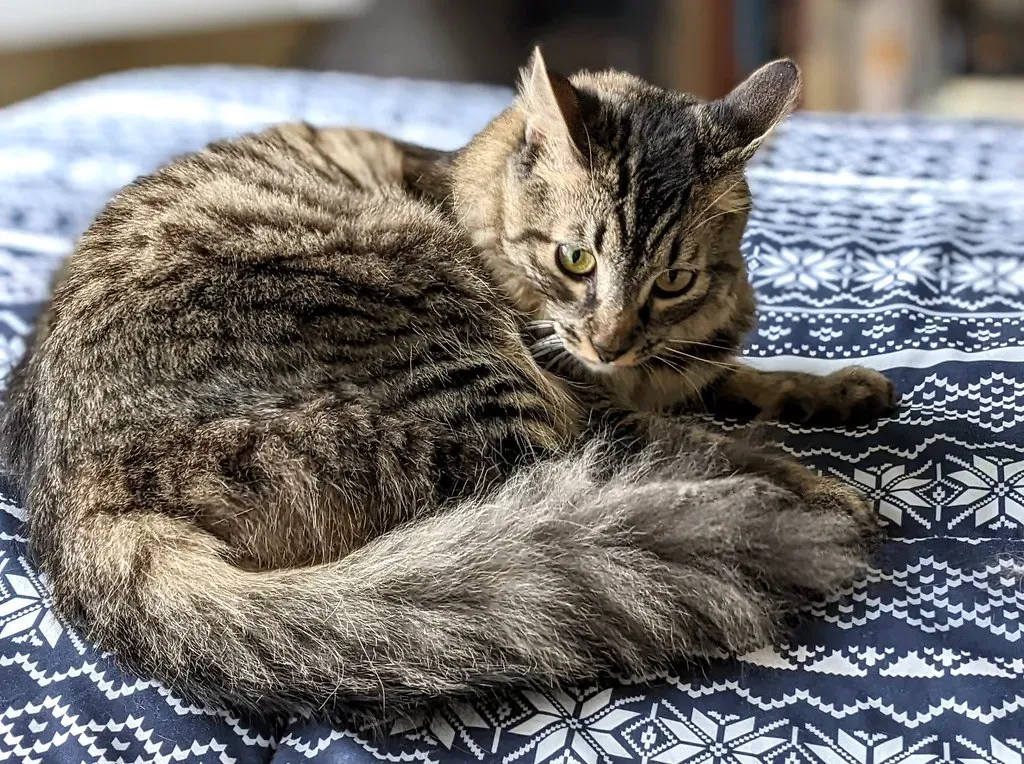
Let’s be real, when you see your cat’s tail thrashing back and forth, you’re being given a clear warning. When your cat thrashes their tail or is thumping it on the ground, they are irritated, annoyed, or angry, and this tells you that something is bothering your cat. If you are petting your cat and they start thrashing their tail, they are trying to tell you to stop, and if you don’t, the thrashing tail may be a prelude to hissing, growling, swatting, or biting.
Many cat owners miss this signal and end up surprised when their previously content cat suddenly swats at them. The tail was telegraphing the problem well before claws came out. This is what behaviorists call a distance-increasing behavior, your cat’s way of saying they need space right now. Respecting this signal will save you from scratches and help maintain trust with your feline companion.
The Twitching Tip: Focus or Mild Irritation
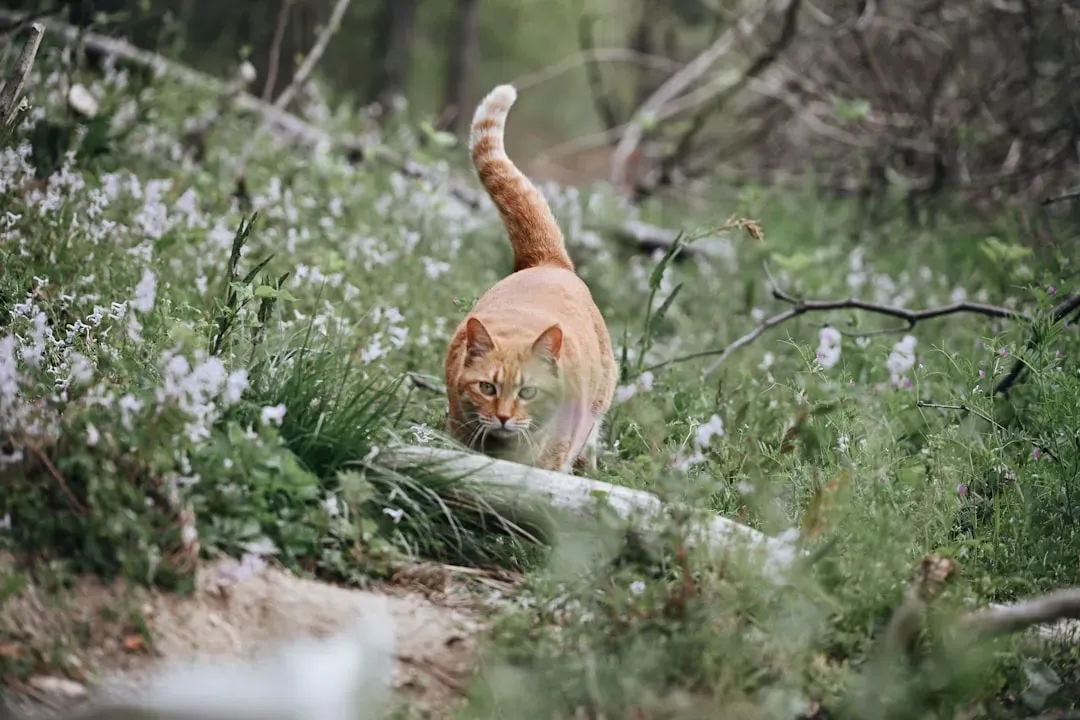
The context really matters when you see just the tip of your cat’s tail twitching. Cats twitch the end of their tails when they are hunting and playing, as well as when they are mildly irritated and frustrated, so you need to read the scene and look for other clues to their mood. If your cat is crouched near a window watching birds, that twitching tail indicates intense focus and hunting instincts kicking in.
However, if you’re petting your cat and notice that tail tip starting to twitch, you’re probably approaching their limit for physical contact. A twitching tip of the tail may also be a sign that your cat is excited or focused on potential prey or a toy, but it could also indicate mild annoyance. It’s like an early warning system, less urgent than full thrashing but still worth paying attention to before the situation escalates.
The Slow Swishing Tail: Contemplation or Hunting Mode
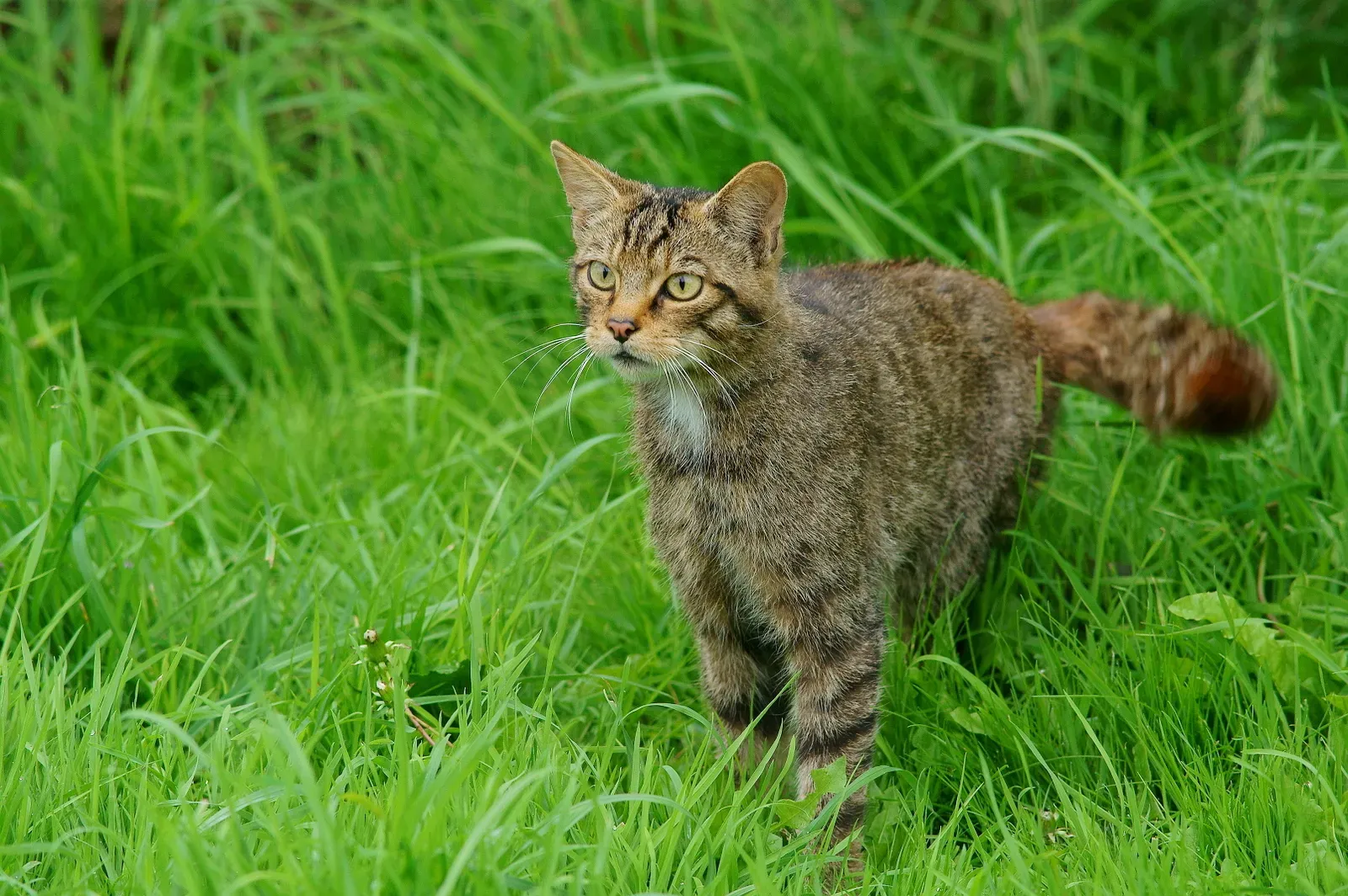
When your cat slowly swishes their tail from side to side, they may be intently focused on something like a toy, another animal in the home, or something outside, and they may be about to pounce. This is actually good enrichment behavior, so if your cat isn’t directing this at you or another pet inappropriately, let them enjoy the moment. A wagging tail means that the cat is ambivalent, pausing for thought and not sure about what to do next.
You might see this when your cat is stalking prey or deciding between two courses of action. If a cat is stalking prey, their tail will switch from side to side before they pounce with the message being will I keep moving slowly or will I leap on them now, and a tail wag can be a prelude to pouncing. It’s fascinating to watch because you can practically see the wheels turning in their head as they calculate their next move.
The Wrapped Tail: Affection or Self-Comfort
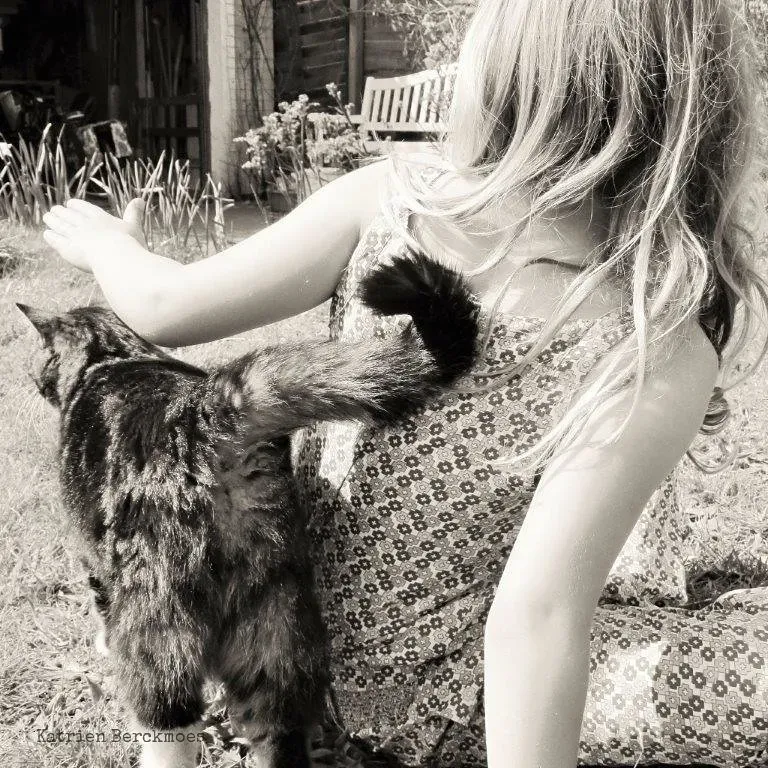
Just as we greet one another with handshakes or hugs, cats may greet by curling their tails around people and by intertwining their tails with other cats. When your cat wraps their tail around your leg or arm, consider it a feline hug. If your cat snuggles up next to you with their tail curled around you, it means you’re part of their in-crowd and they like you a lot.
That said, context matters here too. When sitting or in a crouched position, the cat’s tail may be wrapped around the body, and this position depends on the circumstances as in some situations the cat may sit this way when content while another cat may have their tail in this position because they are scared, unsure of a situation, or maybe not feeling well. Look at their overall body language and the situation to determine which meaning applies.
Building a Stronger Bond Through Tail Reading
Although you should look at more than just their tail movements to fully understand your cat’s emotional state, the tail may be the most expressive part of a cat’s body language, and better understanding your cat’s body language will surely improve your bond with your cat. Honestly, once you start paying attention to these signals, you’ll wonder how you ever missed them before. Your cat has been talking to you this whole time.
Cats are masters of communication and our job is to pay attention, because if you learn to accurately read body language signals and respect what your cat is telling you, it will create trust and strengthen the bond you share. It’s not about becoming a cat whisperer overnight. It’s about observing your specific cat’s patterns and responding appropriately to their needs and moods. The more you practice, the more intuitive it becomes.
Every cat has their own personality and slight variations in how they use their tail to communicate. Some cats are more expressive than others, and certain breeds naturally carry their tails differently. The key is spending time with your cat and learning their individual communication style. What do you think? Have you been missing signals from your feline friend all this time?
Kristina is a young writer from India. An arts graduate and an avid content creator, Kristina is passionate about animals and wildlife. She enjoys exploring topics related to pet care, animal behavior, conservation, and nature, combining thorough research with engaging storytelling.