Your cat talks to you every single day. Those bizarre chirps at the window, the rumbling purrs on your lap, and yes, even that dramatic yowl at three in the morning – they’re all part of an elaborate language you might not fully understand yet. Think about it for a second. Your feline friend has dozens of vocal tricks up their furry sleeve, and each sound carries a specific message.
Let’s be real, though. Half the time you’re probably just guessing what your cat wants. Is that meow a demand for food, or are they complaining about the state of their litter box? Here’s the thing: understanding these vocalizations isn’t just about satisfying your curiosity. It’s about deepening your bond with your furry companion and recognizing when something might actually be wrong. So let’s dive into the fascinating world of cat communication and decode what your feline is really trying to tell you.
The Classic Meow
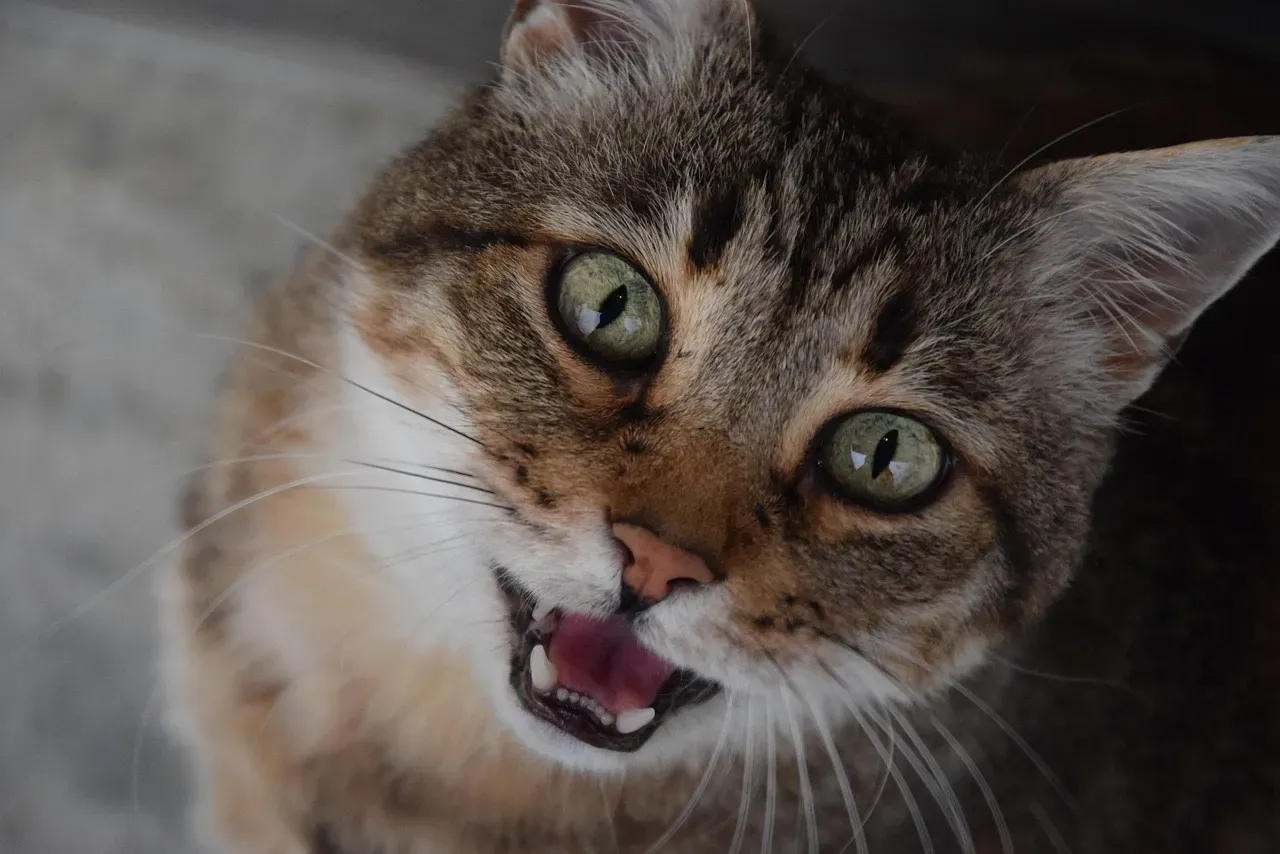
Kittens meow to attract their mothers, but in adult cats, the meow is almost exclusively used to communicate with humans. That’s right – your cat learned to meow specifically for you. Wild cats rarely meow to each other once they’re grown. Think of it as their custom language designed to get your attention, and honestly, it works pretty well.
The frequency of meowing is an indicator of a cat’s frame of mind; rapid-fire meows mean hey, pay attention to me, I’m talking here! A longer, more plaintive “meowww” can indicate worry, annoyance, or objection to something. Short, sweet meows? Your cat’s probably just saying hello. That demanding, extended version with the attitude? Yeah, they want something right now, and they’re not happy about waiting.
The Contented Purr
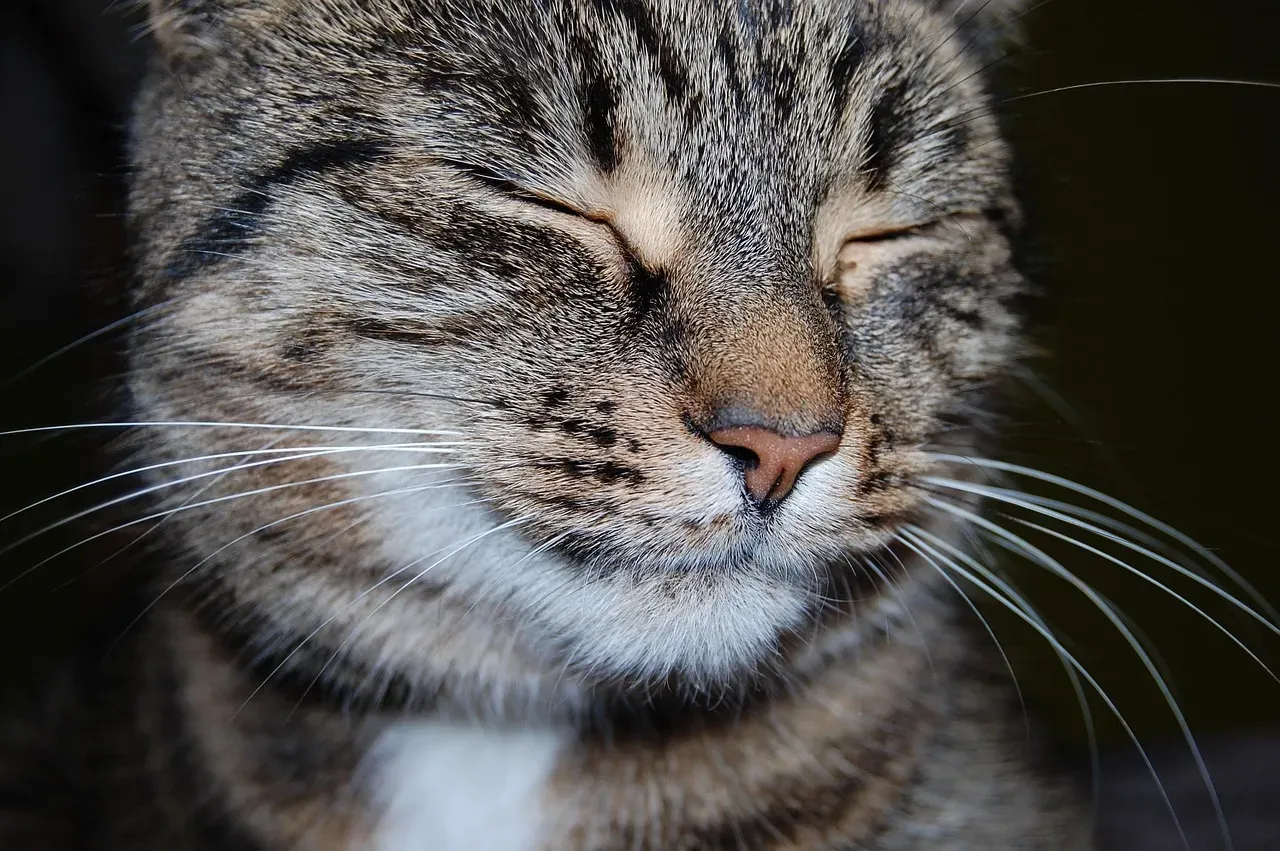
You know that rumbling vibration that makes your chest feel warm when your cat’s curled up on you? That’s purring, and it’s usually a sign your cat is happy and comfortable. A cat’s purr has a frequency of roughly 25–30 Hz, and it’s thought that sounds in this range have healing properties. So when your cat purrs, they’re not just expressing contentment – they might actually be healing themselves.
Here’s where it gets tricky, though. Cats sometimes purr when they are ill, tense, or experiencing traumatic or painful moments such as giving birth. I know, it sounds contradictory. Your cat might purr when they’re anxious or sick as a self-soothing mechanism, kind of like when a kid sucks their thumb. Pay attention to the context and their body language to figure out which kind of purr you’re hearing.
The Friendly Trill
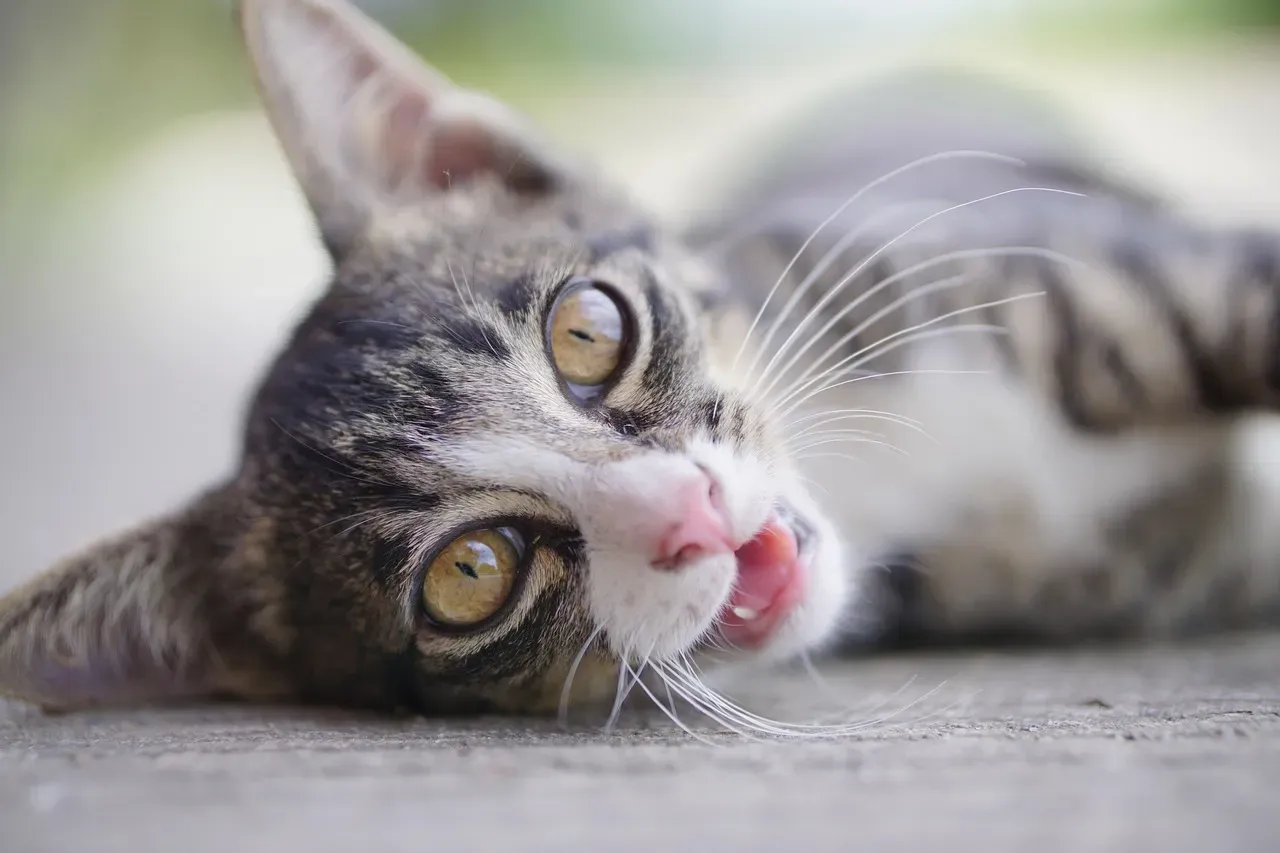
A trill is produced with a soft voice and sounds like a purr but with a higher pitch. Cats may trill to greet and thank their human family members for something, such as a snack or a pet. If you’ve ever heard that adorable rolling “brrrrp” sound when your cat sees you, that’s a trill. It’s basically your cat’s way of saying they’re genuinely happy to see you.
Chirps and trills are how a mother cat tells her kittens to follow her. When aimed at you, it probably means your cat wants you to follow them, usually to their food bowl. So next time your cat trills and starts walking away, they’re inviting you somewhere. Spoiler alert: it’s probably the kitchen, and they probably want treats.
The Excited Chirp
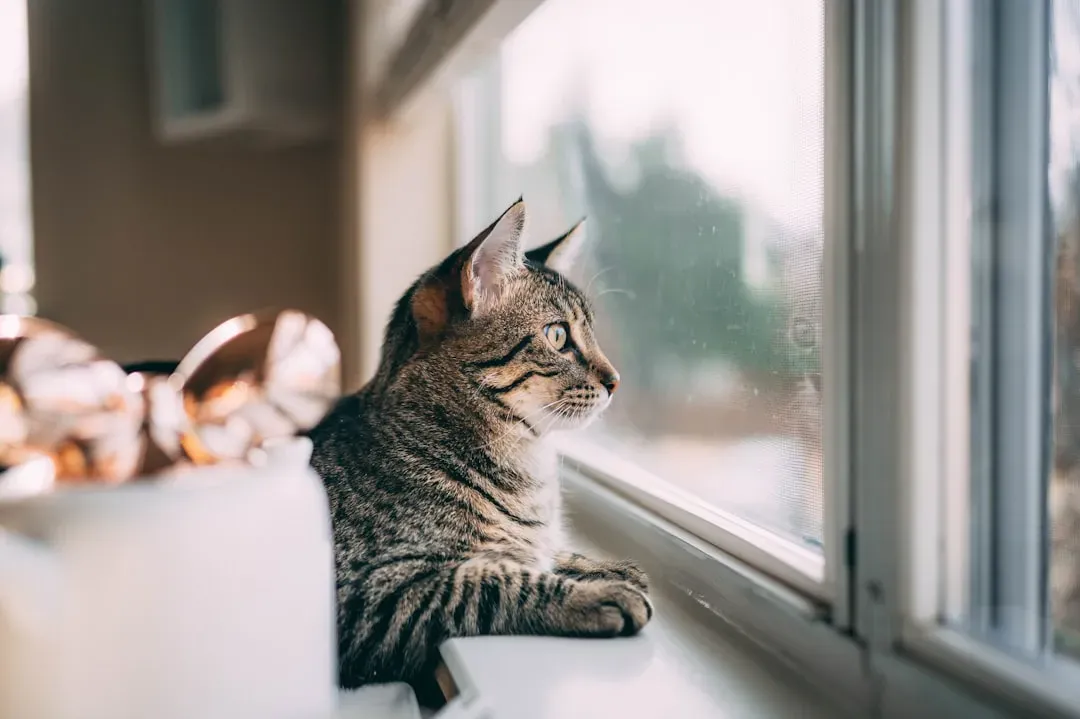
This sequence of short, high-pitched calls is similar to that of a bird. Cat chirrups (also known as cat chirps) are relatively quiet even if the cat feels excited. Excitement and prey drive also play into this common cat sound. You’ll most often hear this when your cat’s glued to the window, watching birds or squirrels with intense focus.
One of the most common reasons a cat chirps is when they see potential prey they cannot access, such as while watching squirrels or birds outside the window. In this context, a chirp can indicate excitement – mixed with a little frustration. Some experts believe this chirping might even be an attempt to mimic prey sounds as a hunting tactic. Your little predator is showing their wild side, even if they’re just an indoor cat with zero hunting experience.
The Hunting Chatter
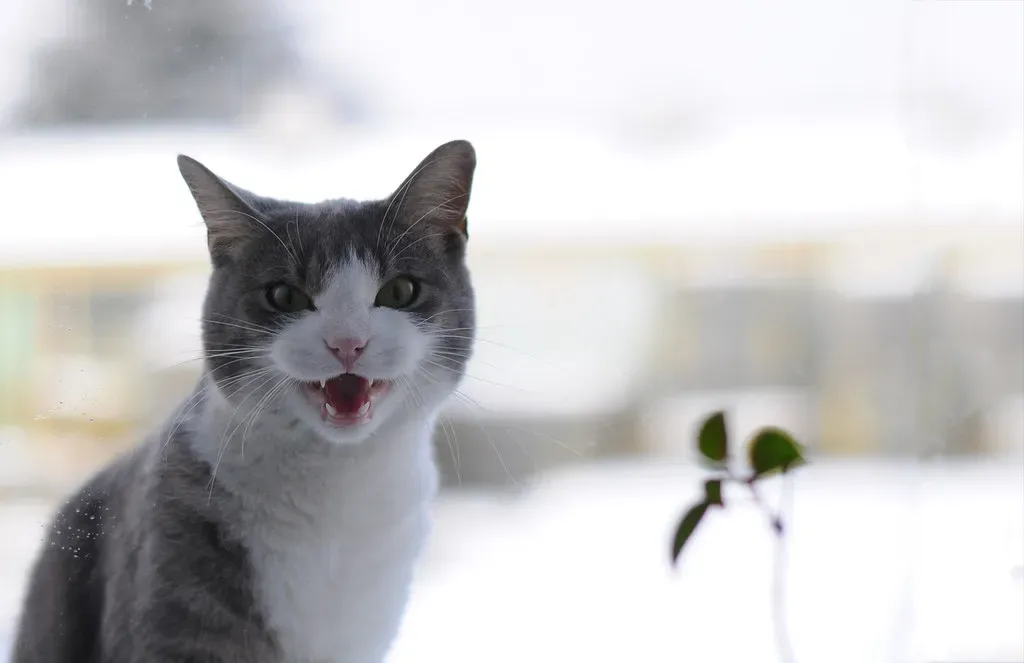
Chattering, also called twittering, is a low smacking sound produced by a rhythmic clashing of the jaws. Along with chirping, chattering may occur when a cat spots prey that’s out of their reach. This is probably one of the weirdest sounds cats make. It’s that rapid clicking noise accompanied by jaw movements that looks like your cat’s teeth are literally chattering.
Scientists aren’t completely sure why cats do this, but the prevailing theory is that it’s a mix of predatory excitement and pure frustration. A cat chirping could be interpreted as vocalised frustration, as your cat watches birds through a window and can’t reach them. Your cat’s essentially working themselves up over prey they can see but can’t catch. It’s equal parts cute and slightly concerning when you realize how intense their hunting instinct really is.
The Defensive Hiss
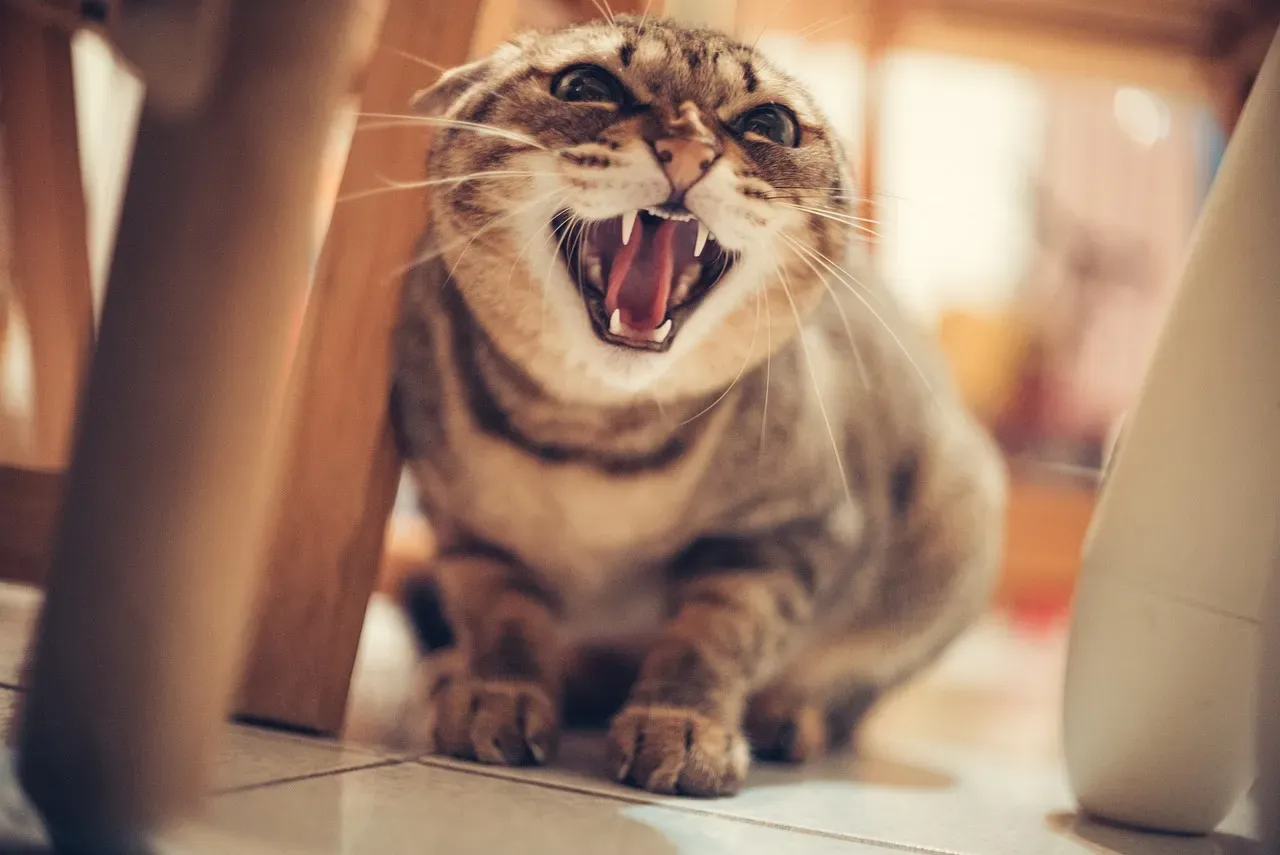
There is no mistaking the intent of a cat’s hiss. Sounding like of a steak sizzling on the grill, this cat noise means your cat feels threatened and is ready to fight if need be. When your cat hisses, you need to back off immediately. This isn’t a playful sound – it’s a serious warning that they’re scared and feeling defensive.
Hissing can seem aggressive, but it’s actually a fear-based response. This sometimes involuntary reaction is used when a cat is surprised by a perceived threat or enemy – whether it’s the neighborhood stray cat or the veterinarian. Your cat isn’t trying to be mean. They’re just absolutely terrified and telling you or whatever’s bothering them to stay away. Give them space and remove the perceived threat if you can.
The Aggressive Growl
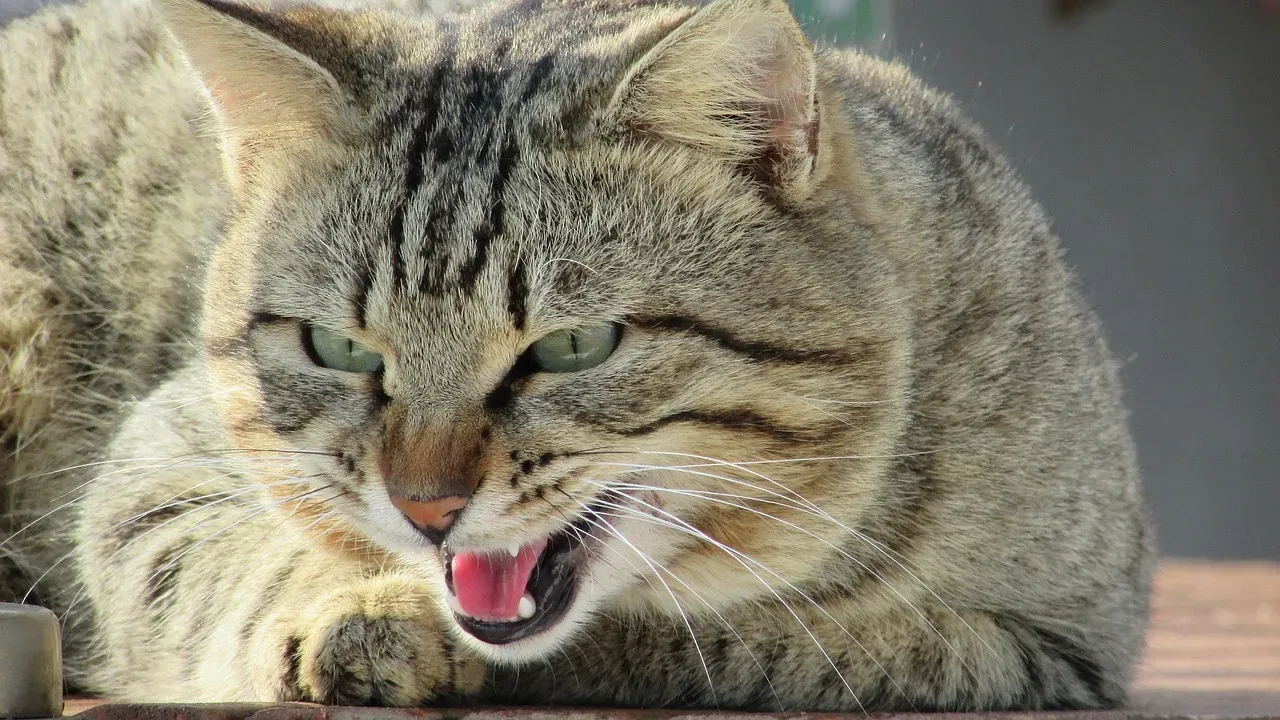
A growl is a low, rumbling sound used to warn or scare off a threat. Growling is an indication that a cat feels threatened, frightened, or is about to become aggressive. This sound often increases as the cat’s fear grows. If you hear your cat growling, the situation is escalating beyond just fear into potential aggression territory.
This isn’t a sound to ignore or dismiss. Family members should not attempt to pet or pick up a growling or hissing cat, as the kitty can become so scared that they may resort to aggression. Your cat’s basically saying their warning stage is almost over, and they might attack if the threat doesn’t back off. Respect that boundary and give them the space they desperately need to feel safe again.
The Explosive Spit
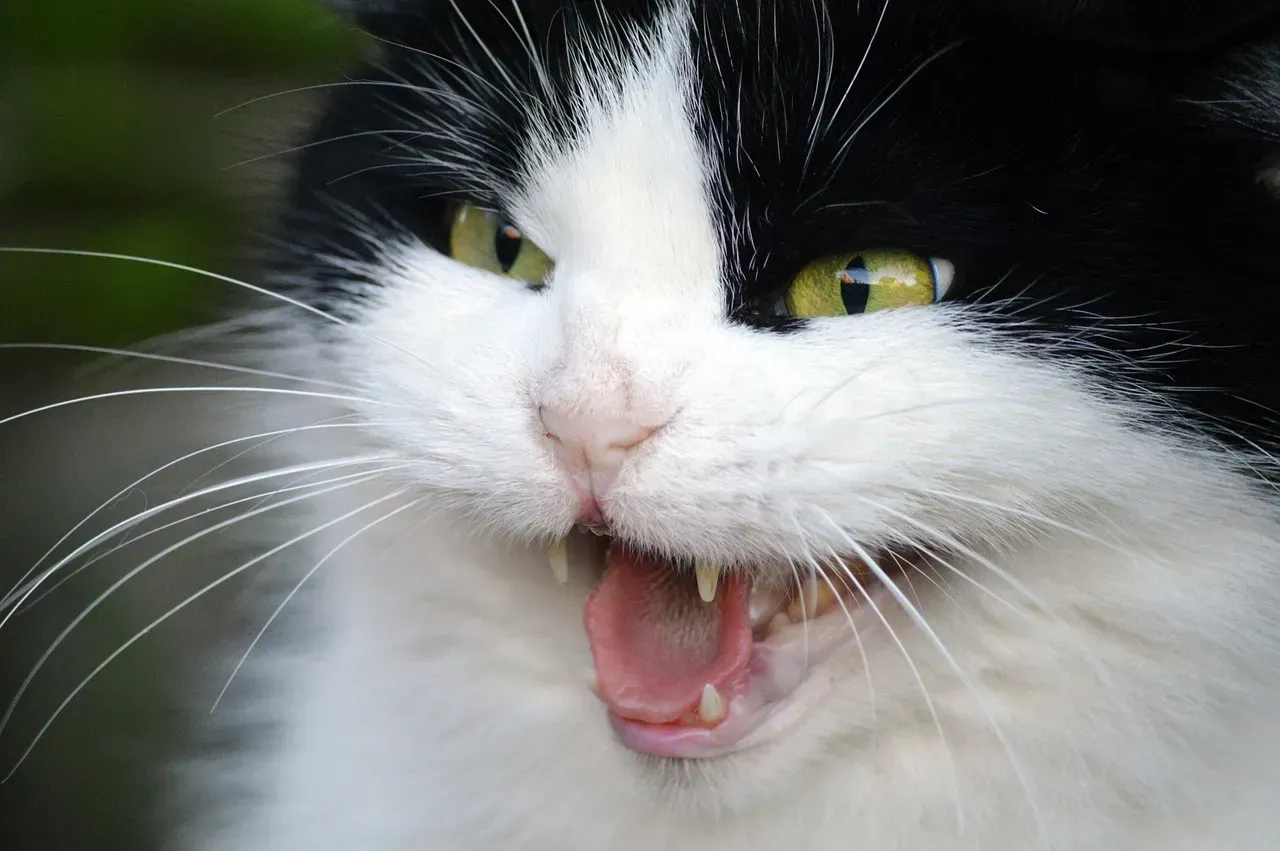
A spit is a sudden, short, explosive burst of noise, often accompanied by a quick, lashing-out movement. The spit is basically a more intense variation of a hiss and, like hissing, it’s an involuntary reaction in response to a perceived threat or enemy. This sound happens fast – it’s that sharp, forceful noise that sometimes comes with a bit of actual saliva flying through the air.
Think of spitting as your cat’s nuclear option when it comes to defensive sounds. It’s their way of saying they’re absolutely done with the situation and preparing to defend themselves physically. Kittens will even spit when they’re trying to look tough, which is honestly adorable despite the aggressive intent. Still, when an adult cat spits at you, it means you’ve seriously crossed a line and need to retreat immediately.
The Distressed Yowl
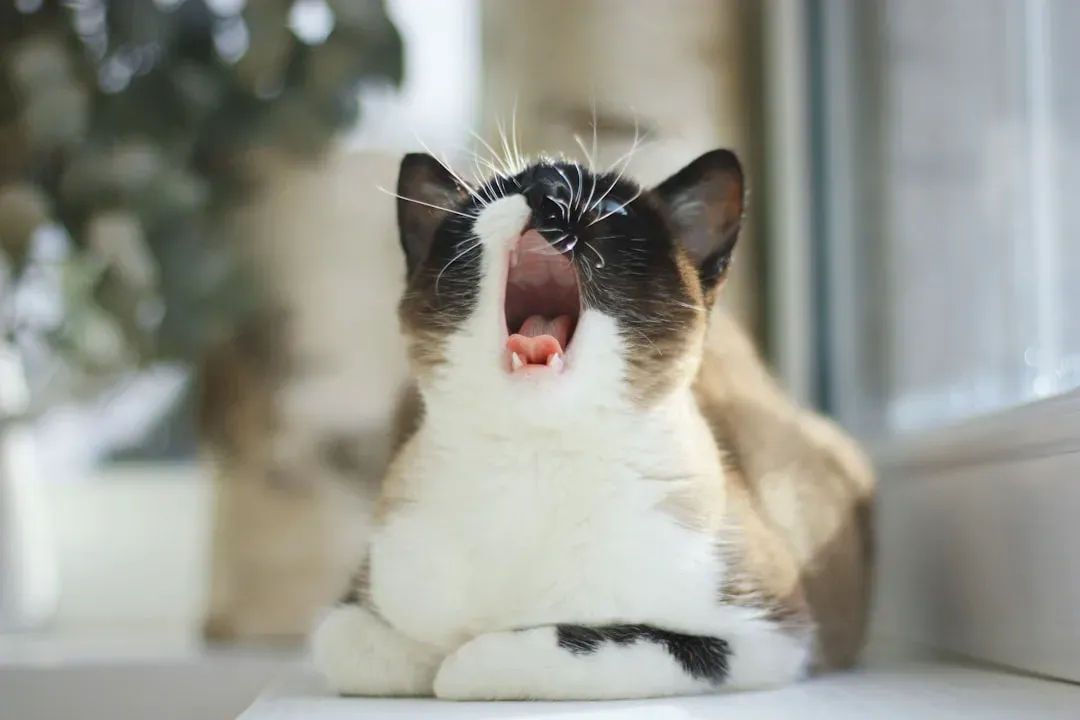
Often described as a louder, longer meow, a yowl is a drawn-out sound cats can make. Yowling and howling are signs that a cat is in distress. This may be physical distress from pain or illness, or emotional distress from worry, frustration, boredom, or confinement. When you hear yowling, something is genuinely wrong with your cat.
This isn’t just normal vocalization – it’s a cry for help. Yowling and howling are signs that a cat is in distress. This may be physical distress from pain or illness, or emotional distress from worry, frustration, boredom, or confinement. Elderly cats may yowl if they suffer cognitive dysfunction syndrome, or dementia. If your cat suddenly starts yowling without an obvious cause, schedule a vet appointment. They could be in pain, feeling anxious, or dealing with a medical issue that needs attention.
The Mating Caterwaul
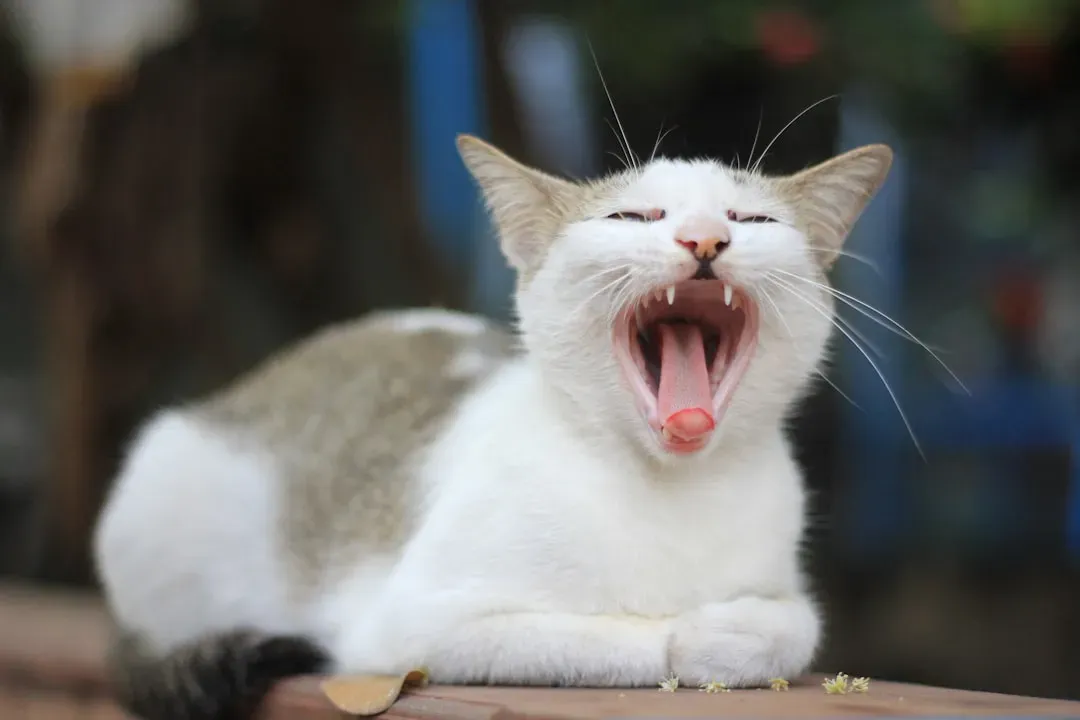
A caterwaul is a loud, long whine made by unspayed females to attract prospective mates while in heat. If you’ve ever heard an unspayed female cat in heat, you know exactly what this sounds like – and you’ll never forget it. It’s loud, persistent, and honestly sounds like someone’s being tortured. That’s by design, though, because your cat’s trying to advertise her availability to every male cat within earshot.
Male cats might also make similar sounds when they’re fighting over territory or mates. Unneutered cats may make these sounds as part of mating behavior. The good news? Spaying or neutering your cat will eliminate this particular vocalization. Your neighbors will thank you, and your cat will be healthier for it anyway.
The Urgent High-Pitched Meow
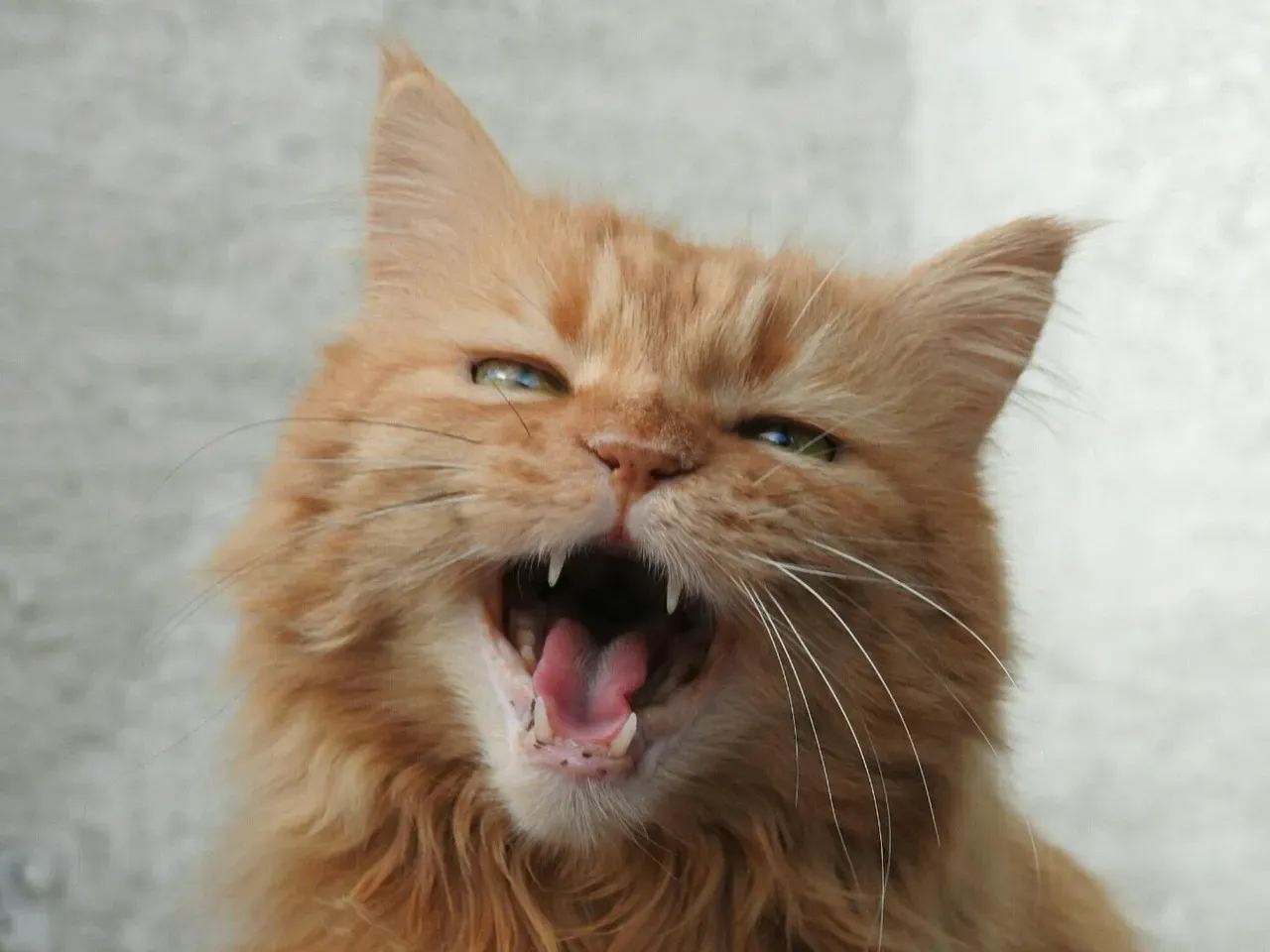
A high-pitched meow from a cat usually indicates that they are startled, hurt, anxious, or surprised. This meow can sound more like a yelp due to its high pitch. This isn’t your cat’s normal communication meow. It’s sharper, more urgent, and demands immediate attention because something unexpected just happened.
Sometimes this sound means your cat got startled by a sudden noise or movement. Other times, it could mean they’re actually hurt or in pain. A high-pitched meow can also be a way of asking for attention in a quick, urgent manner. High-pitched meows can also be a way for cats to express distress or alarm. Context matters here – check your cat over to make sure they’re okay and figure out what triggered that urgent vocalization.
The Silent Meow
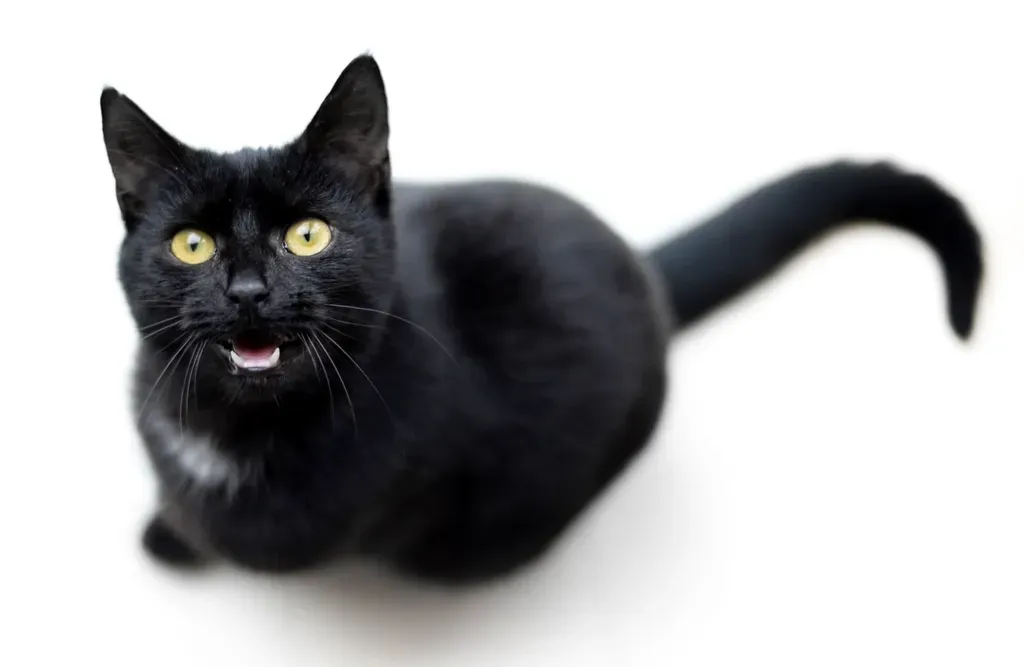
Here’s something fascinating that doesn’t get talked about enough. It can even be silent, where the cat opens its mouth but does not produce any sound. Your cat literally opens their mouth in a meowing motion, but no sound comes out. It looks weird and adorable at the same time, and you might wonder if something’s wrong with their voice.
The truth is, there probably is a sound happening – you just can’t hear it. Some researchers believe cats produce ultrasonic frequencies beyond human hearing range with these silent meows. Others think it’s a learned behavior where your cat realizes that the visual gesture alone gets your attention. Either way, it’s typically used as a gentle, polite request rather than an urgent demand. Your cat’s basically whispering instead of shouting.
Conclusion
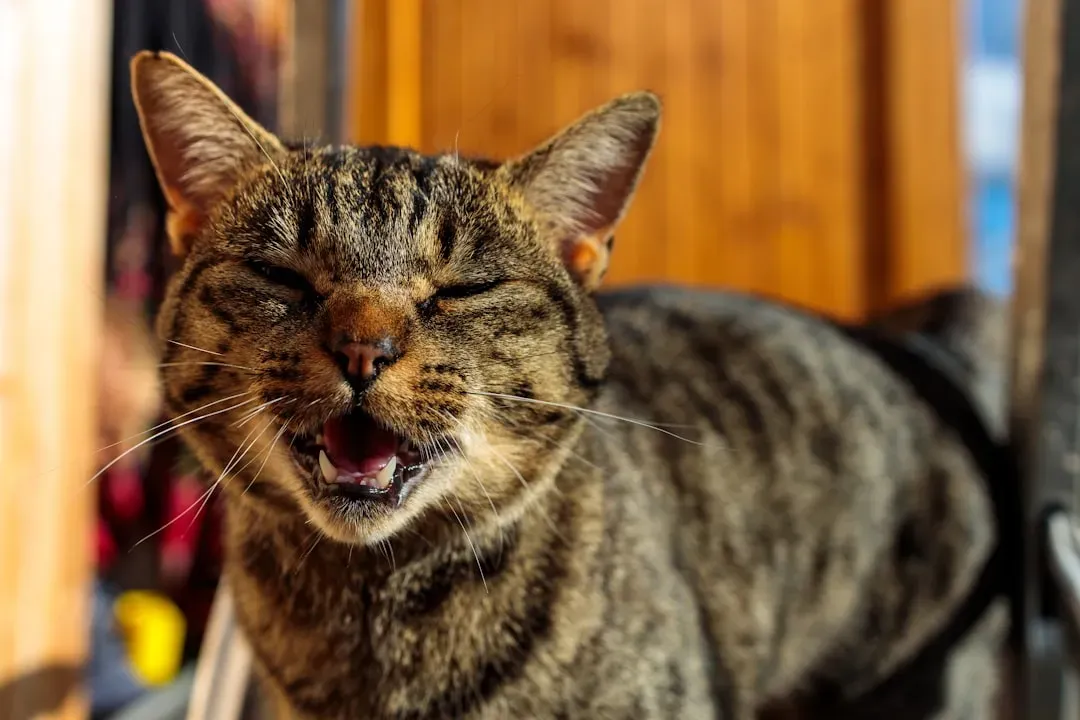
Understanding what your cat’s various noises mean transforms your relationship from basic coexistence into genuine communication. Each sound – from the gentlest trill to the most dramatic yowl – carries specific meaning and intention. Your cat isn’t just making random noise. They’re telling you exactly how they feel and what they need, if only you take the time to listen and learn their language.
Remember that changes in vocalization patterns can signal health problems or emotional distress. If your normally quiet cat suddenly becomes chatty, or your talkative feline goes silent, something’s probably up. Pay attention to context, body language, and frequency. Your cat’s voice is one of their most important tools for connecting with you. Now that you know what all those sounds mean, what will you discover about your cat’s personality? What’s the most surprising noise your cat makes?
Kristina is a young writer from India. An arts graduate and an avid content creator, Kristina is passionate about animals and wildlife. She enjoys exploring topics related to pet care, animal behavior, conservation, and nature, combining thorough research with engaging storytelling.