Ever caught your cat twisted into what looks like an impossible pretzel shape and wondered if they’re secretly training for Cirque du Soleil? Or maybe you’ve noticed your feline friend sprawled out completely, belly exposed, looking like they own the world. Here’s the thing: those adorable sleeping positions aren’t random at all. They’re actually windows into your cat’s emotional world, trust level, and even their health status.
You might think your cat just crashes wherever they please, in whatever position feels right at that moment. Sure, cats are famous for sleeping up to sixteen hours a day, sometimes more. What most people don’t realize is that every curl, stretch, and tuck tells a story. From ancient survival instincts passed down from their wild ancestors to the deep bond they share with you, your cat’s sleeping posture is basically their way of speaking without words. So let’s dive in and discover what your furry companion is really trying to tell you through their snooze positions.
The Classic Curled-Up Ball
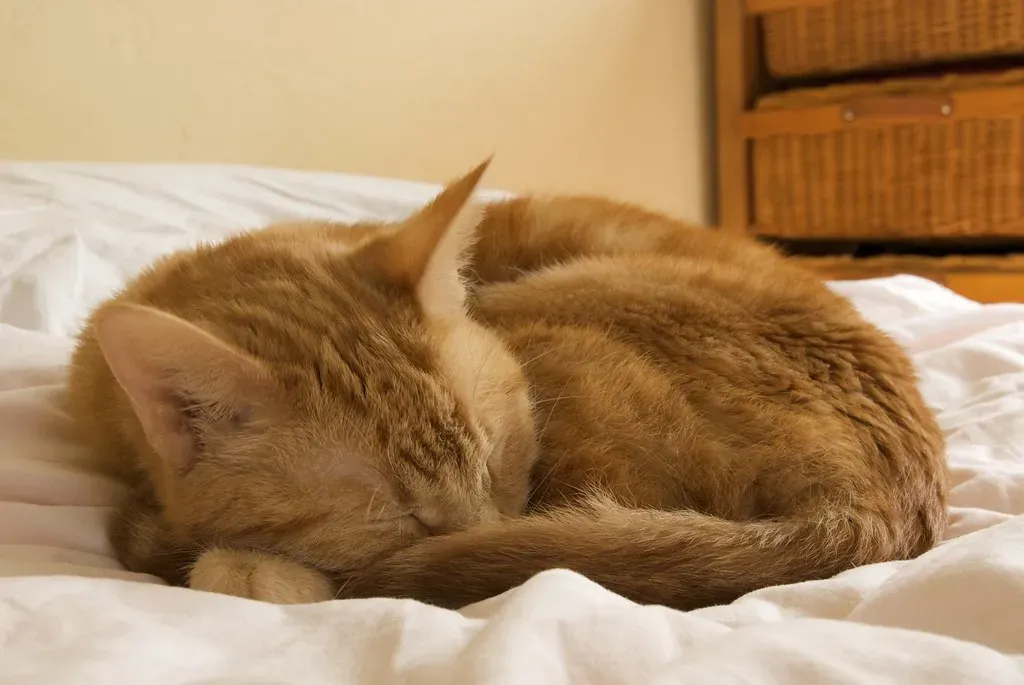
Cats often sleep curled up in a ball with nose to tail, and this shape helps them retain body heat. This position isn’t just about staying cozy on a chilly evening. This position also protects vital organs in their abdomen by surrounding them with less essential and more resilient muscle and bone. Think of it as your cat’s built-in security blanket and heating system rolled into one adorable package.
This is a common position for wild cats and is something that is part of their natural instinct to protect themselves while sleeping. When your cat curls into that tight crescent shape, they’re tapping into thousands of years of evolutionary behavior. Your cat may also choose this position during times when they are feeling a little insecure, as it helps them feel protected. So if you notice your normally confident kitty suddenly favoring this position, it might be worth checking if something in their environment has changed.
Belly Up and Vulnerable
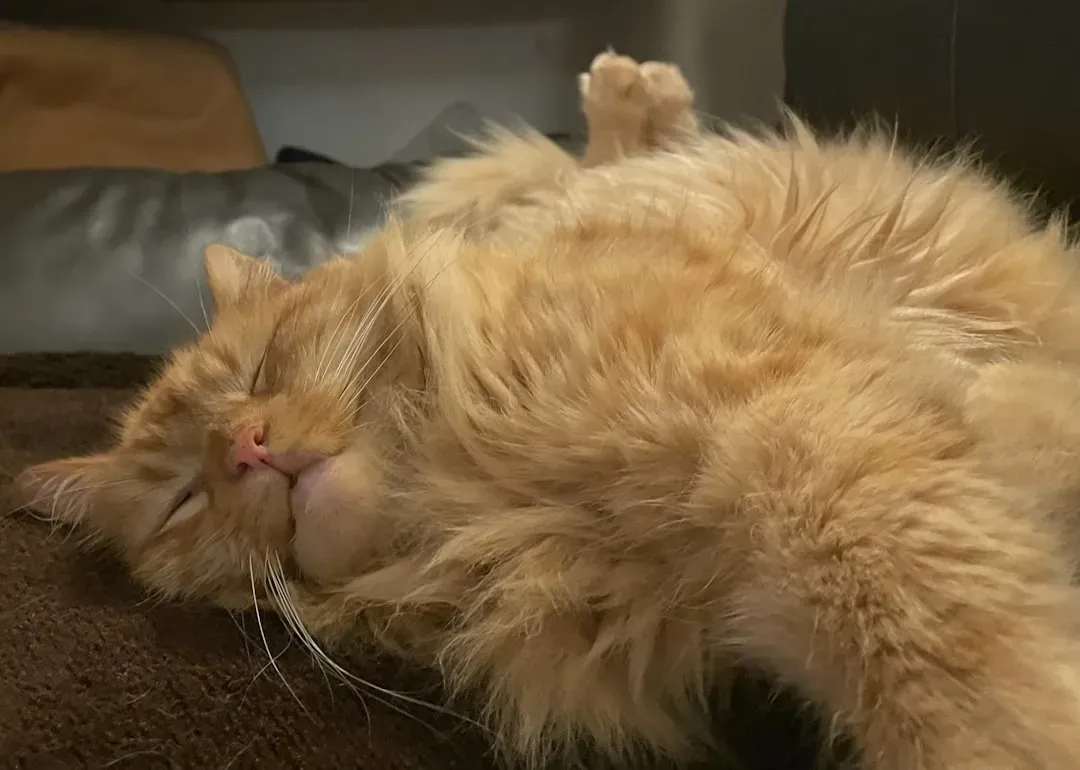
Cats instinctively protect their vulnerable organs, so if a cat is sleeping with their belly exposed, it means they feel very safe and confident. This is honestly one of the biggest compliments your cat can give you. In the wild, no self-respecting feline would dream of sleeping this way because it leaves them completely defenseless. Lying flat on the back with the legs extended in the air unable to quickly escape in case of danger exhibits total trust.
Now, before you get too excited and reach out to rub that fluffy belly, hold on a second. Even though your cat feels safe, you should probably not try to rub your cat’s belly when they are in this position, as most cats will still attempt to defend themselves when touched in the belly area. It’s like they’re saying “I trust you completely, but don’t push your luck.” This sleeping position can also help your cat to cool off in warm weather, because the belly has less fur and loses heat more rapidly than the rest of the body.
The Famous Cat Loaf
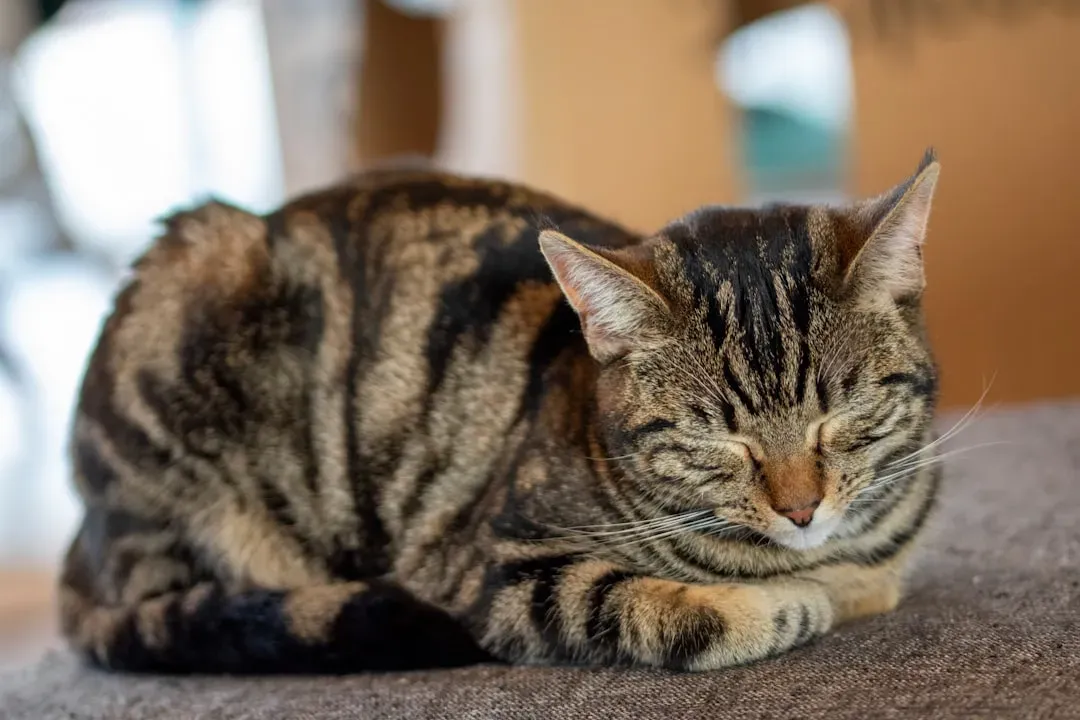
Cats sleeping in this position keep their front paws curled underneath their body with their head up, and this position preserves a cat’s body heat and protects their vital organs. The loaf position has become such an internet sensation that it’s practically a meme at this point. When your cat tucks all four paws beneath their body and sits upright like a perfectly shaped bread loaf, they’re in what I’d call “relaxed but ready” mode.
Cats sleeping in a loaf position may be relaxed, but they are also poised to spring into action and use their claws if they’re suddenly in danger. This isn’t deep sleep territory. Your cat is comfortable enough to rest but still alert enough to react if needed. While in the Cat Loaf position, your furball is also conserving body heat, which is why the Cat Loaf may become a preferred sleeping position when the weather turns cold. It’s basically their version of a power nap.
Sprawled Out on Their Side
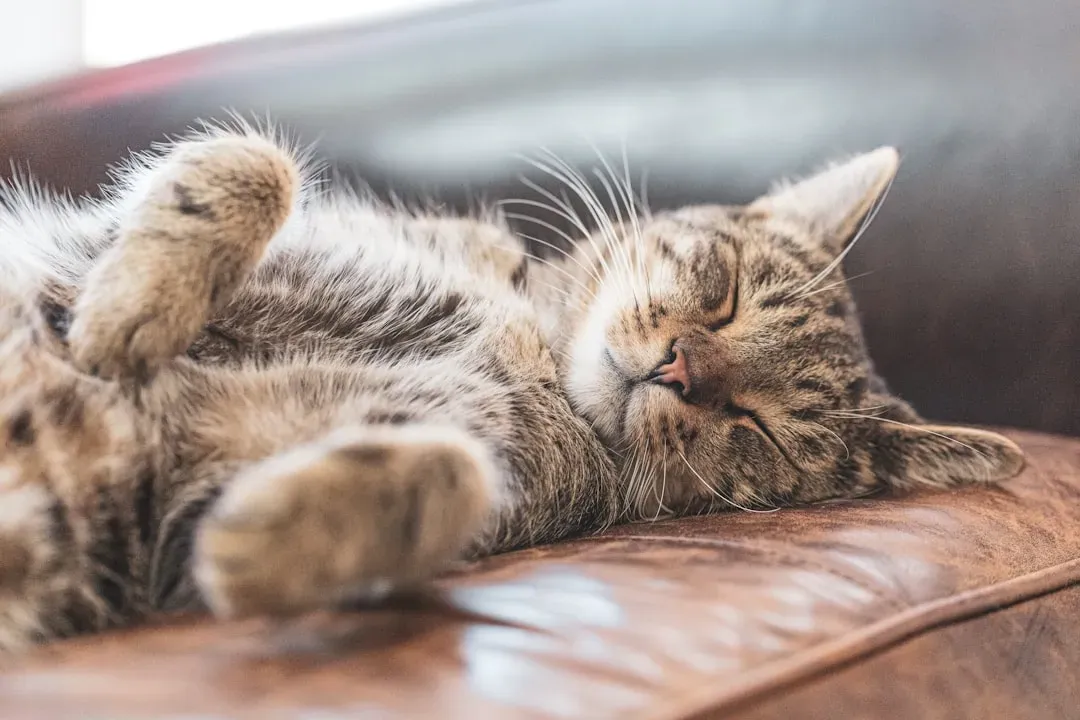
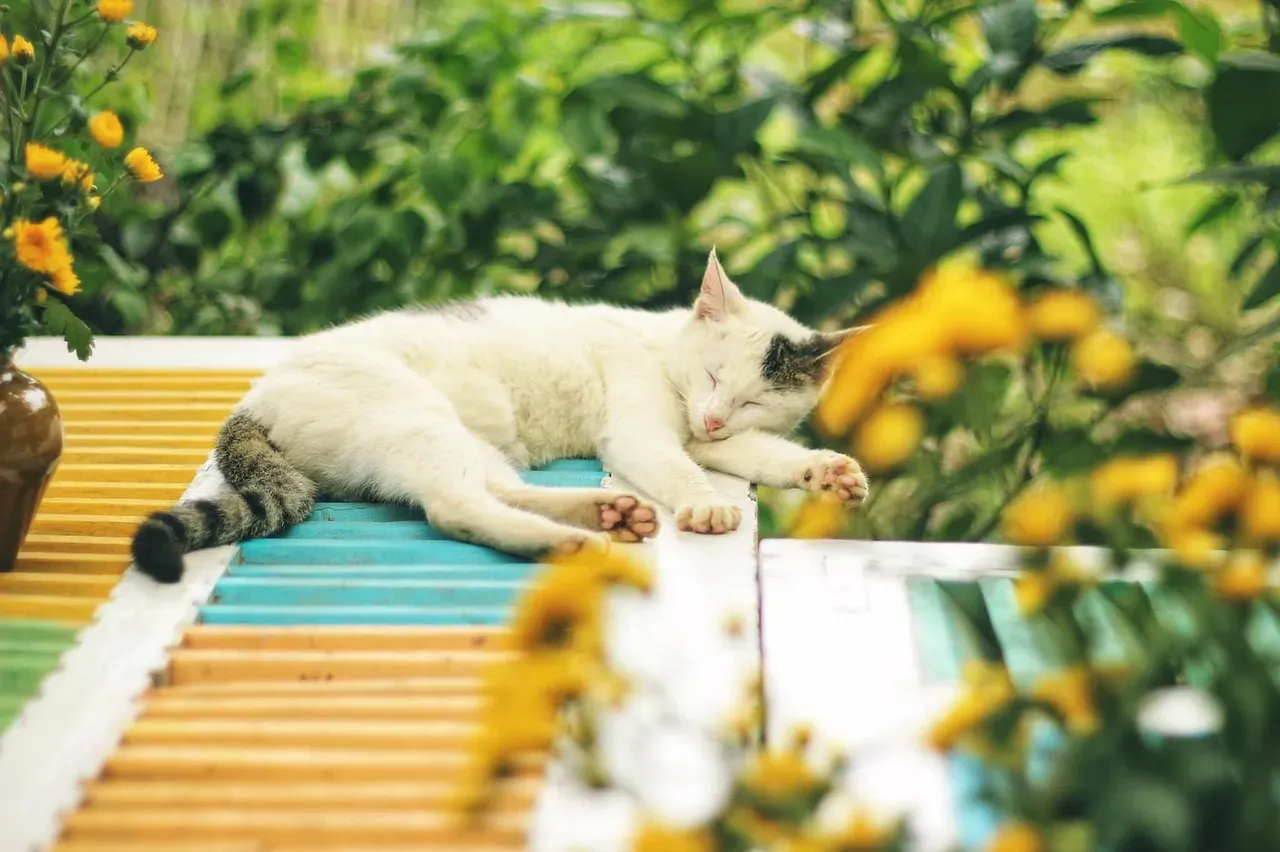
When your cat is spread out on their side, they are often in a deep sleep, and if your cat is an avid side sleeper, this means that they really do trust and feel comfortable around you. This position exposes a good portion of their belly and vital organs, so it’s not something they’d do if they felt threatened or unsafe in any way.
Sleeping on their side makes it easier for your cat to jump up and run if they need to, and as prey animals, having this escape option acts as a bit of insurance. So even in their most relaxed state, cats still have one paw in survival mode. Your cat might lie in a side sprawl to cool off. On hot summer days, you’ll probably notice your cat seeking out cool tile floors or shaded spots to stretch out and regulate their body temperature.
The Superman Stretch
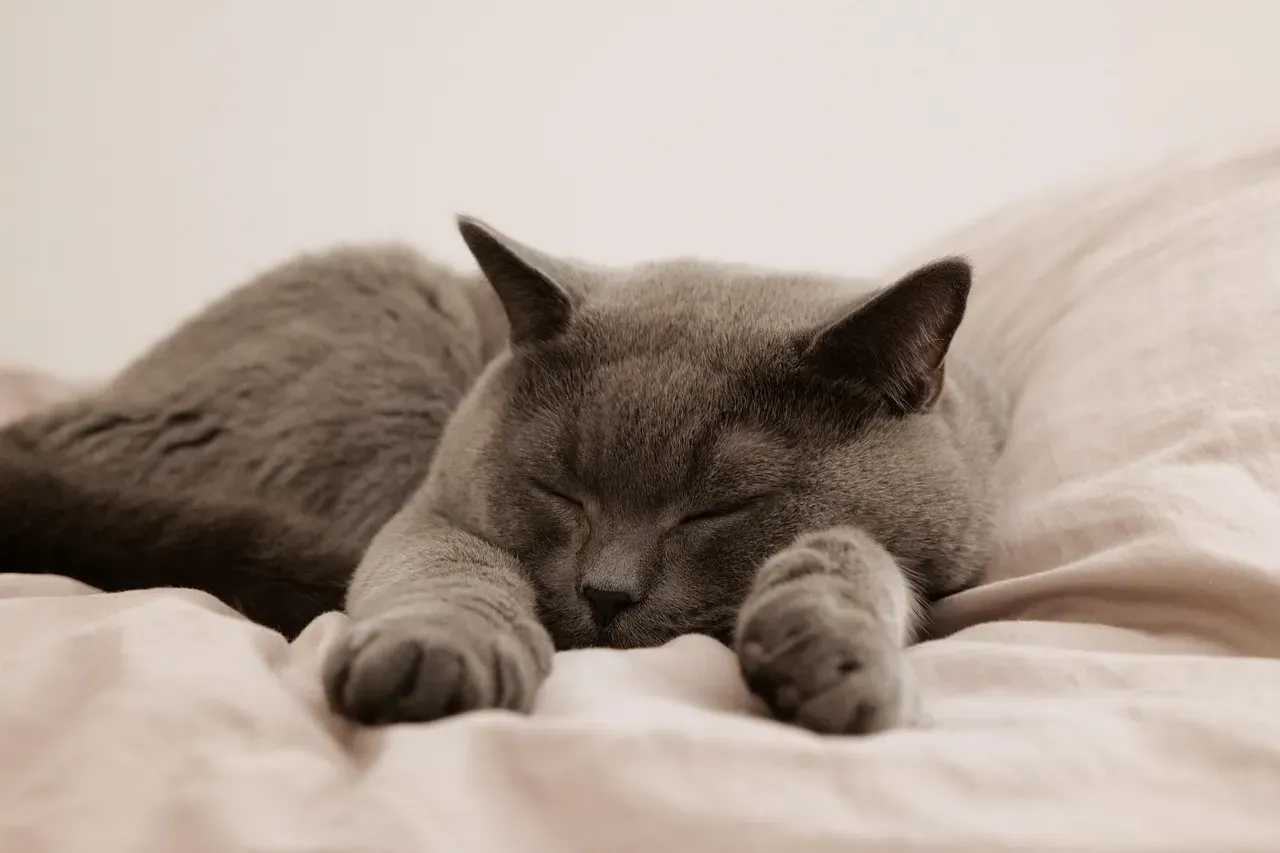
In the Superman position, the cat lies on their belly with their front legs and paws stretched forward and their back legs and paws stretched behind them – like Superman in flight. This position is both hilarious and revealing. When you see your cat fully extended like they’re about to take off and save the day, they’re actually in a pretty relaxed state.
Cats can be relaxed in this position, but all four paws are still extended and ready for action. This position means your cat is in a relaxed, low-energy state and may be cooling their belly on a surface, and it’s common in warm environments. You’ll often spot this pose on cool hardwood floors or tiles during warmer months. Your cat is basically maximizing surface contact with that refreshing floor to beat the heat.
Paws Covering Face
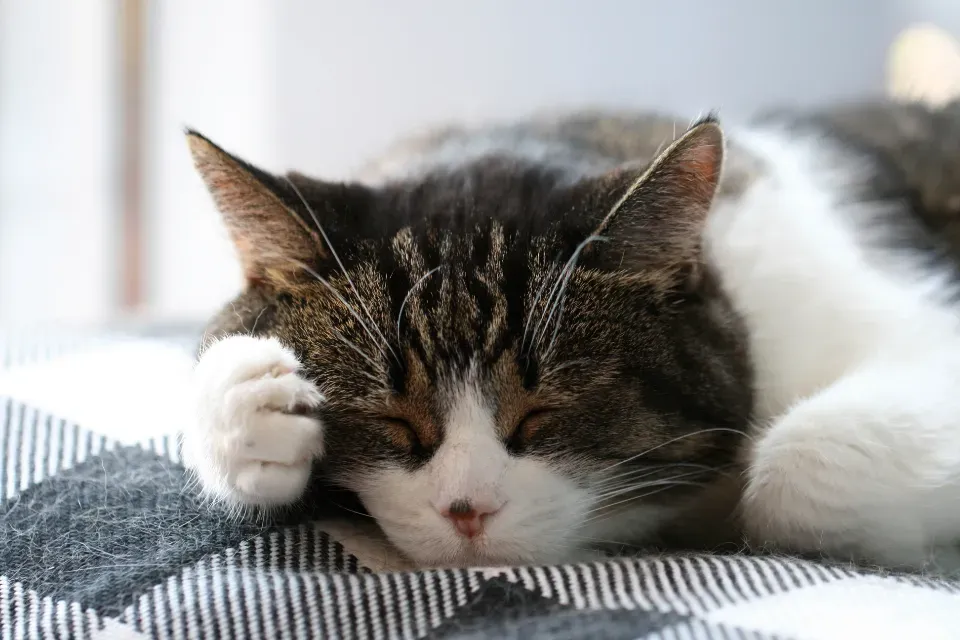
Putting their paws over their face can provide some insulation and warmth for both the paws and the face, and a cat’s paws can also act like a sleeping mask, blocking out harsh light. This has to be one of the most heart-melting positions in the feline sleeping repertoire. When your cat drapes a paw over their eyes or tucks their face into their arms, it serves multiple practical purposes beyond just looking impossibly cute.
A paw over the eyes or face tucked into the body can be a sign of self-soothing, as it helps block out light and keep the nose warm, and if your cat buries its whole face, it might just want uninterrupted rest and solitude. Let’s be real, if your cat is sleeping with their entire face buried, they’re basically putting up a “Do Not Disturb” sign. Respect that boundary and let them have their peaceful moment.
The Contortionist Position
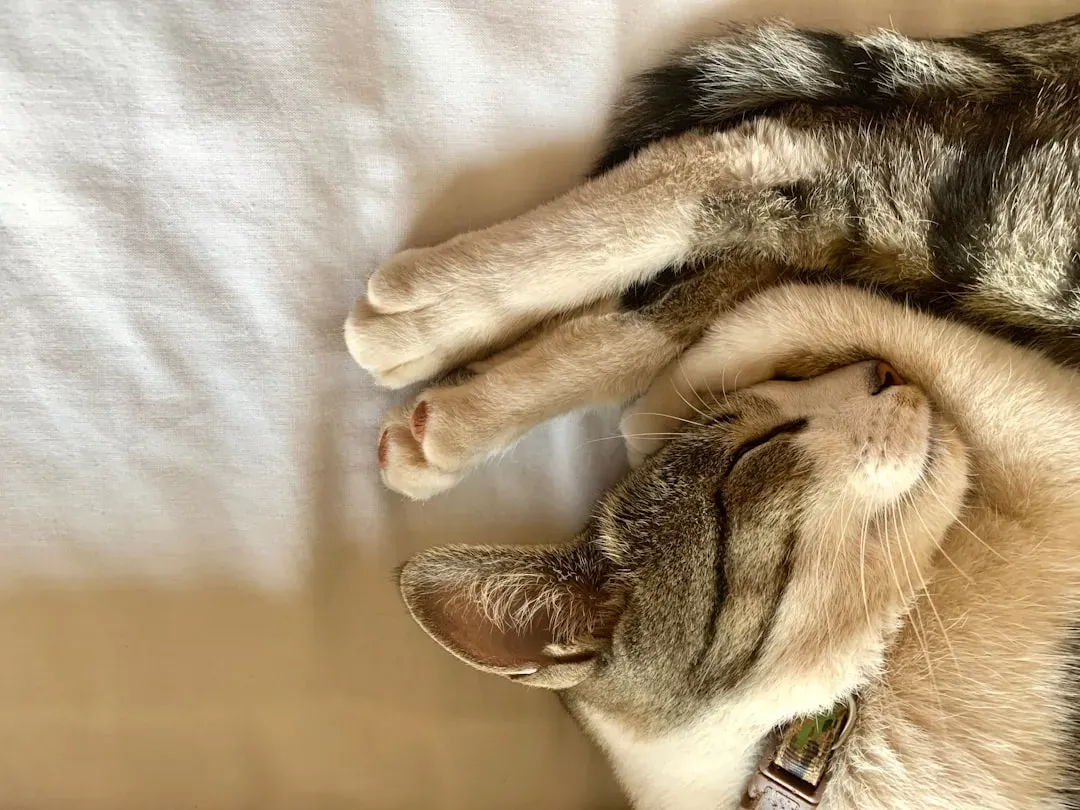
This is probably one of the weirdest cat sleeping positions around, where your cat appears to be a veritable contortionist with legs sticking out in all directions, body half hanging off the couch, and head twisted around. If you’ve ever done a double-take seeing your cat twisted into what looks like a physically impossible shape, you’re not alone. This position genuinely looks uncomfortable to us humans.
If you’re wondering what it means, so do the experts, as there’s no real science behind why your cat might choose this sleeping position. Cats that twist themselves into odd, contorted positions are usually in complete relaxation, and it may look uncomfortable but it signals deep sleep and physical flexibility. Honestly, these positions often show up after intense play sessions when your cat is just completely wiped out and crashes wherever they land.
Sleeping With You
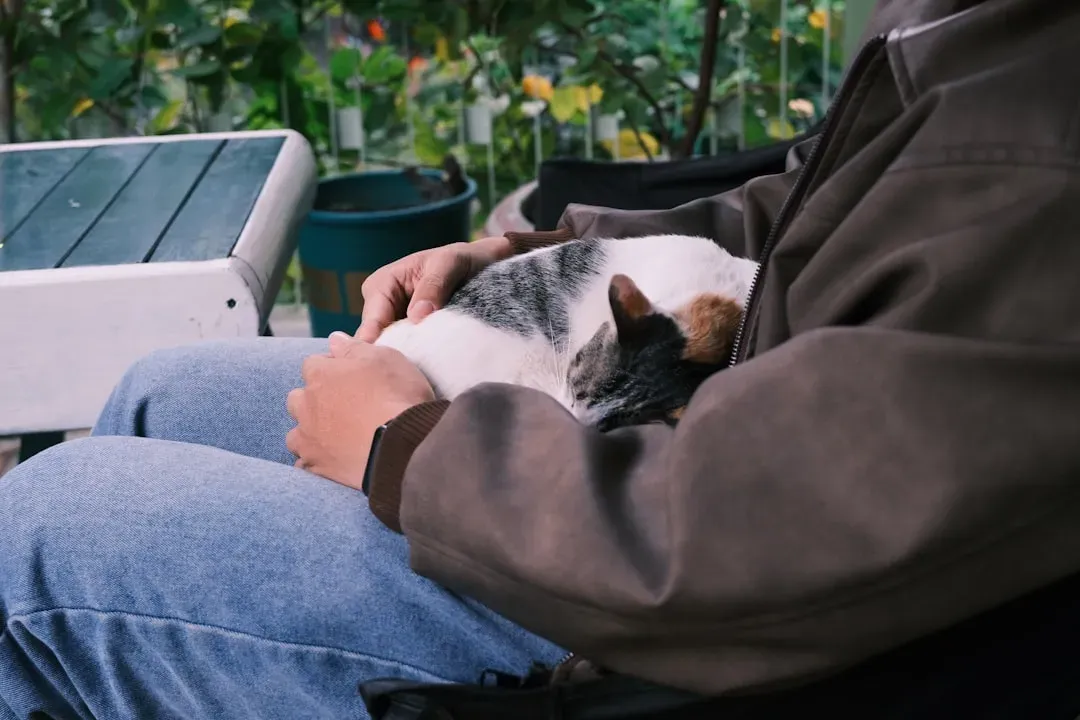
By curling up close to you – whether pressed against your chest or simply at your feet – your cat is signaling that they feel safe in your presence. When your cat chooses to sleep on you, near you, or even just in the same room, it’s their way of showing genuine affection and trust. If your cat sleeps cuddled up in your lap during the day or snuggled on your chest or legs at night, then you’re one very lucky cat owner, as this is a sign of love and trust.
When your cat sleeps at your feet, they’re showing affection but keeping a quick exit route handy, and this is classic bonding behavior. Cats are also more likely to seek out your body heat when it’s cold. So while there’s definitely emotional bonding happening, your cat also appreciates that you’re basically a warm, comfortable pillow who occasionally provides food.
Warning Signs in Sleep Positions
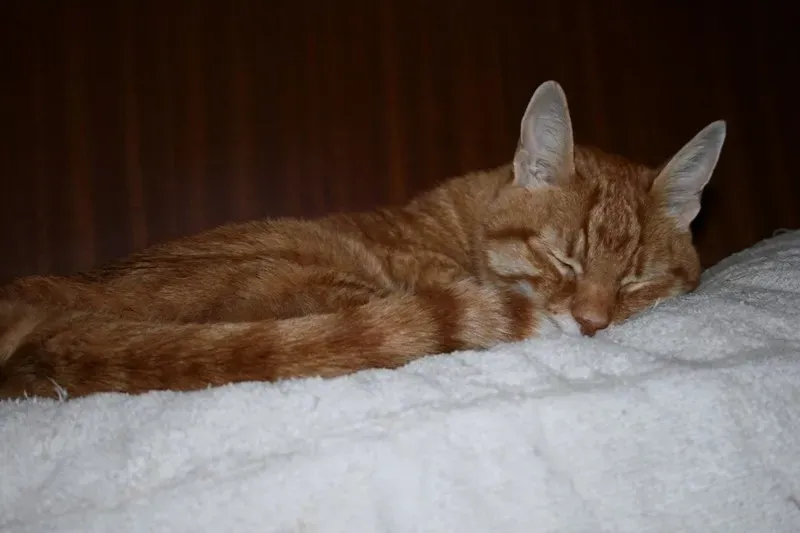
A sick cat often adopts a tense, “hunched” version of the loaf position or curls tightly into a ball in a secluded spot, and if your cat stops stretching out or starts hiding in unusual, enclosed places, it may be time for a vet checkup. Not all sleeping positions are cute and harmless. Sometimes a change in how your cat sleeps can signal that something’s wrong. A hunched or guarded sleeping position, hiding, and abnormal tension during sleep can all indicate that something is wrong.
If your cat is sleeping or lying in their litter box, there is usually a medical reason, including urinary or digestive issues, so if your cat begins to sleep in their litter box, contact your veterinarian immediately. If your cat suddenly starts sleeping in abnormal spaces or exhibits changes in their sleeping postures and patterns, it may be indicative they’re struggling to find a comfortable resting stance and are in pain, so watch for other clinical signs like a tense body posture and eye squinting. Changes in sleep habits deserve your attention, especially when paired with other behavioral shifts.
Conclusion
Your cat’s sleeping positions are far more than just adorable photo opportunities for your social media feed. They’re a complex language that reveals your cat’s emotional state, comfort level, health status, and the depth of trust they have in you and their environment. From the protective curled ball to the trusting belly-up sprawl, each position tells its own unique story about what’s going on inside your cat’s head.
Pay attention to your cat’s preferred sleeping positions and any changes you notice over time. These subtle shifts can help you better understand your feline friend and catch potential health issues early. The next time you see your cat snoozing away in some bizarre position, you’ll know exactly what they’re trying to communicate. What position does your cat sleep in most often? Share your observations in the comments below.
Kristina is a young writer from India. An arts graduate and an avid content creator, Kristina is passionate about animals and wildlife. She enjoys exploring topics related to pet care, animal behavior, conservation, and nature, combining thorough research with engaging storytelling.