Have you ever noticed how your cat seems to materialize in the kitchen right before dinnertime, or worse, wakes you up at the exact same minute every single morning? It’s almost eerie. You probably don’t have an alarm set yet your feline companion knows when breakfast should be served with startling precision. This uncanny ability might make you wonder if your cat secretly learned to read clocks or if something far more fascinating is at play.
The truth is, your cat’s relationship with time goes deeper than you might expect. While they can’t check their phone for the hour or glance at a watch, they’ve developed sophisticated ways to track the passage of time that would impress even the most punctual human. Let’s dive in and explore what’s really going on behind those knowing eyes.
The Internal Clock That Never Stops Ticking
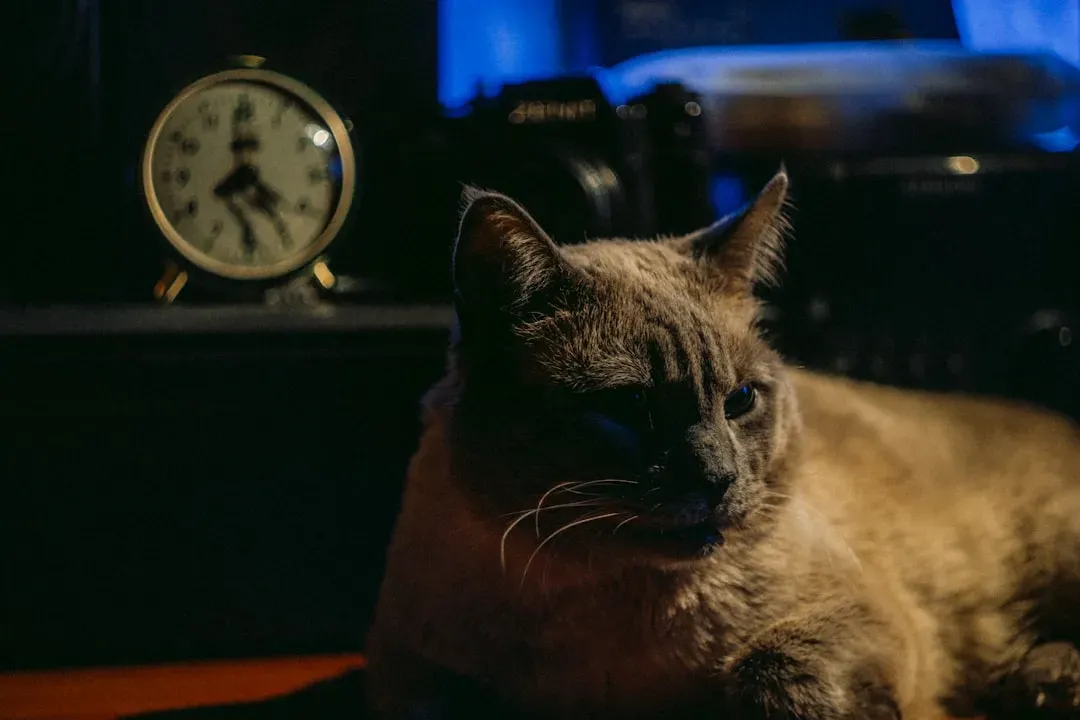
Your cat has an internal clock known as the circadian rhythm, which follows a 24-hour cycle. This biological timekeeper operates constantly in their furry little body, regulating everything from sleep patterns to energy levels. Think of it as nature’s way of programming your cat to understand when things should happen throughout the day.
Like humans, this circadian rhythm prompts them to get up around dusk and go to sleep often around dawn. The circadian rhythm helps your cat sense the passage of time so they can live optimally and know when their next meal will be served. It’s hard to say for sure, but this internal mechanism might explain why they’re so relentless about mealtime schedules.
Light and Darkness as Nature’s Timekeepers
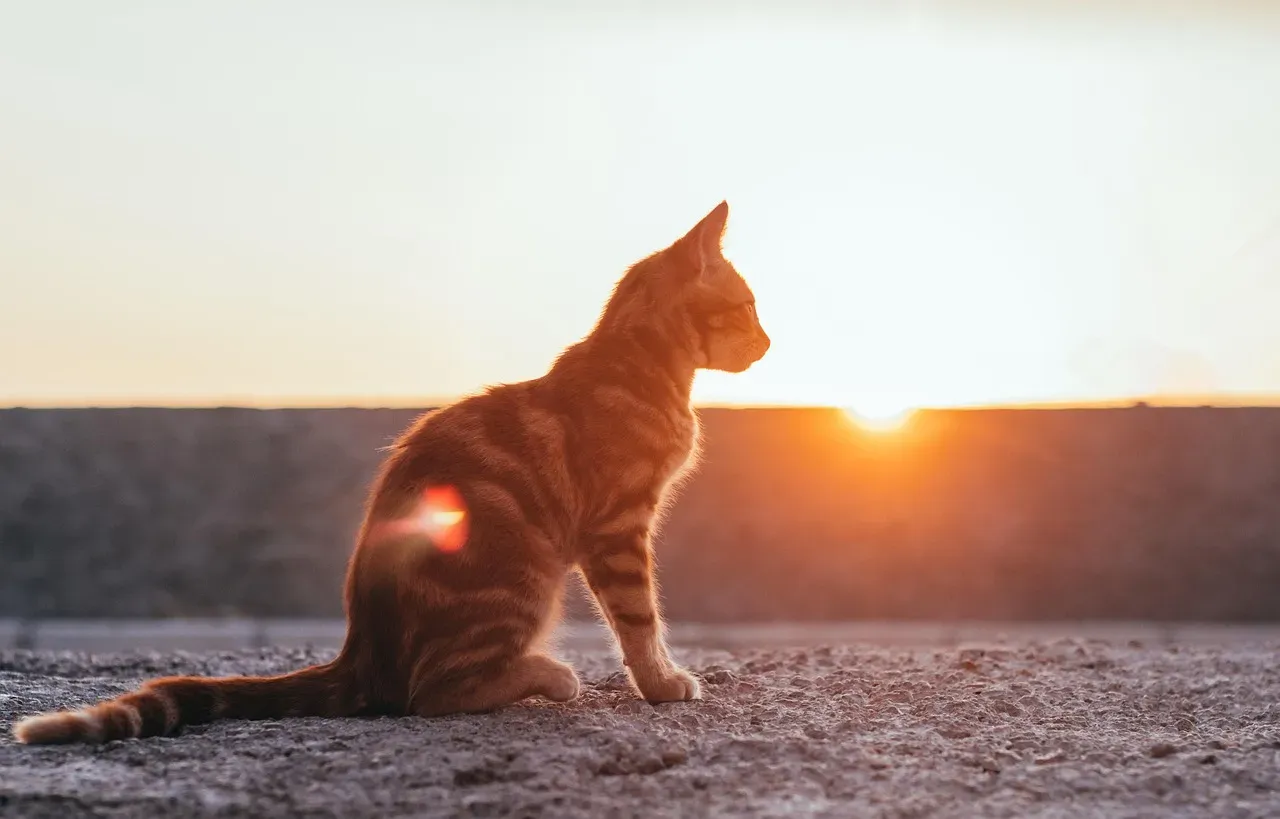
As dawn breaks, light signals trigger the release of hormones like cortisol which increases alertness and energy levels, while darkness promotes melatonin production, promoting sleepiness and relaxation. Your cat’s eyes aren’t just for spotting that toy mouse under the couch. They’re also gathering crucial information about what time of day it is based on natural light.
Cats can get information about the time of day by how light or dark it is outside, and they’re naturally more active at dawn and dusk, with sunrise and sunset giving them two solid reference points. These twilight hours align perfectly with when wild cats would typically hunt. Even though your pampered house cat doesn’t need to chase down dinner, those ancient instincts still guide their internal schedule.
Your Daily Routine Is Their Road Map

Here’s the thing: your cat is watching you way more closely than you realize. They’ve probably memorized your routine and daily habits, knowing which family members leave the house to go to work or school and that they’ll stay away for a while. Every morning ritual you perform becomes a clue in their mental timeline.
Cats become familiar with their owner’s routine, and over time they get used to how long cat owners are gone and are ready for their return. Whether it’s the sound of your coffee maker, the jingle of your keys, or even which shoes you put on, your cat files away these details. They’re building a sophisticated map of your day that helps them predict what happens next.
Environmental Cues Beyond the Window
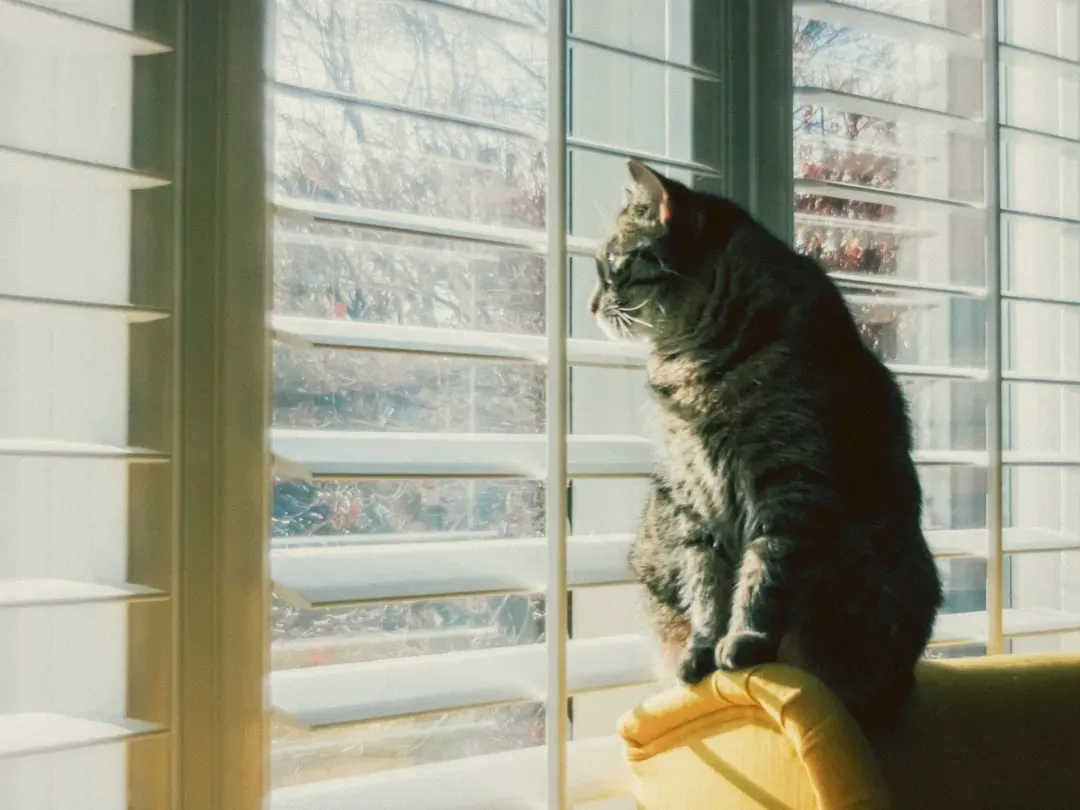
Cats might also recognize noises or events that are a regular occurrence in their environment, like a neighbor’s dog barking or local children going to school. The world outside provides a symphony of time-telling signals that your cat picks up on without you even noticing. Birds singing at dawn, traffic patterns during rush hour, or the mail carrier’s daily visit all become part of their temporal understanding.
Cats rely on environmental cues to gauge the time, and changes in lighting, temperature, and sounds can provide hints about the time of day, like the sound of birds chirping in the morning signaling it’s time to wake up. These external factors work together with their internal clock, creating a remarkably accurate sense of when things should happen. It’s like they’ve built their own analog clock from the environment around them.
The Science of Measuring Seconds
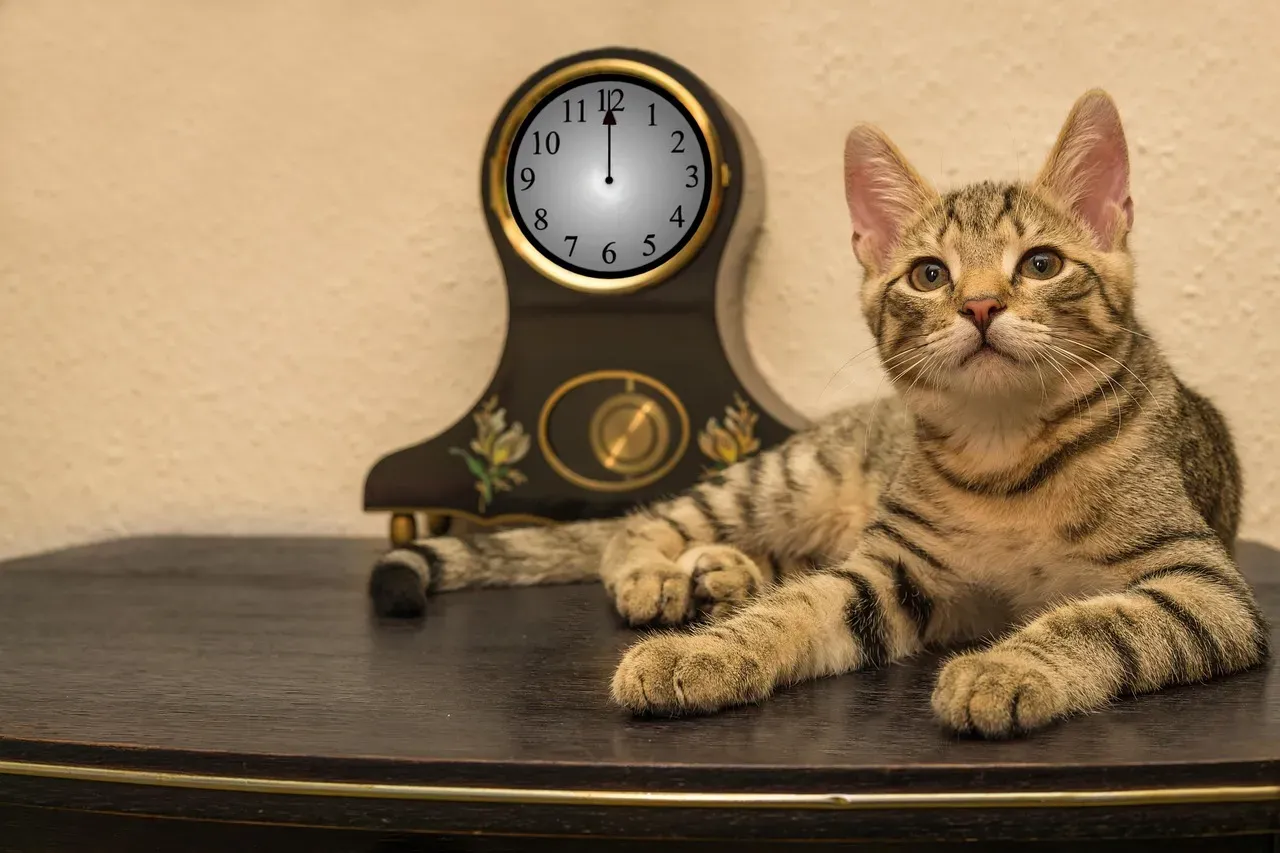
In experiments involving cats, they could easily be trained to distinguish a 5-second interval with great accuracy, and could even distinguish the interval from time spans of 8 seconds or 10 seconds. This isn’t just about knowing it’s dinnertime. Your cat can actually perceive short intervals of time with impressive precision.
In one study, researchers trained cats to eat from one of two bowls based on how long they were held in a cage before being released to eat, and the cats could tell the difference between holding periods of 5, 8, 10, and 20 seconds. Honestly, that’s better than some humans could manage without looking at a clock. This ability suggests cats possess an internal clock responsible for assessing the duration of events with surprising accuracy.
The Power of Smell in Tracking Time
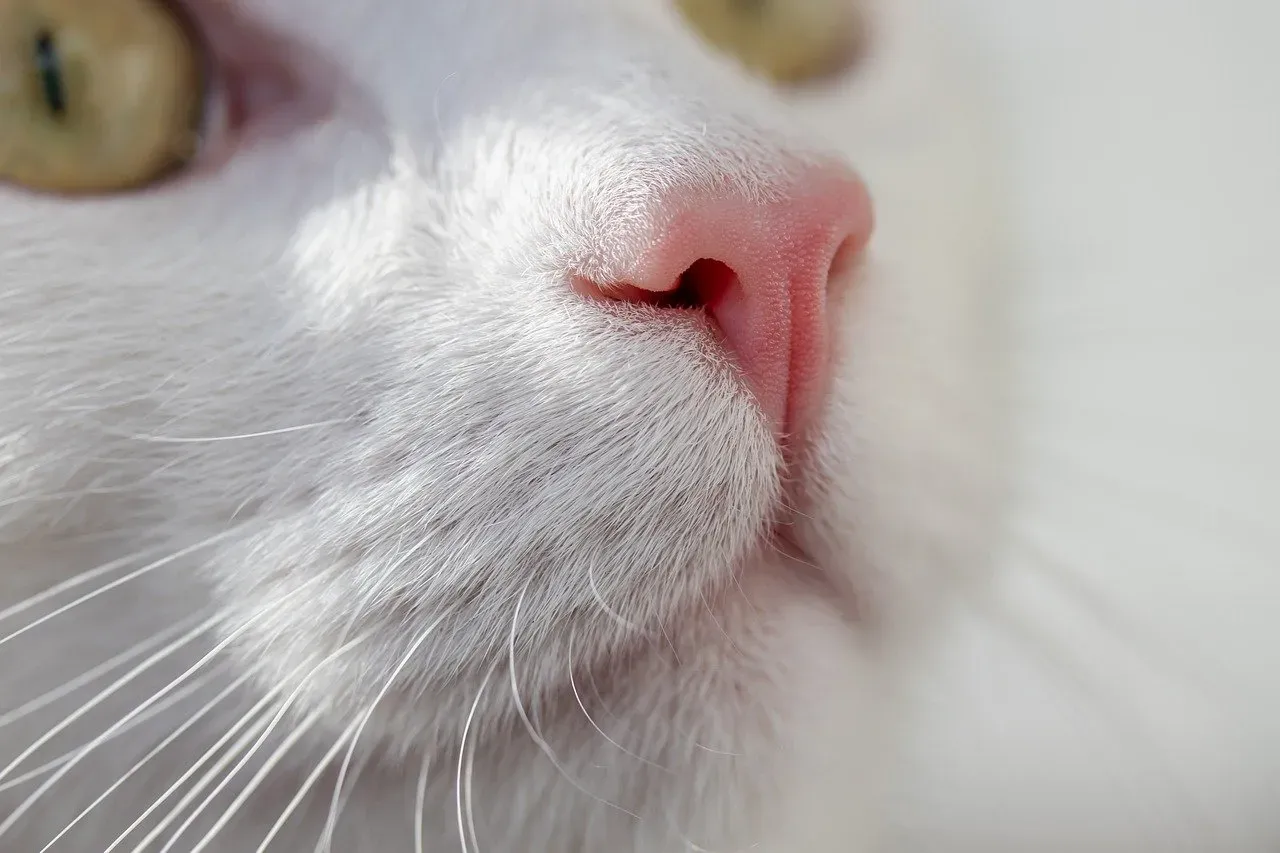
Like dogs, cats are able to smell the passage of time, and your cat may be able to tell how long you’ve been away by noticing how weak your scent progressively gets while you’re gone. Think about that for a moment. Your cat isn’t just missing you emotionally when you leave; they’re actually tracking your absence through their nose.
When you head out for the day, your scent lingers but gradually fades. Your cat can detect these subtle changes in scent concentration, giving them a rough idea of how much time has passed since you left. Although they wouldn’t be able to quantify this in terms of hours or minutes, it would give them an indication of when they last smelled you. It’s like having an olfactory hourglass.
Why Feeding Time Is Sacred
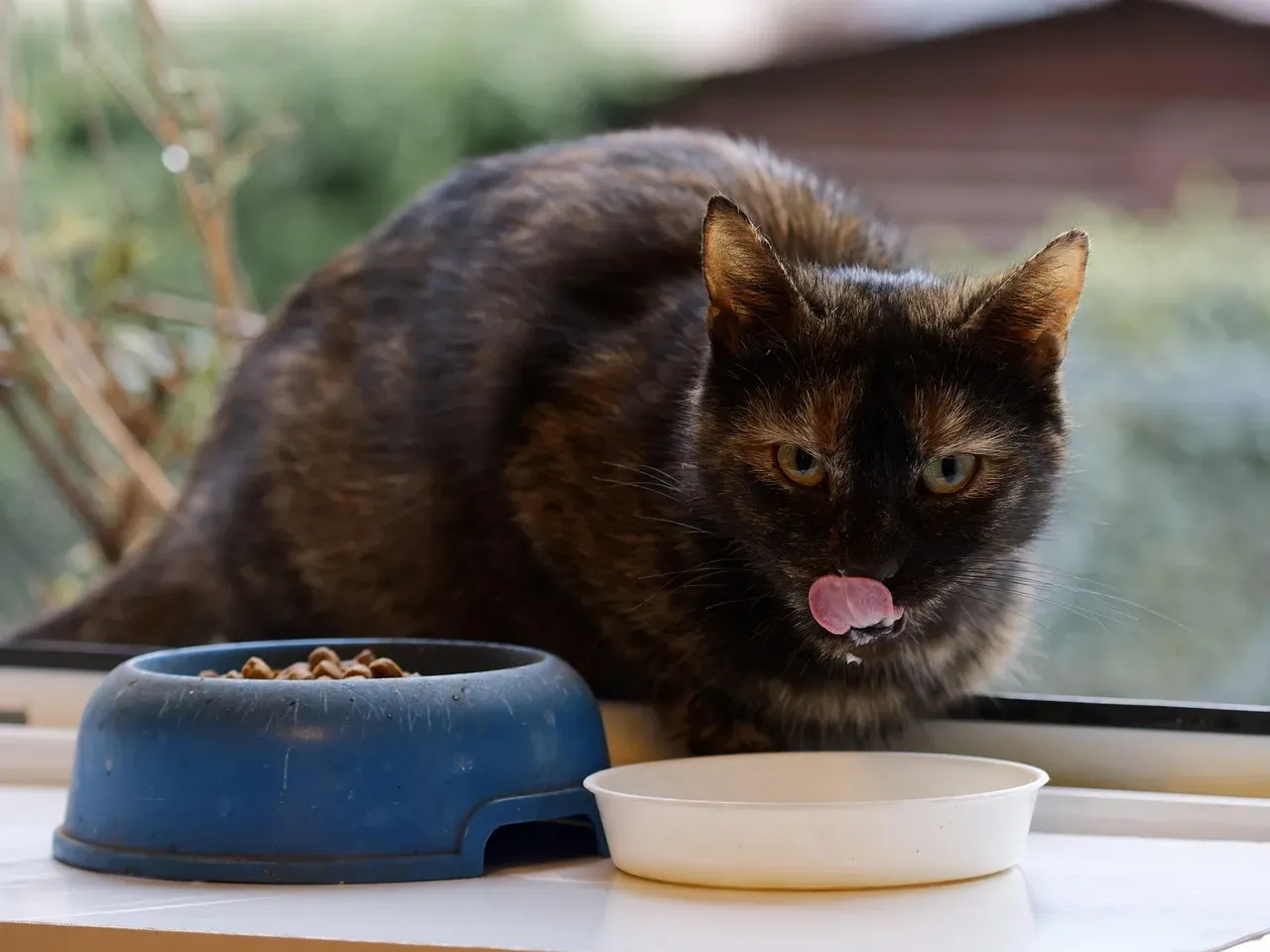
When your cat is used to eating at the same times each day, their body becomes conditioned to expect food at those times, and hunger can be a great motivator. Let’s be real: nothing demonstrates your cat’s sense of time quite like their insistence on being fed at the exact same moment every day. Miss that window by even a few minutes and you’ll hear about it.
Your cat’s alarmingly precise ability to detect when it’s dinnertime can be explained by biological clocks, as there are several biological clocks that can assist with their ability to determine the passage of time. If left to their own devices, cats will eat 10-20 small meals per day. So when you only feed them twice daily, their bodies are genuinely registering hunger at those specific times, not just being dramatic about it.
The Difference Between Cat Time and Human Time
Cats can tell time, but not in the same way humans do, as they don’t know it’s five o’clock but they are keenly aware of rhythm. Your cat isn’t thinking about hours and minutes the way you obsess over being late for work. Instead, they experience time as a series of patterns and rhythms that flow naturally through their day.
Researchers have found that cats perceive the passing of time somewhat differently than humans, as the average cat relies on several of their senses including visual cues, the routine of their owners, internal sensors, and even the environment such as sunlight and darkness. A study from the University of California, Davis, suggests that feline brains may process temporal information differently, focusing on immediate sensory input rather than memory of past or anticipation of future events. They might be living more in the present moment than we ever could.
What Happens When Routines Change
Disrupting a cat’s daily routine can stress your kitty out, leading to physical ailments like vomiting and diarrhea. This isn’t just about your cat being stubborn or set in their ways. Their entire biological system syncs with routine, and sudden changes can genuinely throw them off balance.
Much like us, their circadian rhythm can become disrupted when changing time zones, and they can also experience the effects of jet lag, but they can eventually adapt to different time zones over a period of several days to a few weeks. Even something as simple as daylight saving time can confuse them. Pets thrive on predictability as it helps them feel safe, secure, and less anxious. Maintaining consistency in your schedule isn’t just convenient for you; it’s essential for your cat’s wellbeing.
Conclusion: Masters of Their Own Time
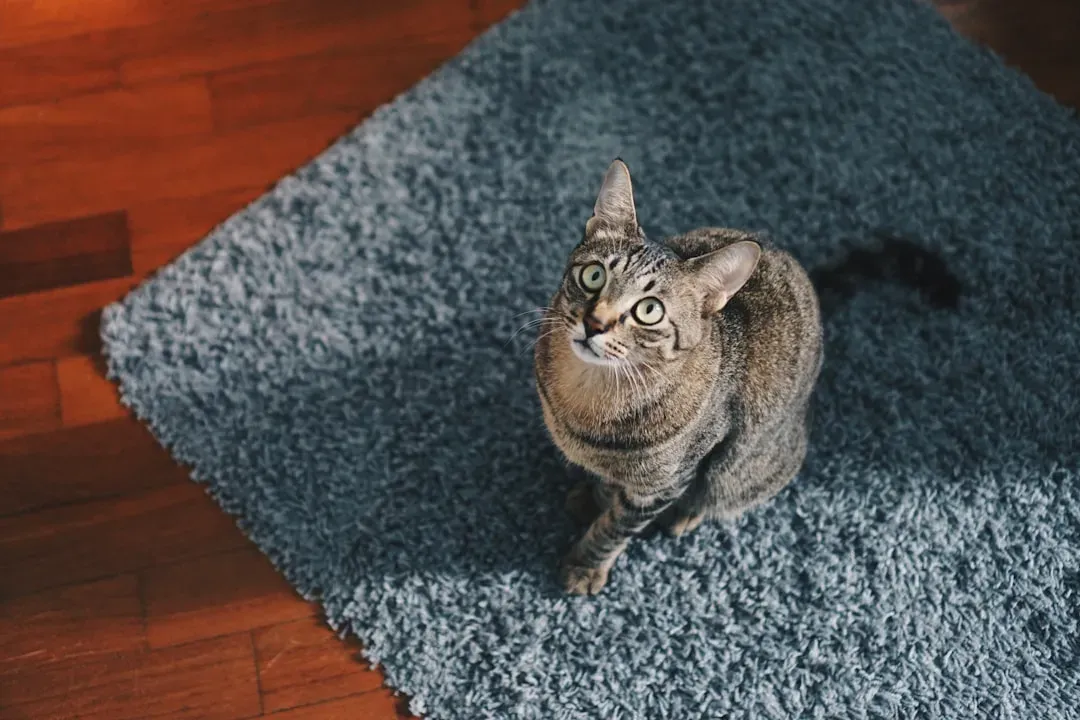
Your cat’s ability to tell time comes from a remarkable combination of biology, observation, and environmental awareness. They’ve crafted their own unique relationship with time that doesn’t require clocks or calendars but is no less sophisticated than our human methods. From their internal circadian rhythms to their keen observation of your daily habits, cats have mastered the art of temporal navigation in ways that continue to fascinate researchers.
The next time your feline friend appears at your bedroom door at the exact same ungodly hour demanding breakfast, remember that this isn’t coincidence or psychic ability. It’s the result of millions of years of evolution combined with careful observation of their environment and your behavior. Pretty impressive for an animal that spends most of its day napping, don’t you think? What’s your cat’s most precise time-telling ability? We’d love to hear your stories.
Kristina is a young writer from India. An arts graduate and an avid content creator, Kristina is passionate about animals and wildlife. She enjoys exploring topics related to pet care, animal behavior, conservation, and nature, combining thorough research with engaging storytelling.