There’s a popular story people tell themselves about cats. It goes something like this: cats don’t really need you. They tolerate your presence. They’re perfectly fine on their own. You’re basically just a food dispenser with opposable thumbs. Honestly, I used to half-believe it too. Cats stroll past you with the casual energy of someone who has better plans, and yet – somehow – they always end up curled right next to you at the end of the day.
The truth about our feline companions is so much richer, more layered, and more emotionally significant than the “aloof cat” myth ever gives them credit for. Beneath that cool, composed exterior is an animal that watches you, tracks your moods, and genuinely craves your warmth. So let’s dig into why your cat needs you far more than you’ve been led to believe, and what you can actually do about it.
The Big Myth: Why Cats Got Labeled as “Aloof”
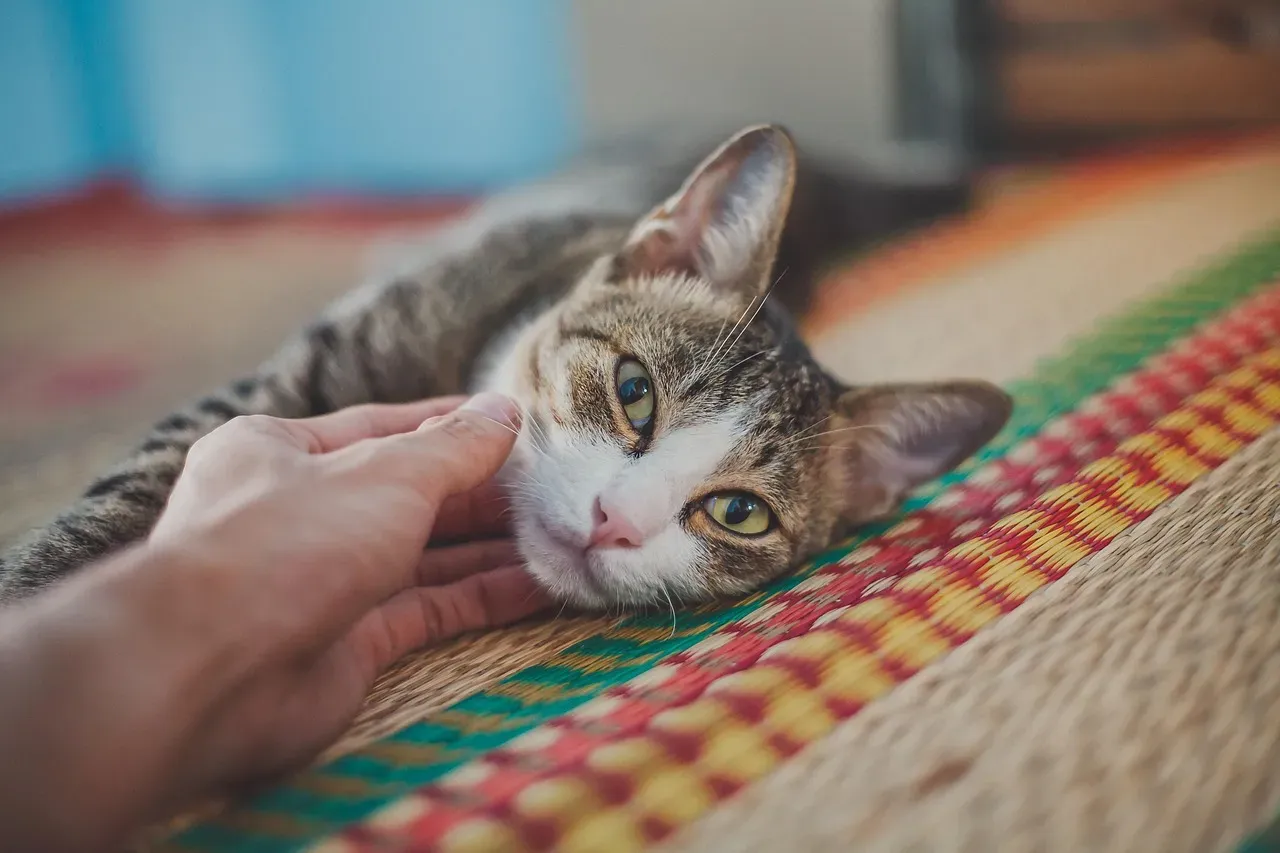
Let’s be real – the idea that cats simply don’t care has been around forever, and it stuck because cats don’t show their feelings the way dogs do. For a long time, many people didn’t feel it was worth putting much time and effort into the human-cat relationship because everyone “knew” cats were aloof, independent, not affectionate, and certainly untrainable. That assumption did enormous damage to millions of cat-human relationships.
Cats are descended from a largely solitary-living species – North African wildcats – and although they have been domesticated for more than 10,000 years, it is a common perception that cats remain aloof and often fiercely independent animals with relatively little reliance or dependence on humans. Here’s the thing, though: perception and reality are two very different things, especially when it comes to your cat.
What Science Actually Says About Cat Attachment
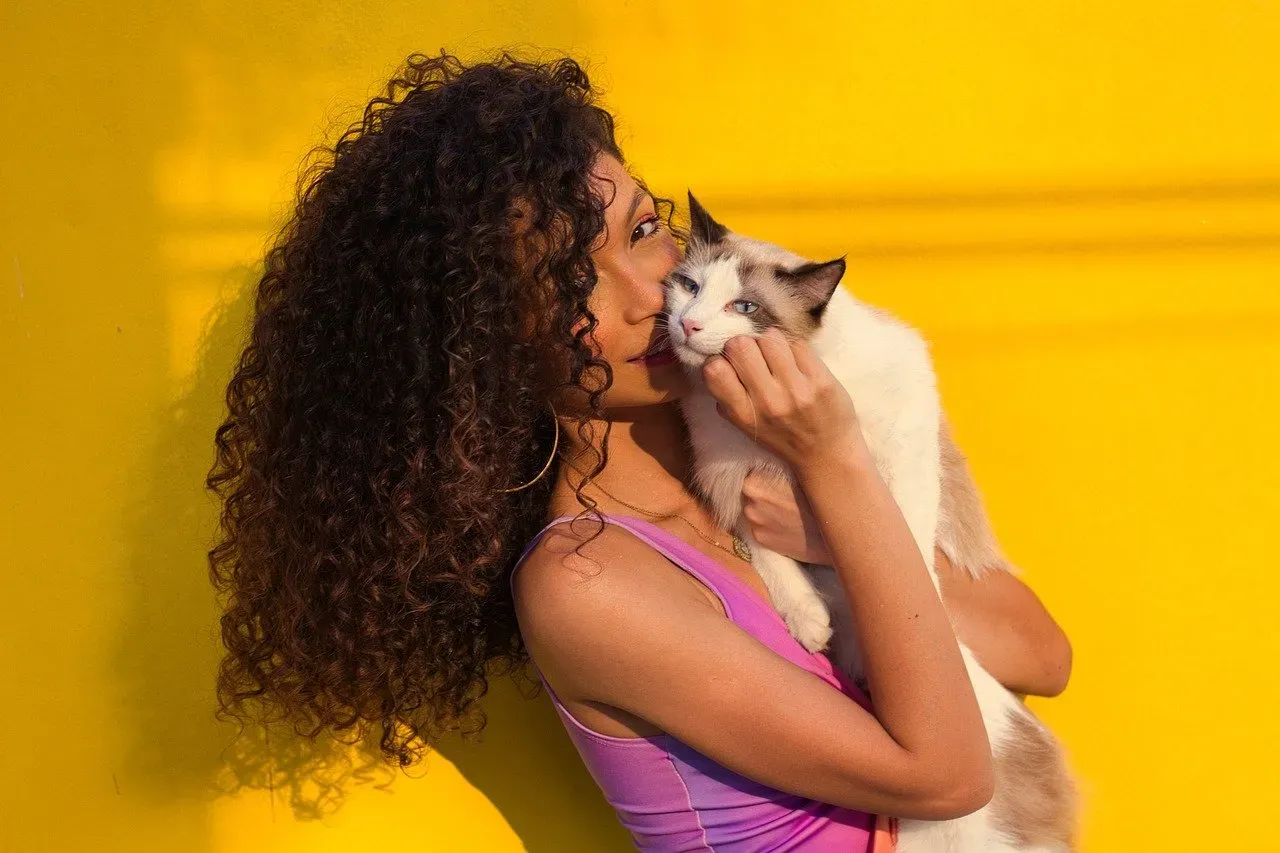
Science has been quietly dismantling the “cold cat” myth for years now. Researchers at Oregon State University undertook studies to critically evaluate the quality of attachment between cats and their owners using a “Secure Base Test” – a type of test commonly used to look at attachment between human infants and parents, and also between dogs and humans. The concept comes from the idea that, ideally, our parents or guardians should be a “safe base” from which we can explore our world with confidence and the reassurance of knowing they are around.
Of 70 kittens aged between three and eight months of age, more than 64% were classified as securely attached to their owners. When 38 adult cats were assessed with the same test, very similar results were obtained, with almost 66% displaying secure attachment. That’s nearly two thirds. Think about that for a second – did you expect that?
Your Cat’s Independence Is Rooted in Ancient Survival, Not Indifference
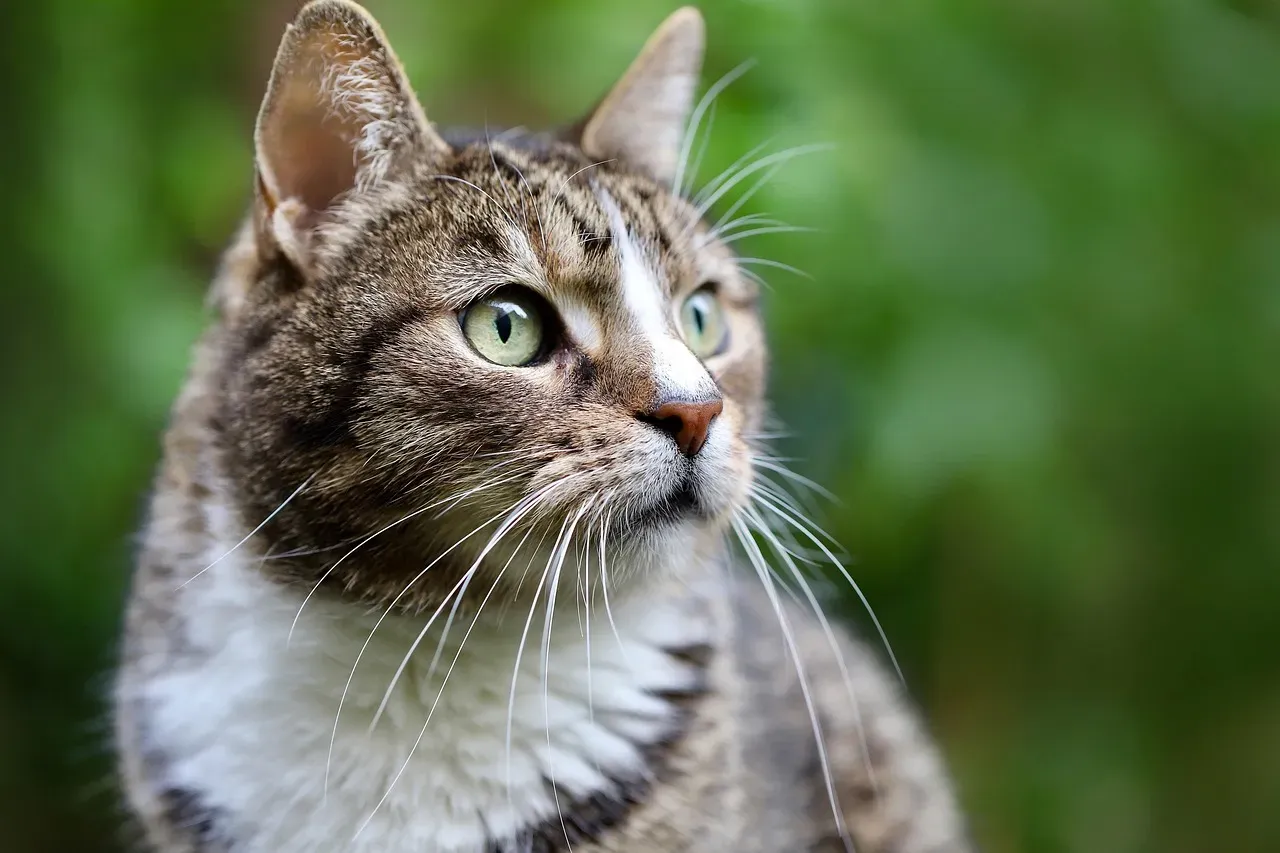
Understanding where your cat’s independence comes from helps you stop taking it personally. Domestic cats evolved from the solitary African wildcat, a species that hunted alone and didn’t rely on a pack structure. This solitary background had a major influence on modern domestic cats. Even though your cat now lounges on your couch, their instincts still push them toward self-sufficiency, especially when it comes to hunting, safety, and territory.
Cats tend to manage their emotions on their own. They may retreat to a quiet space, find a high perch, or groom themselves to calm down. This self-soothing behavior makes them appear emotionally self-sufficient. It’s not coldness. It’s not rejection. It’s just a cat being beautifully, brilliantly feline in its own way.
The Hidden Language of Feline Affection
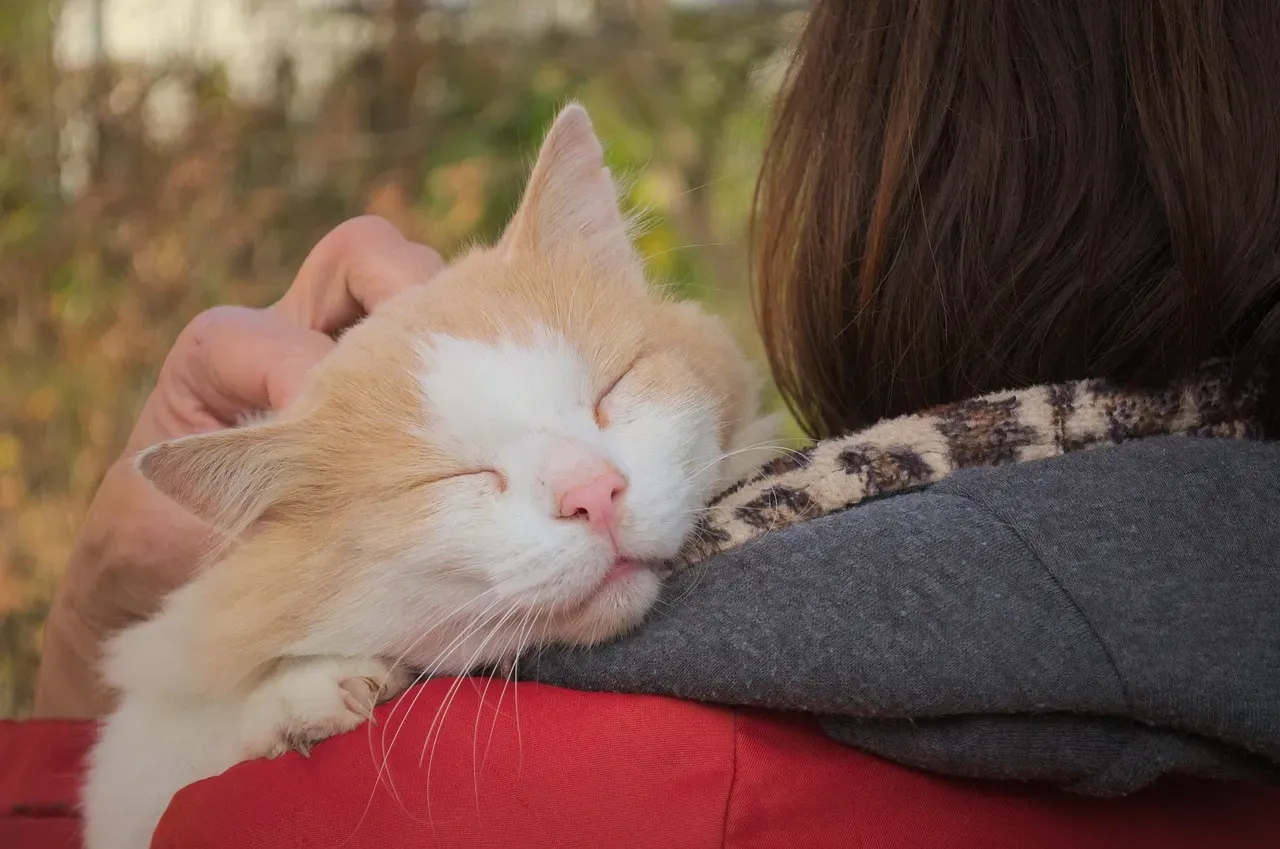
Your cat loves you. They just love you in a language you might not have learned to read yet. Think about how many times your cat has rubbed their head against you (head bunting), given you one of those slow-blink “cat kisses,” rubbed alongside of you, purred, or given you some scratchy-tongue licks. Maybe your cat chirps or trills when you walk in the room. Those are all signs of affection.
When a cat kneads – sometimes referred to as “making biscuits” – it can mean that they feel content. This rhythmic movement of their paws links back to kittenhood, when they would knead on their mother to stimulate milk production. If your cat kneads on you while you’re petting them, this is a strong sign of affection. It’s basically your cat saying “I feel completely safe with you.” That’s not nothing. That’s everything.
Your Cat Can Sense Exactly How You’re Feeling
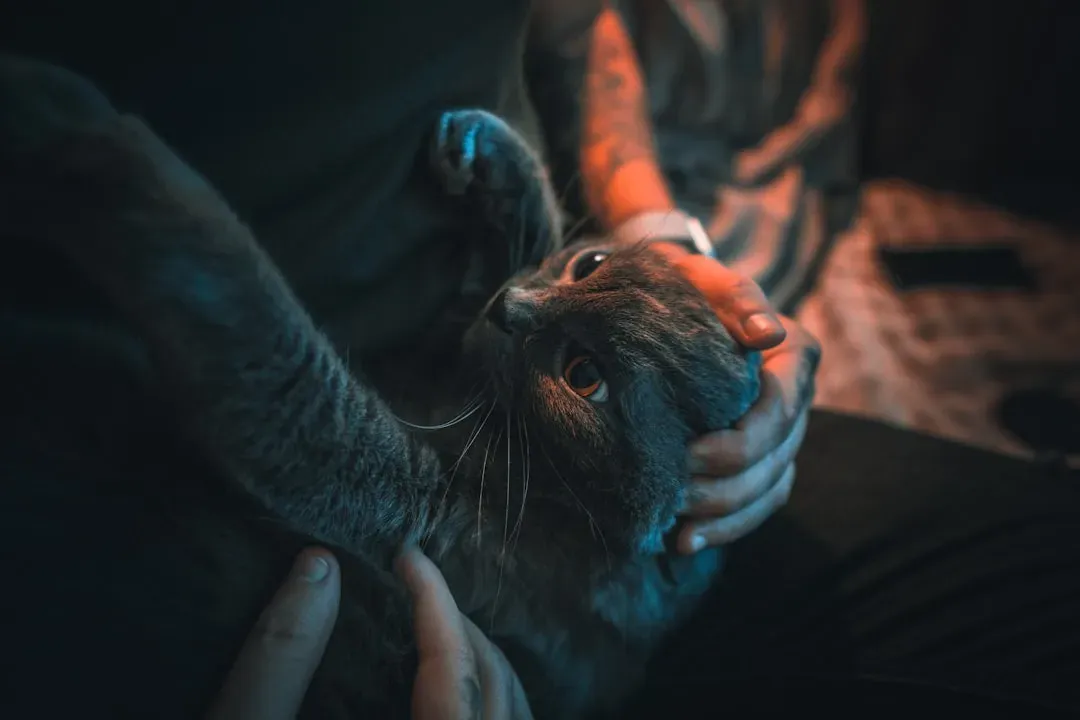
This one genuinely amazes me. Cats are highly attuned to human emotions and can sense changes in their owner’s mood and behavior. This is often referred to as “emotional contagion,” where cats can pick up on subtle cues such as body language and vocal tone to gauge their owner’s emotional state. By responding to these cues, cats can provide comfort, support, and reassurance.
If your cat is more on the independent side but you notice they become extra affectionate when you’re upset, they might be sensing your need for comfort. It doesn’t have to be just cuddles – they might follow you around or just hang out nearby more. So on your worst days, that cat appearing from nowhere and sitting on your lap? That’s not coincidence. That’s love, delivered in the most feline way possible.
When Your Cat Is Away From You: Separation Anxiety Is Real
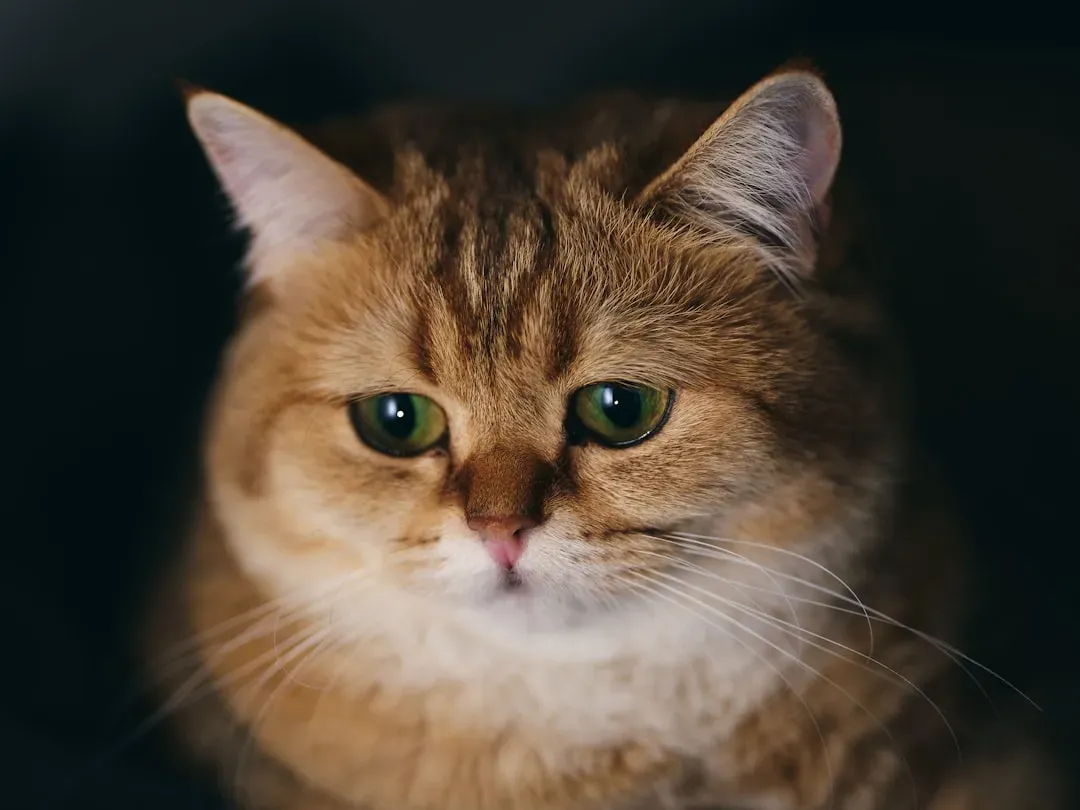
Here’s something that surprises a lot of people. Feline separation anxiety is more than just “missing you.” It is a behavioral condition where a cat exhibits distress – such as inappropriate urinating, excessive meowing, or destructive grooming – when separated from their owner. It’s not dramatic behavior for the sake of it. It’s your cat communicating genuine emotional distress.
There can be many signs of separation anxiety in cats, including increased vocalization like meowing or crying either when you leave or as you are getting ready to go. You may also notice your cat refusing to use their litter box. If their routine suddenly changes – for example, their owner starts leaving the house for long periods after having spent lots of time at home – they may experience separation-related frustration, similar to separation anxiety. Pay attention to these signals. Your cat is telling you something important.
The Power of Routine: Your Cat’s Greatest Reassurance Tool
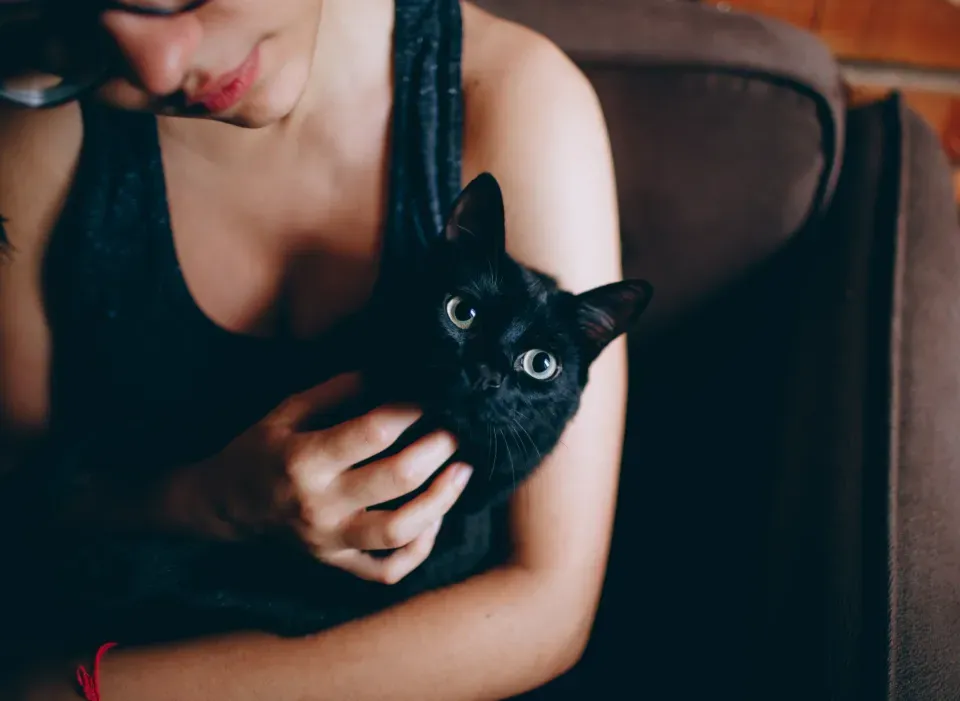
If you want to do one single thing to help your cat feel emotionally secure, make your life more predictable. It sounds simple because it is. Create a routine wherever possible for your cat’s daily schedule, whether with feeding time, playtime, or time outside. The more they know when to expect what, the more confident and relaxed they’ll feel at home – which provides more incentive for them to seek closeness with their human family members.
Consistent feeding times, play sessions, and rest periods create stability. Cats often bond through reliability, and shared routines help reinforce your role as a source of comfort. Think of routine as the love language your cat understands most fluently. You don’t always need grand gestures. You just need to show up, consistently, every single day.
How to Actually Show Your Cat You Love Them
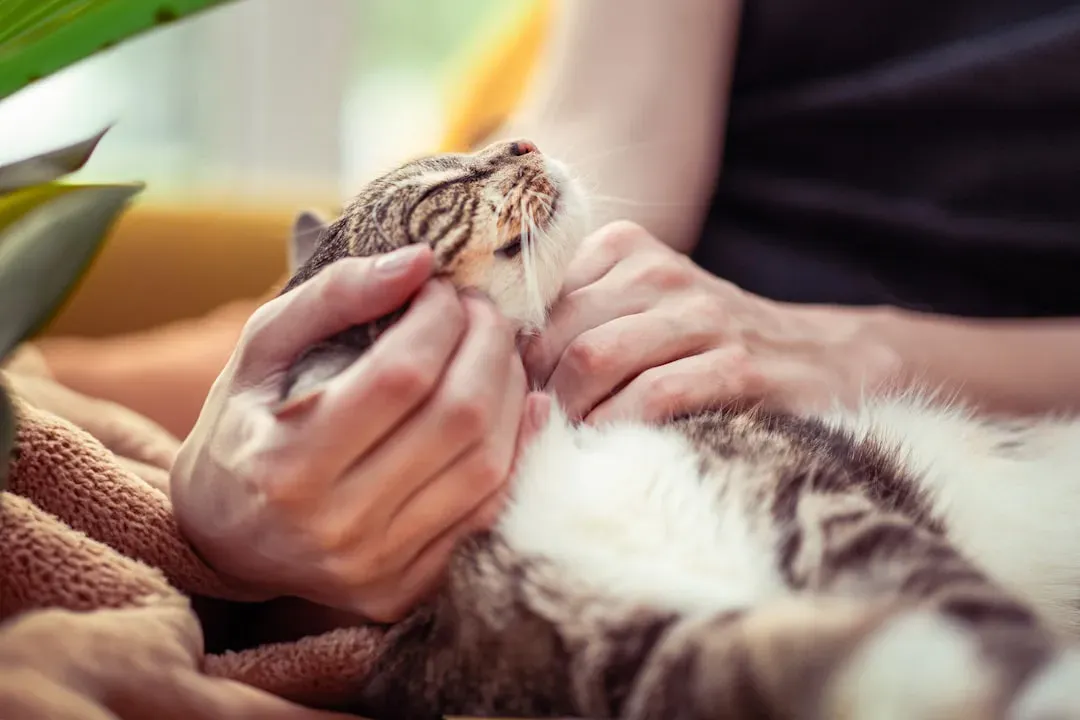
Loving a cat well is an art form, and it starts with understanding their boundaries. Slow blinking is one of the easiest ways to show a cat you mean no harm. It’s their quiet signal for calm, a sort of peace offering in body language form. When you meet a cat’s eyes and slowly blink, you’re saying you’re relaxed, so they can be too. Cats do this with each other when they feel safe and at ease. If the cat returns the blink, you’ve earned a little trust.
Setting aside time each day – whether it’s speaking gently to them, reading a book next to them, or enjoying lap time – can go a long way in helping your cat feel safe, loved, and connected to you. Cats appreciate routines, and setting a consistent time each day for bonding helps your cat understand that they can rely on this special connection. Honestly, even five quiet minutes of just being present together counts enormously.
Play Is Not Optional – It’s Emotional Nourishment
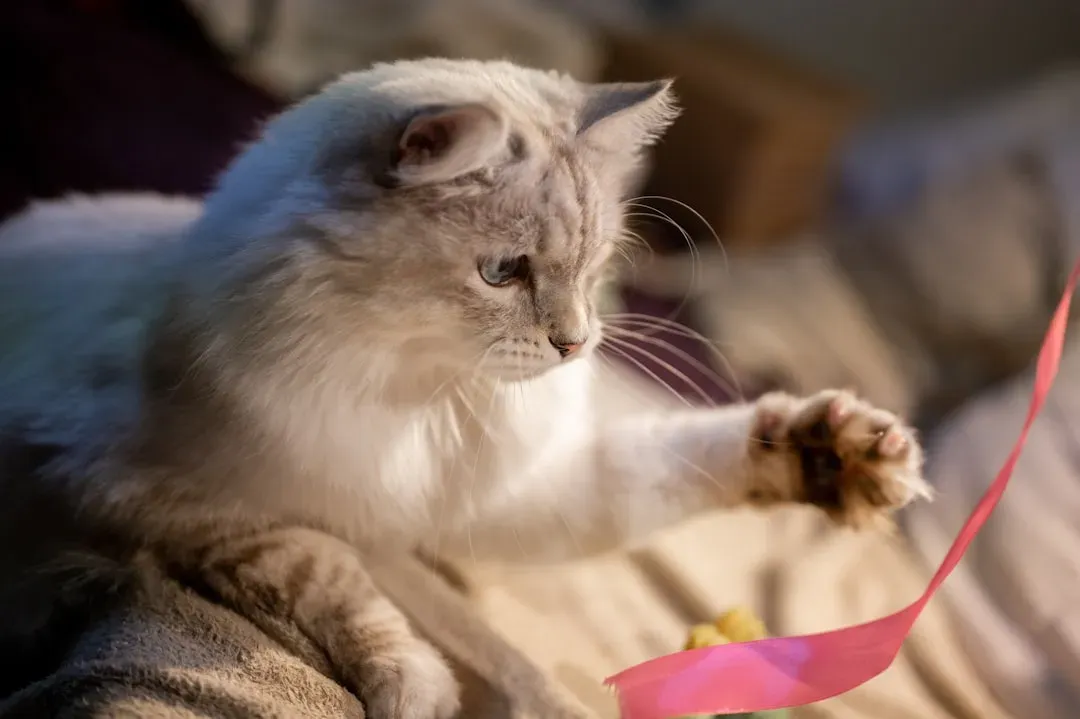
Play is one of those things that cat owners often underestimate. It’s not just fun. It’s foundational. Interactive play supports both physical health and emotional connection. Play mimics natural hunting behavior and strengthens your bond through shared activity. Think of it like this: every time you drag that feather wand across the floor, you’re not just entertaining your cat. You’re speaking directly to their deepest instincts while also saying “I’m here with you.”
Putting aside time each day and learning how to play with your cat will not only keep them active and mentally stimulated, it will support their social skills and develop your relationship even more. Interactive play before and after absences gives your cat the connection they crave. Consistent routines also help reduce stress and build their confidence over time. This is not optional maintenance. It’s the heartbeat of a healthy cat-human relationship.
Conclusion: Your Cat Needs You More Than They Let On
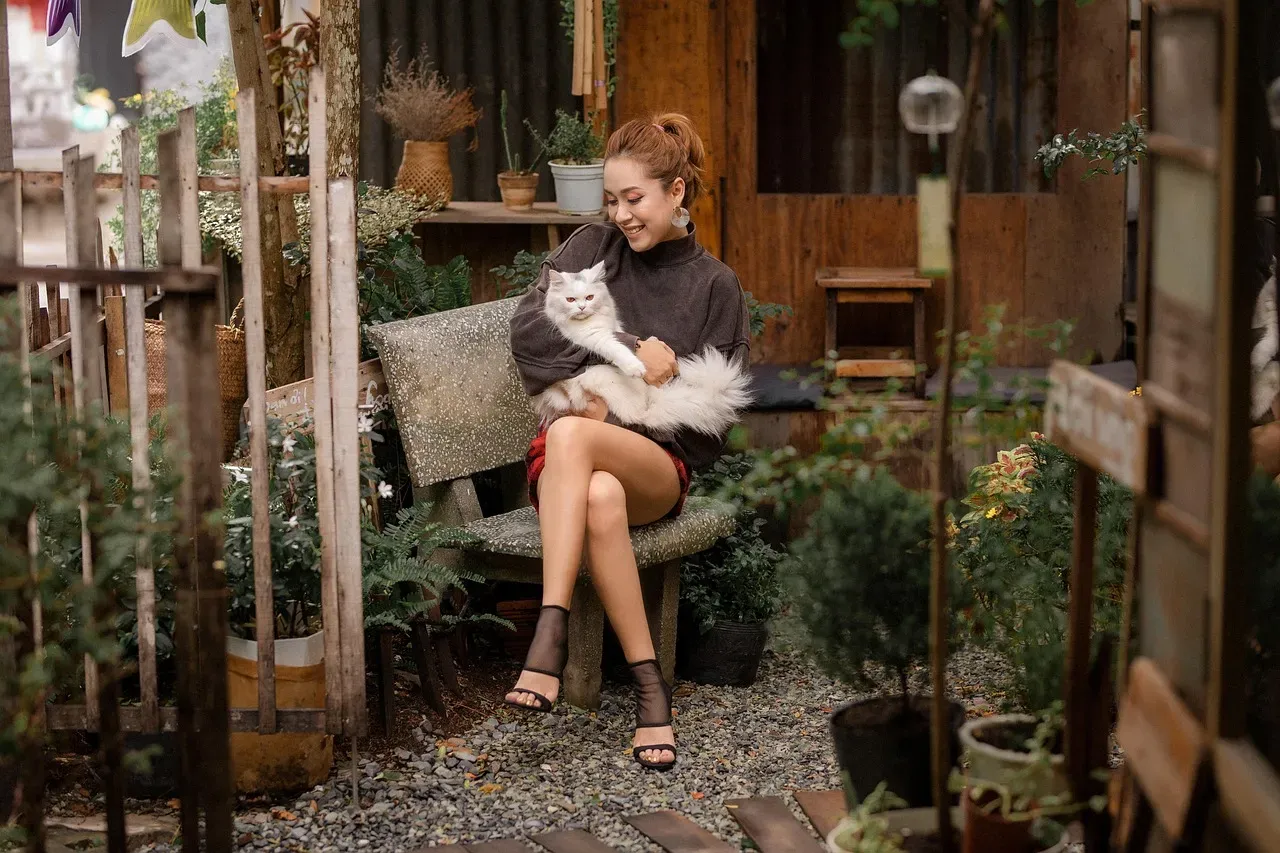
Here’s the takeaway that I think too many cat owners miss: your cat’s independence is a personality trait, not a rejection. Independence doesn’t mean indifference. Many cats that enjoy their autonomy are still deeply affectionate in their own subtle ways. Instead of clingy behavior, they show love through quiet companionship – following you from room to room, curling up nearby, or greeting you warmly at the end of the day. Their bonds are often built on mutual respect rather than constant interaction.
Cats are capable of forming strong emotional connections with their owners despite their independent nature. The relationship between a cat and its owner is built on a foundation of trust, loyalty, and reciprocity. So lean in. Offer the slow blink. Keep the routine. Show up for play. Your cat is watching you, tracking you, and loving you in the only way they know how – quietly, loyally, and completely. The question is: are you paying close enough attention to see it?
What does your cat do that makes you feel truly loved? Tell us in the comments – we’d love to hear it.
Kristina is a young writer from India. An arts graduate and an avid content creator, Kristina is passionate about animals and wildlife. She enjoys exploring topics related to pet care, animal behavior, conservation, and nature, combining thorough research with engaging storytelling.