Most people assume cats are the undisputed rulers of any home they inhabit. Bossy, aloof, self-sufficient. You’ve probably heard the joke: dogs have owners, cats have staff. Honestly, there’s a tiny grain of truth in that. Yet here’s what surprises nearly every devoted cat parent when they finally learn to pay close attention: your cat is actually asking for things far more often than demanding them. Quietly. Politely. In a language so subtle it’s almost invisible.
Cats have earned a reputation for being hard to read, but it’s not their fault – they just communicate differently than humans. The trouble is, we’re too busy waiting for big, dramatic signals. We miss the whisper because we’re listening for a shout. So let’s change that. Here are ten of the most fascinating, subtle ways your cat is actually asking for your permission – and what you can do when you finally hear them. Let’s dive in.
1. The Slow Blink: A Feline “May I?” in Disguise
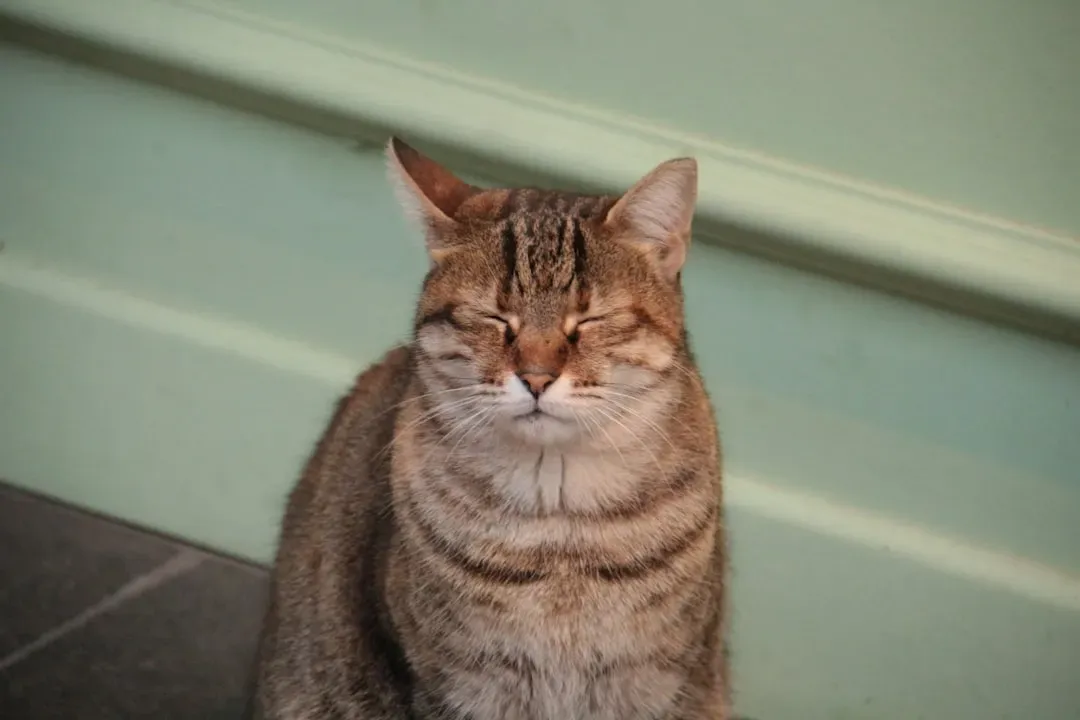
You’ve seen it happen and probably dismissed it as your cat being drowsy. They lock eyes with you from across the room, then slowly close and reopen their eyes like they’re fighting off a nap. This isn’t tiredness. It’s one of the most intimate gestures a cat can offer a human.
Cats blink slowly to show affection and relaxation. If a cat blinks slowly at you, they are not threatened by you – in fact, they trust you. To bond with a cat that blinks slowly at you, you can return their gesture by blinking slowly back at them. Think of it as your cat politely knocking before entering your emotional space. They’re essentially saying, “I feel safe with you. Is that okay?” When you blink back, you’re giving them the green light.
Slow blinking is a sign of trust and comfort, and reciprocating the gesture can reinforce the feeling of safety. Most people never realize they’ve just had a full conversation with their cat without saying a single word. That’s wild if you think about it.
2. The Gentle Head Butt: Asking to Be Closer
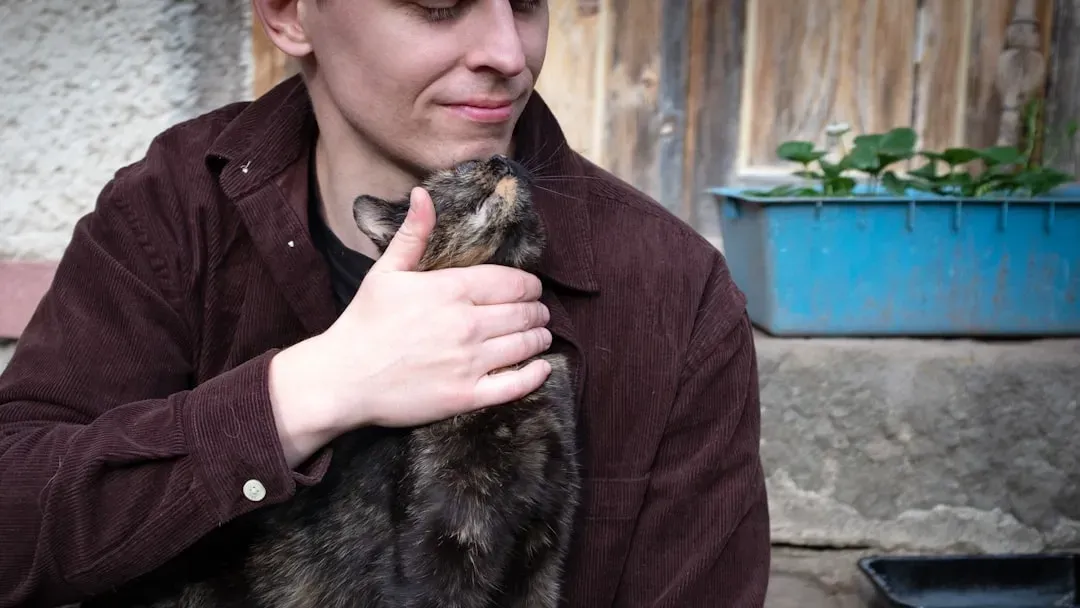
If your cat has ever walked up to you and pressed their forehead firmly against your face, hand or knee, you might have laughed it off as clumsiness. It wasn’t. That little gesture has a name: bunting. It’s deliberate, purposeful, and deeply communicative.
If a cat gives your hand a head butt, they are asking for more interaction. It’s their way of tapping you on the shoulder and saying, “Hey, I’d like to be closer to you right now, if that’s alright.” The cat’s cheeks have glands that secrete pheromones, so head bumping is also for leaving scent marks. In other words, your cat isn’t just greeting you – they’re marking you as safe, as theirs, as someone they’ve chosen. That’s a big deal in cat language.
3. The Upright Tail Approach: “I Come in Peace”
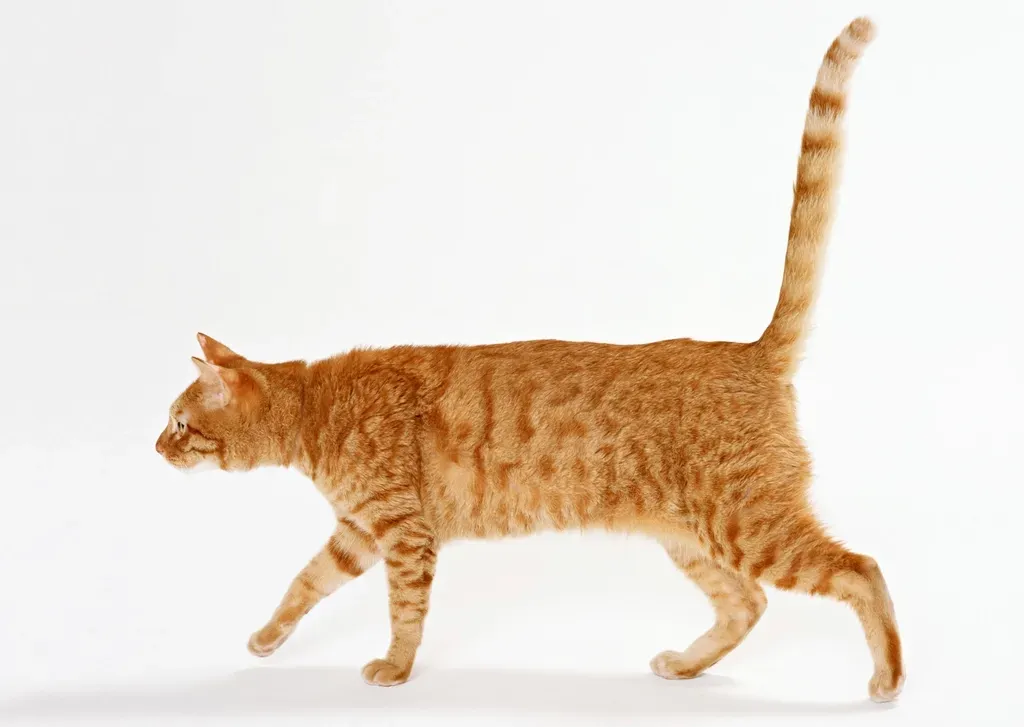
Picture this: your cat walks toward you with their tail raised straight up like a little flagpole. Maybe the tip quivers slightly. It looks casual. It is absolutely not casual. That raised tail is one of the most confident, open-hearted signals in the entire feline vocabulary.
An erect tail is usually a sign of friendliness, and a tail that is up but hooked at the tip may mean cautiously optimistic. Your cat is approaching you on their own terms, giving you full visibility, offering themselves up for connection – but doing so gently. A tail held upright is a sign of confidence, friendliness, and curiosity. When your cat greets you with a tail held high, it’s a good sign they’re happy to see you. Essentially, they’re asking if you’re open to an interaction before committing to one. If you turn away or seem busy, a perceptive cat will often just wander off and try again later.
4. Sitting Nearby Without Touching: The Polite Presence Request
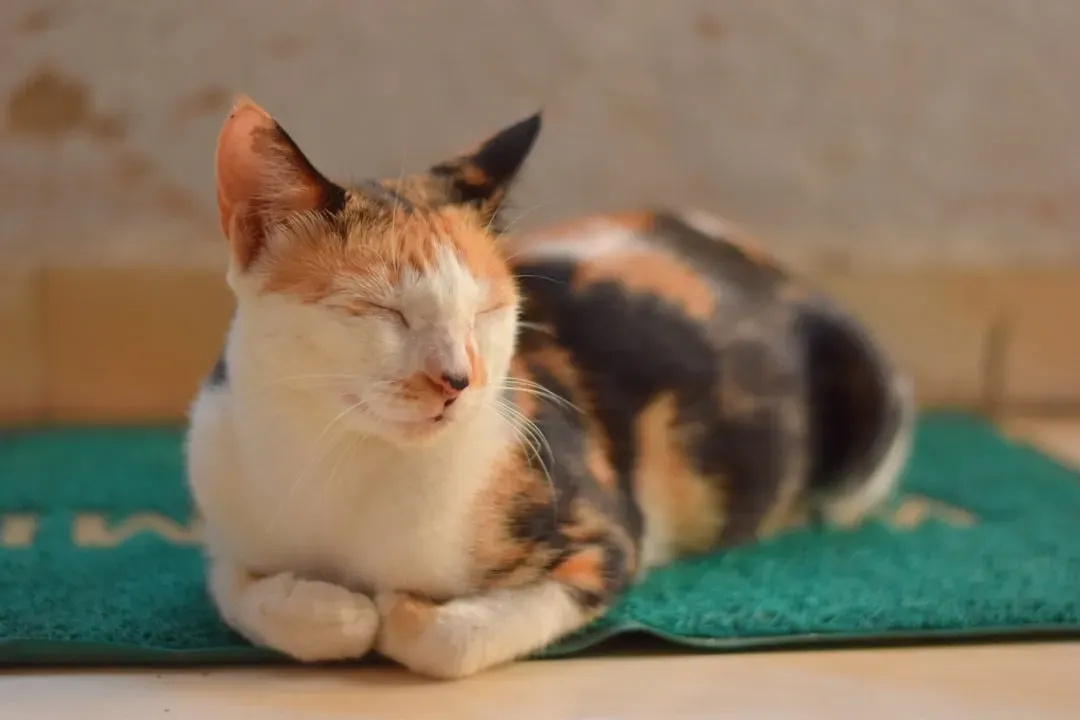
Here’s one that trips up nearly everyone. Your cat doesn’t leap onto your lap. They don’t rub your leg. They just… sit next to you. Close but not quite touching. Maybe they face slightly away, or rest in a loaf position just within arm’s reach. And you think, “Oh, they’re just resting there.” Nope.
The loaf posture – where a cat has paws tucked in its body with its body low to the ground and tail underneath or around the body – is something cats do when they are relaxed. But choosing to do that right next to you specifically is not a coincidence. Cats are social in their own unique ways, and many simply enjoy being close to the humans they trust. It’s the feline version of sitting beside a friend on a park bench without needing to fill the silence. They’re checking in, asking for your presence without crowding you. Honestly, it’s one of the most considerate things a cat can do.
5. The Soft, Short Meow: A Quiet Knock on the Door
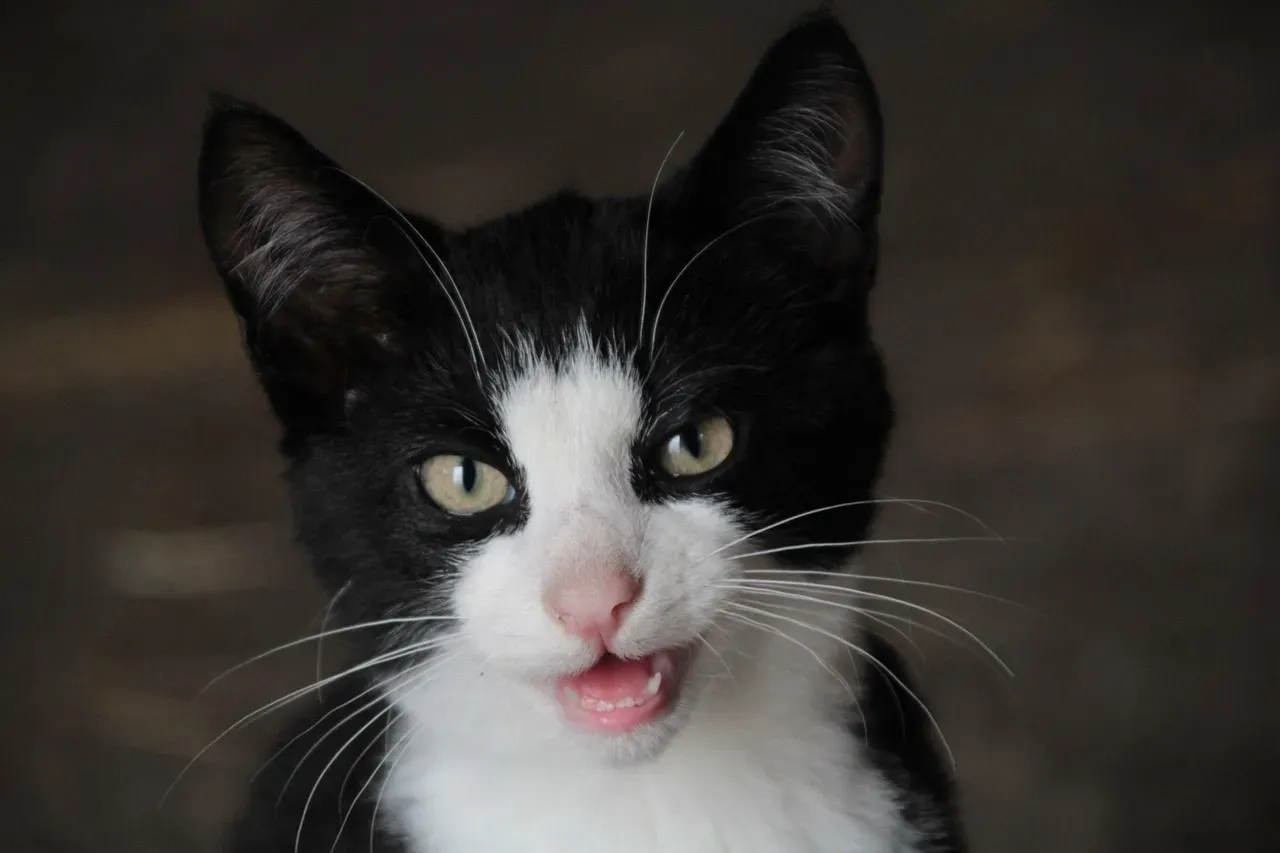
Not all meows are created equal. There’s the loud, relentless yowl that means something has gone terribly wrong with the food situation. Then there’s that other one – the small, barely audible chirp of a meow, so soft you almost wonder if you imagined it. That one is different.
A quick, soft meow is a cat’s way of greeting you or getting your attention. It’s their “hello” or “I’m here” sound. Interestingly, studies have shown that domestic cats tend to meow much more than feral cats. They rarely meow to communicate with fellow cats or other animals. That means meowing at you was something cats essentially developed just for us, a language built specifically around their relationship with humans. That soft little meow? It’s a politely raised hand. It’s asking, “Do you have a moment for me right now?”
6. The Play Bow: “Can We Play? Pretty Please?”
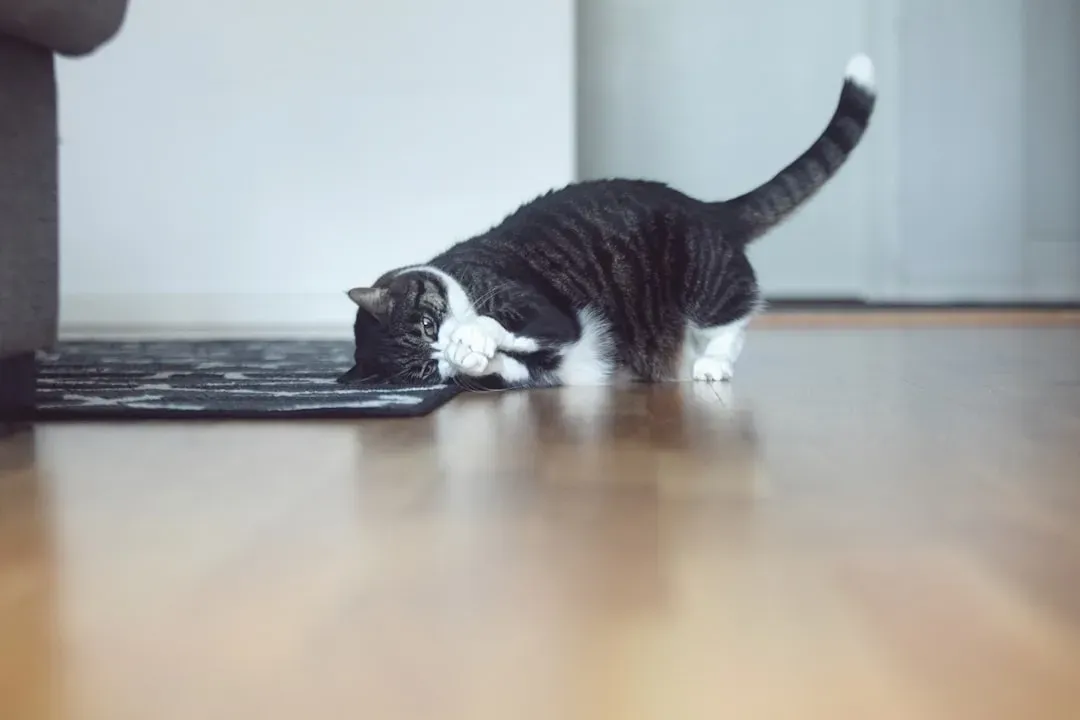
Dogs are famous for their play bow – front legs stretched forward, rear end in the air. What many cat owners don’t realize is that cats do it too, in their own sneaky way. If you’ve noticed your cat dropping their front half to the ground while their hindquarters stay elevated and their tail starts flicking, that’s not random. That’s an invitation.
When your cat is feeling playful, they may exhibit a “play bow” where their front end drops and their hind end remains up. They may wiggle their behind or flick their tail in excitement. This is a playful invitation, and your cat is asking you to engage with them. I think this is one of the most endearing behaviors cats have, because it’s such a purely joyful, hopeful gesture. They’re not just playing – they’re asking if you want to play too. If you respond with a toy or some movement, watch how their whole body lights up. Permission granted, and they are thrilled about it.
7. Gentle Pawing Without Claws: “Excuse Me, Pardon Me”
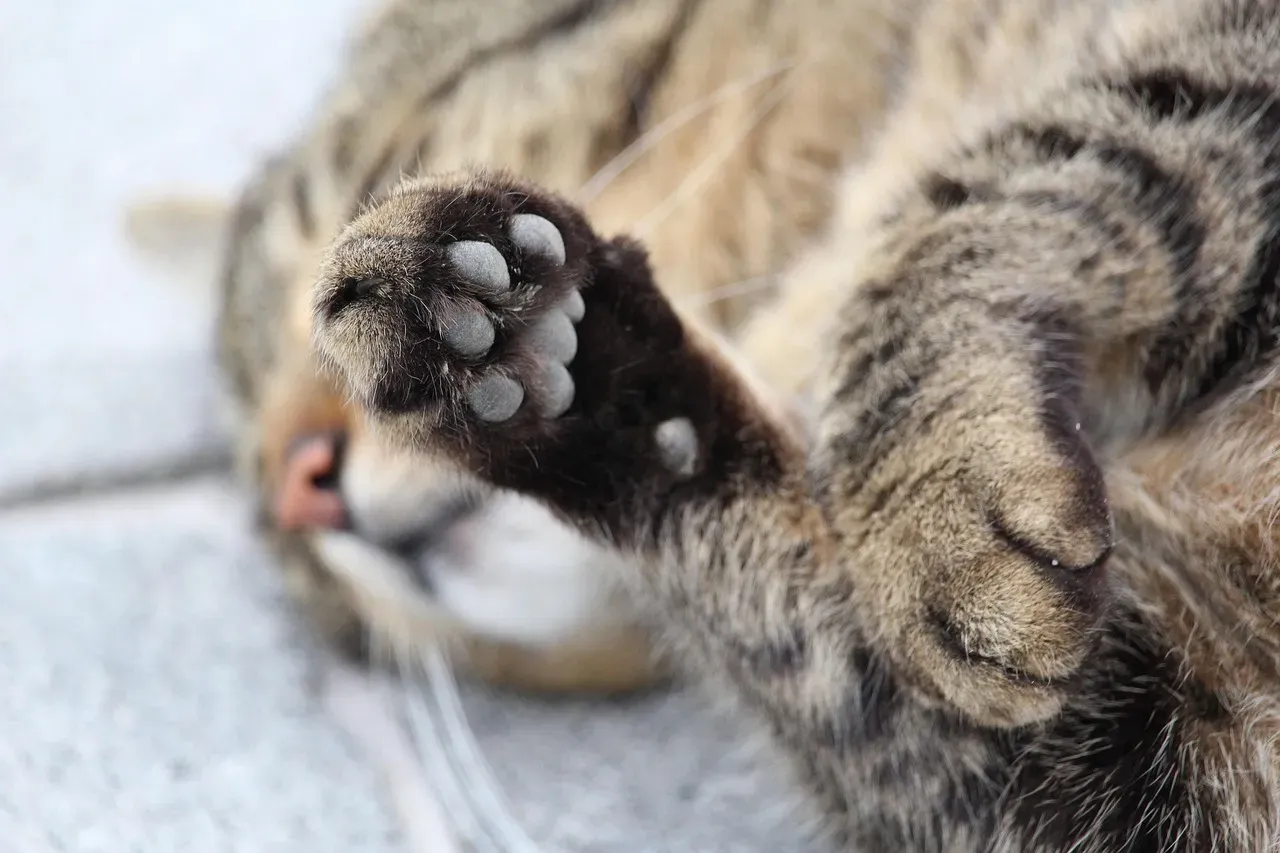
There’s a big difference between a cat swiping at you in irritation and the ultra-gentle, retracted-claw tap they sometimes place on your arm or face. The soft paw touch is a completely different communication. It’s not a scratch. It’s a tap. Almost like a nudge.
If your cat gently taps you with their paw or claws on your face or limbs, they may be trying to signal that they want you to engage with them. Think of it like a polite nudge at the dinner table – quiet, unobtrusive, considerate. If your kitty approaches gently, vocalizes softly, or sits near you to request affection, feel free to reward her with praise, cuddles, treats, or catnip, depending on what she likes. Rewarding that polite request reinforces the behavior and deepens the bond between you two. It’s a trust-building loop.
8. The Slow, Deliberate Approach With Pauses: Reading Your Reaction
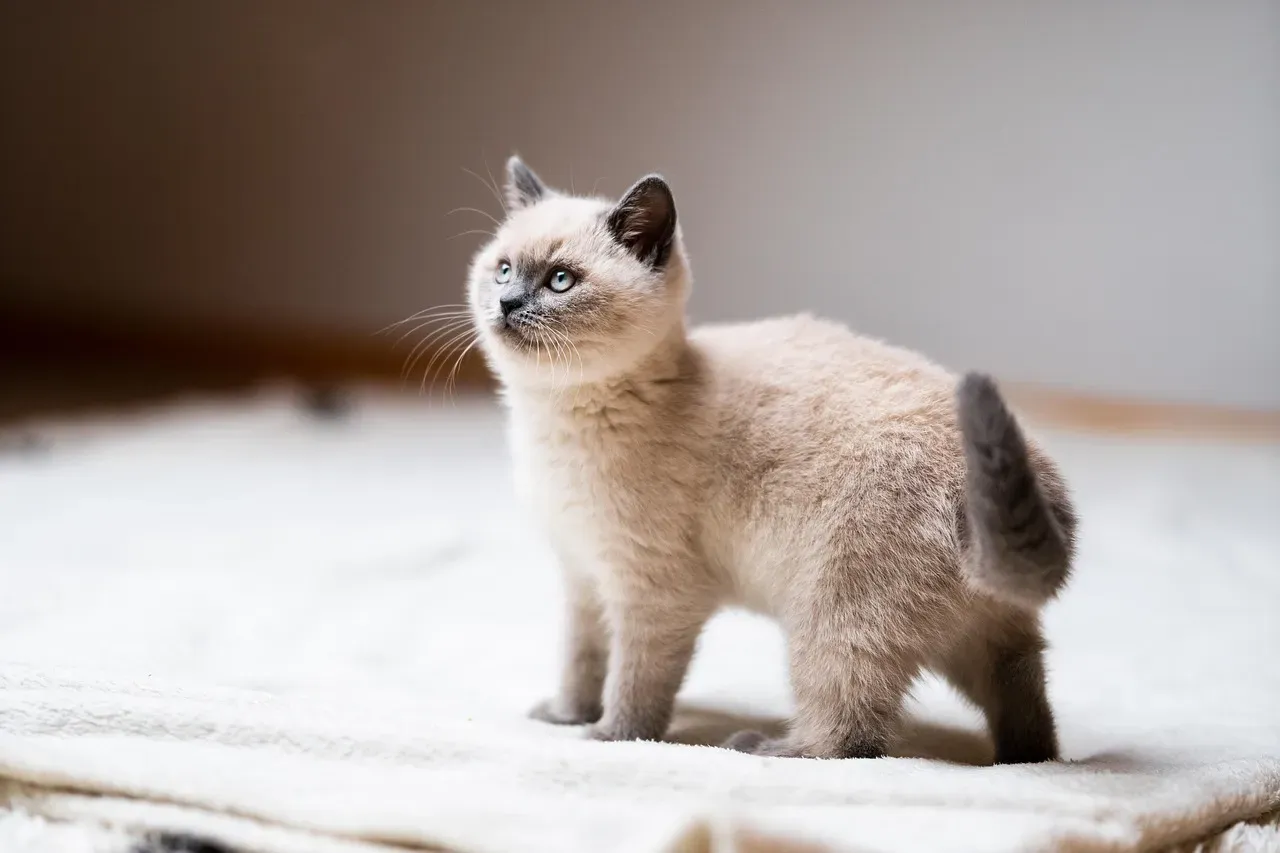
Sometimes your cat wants something – a spot on the couch, your lap, a cuddle – but instead of just taking it, they walk toward you very slowly, stopping every few steps as if checking for signs that they’re welcome. It can look almost hesitant. It’s actually incredibly thoughtful.
A cat’s body language and behaviors should be looked at as part of one big picture. By using the context of the entire situation, trying to see the situation from the cat’s point of view, and looking for subtle cues in body language, you’ll have an excellent chance at understanding your feline friends. Those pauses during their approach? They’re reading you. Watching your body language. Asking at each step whether you’re open to whatever they’re about to do next. Cats are subtle and complicated in the way they communicate, but taking time to learn their body language can help to strengthen the relationship with your cat. Lean forward slightly, make soft eye contact, and watch them close the distance with confidence.
9. Exposing the Belly – but Not Rolling Over Completely
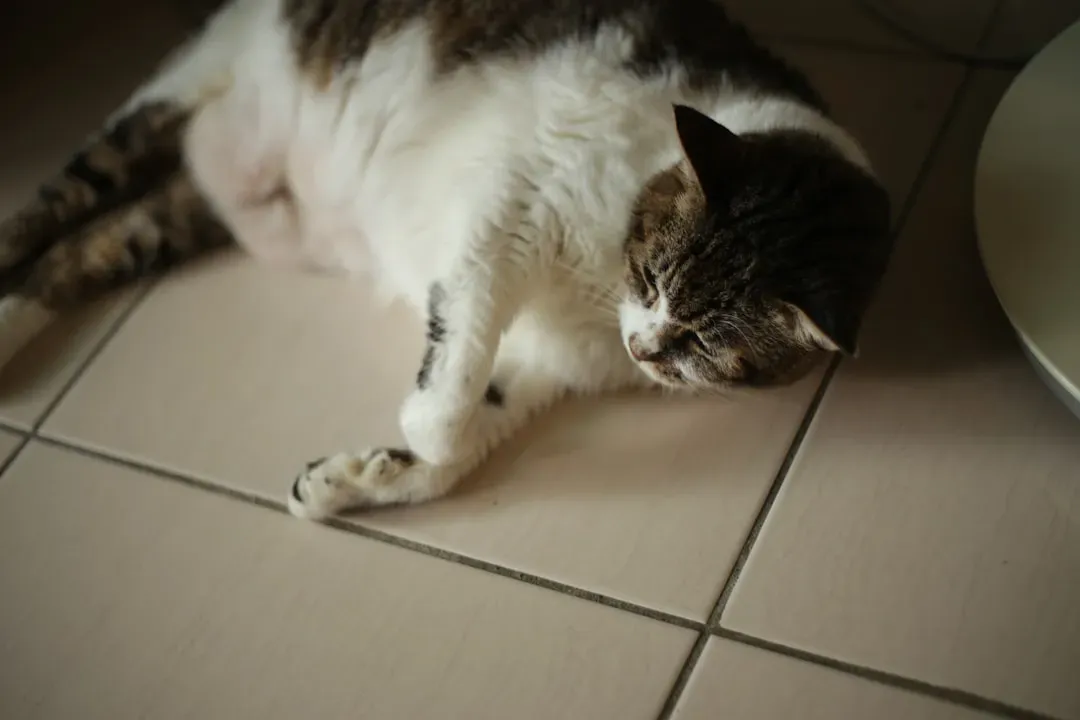
Here’s where things get genuinely misunderstood all the time. Your cat rolls onto their side, showing you their belly – that incredibly soft, vulnerable underside. Every human instinct says “belly rub time.” But hold on. There’s a crucial distinction between showing the belly and inviting a belly rub.
Many people, after they learn that a cat exposing itself feels comfortable, may see a cat with its belly up and think that it’s safe to rub or pet the cat’s belly. The exposed belly is a sign of comfort and trust, but it is not necessarily an invitation for a belly rub. It’s actually more of a trust declaration. Your cat is saying, “I feel so safe with you that I’m willing to show you my most vulnerable spot.” When cats lie on their back with their bellies exposed, they are in a position of vulnerability. Therefore, this position may communicate a feeling of trust or comfort. Respect that trust by pausing before reaching in. Let your cat guide what comes next. That pause is you asking permission right back.
10. Following You Quietly From Room to Room
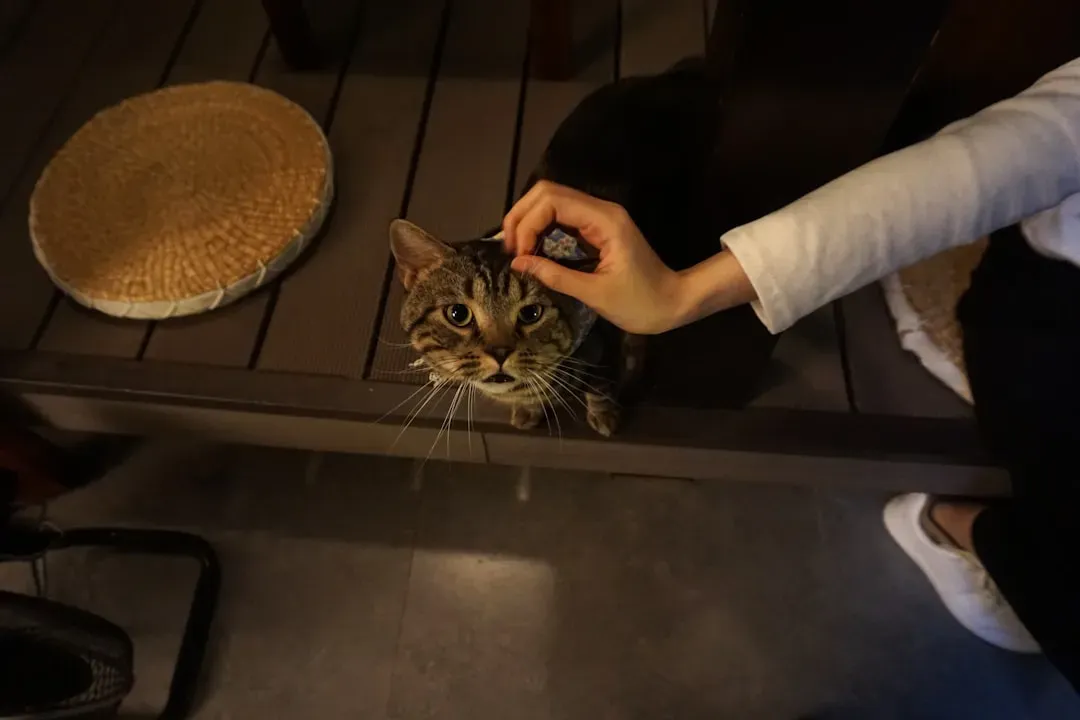
Your cat isn’t your shadow by accident. When they trail behind you quietly as you move through the house – not meowing, not jumping on you, just… following – it might seem like innocent curiosity. It’s actually more nuanced than that.
If your cat is following you, it could be a sign that they want your attention. Many cats do it around feeding time to signal they want to be fed, but others do it because they crave attention. Still, the quiet version of following – without vocalization or disruption – is distinctly different from demanding behavior. This greeting behavior often reflects attachment and social bonding. Your cat is happy to see you back home. They’re not commanding your attention. They’re waiting to see if you’ll offer it. It’s the feline equivalent of hovering hopefully near a conversation, waiting for someone to include them. When you pause and acknowledge them, you’ve just answered their unspoken question with a yes.
Conclusion: Your Cat Speaks. Are You Listening?
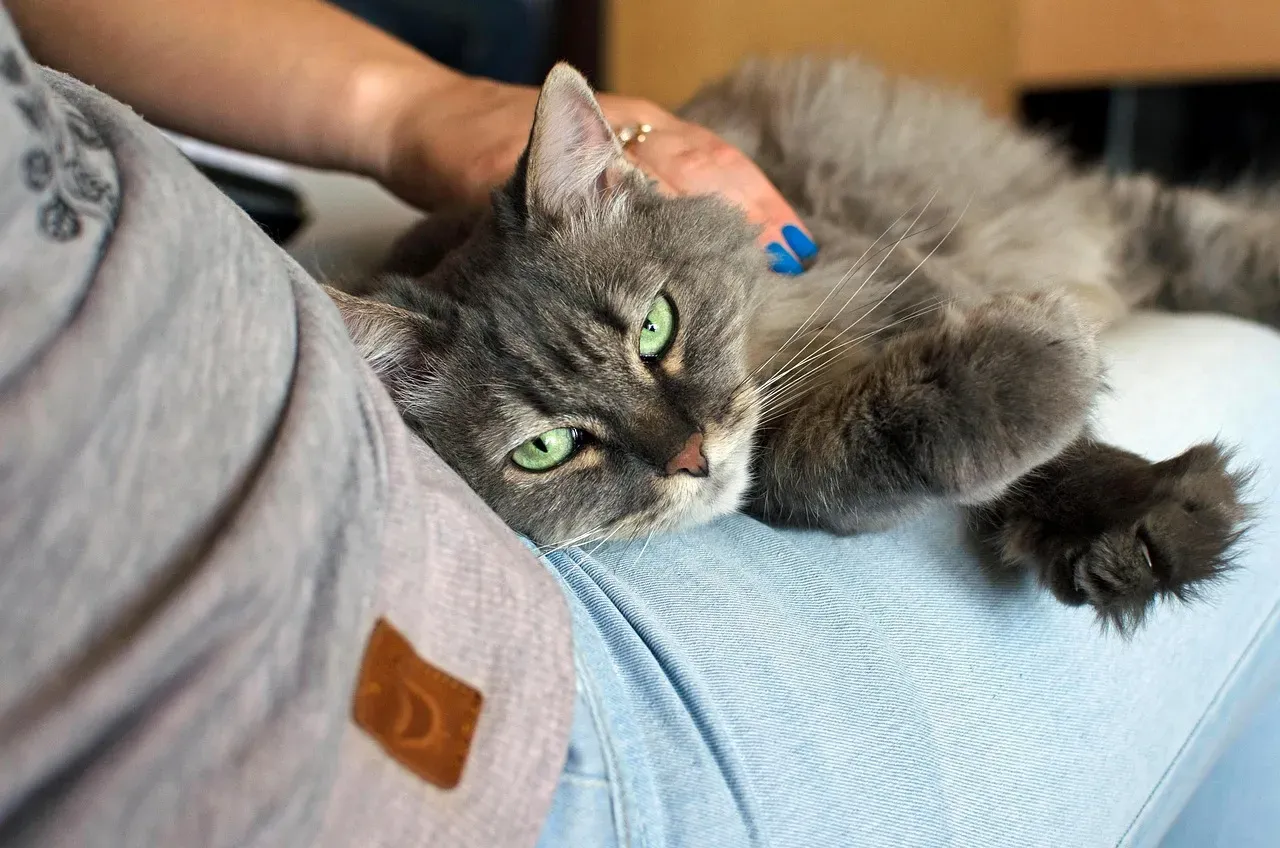
Here’s the thing most people never fully appreciate: cats are not nearly as demanding as their reputation suggests. The demanding ones, the loud ones, the dramatic ones – they often got that way because their quieter signals were consistently missed. If you pay attention to what the cat is trying to tell you before they resort to more extreme behaviors, everyone will be better off – you and the cat.
Cats possess intricate and subtle body language, making it crucial to pay close attention to their non-verbal communication. Respecting a cat’s body language is essential in establishing a trusting relationship. Learning to recognize these ten quiet signals isn’t just a fun party trick for cat enthusiasts. It changes the entire dynamic of your relationship with your pet. You stop being someone your cat performs for, and you start being someone they genuinely communicate with.
Think about how different that is. A cat who knows you’re listening will ask quietly, patiently, and with grace. One who has never been heard will learn to yell. The choice of which cat you live with is, at least in part, yours. So the next time your cat sits a little too close, blinks a little too slowly, or taps you with one careful paw – answer them. What kind of relationship will you build when you finally start speaking their language?
Kristina is a young writer from India. An arts graduate and an avid content creator, Kristina is passionate about animals and wildlife. She enjoys exploring topics related to pet care, animal behavior, conservation, and nature, combining thorough research with engaging storytelling.