You hear it almost every night. The soft padding of paws across the floor. The occasional thud as your cat leaps from the couch. The unmistakable sound of something being investigated in a dark corner of the hallway. You roll over, pull up the covers, and assume your furry companion is just being weird again. Honestly, that’s fair. Cats are famously mysterious creatures.
Here’s the thing though – that nightly routine your cat follows isn’t random. It’s not boredom. It’s not mischief for its own sake. It’s something far older, far more purposeful, and genuinely fascinating when you start to understand what’s driving it. Let’s dive in.
The Ancient Biology Behind Your Cat’s Nighttime Drive
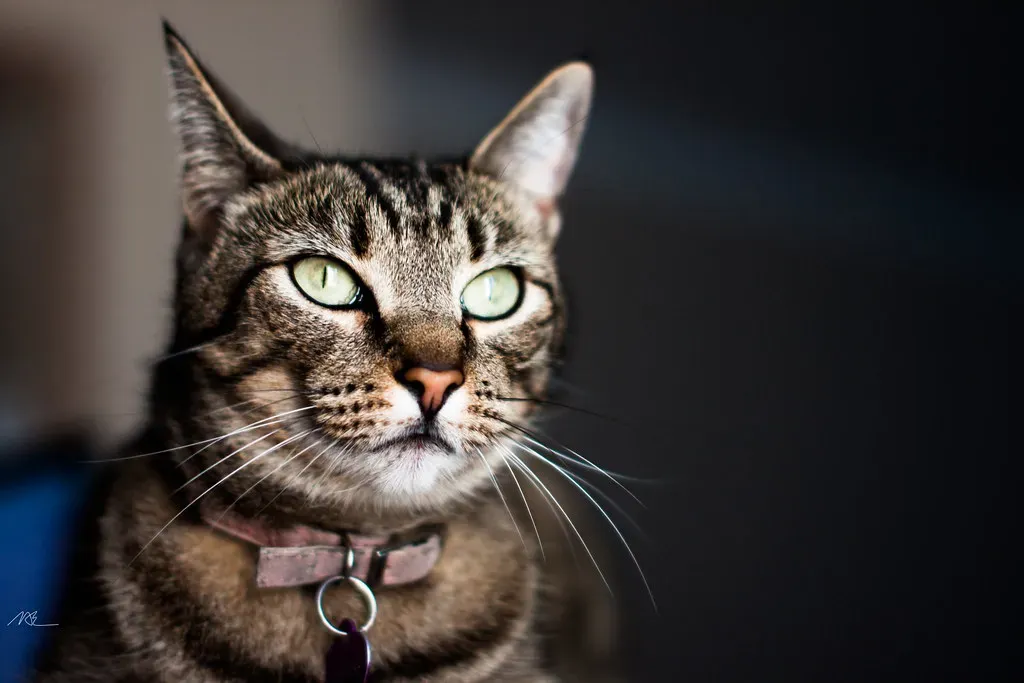
Before you can understand what your cat is doing at night, you need to understand what kind of animal you’re actually living with. Most people assume cats are nocturnal. That’s not quite right. Cats are actually crepuscular, meaning they’re most active at dusk and dawn. This isn’t a small distinction. It changes everything about how you interpret their behavior.
This behavior is a survival trait inherited from their wild ancestors, who found dawn and dusk to be the best times for hunting their chosen prey, which is also most active during these times. Think of it like this: your cat’s internal clock was set by thousands of years of evolution, not by the fact that you go to bed at ten. Your cat’s sleeping schedule, as strange as it may seem to you, is a well-designed feature honed by evolution that would have helped their wild ancestors to become successful hunters.
Your Home Is Not Just a Home – It’s Your Cat’s Territory
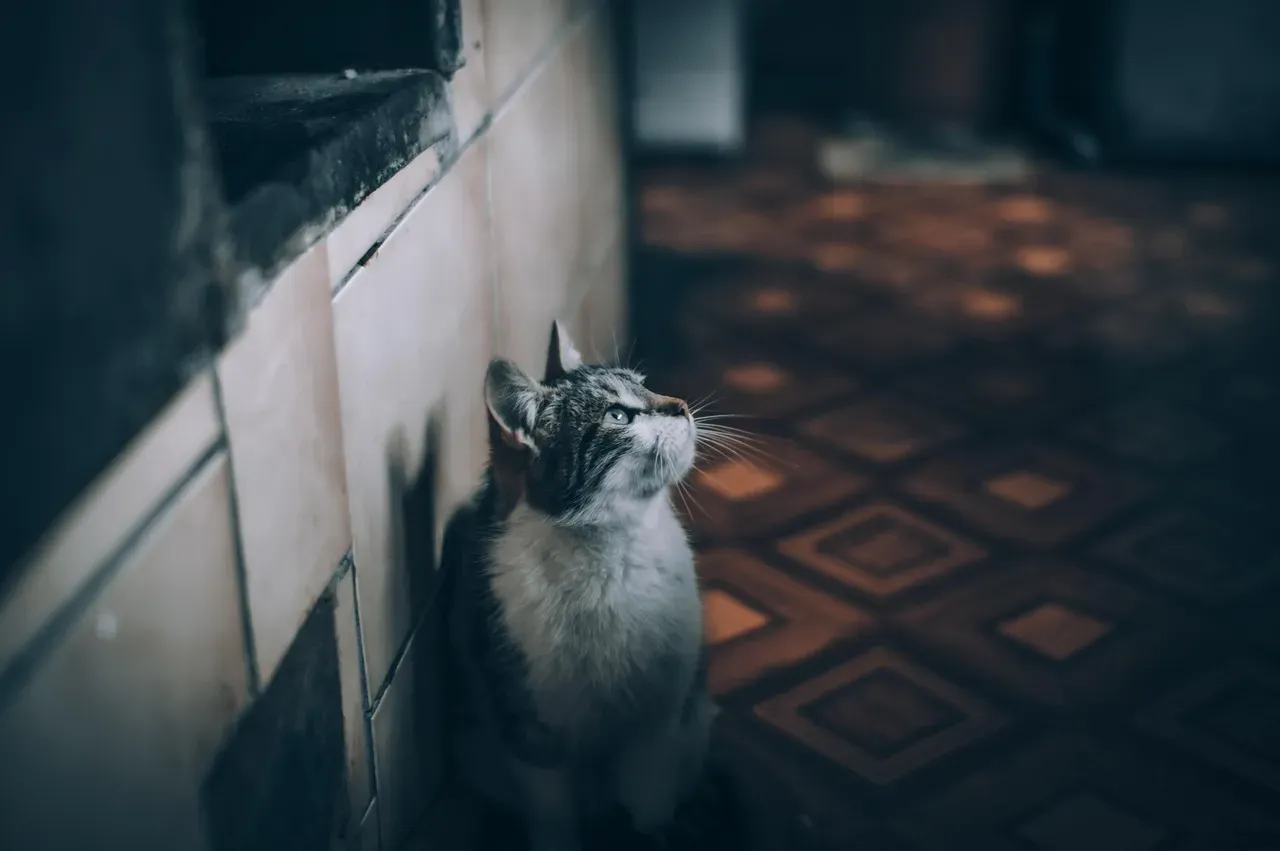
You might see four walls and a living room. Your cat sees a kingdom that must be defended and regularly inspected. Cats are very territorial animals, and they naturally like to be in control of their living environment. Every corner of the house is considered their territory, and regular “patrols” are to ensure the safety of this territory. Every room, every doorway, every windowsill is part of a mental map that your cat actively maintains.
Cats are territorial animals, and an indoor cat at night-time may be triggered to feel the need to patrol its territory – your home. It might be checking for any changes in its environment, ensuring everything is as it should be. It’s almost like a security guard doing their rounds. Except the security guard has whiskers and occasionally knocks things off shelves. Cats thrive on predictable and routine behavior in their territory, and this behavior is a natural extension of their instinct to protect their zone from threats.
The Hunting Instinct That Never Switched Off
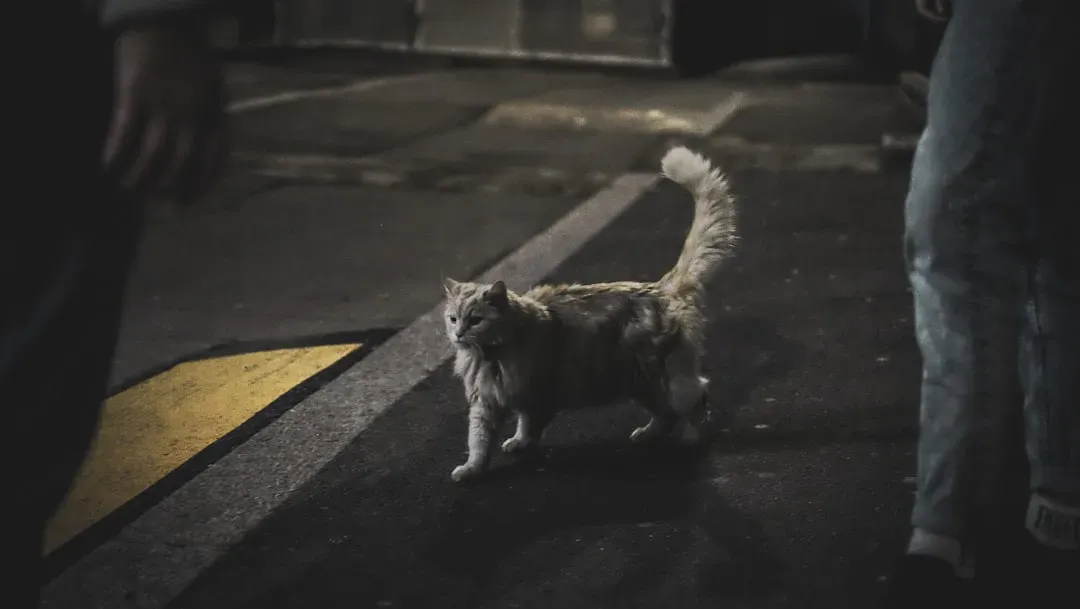
Let’s be real – your cat eats from a bowl. They haven’t needed to hunt for survival in generations. Yet somehow, that predatory fire is very much still burning. Although domestic cats no longer need to hunt for food, their hunting instincts still exist. Patrol behavior can be seen as a continuation of this instinct. As cats walk around their homes, they will always be on the lookout for potential “prey,” such as small insects or moving objects.
Researchers from the University of Georgia put cameras on outdoor cats to study what they actually did at night. The results were revealing. The monitored cats left behind about half of the animals they hunted, only ate about 28%, and brought home about 23%. That tells you something important: the hunt wasn’t really about hunger at all. That just goes to show how important and instinctual the act of hunting is for cats. It’s not just about hunger. It’s in their DNA.
The Sensory Superpowers That Make Them Ideal Night Sentinels
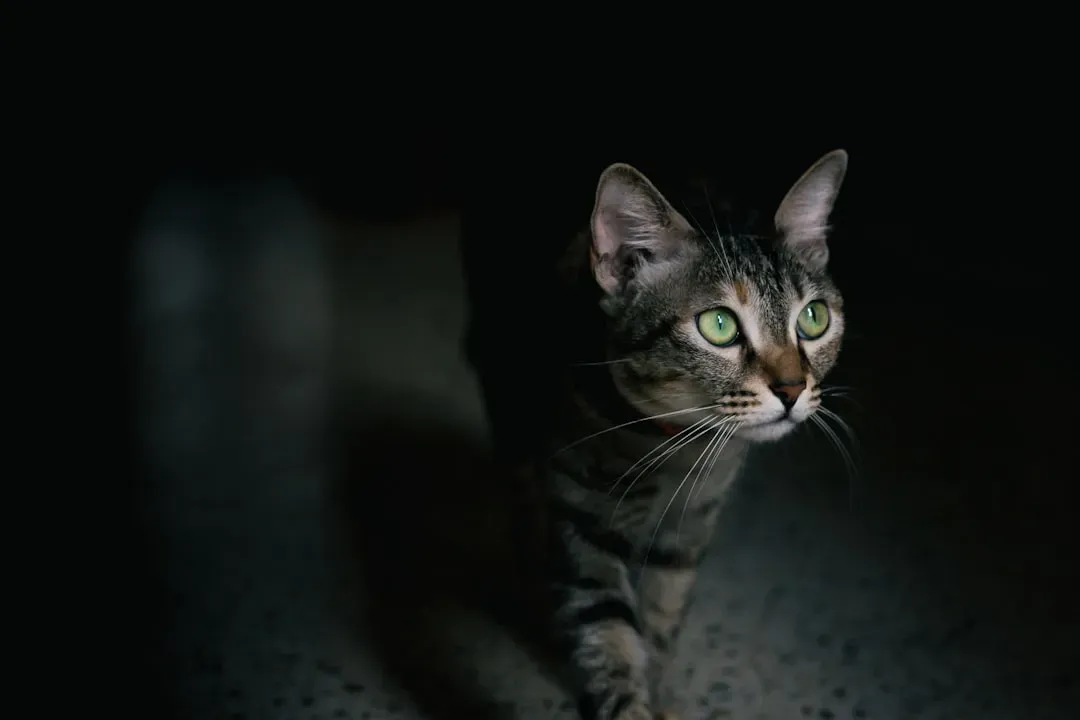
Here’s where it gets genuinely incredible. Your cat isn’t just wandering around in the dark hoping for the best. They are, without exaggeration, biologically engineered for nighttime awareness. Compared to you, cats have many more light-sensitive photoreceptors called rods. These special cells absorb light and give cats the ability to see six to eight times better than humans in dim light. The shape of their pupils and a reflective membrane called the tapetum lucidum also contribute to their super-powered night vision.
Their hearing is just as remarkable. Your cat’s large, triangle-shaped ears serve as sophisticated sound-detection instruments, capable of hearing frequencies far beyond human capabilities. These remarkable organs can detect sounds up to 64,000 Hz, while human hearing typically stops at around 20,000 Hz. This enhanced hearing ability even surpasses that of dogs, making cats among the most acoustically gifted creatures in your home. While you’re fast asleep, your cat can hear things happening outside, around the house, and within it that you’d never register. Their superior night vision and acute hearing enable them to detect disturbances long before humans notice them.
Scent Marking: The Invisible Fence Your Cat Builds Every Night
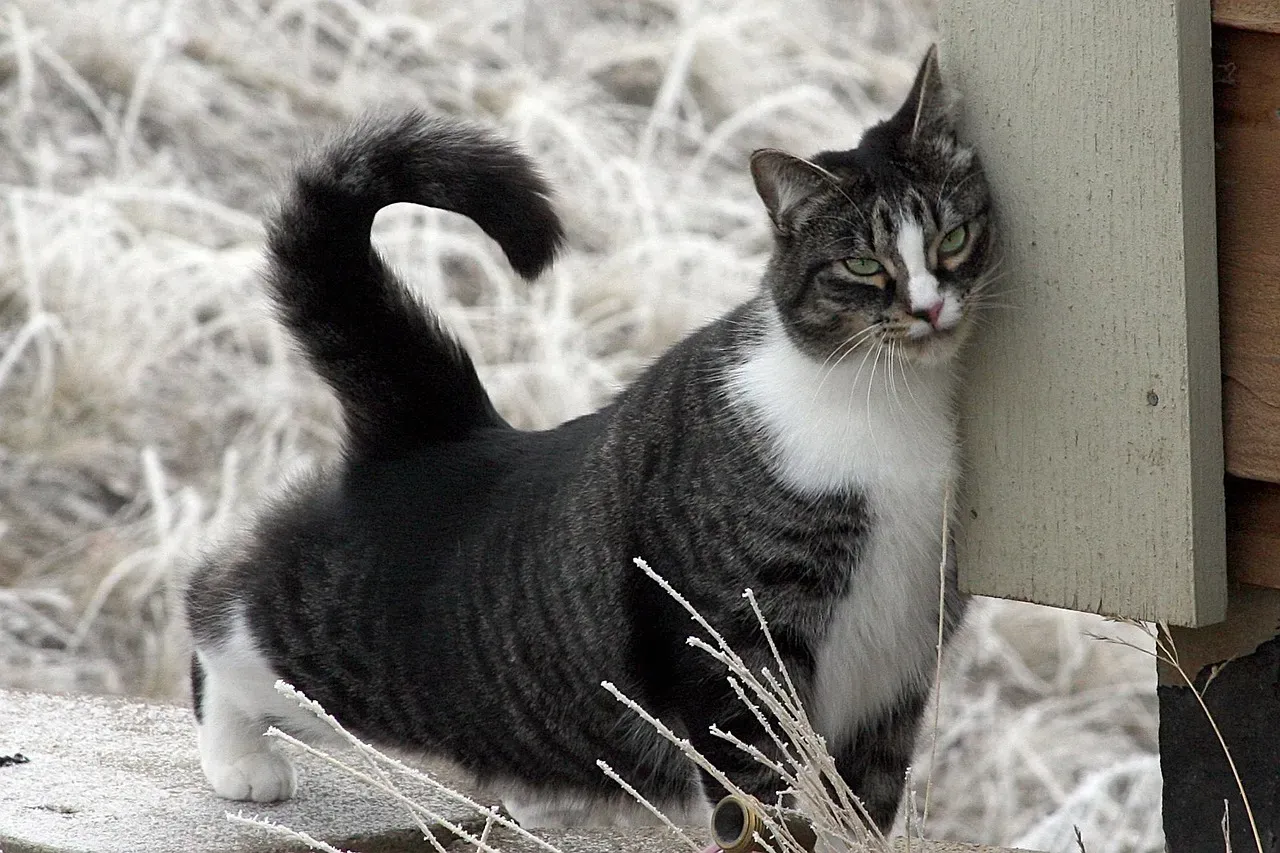
One of the most overlooked aspects of your cat’s nightly patrol is the scent work that happens during it. Your cat isn’t just looking around. They’re actively marking and reinforcing boundaries. When a cat rubs itself against objects, it deposits pheromones, marking the area with their scent. Territorial marking is a way for cats to claim and protect their space. Every surface they rub against, every scratch they leave, is a message written in chemical language.
Felines use pheromones to mark territory, allowing them to communicate from greater distances, which allows individuals to avoid each other when needed and reduces the chance of life-threatening conflict over territory. Interestingly, this also includes you. Yes, cats do scent mark their owners. The most obvious reason is marking you as part of their territory. Should another neighborhood cat come calling, they will smell your cat’s pheromones on you and know who your cat is and that you belong to them. So the next time your cat rubs their face against your leg, consider yourself officially claimed.
Keeping Watch While You Sleep: Your Cat as a Night Guardian
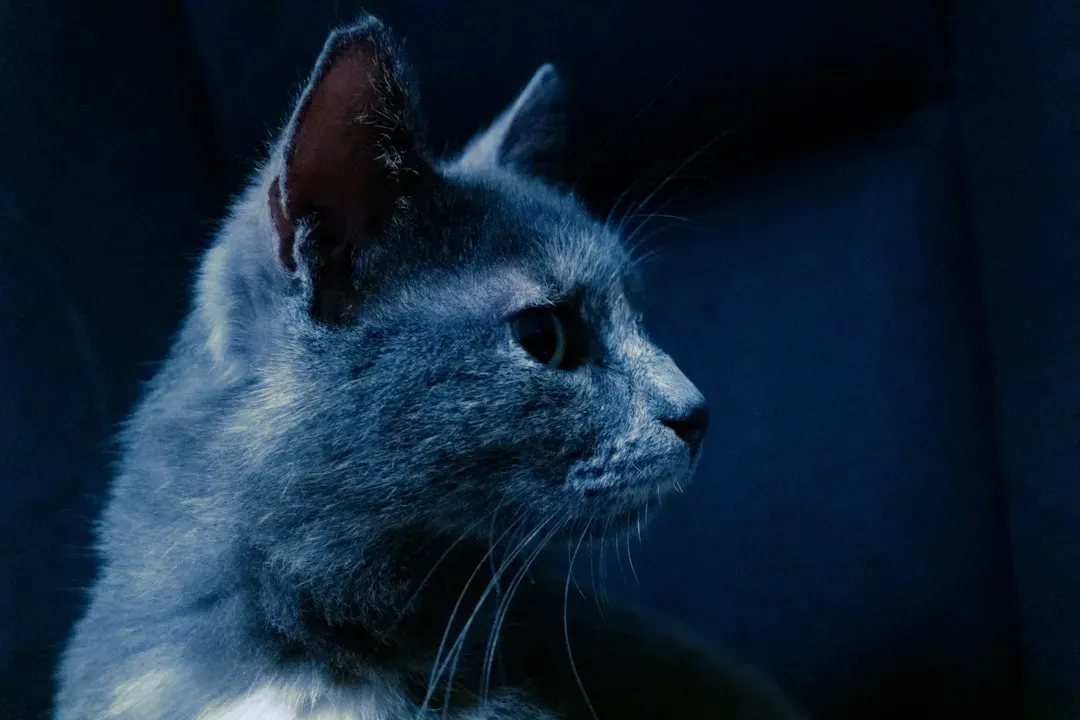
I think this is the part that surprises most people. Your cat isn’t indifferent to your safety. Cats are naturally territorial creatures, and this instinct extends to protecting their human family members. Their evolutionary history as both predator and prey has equipped them with exceptional sensory capabilities that make them excellent nighttime sentinels. That’s not a small thing. While you’re completely vulnerable and unconscious, your cat is often alert and monitoring.
While cats may not actively patrol like guard dogs, they demonstrate protective behaviors in more subtle ways. Many cats choose sleeping positions that allow them to monitor their surroundings while staying close to their owners. It’s a quieter, more feline kind of guardianship. While they may not serve as sentinels in the traditional human understanding of the term, their intrinsic behaviors, combined with their heightened senses and deep bond with their owners, offer an added layer of security during nocturnal hours.
Environmental Awareness: Why Every Change in Your Home Triggers a Patrol
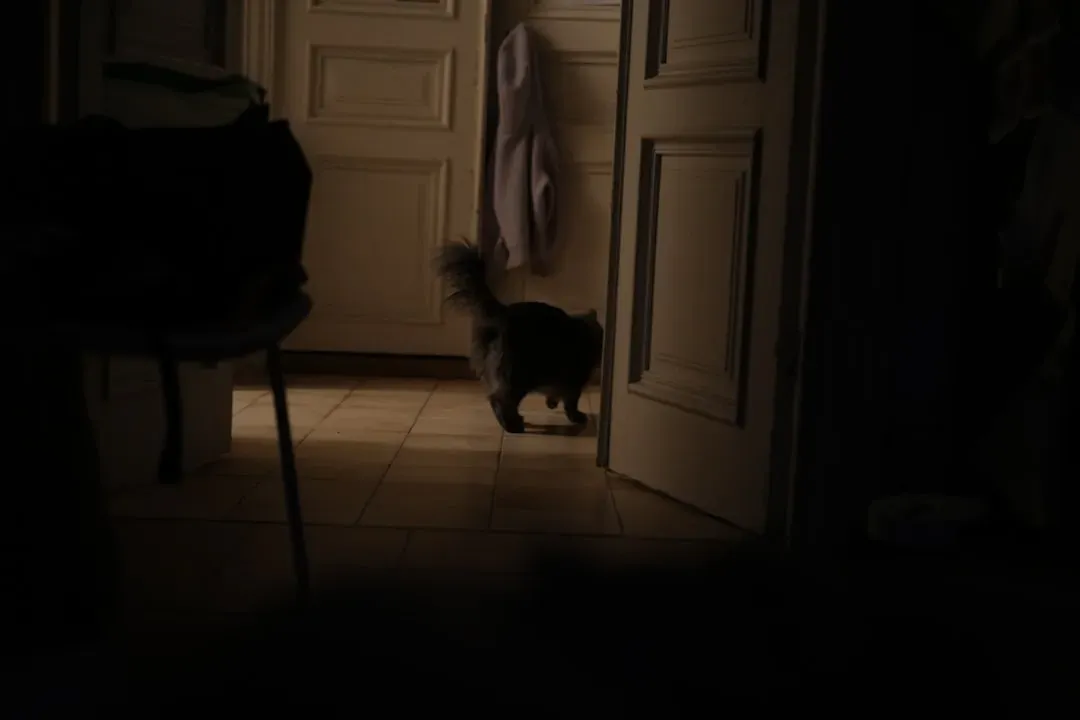
Have you ever noticed that your cat seems to inspect something new that appeared in the house before any human in the household has even acknowledged it? That’s not coincidence. Cats are very sensitive to changes in their surroundings, and even small changes can attract their attention. When new objects, smells, or sounds appear in the home, cats will immediately go to investigate to see if these changes will affect their lives. A new bag, a moved piece of furniture, a visitor’s scent – all of these can trigger an inspection round.
Through regular patrols, cats can stay aware of their environment and ensure they are in a familiar and controllable state. This matters more than you might think. For your cat, a controlled and familiar environment means safety. It means threat levels are low. Think of it like a pilot running their pre-flight checks – meticulous, repetitive, essential. Cats are very sensitive to their environment, and making changes to your pet’s familiar surroundings can trigger territorial behavior.
The Emotional Bond Driving the Patrol
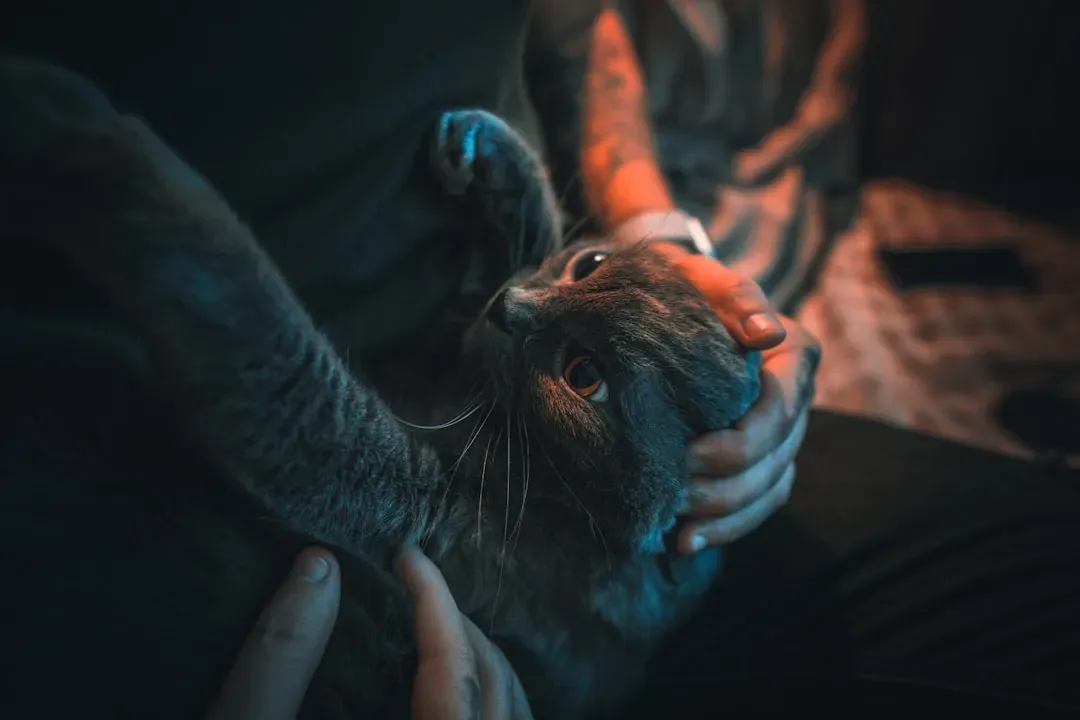
There is a deeper layer to all of this that goes beyond instinct and survival mechanics. Your cat genuinely cares about the space you both share, and the people in it. Research indicates that cats form emotional attachments to their owners similar to those observed in human relationships. This bond significantly influences their protective behaviors, especially during vulnerable nighttime hours. That’s worth sitting with for a moment.
While cats are independent, they are still very attached to their owners. Cats like to patrol their homes, and this behavior hides their protection of their territory, sensitivity to environmental changes, continuation of hunting instincts, maintenance of daily routine habits, and their attachment to their owners. Your cat’s nighttime patrol is, in a very real sense, an act of love expressed in the only language a cat truly knows. The bond between cats and their owners is profound, and this deepened bond might enhance their protective instincts.
What You Can Do to Support Your Cat’s Natural Patrol Instinct
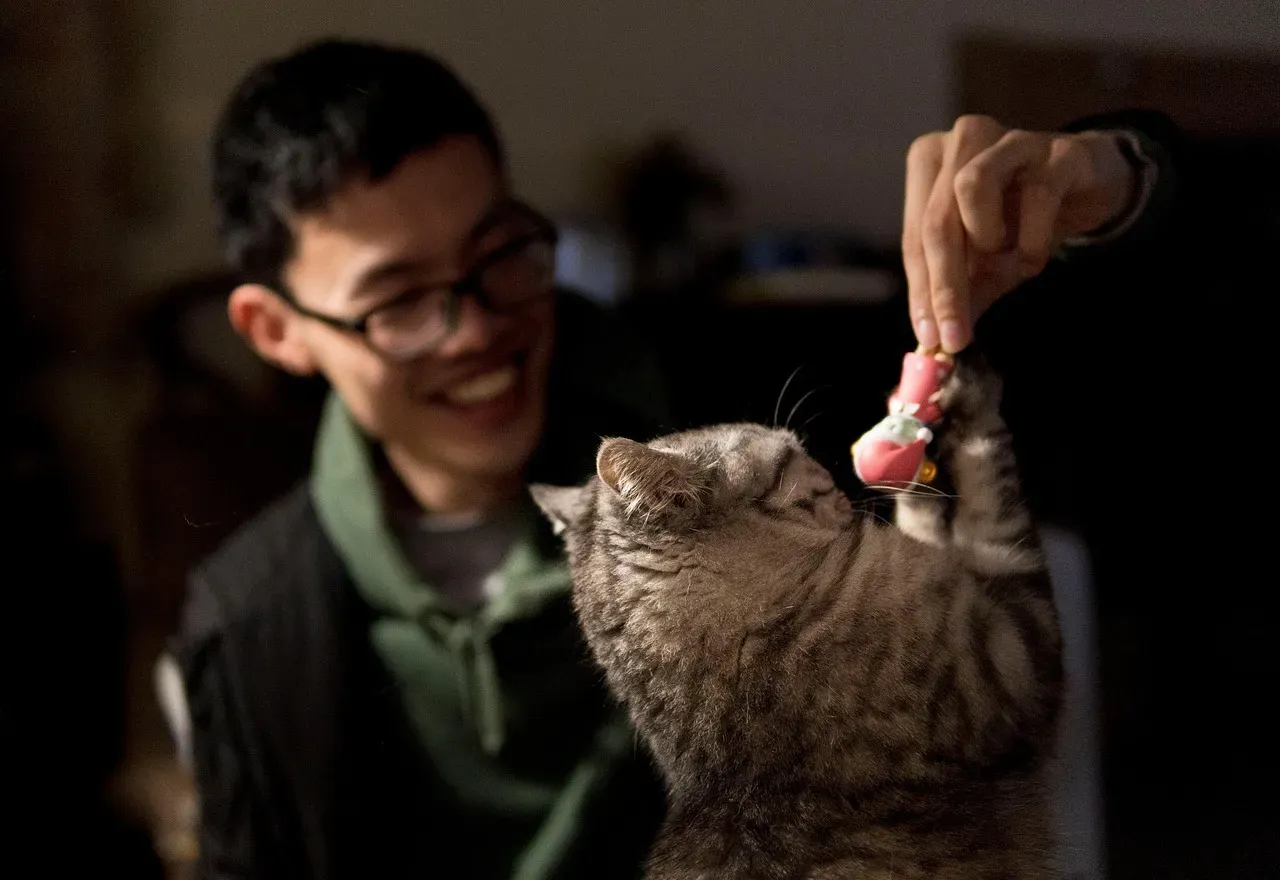
Now that you understand what’s driving all of this, the question becomes: how do you work with it rather than against it? The good news is that a few simple changes can make a big difference for both of you. Try satisfying your cat’s predatory drive with lots of active play. Adding in a play session before bed with toys designed to be chased, pounced on, and caught might fulfill your cat’s innate need to prowl at night.
Cats thrive on routine, so establishing a consistent daily schedule, which should include regular feeding times, play sessions, and a designated bedtime, makes a real difference. You can also enrich your home environment so your cat has more to monitor and explore during daylight hours, which reduces that build-up of unexpended energy that spills over into your sleep time. When you understand why cats act the way they do at night, you can work with their natural instincts instead of against them. That shift in perspective changes everything.
Conclusion
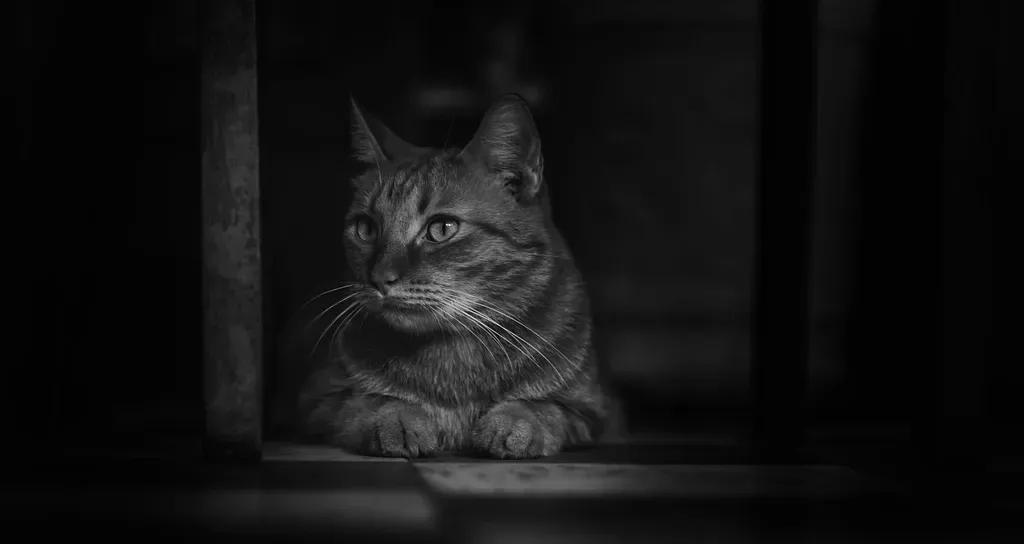
Your cat’s nightly patrol is not chaos. It’s not random or pointless. It is, at its core, one of the most honest expressions of who your cat really is – a territorial guardian, a sensory marvel, and a deeply bonded companion doing what millions of years of evolution have prepared them to do. Every lap of the hallway, every sniff of the doorway, every watchful pause at the window is your cat saying: this is my home, these are my people, and I’m making sure everything is safe.
Next time you’re woken up at two in the morning by the sound of soft paws on the floor, try not to be annoyed. You have your own private sentinel on duty. Honestly, that’s pretty remarkable. What does your cat do on their nightly rounds – have you ever stopped to really watch? Tell us in the comments.
Kristina is a young writer from India. An arts graduate and an avid content creator, Kristina is passionate about animals and wildlife. She enjoys exploring topics related to pet care, animal behavior, conservation, and nature, combining thorough research with engaging storytelling.