You’ve probably looked at your cat lounging on the couch, completely unbothered by the world, and thought, “What could that little creature possibly know that I don’t?” Honestly, the answer might surprise you. Cats are not the passive, indifferent observers people make them out to be. Beneath that half-closed, drowsy expression lies one of the most finely tuned sensory systems in the animal kingdom, one that has been sharpened over thousands of years of survival.
The wild ancestors of your beloved indoor cat had to hunt, hide, predict danger, and read their environment without the luxury of Wi-Fi, weather apps, or intuition coaches. All they had were their senses and their instincts. And here’s the thing: those instincts didn’t vanish when your cat moved onto a memory foam cat bed. They are still very much switched on, running quietly in the background, catching signals you never even noticed. Let’s dive in.
1. When Your Cat Sensed the Storm Before You Checked the Forecast
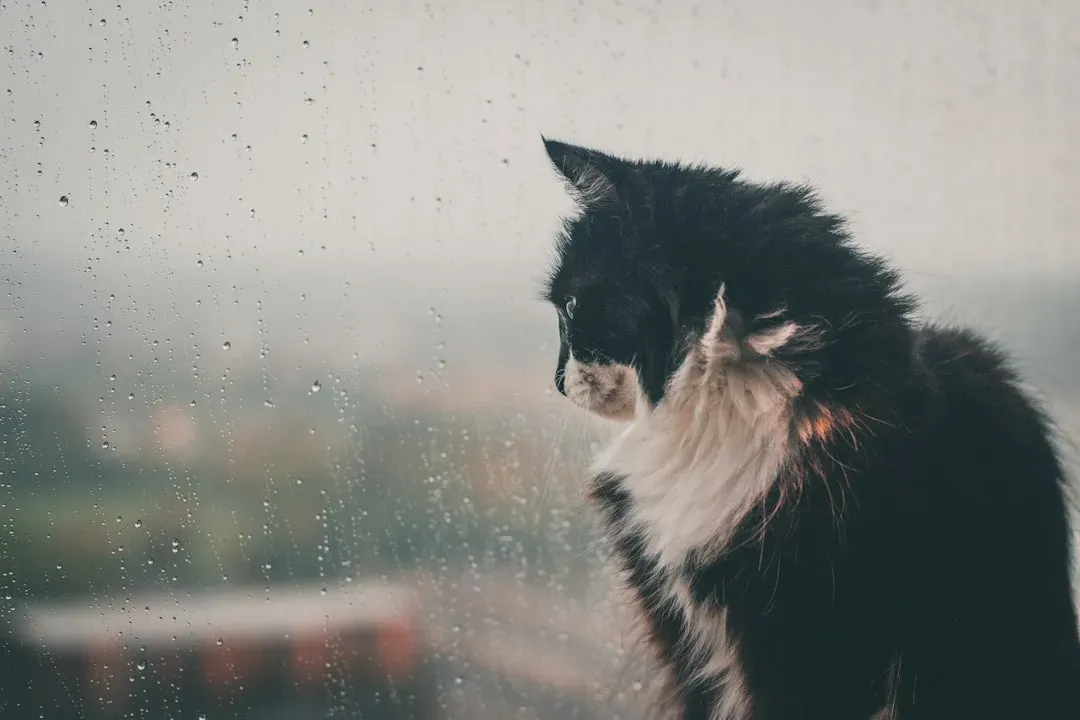
You’ve probably seen it before. Your cat suddenly becomes restless, starts pacing, or bolts under the bed with zero explanation on an otherwise calm afternoon. A few hours later? A thunderstorm rolls in out of nowhere. Your cat’s whiskers are extremely sensitive to not only touch but also changes in the environment, such as wind direction, and they can even detect small changes in air pressure and the atmosphere around them. That behavior you brushed off as weird? It was actually a live weather alert.
Cats are also extremely sensitive to changes in atmospheric pressure, which can fluctuate before certain weather events, including storms or hurricanes. These changes in air pressure are often imperceptible to humans but may be detectable to cats through their keen senses. Before a thunderstorm, cats might become restless or hide, a behavior that could be attributed to their ability to sense the shift in air pressure that precedes the storm. Next time your cat disappears under the sofa for no reason, maybe skip the weather app and just listen to them instead.
2. When Your Cat Heard the Intruder Before You Did
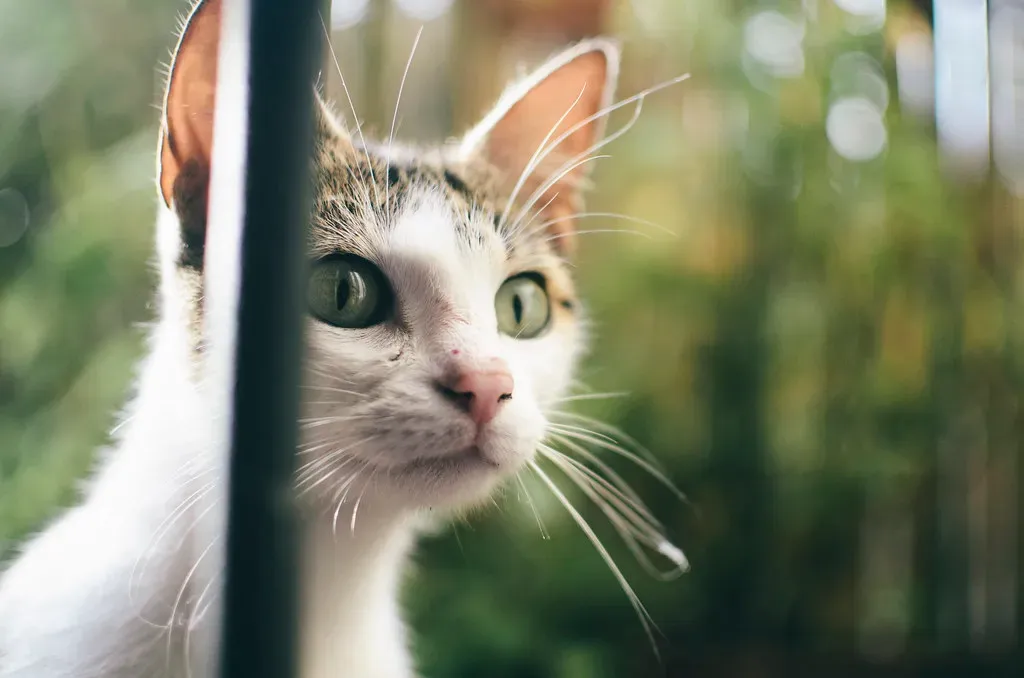
Let’s be real: if a stranger were lurking outside your home at midnight, your cat would absolutely know before you did. One of the most well-known abilities of cats is their heightened sense of hearing. Cats can hear frequencies ranging from 48 Hz to 85 kHz, much higher than the 20 Hz to 20 kHz range that humans can perceive, an ability that enables them to detect high-pitched sounds that are beyond our range of hearing. That’s not a small difference. That’s a completely different acoustic world.
Cats can hear, see, and smell much better than we humans can, which means they could potentially “sense” an intruder before you know that they’re there. So if your cat suddenly snaps to attention, swivels those radar-dish ears toward the front door, and stares like they’re watching a scene unfold, you should probably pay attention. They’re not imagining things. You’re just the last one to know.
3. When Your Cat Knew You Were Sick Before You Did
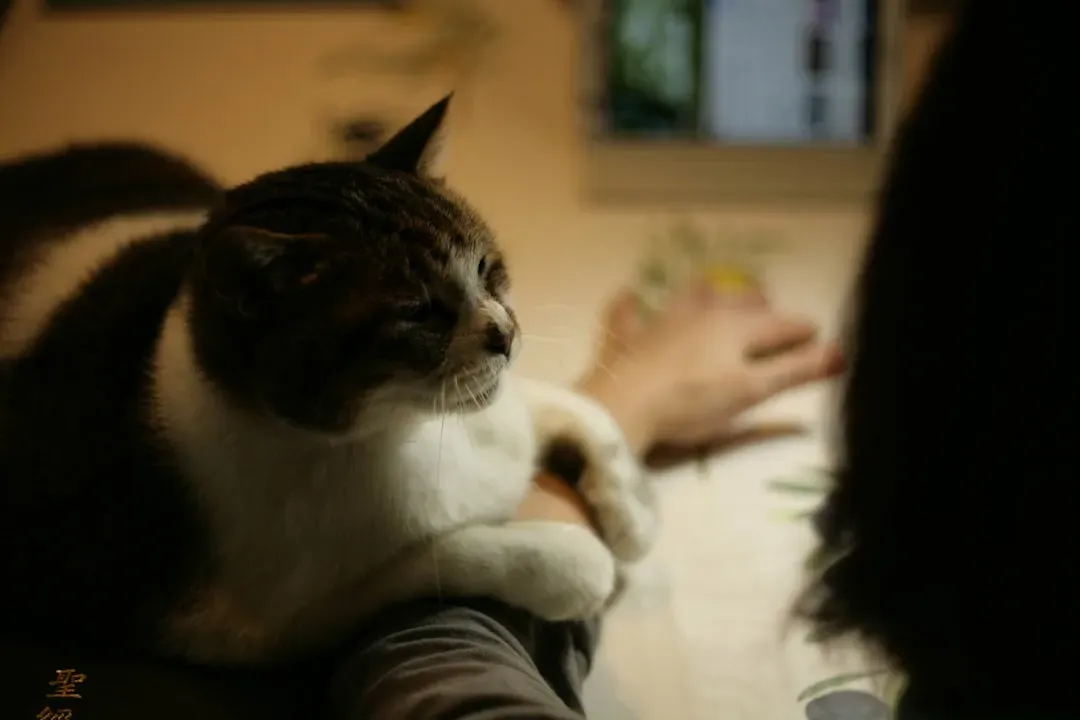
This one honestly gives me chills. There are numerous anecdotes of cats displaying intuitive behavior when their owners are unwell. Some cats seem to have an uncanny ability to detect illnesses or physical discomfort in their owners. It sounds like folklore, but the science behind it is surprisingly solid. Cats possess a remarkable number of olfactory receptors, allowing them to differentiate between a wide range of scents. Changes in volatile organic compounds associated with illness can be detected by these receptors, providing a scientific basis for cats’ ability to sense disease.
When people get ill and the decomposition of cells causes chemical changes in the body, it is well evidenced that cats can sense the hormonal changes using their olfactory pathway. Think of your cat as a walking biochemical detector. If they suddenly become clingy, plant themselves on a specific part of your body, or just follow you around more than usual, it might be worth paying attention to how you’re actually feeling. Your cat may already know the answer.
4. When Your Cat Read the Energy of a Stranger You Were Too Polite to Question
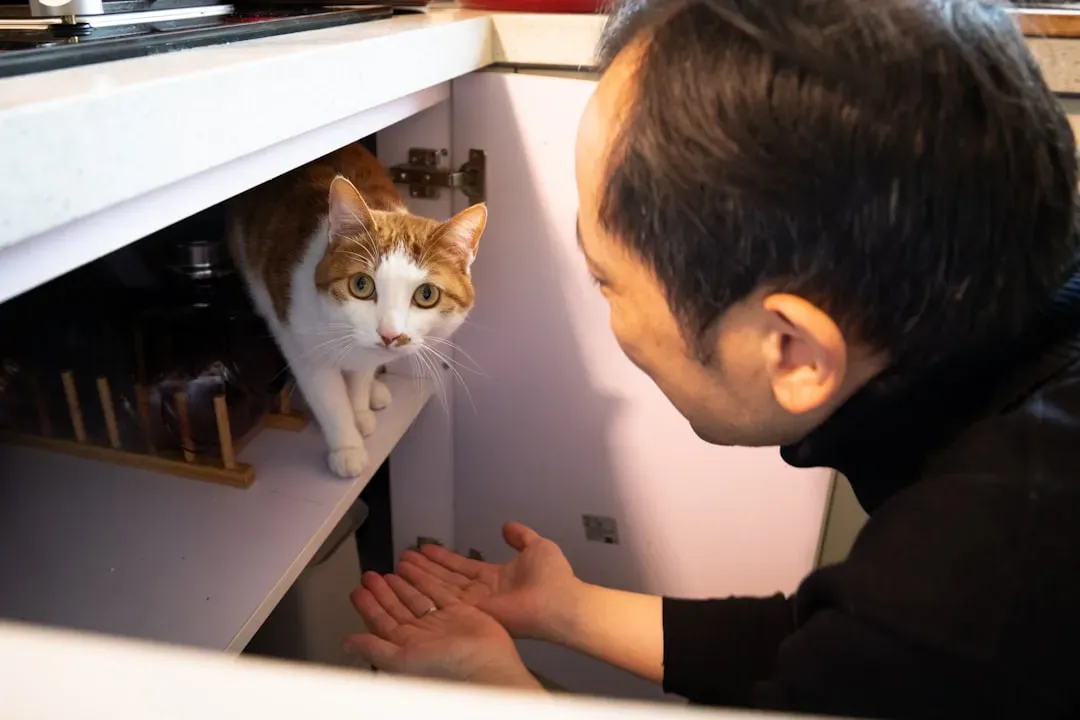
You’ve definitely had a guest over who made your cat disappear in under thirty seconds. Meanwhile, the same cat who hides from every new face walked straight up to one particular visitor and curled up beside them immediately. It’s not random. Cats also possess the ability to sense energy shifts in rooms and humans, including dangerous people and those who dislike cats or animals. Although cats don’t sense bad people per se, they feel people’s energy and judge their actions and behavior.
It’s natural for humans to sweat when stressed and nervous. A cat’s superior sense of smell and acute vision makes them more likely to detect a change in scent and the behavioral cues that indicate that you are afraid. Basically, your cat is running a background check using their nose, eyes, and an instinctive read of body language. The stranger who made your cat vanish? Maybe trust that instinct a little more next time.
5. When Your Cat Navigated in Total Darkness Like It Was Nothing
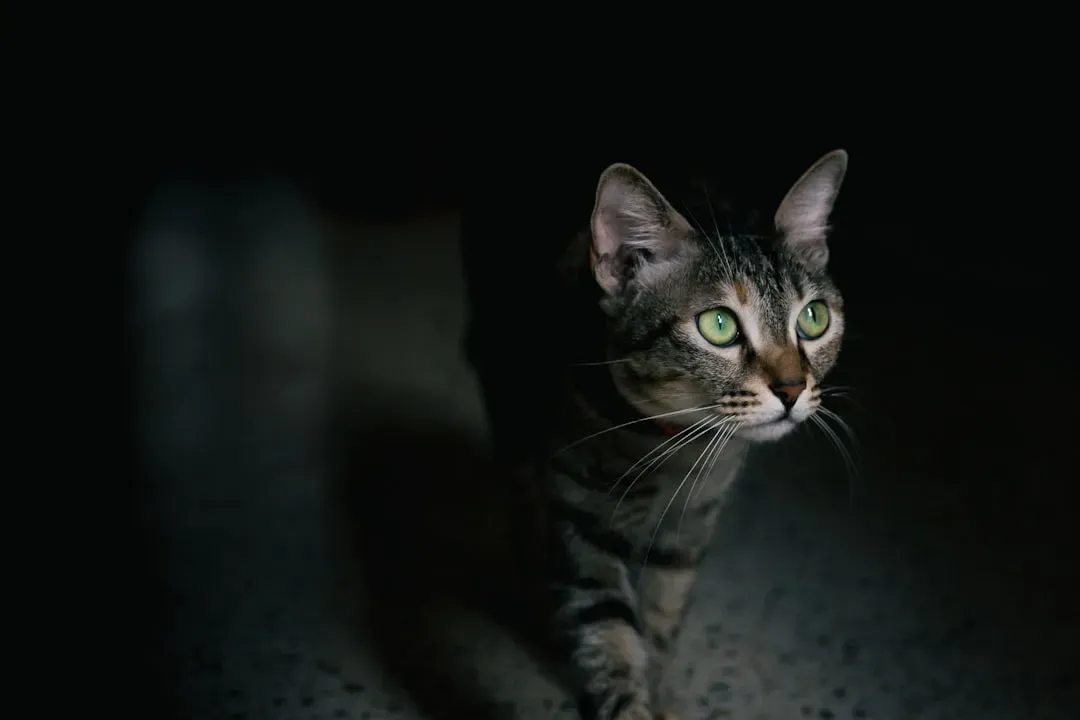
You stub your toe on the coffee table at 2 AM every single time. Your cat, meanwhile, glides through the pitch-black living room like they have a personal map of the universe. Cats have highly sophisticated night vision. They have a reflective layer called the tapetum lucidum behind the retina of the eye that allows them to see up to seven times better than humans at night. Seven times. That’s not a small edge. That’s a completely different league.
Cat whiskers can detect even the tiniest changes in air currents, which means cats can “feel” things before they even touch them. That’s part of what makes cats such graceful hunters, even in complete darkness. Between their superior night vision and their whiskers acting like a built-in sonar system, your cat is essentially running a full environmental scan every second of the night while you’re fumbling for a light switch. Remarkable, honestly.
6. When Your Cat Sensed a Natural Disaster Coming
I know it sounds dramatic. But there is real, documented evidence of animals reacting before major seismic or weather events in ways humans simply couldn’t. According to eyewitness accounts from the 2004 Indian Ocean tsunami, many animals, including cats, goats, cows, and birds, were seen moving inland shortly after the earthquake and before the waves reached the coast. That’s not coincidence. That’s instinct at work.
When it comes to natural disasters like earthquakes, it is believed that cats may be able to sense vibrations in the ground that humans cannot detect. Earthquakes generate seismic waves that travel through the Earth before the tremors are strong enough to be felt by humans. Cats may pick up on these subtle vibrations and react to them, often becoming agitated or seeking shelter in response to the impending shift in the earth. If your cat ever starts acting frantic with zero apparent reason, don’t dismiss it as a bad mood. It might be something worth paying attention to.
7. When Your Cat Detected Your Emotional State Before You Even Admitted It to Yourself
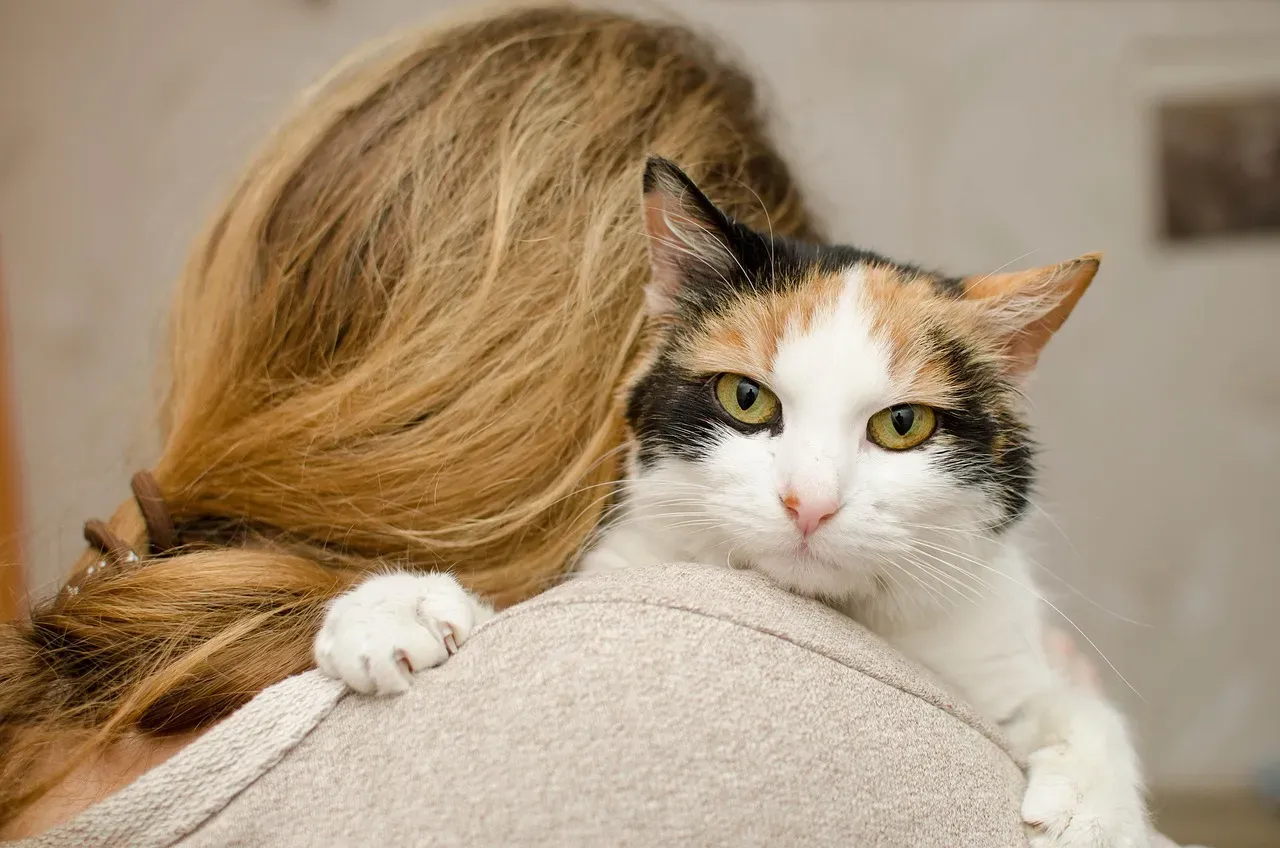
You’re sitting quietly. You think you’re fine. Your cat walks over, parks directly on your chest, and just stares at you. Sound familiar? A recent study shows cats can detect human emotions through scent, especially fear, suggesting our cat friends might understand us more than we realize. Your cat isn’t being randomly affectionate. They’re reading you like a very complicated book.
In a study published in 2020, it was shown that cats can integrate both visual and auditory signals to interpret human emotions, changing their behavior accordingly based on the emotions that they are detecting. So when you’re spiraling internally and haven’t said a single word, your cat has already picked up on your facial micro-expressions, your tone, and possibly even your scent. Cats can sense your mood. Your cats will spend large parts of their day analyzing you, reacting to your emotions, and changing their behavior according to how you feel at the moment.
8. When Your Cat’s Whiskers Acted as a Built-In Radar System
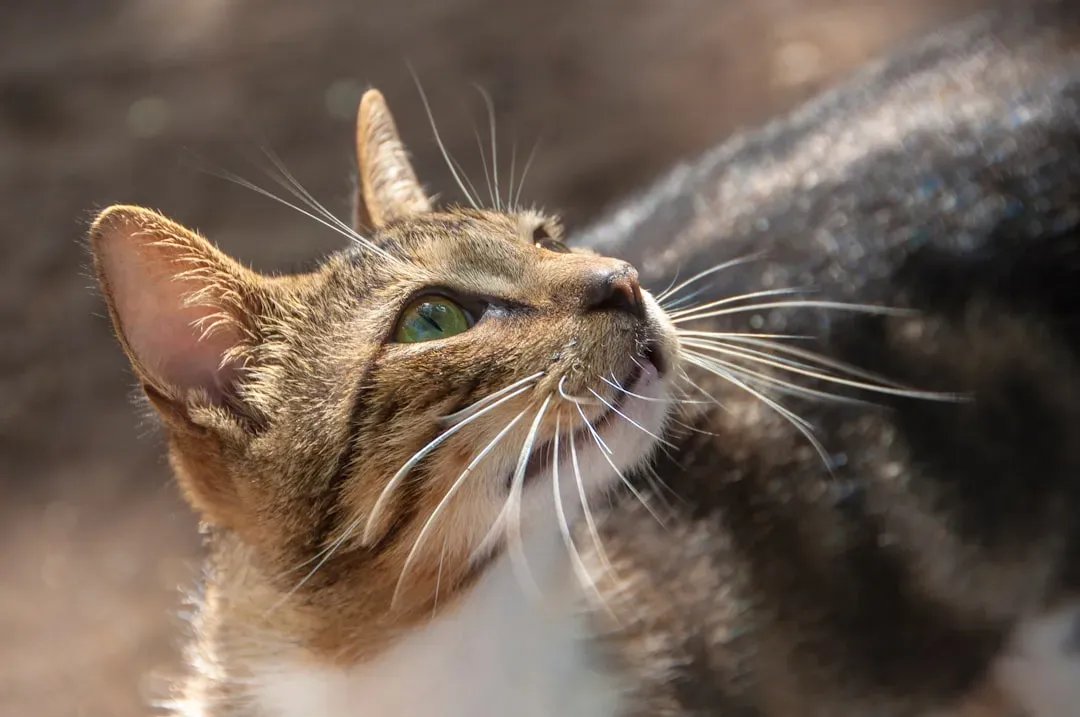
Whiskers are so much more than a cute face feature. The part of the brain that processes information from the whiskers allows the cat to create a three-dimensional map of its surroundings. The whiskers pick up tiny vibrations that are created in the environment, and the upper and lower rows of whiskers can move independently from each other for more accurate measurements. They help the cat pinpoint prey as well as navigate accurately in the dark. That’s an independent, real-time 3D mapping system built into their face.
Whiskers are so sensitive that a movement as small as 1/2000th the width of a human hair triggers a signal that is sent to the cat’s brain. For comparison, you can’t even feel a light breeze from across a room, but your cat’s whiskers are processing micro-vibrations in the air constantly. You can learn a lot about how your cat is feeling simply by watching their whiskers. When a cat is relaxed, their whiskers are loose and out to the side. If they’re alert or curious, the whiskers point forward. When they are scared or angry, the whiskers pull back tightly against the face.
9. When Your Cat Understood Physics Better Than You Expected
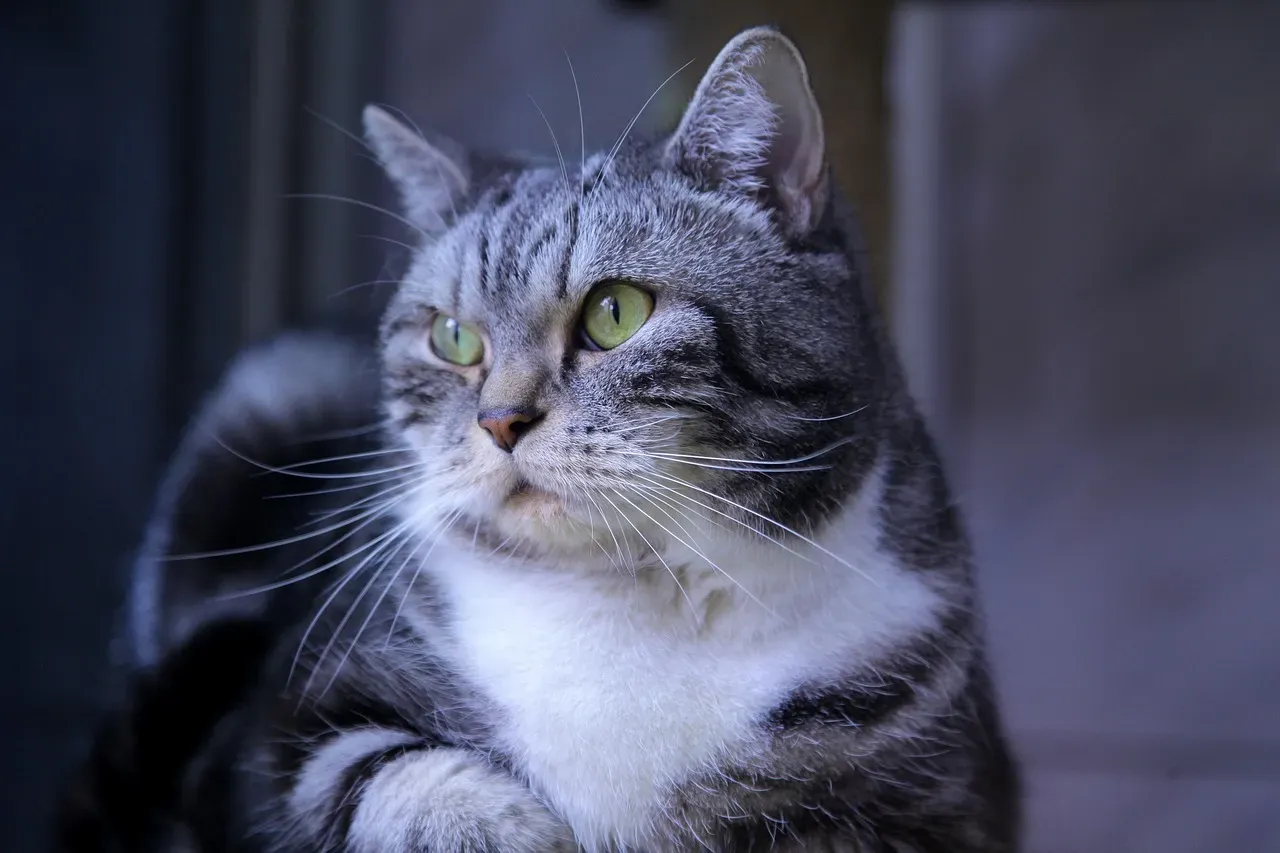
Here’s the thing that most people never talk about: your cat isn’t just reacting on gut feeling alone. They’re actually processing basic physics. Cats’ instincts are actually a combination of hearing and an understanding of the cause and effect of some elements of physics, according to a recent study conducted by researchers at Kyoto University in Japan. Let that sit for a moment.
The cats looked at containers that were shaken and produced a noise for longer periods of time, which suggests that they used a physical law to predict the existence of an object based on the rattling sound. The cats also gazed much longer at things that didn’t make sense, such as an object dropping despite having made no noise while being shaken. Basically, the cats realized when something should or should not happen based on the physical characteristics of the situation. The researchers concluded that cats use sounds to predict the presence of objects in their environment, even when they can’t see them. Your cat isn’t just winging it. They’re calculating.
10. When Your Cat Sensed Someone Was Approaching Long Before You Heard a Sound
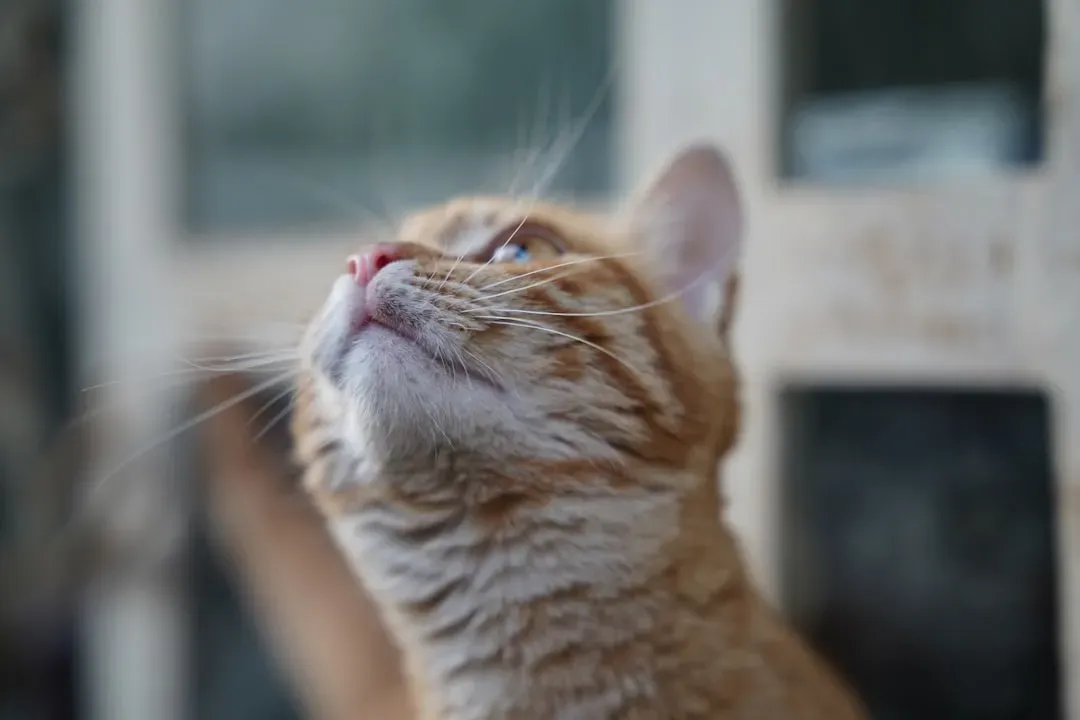
You’re deep in thought, headphones on, totally absorbed in whatever you’re doing. Your cat’s head snaps toward the door. You ignore it. Thirty seconds later, there’s a knock. It happens more than you’d think. A small rustle in the leaves on the ground might go unnoticed by humans, but your kitten will quickly perk up their ears and investigate further. A cat’s cone-shaped ears work like a feline satellite dish helping them hear a wide range of frequencies. In fact, they can hear more frequencies than most mammals, including us humans.
A cat’s ears can tell an observer what they are feeling, such as pain, fear, or when they sense danger. Cats have acute hearing, so when something scares them, their ears tend to pin to the side or back, and the further they are pinned, the more terrified the cat is. You can actually use your cat’s ears as a live early-warning system. Watch the direction they swivel toward, and you’ll know exactly what part of your environment they’re monitoring before you’ve even processed a single sound.
11. When Your Cat Detected Death Before the Doctors Did
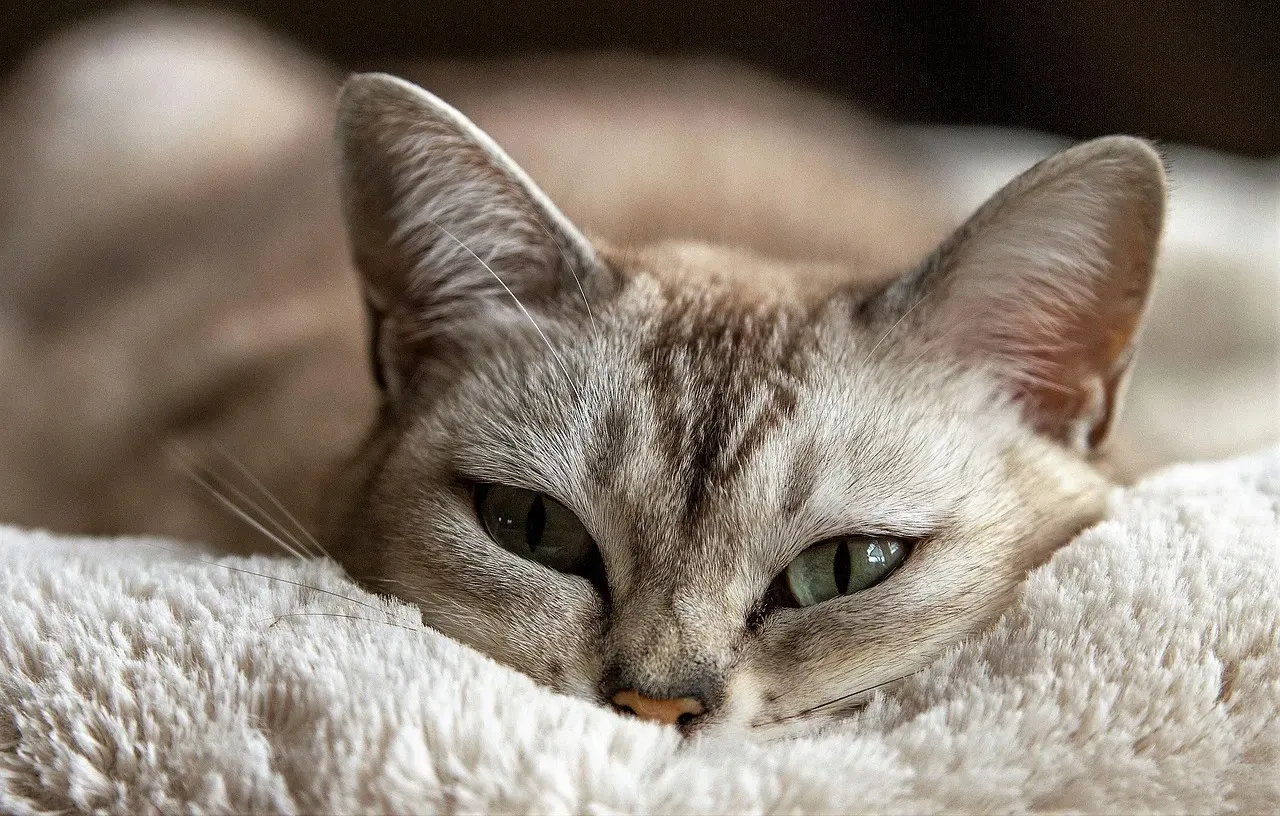
This is undeniably one of the most haunting and extraordinary aspects of feline instinct. There was a cat recorded in the New England Journal of Medicine by a doctor caring for terminally ill residents in a nursing home in Providence, Rhode Island. As well as having the important role of companion to the residents and caregivers, Oscar the cat started to seem to have a sixth sense for when someone was about to die. He would jump onto a resident’s bed and snuggle with them, and sure enough, they would mostly pass away soon after.
There is little known yet about how cats might be able to sense death, but it is hypothesized that cats may be able to use their incredible sense of smell to detect when people’s organs are shutting down. A dying person might also give off different pheromones which their cats might pick up with their heightened senses. Cats have been known to detect other illnesses with their sense of smell, so it is certainly plausible they can sense a chemical released just before humans die. Whatever is happening in that remarkable feline nose, it clearly goes far beyond anything we’ve yet been able to fully measure or explain.
12. When Your Cat’s Hunting Instincts Outclassed Your Own Situational Awareness
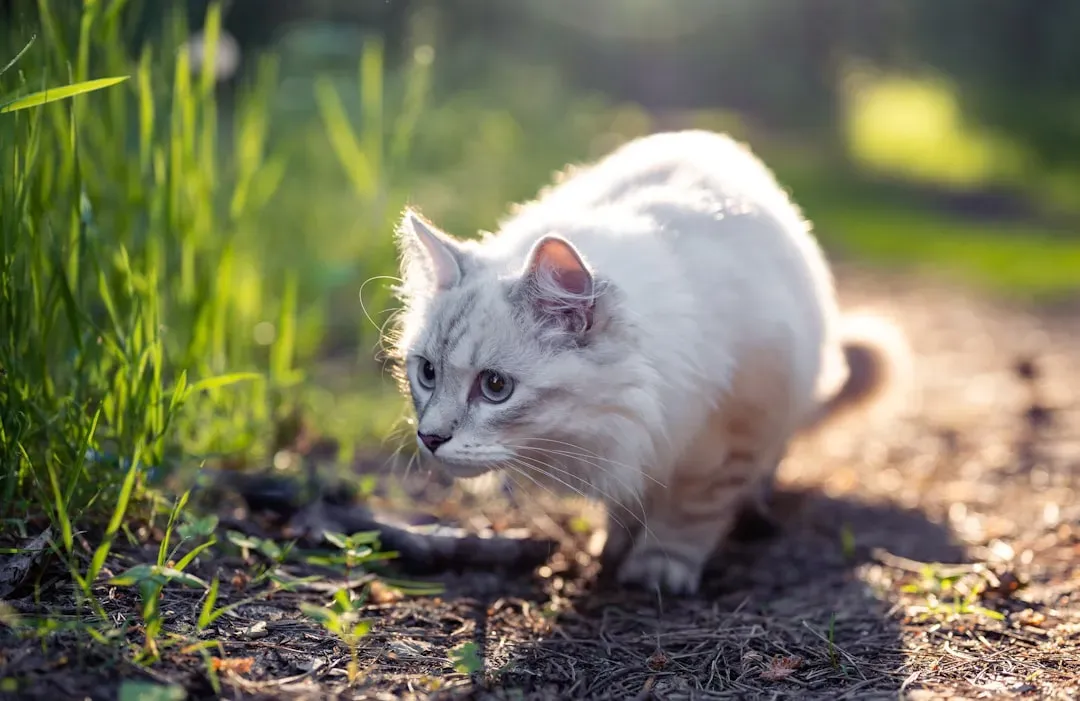
Even your laziest, most sofa-bound cat is running a fully operational hunter’s mind in the background. Although hunting is no longer required of the majority of cats, it remains a permanent part of their lives. Along with the urge to procreate and to defend their patch, the hunting instinct is one of the most distinctive behavioral patterns in cats. It doesn’t disappear with domestication. It just redirects itself.
Cats possess exceptional sensory perception, with a keen sense of sight, smell, and hearing. Their acute senses allow them to detect subtle changes in their environment and the behavior of those around them. For instance, cats can hear sounds in ultrasonic ranges that are inaudible to humans, giving them an advantage in detecting small prey or potential threats. Cats have an impressive field of peripheral vision that allows them to see at a wider angle compared to humans. This ability is crucial for detecting potential threats or prey that might approach from the sides, enhancing their alertness and survival instincts. Your cat isn’t just watching the wall. They’re tracking every micro-movement in the room, running calculations you’ll never even register.
Conclusion
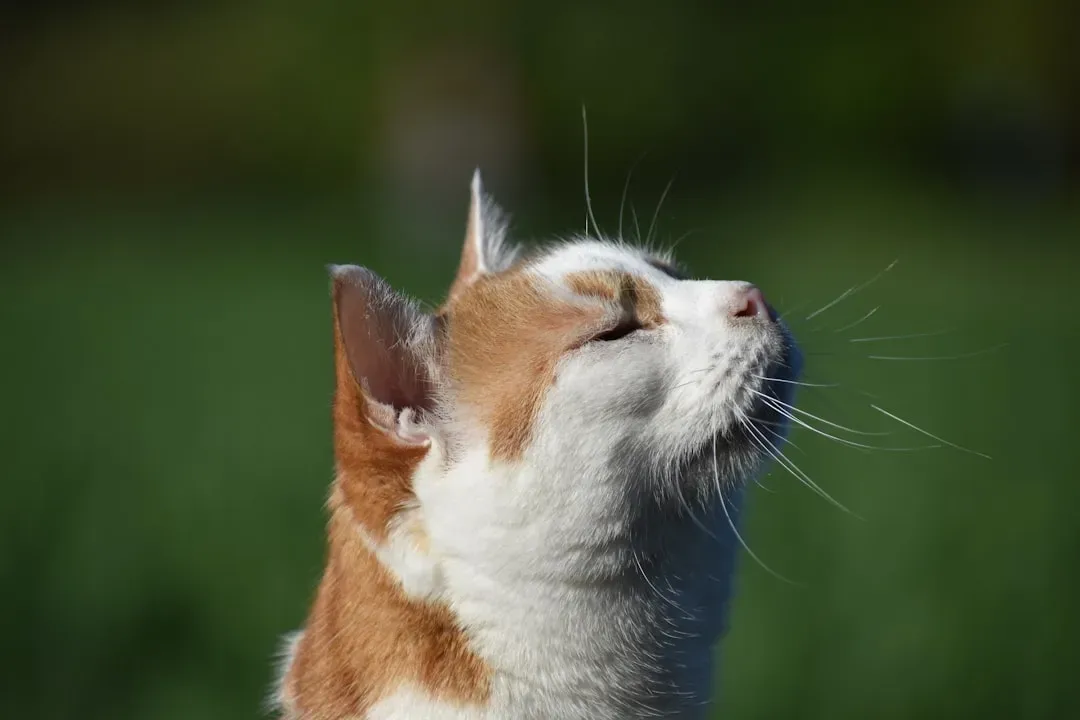
There’s a quiet kind of humbling in realizing that the creature sleeping curled up on your lap is, in many ways, operating with sensory capabilities that far outperform your own. Your cat isn’t aloof or mysterious for the sake of it. They are extraordinarily tuned-in to the world around them, picking up on signals ranging from pressure changes in the atmosphere to shifts in your emotional chemistry, things you couldn’t detect even on your very best day.
The good news? You don’t have to compete. You just have to start paying attention. Watch where your cat’s ears swivel. Notice when they become suddenly still and focused. Pay attention when they gravitate toward you during moments of stress. All of those behaviors are a window into a world of information your cat is already processing for both of you.
So next time your cat stares at the wall, hides for no apparent reason, or parks themselves on your chest and refuses to move, maybe ask yourself: what do they already know that you don’t? Chances are, quite a lot.
Kristina is a young writer from India. An arts graduate and an avid content creator, Kristina is passionate about animals and wildlife. She enjoys exploring topics related to pet care, animal behavior, conservation, and nature, combining thorough research with engaging storytelling.