There’s a funny paradox about cat ownership. You pour your heart into caring for this little creature, and sometimes it rewards you by turning its back on you and staring at the wall. Classic. Yet the truth is, cats are quietly, deeply emotional animals who absolutely do form strong bonds with their humans. They just do it on their own terms, in their own language, and if you’re not fluent in “cat,” you can easily miss the conversation entirely.
The good news? You don’t need to be a pet behaviorist to make your cat feel genuinely cherished. You don’t need fancy gadgets, expensive toys, or some elaborate bonding ritual at dawn. The things that matter most to your feline companion are surprisingly simple, and honestly, once you understand them, you’ll probably wonder why you ever stressed about it at all. Let’s dive in.
Master the Art of the Slow Blink
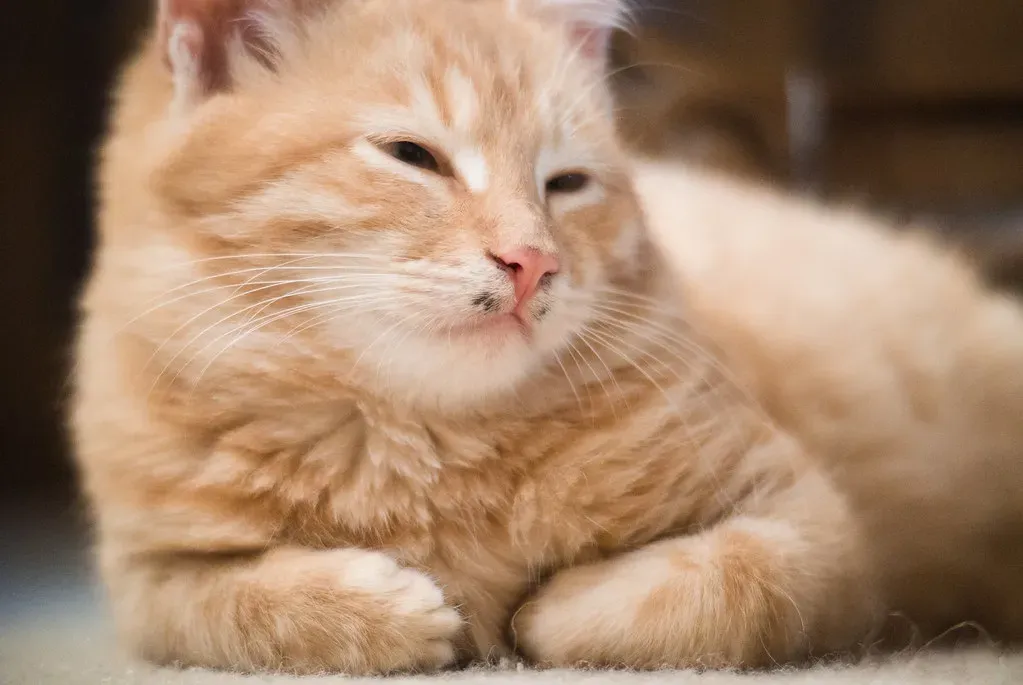
You might think expressing love to your cat requires words or dramatic gestures, but here’s the thing: your cat doesn’t care about any of that. What your cat does care about is eye contact and how you use it. Cats communicate trust and relaxation through a simple gaze – the slow blink, sometimes called “kitty kisses,” involves gazing at your cat and slowly closing your eyes halfway, then gradually opening them again. It sounds almost too simple to work, but it genuinely does.
When your cat slow blinks at you, it’s their way of saying “I trust you enough to close my eyes in your presence,” and returning the gesture lets them know you’ve acknowledged their sign of affection and feel the same. Think of it like exchanging a quiet nod with someone across a crowded room. It’s understated, but it means everything. Try it tonight before you go to sleep. You might just get a slow blink back.
Give Them Dedicated Daily Bonding Time
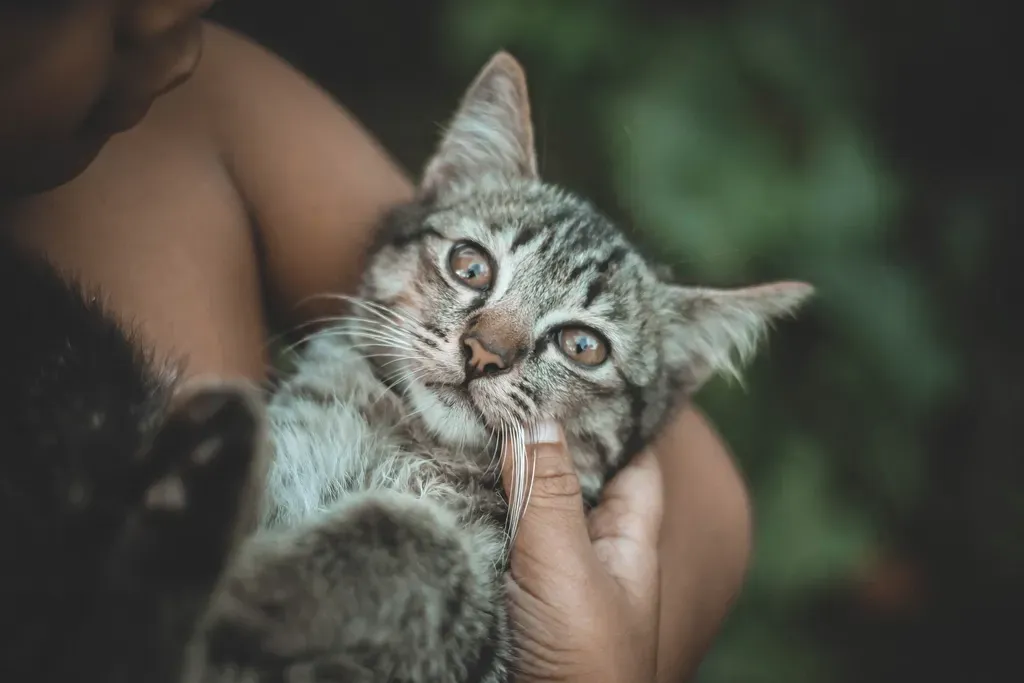
Life is busy. We all know that. But your cat notices when you’re mentally checked out even while sitting next to them, and they notice even more when you’re fully present. Scheduling daily bonding time with your cat is a wonderful way to nurture your relationship and create a sense of security and routine, because just like humans, cats thrive on consistency and knowing what to expect. It doesn’t have to be long. Even fifteen minutes of intentional connection makes a real difference.
Cats appreciate routines, and setting a consistent time each day for bonding helps your cat understand they can rely on this special connection – whether it’s first thing in the morning or right before bed, the predictability of this time will make your cat feel more secure and eager to engage with you. If you treat bonding time like a meeting you can’t skip, your cat will reward you for it in ways you’ll genuinely notice. More purring. More proximity. More trust.
Learn Where (and How) to Pet Them
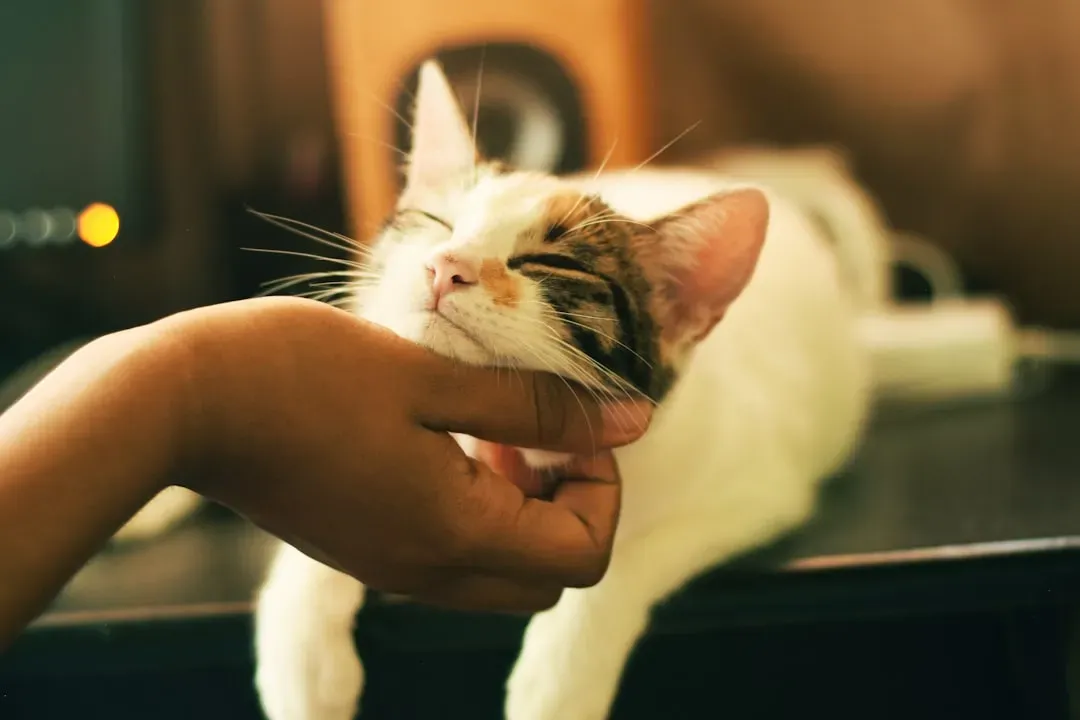
Here’s something most people get wrong: they assume cats either like being touched or don’t. Reality is far more nuanced. Depending on genetics and past experiences, your cat may be touch-averse, or they may simply be uncomfortable with how you’re touching them – the right approach for most cats is with an open hand and soft gentle strokes over the back, shoulders, neck, and top of the head, and never the paws, tail, or tummy until a cat signals it’s okay. It’s a bit like having a preference for a specific type of massage – what feels wonderful to one person is uncomfortable for another.
It’s important to pay attention to where your cat likes being petted and where she doesn’t – some cats love to be scratched under their chins and behind their ears, while most don’t like being petted on the belly or legs, although there are always exceptions. Watch your cat’s body language closely when you pet them. Notice when your cat leans into a pet and when she moves away, then focus on gently petting your cat in her favorite spots. Once you crack that code, every petting session becomes something your cat actively looks forward to.
Play With Them Like You Mean It
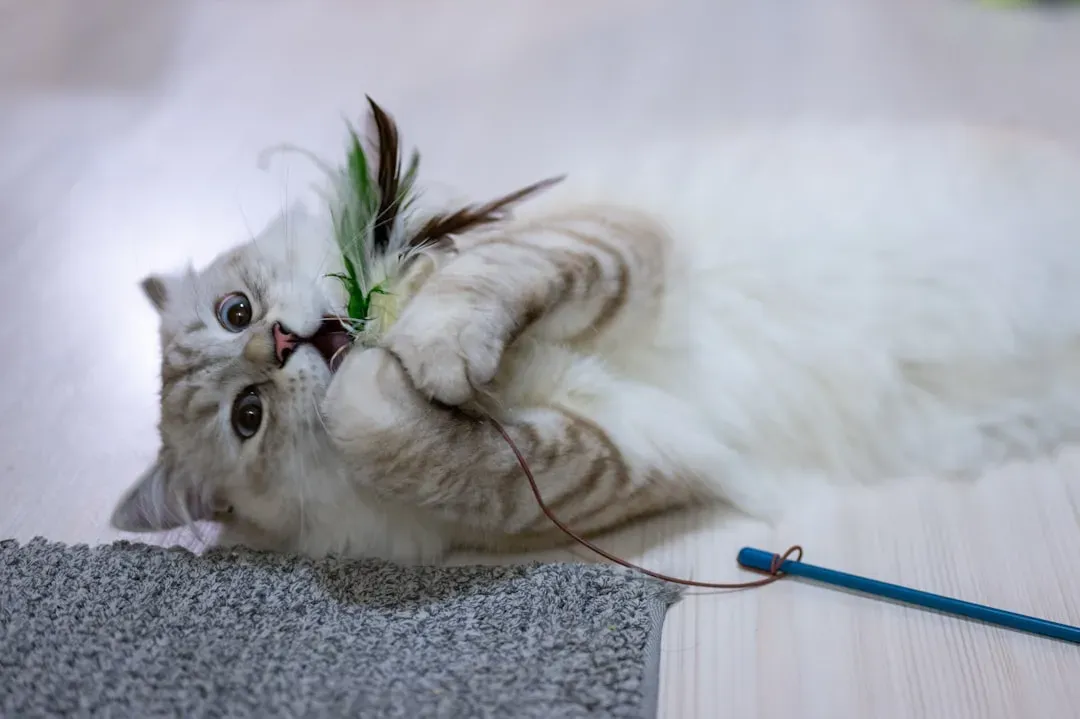
Honestly, interactive play might be the single most underrated thing you can do for your cat. People often leave a pile of toys on the floor and wonder why their cat seems bored. It’s because your cat isn’t just looking for toys. They’re looking for a hunting partner. Playing with your cat is one of the most effective ways to strengthen your bond and deepen your connection, because regular interactive play not only provides physical exercise and mental stimulation but also helps cats satisfy their natural hunting instinct.
Playing with your cat causes their brain to release feel-good hormones called endorphins and helps them burn off excess energy, and just ten minutes of play a day is enough to keep them happy, healthy, and your best friend. Ten minutes. That’s less time than it takes to scroll through your social media feed in the morning. Rotating the cat toys so your cat doesn’t get bored is key, as is spending some time working out what their favorite type of play is, because there’s little use trying to get them interested in a wand toy when they really want a mouse on a string – it may take some trial and error, but most cats will find toys that suit them.
Groom Them Gently and Regularly
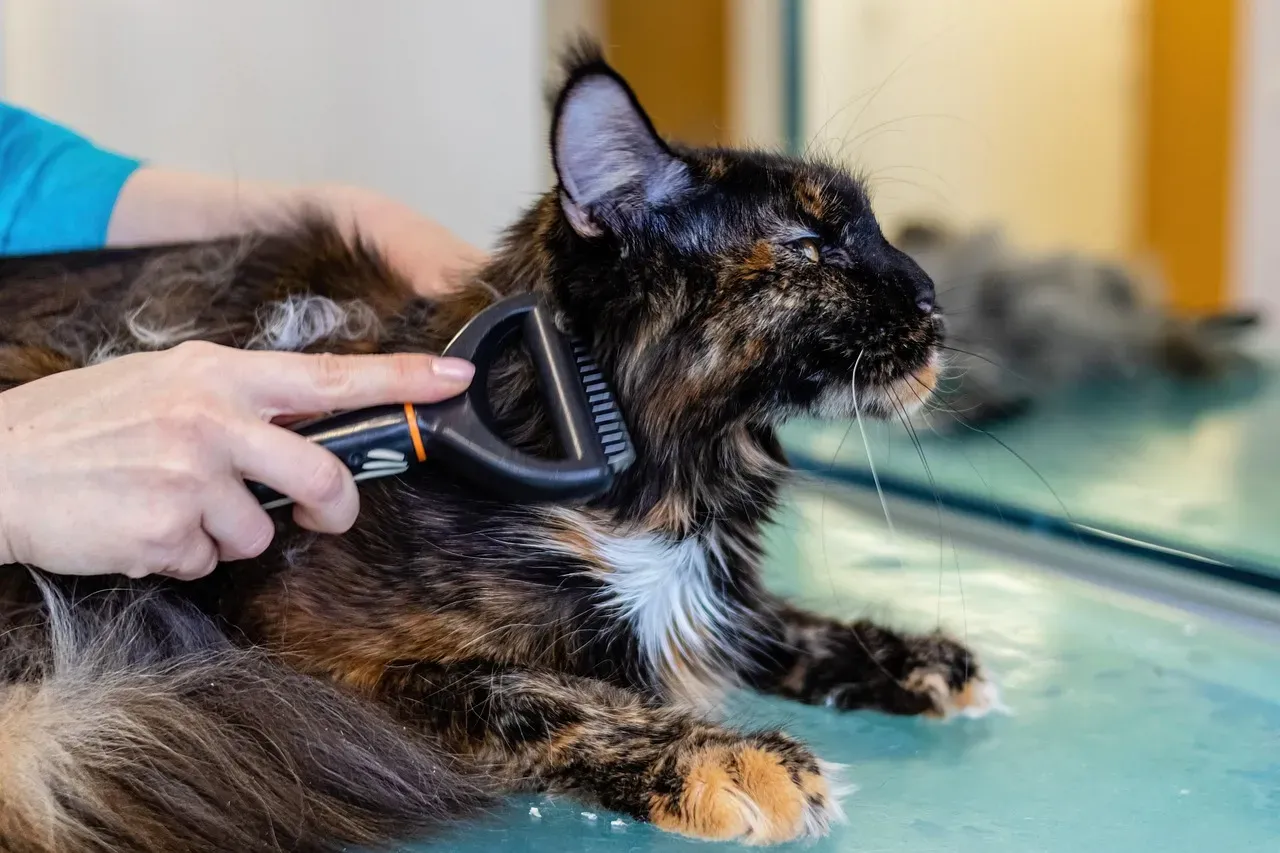
Grooming is one of the most intimate acts in the feline world, and bringing that into your relationship with your cat is a powerful way to deepen your bond. Many cats enjoy the feeling of being brushed, and while cats are often good at performing their own coat maintenance, feral cats who are bonded to each other often allogroom, licking and grooming each other – often purring as they do so. When you pick up a soft brush for your cat, you’re essentially speaking their most intimate social language.
Cats are incredibly hygienic animals that enjoy their grooming, and whether that involves being combed or brushed, grooming sessions are some of the most intense bonding experiences for cats – never underestimate the power of the comb. Start slow if your cat isn’t used to it. A few gentle strokes in a spot they enjoy, then build from there. While grooming is the love language of some cats, others aren’t as keen – forcing it can create stress and negative associations, so when that’s the case, focus on activities you know your cat enjoys and leave the brushing for routine wellness grooming. Read the room, always.
Create a Cat-Friendly Environment They Can Call Their Own
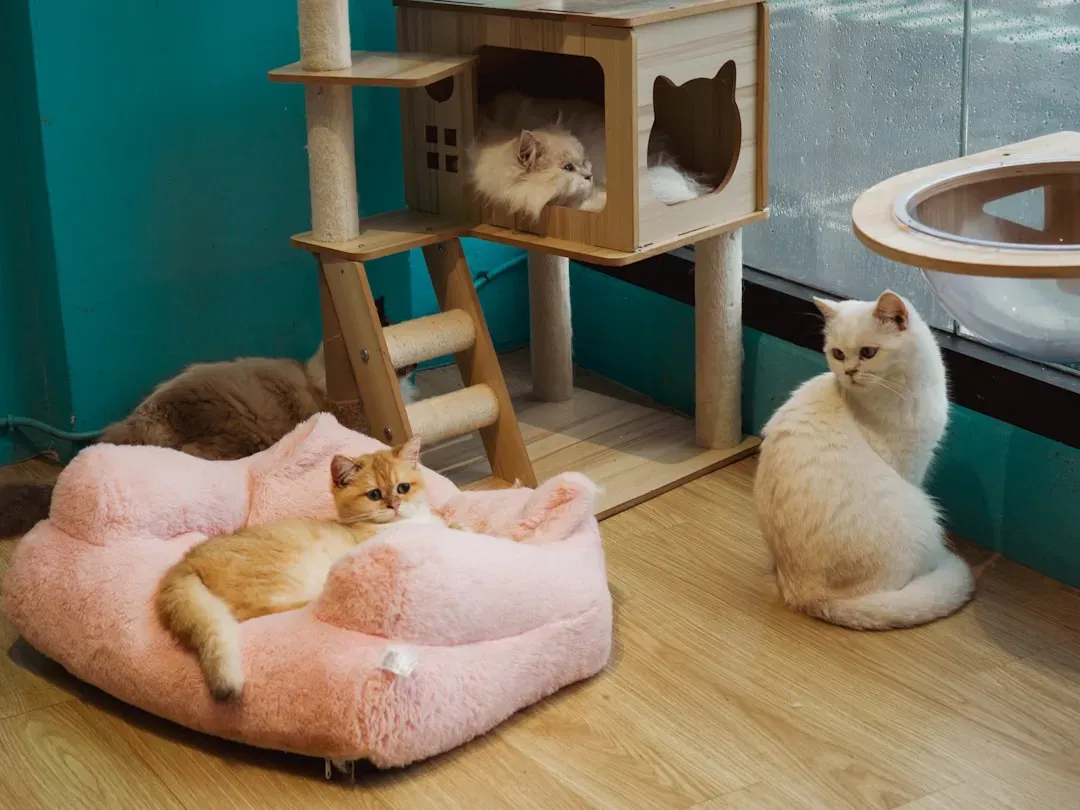
Your home is your cat’s whole universe. Think about that for a moment. They can’t pop out for a walk when they’re bored or overwhelmed. Every part of their emotional experience happens within the walls of your house, which means the environment you create for them carries enormous weight. Enriching your cat’s environment can help them feel more bonded to you, and in addition to indoor enrichment, this can involve taking your cat outside on a leash or letting them out in a safe enclosure.
One sure way to get your cat to love you is to make your home a cool cat pad where they’ll want to hang out – cat behaviourist Jackson Galaxy calls this “catification,” and it can include multi-tiered cat activity trees for climbing, scratching posts, toys, and cozy hideaway spots. You don’t need to spend a fortune to do this well. Making sure they have easy access to key resources including adequately sized litter trays, food, and water will help them feel at home, and the key point is to create interest while giving your cat small spaces to hide, feel safe, and remain independent. A cat who feels at home in their space is a cat who feels loved.
Respect Their Boundaries and Let Them Come to You
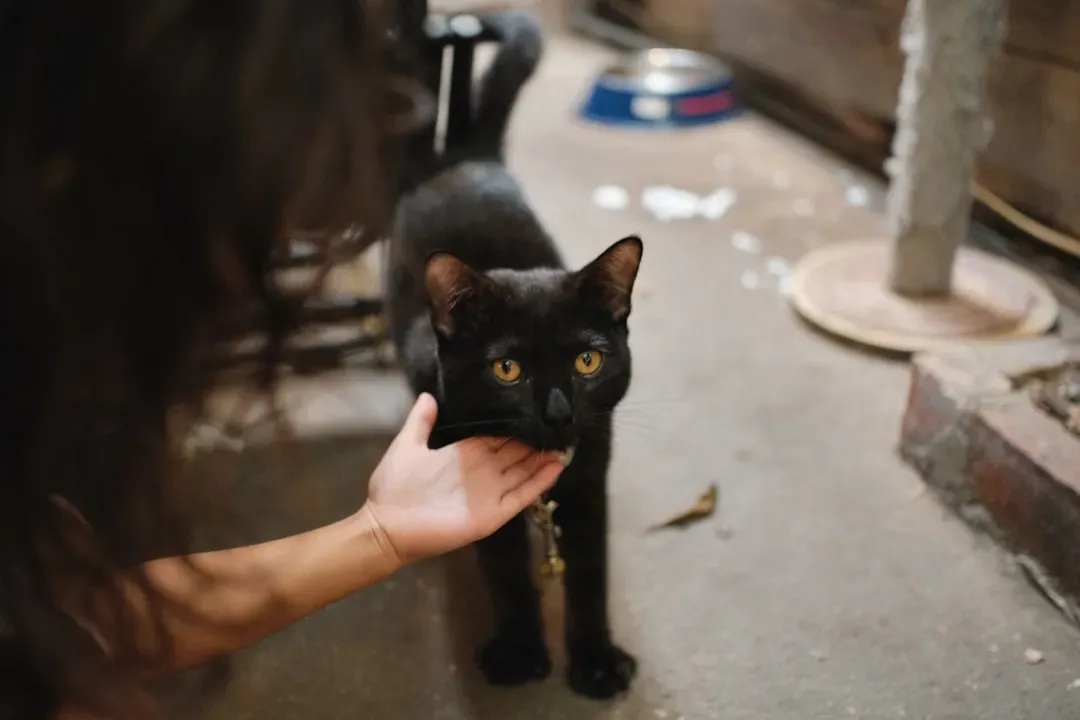
This one trips a lot of people up, especially those who grew up with dogs. Cats are not small dogs. They operate with a completely different social rulebook, and the fastest way to push a cat away is to chase affection that isn’t freely given. Cats need to feel safe and unconstrained, and the best approach is to allow your cat to give and receive affection on their own terms. I know it sounds counterintuitive, but the moment you stop chasing your cat, they often start seeking you out.
Cats are really good at nonverbal communication, and things like slow blinks, purring, headbutts, and relaxed posture indicate they’re open to affection, while a thumping tail, flattened ears, dilated pupils, and backing away are clear “stop” signals – respecting these boundaries builds trust and helps them feel safe at home. The more you honor their “no,” the more enthusiastically they’ll offer their “yes.” By consistently being the provider of positive experiences through food, treats, play, grooming, and more, you create an environment where your cat feels safe, valued, and loved, and over time these positive associations help to strengthen your relationship and deepen the trust between you.
Conclusion
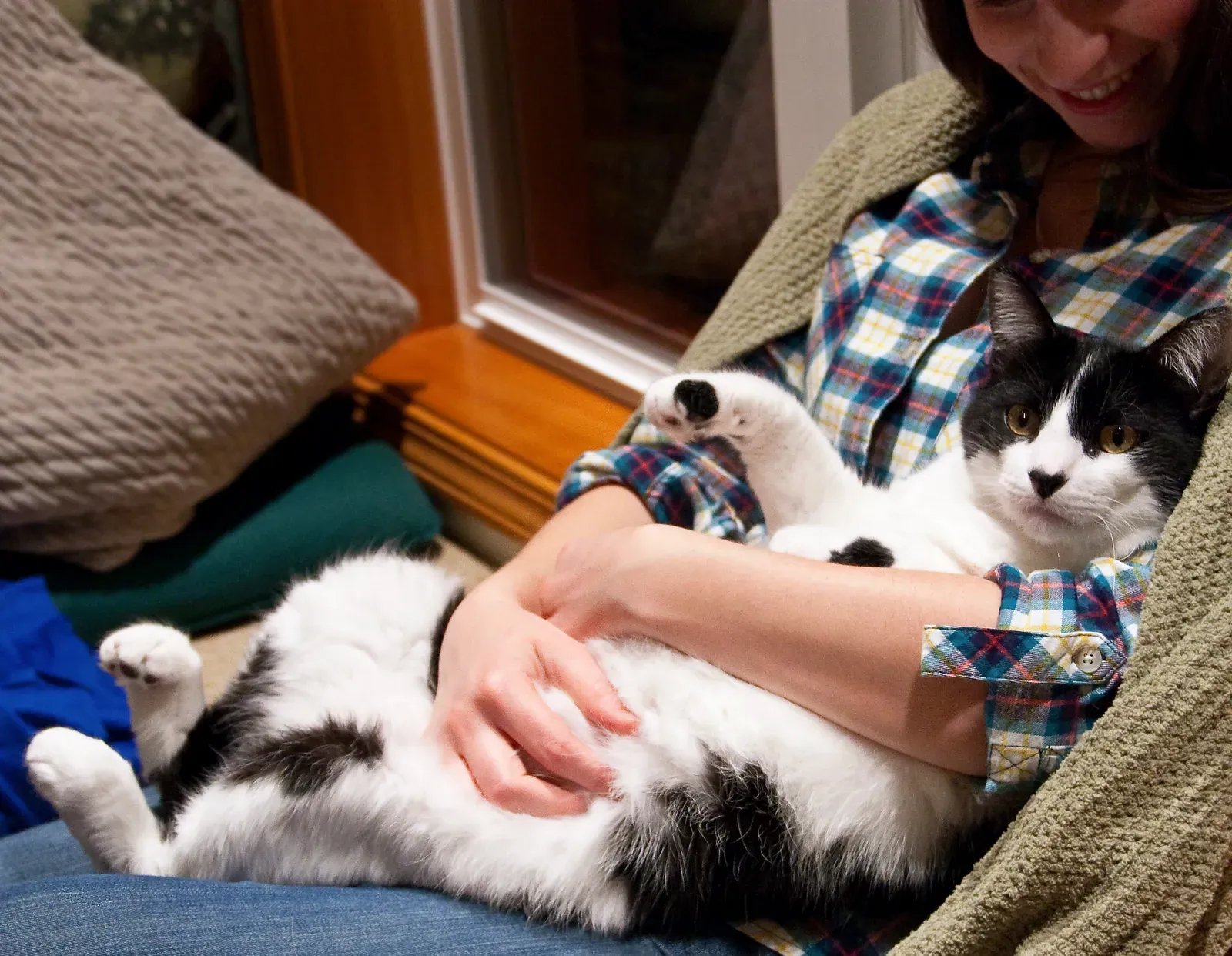
Making your cat feel utterly adored doesn’t require a complex strategy or a hefty budget. It requires presence, patience, and a willingness to learn their language rather than expecting them to learn yours. Slow blinks, gentle brushing, meaningful play, a safe and stimulating environment, and above all, the grace to let your cat lead the dance – these are the foundations of a bond that runs deeper than most people realize.
Cats have a reputation for being aloof and indifferent, but any cat person knows the truth: when a cat chooses you, really chooses you, it’s one of the most quietly profound connections you’ll ever experience. You just have to meet them where they are. So start small, stay consistent, and watch your relationship with your feline companion transform in ways you didn’t expect.
What would your cat say if they could tell you exactly what makes them feel most loved? Something tells me it’s simpler than you think.
Kristina is a young writer from India. An arts graduate and an avid content creator, Kristina is passionate about animals and wildlife. She enjoys exploring topics related to pet care, animal behavior, conservation, and nature, combining thorough research with engaging storytelling.