Picture this: your cat suddenly zooms from one end of the house to the other, eyes wild, tail fluffed, for no apparent reason. You rub your eyes, wondering if they’ve lost their mind. Yet, beneath that chaos lies a precise internal timetable shaped by thousands of years of evolution.
These furry enigmas aren’t acting out on whims. They’re slaves to a crepuscular rhythm that dictates when they pounce, nap, and prowl. Stick around as we decode your cat’s day, hour by hour – you might just sync up better and enjoy fewer midnight sprints.
The Crepuscular Core: Dawn and Dusk Rule Their World
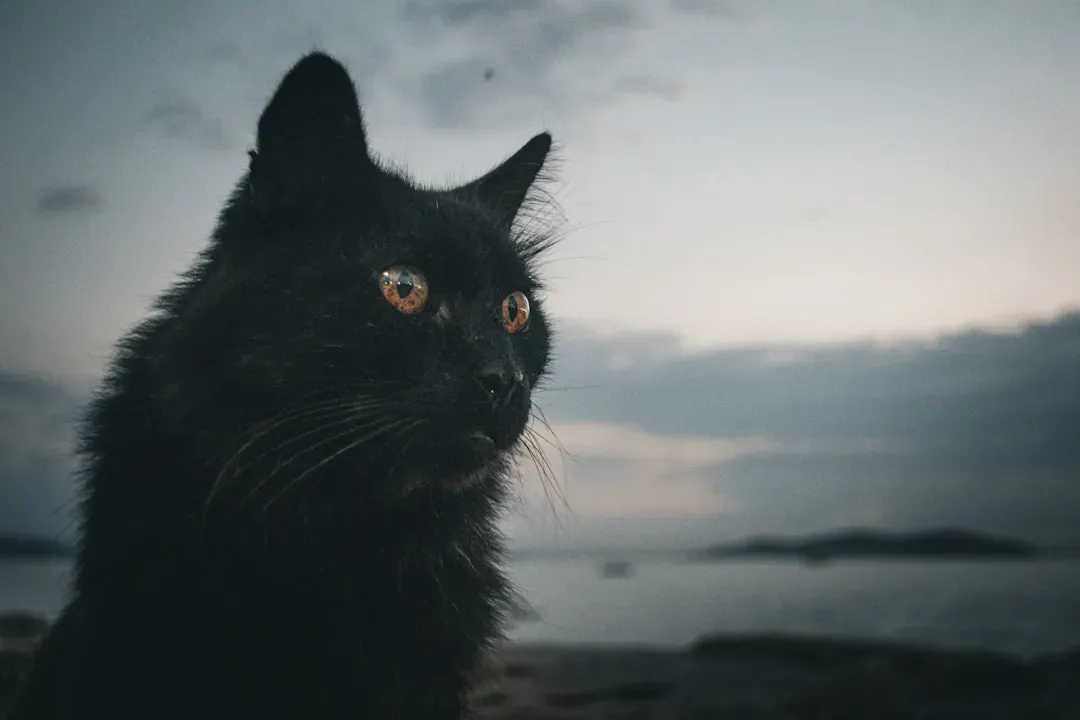
You’ll notice your cat stirring just before sunrise, ears perked, ready for action. That’s their crepuscular nature kicking in – most active at twilight hours when wild prey like rodents scurry about. This isn’t laziness during the day; it’s strategic energy conservation.
Come evening, expect the same burst as the sun dips low. Your living room turns into a savanna as they stalk shadows. Understanding this helps you schedule playtime to match, dodging those frustrated wake-up calls.
Sleep Marathons: Why They Nap 16 Hours a Day
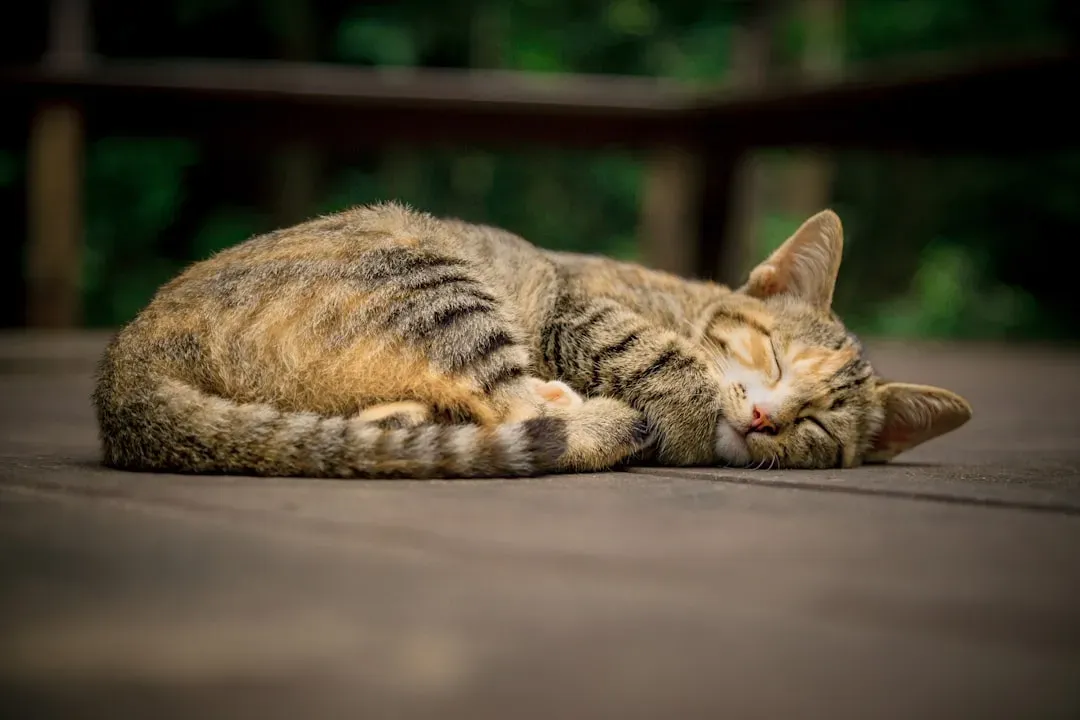
Your cat curls up for what feels like eternity, but those 12 to 18 hours of shut-eye come in short bursts, not one long coma. Polyphasic sleep lets them recharge quickly between hunts. Kittens and seniors push it even higher, sometimes topping 20 hours.
Don’t mistake deep snores for laziness; they’re conserving energy for crepuscular peaks. You’ll find them in sunny spots or your bed, twitching in dreams of chasing mice. Disrupt this, and zoomies ensue – pure overflow energy.
The Eternal Cycle: Hunt, Eat, Groom, Repeat
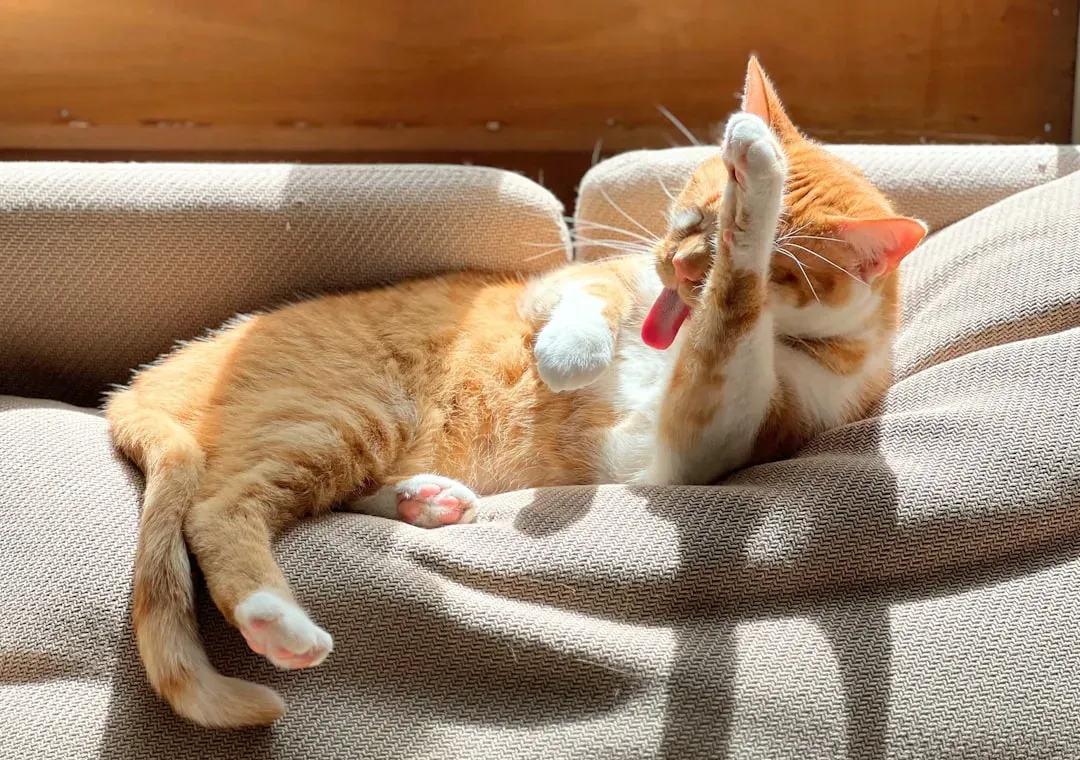
Every day revolves around this primal loop you can observe right at home. First, intense play mimics hunting, sharpening claws on your couch. Then, they devour kibble like a fresh kill, followed by meticulous grooming sessions.
Sleep seals the deal, resetting for the next round. You’ll see this pattern multiple times daily, especially around meals. Feed on schedule, and you tap into their instincts, reducing begging or boredom.
Dawn Patrol: Your Morning Wake-Up Ritual
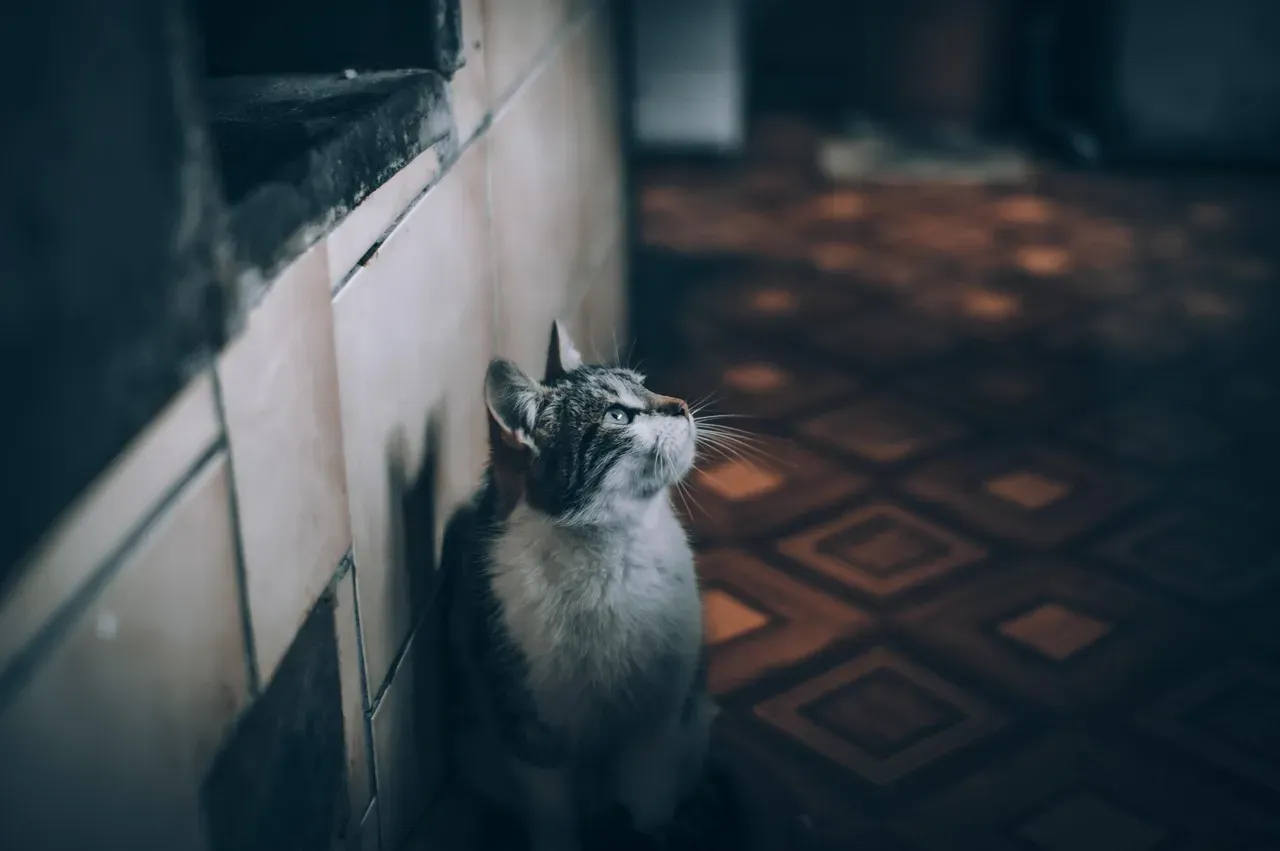
As light creeps in around 5 or 6 AM, your cat patrollers the house, meowing for breakfast. This dawn activity stems from ancestral hunts when birds stirred. Ignore it, and persistence ramps up – paws on your face included.
Channel that energy with a quick feather toy session before food. You’ll tire them out, buying precious extra sleep. It’s frustrating at first, but syncing prevents resentment on both sides.
Midday Lull: The Power Nap Phase
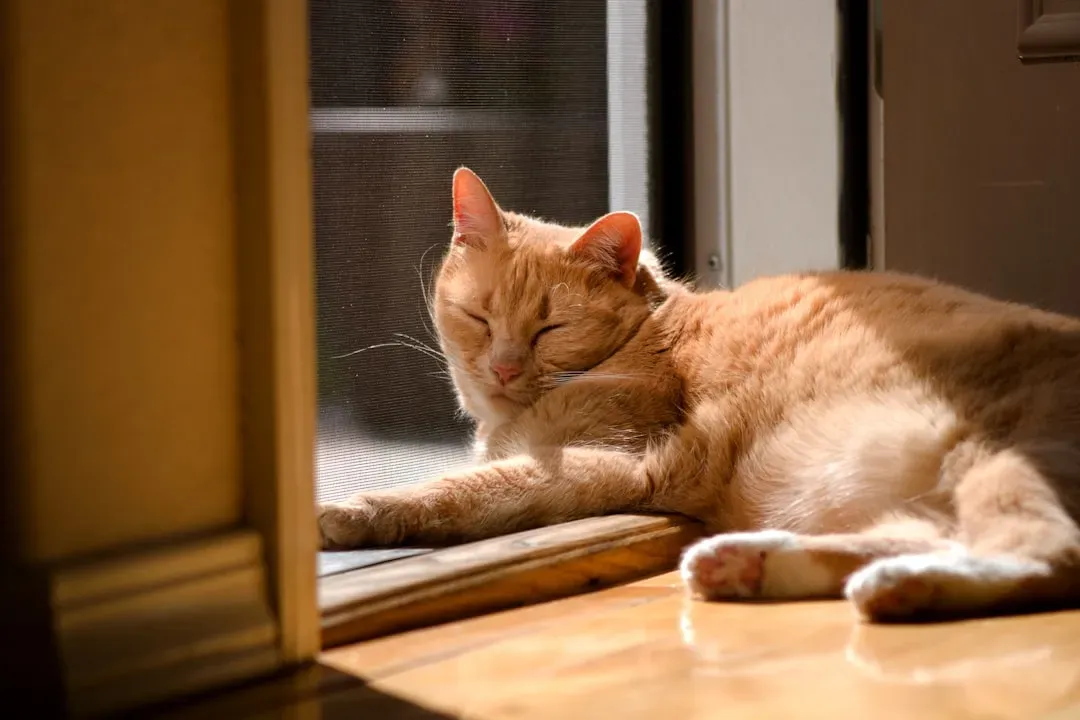
Post-breakfast, your cat flops into a sunbeam for hours of dozing. This midday slump aligns with low prey activity, saving stamina for later. You might think they’re bored; nope, just wired that way.
Light vigilance persists – they crack an eye at noises. Provide quiet spots away from your hustle. Respect this recharge, and evenings stay calmer.
Afternoon Stirrings: Subtle Prep for Prime Time
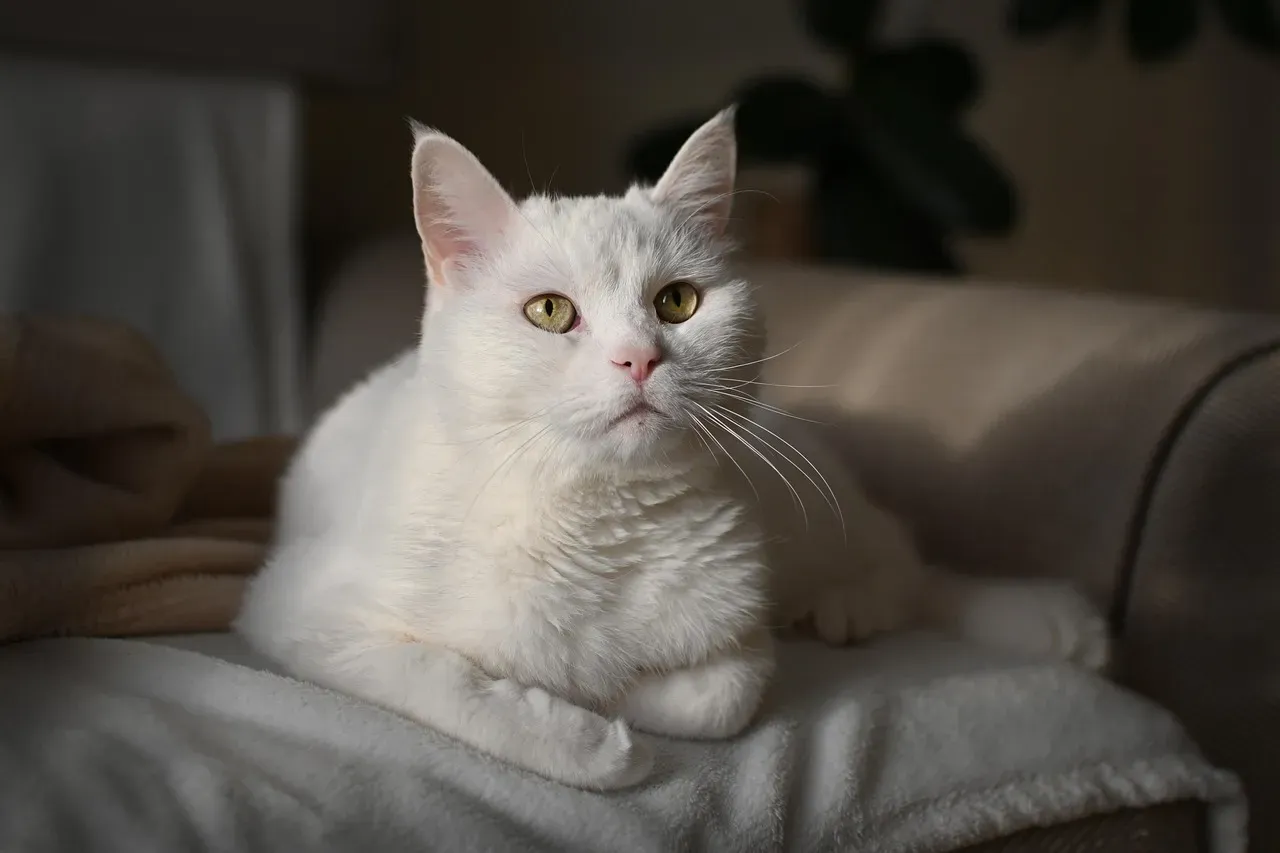
Around 2 to 5 PM, subtle shifts happen as they groom or watch windows. Energy builds toward dusk without full frenzy yet. Your cat’s scanning for cues, like your return home.
Offer a puzzle feeder here to simulate foraging. It keeps them engaged without overstimulating. You’ll notice sharper focus, less random mischief.
Evening Frenzy: Zoomies and Play Peaks
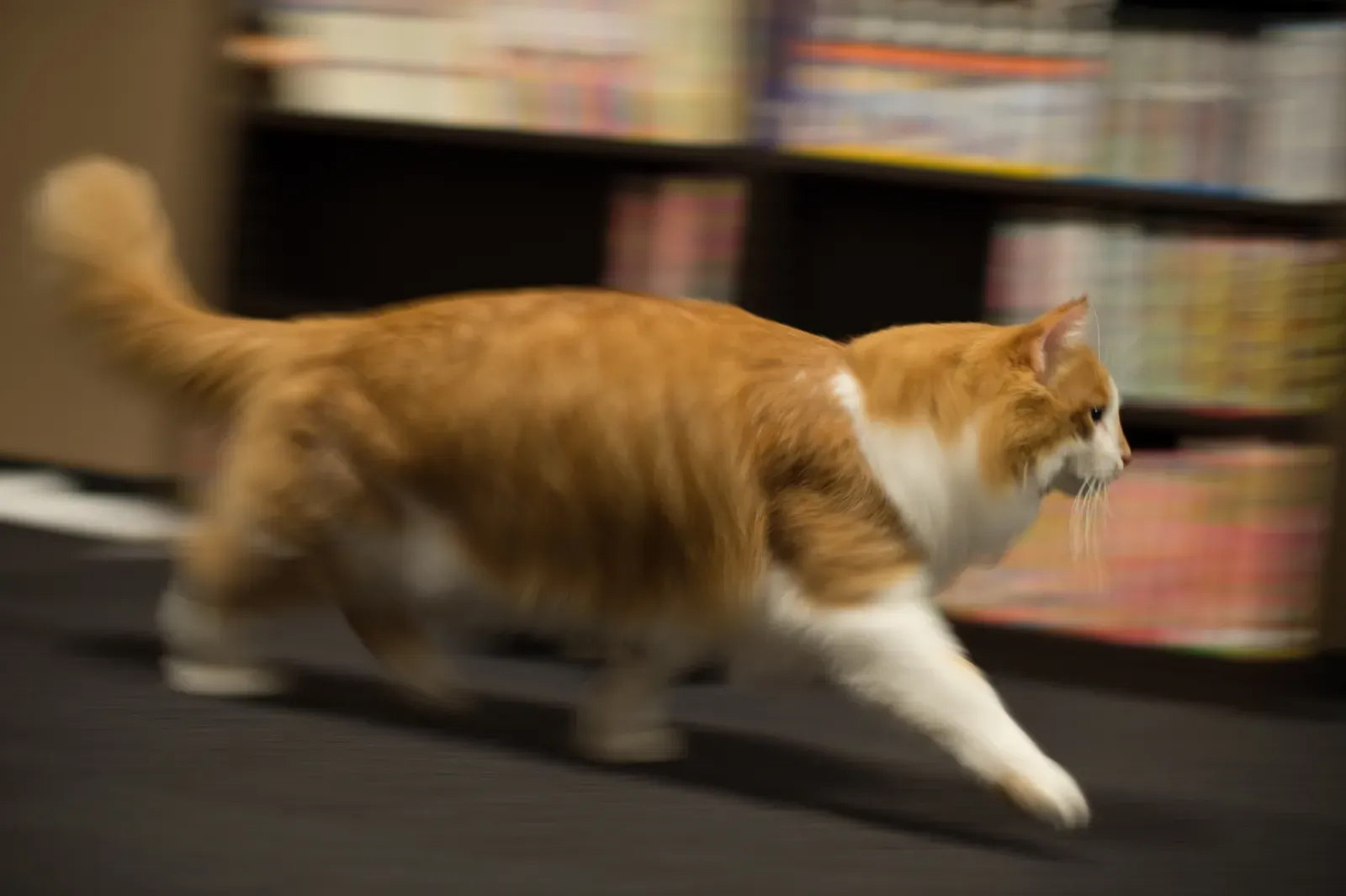
Sunset unleashes the full show – racing, leaping, those infamous FRAPs or zoomies. Excess sleep energy explodes in bursts, mimicking pack hunts. Your calm dinner turns chaotic; classic crepuscular surge.
Laser pointers or wand toys match this perfectly. Play till they’re panting, then feed. Honest, this ritual cuts nighttime antics dramatically.
Nighttime Nuances: Not Quite Bedtime
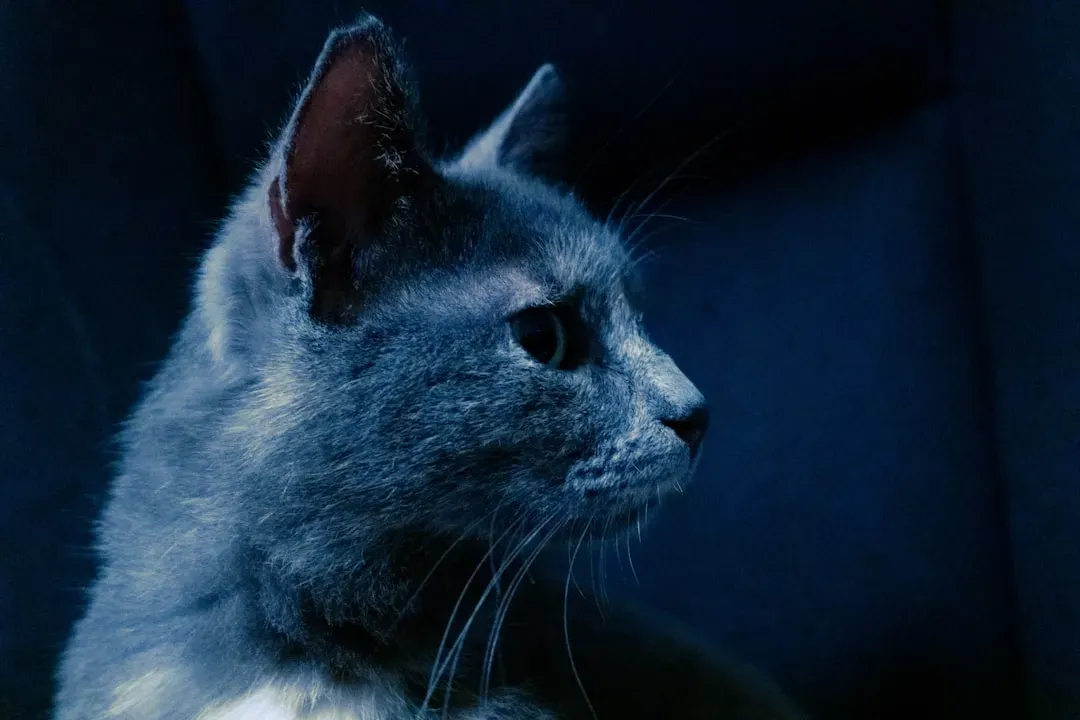
After 9 PM, activity dips but doesn’t vanish entirely. Short prowls or grooming fill quiet hours. Indoor cats tone it down to match your sleep, but instincts linger.
Dim lights and no sudden moves help them settle. You’ll sleep better knowing their clock winds down naturally. Still, expect a pre-dawn nudge.
Syncing Schedules: Making It Work for Both of You

Your presence influences their rhythm – house cats shift diurnal somewhat. Consistent mealtimes and play anchor the chaos. Experiment with dawn feeds to align peaks.
Enrich environments with climbers and hides. Track a few days; patterns emerge. Suddenly, “random” becomes predictable, strengthening your bond.
Unlocking your cat’s secret schedule transforms bewilderment into appreciation. Those quirks? Pure survival smarts in a cozy home. Next time they dash by, smile – you’re witnessing wild elegance firsthand.
What part of your cat’s routine surprises you most? Drop it in the comments; let’s compare notes.
Kristina is a young writer from India. An arts graduate and an avid content creator, Kristina is passionate about animals and wildlife. She enjoys exploring topics related to pet care, animal behavior, conservation, and nature, combining thorough research with engaging storytelling.