If you’ve ever caught your cat staring out the window making that strange, rapid, teeth-chattering noise – and found yourself wondering if your perfectly normal pet had suddenly lost their mind – you’re not alone. Millions of cat owners hear these peculiar sounds every single day and have absolutely no idea what they mean. It turns out, your cat isn’t randomly malfunctioning. They’re actually saying something quite specific.
Cats, like humans, have a vast vocabulary. Up to 21 different feline vocalizations have been described in scientific research, though their vocal repertoire probably contains even more. That’s a staggering number for an animal most people assume simply meows and purrs. Honestly, I think we’ve been severely underestimating our cats for years. So let’s pull back the curtain on what’s really going on behind all those chirps, trills, chatters, and howls. Let’s dive in.
The Chirp: Your Cat’s Polite Little “Hello”
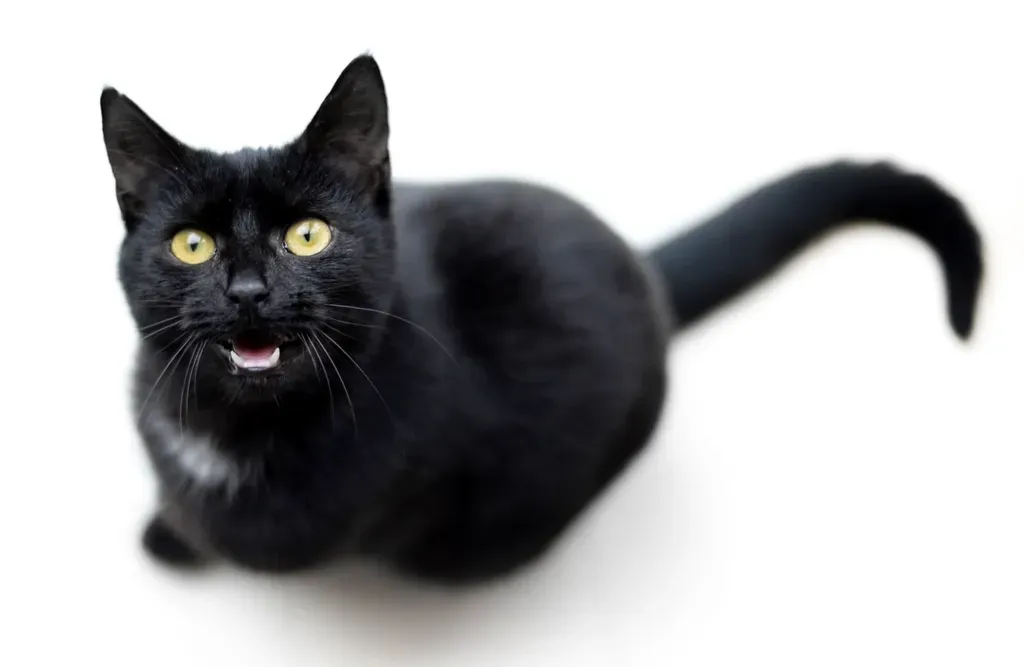
Picture this: you walk into the living room, and instead of being ignored (the classic cat move), your cat glances up at you and lets out a tiny, birdlike sound. Short. High-pitched. Almost musical. That’s a chirp, and it’s one of the warmest gestures in the feline vocabulary. The cat chirp, also known as a chirrup or a trill, is a short, peep-like sound that’s very similar to a songbird’s warble. It’s basically your cat saying “Hey, you. I’m glad you’re here.”
According to International Cat Care, cat vocalizations fall into three categories: murmuring, meowing, and aggressive. A chirp is considered a type of murmur, described as a sound that’s mostly formed with the mouth closed. That closed-mouth quality gives it a soft, almost gentle character that’s quite different from a demanding meow. Chirping can be your cat’s way of saying hi to humans – it’s a sign they’re happy to see you. So if you walk into the room and your cat chirps, take it as a gesture of love. How sweet is that?
The Trill: A Sound That Says “Follow Me”
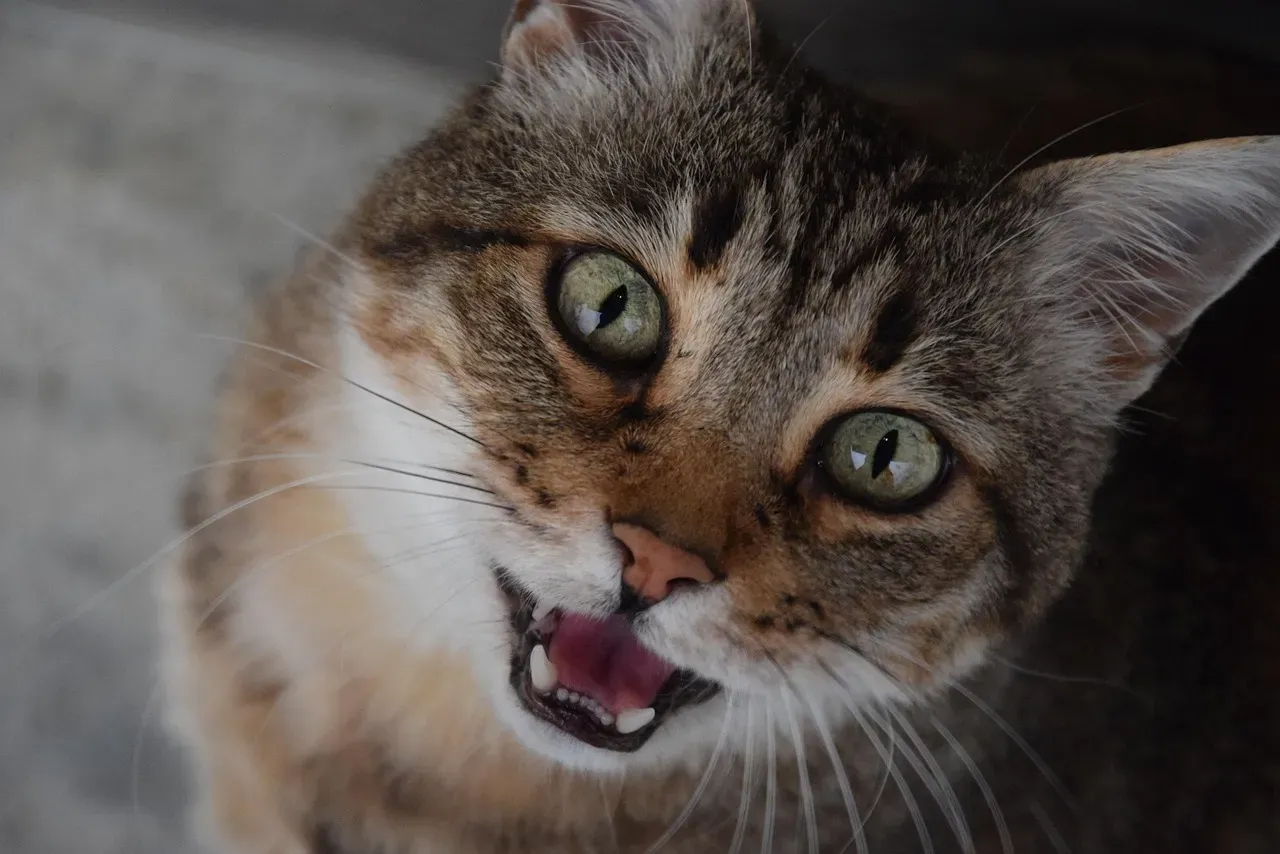
Cat trilling is a vocal form of communication that cats use to “talk” to other cats, to humans, and even to other animals within their household. It is a high-pitched, repetitive noise that comes out in short bursts. Think of it as the cat equivalent of someone beckoning you forward with their index finger. Purposeful, friendly, and unmistakably directed at you.
When kittens are very young, the mother cat will often trill at them as a cue to encourage them to follow her or to capture their attention. As a result, kittens learn this form of communication early on and, due to their tendency to mimic sounds, will use the trilling vocalization when greeting other animals or people, or when seeking attention themselves. So when your adult cat trills at you, they’re essentially channeling their inner kitten, using the very language their mother used to guide them. Chirping, or trills, are a cat’s way of saying “follow me,” and when directed at a human, it can often mean that your cat would like you to follow them. Nine times out of ten, that destination is the food bowl. Surprise, surprise.
The Chatter: The Sound of a Hunter Who Can’t Hunt
You’ve definitely heard this one. Your cat is perched at the window, watching a bird hop around outside, and suddenly they start making this frenzied, jaw-vibrating clicking sound that seems completely unhinged. It looks bizarre. It sounds even stranger. Chattering, also called twittering, is a low smacking sound produced by a rhythmic clashing of the jaws. It is usually voiceless, produced without using the vocal cords. Along with chirping, chattering may occur when a cat spots prey that’s out of their reach.
This distinctive, repetitive clicking noise is caused by a combination of lip smacking and your cat rapidly vibrating their lower jaw. This odd behavior looks like teeth chattering, and many cats also chirp when they chatter. This clickety sound is thought to be a mix of predatory excitement and frustration at not being able to get to the elusive feathered or furry prize. Here’s where it gets even more fascinating: in a 2009 study of wildcat behavior, chattering was found to be a cat’s way of making noises similar to its prey, enabling them to fool and sneak up on their prey. So your indoor house cat, safely tucked behind a glass window, is running an ancient hunting subroutine. Wild, right?
The Yowl: Something Is Very, Very Wrong
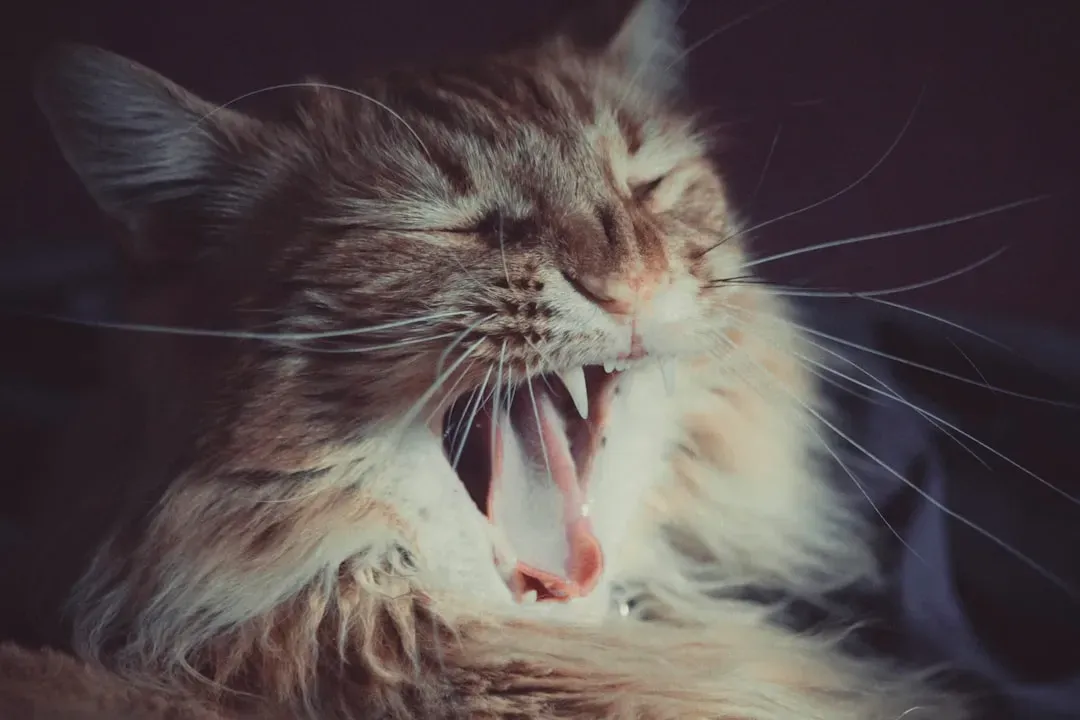
The yowl is not subtle. It’s the sound equivalent of a five-alarm fire. Long, drawn out, and deeply unsettling – it stops you dead in your tracks. A yowl, or howl, is a long, drawn-out meow that almost sounds like moaning; it’s your cat’s way of telling you they’re worried or distressed, or that they need you. They might have gotten locked in a closet, can’t find you anywhere, or have discovered their food bowl is empty. Your cat might also yowl when they don’t feel well or when a new neighborhood cat trespasses on their turf.
Let’s be real: a yowling cat demands immediate attention, and rightly so. Cats that are experiencing pain or discomfort from something like constipation or a urinary blockage may make this sound. That means ignoring a yowl could genuinely cost your cat their health. Like yowling, a caterwaul can also be a sign of cognitive decline in older cats. So if your senior cat starts yowling more frequently, especially at night, get them checked out. It’s worth every penny of that vet visit.
The Purr: More Complex Than You Ever Imagined
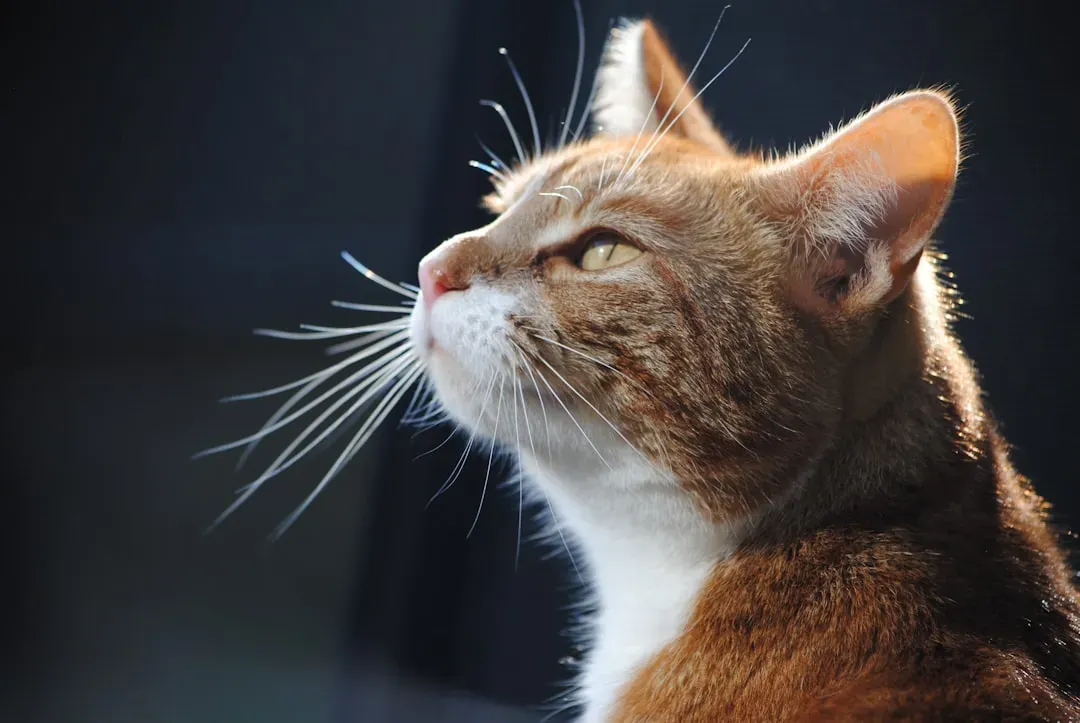
Everybody knows purring. It’s the sound that made humans fall in love with cats in the first place. Warm, rhythmic, deeply comforting. Most people assume a purring cat is a happy cat, and they’re usually right. A purr is a low, continuous, rhythmic tone produced during breathing. While most people recognize purring as a sign of contentment and pleasure, purrs can also mean that a cat is scared, sick, or in pain. Like all feline communication, purring must be evaluated in context with the cat’s body language.
Here’s something that genuinely surprised me: the frequency of vibration in cat purrs can promote bone healing. Think of purrs as a kind of feline vibrational medicine that makes cats and their humans feel better. Scientists have linked the specific frequency of purring to known therapeutic vibration ranges. While your cat’s purrs are usually a sign that they’re happy, comfortable, or content, your cat might also purr when they are anxious, agitated, or sick – because purring soothes them. The key to figuring out if it’s a “worry purr” is to check if their ears are folded back, if they seem tense, or if they just aren’t acting normal. Context is everything with cats. Always.
The Hiss: A Warning You Should Never Ignore
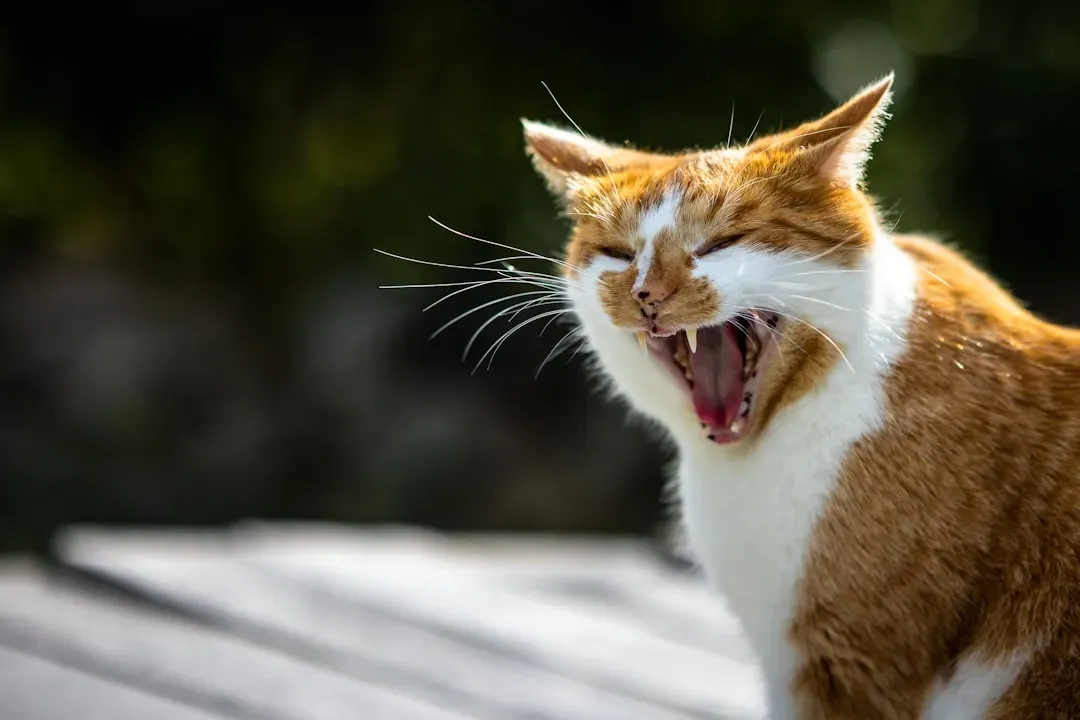
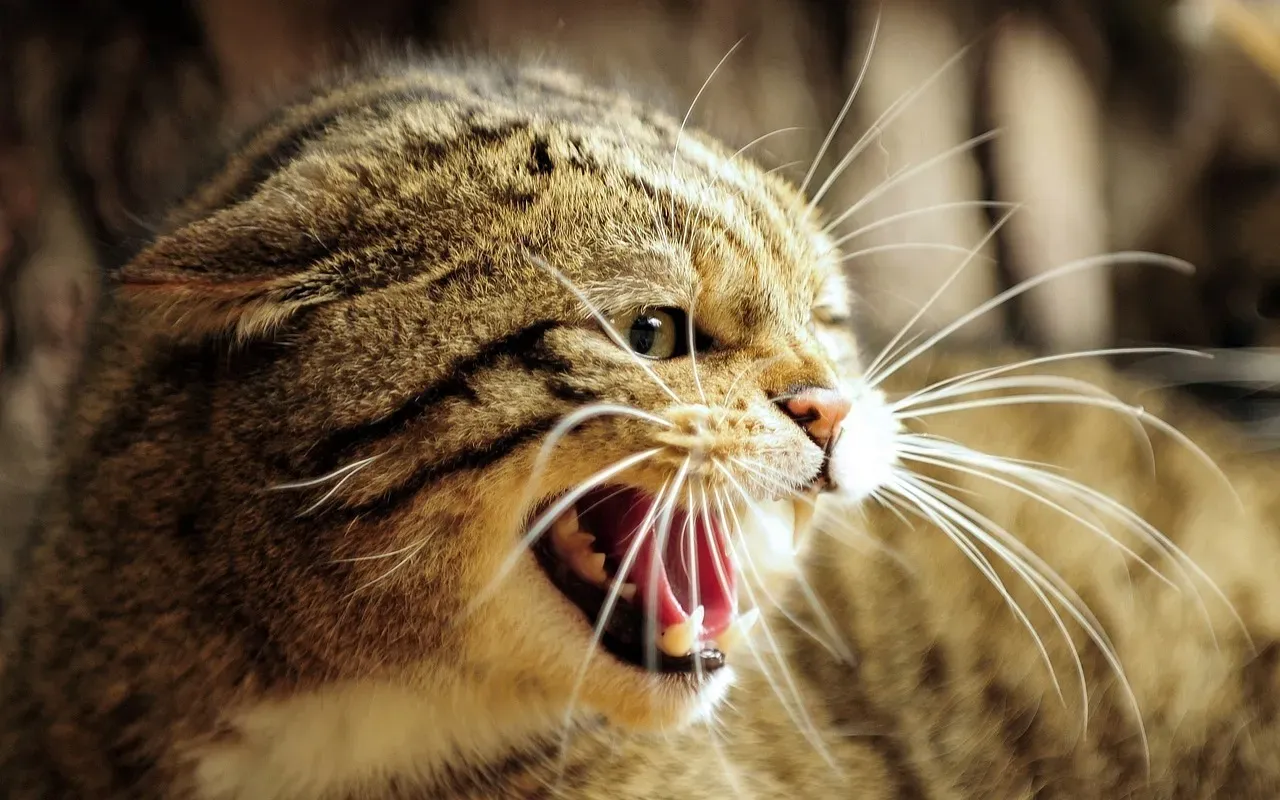
Few sounds carry as much raw urgency as a cat’s hiss. It’s sharp, it’s alarming, and it is absolutely intentional. Your cat isn’t being dramatic for the fun of it. The unmistakable sound of a cat hissing is like a steak hitting a hot skillet, and it can only mean one thing: your cat feels threatened and will put up a fight if they have to. Just as important as the hissing sound is the cat body language that comes with it. Your cat will flatten their ears, arch their back, puff their fur, twitch their tail, and usually open their mouth to flash their fangs – the classic defensive pose.
A cat hisses or spits when they’re feeling frightened and defensive. A spit compares to a human’s gasp of surprise, while a hiss draws out the warning to keep your distance. Cats may hiss at a stranger who visits your home, at someone they know but don’t like, or at another cat as a warning to back off. Think of the hiss as your cat’s final, generous warning before things escalate. Respecting that boundary isn’t just good manners – it protects you and keeps your cat from feeling cornered. Give them space, and they’ll thank you for it.
The Growl: Back Off, and I Mean It
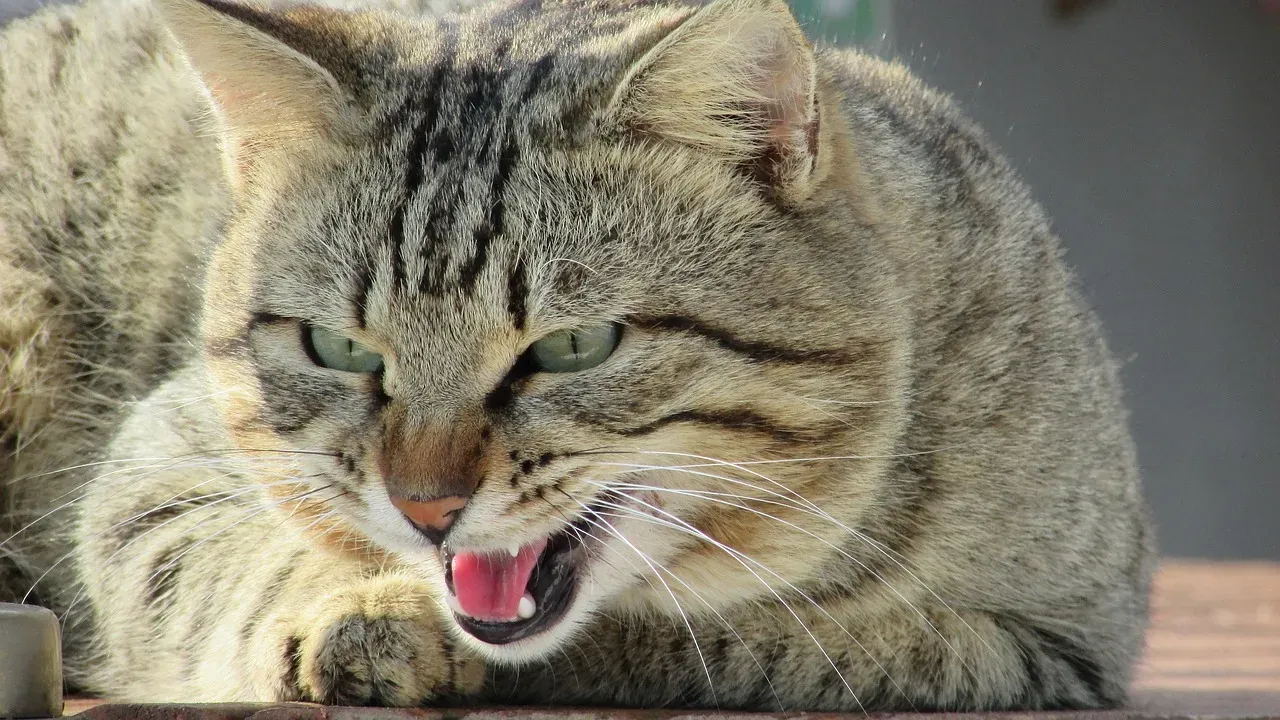
A cat’s growl sits somewhere between unsettling and terrifying, especially the first time you hear it from your sweet, ordinarily mild-mannered tabby. Low, steady, and unmistakably serious. A growl is a low, rumbling sound used to warn or scare off a threat. It can be directed toward humans or other cats or animals. Growling is an indication that a cat feels threatened, frightened, or is about to become aggressive. This sound often increases as the cat’s fear grows.
A growl is a low, rumbling sound that lasts a while and comes from a slow breath out. Your cat’s mouth might be slightly open or closed. Growls often accompany other aggressive sounds, like yowls, spits, or hisses, and may be repeated several times. A growl is a clear sign your cat wants some space, so it’s best to give them a little room. It’s hard to say for sure what triggers every growl – it could be a new pet, an unfamiliar visitor, or simply a bad day. Whatever the cause, the message is universal: respect it, step back, and let your cat decompress on their own terms.
The Silent Meow: The Most Disarming Sound of All
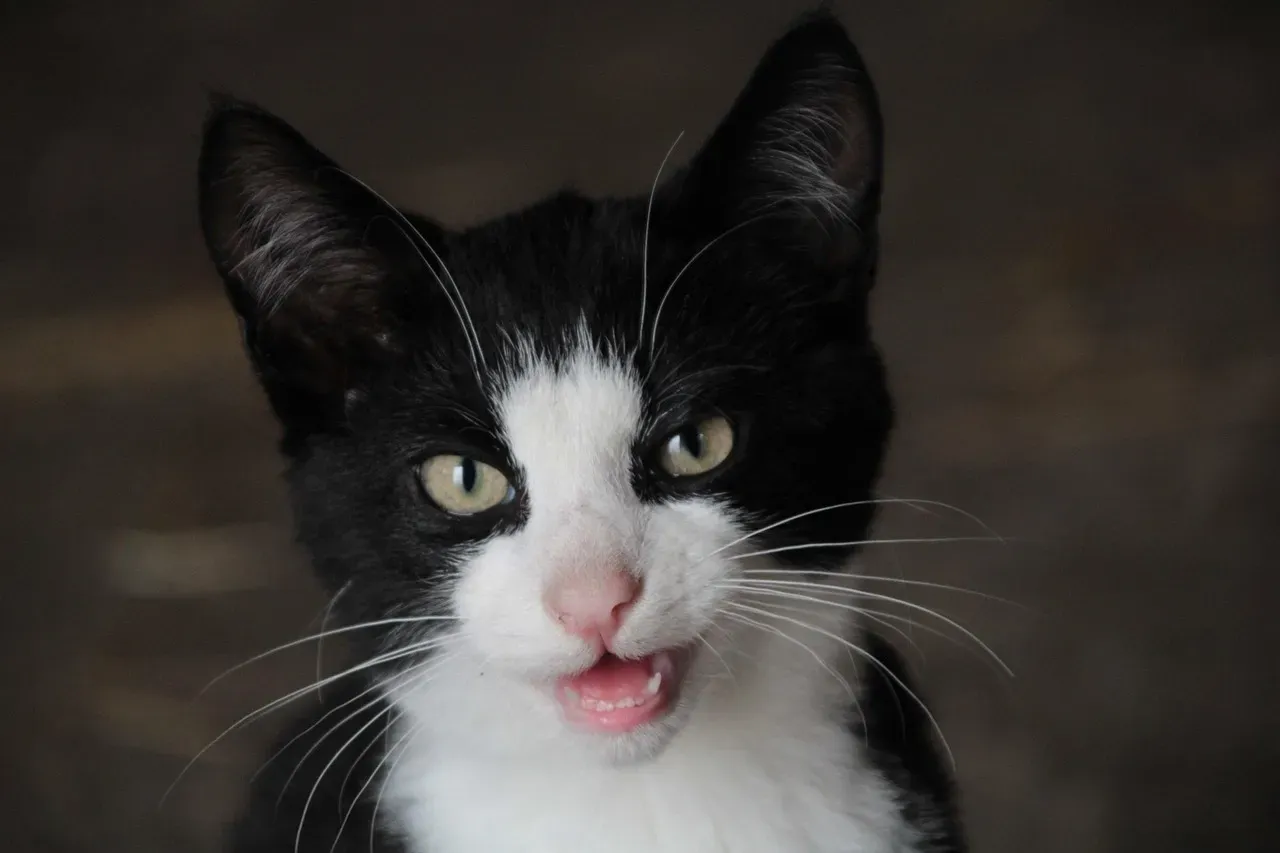
Now here’s the one that stops people cold. Your cat walks up to you, opens their mouth fully in what should be a perfectly normal meow – and nothing comes out. Absolute silence. Just a wide-open little mouth pointed directly at you. It looks almost comedic, but it’s completely real. A meow can be assertive, plaintive, friendly, bold, welcoming, attention-soliciting, demanding, or complaining. It can even be silent, where the cat opens its mouth but does not produce any sound.
The silent meow is, in my personal opinion, one of the most endearing and quietly manipulative tools in the entire feline communication arsenal. There’s ongoing research around the idea that cats can make slight adjustments to their vocalizations to give them specific meaning just for us. The silent meow is thought to operate at a frequency too high for human ears to detect – your cat isn’t broken, they’re just communicating on a channel you can’t fully receive. By knowing what your cat is trying to say, you’ll be better able to predict their mood, intentions, and needs. Whether they’re hungry, sick, happy, lonely, playful, or mad, you’ll be better equipped to give them what they need. And honestly, once you spot the silent meow, you’ll find it nearly impossible to say no to whatever they’re asking for.
Conclusion: Your Cat Is Talking. Are You Listening?
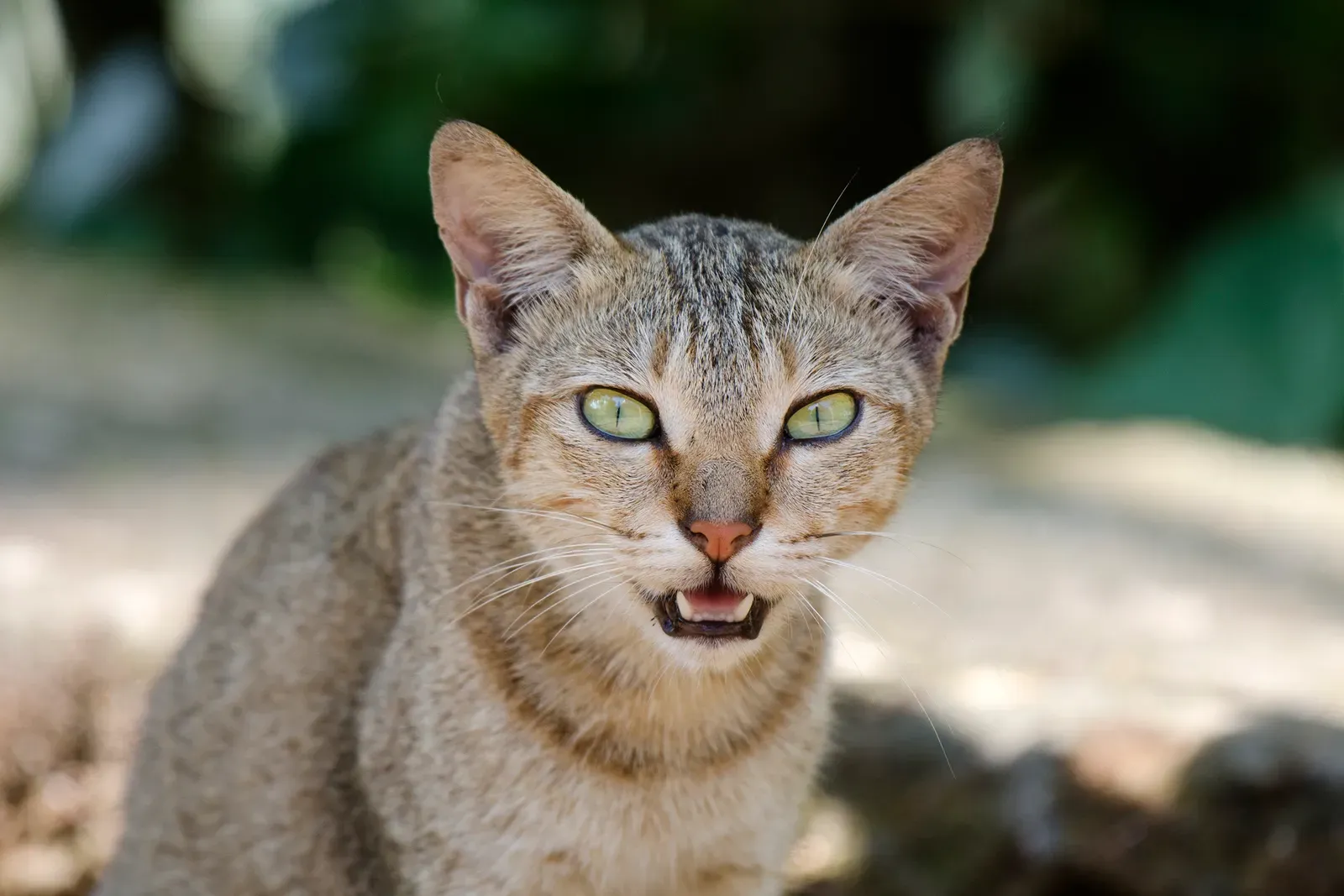
Your cat is not a mystery – or at least, they don’t have to be. Every chirp, every trill, every bone-rattling growl is a tiny window into how they’re feeling and what they need from you. Any change in a cat’s vocalization – the frequency, intensity, duration, or pitch – warrants a visit to the veterinarian to evaluate for pain, illness, or anxiety. That’s a golden rule worth keeping in your back pocket.
If you pay close attention to their vocalization, body language, and facial expressions, you’ll realize they’re trying to converse with you and convey vital information about their overall health and wellbeing. The relationship between a cat and their person gets dramatically richer when you start actually listening. So the next time your cat makes that odd little sound – don’t dismiss the chirp. It just might be the most important thing they’ve said to you all day.
What sound does your cat make most often, and did you realize what it meant? Drop it in the comments – we’d love to hear what your cat has been trying to tell you.
Kristina is a young writer from India. An arts graduate and an avid content creator, Kristina is passionate about animals and wildlife. She enjoys exploring topics related to pet care, animal behavior, conservation, and nature, combining thorough research with engaging storytelling.