Most people assume their cat’s relationship with them is pretty simple. You fill the bowl, they tolerate your presence, and every now and then you get a slow blink of approval. But honestly? That picture is way off. There’s something far deeper going on beneath all that cool, composed fur.
Cats are masters of understatement. They won’t announce their loyalty with wagging tails or dramatic greetings at the door. Their devotion runs quieter, more layered, and in many ways, more meaningful for it. What looks like ordinary feline behavior is often something much more profound – a language of protection, trust, and guardianship that plays out in subtle, daily rituals you’ve probably been misreading your entire life.
So whether you’ve had cats for decades or you’re just starting to pay closer attention to your furry roommate, get ready to see your relationship in a completely new light. Let’s dive in.
1. They Follow You From Room to Room Like a Shadow With Opinions
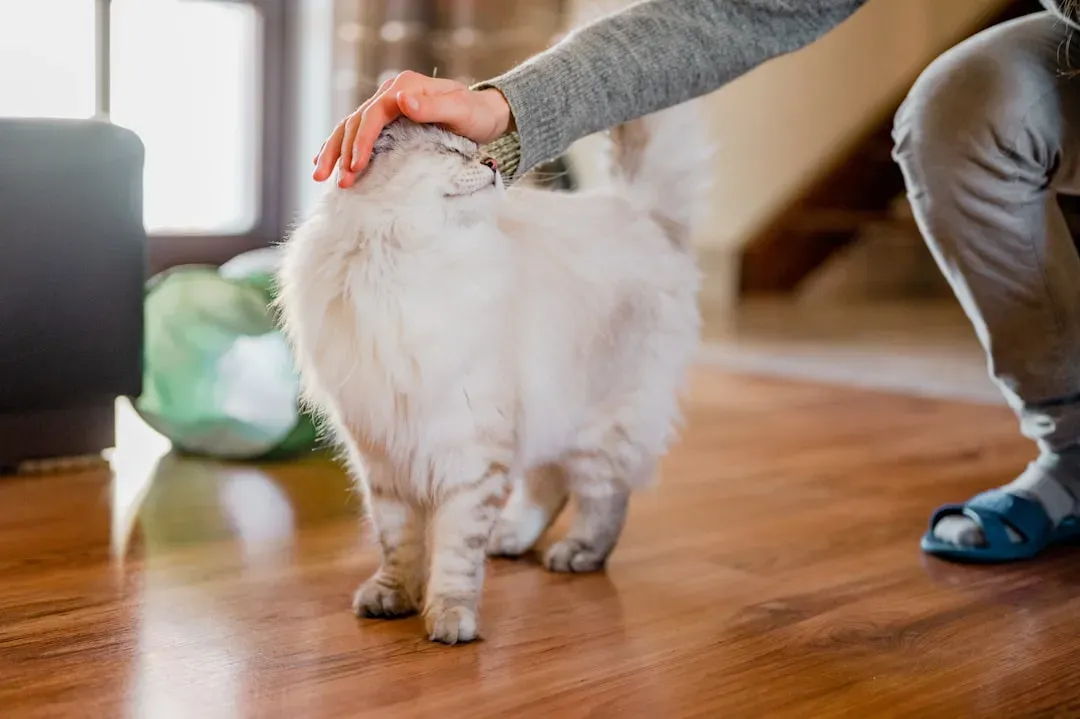
You walk to the kitchen. Your cat materializes. You head to the bathroom. There they are, sitting outside the door like a furry bouncer. It’s easy to write this off as curiosity or neediness, but there’s actually something much more intentional behind it.
When your cat trails you from room to room, it’s often a sign of attachment and vigilance. Cats that feel bonded to their owners like to stay within sight to ensure everything is safe. Think of it like having a silent bodyguard who also judges your snack choices.
If your cat follows you more closely when you’re upset or unwell, it may be expressing protective concern. That’s not coincidence or timing. Your cat is reading your emotional frequency and positioning itself accordingly – which, if you think about it, is more emotionally intelligent than half the people in your life.
2. They Position Themselves Between You and Perceived Threats
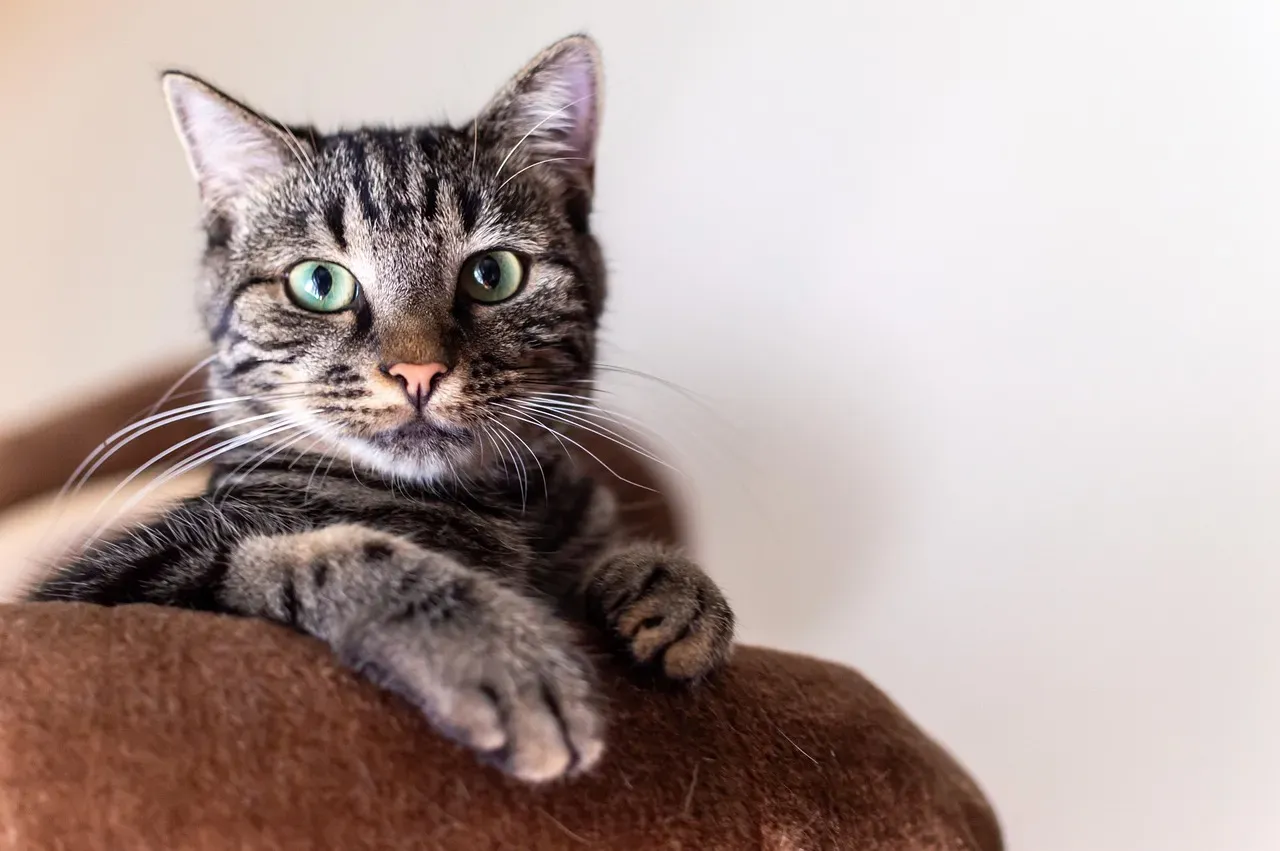
Here’s something that might surprise you. That moment when your cat suddenly plants itself between you and a stranger at the door? That’s not random territory patrol. That’s your cat running point on your behalf.
Cats often demonstrate their protective nature by maintaining careful watch over their environment and family members. They may position themselves in elevated spots with good visibility. It’s strategic. Like a tiny general surveying the battlefield from the high ground.
Because cats are sensitive to humans and perceptive to their environments, they can usually pick up on someone’s ill intentions or negative energy. Just like how dogs are great judges of character, and how humans will feel tense in the presence of certain individuals, cats too can sense if someone isn’t safe to be around. So the next time your cat acts cold toward a new visitor that you’re unsure about – maybe trust that little fuzzy instinct.
3. They Sleep Near You as a Deliberate Act of Protection
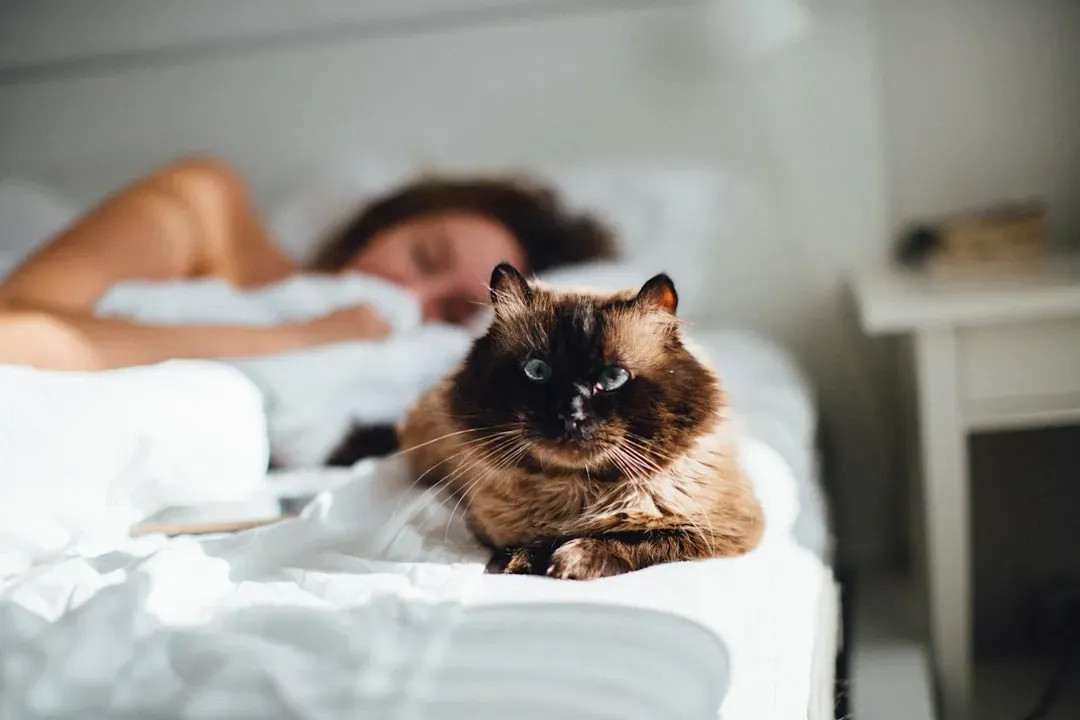
A cat choosing to sleep on your bed, at your feet, or curled into the hollow behind your knees isn’t just looking for warmth. That choice is loaded with intention. Sleep is when animals are at their most vulnerable, and your cat knows it.
When your cat chooses to nap near you, they see you as their protector. For cats, sleep is a vulnerable state. In the wild, a cat would typically seek out a safe, hidden spot to rest away from potential threats. A cat that feels threatened avoids sleeping in open areas or close to others. Meanwhile, if your cat chooses to doze off next to you, it means they recognize you as a reliable source of protection.
It’s a common habit for cats to sleep at the foot of the bed, but this sometimes means your cat is protecting you. Cats often serve as watchdogs as you sleep, positioning themselves in front of you as if to stop any potential threat that might enter the room. So they’re not just cuddling. They’re on guard duty. While also napping. Respect.
4. They Bring You Gifts as a Caregiver, Not Just a Hunter
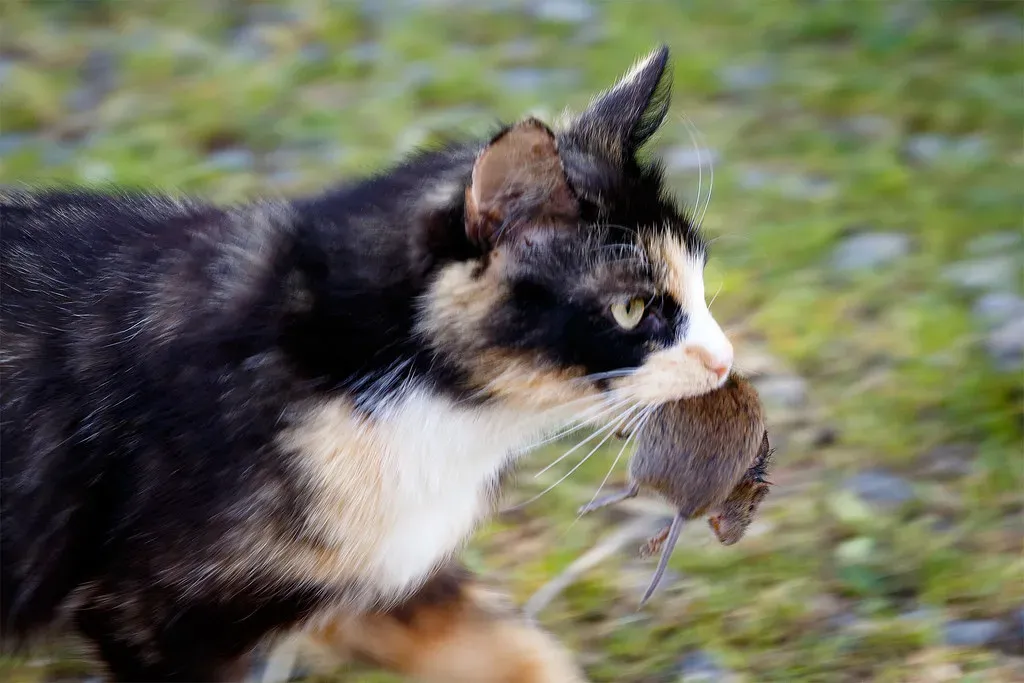
Okay, let’s address the dead mouse on the pillow. Or the half-eaten bird. Or the toy your cat has dragged to your feet for the fourteenth time this week. Gross? Sometimes. Meaningful? Absolutely.
A gift is a clear sign that your cat trusts you. Cats are solitary hunters, but if they live in groups they will tend to eat together. In feral cat colonies, some members of the group are hunters and bring back gifts of food to their bonded companions. You, in their world, are one of those bonded companions – worthy of the hunt’s reward.
While we can’t know exactly what cats are thinking, it is possible that cats may bring prey to their pet parents as part of their social group behavior. Mother cats bring prey to their kittens to teach them to hunt, and your cat bringing you gifts may reflect this same caregiving instinct. In other words, your cat isn’t just showing off. They’re feeding and providing for you. They consider you their responsibility.
5. They Knead You Like You Are Their Safe Place
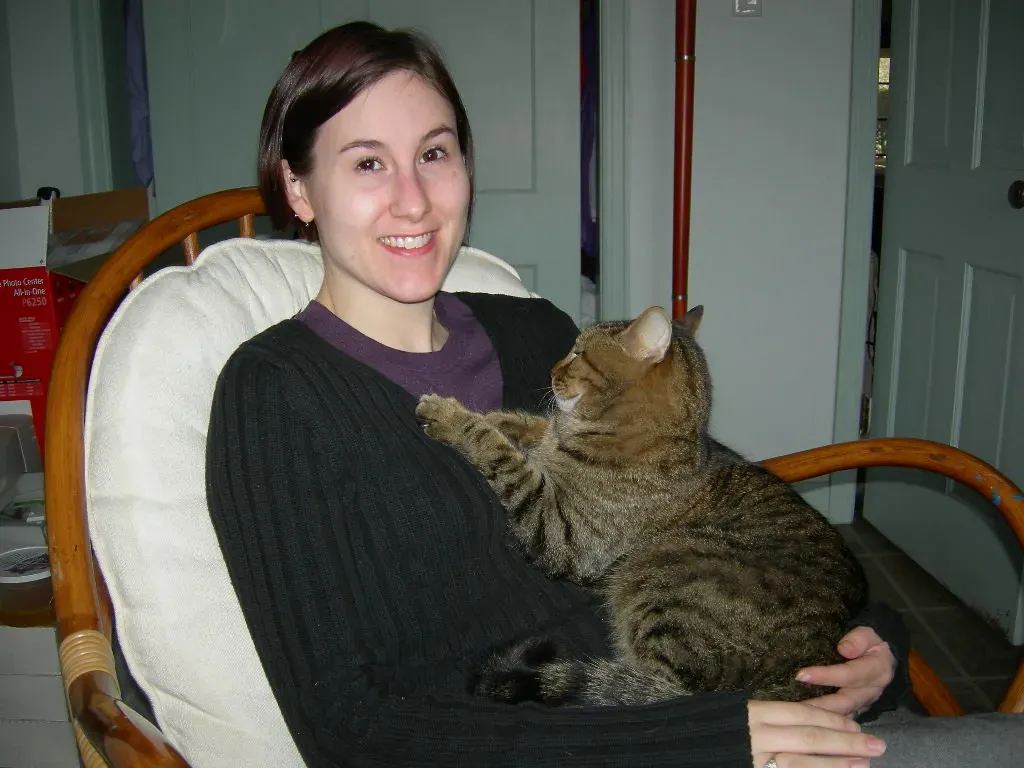
If your cat ever climbs into your lap, starts slow-kneading your thigh like bread dough, and wears that half-lidded blissful expression – congratulations. You’ve just been designated the most important safe space in your cat’s entire emotional world.
One of the most endearing behaviors cats display is kneading. This charming action, sometimes called “making biscuits,” is a sign that your cat sees you as a protector and a source of comfort. Kneading originates from kittenhood when young cats knead their mother’s bellies to stimulate milk flow. When your cat kneads you, they see you as a mother and protector.
Kneading or making biscuits is when a cat rhythmically presses their paws into you, and is a behavior that stems back to kittenhood. Kittens knead their mother’s belly to stimulate milk flow while nursing. When your adult cat kneads you, especially while purring or with that blissful, half-closed expression, they’re essentially reverting to kitten behavior and treating you like their mother. That’s not just affection. That’s a declaration of complete emotional safety. You are their anchor.
6. They Alert You to Changes in Your Environment Before You Notice Them
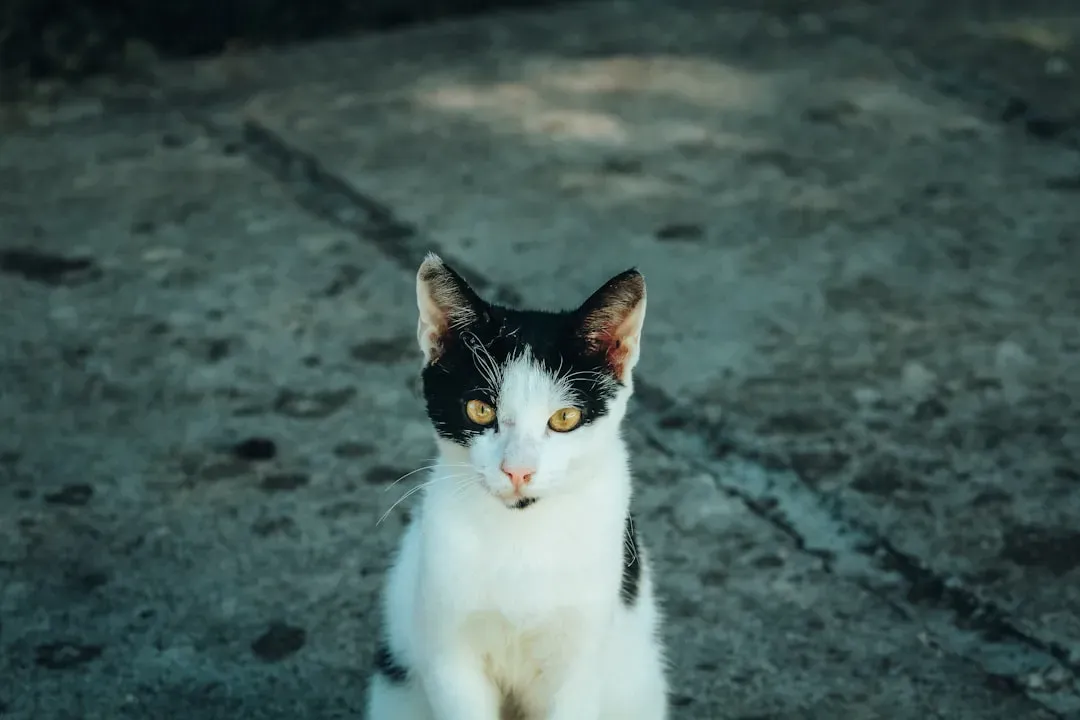
I’ll be honest – this one genuinely fascinates me. We think of ourselves as the protectors in the human-cat relationship, but there are moments when the dynamic flips entirely, and your cat becomes your early warning system in ways that border on the remarkable.
Studies have revealed that cats’ protective behaviors are rooted in both instinct and emotional connection. Their acute senses allow them to detect environmental changes that humans might miss, making them excellent early warning systems for potential dangers. They’re not being dramatic when they suddenly freeze and stare at nothing. Something is happening that you simply can’t perceive.
One vigilant feline named Pinkers sprang into action when his owner passed out from carbon monoxide poisoning. By persistently licking her, he managed to wake her up, potentially saving her life. Stories like this aren’t rare flukes. There are documented cases of cats defending their owners in dangerous situations, including protecting children from aggressive dogs and alerting families to fires or gas leaks. Your cat may be quieter than a smoke alarm, but they’re paying attention in ways that matter.
7. They Run to You in Moments of Fear – Because You Are Their Safety
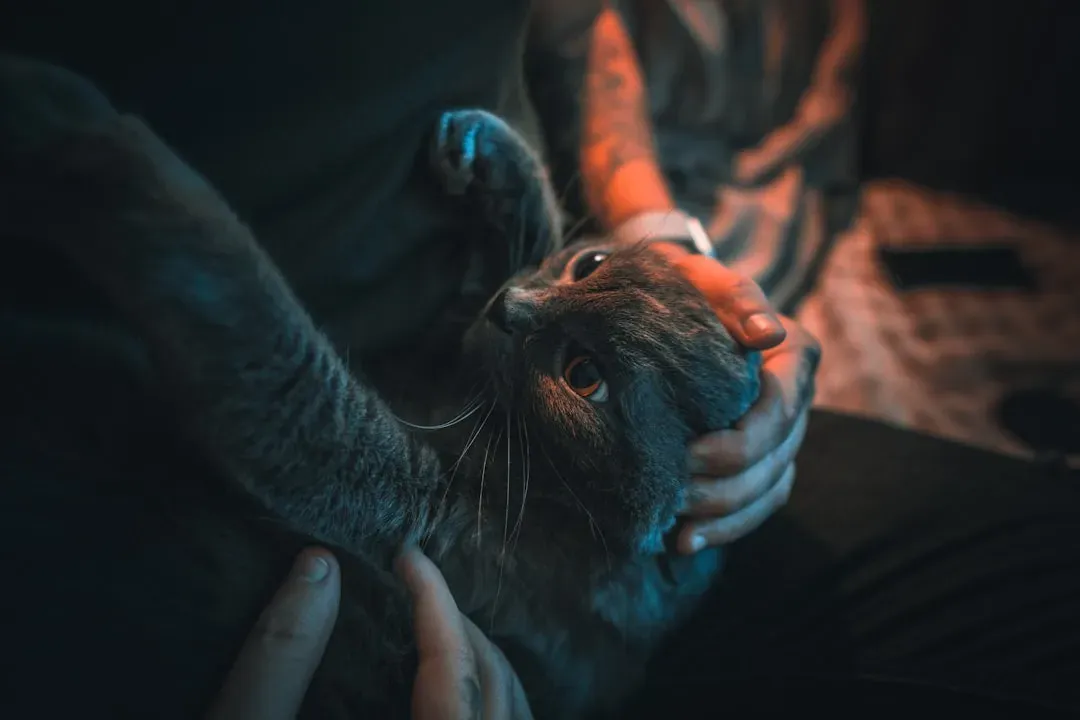
Here’s the real tell. Here’s the behavior that, once you understand it, reframes everything about how your cat sees you. When something frightens your cat – a thunderstorm, a loud noise, a stranger in the house – where do they go? They come to you.
If your cat runs to you during loud noises or unfamiliar circumstances, they’re seeking comfort and protection. This reaction signifies a deep trust in your ability to keep them safe. Think about what that means. In their most vulnerable moment, their instinct is to move toward you, not away from you. You are not just part of their world. You are their refuge.
Research has shown that cats form deep emotional attachments to their owners, similar to the bonds between human parents and infants. This attachment forms the foundation of their protective instincts. Your cat may hide behind you when there are new people in the house, keeping you between them and the strangers because they trust you to protect them. That’s not weakness on your cat’s part. That’s the deepest form of trust an animal can offer – and it places you squarely at the center of their sense of security.
A Final Thought Worth Sitting With
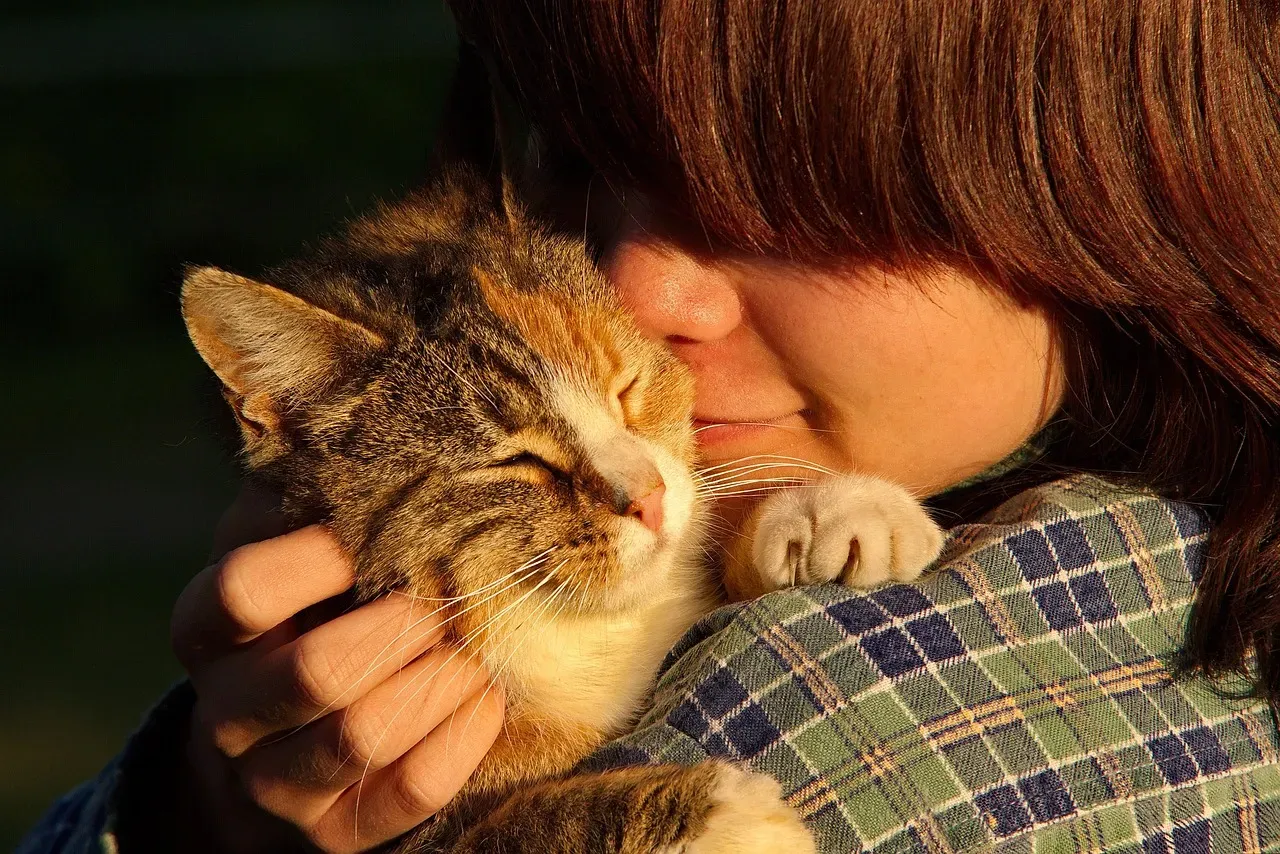
It’s easy to assume the protection in your relationship with your cat flows only one way. You feed them, house them, take them to the vet, and keep them safe. You are the provider. But the truth is far more reciprocal and, honestly, far more touching than most people ever realize.
A cat’s protective nature is a reflection of its bond with you. By nurturing that bond through patience, empathy, and consistency, you create a relationship built on mutual respect and affection – one where both you and your cat feel secure and understood. Your cat is not passive in this arrangement. They are active, attentive, and deeply invested in your wellbeing.
The next time your cat follows you down the hallway at midnight, curls up against your feet during a storm, or drops a toy at your feet with that knowing look – pause for a second. They’re not just being a cat. They’re being your quiet, devoted, four-legged guardian. The question worth asking yourself is: have you been paying close enough attention to notice?
Kristina is a young writer from India. An arts graduate and an avid content creator, Kristina is passionate about animals and wildlife. She enjoys exploring topics related to pet care, animal behavior, conservation, and nature, combining thorough research with engaging storytelling.