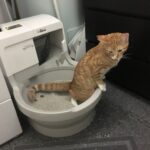
You set out a perfectly clean bowl. You fill it with fresh water. You place it in a nice spot. Your cat walks over, gives it a suspicious sniff, and walks away. Twenty minutes later, you turn around to find that same cat cheerfully lapping from your bedside glass as if they own the whole establishment. Sound painfully familiar? Honestly, you are in very good company.
This peculiar behavior is one of those wonderful, maddening feline mysteries that cat owners encounter daily. It seems ridiculous on the surface. Yet the more you dig into it, the more you realize there is a genuinely fascinating tangle of instinct, biology, preference, and even affection at play. So let’s dive in, because what your cat is doing at your glass says a whole lot more than you might expect.
It Goes Back Further Than You Think: The Ancient Instinct Behind the Habit
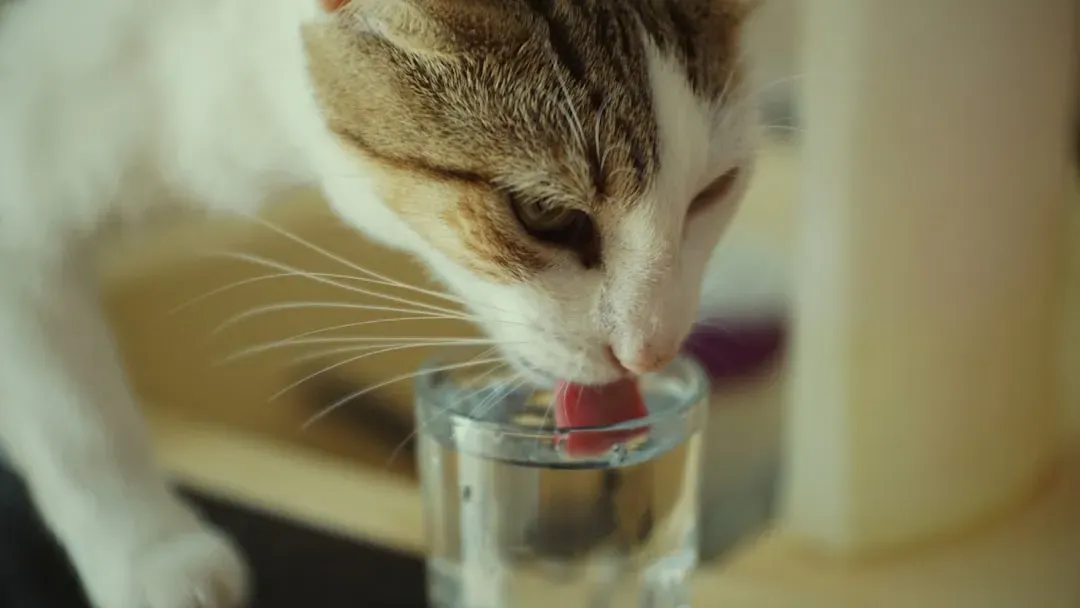
Here is the thing most people do not consider: your cat is not simply being dramatic, although, let’s be real, sometimes they absolutely are. Cats’ preference for certain water sources is deeply rooted in their evolutionary history. Wild cats learned that moving water sources like streams and rivers were typically safer and fresher than stagnant pools. That ancient programming has not gone anywhere just because your cat now sleeps on a memory foam bed.
Cats in the wild are both predators and prey, meaning they prefer not to be predictable. They often prefer to drink and eat in separate locations since it makes it more difficult for predators to find them. Even though cats have lived alongside humans for millennia, they still retain the instincts that allow them to thrive in the wild, like preferences for separate eating and drinking spots. Your glass, sitting on a table far from their food bowl, actually fits this ancient pattern perfectly.
Your Scent Is the Secret Ingredient They Are After
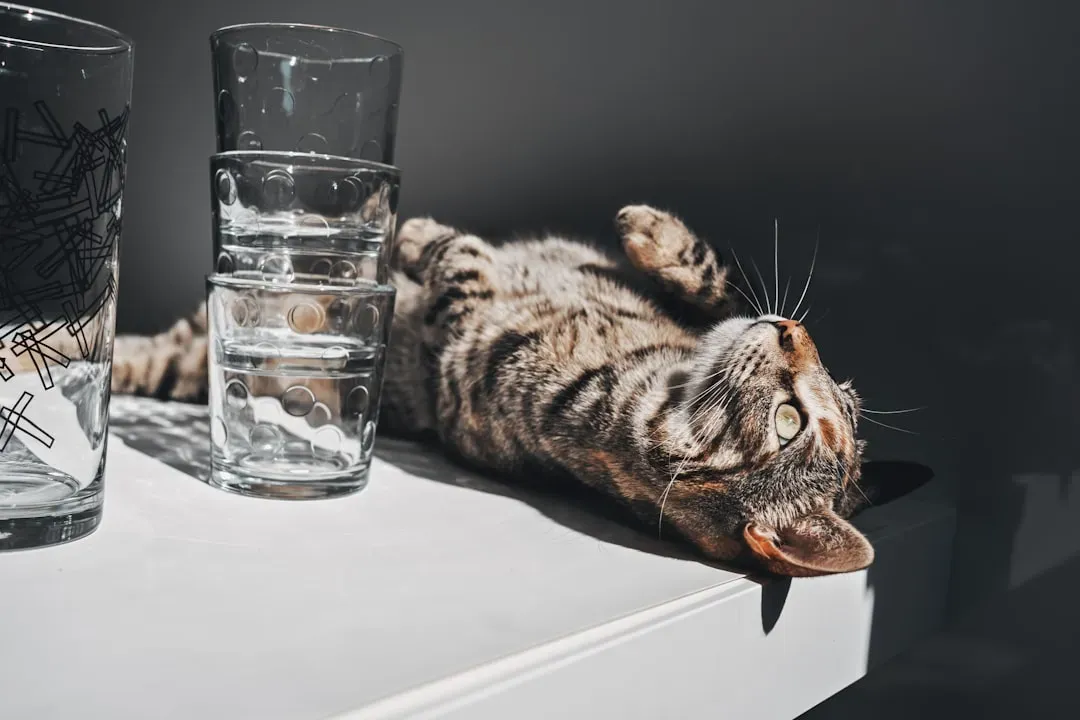
Think about it from your cat’s perspective for a second. Your glass smells like you. Cats, with their highly developed sense of smell, are especially drawn to objects that carry the scent of their favorite human. That glass of water on the table, infused with your scent, may seem like the ultimate blend of curiosity and comfort, making it irresistible. It is less about the water itself and more about the connection the water represents.
Some cats also view drinking from your glass as a form of social bonding. In multi-cat households, sharing water sources can be a sign of social connection, and your cat may extend this behavior to include sharing your water glass. Seen through that lens, it is actually pretty touching. Your cat is not stealing your drink. They are, in their own baffling way, trying to get close to you.
The Temperature Truth: Why Fresh and Cold Wins Every Time
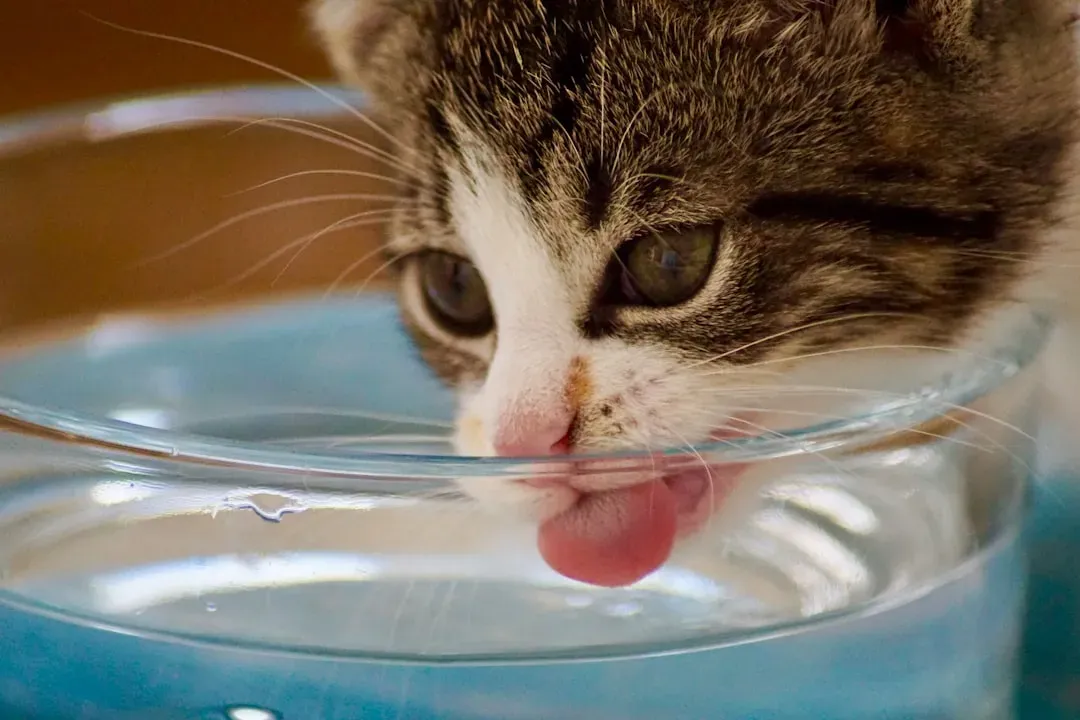
Cats are remarkably picky about water temperature, and I think most cat owners wildly underestimate this. The water in your glass is likely a different temperature from that in your cat’s water fountain or bowl. Cats generally prefer cold water, and if your buddy is drawn to the water in your glass, they may like the temperature. A bowl that has been sitting out for hours simply does not compare.
Your cat may have checked out your water glass and noticed that the water in it is colder than the water in their dish. This may make it more attractive, meaning they will return to your water glass anytime they notice one. Think of it like this: you would probably choose a freshly poured glass of ice water over a cup that has been sitting on the counter since morning. Your cat is just doing the exact same thing, with impeccable standards and zero apology.
Height Matters: The Vulnerability Factor You Never Considered
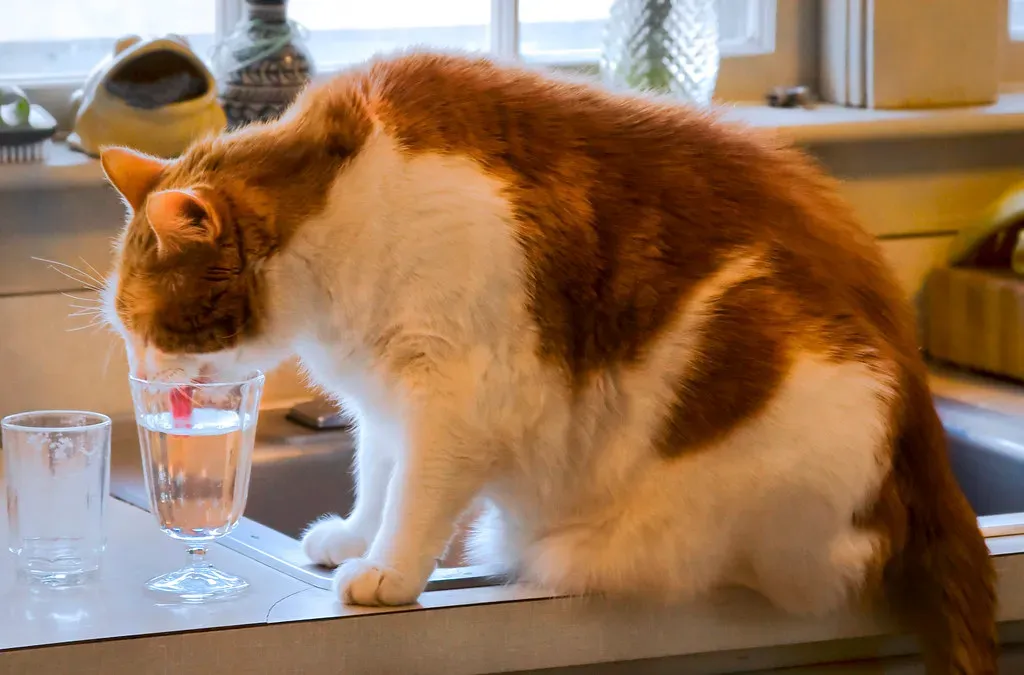
It is typical for cats to feel vulnerable when their heads are down and they cannot see what is happening around them. Most water bowls are on the ground, putting cats in an uncomfortable, vulnerable position. However, your glass on the table makes cats much more comfortable while drinking water. Elevation is not just a preference. For a cat, it is a matter of perceived safety.
People often place their cat’s food and water bowls in a corner of a room so that no one steps on them or knocks them over. This can make some cats feel anxious to eat or drink because they are not able to keep an eye on their surroundings as well. Cats’ ancestors needed to be constantly on watch for predators, an instinct that some domesticated cats have more of than others. Your glass on the nightstand or kitchen table is, quite literally, the VIP section of the hydration world in your cat’s mind.
Bowl Problems Are More Common Than You Realize
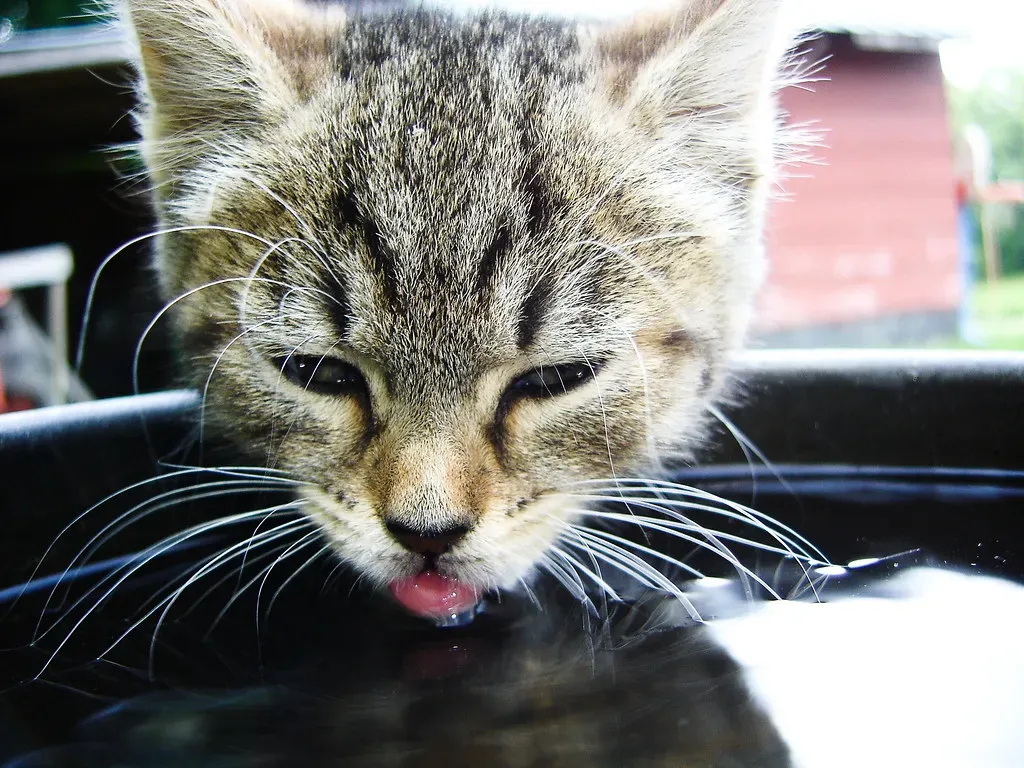
Like humans, felines have specific preferences for things they like, which can also be important when drinking water. Your cat may not like their water bowl’s size, shape, color, or texture, which is why they drink water from your glass instead. This is not stubbornness. It is legitimate sensory preference, and it is more nuanced than most people give it credit for.
Cats generally dislike drinking from plastic or metal bowls, as these materials can lead to allergic reactions, and plastic can harbor bacteria. Meanwhile, the glass you are drinking from is, well, glass – a neutral, clean material that does not impart weird tastes or harbor odors. Different bowls impart different flavors to the water, so experimenting with metal, ceramic, or glass materials can make a real difference in what your cat accepts. Your cat is not wrong. You just never noticed their complaint was valid.
Whisker Fatigue Is a Real, Fascinating Phenomenon
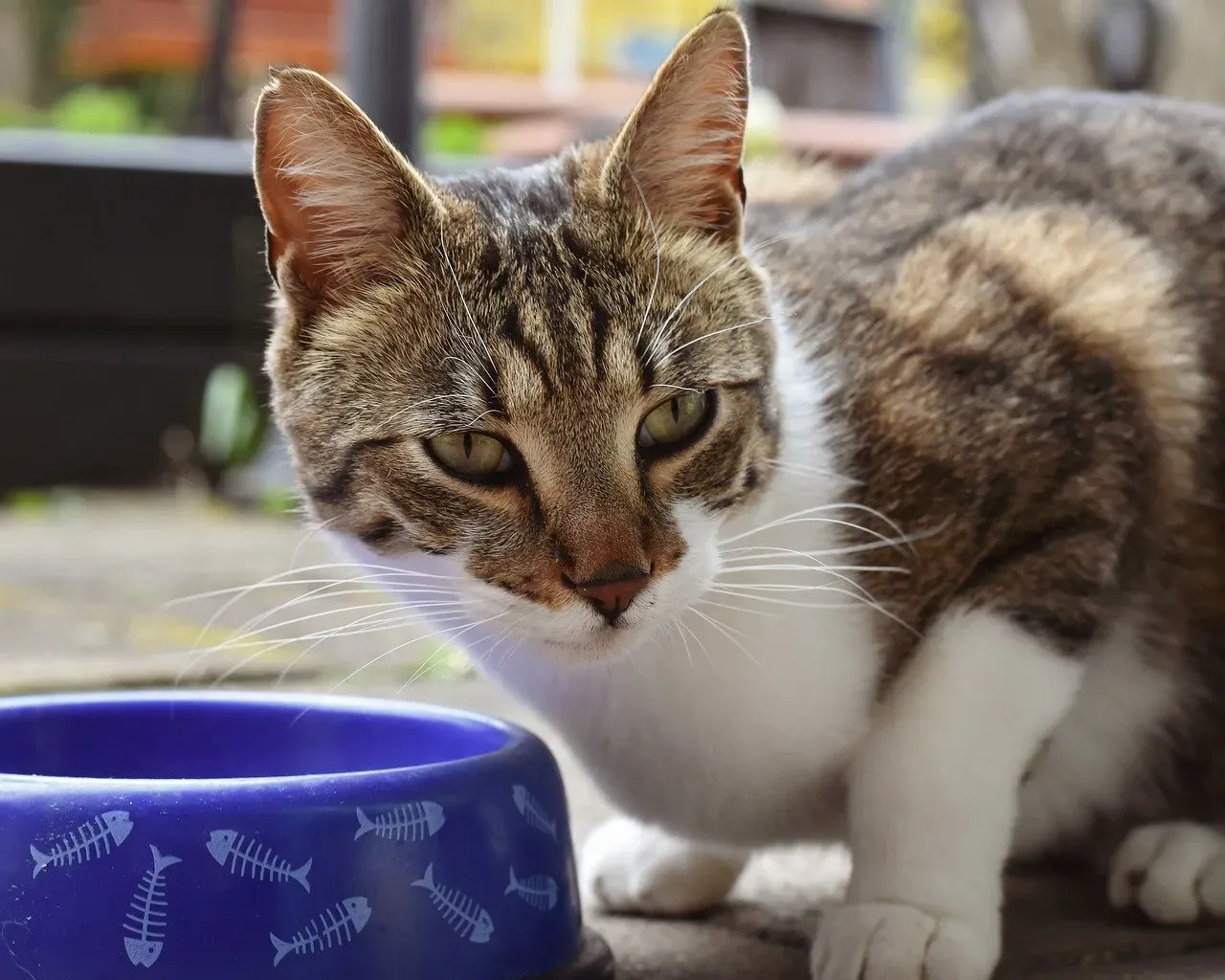
This one genuinely surprised me when I first learned about it. Whisker fatigue, also known as whisker stress, is a newly described phenomenon that refers to the overstimulation a cat experiences when their whiskers brush up against the sides of a narrow or deep bowl. Whiskers are not just cute face decorations. They are incredibly sensitive sensory organs.
The whiskers on your cat’s face are sensitive feeling organs that felines use to gather information about their environment. Cat whiskers collect and send information to the brain, like sensitive little antennas that cats use to navigate in the dark. When your cat drinks from your wide-rimmed glass, there is no bowl edge to press against those whiskers. If the bowl is too small, it pushes or otherwise presses on their whiskers, which your cat might not appreciate. When taking a sip from a wider source, there’s no bowl edge to get in the way and give their whiskers any problems. Something that small can make an enormous difference.
Curiosity and Attention-Seeking: Yes, Your Cat Knows Exactly What They Are Doing
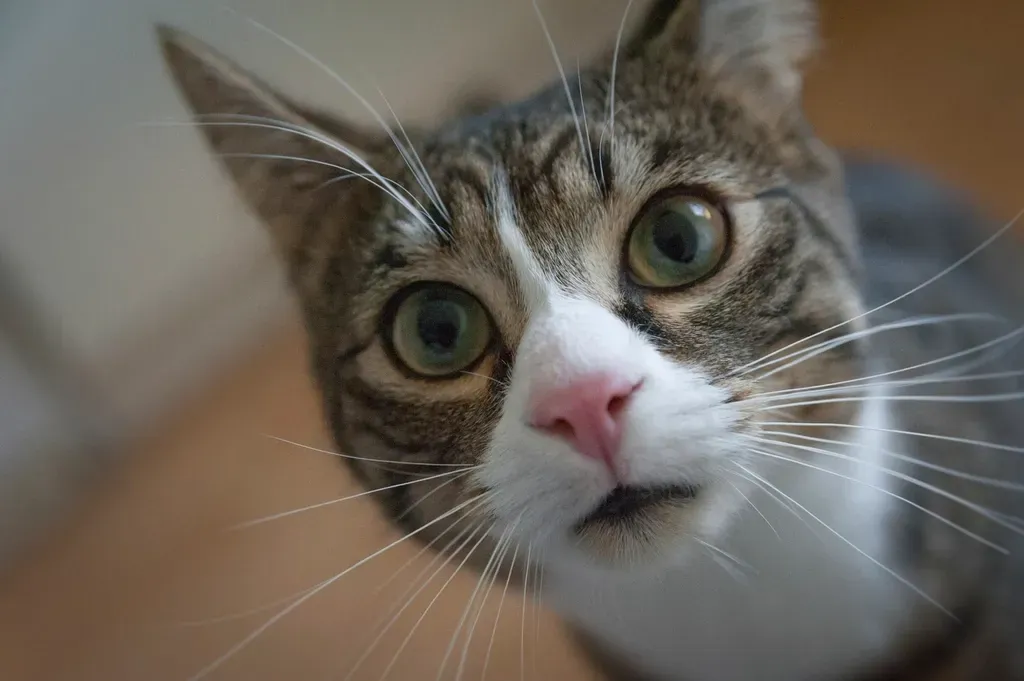
Some cats are more curious and eager to investigate than others, and yours may be one of those that cannot resist a new situation, thinking: “If my human is enjoying what’s in that glass, maybe I will too!” Cats are perpetual little scientists, and your glass is basically an ongoing experiment they refuse to abandon.
Pets are experts at capturing our attention, and they will use any trick in the book to get it. If drinking from your glass makes you react, whether you laugh, scold, or simply notice them, they may see it as a successful attempt at engaging with you. For some pets, even a negative reaction is better than being ignored. This can quickly turn into a game: your cat drinks from your glass, you respond, and they get the interaction they were craving. Classic cat logic, honestly.
When It Could Signal Something More Serious
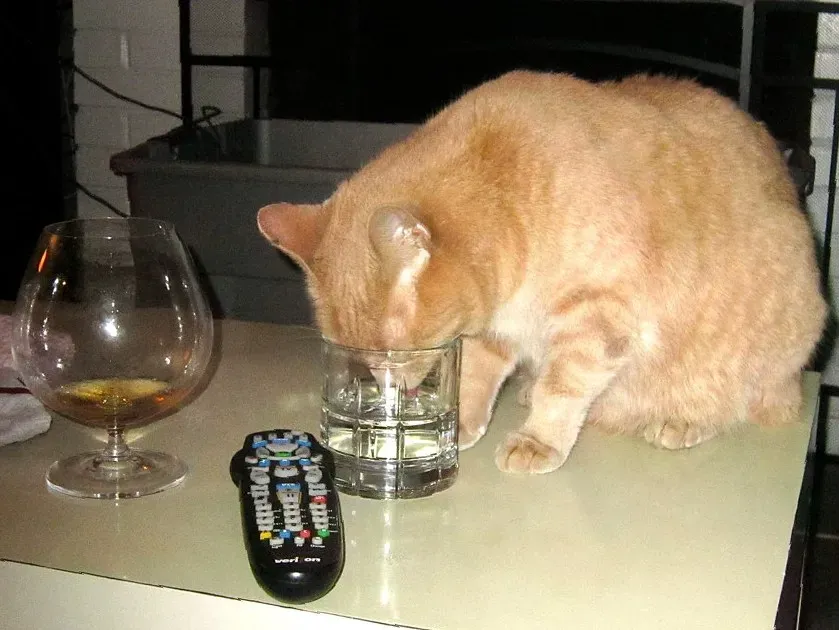
Now, here is the part you should not skip. Most of the time this behavior is perfectly harmless quirk territory. Sometimes, though, it is worth paying closer attention. Cats that exhibit strange drinking habits may do so because they are excessively thirsty due to a health condition. If your cat has suddenly started drinking from your glass, it may be a sign of chronic kidney disease, diabetes mellitus, hyperthyroidism, or a lower urinary tract health problem.
The food your cat is eating can cause them to be dehydrated or thirstier than normal. Your cat could also be suffering from an illness such as kidney disease, diabetes, or hyperthyroidism. If you notice them drinking a lot more, a change in litter box habits, or any other behavioral changes, let your vet know. The key word here is “suddenly.” A cat who has always loved your glass is probably just a glass enthusiast. A cat who has recently started doing it obsessively is worth a vet visit.
What You Can Actually Do About It (If You Want To)
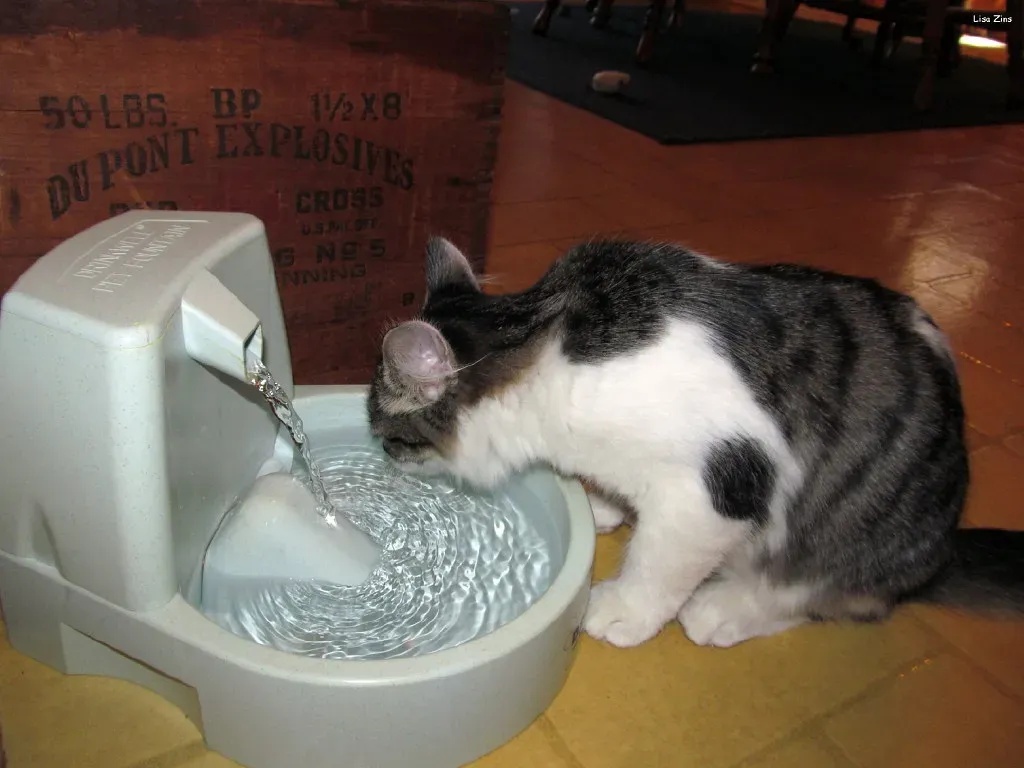
Let’s be real: some cat owners simply accept the glass-sharing arrangement and move on with their lives. If you would rather redirect things, there are practical moves worth trying. Many cats avoid drinking water that is placed right next to their food bowl. This behaviour likely comes from their survival instinct. African wildcats usually avoided eating their prey near their water source because the water could become contaminated by the remains of the prey. Our pet cats have the same natural instinct. Try placing their water bowl in a separate location from their food bowl.
Cats usually prefer to drink running water; it is often a safer choice in the wild, as standing puddles and pools may contain bacteria and other germs. Cat fountains encourage cats to drink more, and most models have filters to keep things fresh. You could also try giving your cat their own designated glass or wide ceramic dish nearby. Regularly washing your cat’s water bowl with soap and hot water can prevent bacteria and odors from accumulating. Consider switching to stainless steel since plastic bowls are harder to clean and can harbor bacteria. Small changes, real results.
Conclusion
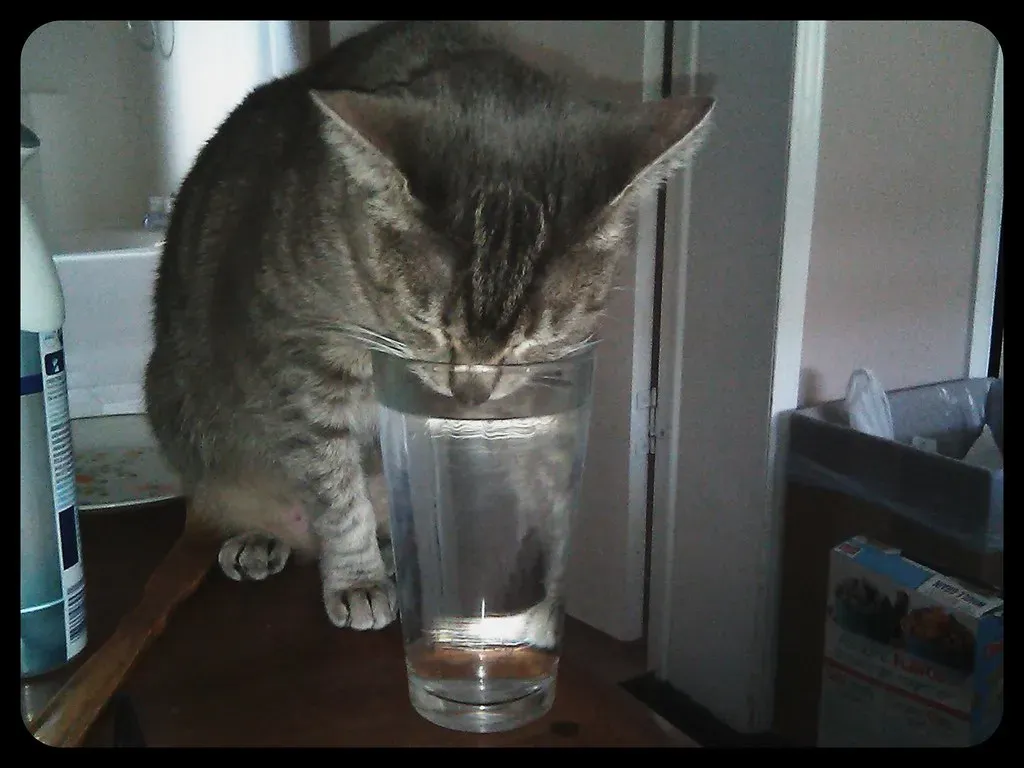
Your cat drinking from your glass is not random chaos, although chaos is certainly their brand. It is a blend of deep evolutionary wiring, sensory preferences, temperature snobbery, a desire for elevated drinking spots, and, perhaps most surprisingly, genuine affection for you. You are not being disrespected. You are being chosen. There is something quietly wonderful about that, even when you have to fish cat fur out of your water for the fourth time this week.
The next time your cat saunters over and dips their nose into your glass like a tiny, opinionated sommelier, you can at least appreciate the complex reasons behind it. Understanding your cat does not mean you have to surrender your drink forever, but it does mean you can respond more thoughtfully. Maybe swap the bowl material, raise the water station, or invest in a cat fountain. Or, honestly, just buy yourself a travel mug with a lid. What would you have guessed was going on in that fluffy little head? Tell us in the comments.
Kristina is a young writer from India. An arts graduate and an avid content creator, Kristina is passionate about animals and wildlife. She enjoys exploring topics related to pet care, animal behavior, conservation, and nature, combining thorough research with engaging storytelling.