You probably laughed the last time your cat launched itself off the couch to ambush a crinkled piece of paper. Cute, right? A little goofy, maybe harmless? Here is the thing – what you just watched was not random silliness. It was precision. It was instinct. It was, in every meaningful sense of the word, a drill.
Cats are one of nature’s most finely tuned predators, and even the fluffiest, most pampered lap-warmer still carries that ancient machinery inside. The science behind their so-called “play” is far more fascinating, and honestly a little humbling, than most people realize. Let’s dive in.
Your Cat’s Play Is Not Play – It Is Practice
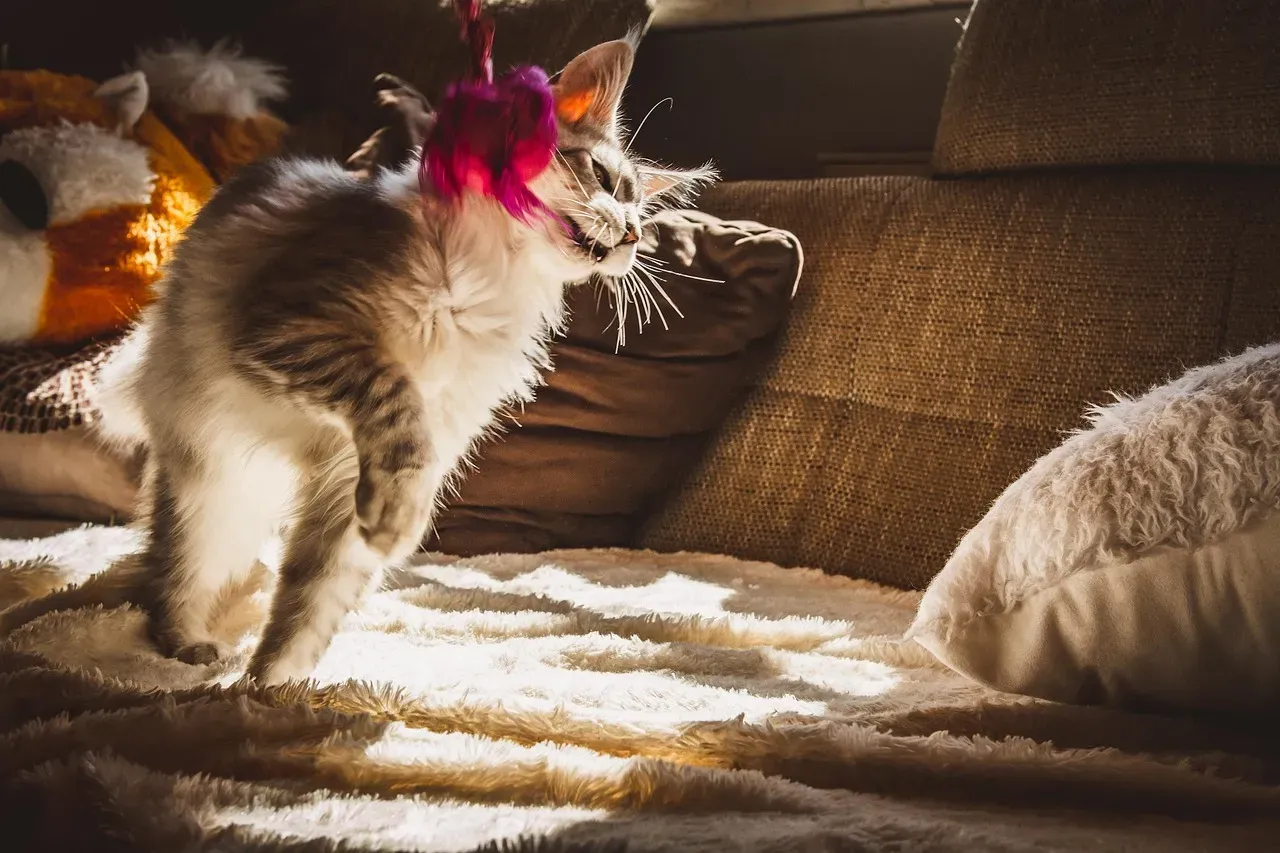
Let’s be real: that moment your cat crouches low, wiggles their backside, and launches at a toy mouse is not random entertainment. What humans perceive as cats “playing” is actually them practicing their hunting. Every pounce, every stalk, every lightning swipe of the paw is a rehearsal for something far more serious in the biological sense.
While a domesticated cat’s motivation to hunt may not be for food, it is instinctive and hard-wired in their brains to hunt, even if they just play with whatever creature they’ve caught. At an early age, playing with their littermates involves behaviors such as chasing, stalking, and pouncing, as if they’re practicing how to hunt. Think of it like a soldier running drills – the battlefield might never come, but the body stays ready regardless.
Hunting Is Hardwired Into Their DNA, Not Just Their Habits
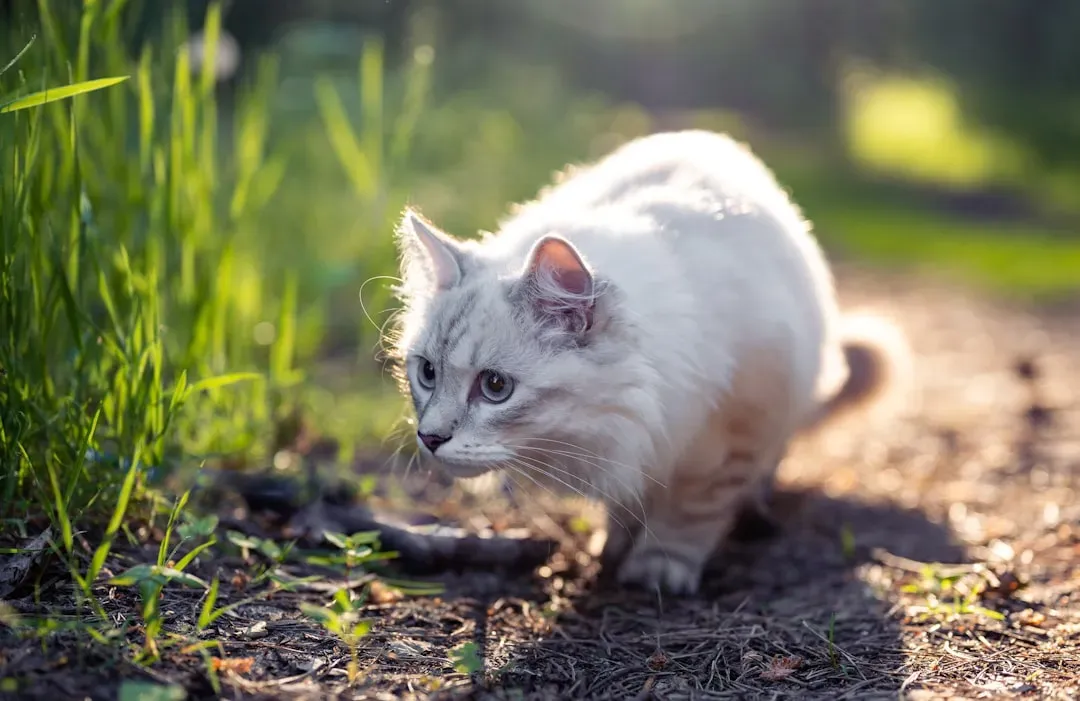
Hunting behavior is hard-wired into your cat’s DNA. It is your cat’s wild ancestors that developed their hunting skills over millions of years of stalking and chasing prey to feed themselves and their young. This is not something that softened over a few generations of cozy indoor living – it goes deep, encoded at a level that domestication simply has not touched.
Until quite recently, cats were mainly kept to control rodent populations rather than as pets, and during this time, only the best hunters survived and reproduced, meaning that our pet cats today descended from the most adept hunters. There has been very little selective breeding of cats, so their instinctive need to hunt remains strong. You are not living with a tamed wildcat. You are living with a wildcat that has agreed, loosely, to share your sofa.
A Full Belly Does Not Switch Off the Hunter
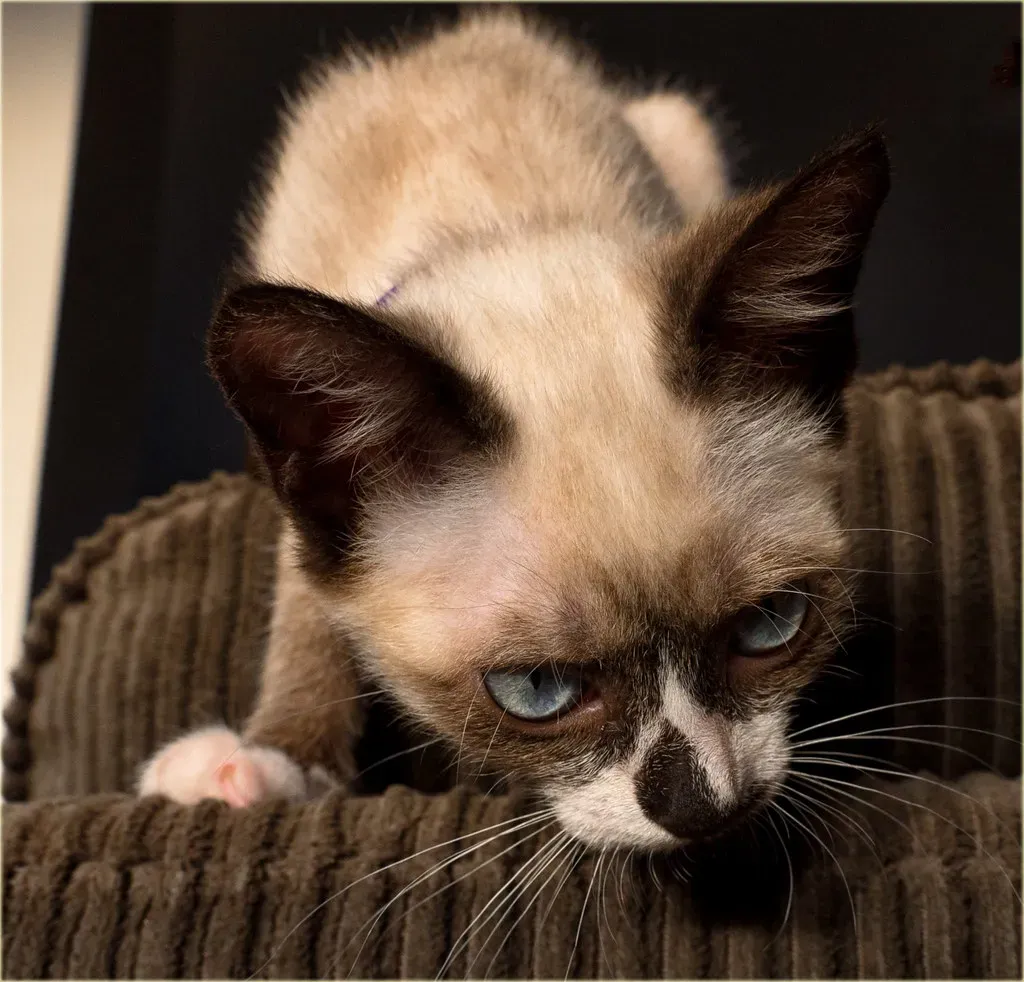
Here is something that surprises almost every cat owner: you can feed your cat a full, luxurious meal and twenty minutes later, watch them stalk a bug across the kitchen floor with total focus. Even if cats that are fed hunt less than those who have to hunt to survive, the feeling of being full and well fed does not cause a cat to give up hunting altogether. It is one of the most common misconceptions about feline behavior.
The motivation to hunt prey is only partly related to hunger. As a species that hunts alone, cats rely solely on themselves to provide enough food. If they wait until they’re hungry to hunt, they could starve to death because of the difficulty in hunting and capturing prey. Evolution essentially programmed them to hunt opportunistically – always, not just when the stomach growls. The desire to hunt is not governed by hormones and therefore does not diminish after neutering. Even that surprises a lot of people.
Their Senses Are Literally Built for the Kill
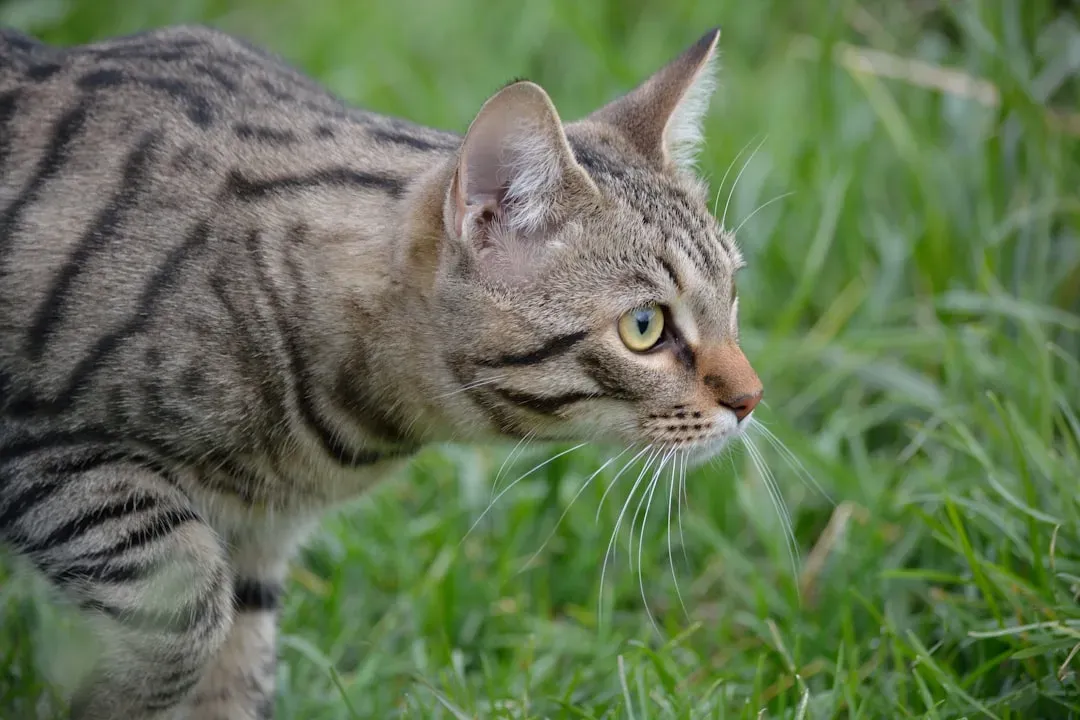
Your cat’s body is not just cute – it is a weapons system. Cats can detect frequencies up to 64,000 Hz and discern subtle sounds like rustling or ultrasonic calls. A reflective tapetum lucidum boosts their low-light vision by six times that of humans, matched with improved depth perception. Imagine hearing a mouse scuffle through a wall in the dark, from across the room. That is your cat’s Tuesday night.
They have soft paw pads and retractable claws, allowing them to approach their prey unnoticed. A supple spine enables twists, midair corrections, and tight turns. Strong hind legs let them leap up to six times their body length. None of that is accidental anatomy. Every feature is a deliberate product of millions of years of evolutionary pressure. Your cat did not get those retractable claws to scratch the furniture – though, admittedly, that is a compelling secondary use.
The Stalking Sequence Is a Precise, Step-by-Step Ritual
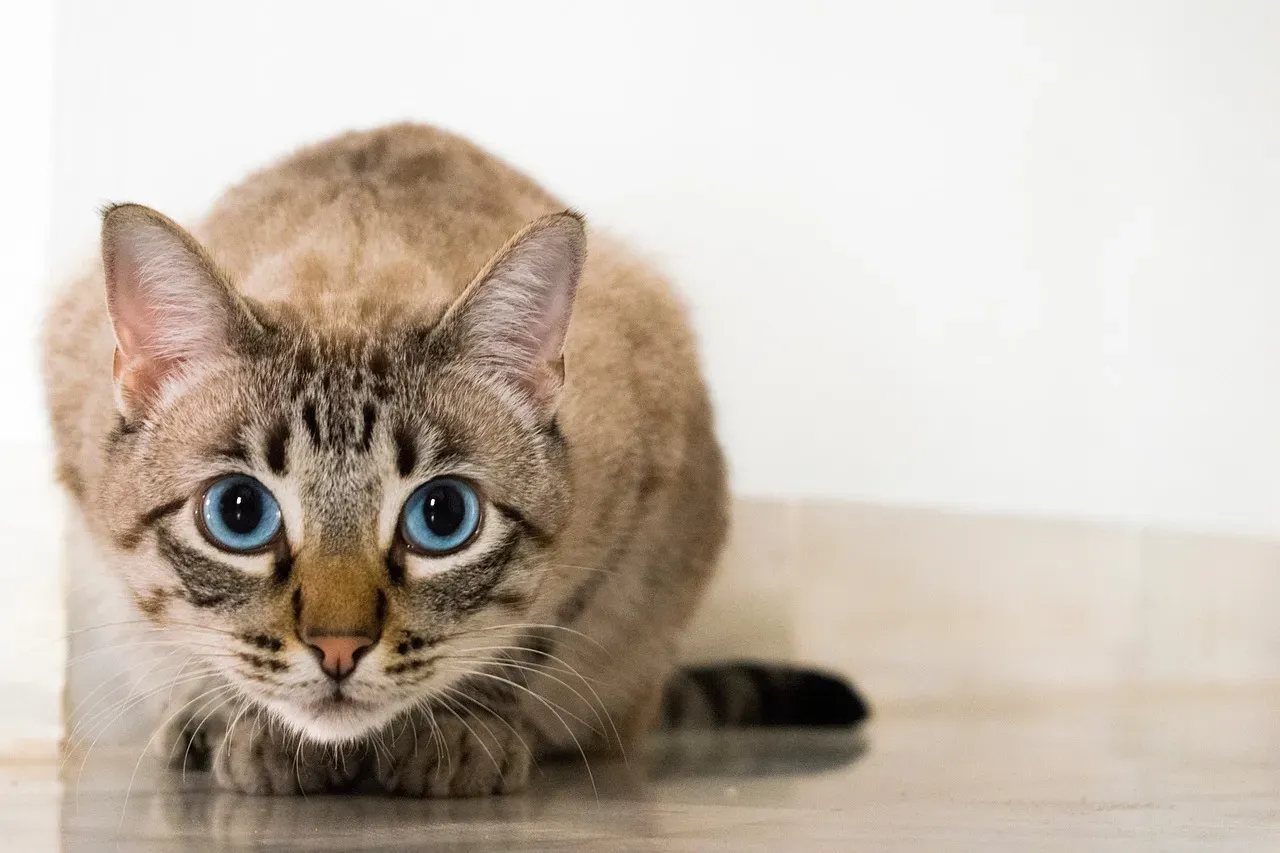
Watch your cat closely the next time they zero in on something. You will notice it is not frantic or random at all. Cats usually approach their prey by stalking them, which involves the cat moving in a crouched position with their head outstretched. Slow movements are used on the initial approach, which may speed up to a sprint the closer the cat gets to their prey. As the cat gets close enough to catch the prey, they stop and prepare to spring forward. At this point, the cat may hold themselves in a tense position before a brief sprint and spring forward to strike the prey with one or both of their front paws.
That iconic butt-wiggle you find so irresistible? Watching a cat prepare to pounce reveals many instinctive behaviors: lying low and still, wiggling their behind as they ready to leap, and sometimes making chattering or cheeping sounds when spotting prey. It is not adorable randomness. It is a predator calibrating its strike. The whole sequence mirrors how big cats like leopards operate – stealth, patience, then explosive speed.
Indoor Cats Actually Crave Hunting More Than You Think
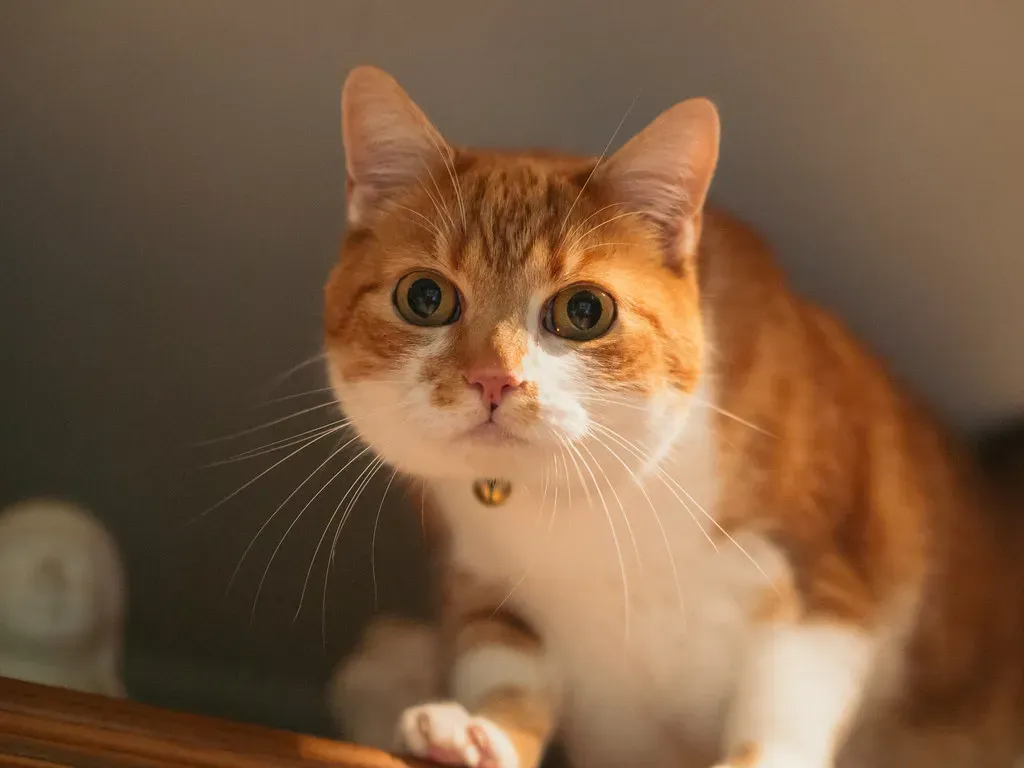
You might assume that an indoor-only cat, removed from all real prey, would gradually lose the hunting urge. Research tells a different story. Indoor-only cats showed more intense reaction than indoor-outdoor cats when presented with prey-resembling stimuli in studies. It is almost like the absence of real hunting makes the instinct louder, not quieter.
Cats are meant to be hunting about 12 hours per day and are wired to be mentally active and engaging all senses whenever they are awake. Without an outlet for this instinct and mental activity, cats may become filled with pent-up stress and energy which they may take out on housemates or furniture. So when your indoor cat starts ambushing your ankles at 2 a.m., they are not being malicious. They are running on an engine that was never designed to idle.
Toying With Prey Is Actually a Safety Strategy
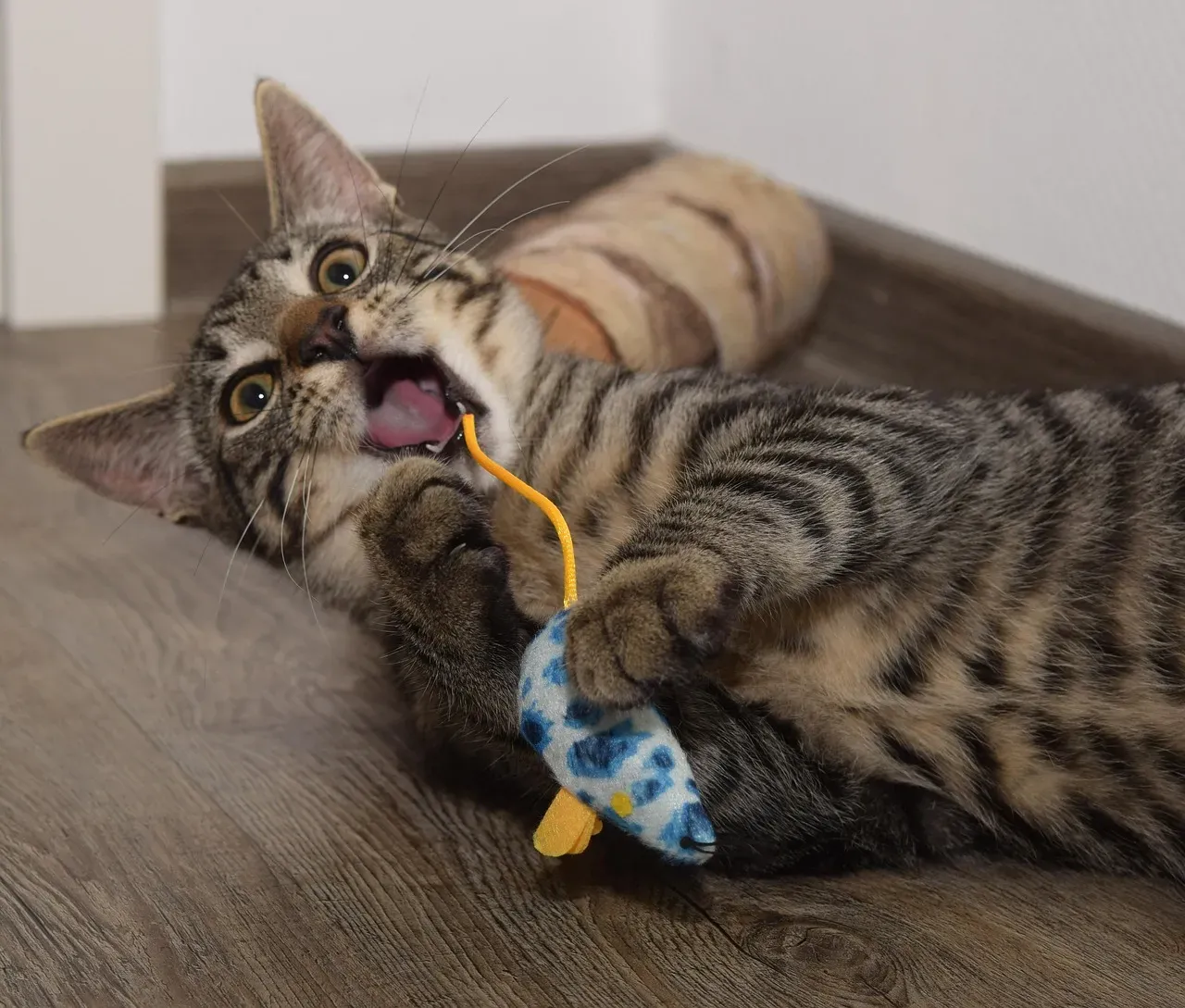
If you have ever watched a cat bat a mouse around instead of just killing it, your first instinct might be to call it cruel. Honestly, that reaction makes sense. However, the science behind that behavior is far more pragmatic. When a cat bats around its prey after the initial pounce, it may seem like they want to “play” with their catch. In reality, the cat is tiring out the animal until it’s safe to go in for the killing bite.
By playing with their prey, it causes confusion and fatigue, which makes it easier to kill the prey without the cat putting itself at risk of injury. Depending on the size and danger posed by the prey, a cat “playing” with their prey may really be the cat’s way of responding to their prey’s movements to protect themselves from getting injured. Mice and rats have sharp incisor teeth that can bite and injure your cat. Birds’ beaks are pointy and can cause damage, too. What looks like a game is actually controlled risk management.
When They Bring You “Gifts,” They Are Teaching You to Survive
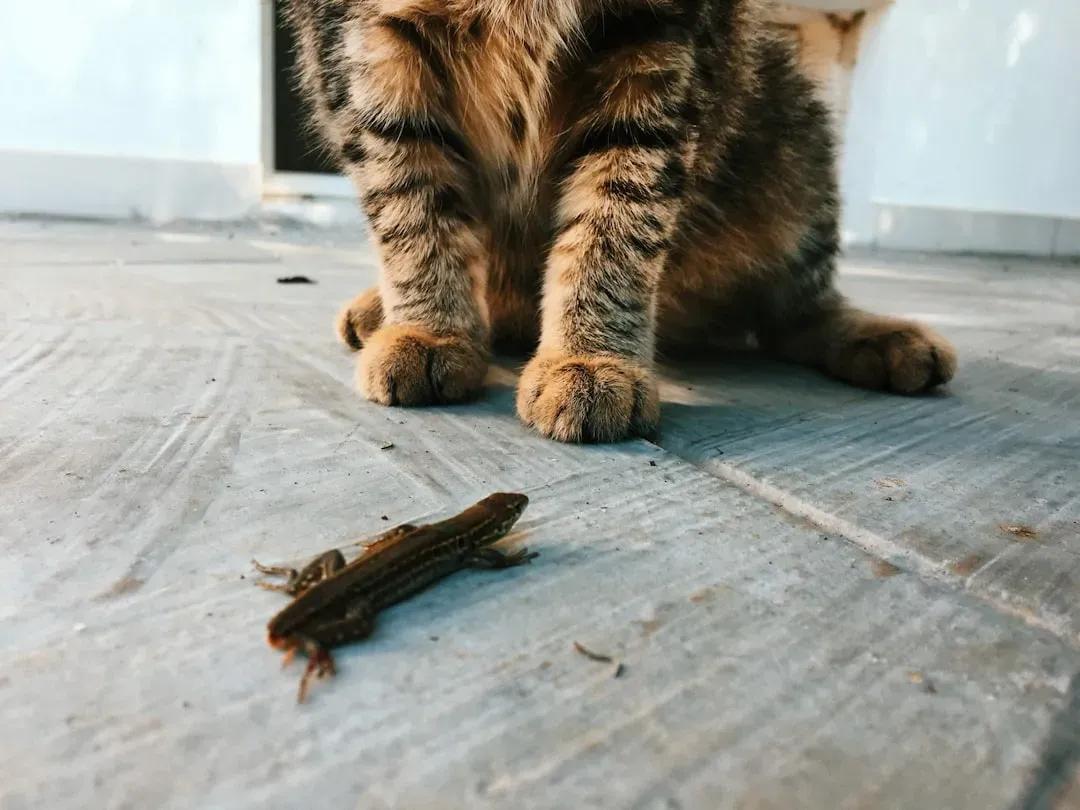
Finding a dead bird on your doorstep is not exactly the gift experience you had in mind. Yet from your cat’s perspective, it is an act of deep social bonding. This may be a sign that your cat considers you a part of their family. They are sharing the bounty of their hunt, just as Mama Cat may have done with them when they were kittens. Because, in general, your cat actually sees you as a bigger, clumsier cat. So if you are finding your feline friend bringing you their “gifts,” it is actually their way of “teaching” you how to hunt.
It may be similar to the way wild cats provide for their young while teaching them valuable survival skills. Since most domestic cats are neutered, however, and have no young to provide for, they may transfer these instincts to their owners instead. In other words, your cat is not mocking you – they genuinely believe you need the help. Try not to take it too personally. Your cat has an instinct to bring prey back to a safe environment, and the fact that they choose your home means they feel safe and secure there. That part, at least, is sweet.
Playtime Is the Best Way to Honor – and Channel – the Hunter
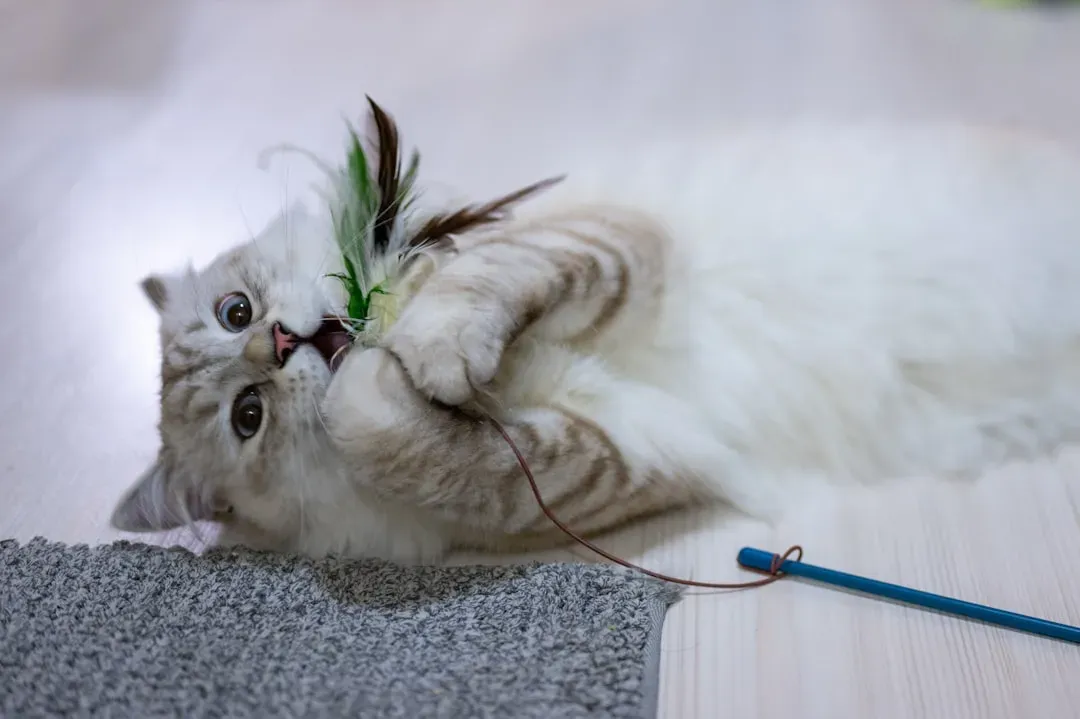
Understanding the hunting instinct is only half the equation. The other half is doing something useful with it. Owners who spent five to ten minutes per day playing with their pets – using a feather toy on a string to simulate hunting and then replacing it with a crinkly mouse-type toy – tracked results over twelve weeks. Nearly all of the approaches curbed the cats’ killer instinct, according to scientists reporting in Current Biology. The difference was measurable and meaningful.
Studies have found that adult cats show more intense and prolonged play with toys that resemble actual prey items. Similarly, the hungrier the cat was at the time of object play, the more intense and prolonged the play sessions were. This means you can tailor playtime to genuinely satisfy your cat’s deepest instincts. Alternate the “hard to get” movements that elicit intense sprints and leaps with plenty of slow movements or pauses to allow stalking and winding up to pounce. Remember to let the cat catch the toy and revel in the victory. Give them the win. They have earned it.
Conclusion

Your cat is not just playing. They never were. Every crouch, every freeze, every explosive burst across the living room floor is a living echo of something ancient and brilliantly designed. The more you understand what is actually driving that behavior, the more you can connect with your cat in a way that genuinely respects who – and what – they are.
Providing real outlets for that instinct is not optional enrichment. It is a core part of responsible cat ownership. A cat whose inner hunter is acknowledged and redirected is a calmer, healthier, and genuinely happier animal. So the next time your cat drops a toy mouse at your feet and stares at you expectantly, maybe pick it up and toss it. After all, they have been patient enough with your slow human reflexes.
How well did you really know your cat’s inner predator? What surprised you most?
Kristina is a young writer from India. An arts graduate and an avid content creator, Kristina is passionate about animals and wildlife. She enjoys exploring topics related to pet care, animal behavior, conservation, and nature, combining thorough research with engaging storytelling.