Every morning, without fail, your cat shows up. Maybe it’s a soft paw on your cheek before the alarm rings. Maybe it’s a slow, deliberate blink from the edge of the bed, or a deep rumbling purr pressed against your ribs while you’re still half asleep. You’ve probably brushed it off as hunger, habit, or just the chaotic unpredictability of living with a feline. But here’s the thing – you’d be wrong to dismiss it so quickly.
What your cat does in those quiet, unhurried moments between night and morning is so much more layered than it first appears. Science, animal behaviorists, and decades of careful feline observation all point to the same conclusion: your cat’s morning rituals are a window into something far deeper than routine. They’re a carefully curated language of trust, safety, and genuine connection – and once you understand what’s being said, your entire relationship with your cat will shift. Let’s dive in.
The Crepuscular Clock: Why Your Cat Is Already Awake Before You Are
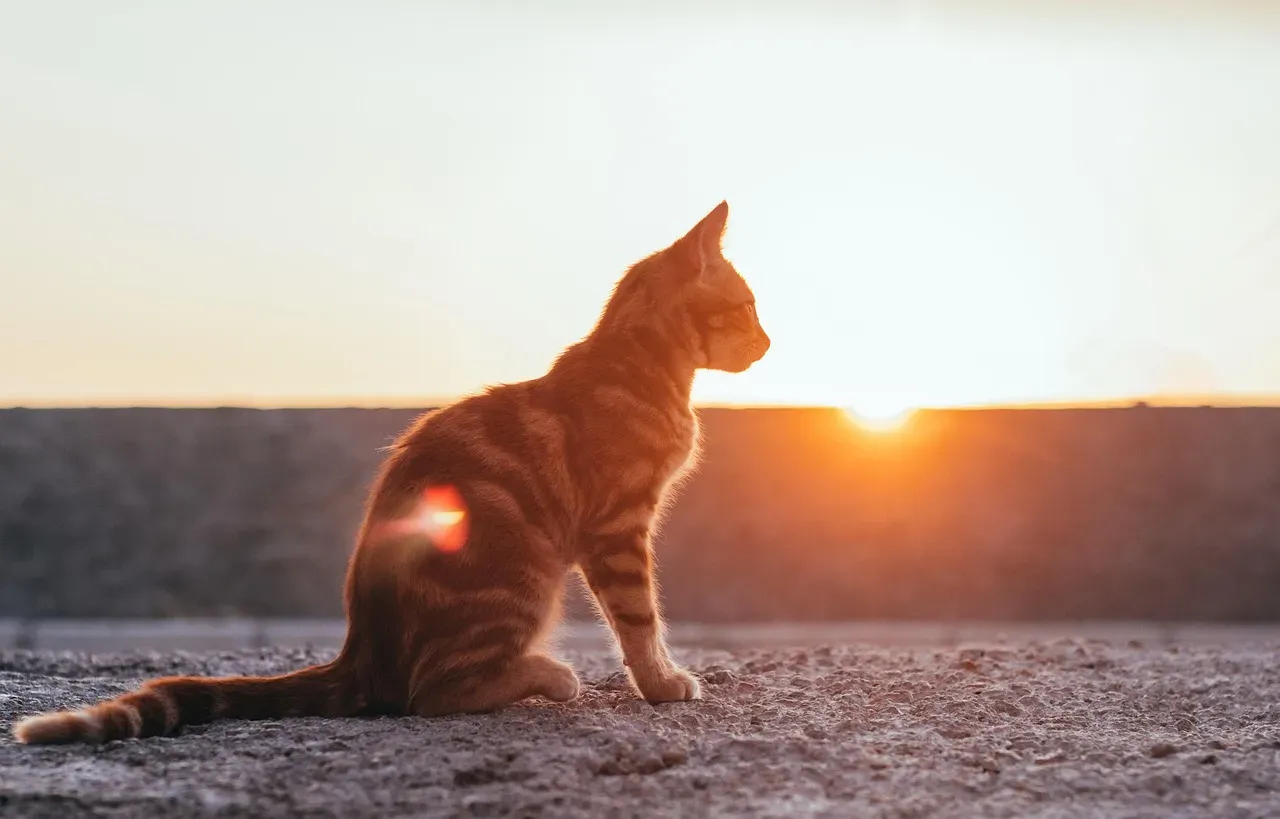
You might feel like your cat is being dramatic at 5:47 a.m., pacing the hallway or rattling the bedroom door. But honestly, your cat isn’t being unreasonable – it’s just wired that way. Cats are crepuscular animals, meaning they’re naturally most active during dawn and dusk, and this evolutionary trait explains why your cat may be particularly energetic and social when you’re just opening your eyes. Their peak energy windows are built around these twilight hours, not the middle of the afternoon.
This evolutionary trait stems from their wild ancestors’ hunting patterns, when prey was most abundant during twilight hours, and despite domestication, this internal clock remains hardwired in household cats. So when your cat nudges you awake at sunrise, it’s not misbehaving – it’s simply operating at full biological capacity while you’re still catching up.
Morning Greetings Are a Feline Check-In Ritual
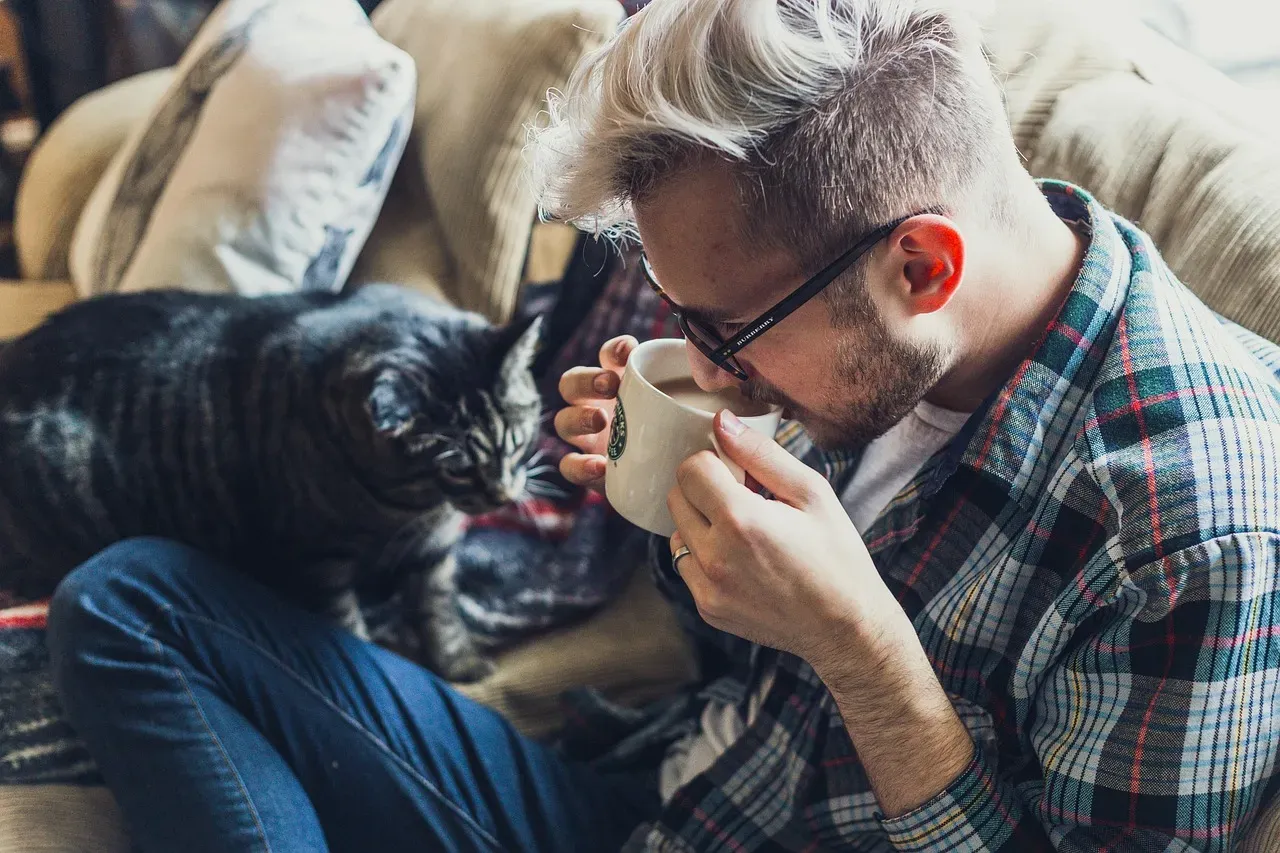
When your cat greets you in the morning with a raised tail, a slow weave between your legs, or a persistent nudge at your hand, it means something. This behavior is tied to their instinctual need to check in with their “pack” – in the wild, cats would greet each other to ensure the safety and well-being of the group, so when your cat greets you in the morning, it’s their way of checking in and making sure everything is okay, showing that they see you as part of their family.
Morning greetings from your cat are not just a random occurrence; they play a crucial role in strengthening the bond between you and your cat. When your cat greets you in the morning, it’s their way of showing affection and seeking comfort. By reciprocating this greeting, you are acknowledging their love and creating a deeper connection, and this daily interaction helps build trust and a sense of security. Think of it like a handshake at the beginning of a shared workday – brief, consistent, and full of meaning.
The Science of the Slow Blink: A Feline “I Love You”
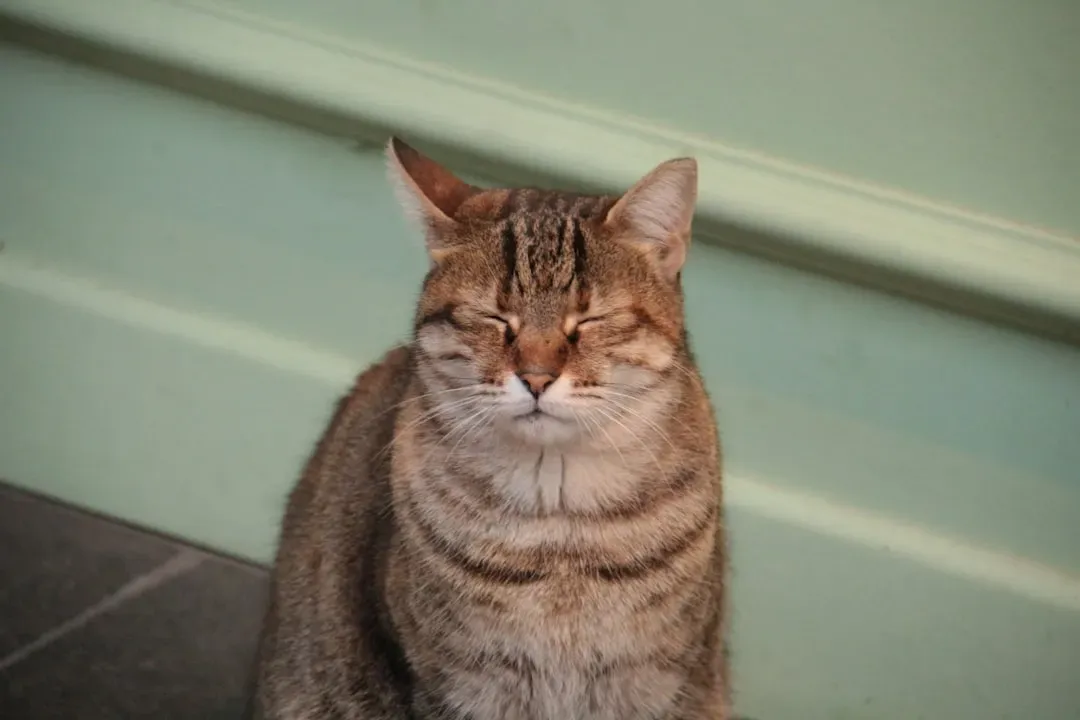
If your cat gazes at you across the morning light and lazily closes and opens its eyes, pay attention. You just received one of the most sincere gestures a cat is capable of. A slow blink from a cat might as well be a valentine – when a cat slowly blinks with you, it means they trust you enough to lower their defenses and close their eyes, even if only for a moment. For an animal wired to remain perpetually alert to threats, that moment of softness is genuinely profound.
A groundbreaking 2020 study published in Scientific Reports found that cats respond positively to slow-blinking from humans, and this non-verbal cue, akin to a cat’s version of a smile, signals trust and affection. When you slowly close your eyes, pause for a second, and then gently open them again, your cat is likely to interpret this as a friendly and calming gesture, and many cats even return the slow blink, reinforcing their bond with you. Next time you catch your cat watching you over morning coffee, try blinking back slowly. The response might surprise you.
Head Bunting: You’ve Been Claimed as Family
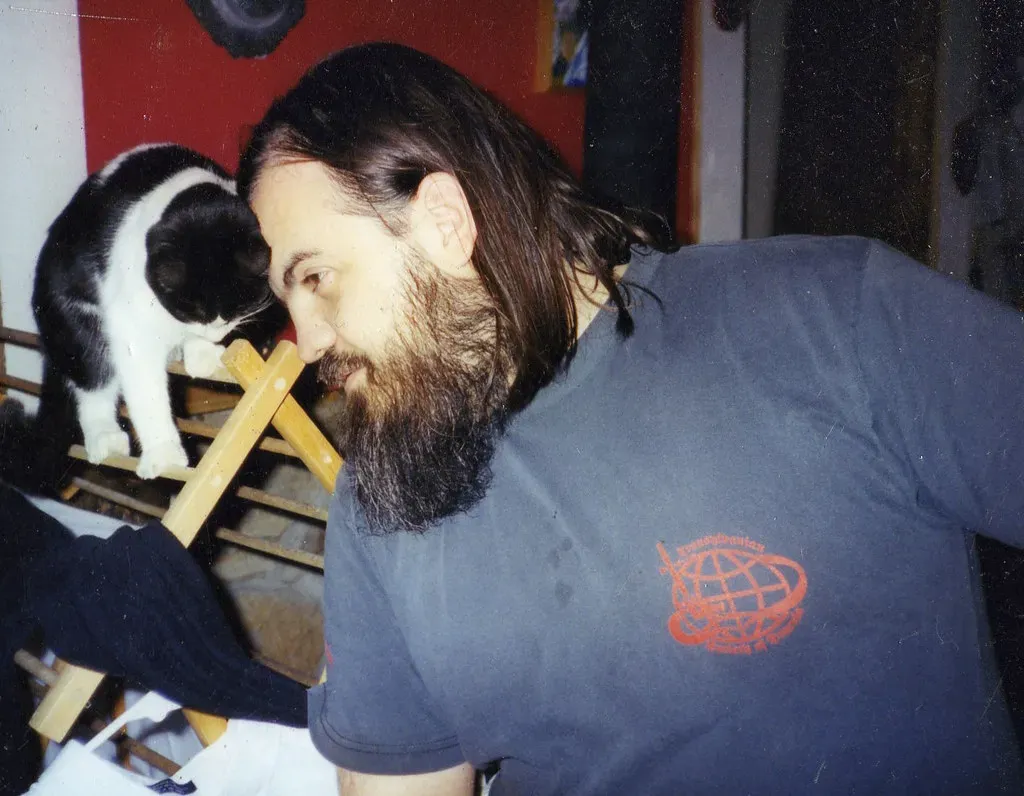
That little headbutt your cat delivers to your shin, your hand, or your face the moment you step out of bed? That’s not just a quirky feline habit. Bunting refers to the behavior where cats press their head or cheeks against people, and since cats have scent glands located on their cheeks, forehead, and chin, when they bunt, they release pheromones that mark their territory, communicating ownership and familiarity. You’re not just being greeted – you’re being signed into the feline family register.
Head bunting is a way cats mark their feline friends and family – it’s a stronger marker than leaving urine on objects to claim them, but instead of territory, they are claiming familial relationships. By extending this behavior to humans, your cat is incorporating you into their social circle, so the next time your cat head-butts you, consider it an honor – you’re being accepted as a trusted family member in your cat’s world. That’s no small thing, coming from an animal that evolved to be largely solitary.
Kneading in the Morning: Comfort From the Deepest Memory
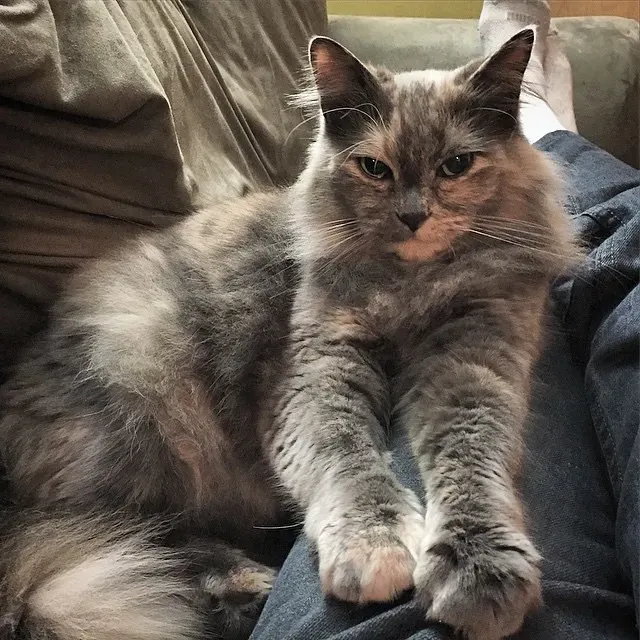
You’re lying in bed, barely conscious, and your cat settles beside you and starts rhythmically pressing its paws into your blanket – or your stomach. It looks almost meditative, and in a sense, it really is. Kneading originates from kittenhood, when kittens pressed their paws against their mother’s belly to stimulate milk flow, and this comforting behavior often persists into adulthood, associated with feelings of security and contentment.
When a cat kneads their owner, it can be a sign of trust and affection, demonstrating that the cat feels safe and comfortable in the presence of their human companion. When your adult cat kneads you, it’s a significant compliment – they’re expressing contentment and treating you as a maternal figure, and the behavior releases endorphins that create feelings of pleasure and relaxation for your cat. In other words, you are their safe place. Their home base. That’s a form of trust money can’t buy.
Morning Vocalization: Your Cat Has Things to Say
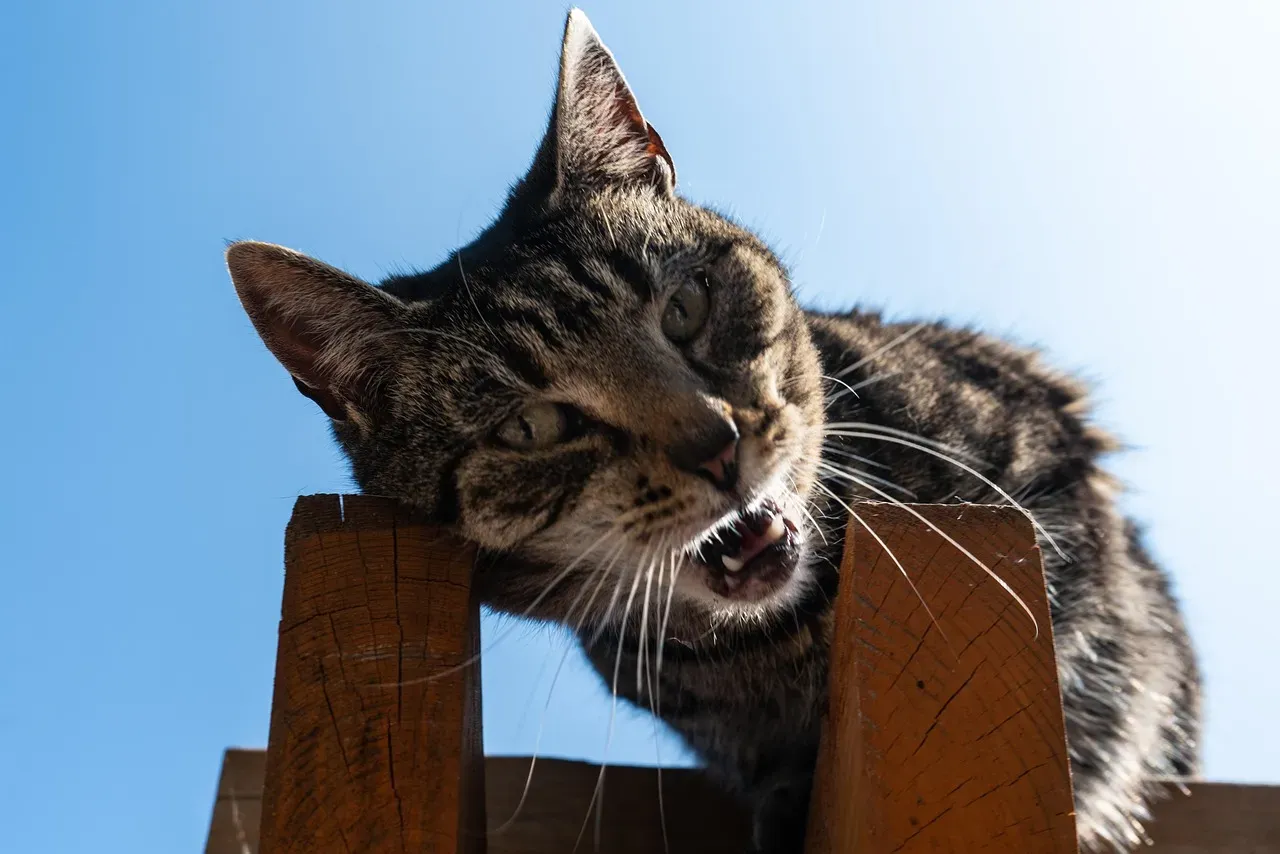
Cats are surprisingly eloquent communicators, and the morning is when they tend to be most vocal. Not all cats are chatty, but many reserve certain sounds just for their favorite humans – soft trills, chirps, or conversational meows can be signs of affection, and purring, while not always exclusive to happiness, commonly goes hand in hand with calm, positive moments. That little chirrup your cat makes when it sees you stir awake? It’s reserved specifically for you.
The chirrup or trill greeting is a melodious sound that cats make when saying hello to preferred individuals, so if your cat sings to you in this way, be assured they are pleased to see you. Let’s be real – the morning symphony your cat performs isn’t random noise. It’s targeted communication directed at someone they genuinely trust. That distinction matters more than most cat owners ever realize.
Routine as the Foundation of Trust
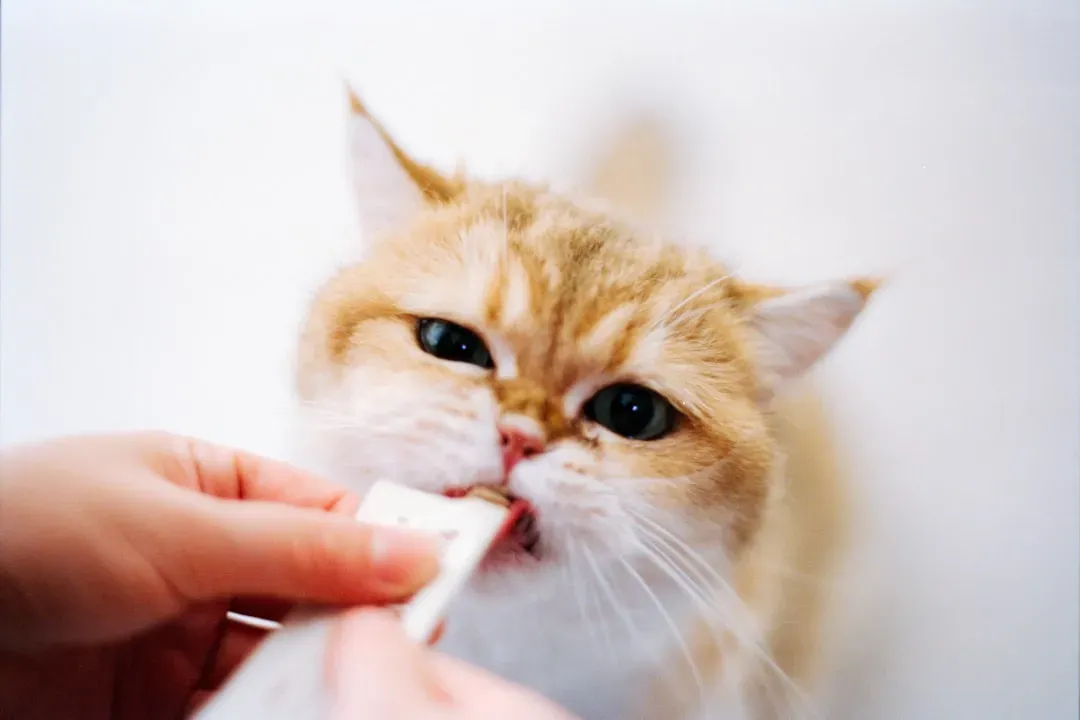
Here’s something that might reframe how you think about your cat’s entire daily behavior. You don’t build trust with a cat by loving them hard – you build it by being consistent, and ritual is just consistency made intentional. Every morning that you show up, feed at the same time, speak softly, and move predictably, you are essentially renewing a trust contract with your cat.
Consistent feeding times, play sessions, and rest periods create stability, and cats often bond through reliability – shared routines help reinforce your role as a source of comfort. A daily routine for cats provides predictability – structure gives them security, reduces anxiety, and prevents destructive behaviors that often stem from boredom or stress, and knowing what to expect allows your cat to feel more confident in their environment. Predictability, for a cat, is basically the equivalent of safety. If you show up the same way every morning, you are the safest thing in their world.
What Secure Attachment Really Looks Like in Cats
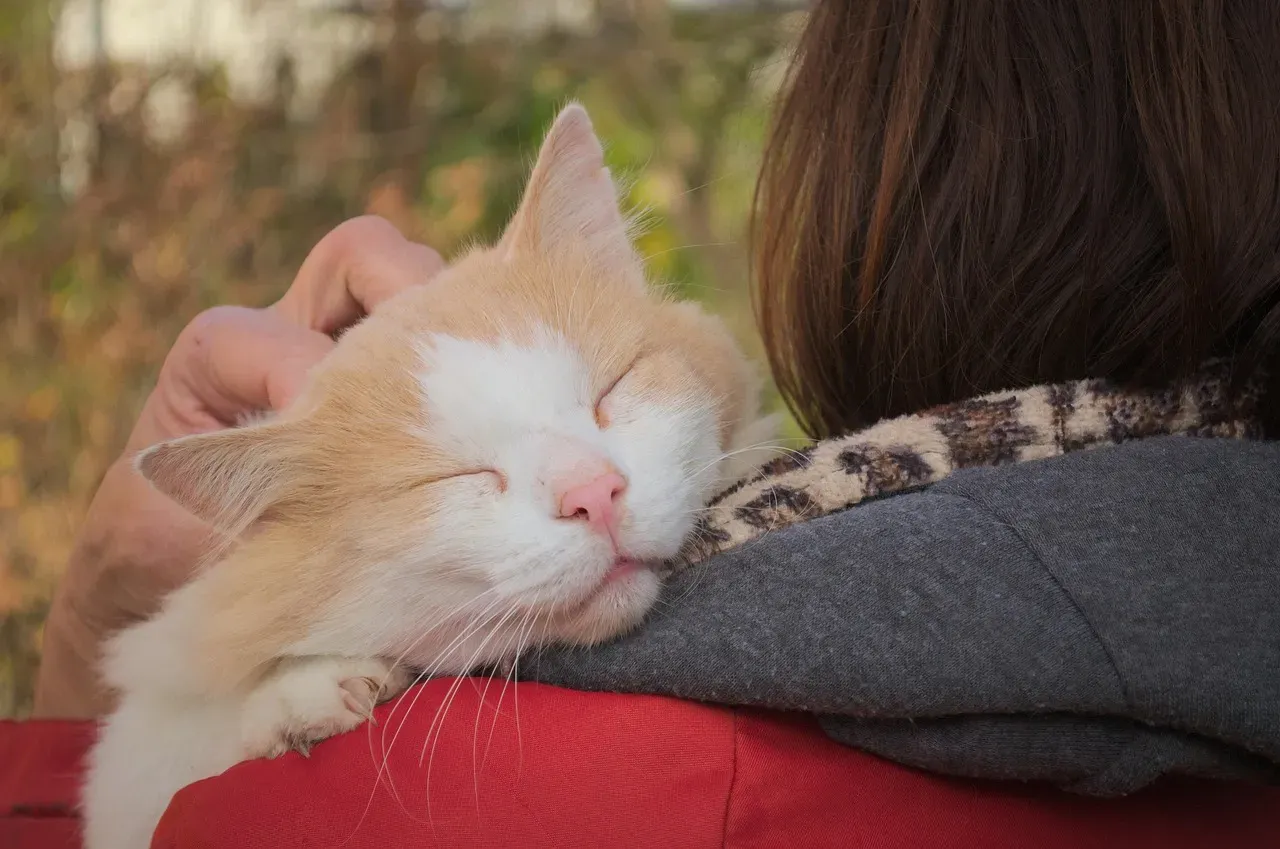
You may have heard the stereotype that cats are cold, aloof, and indifferent to their owners. Science has been dismantling that reputation for years now, and morning behavior is one of the most compelling places to observe why. The unique interspecies relationship between cats and humans is driven by the cat’s capacity for attachment, and studies show that the majority of domestic cats exhibit a secure attachment style, meaning they are distressed when their primary human leaves and seek comfort upon their return – this suggests that the human provides a secure base from which the cat can explore its environment.
Cats are highly capable of meeting their own needs, and because of this independence, affection isn’t about dependence – it’s about preference. When a cat interacts with you, it’s because they want to, not because they need to. That’s actually the most moving part of feline trust. Your cat chooses you, freely, every single morning, despite being perfectly capable of not caring at all.
How to Deepen the Morning Bond With Your Cat
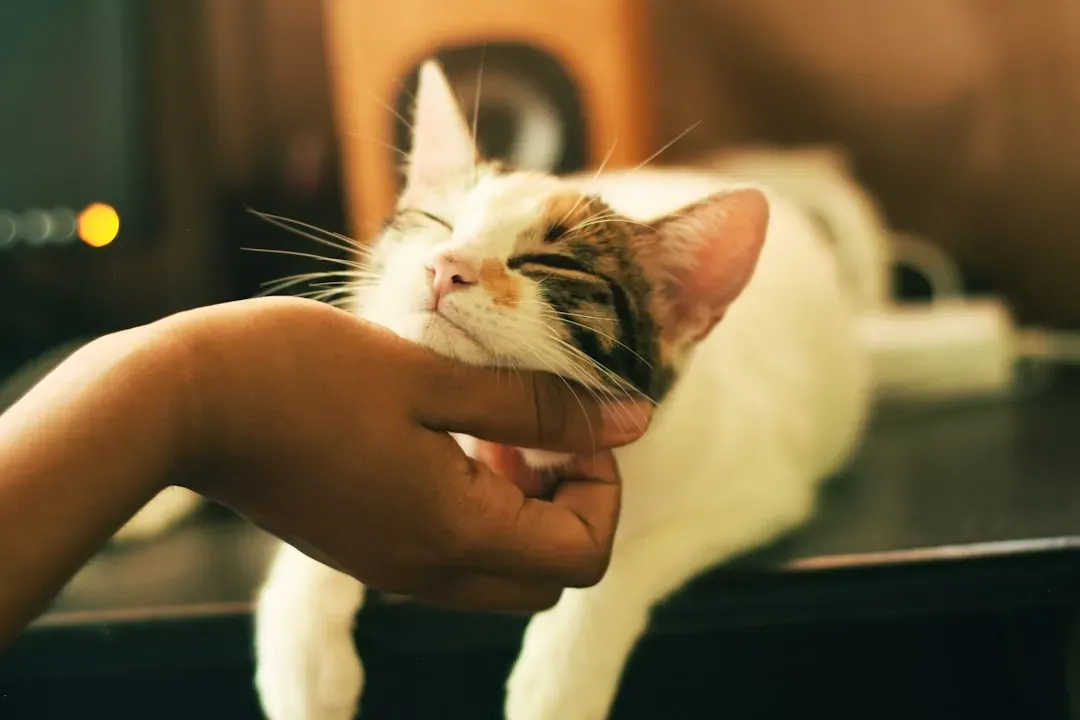
Once you understand what your cat is communicating each morning, the natural follow-up is: how do you honor it? A positive morning begins with kindness – cats respond best to a calm, soft start rather than sudden noises or jolts out of sleep, so starting by gently greeting your cat, offering quiet pets, or softly talking to them helps your cat feel safe, valued, and secure in their space. It sounds almost too simple, but the ripple effect of that gentle consistency is enormous.
A quick grooming session in the morning can make a big difference for both you and your cat – light brushing reduces shedding and prevents hairballs, while taking a moment for nail checks or gentle grooming provides not just practical benefits, but also meaningful opportunities for bonding, and these moments communicate care, trust, and routine, reinforcing that mornings are about connection. Honestly, even five focused minutes of intentional morning attention can transform the emotional quality of your relationship with your cat over time.
Conclusion: Every Morning Is a Quiet Act of Love
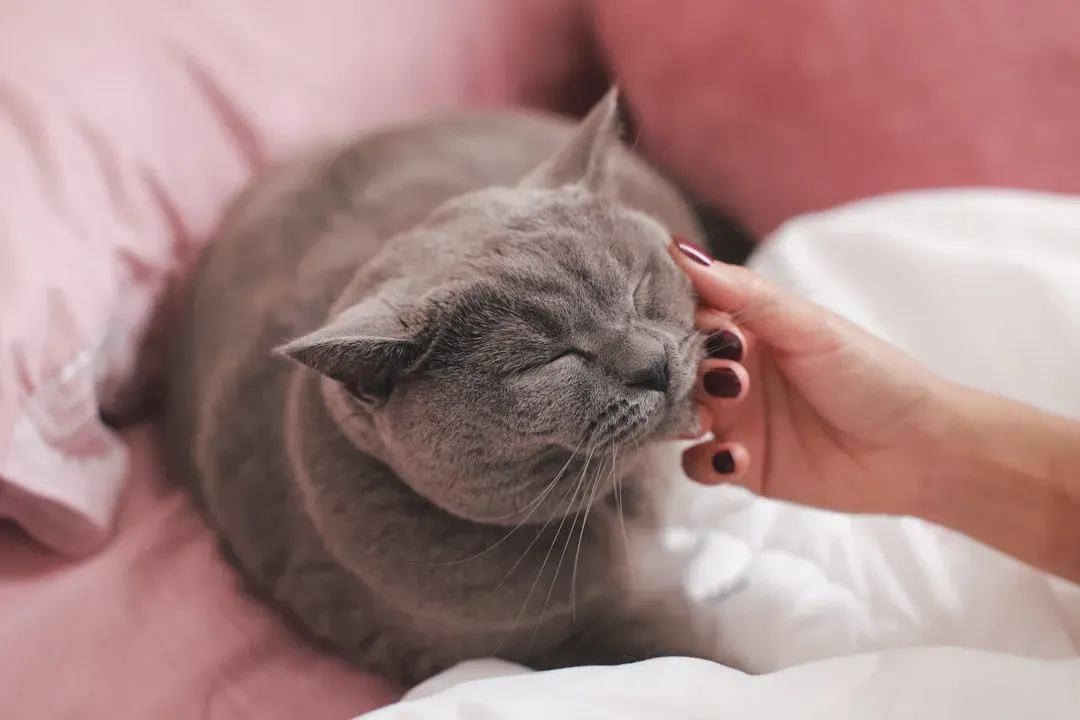
It’s easy to overlook these tiny rituals, especially when you’re tired, rushing out the door, or still fumbling with your coffee maker. Your cat’s morning behaviors can feel small – a nudge here, a slow blink there, a brief rumble of purring before the day begins. But nothing your cat does in those tender early-morning moments is accidental or empty. Every gesture is built from thousands of years of feline evolution, filtered through the specific, irreplaceable history of your unique bond.
Your cat is not just asking for breakfast. It is confirming, in the only language it has, that you are safe, that you are trusted, and that you belong together. Morning greeting rituals and interactions provide natural opportunities for strengthening your bond, and these consistent touchpoints help your cat anticipate positive interactions, making them more receptive to a deeper connection. The next time your cat wakes you up at dawn with a paw on your face or a lingering slow blink, maybe don’t rush past it. Slow blink back. Linger for a moment. You’re being told something extraordinary by a creature that does not say it lightly.
When did you last notice what your cat was really trying to tell you in the morning? Share your thoughts in the comments – you might discover you’ve been having a conversation all along without even realizing it.
Kristina is a young writer from India. An arts graduate and an avid content creator, Kristina is passionate about animals and wildlife. She enjoys exploring topics related to pet care, animal behavior, conservation, and nature, combining thorough research with engaging storytelling.