If you share your life with a cat, you already know there’s something almost magical about the way they seem to observe everything. They sit there, perfectly still, watching you with those luminous eyes as if they’re quietly deciding something very important. Yet, despite what many people assume, your cat is rarely being mysterious for the sake of it. The truth is, your feline companion is talking to you constantly. You’re just not fluent in the language yet.
Research shows that cats developed their vocal meowing primarily to communicate with humans, but among themselves, they rely almost exclusively on non-verbal cues. That’s a striking reality. A whole world of feline conversation is happening right under your nose, one that has nothing to do with sound. So, if you’ve ever wondered what your cat is actually trying to tell you when they press their head against your leg, stare at you from across the room, or wrap their tail just so as they walk past, you’re about to find out. Let’s dive in.
The Meow Was Always Just for You
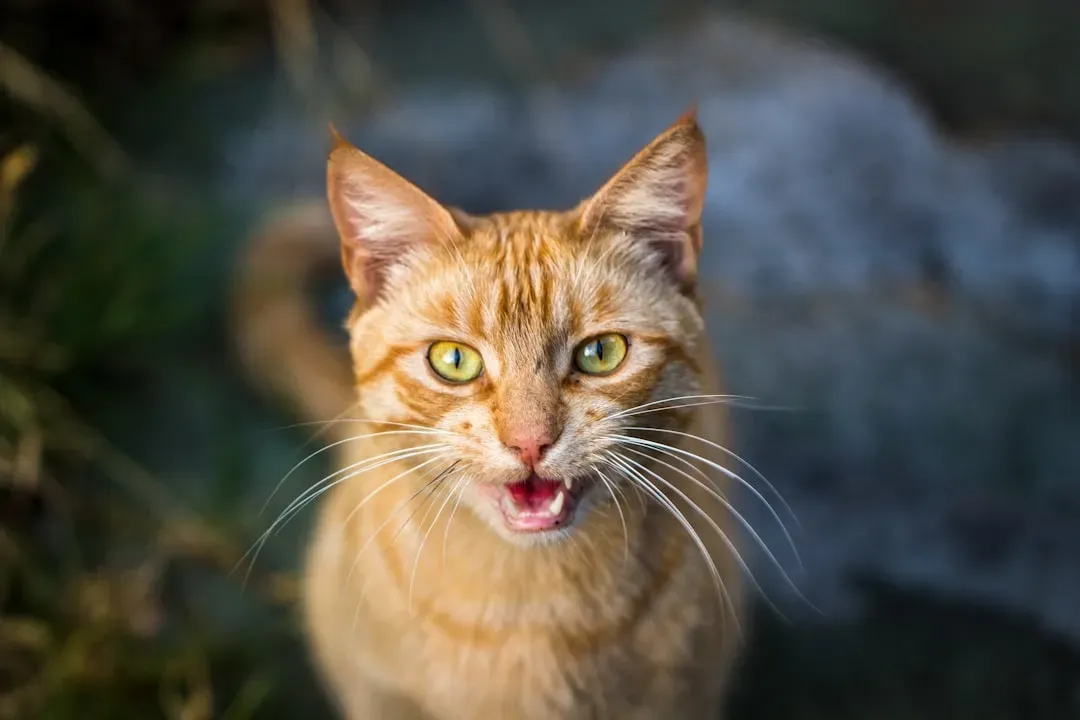
Here’s a fact that catches most cat owners completely off guard. The meow is actually a sound heard mainly between kittens and mother cats. In adult cats, the meow has been found to be directed only at humans, not at other cats. Think about that for a moment. Your cat essentially invented a whole vocal behavior just to communicate with you. It’s oddly flattering.
Studies have shown that domestic cats tend to meow much more than feral cats, and they rarely meow to communicate with fellow cats or other animals. So the rich, silent vocabulary your cat uses every single day is the real language, the ancient one, rooted deep in their DNA. The meow is more of a translation tool your cat created over generations to bridge the gap between two very different species. Honestly, that deserves a bit of respect.
The Tail Never Lies
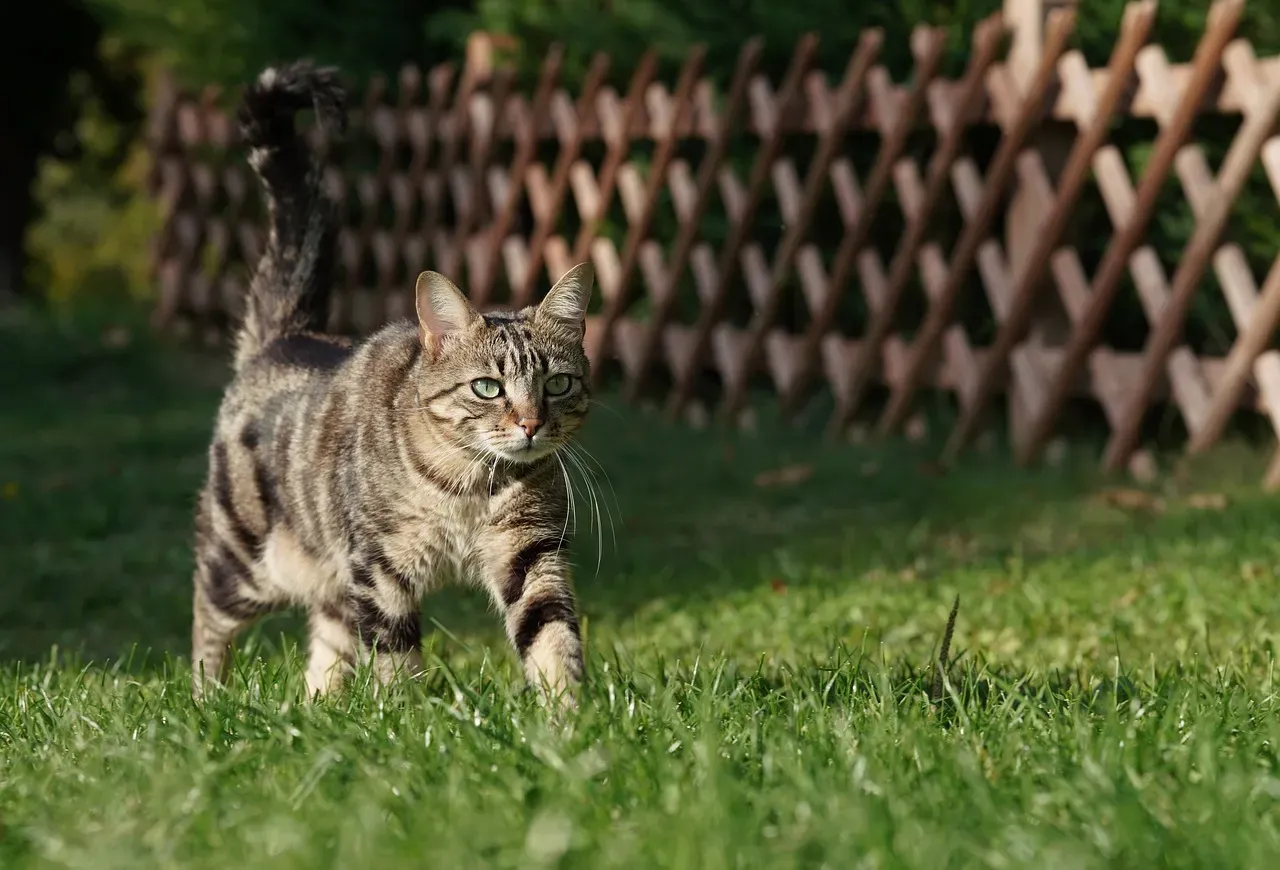
If you want to know how your cat is really feeling right now, forget the face. Start with the tail. The cat’s tail is one of its most expressive features, serving as a dynamic, real-time barometer of its emotional health. It’s like a mood ring, except far more reliable.
When greeting their owners, cats often hold their tails straight up with a quivering motion that indicates extreme happiness. On the flip side, a cat may lower their tail below the level of their back if they are frightened or anxious, and if their tail is tucked between their legs, they are really scared or may be experiencing pain. The next time your cat walks toward you, check that tail position before you reach out your hand. It will tell you everything you need to know about whether they’re in the mood for a scratch or a quiet moment alone.
Ear Positions: Your Cat’s Inner Barometer
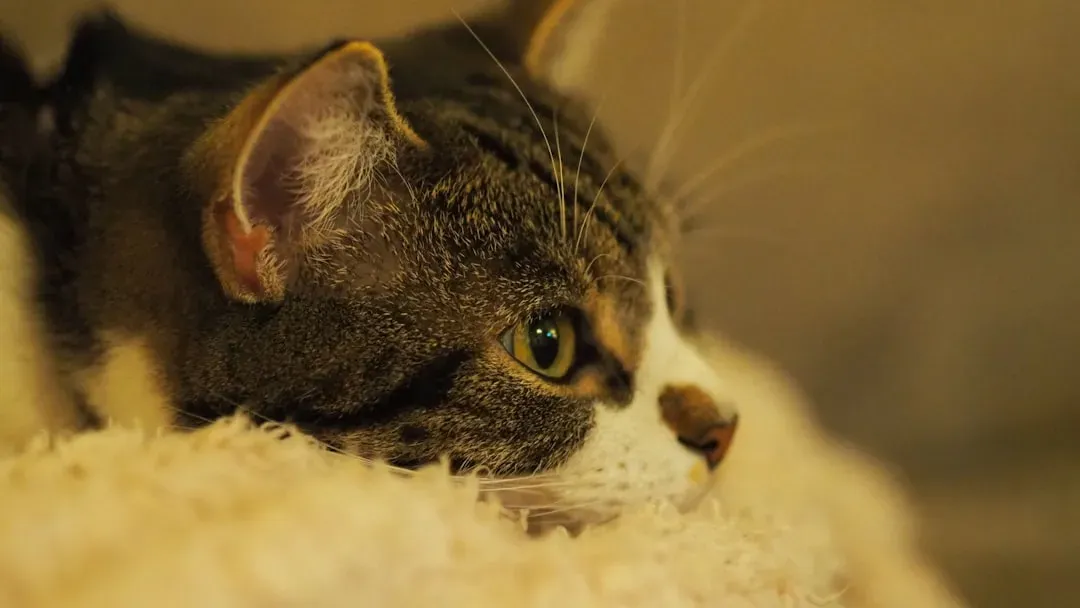
Think of your cat’s ears as emotional antennas. They rotate, flatten, and tilt with almost mechanical precision, and each position carries a specific meaning. If you picture a cat’s ears as eyebrows, it helps to identify what they are feeling. A happy person’s eyebrows are raised and they are looking forward, engaging with what interests them, and a cat holds their ears up and pointed forward when engaged with something.
Ears that are erect and rotated out along with narrow or small pupils are usually a signal of frustration, whereas dilated pupils with ears held flat against the head are often a sign of fear. Interestingly, science backs this up in a powerful way. Research demonstrates that ear positions of cats in interactions with other cats are actually the best predictor of the outcomes of those interactions. So paying close attention to those two small triangles on top of your cat’s head might just be the most important thing you do all day.
The Slow Blink: A Love Letter Written in Light
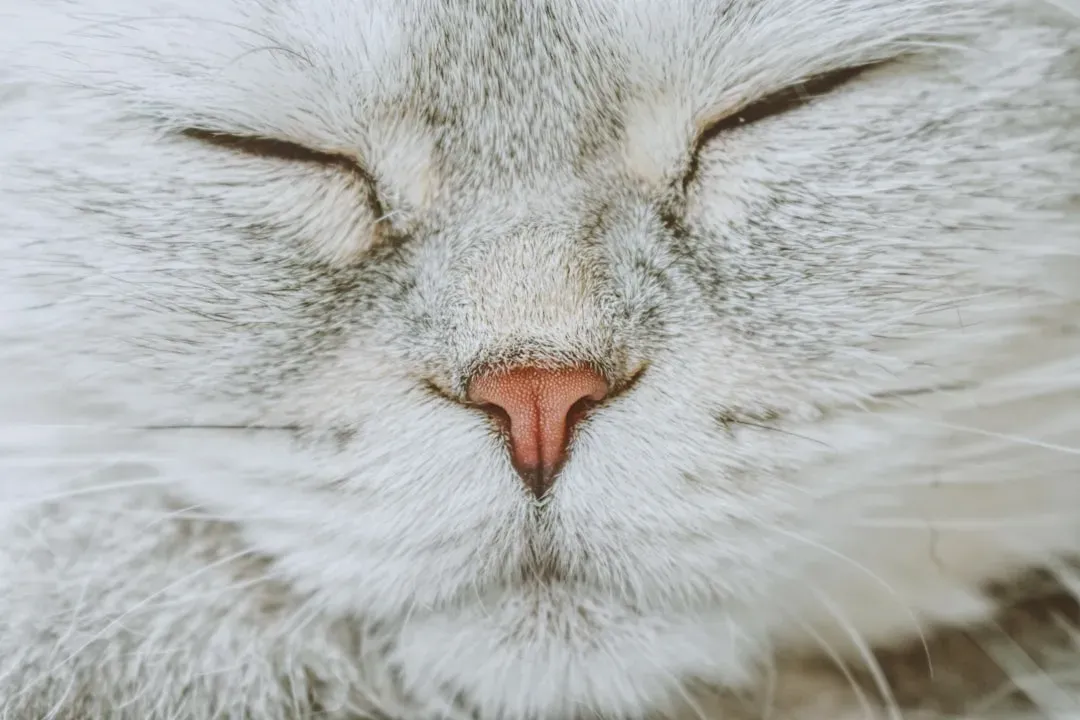
Let’s be real. Few things in life are as quietly beautiful as the moment your cat looks at you across the room and slowly closes their eyes. It’s not tiredness. It’s not coincidence. For the most part, slow blinking is your cat’s way of telling you that they trust and are comfortable around you.
Closing their eyes, even for a second, is a vulnerable act for cats in the wild. Some cats even sleep with their eyes open so they can quickly flee from predators. So it’s a big deal when your cat blinks or closes their eyes around you. It means they fully trust and love you. Here’s the best part. You can do it back. If you slow blink at your cat, particularly if they already slow blinked at you, it’s a great way to solidify your bond. Think of it as a kind of communication between the two of you. Try it tonight. The result might just surprise you.
Scent Marking: When Your Cat Claims You as Family
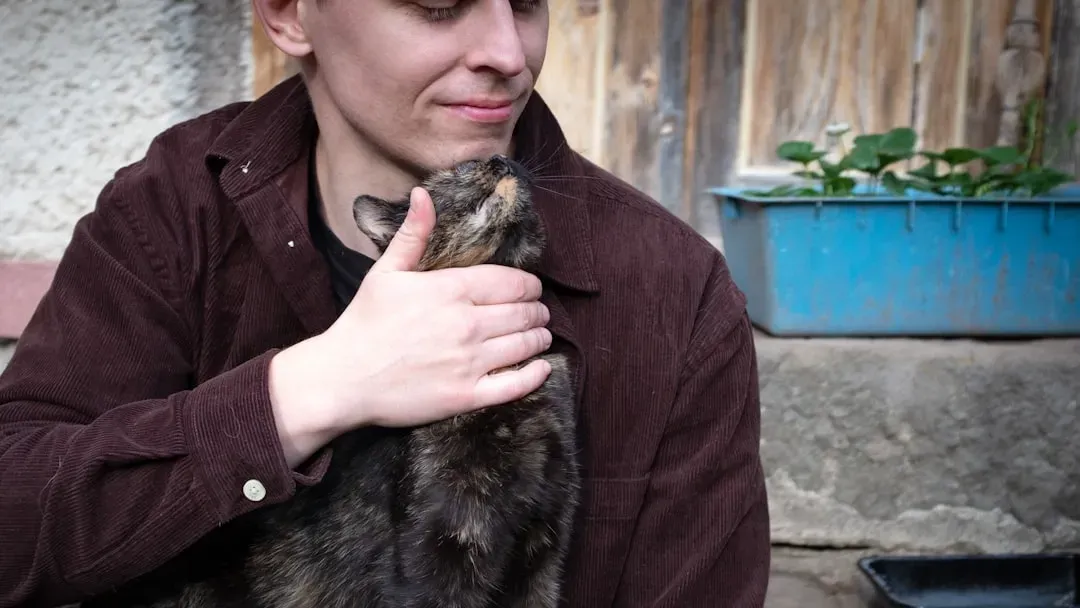
You’ve certainly noticed your cat rubbing their face along your leg, your furniture, or even your laptop. It looks affectionate, and it is. However, there’s a very specific, ancient purpose behind it. Cats have scent glands on their cheeks, jaw, and near their tail, and when they rub those parts of their body on an object or another animal, they transfer a scent that only other cats can smell.
When cats are rubbing themselves around your legs, they are scent marking you as they smoosh their face and body against you. Cats have scent glands around their face and anoint you with these to show you are part of their family. Consider it a compliment! And the head butt, known as “bunting,” takes this even further. This scent exchange creates a shared “family smell,” which reduces stress for your cat and reinforces your bond. Cats bunt only with individuals they feel comfortable with, and it is a positive, non-threatening way cats say hello. You are not just their owner. You are, to them, a member of the clan.
Kneading: The Comfort Signal That Goes Back to Kittenhood
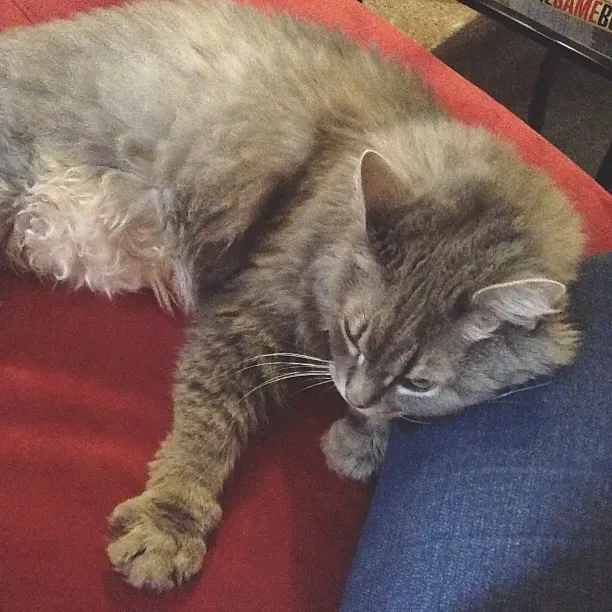
Your cat climbs onto your lap, starts rhythmically pushing their paws in and out, and you feel that mix of warmth and mild discomfort as the claws come out. This is kneading, affectionately known by many cat lovers as “making biscuits.” And it carries far more meaning than people often realize.
It’s an instinctive cat behavior left over from their kittenhood. Kittens knead their mother to help stimulate milk production while nursing, and so it’s an act deeply associated with comfort. When your adult cat kneads on you, they are communicating something genuinely sweet. When an adult cat kneads, it’s a sure sign they’re relaxed and content. Many cats do this right before curling up for a nap. There’s also a territorial element at play. Cats have scent glands in their paws, leaving a subtle mark to claim their territory. In other words, when your cat kneads you, they are marking you as theirs. That’s not clingy. That’s devotion.
The Purr: Not Always What You Think
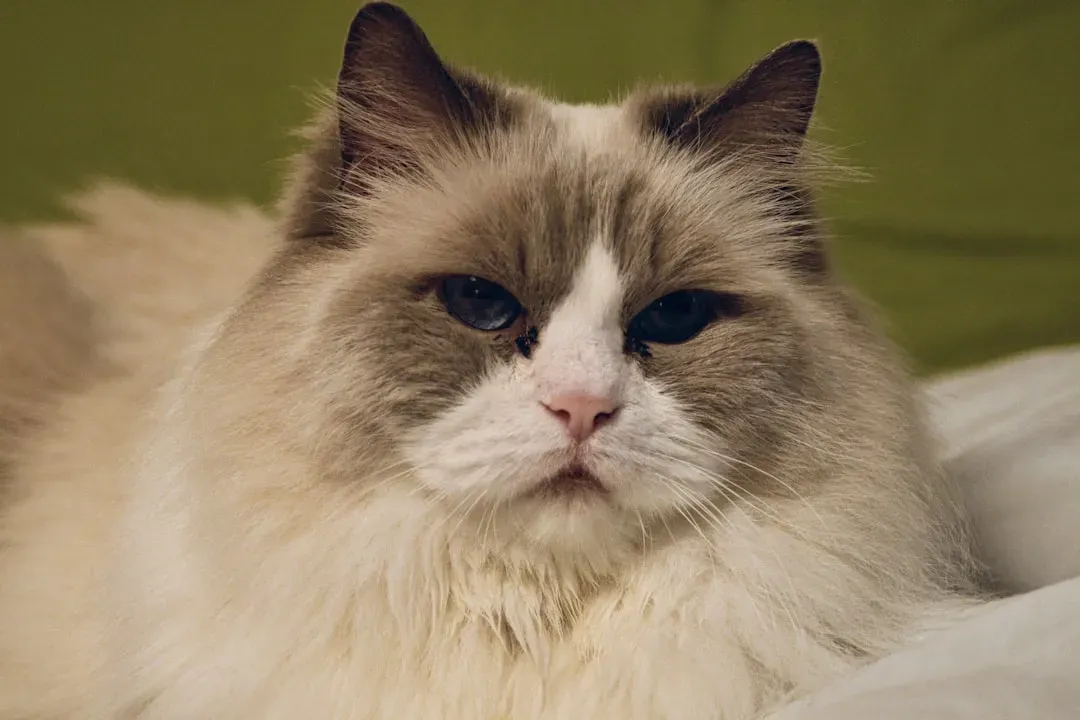
Everyone knows a purring cat is a happy cat. Except, here’s the thing, that’s not always true. The purr is one of the most misunderstood signals in the entire feline communication toolkit. While purring often signals contentment, cats also purr when they are stressed, in pain, or frightened, as a way to self-soothe.
The frequency of a cat’s purr, between 20 and 150 Hz, is scientifically shown to promote bone density and tissue healing, suggesting cats purr to “fix” themselves. That’s extraordinary when you stop to think about it. Purring might literally be a self-repair mechanism. A soft, steady purr often means your cat is content, but it can also be a form of self-soothing when they’re anxious or not feeling well. Pay attention to the context: if your cat is purring while relaxed and kneading, it’s pure bliss. If they’re purring during a vet visit or while hiding, it might be comfort-seeking. The purr, like most feline communication, requires context to truly decode.
Body Posture: Reading the Whole Picture
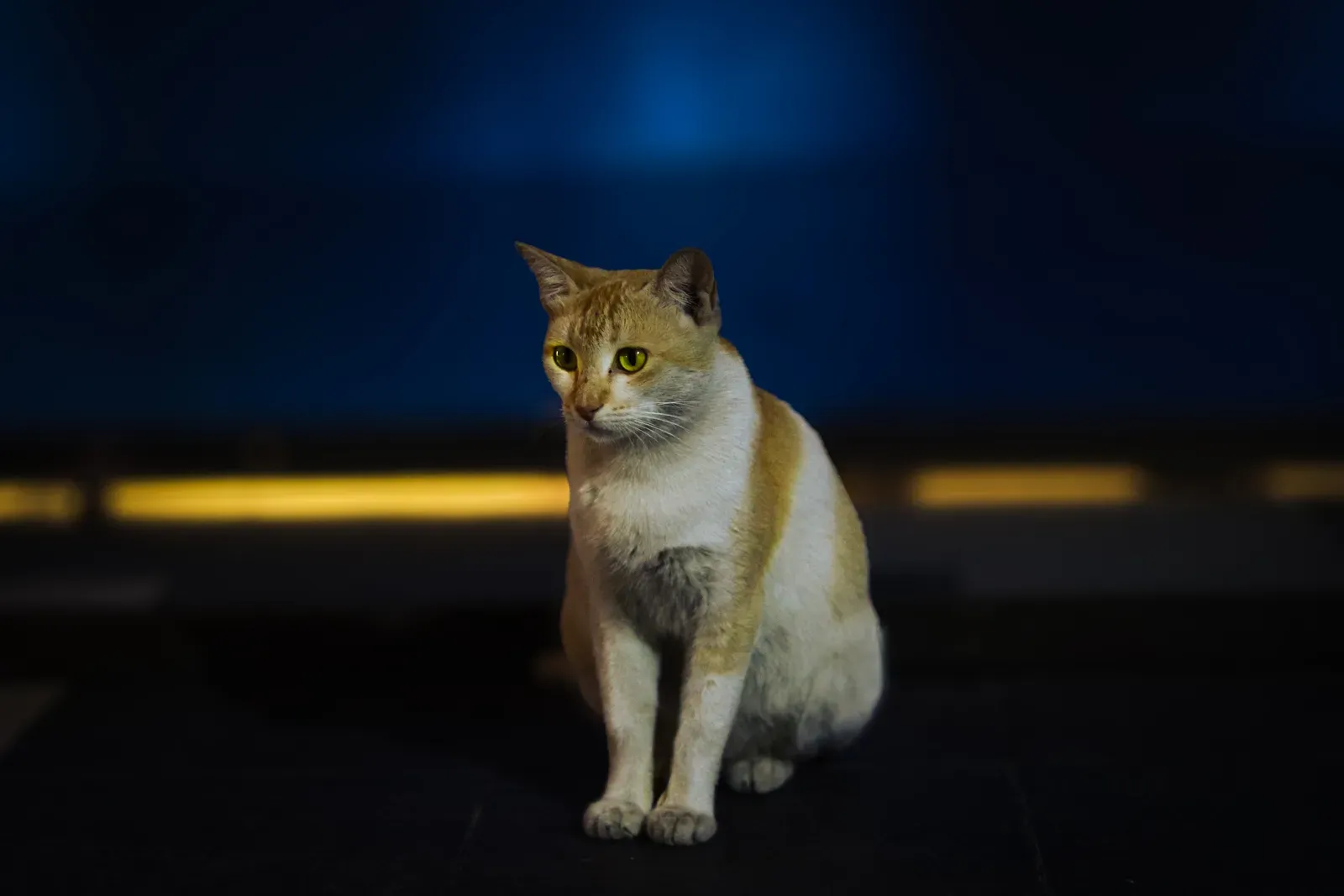
Your cat’s entire body is a living signal. Every curve, stretch, and tension pattern communicates something specific. A stretched-out, tense and forward-facing body may show confidence, or in some cases, that a cat is ready to attack, whereas an anxious or fearful cat will pull their head and neck in to look small, hold their body close to the ground, and place four paws firmly on the floor in case they need to flee quickly.
When cats roll over and show their bellies, they’re displaying ultimate trust. However, unlike dogs, this doesn’t always mean they want belly rubs. Many cats will grab and kick if you touch their exposed belly, as it’s a natural defensive response to protect their vital organs. I know it sounds crazy, but that adorable exposed belly is sometimes more of a warning than an invitation. Context matters enormously here. The main takeaway is that a cat’s body language and behaviors should be looked at as a part of one big picture. Train yourself to read the whole cat, not just the part that looks inviting.
Paws, Whiskers, and the Subtler Signals
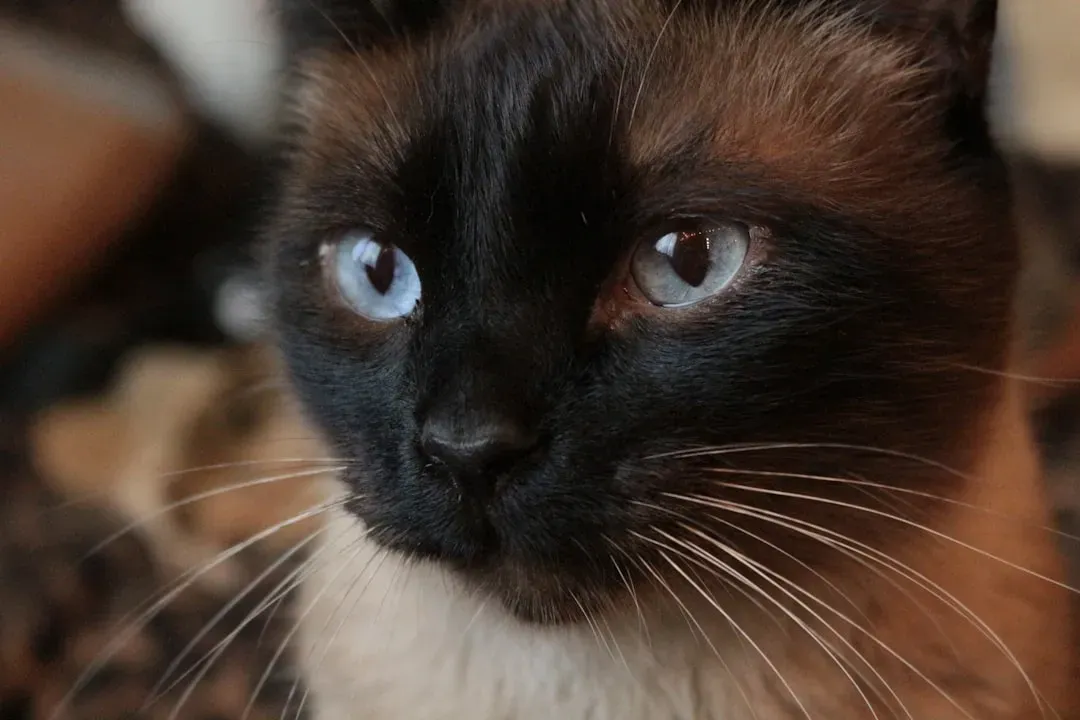
Beyond tails and eyes, there’s a whole additional layer of feline communication that most people barely notice. Your cat’s whiskers, for example, are not just sensory tools. They are expressive. The whiskers will fan out and face forward while a cat is interested or excited, be held in a neutral position while content, and move back closer to the face when the cat is worried or scared.
Kneading, often called “making biscuits,” signals comfort and contentment, while gentle paw taps serve as a way of getting your attention without meowing. If your cat has ever tapped you lightly on the arm while you’re busy reading or working, that’s not random. That’s a deliberate, polite request for your time. Some cats are naturally less vocal than others due to personality, breed characteristics, or learned behavior. However, if a typically vocal cat suddenly becomes quiet, it could indicate stress, illness, or environmental changes. Non-vocal cats often communicate more through body language and physical affection rather than meowing. Your cat has a full vocabulary. The more you pay attention, the more fluent you’ll become.
Conclusion: Learning to Listen Without Sound
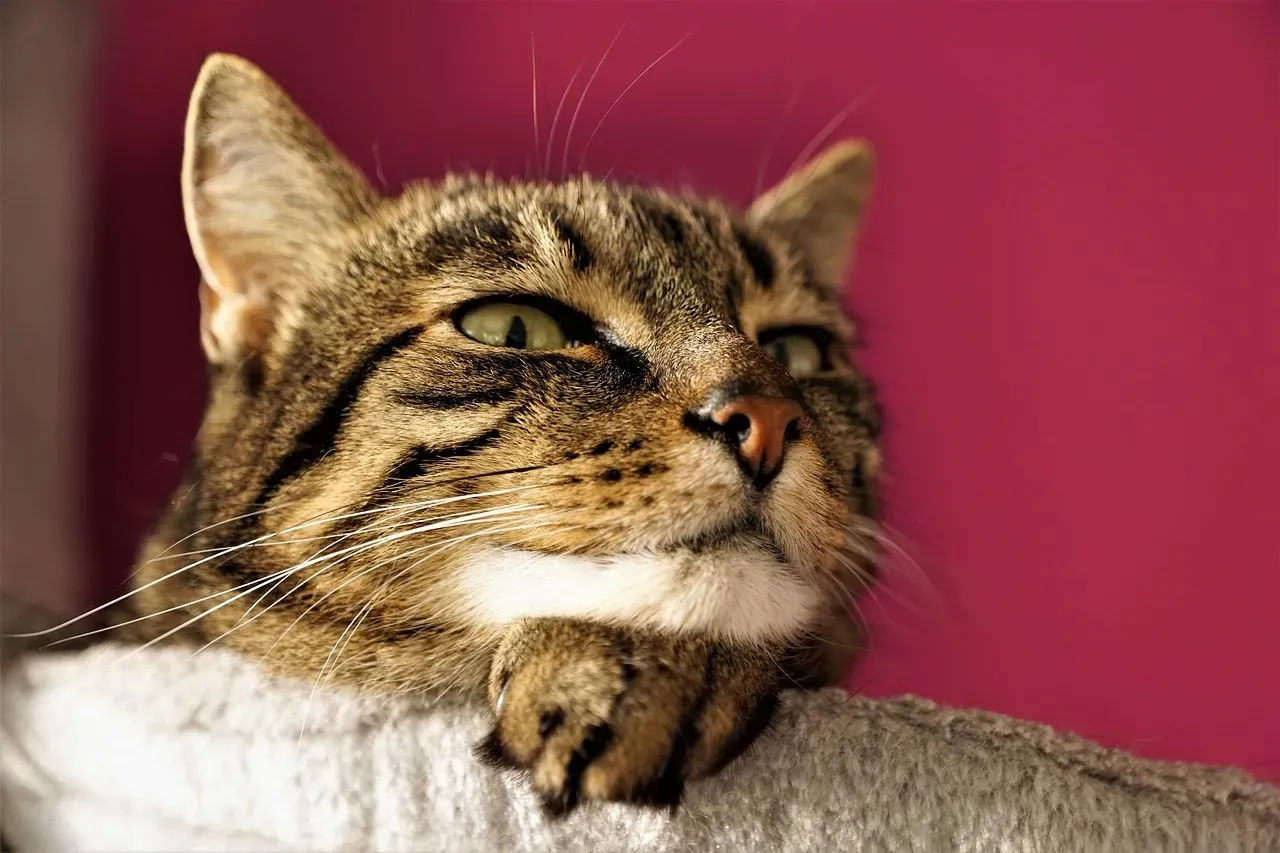
Understanding your cat’s silent language is one of the most rewarding things you can do as a pet owner. It’s not just about curiosity. It’s about connection, trust, and genuine relationship-building with another living creature that chose to share its world with you.
Cats are masters of communication and your job is to pay attention. If you learn to accurately read body language signals and respect what your cat is “telling” you, it will create trust and strengthen the bond you share. Start small. Watch the tail tonight. Notice the ears tomorrow. Try a slow blink when your cat looks your way. You might be surprised just how much your cat has been saying all along, in a language older than words.
What do you think your cat has been trying to tell you that you may have been missing all this time? Tell us in the comments.
Kristina is a young writer from India. An arts graduate and an avid content creator, Kristina is passionate about animals and wildlife. She enjoys exploring topics related to pet care, animal behavior, conservation, and nature, combining thorough research with engaging storytelling.