There is something quietly fascinating about watching your cat transform the moment night falls. What looks like restless energy or harmless mischief is actually something far older and far more deliberate. Your cat is not simply bored or demanding your attention. Every prowl down the hallway, every stretch across the blanket, every low rumbling sound in the dark is part of a deeply encoded language – one written into their DNA over thousands of years of evolution.
Honestly, most people never think twice about it. You wake up at 3 a.m. to the sound of something crashing off the kitchen counter, sigh, roll over, and go back to sleep. But if you really stopped and paid attention, you might start to see something extraordinary. Your cat is performing rituals as ancient as any predator that ever walked the earth. Let’s dive into exactly what those rituals are, and why your cat simply cannot stop performing them.
The Crepuscular Truth: Your Cat Is Not Nocturnal
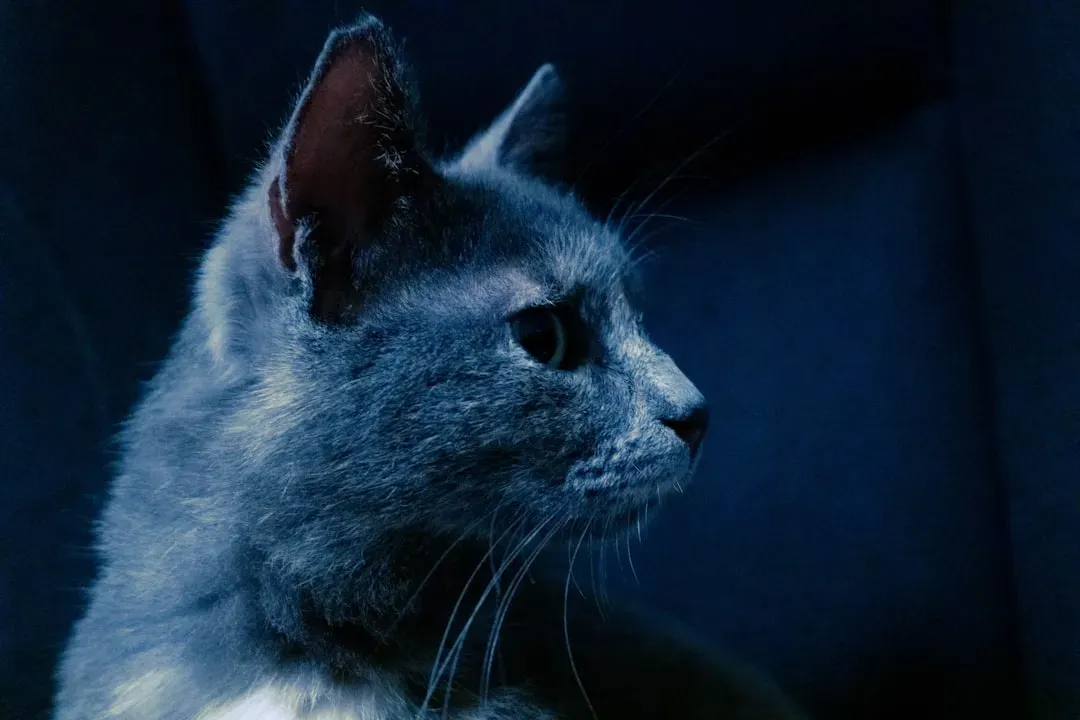
Here is a fact that surprises nearly everyone: your cat is not actually nocturnal. The truth is, cats follow a crepuscular rhythm that has them more active during the low-light hours of the day, mainly around dawn and dusk, and then sleeping during the middle of the night and day. Think of it like catching a creature mid-shift, somewhere between the day world and the night world. That is precisely where your cat lives.
Cats are crepuscular because they evolved to hunt at dusk and dawn. Birds and mice are very active at dawn, and cats evolved to take advantage of this by developing the ability to see in low-light conditions. So when your cat starts racing through the living room at 5:30 a.m. like some kind of furry tornado, they are not sabotaging your morning. They are simply honoring millions of years of evolutionary design. A little hard to stay annoyed, isn’t it?
The Midnight Zoomies Are Actually a Hunt Without Prey
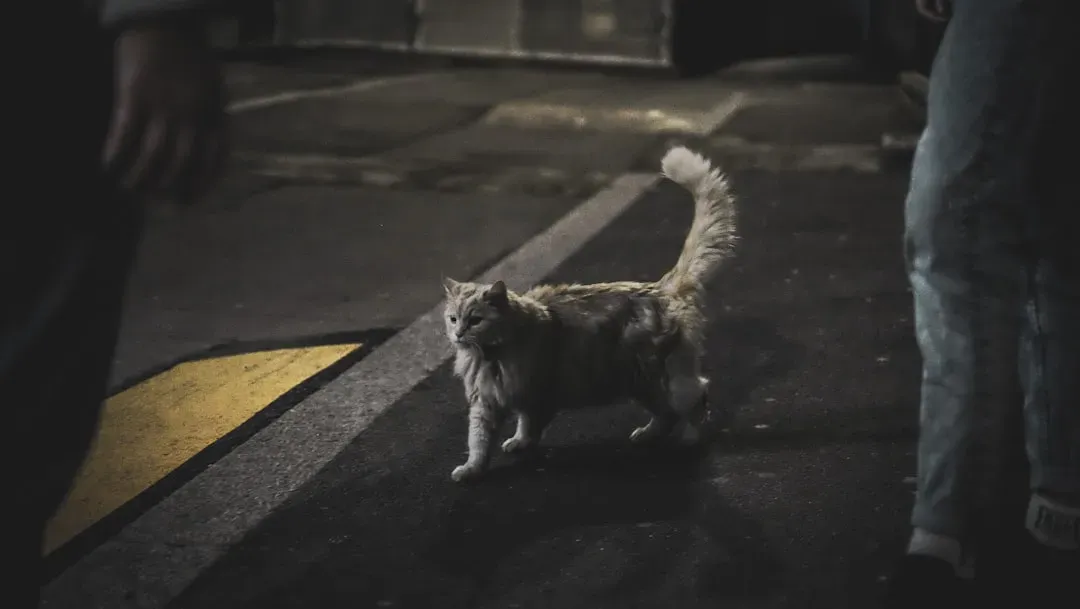
You have almost certainly witnessed it. Your cat sits perfectly still for a moment, eyes wide, pupils blown out like two black moons, and then suddenly launches into a full-speed sprint across every surface in your home. The legendary midnight zoomies: if you have ever witnessed your cat tearing through the house at lightning speed, bouncing off the furniture, knocking over a plant or two, and then acting like nothing happened, welcome to the club.
Cats are crepuscular hunters by nature, and even your domesticated sofa lion still has instincts that tell them nighttime is prime hunting time. Without real prey to stalk, some cats invent their own games. Your legs under the blanket become a stalking target. The shadow flickering on the wall becomes a worthy opponent. Most house cats have an enormous amount of energy that is pent up during the day and needs to be released, and this combined with their nocturnal instincts to hunt during the night may wreak havoc on your sleep.
Stalking and Ambushing: The Hunt Is Never Really Over
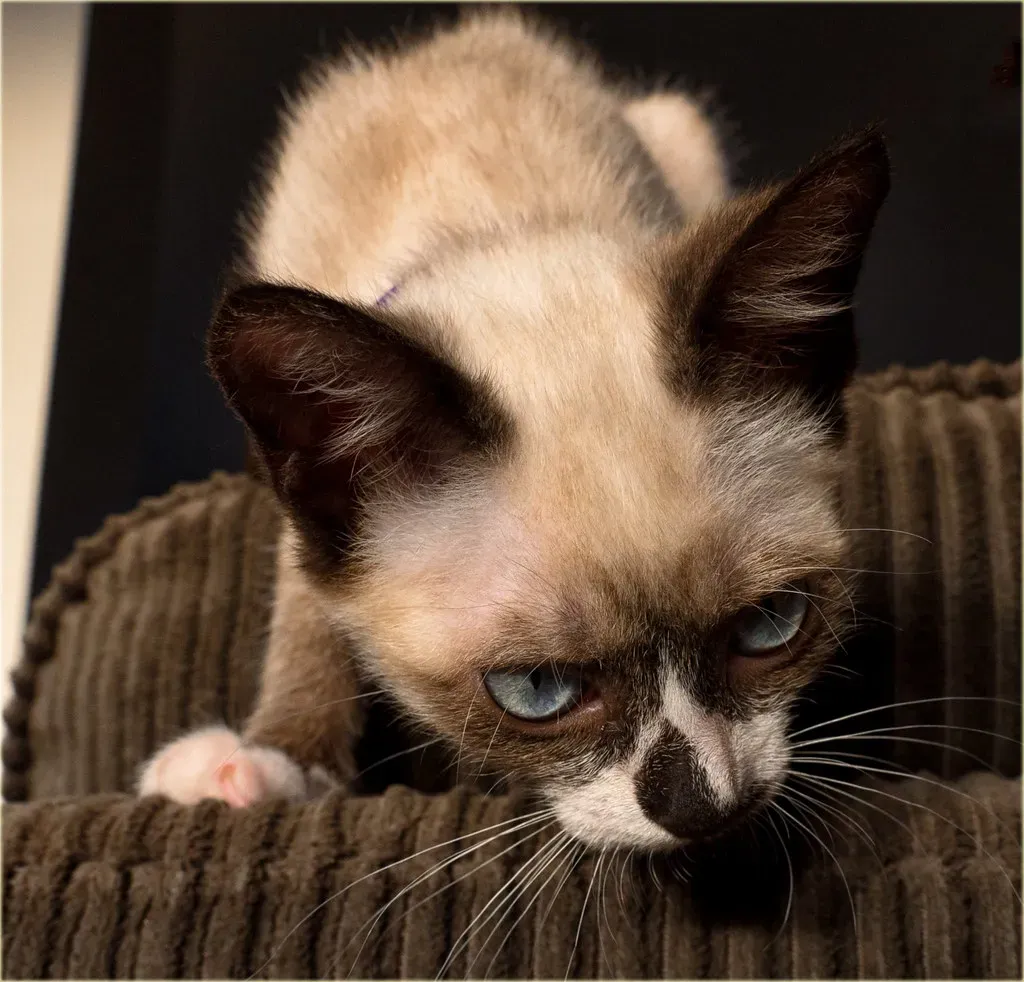
Watch your cat play with a toy at night, and you are watching something remarkable. If you watch a cat play at home, they will often mimic hunting behaviors. A cat will wait, ambush its toy, then roll around with it and bite at it. Your cat is mimicking a hunt, and this behavior is taught to young kittens in the wild.
Cats who rely on hunting to survive have learned that playing with prey and disorienting it before killing it reduces the chance of injury. The prey and hunting behavior is instinctual, so it is seen in even domestic cats who have the privilege of fresh food in their bowl daily. Think about that. Your cat has a full dinner waiting in a bowl, and it still can’t help but stalk a crumpled piece of paper across the floor like its survival depends on it. Because once upon a time, it did.
Nighttime Vocalizations: More Than Just Noise
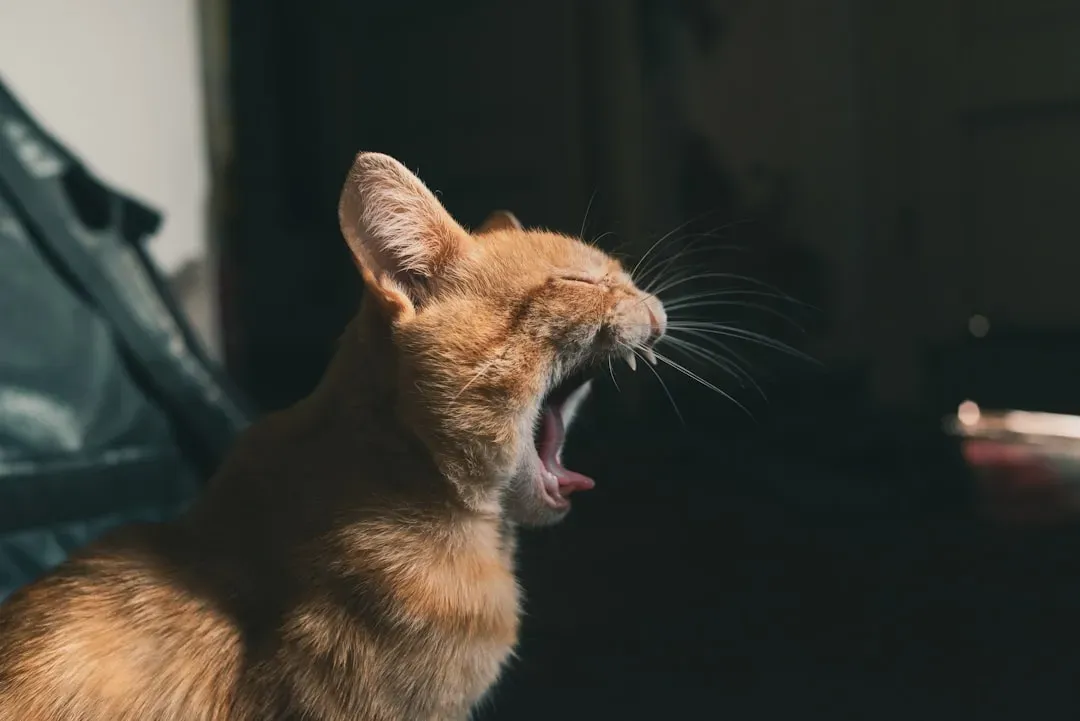
There are few sounds more startling than a cat yowling in the quiet of the night. It cuts through the dark like something urgent and ancient. Yowling or howling is a prolonged loud meow sound that a cat would make to indicate that they are in distress. The distress could be multiple indications, such as being trapped, in pain, or simply looking for their owners.
Cats primarily squall at night because of their natural instinct to mate. When cats are in heat, they call out to attract potential mates, and this vocalization can be quite loud and persistent. Beyond mating, nighttime meowing can indicate boredom, hunger, stress, or attention-seeking. If your older cat has recently started vocalizing heavily at night, it is worth a vet visit. Feline senior citizens often suffer from some form of cognitive decline and even dementia, just like people do. Often a senior kitty may wake up and not be fully aware of their surroundings, and howling is a sign of distress until they recognize where they are. This situation could be exacerbated by hearing and vision loss too.
Kneading You in the Dark: The Biscuit-Making Ritual
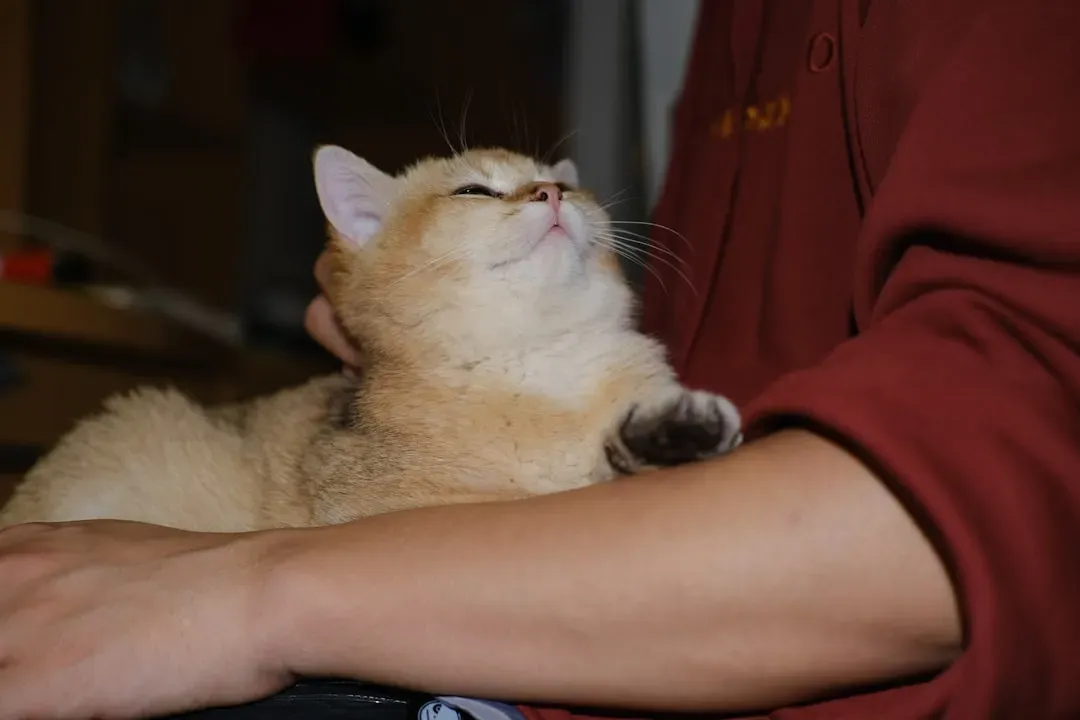
When your cat climbs onto your chest at midnight and begins rhythmically pressing their paws into you with an expression of absolute bliss, you are witnessing one of the most emotionally layered behaviors in the feline world. The roots of kneading extend deep into a cat’s earliest life experiences. During nursing, kittens instinctively push against their mother’s teats to stimulate milk flow, a crucial survival mechanism that creates a powerful emotional connection.
Cats have scent glands located in the smooth pads of their paws, and by kneading, they release pheromones onto the surface they are pressing against. These pheromones function as an aroma marker, letting other cats know that the area is claimed and helping create a sense of familiarity and security for the kneading cat. So when your cat “makes biscuits” on your lap at night, they are not just showing love. Cat kneading may also be your kitty’s way of telling you that it is actually their bed, not yours. Hard to argue with that logic, honestly.
The Nightly Patrol: Your Cat Is Guarding Its Territory
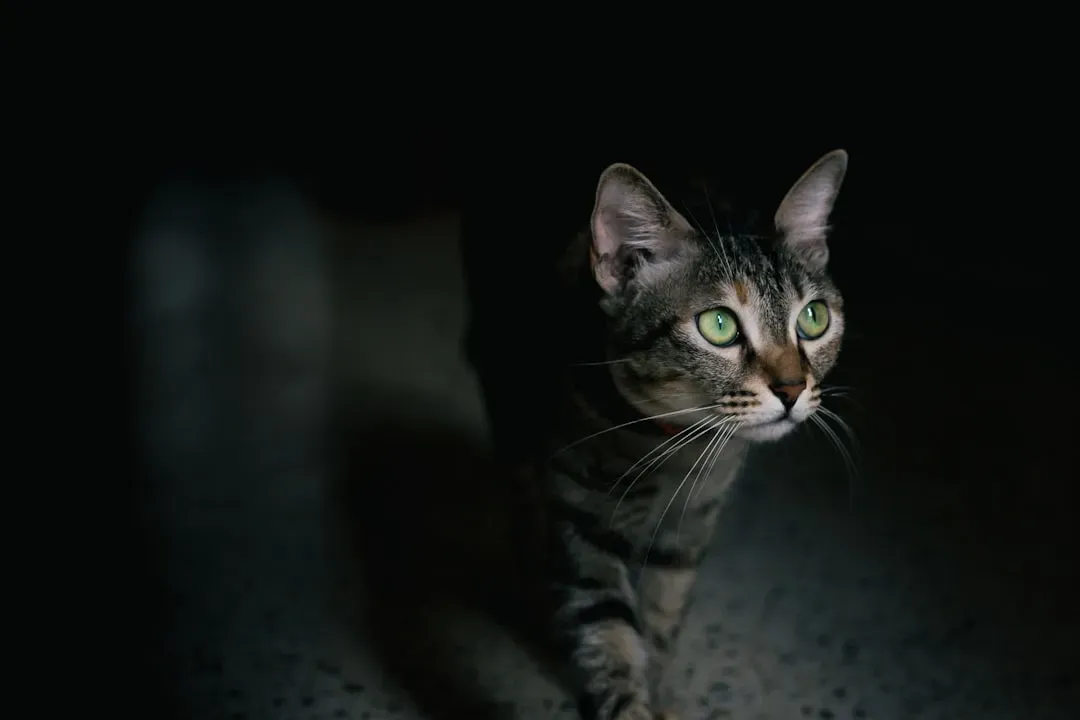
Your cat’s quiet walk through the house at night is not aimless wandering. It is a territorial inspection, a ritual as purposeful as locking your front door before bed. Cats use scent and pheromones to help organize their territory by marking prominent objects. If these objects or scents are removed, it upsets the cat’s perception of its environment.
When your cat rubs against you or objects in your home, they are marking their territory. This behavior involves depositing unique identifying odors from scent glands on their face. By rubbing against you, your cat is affirming that you are part of their family, creating a bond built on trust and familiarity. Every corner sniffed, every surface rubbed, every strategic pause by the window is part of a patrol route your cat mentally maps out every single night. I think that’s one of the most quietly impressive things cats do.
The Polyphasic Sleep Pattern: Why Your Cat Naps All Day to Prowl All Night
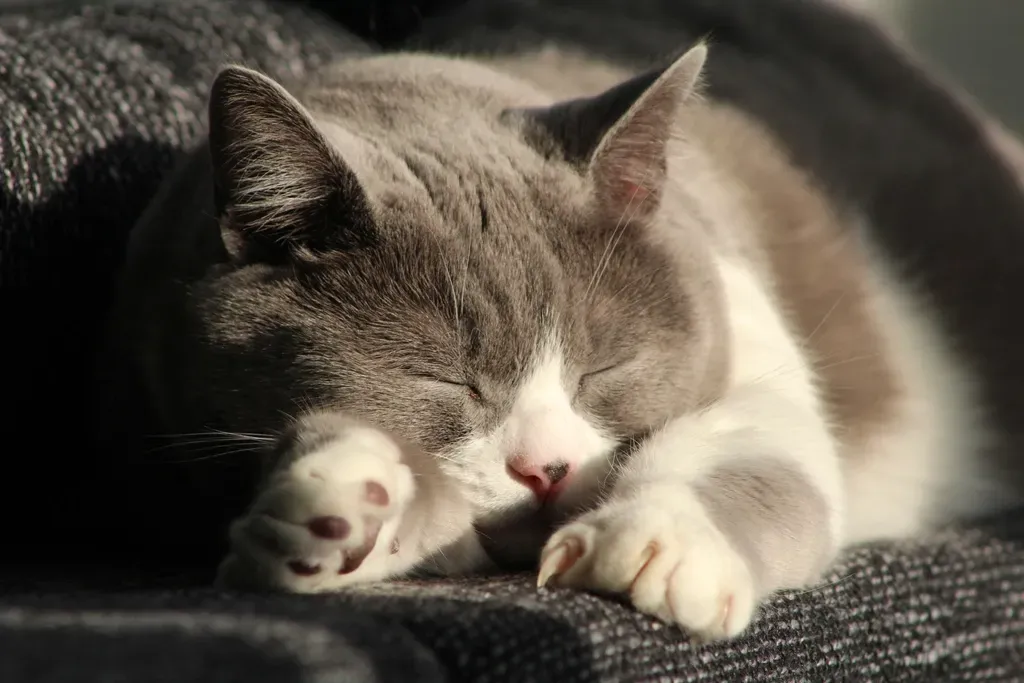
Let’s be real – your cat sleeping for what feels like the entire day and then waking up full of energy at midnight is deeply unfair. Cats are known for their unique sleep behavior, often spending 12 to 16 hours a day napping. While it may seem like your cat is napping the day away, in reality they are resting up for short bursts of high energy. Unlike humans, who typically sleep in long uninterrupted stretches, cats rest in short bursts throughout the day and night. This behavior stems from their natural instincts as hunters, conserving energy for their sudden bursts of activity.
A polyphasic sleep pattern, characterized by alternating periods of REM and non-REM sleep, enables flexible responses to environmental cues, explaining the numerous catnaps taken within a standard sleep duration. It is like a power-bank that recharges in minutes. Cats experience light sleep and frequent naps rather than long stretches of deep sleep, which means your cat is ready to spring into action if something catches their interest, whether it is a noise outside or a toy on the floor. Nature designed them this way for a reason, and no amount of coaxing will fully change it.
Bringing You “Gifts”: A Nightly Offering Rooted in Instinct
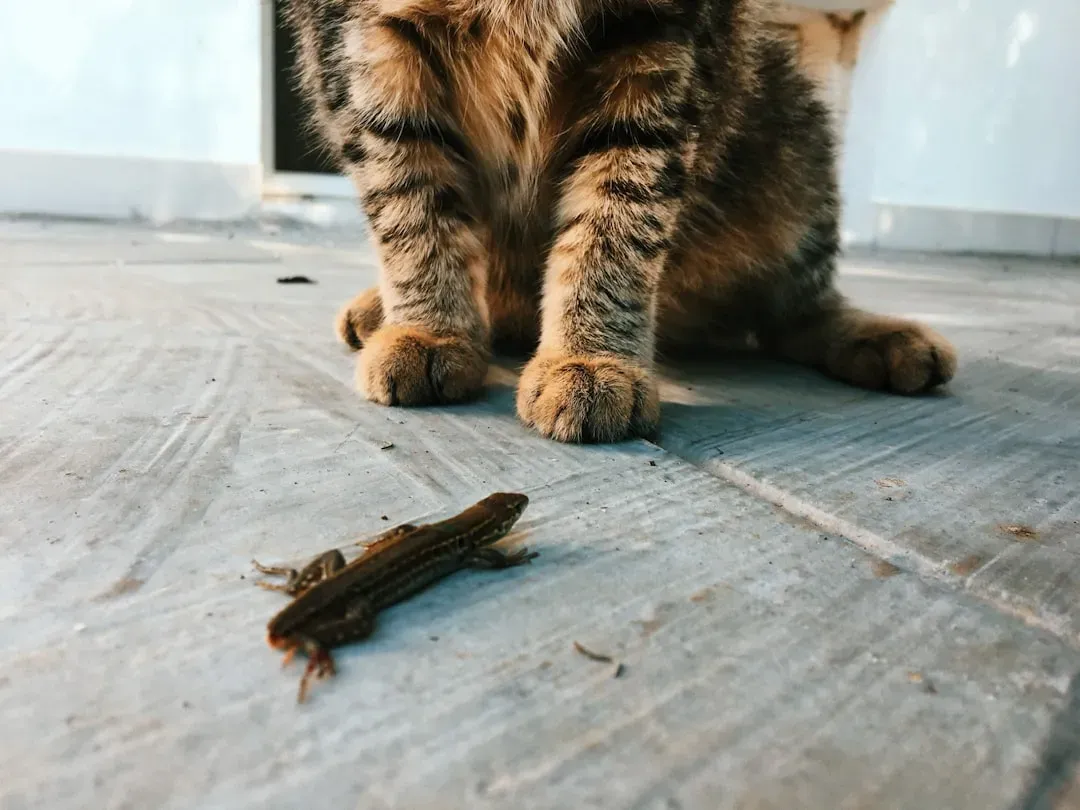
Few things are quite as jarring as stepping on something soft and distinctly dead at two in the morning. Yet your cat means it as the highest possible honor. Cats have an innate hunting instinct, which can sometimes manifest in them bringing their humans dead birds, rodents, or bugs. This behavior is a way for cats to show their affection and regard their human family as part of their pack. By presenting these items as gifts, cats are demonstrating their desire to contribute to the group’s wellbeing and ensure that their humans are well-fed.
This comes from when wild cats would bring the prey back to their kittens and drop it to be eaten. When your cat sees you as part of their group, this is what love looks like to them. Behaviorists have a few theories on why your cat is persistent in their pursuit of leaving you their kills. Even though this habit may be perceived as a gross one, your kitty is acknowledging you as a member of their group and is sharing their hunting success with you. It’s disturbing and deeply touching at the same time. That’s cats for you.
How to Work With Your Cat’s Nightly Instincts, Not Against Them
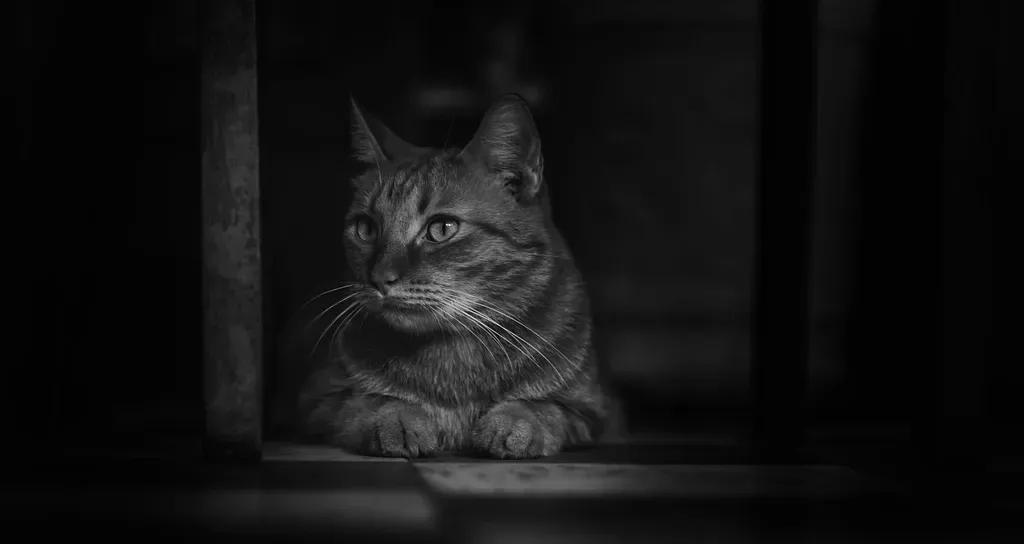
Understanding why your cat does what it does at night is one thing. Surviving it as a sleep-deprived human is another matter entirely. The good news is that you can gently guide things in your favor. Catching a meal is hard work, requiring small bursts of energy for the hunt, followed by a rewarding meal and a well-deserved cat nap that replenishes energy for the next hunt. This is called the predatory cycle, and most indoor cats often only experience a portion of the natural rhythm. Instead, strive to give your cat the full cycle of predation, replacing the hunt with vigorous play.
Researchers claim that 10 minutes of intense focus on a puzzle game is the equivalent of 40 minutes of active play. So it is a really good idea to engage in games just before you go to bed so your cat will be more inclined to curl in and sleep too. You can also shift feeding schedules strategically. Change the feeding schedule if you feed twice a day. Instead of serving the evening meal when you come home from work, delay it later so your kitty will be more inclined to sleep through the night with a full tummy. Small adjustments, big rewards – for both of you.
Conclusion
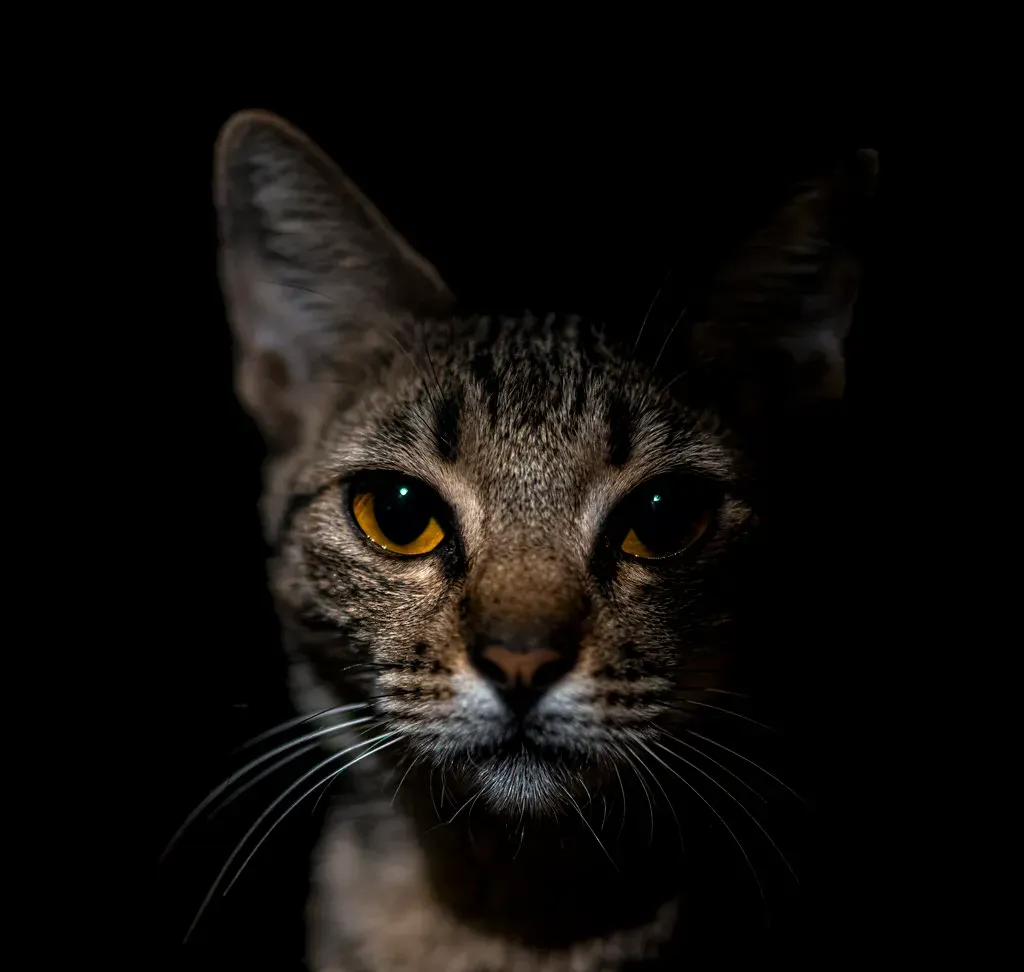
Your cat’s nightly habits are not quirky inconveniences. They are the living, breathing expression of a creature shaped by thousands of years of survival, instinct, and adaptation. Every sprint, every chirp in the dark, every kneading session on your blanket, every territory patrol – it all means something. It all connects back to something ancient and deeply real.
The next time your cat wakes you at 4 a.m. to announce that they have defeated the shadow on the wall, try to pause before you groan. You are sharing your home with a small, highly evolved predator who has simply chosen, for reasons that probably include your warmth and the reliability of your food portions, to call you family. There are worse things. So the question worth sitting with is this: now that you know what is really happening every night, does your cat still seem ordinary to you?
Kristina is a young writer from India. An arts graduate and an avid content creator, Kristina is passionate about animals and wildlife. She enjoys exploring topics related to pet care, animal behavior, conservation, and nature, combining thorough research with engaging storytelling.