You’re sitting on the couch, minding your own business, and you feel it before you even see it. That quiet, unblinking gaze drilling into the side of your face. You turn, and there it is – your cat, perfectly still, eyes locked onto you like you’re the most fascinating thing they’ve ever witnessed. Or perhaps the most suspicious.
Honestly, if you’ve ever had a cat, you know exactly what this feels like. It’s one of the most peculiar, endearing, and sometimes mildly unsettling aspects of feline companionship. The stare is almost theatrical in its intensity. Yet behind those luminous eyes lies a whole universe of meaning that most of us have never fully decoded. Whether your cat is expressing love, plotting mischief, asking for dinner, or simply watching you live your life with mild judgment – the stare is never random. Let’s dive in.
Your Cat’s Stare Is Their Primary Language
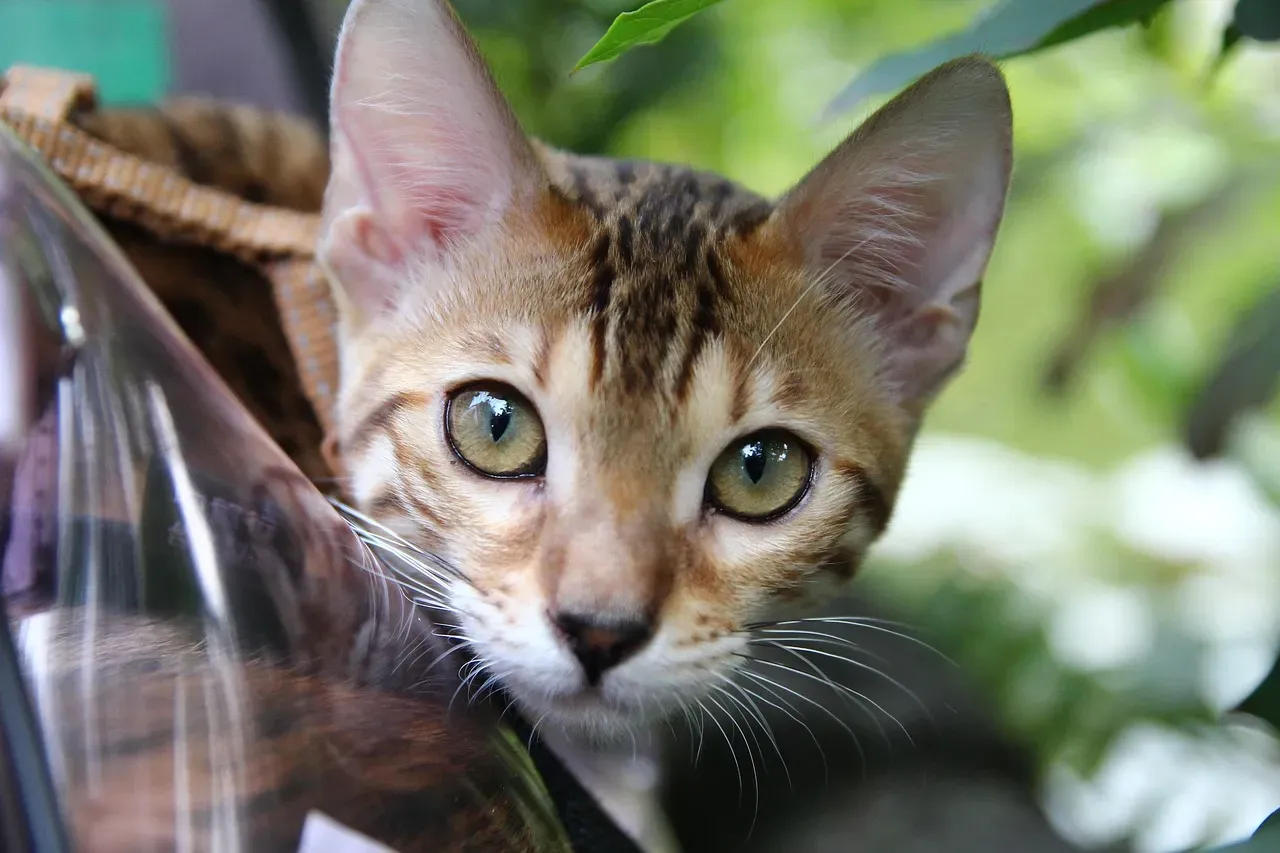
Cats use staring as a nonverbal way of communicating. Even though a long, unblinking stare may not be the best way for humans to show affection, when your cat does this, it may actually mean they’re showing love to their favorite person. Think of it as their version of a long, meaningful conversation – just without any words.
While you might find it convenient if your cat could simply tell you what they want, most cats only offer audible feedback in the form of meowing, trilling, or hissing. They also provide lots of nonverbal communication, including stares, blinks, headbutts, and rubs to make their affection and needs known. The stare, in many ways, is their most powerful sentence.
The Two Very Different Types of Cat Stares
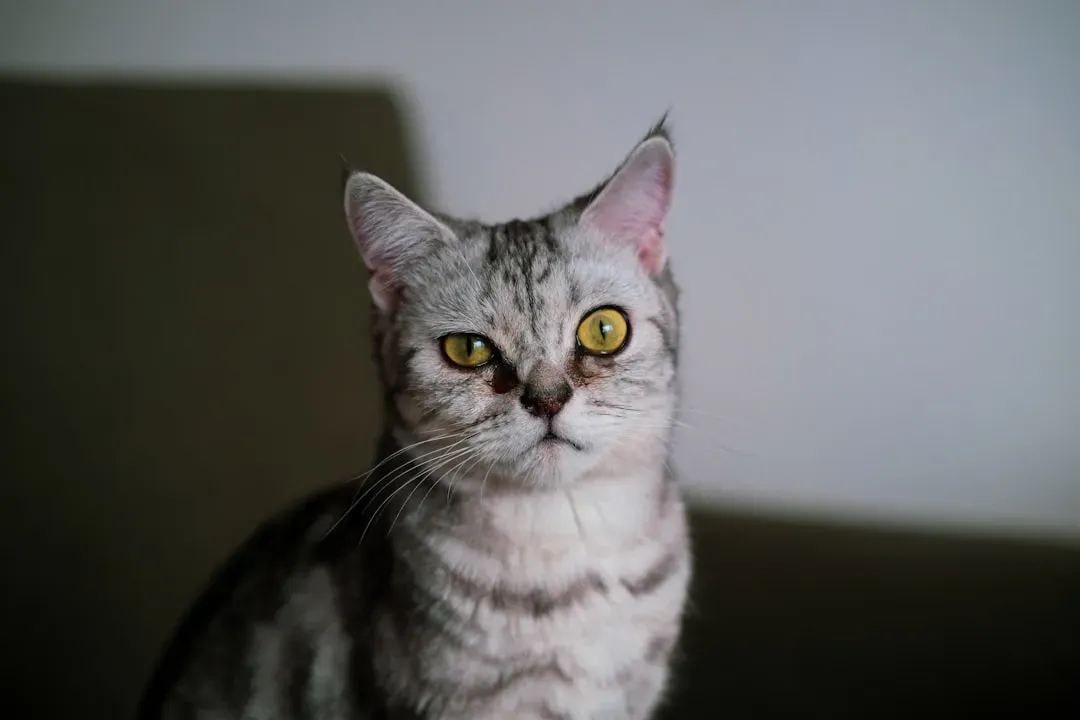
There are two types of kitty stares: a “hard stare” and a “soft stare.” These mean totally different things, but you don’t need to stress about misinterpreting them – the two stares look nothing alike. Getting them confused, however, could lead to a scratched hand or a misunderstood cuddle request.
If your cat is staring at you with their tail up and ears forward-facing, this is content body language, and they most likely want something from you. While you can appease a soft-staring cat with treats or pats, a hard stare is something you definitely need to pay attention to. It’s a bit like the difference between a friend giving you a smile and someone at a party giving you a challenging glare across the room.
When the Stare Means “Feed Me, Human”
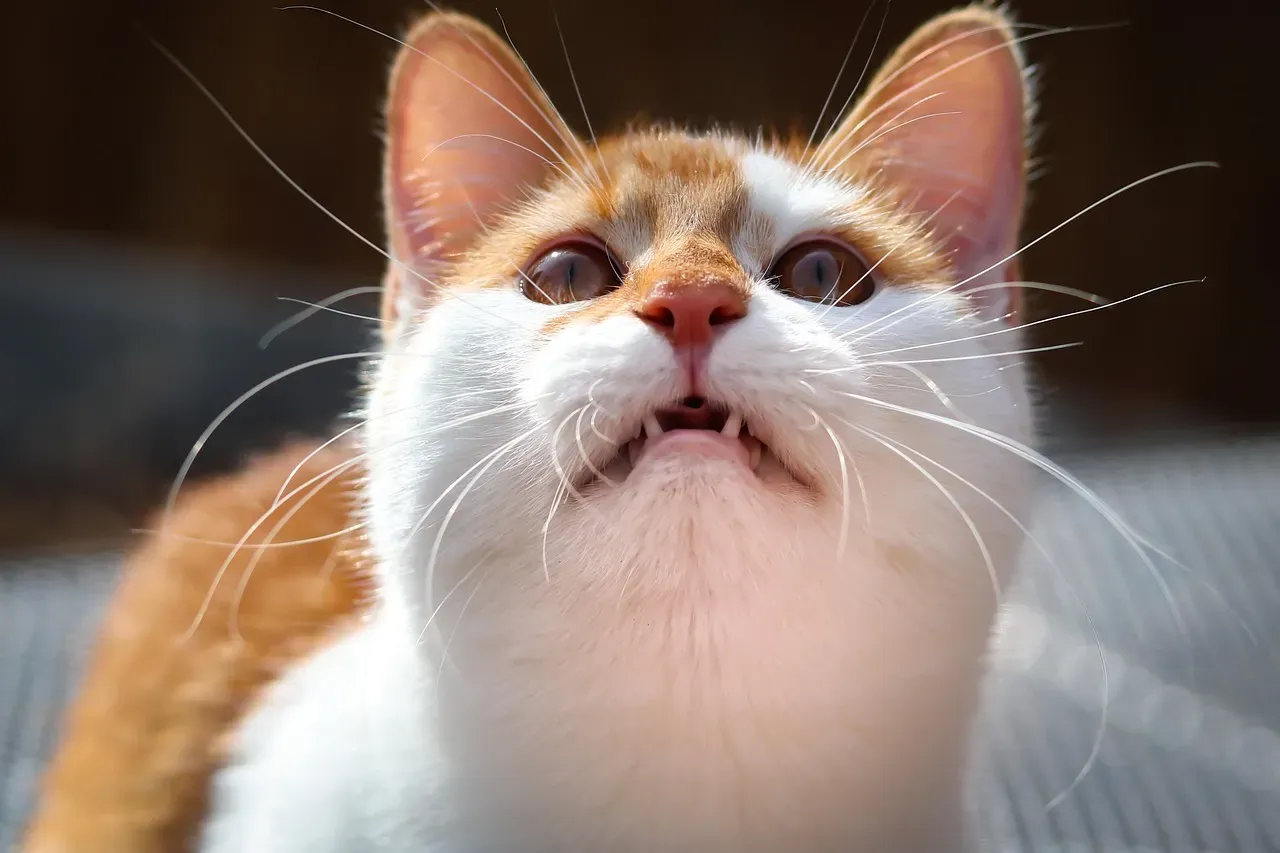
As mealtime approaches, many cats spring into action with a routine: they sit next to their food bowls, make direct eye contact with their humans, and unleash a relentless stream of meows and purrs that seem to stir guilt and immediate obedience. This behavior isn’t just cute or annoying – it’s calculated. Let’s be real, your cat has figured out exactly what works on you.
Cats are intelligent and observant animals. Over time, they learn what actions lead to results, and staring at their humans without blinking has proven to be remarkably effective. It’s the feline equivalent of a perfectly timed sales pitch – and spoiler alert, you’re the customer who almost always buys.
Staring as a Sign of Deep Trust and Affection
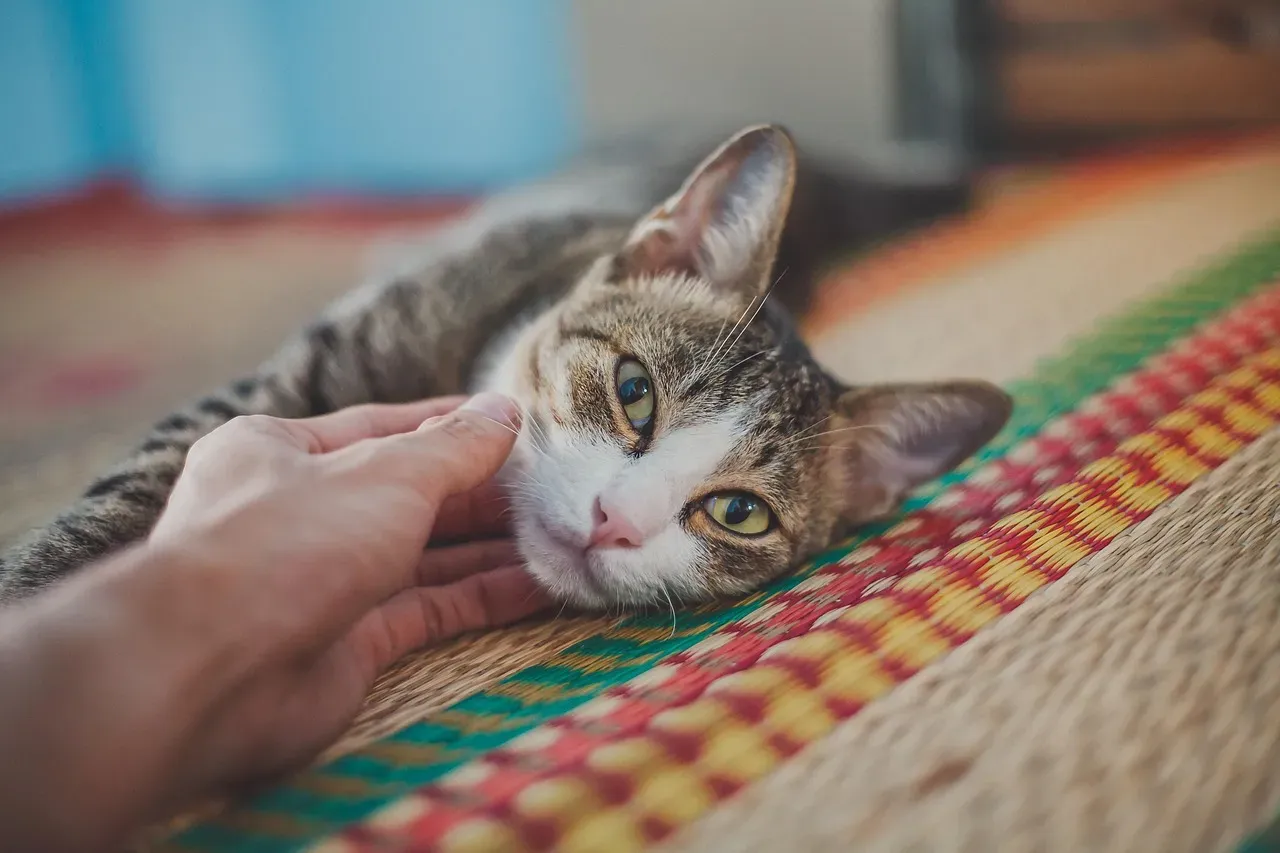
Cats can display affection by making eye contact with you and performing soft blinks. The very act of making eye contact and voluntarily blinking indicates the cat’s feeling for you – you make them feel safe and comfortable enough to close their eyes briefly. Some cats will even perform a soft blink before approaching you for attention. It’s a subtle but deeply meaningful gesture.
When a loving stare is coupled with cat “eye kisses” – which is when a cat stares with half-closed eyelids and offers a few slow blinks – it means your cat is showing some serious adoration for you. I think that’s one of the most quietly beautiful things about living with a cat. They choose to love you in this soft, barely visible way, and if you blink back, you’ve just had a conversation that most people never even knew was possible.
The Science Behind the Slow Blink
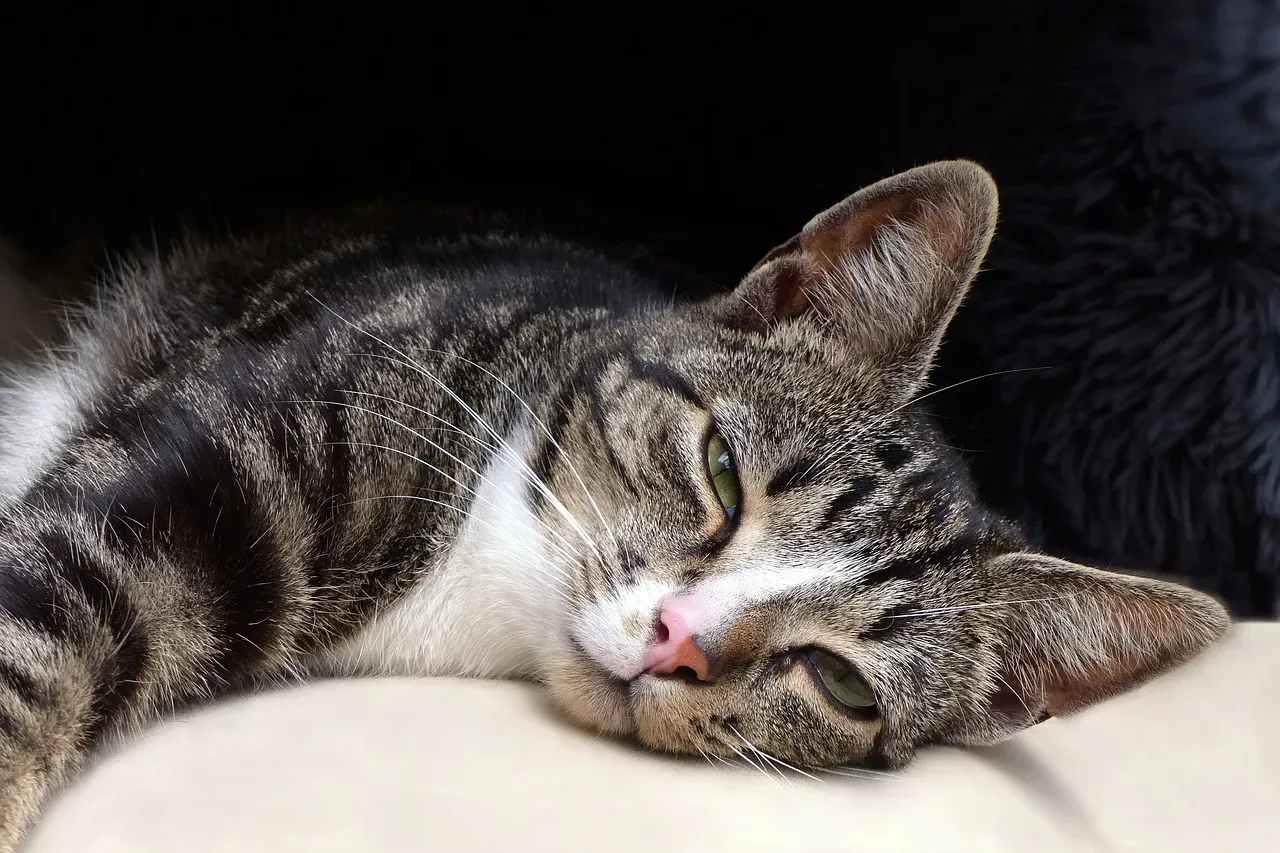
Slow blinking is a subtle behavior that has been observed in cats for some time, and is thought to be used by cats to indicate a sense of calm and a positive emotional state. Slow blinking involves the partial or complete closure of the eyelids. It’s their version of a warm smile, just delivered in that distinctly cat-like, understated way.
Research has shown that slow blinking is not just anecdotal but a scientifically supported form of communication. A study conducted by the University of Sussex found that cats are more likely to slow blink at their owners when their owners slow blink at them. Furthermore, cats were more likely to approach an experimenter who had slowly blinked at them compared to one who maintained a neutral expression. These findings support the idea that slow blinking serves as a form of positive emotional communication between cats and humans, helping to build trust and strengthen the bond between the two species.
Staring as Predator Instinct in Disguise
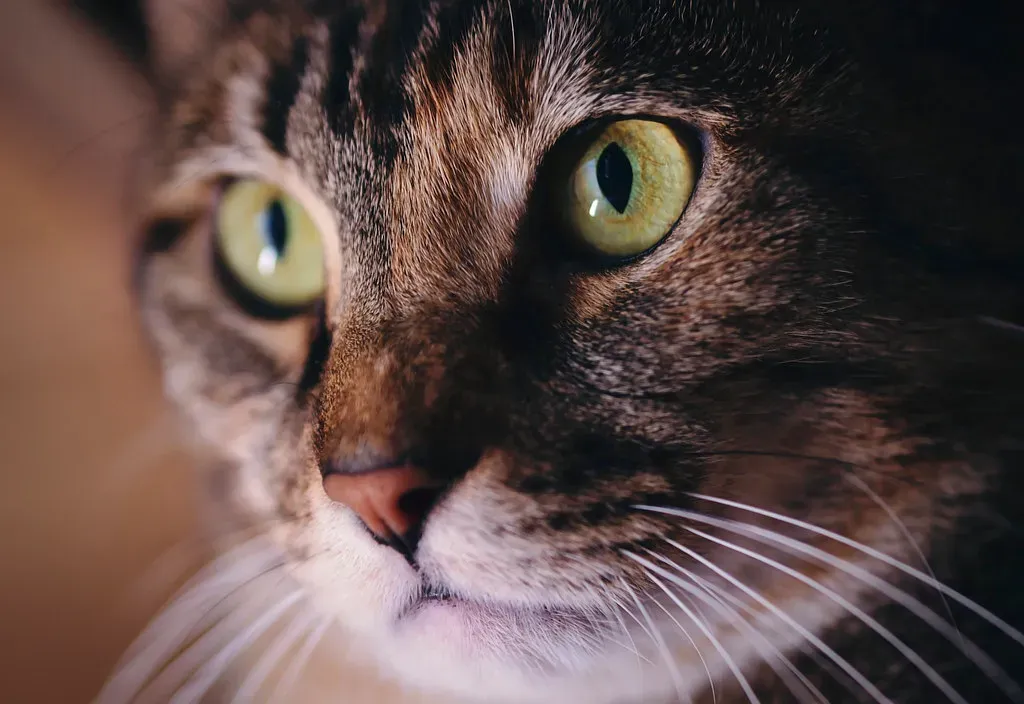
Another reason cats stare is their razor-sharp hunting instinct, honed through millions of years of evolution. Cats have three eyelids that work together to keep their eyes lubricated, which helps them stare at prey for long periods before making their move. They’re smart enough to stalk the same areas their favored prey frequents. By staring, a cat can pick up on minute twitches of a mouse’s tail and the subtle changes in the air that carry information-laden scents.
Cats are natural hunters, even if they have never set a paw outside. Their instincts drive them to mimic hunting behaviors, such as stalking, chasing, and pouncing. Even well-fed indoor cats will engage in hunting-like activities, often using toys, household objects, or even their human hands as substitutes for prey. So when your cat stares intensely at the corner of the room as though something invisible is lurking there – don’t panic. They’re probably just on an imaginary safari.
The Stare as a Warning: Back Off Signals You Shouldn’t Ignore
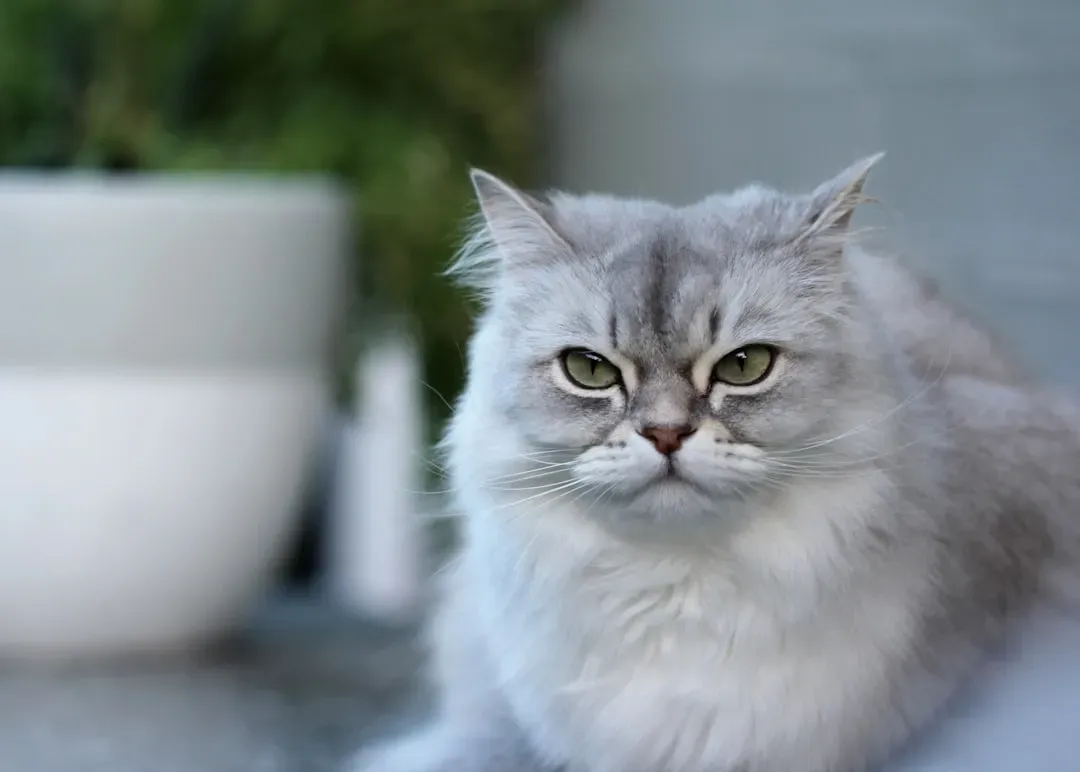
When a cat gives a hard, unblinking stare paired with stiff body language and raised fur along the back and tail, they are telling you that if you do not back off, there will be a confrontation. The hard, unblinking gaze is a threat. The other party needs to retreat and give the cat distance; otherwise the cat may attack. This is not the moment to keep pushing for a cuddle.
If your cat is staring while exhibiting other signs of tension, such as their back stiffening, ears flattening, or tail flicking, they’re likely not in a “happy cat” mood. Your cat is probably annoyed, scared, overstimulated by loud noises, or simply asking for personal space. Here’s the thing – respecting these signals is one of the most important things you can do to maintain a trusting relationship with your cat.
Curiosity, Surveillance, and the Watchful Eye
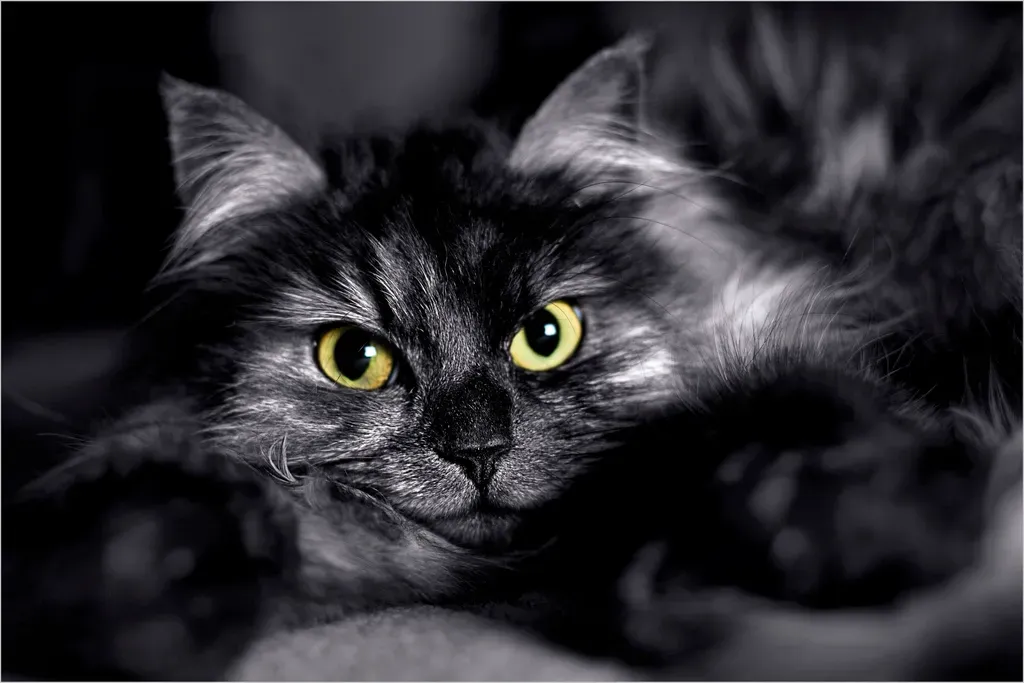
Cats are inherently territorial animals. Once something or someone is considered part of their territory, they keep a close eye on it. If your cat is staring at you, it might not just be affection or curiosity – it could be their way of keeping tabs on their domain. In your cat’s eyes, you’re a key fixture in their environment, and they’re just making sure you’re not about to mess anything up.
Cats thrive on routine and predictability. By meticulously observing your movements and behaviors, they learn your patterns and anticipate your actions. This helps them feel secure and in control of their environment, minimizing stress and anxiety. It’s a bit like having a tiny, furry security guard stationed permanently in your home – one who takes their job very, very seriously.
When the Stare Is a Health Red Flag
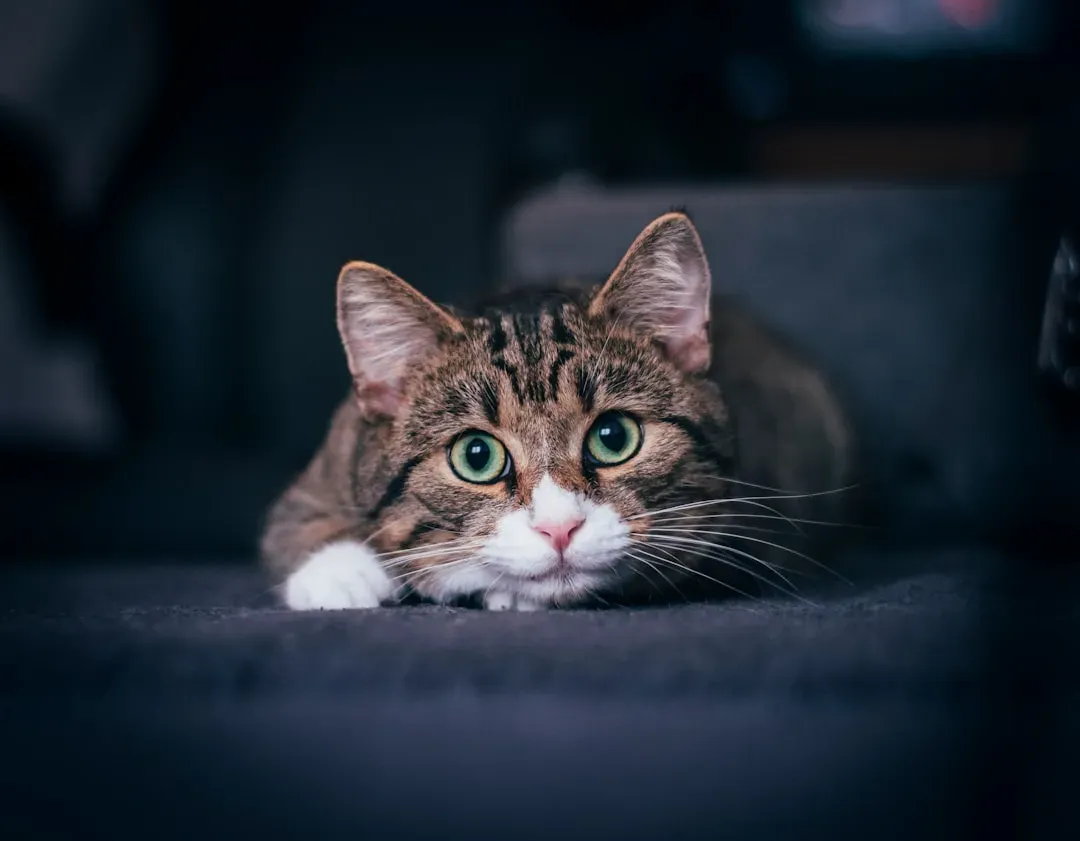
While a cat’s staring behavior is usually just a form of communication, it could sometimes be a symptom of certain health concerns. Persistent or unusual staring could potentially indicate that something is wrong with your four-legged friend. Cats rely heavily on their vision, and any impairment could lead to increased staring as they try to navigate their surroundings. Cloudiness of the eyes, squinting, or dilated pupils may suggest issues with their eyes.
Serious medical issues, such as high blood pressure, neurological conditions, and brain tumors, can cause persistently dilated pupils. If you notice additional symptoms like changes in appetite, behavior, or overall health, it’s important to seek immediate veterinary attention. Persistent widened eyes are a sign that something may be off. It’s hard to say for sure in every case, but your instincts as a cat parent matter enormously here. If the stare feels different, trust that feeling.
How to Respond to Your Cat’s Gaze the Right Way
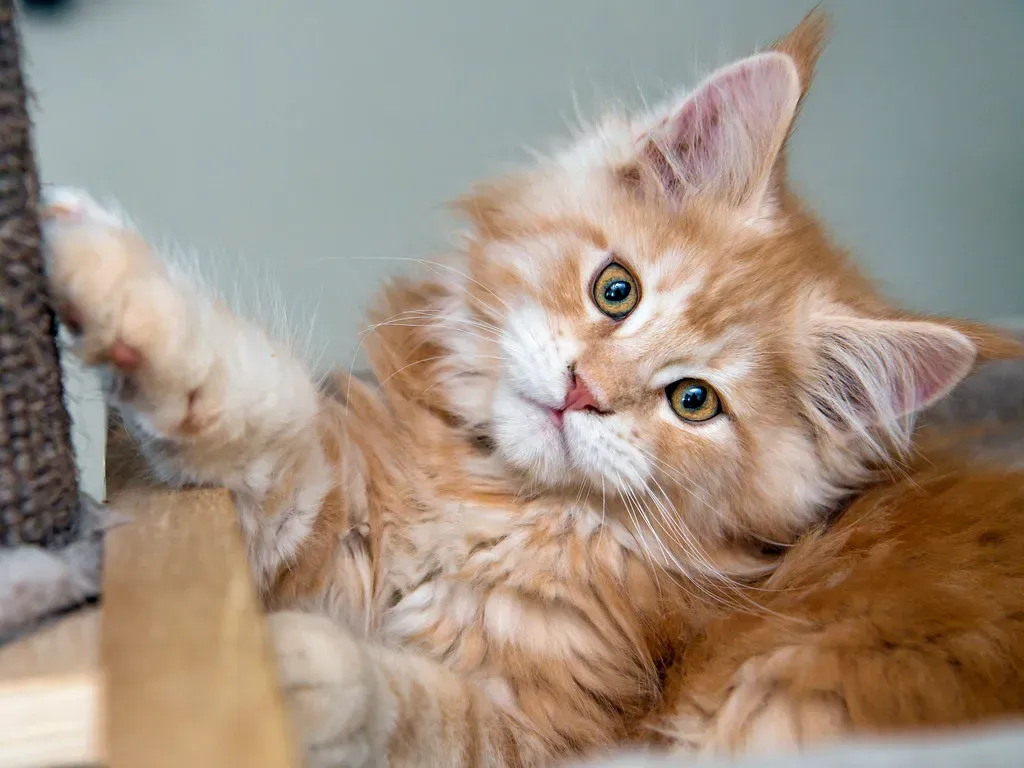
When faced with a staring cat, you can respond in a way that creates a deeper connection between you and your whiskered friend. Make soft eye contact back at your cat and engage in slow blinking, mimicking their behavior. Your cat will appreciate this “cat kiss” as a sign of affection. Gently interact by offering a pat or a scratch, and provide a cozy spot for cuddles.
Cats do not usually enjoy long stares from you. They prefer soft gazes and slow blinking. Looking back at your cat will depend on their body language and whether they are staring due to happiness or worry. If you notice that your cat is staring and seems distressed or even annoyed, do not stare back – instead either look away or slowly move away. Communication, after all, goes both ways – even between a human and a creature who pretends not to need you at all.
Conclusion
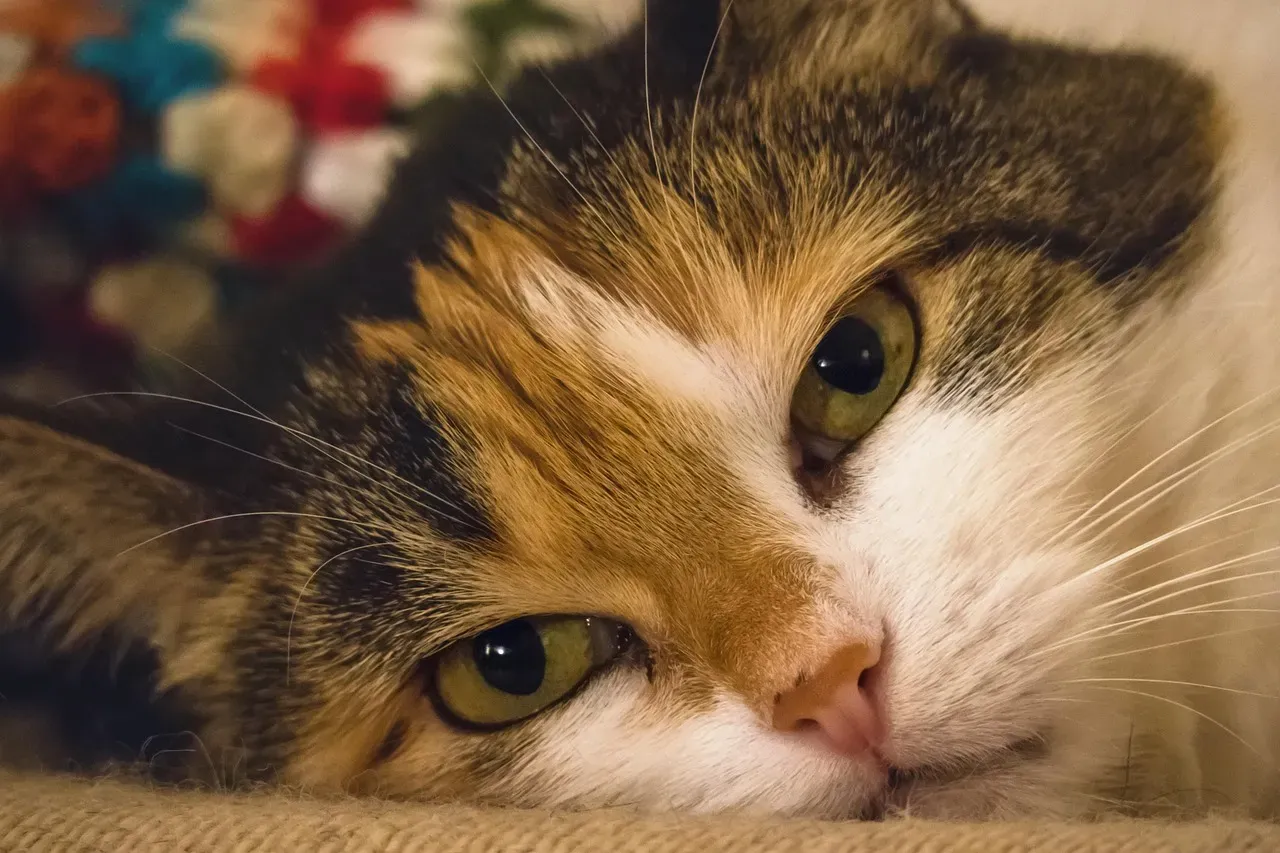
Your cat’s stare is not some random quirk or a sign that they’re plotting against you – well, probably not. It’s one of the richest, most layered forms of communication in the animal world. Every gaze carries information: love, hunger, fear, curiosity, a territorial check-in, or sometimes just a quiet, contented observation of the person they’ve chosen to share their life with. Once you start reading those signals, the relationship you have with your cat deepens in ways that genuinely surprise you.
The slow blink they give you from across the room? That’s an “I love you” in fluent cat. The intense, unblinking stare right before dinner? A masterclass in emotional manipulation. The wide-eyed gaze at 2 a.m. while you’re trying to sleep? A story for another day. The point is, your cat has been trying to talk to you all along – and now you finally know how to listen. What does your cat’s stare usually mean? Tell us in the comments below!
Kristina is a young writer from India. An arts graduate and an avid content creator, Kristina is passionate about animals and wildlife. She enjoys exploring topics related to pet care, animal behavior, conservation, and nature, combining thorough research with engaging storytelling.