You’re sitting quietly on the couch, scrolling mindlessly on your phone, when suddenly you feel something rough and scratchy dragging across the back of your hand. You look down, and there it is – your cat, staring at you with that deceptively unreadable expression, tongue working away. Most people laugh it off or pull their hand back. But honestly, if you understood what was actually happening in that moment, you might never dismiss a cat’s lick again.
There is a whole world of feline emotion, biology, and social complexity packed into something as simple as a single lick. It turns out your cat isn’t just being weird. Far from it. What you’re witnessing is one of the most intimate gestures in the entire animal kingdom, and it’s directed at you. So let’s dive in – because the story of how cats use their tongues to show love is far more fascinating than most people ever realize.
Allogrooming: The Ancient Art of Feline Bonding
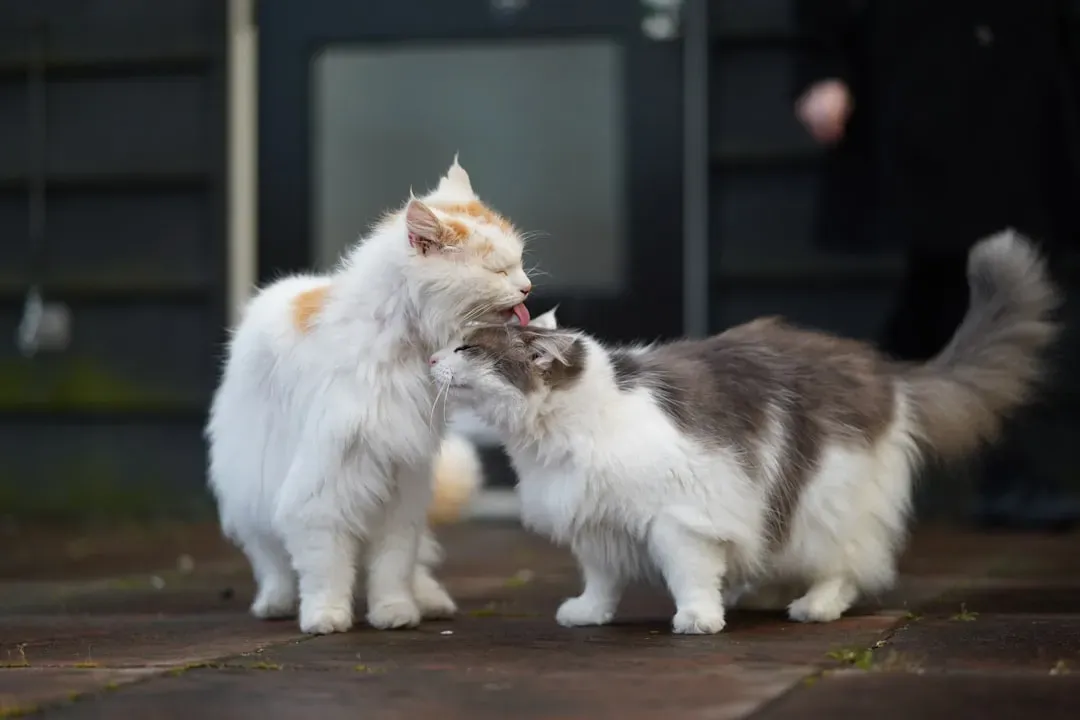
There’s a term you’ll want to remember: allogrooming. It sounds clinical, but what it describes is anything but cold. Cats learn to groom each other as a social bonding activity from their mothers during kittenhood, and this behavior is a way for cats to strengthen their bonds with their family members. Think of it less like a bath and more like a handshake – a deeply personal, trust-laced gesture that says, “You are mine and I am yours.”
Cat licking is allogrooming, a social grooming behavior that evolved as a bonding mechanism in group-living cats. According to Dr. John Bradshaw of the University of Bristol, the behaviors binding cat social groups together, including mutual grooming, have obvious parallels in how pet cats behave toward owners. In other words, when your cat licks you, it isn’t treating you like furniture. It’s treating you like family. That’s a distinction worth celebrating.
It All Starts With Mom: The Kitten Origin of Licking
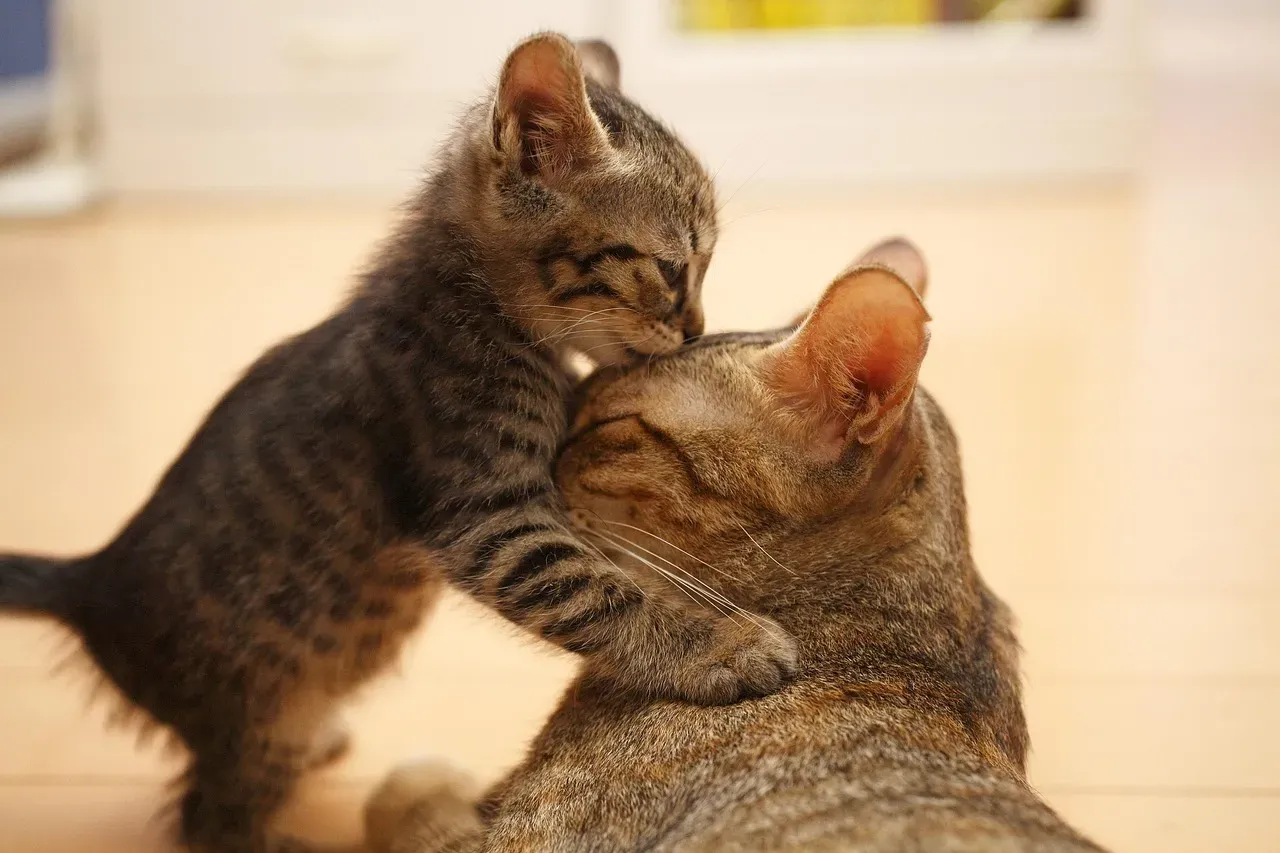
For a mother cat, grooming is an important part of child rearing. When a mama cat licks her kittens, it serves two important purposes: keeping her kittens clean and promoting social bonds. From the very first seconds of life, a kitten’s world is defined by its mother’s tongue. That early, warm sensation becomes deeply hardwired into what safety and love actually feel like.
Grooming also helps a mother cat strengthen her relationship with her kittens. A mother licking her babies is “one of the kitten’s first forms of social interaction.” Pretty soon after that, some cats “begin to reciprocate their mother’s grooming and they’ll groom their siblings or other unrelated cats and also preferred people in the house.” So when your cat licks your arm, it may well be echoing the most comforting memory it has ever known.
You Are a “Preferred Associate” – and That’s High Praise
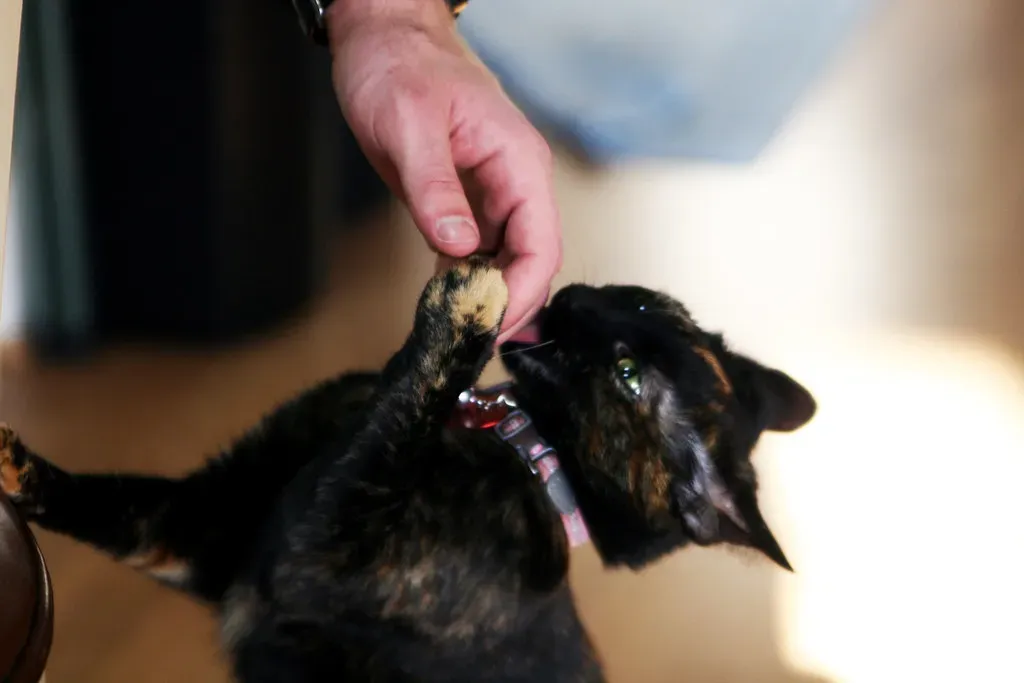
Here’s the thing about cats: they do not groom just anyone. If your cat grooms other cats, animal behaviorists call those cats their “preferred associates.” Bonded cats often groom each other as a way to reinforce their bestie status, making it “a very important social behavior that helps build bonds between the individuals.” Being licked, then, is not a random act. It is a deliberate social investment.
Cats groom each other as a way of bonding and showing affection within their social group. When they lick their human caregivers, there’s a good chance they are extending this behavior to include them in their social circle. I think that’s one of the most quietly touching things about living with a cat. You didn’t ask to be inducted into its inner circle – you were chosen. And that makes all the difference.
The Scent Science Behind Every Lick
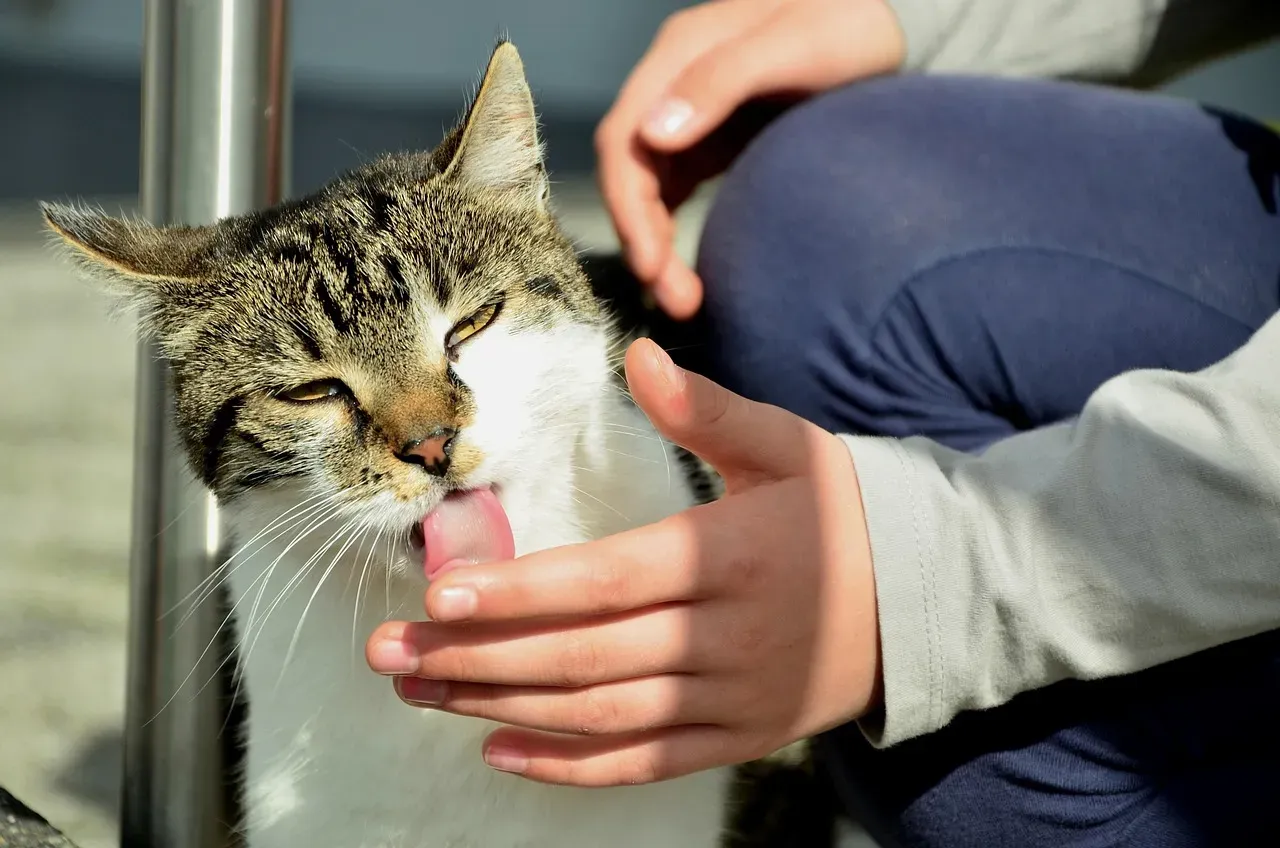
Beyond emotion, there is real chemistry at work here. When cats groom humans, they deposit pheromones from mouth-area scent glands onto human skin. This pheromone transfer creates what researchers call a shared scent profile, a chemical signature that marks the human as belonging to the cat’s social group. It’s almost like your cat is quietly tagging you with a “this one is mine” label that only other cats can read.
Another reason cats sometimes lick others they’re bonded with is so that they can share their scent. Transferring their saliva makes the other cat smell more familiar, helping them tell that the other cat is part of their social group and can be trusted. By licking you, your cat could be marking you as safe and letting you know you’re part of the family. Honestly, it’s a more sophisticated social system than some humans manage.
The Incredible Biology of That Sandpaper Tongue
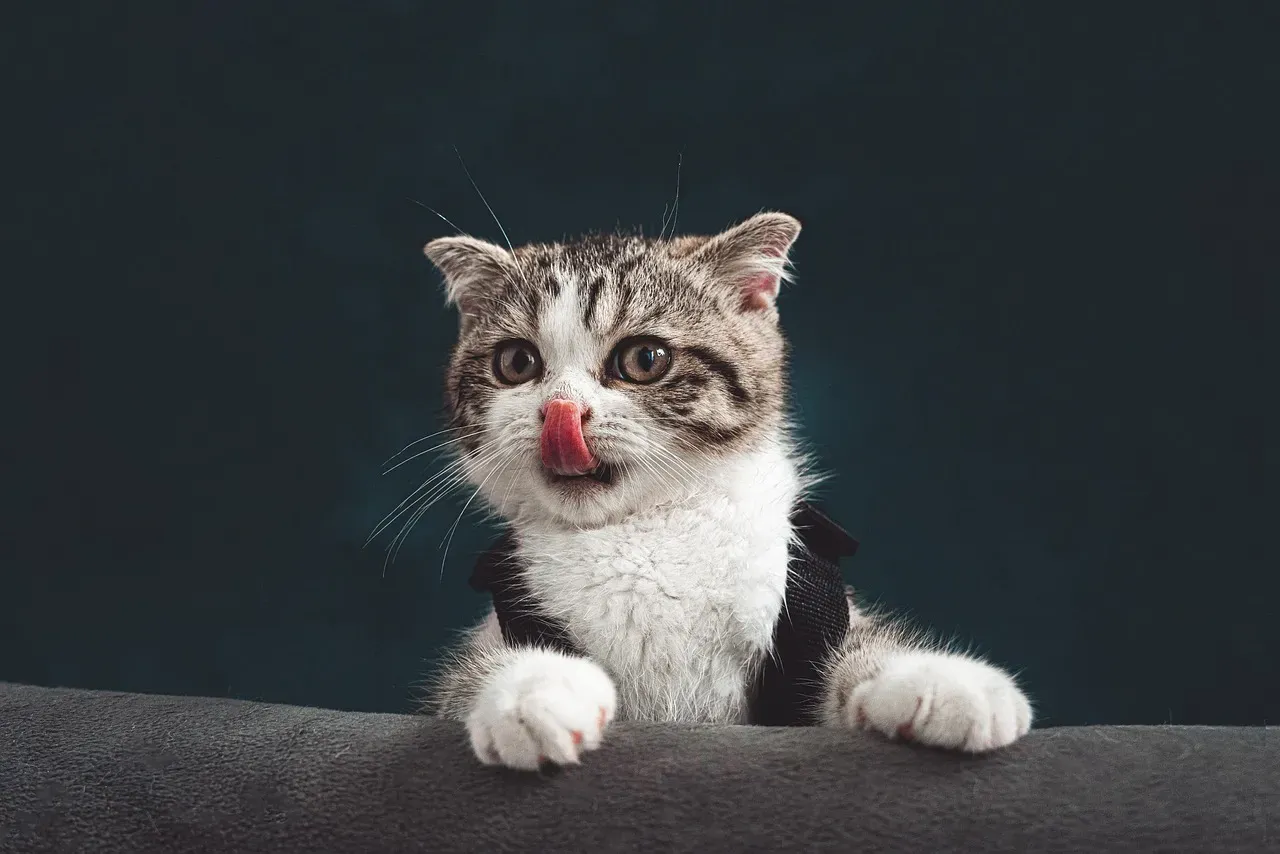
Let’s be real – a cat’s tongue is a remarkable piece of biological engineering. The most distinctive physical feature of a cat tongue is the presence of hundreds of filiform papillae: tiny, white keratin protein spines that give the tongue its sandpaper-like texture. These aren’t just rough for the sake of it – each one serves a precise and elegant purpose, almost like a Swiss Army knife built into the mouth.
Cat tongues are an integral part of a cat’s meticulous grooming routine. Those multitasking hooks of papillae spikes work like a built-in comb. With each lick of the tongue, those spikes lift up dust, loose hair, dry skin and other debris. Cats also groom to regulate their body temperature and stimulate circulation, and this grooming routine evenly distributes natural oils through the coat, keeping it silky and smooth. When your cat licks you, that tiny “comb” is at full work – just on human skin instead of fur.
Licking as Territorial Marking: You Are Theirs
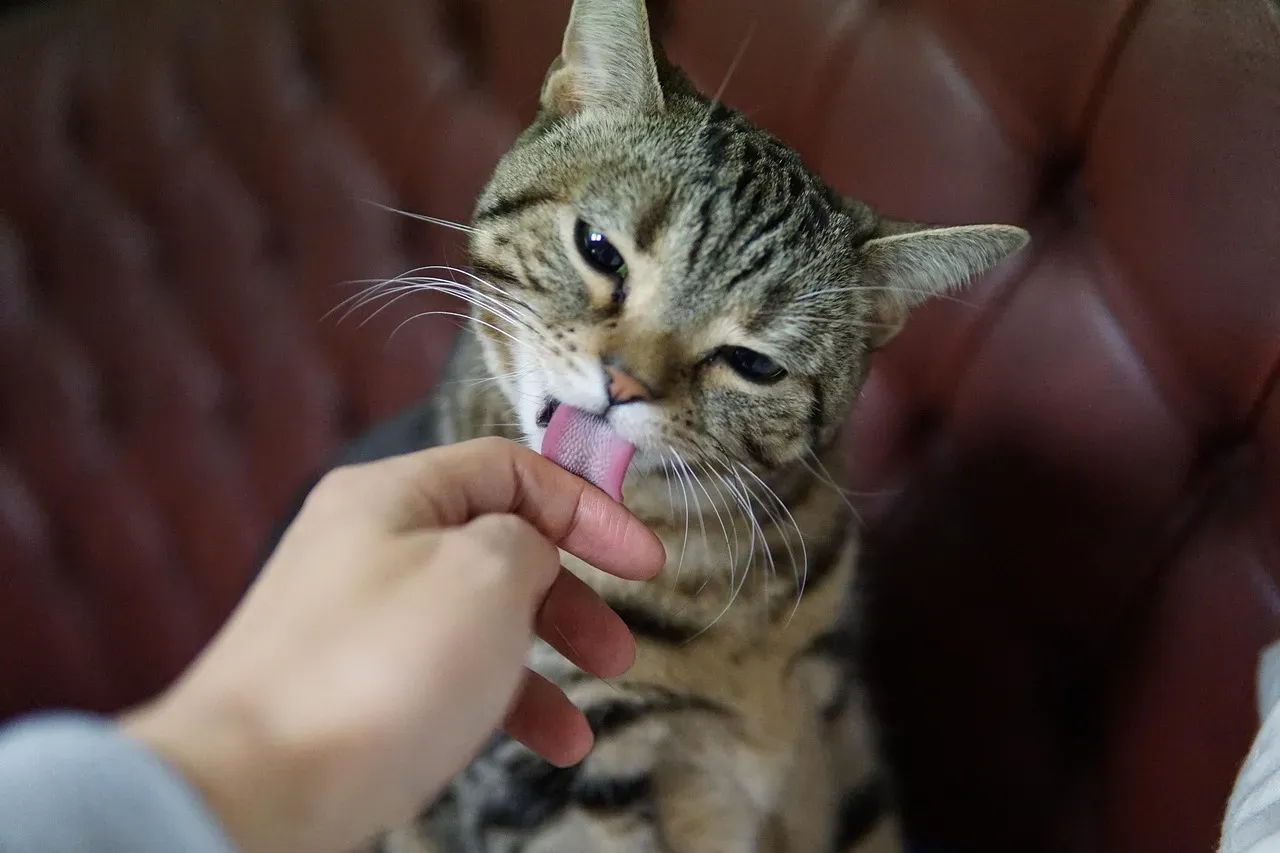
Cats are territorial creatures, and if they like you as a person, they’ll want to mark you as their own. They can do this by rubbing up against you and your stuff or by licking you directly. They want to show the world that you are theirs, and it’s a big compliment when they claim you. Think of it like a cat’s version of putting your name on something in the fridge – except far more affectionate and considerably less passive-aggressive.
Cats may use grooming and exchange of scent to communicate with other cats. When two cats groom each other, they leave each other’s scent on the other cat, indicating that they are closer than other cats in the colony. Not only does it show that the cats are close, but it communicates their relationship to other cats, too. So the next time your cat gives you a surprise lick in front of another pet, consider it a public declaration of your relationship status.
Licking as Comfort: The Feel-Good Chemistry at Play
As well as helping cats keep themselves clean, the act of licking also causes the release of “feel good” hormones, called endorphins, in their brains. This gives them a natural “high,” so it’s understandable that they may want to do it at every opportunity, even if that means licking you instead of themselves. Think of it like the feline version of a runner’s high – only your cat achieves it by grooming your forearm at two in the morning.
Licking can also be a comforting behavior for your cat, as it is reminiscent of their kittenhood when their mother would groom them. This repetitive action can help your cat feel calm and secure in their environment. So when life feels uncertain or strange to your cat, turning to you for a grooming session is its way of returning to something deeply familiar and safe. You are their safe place.
When Licking Becomes a Warning Sign
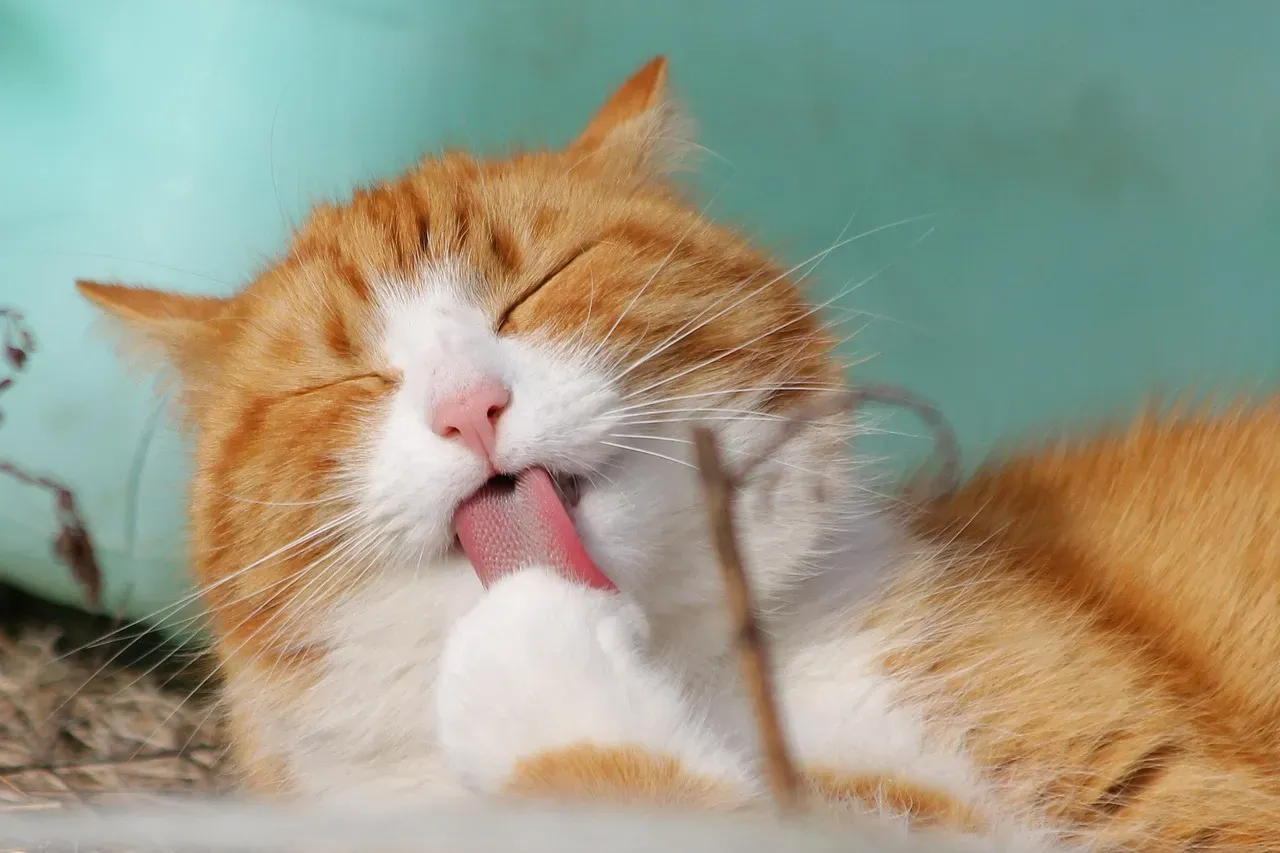
Not every lick is a love letter, though. Cats like consistency and predictability, and change can be stressful. A recent move, the addition or loss of another pet in the home, or even a change of schedule can cause anxiety in cats. Licking, which in such cases is considered a “displacement behavior,” may calm and comfort a cat, but it can sometimes become habitual if the source of the problem is not properly identified and addressed.
Overgrooming is when a cat licks themselves more than they need to, causing fur loss and other issues. There are many reasons why cats overgroom, including boredom, stress, pain, allergies, or infections. If your cat never really licked you much before but the behavior has increased, then it could be because of an underlying medical issue. This isn’t the most likely scenario, but if you think your cat is acting differently, you need to take them to the vet to get checked out. Pay attention to the pattern – your cat may be asking for help in the only language it knows.
How to Respond When Your Cat Licks You
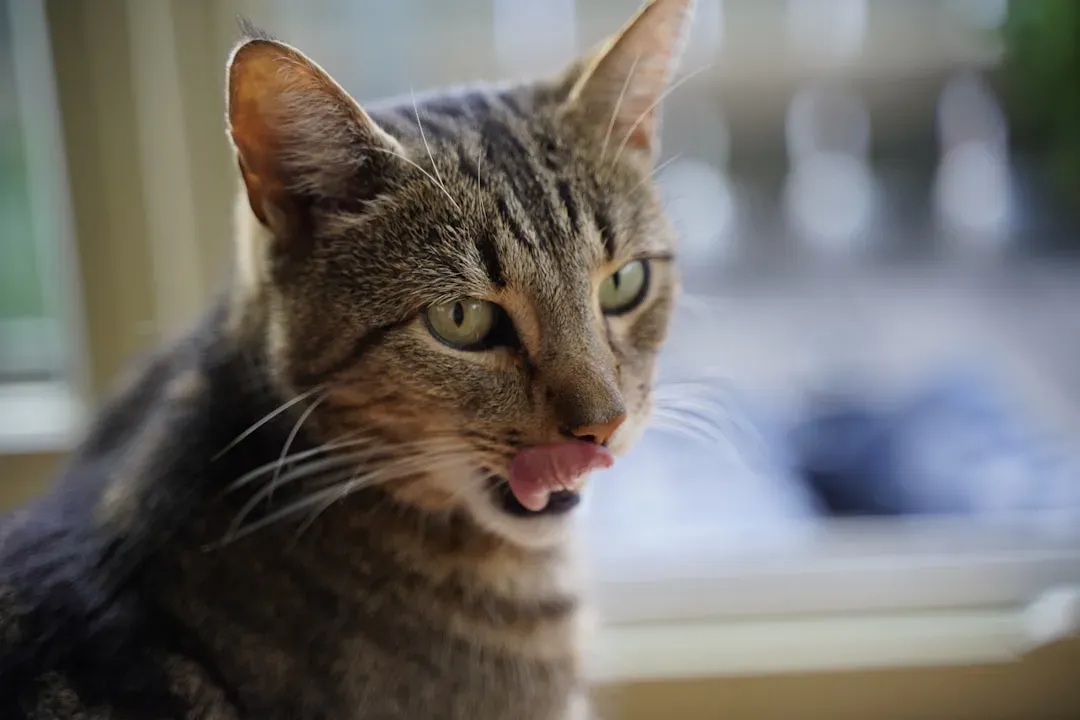
Cats groom people they trust, so if your cat is licking you, it might be a bonding moment for them. They can also “mark” you with a lick. The most natural response, if you enjoy the attention, is simply to lean into the moment. Soft talk, gentle petting, and calm presence are exactly the kind of reciprocation your cat is hoping for. You don’t need to do much – just be there.
If the licking is too rough or you’d rather it stop, there’s a kind way to handle it. When your cat starts to lick you, simply redirect them to something else. Don’t start playing with them, as this can encourage the behavior in the future. Avoid negative reinforcement too. Simply ignore them or redirect them to something else, and then don’t give them additional attention. The key is patience and consistency. Cats are smart – they catch on quickly when the rules are clear and calm.
Conclusion: A Lick Is Worth a Thousand Words
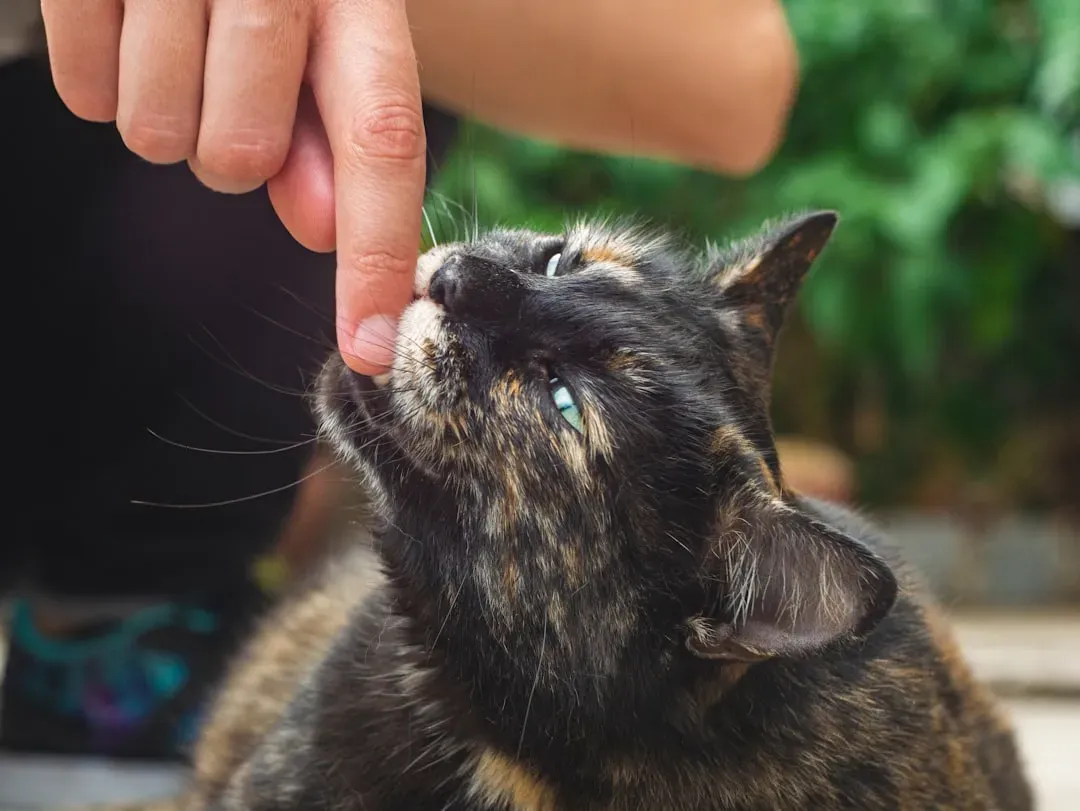
There is something genuinely moving about the idea that your cat’s rough, scratchy lick is one of its highest expressions of trust. It doesn’t have flowers to offer or words to say. It has its tongue, its scent, and its instinct to bond with those it loves. When your cat licks you, it is drawing on millions of years of feline social evolution and choosing to direct all of that toward you specifically.
Understanding that changes everything. That sandpaper swipe across your hand is not an inconvenience or an oddity. It’s your cat saying, in the clearest way it knows how, that you belong together. The next time it happens, maybe pause for a second before pulling away. You’ve just been told you’re family.
Does knowing all of this change how you’ll feel the next time your cat’s tiny sandpaper tongue finds your skin? Let us know in the comments – we’d love to hear your story.
Kristina is a young writer from India. An arts graduate and an avid content creator, Kristina is passionate about animals and wildlife. She enjoys exploring topics related to pet care, animal behavior, conservation, and nature, combining thorough research with engaging storytelling.