You’ve probably glanced over at your cat, sprawled across the couch like a boneless masterpiece of relaxation, and wondered – does this creature do anything else? Honestly, the answer is sometimes no, and that’s completely by design. Cats are extraordinary sleepers, and the sheer volume of time they dedicate to rest isn’t laziness. It’s a finely tuned biological strategy that has been millions of years in the making.
What looks like your cat simply checked out of life for the afternoon is actually a complex series of physiological events keeping them sharp, healthy, and surprisingly ready to pounce at a moment’s notice. There’s a lot more happening behind those closed eyes than you’d expect. Let’s dive in.
Why Cats Sleep So Incredibly Much
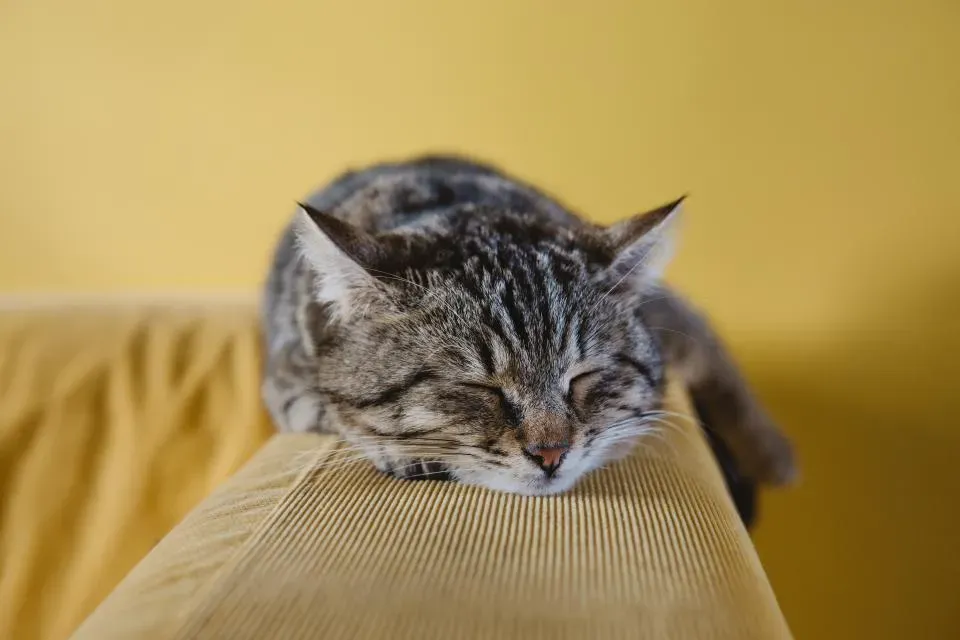
Here’s the thing – if you ever feel judged by your cat for sleeping in on a Saturday, know that they’re doing it for roughly three-quarters of the weekend too. On average, cats sleep between 12 and 16 hours a day, with kittens and older cats potentially needing even more rest. To most humans, who scrape by on seven or eight hours, that number seems almost absurd. It isn’t.
The science behind why cats sleep so much is deeply tied to their evolutionary history. As descendants of wild predators, cats inherited a sleep-wake pattern quite different from ours. In the wild, these ancestors needed to conserve energy for hunting, a high-energy activity. This energy-conservation strategy carried over into the domestic cats we know today. Think of it like a phone that needs to recharge before it can run at full performance – your cat is perpetually recharging.
The Polyphasic Sleep Pattern: Many Naps, One Healthy Cat
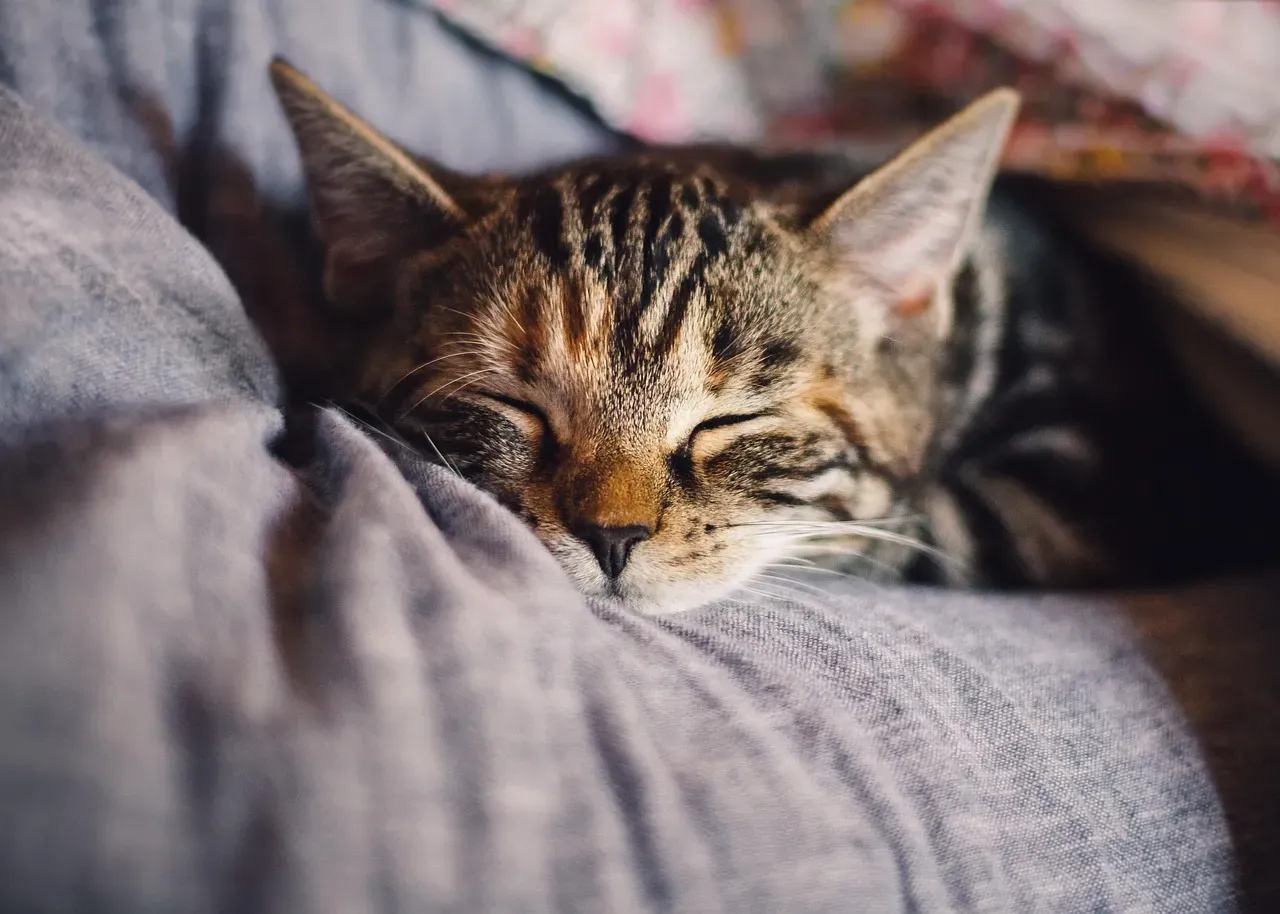
Cats have a polyphasic sleep pattern, meaning they sleep multiple times each day rather than in one long period like humans generally do. These naps average around 78 minutes in length, though they commonly range anywhere from 50 to 113 minutes. It’s a radically different approach compared to how you sleep, but brilliantly efficient for a creature built around bursts of intense activity.
Cats evolved to follow this polyphasic sleep pattern, and this behavior is not just a quirky trait – it’s a survival mechanism rooted deeply in their predatory nature. Cats sleep in short bursts to conserve energy for hunting, even if the only prey they’re stalking these days are toy mice or a dangling piece of string. It’s funny when you think about it. Your living room has become the Serengeti, and your cat is patiently conserving energy for the ambush.
The Two Stages of Feline Sleep: NREM and REM
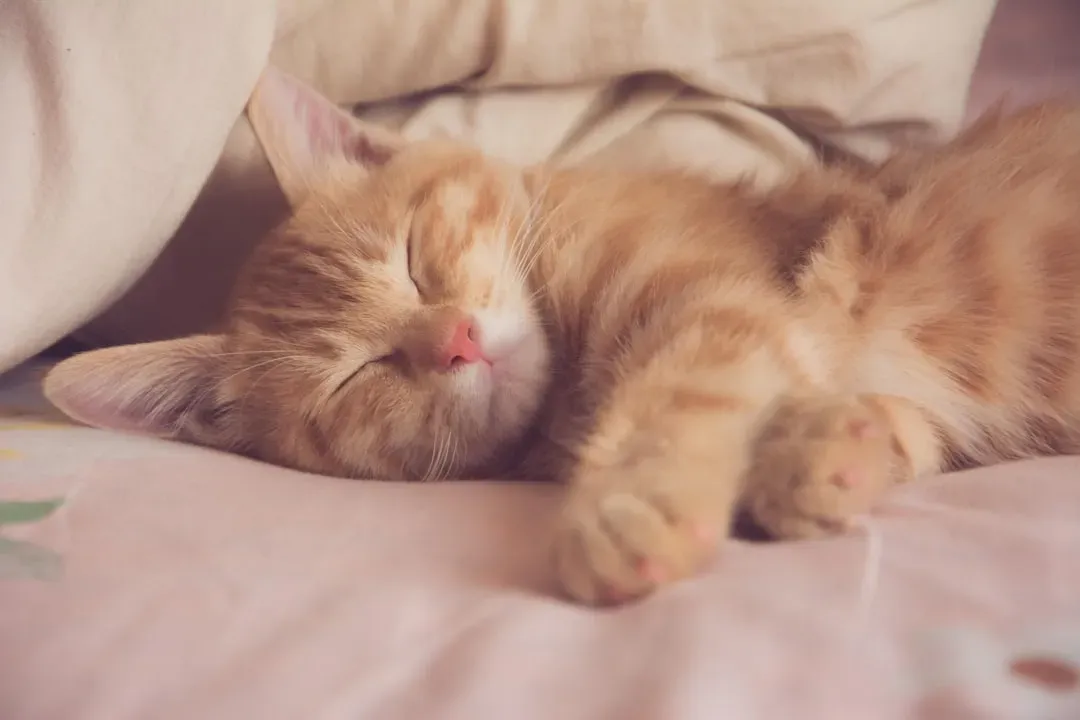
Cats, like humans, go through different sleep phases, including NREM and REM sleep. During the NREM phase, cats are in a light sleep and can wake up easily. Their brain waves are slower and more irregular compared to REM sleep, and they may fall in and out of NREM sleep several times before falling into REM sleep. It’s a layered, cycling system that serves distinct purposes at each stage.
REM and non-REM sleep play crucial roles in a cat’s restorative functions. Non-REM sleep allows for physical recovery, such as muscle repair, while REM sleep is essential for cognitive processes and emotional well-being. Adequate and uninterrupted sleeping habits are vital for a cat’s overall health, as they help consolidate memory, regulate mood, and boost the immune system. One stage heals the body, the other sharpens the mind. Together, they’re a complete maintenance system.
Deep Sleep and Physical Restoration: The Body’s Repair Cycle
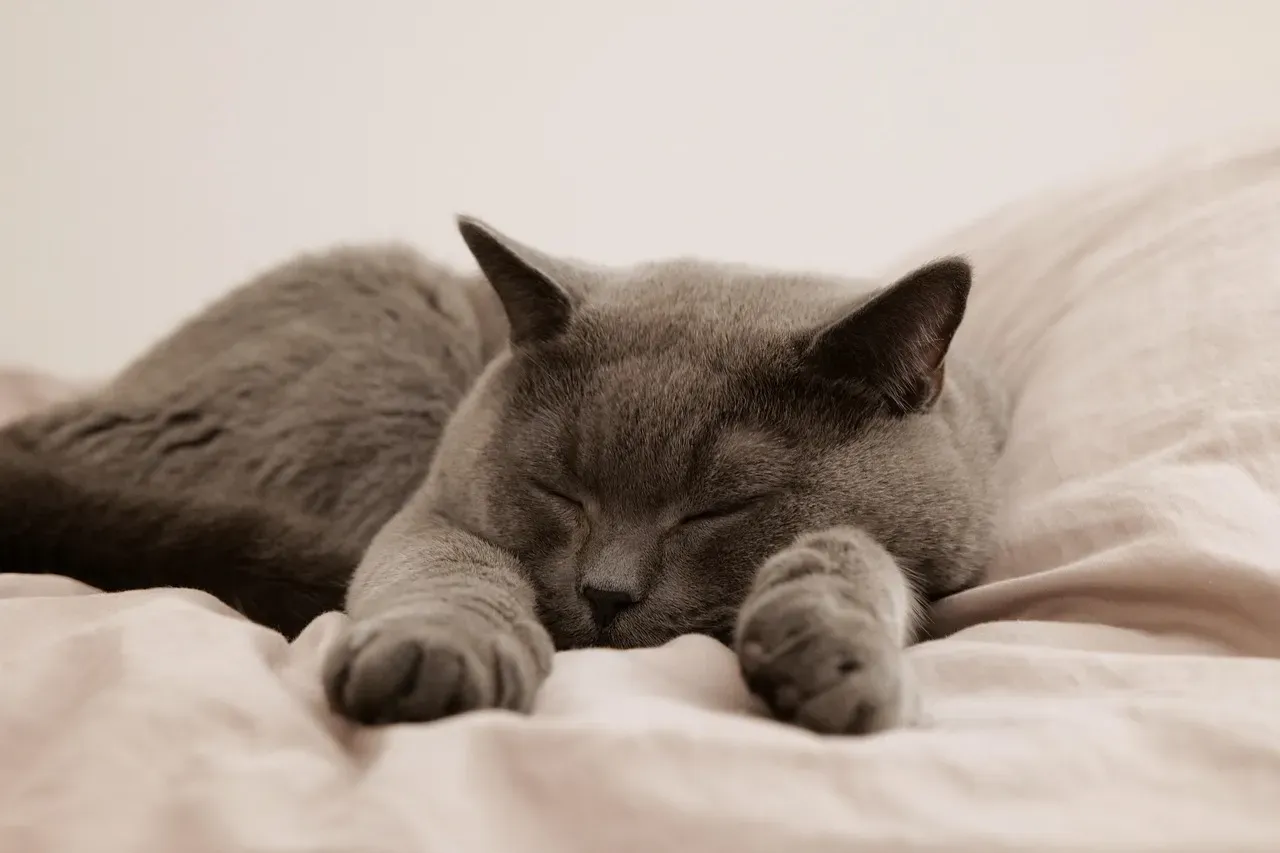
Sleep is vital to a cat’s health, far more than just a simple rest period. During sleep, a cat’s body undergoes various physiological processes essential for well-being. It’s a time when their body repairs itself, builds muscle and bone, and strengthens the immune system. This rest period is particularly important for their physical health, especially after a day of activities and exploration. Think of it as your cat running a nightly software update, except it’s happening multiple times a day.
During the non-REM sleep phase, kittens build their muscles and bones, and an older cat’s body uses the time to repair and regenerate, with the immune system strengthening and revitalizing during this phase too. Sleep also helps kittens grow by producing growth hormones, which are essential for physical development. The benefits are deeply physical and utterly remarkable for something that simply looks like your cat decided to opt out of Tuesday.
REM Sleep and Dreaming: Yes, Your Cat Actually Dreams
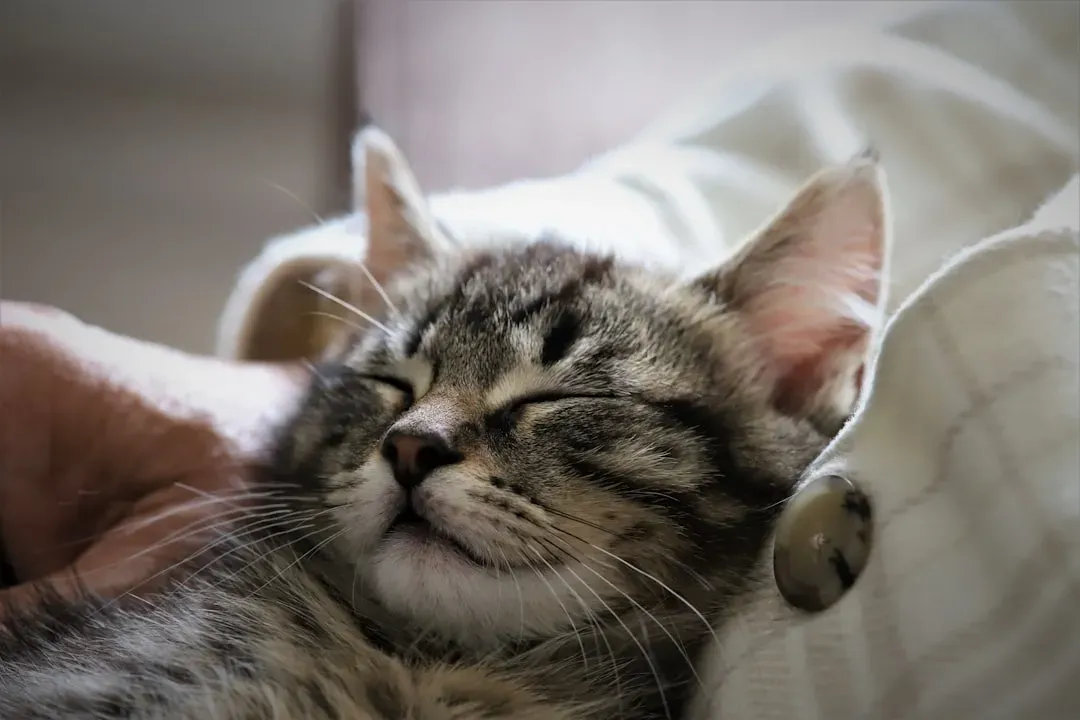
It all hinges on one distinct phase of the cat’s sleep cycle – REM sleep. REM is short for rapid-eye movement, a stage of sleep where the brain lights up with electrical activity. Research has shown that cats and most mammals cycle between REM and NREM sleep, just as we do. And during that REM phase, something quite extraordinary is happening inside your cat’s head.
During REM sleep, brain activity actually increases, although cats are still not consciously aware of the world around them. This phase is also where dreams happen, so researchers have surmised that because cats experience REM sleep, they can and do dream. As they slumber, they twitch their tail and whiskers, extend and retract their claws, and may even begin murmuring or chattering. So next time your cat’s paws are paddling in mid-air during a nap, they’re almost certainly in the middle of a very exciting hunt.
What Your Cat’s Sleeping Position Actually Tells You
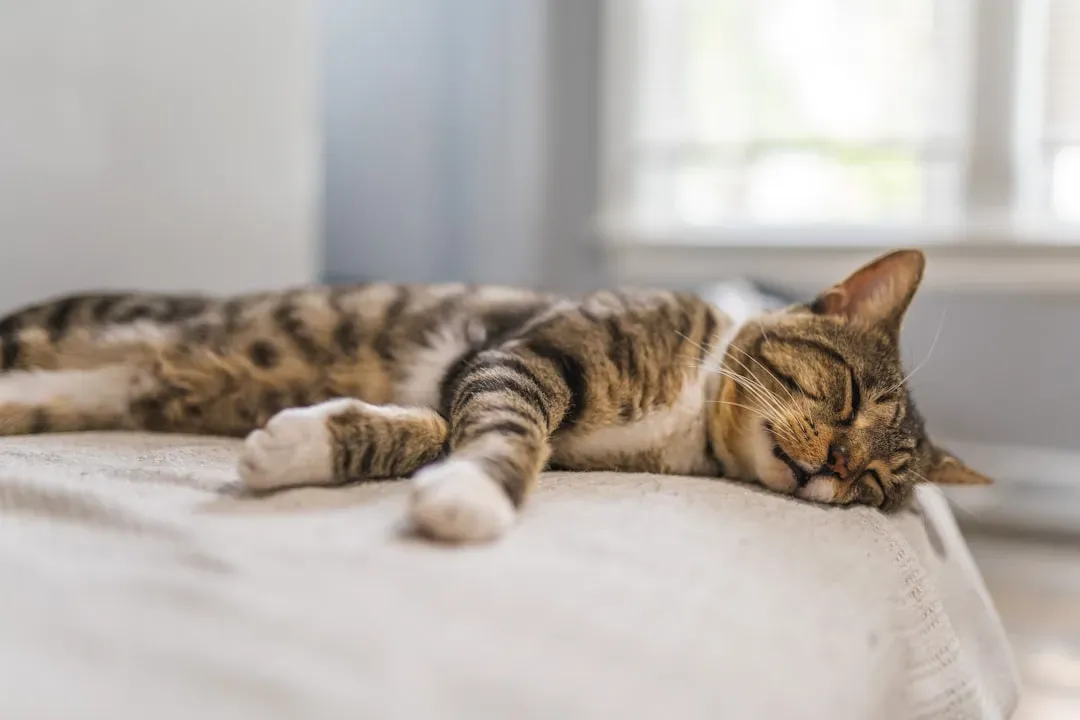
Cats often sleep curled up in a ball, with nose to tail. This shape helps them retain body heat, and the position also protects their vital organs by surrounding them with less essential and more resilient muscle and bone. Contrast that with the belly-up position, which tells a completely different story.
If you’ve seen your cat sleep on their back with their front legs either resting on their belly or outstretched over their head and their belly fully exposed, it means they feel very safe and confident. Healthy cats typically sleep openly, rotate between various positions, and exhibit frequent stretching. In contrast, those experiencing stress or illness may limit movement, sleep in secluded areas, or maintain stiff postures. Your cat’s sleeping position is basically a daily wellness report, and it’s worth paying attention to.
How Age Changes a Cat’s Sleep Needs
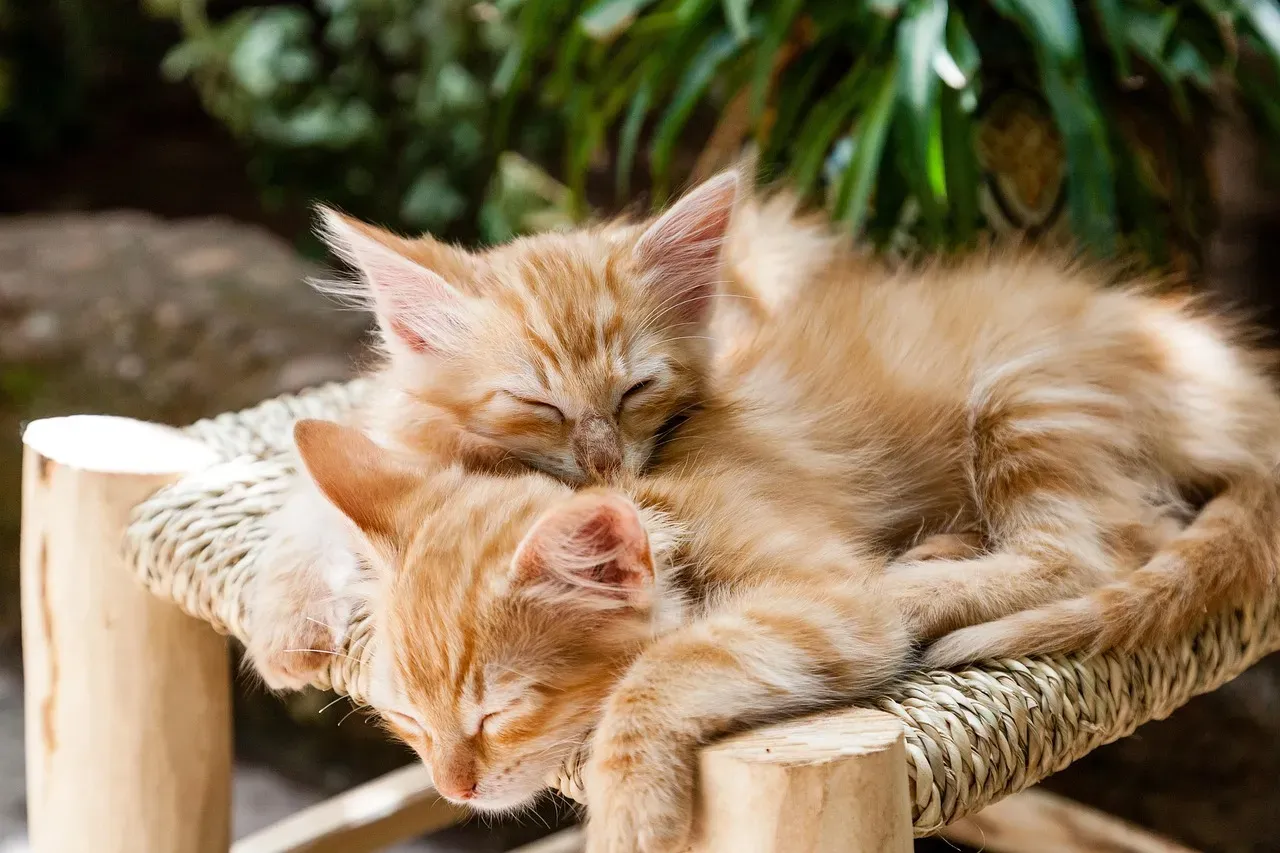
Kittens sleep more than adult cats, with newborns requiring up to 24 hours of sleep each day. This significant sleep allocation helps them grow and develop properly. It seems extreme, I know, but consider that a newborn kitten is essentially building a body from scratch. Sleep is the construction crew. Every hour of rest is another brick in the wall.
As cats enter their senior years, their body requires more time to rest and recover. Several physical factors contribute to their need for extra hours snoozing, including a natural decrease in energy levels, age-related physical changes, and a reduced metabolic rate. Certain medical conditions, including hyperthyroidism, kidney disease, and hypertension, can prevent elderly cats from sleeping soundly. Chronic pain can also play a big part in disrupting sleep, which may cause cats to appear restless as they search for a comfortable position. Senior sleep, in other words, deserves more care and attention from you as an owner.
When Sleep Patterns Signal a Health Problem
Excessive sleep, beyond the typical 12 to 16 hours, especially if paired with changes in appetite, weight, or behavior, may signal illness. Conditions such as arthritis, kidney disease, or thyroid imbalances can alter sleep needs. Cats who suddenly sleep much less may also be in pain or experiencing stress. It’s a delicate balance, and deviations in either direction deserve a second look.
Changes in mood such as irritability, aggression, or withdrawal can be a sign of insufficient sleep. Affected cats will also be considerably tired and lethargic. Some will be considerably vocal and may show changes in their interactions with people and animals. It’s hard to say for sure without a vet’s assessment, but if your cat’s sleep suddenly looks dramatically different from their normal routine, trust your instincts and make that call.
Creating the Ideal Sleep Environment for Your Cat
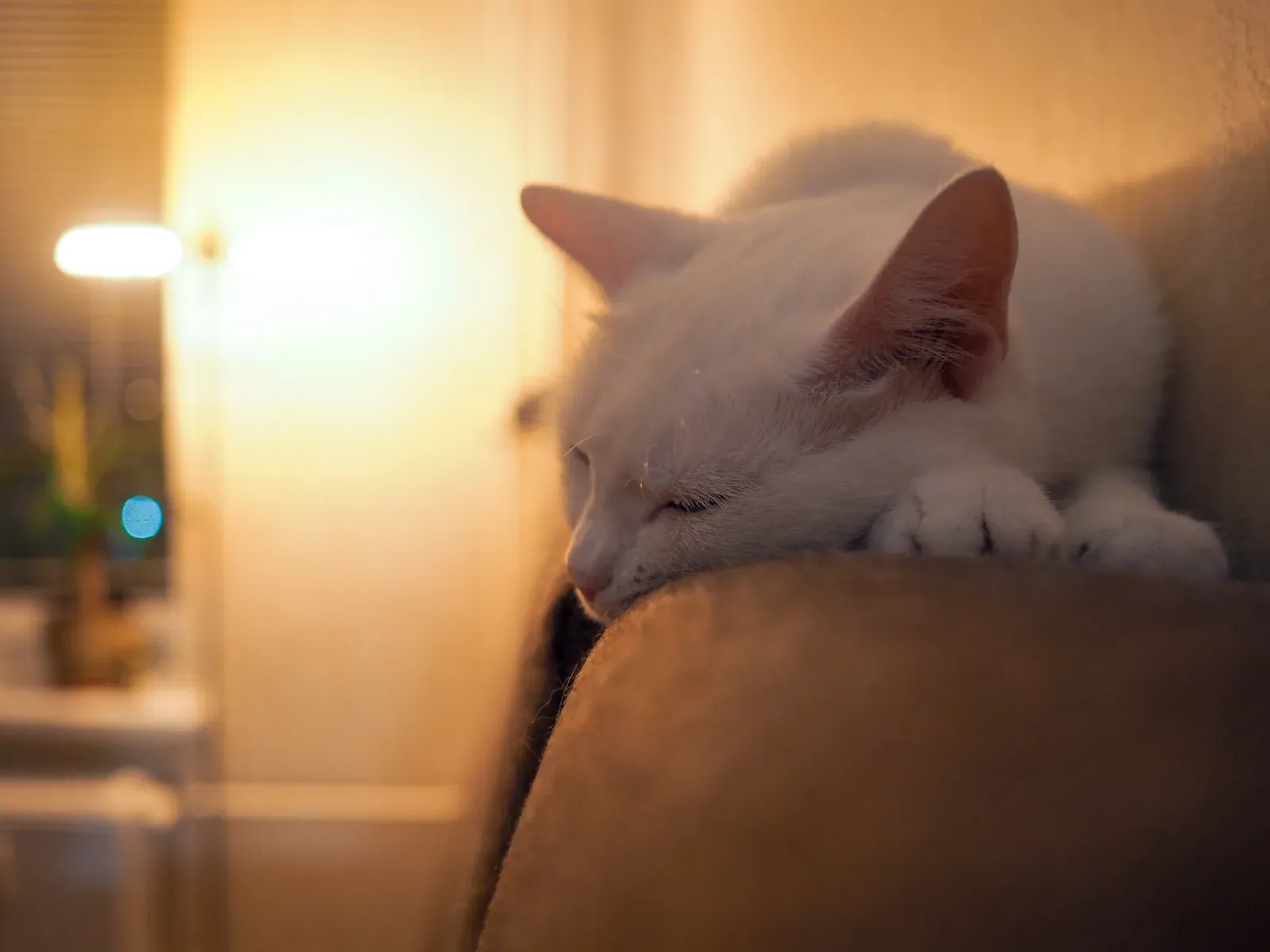
Maintaining a consistent routine can help regulate your cat’s sleep. Feeding them at the same time each day and scheduling regular play sessions supports healthy sleep patterns. Ensuring your cat has a comfortable, quiet place to rest is also important. Cats prefer warm, safe spots for sleep, so providing a cozy bed in a quiet area of the house can encourage deep, restful sleep. Consistency, it turns out, matters to cats far more than most people realize.
In the wild, cats spend a lot of energy hunting prey. When they catch prey, they eat it, and only after these activities are over is it time for restful sleep. Trying to model this pattern for your pet may encourage better cat health and a more standardized sleep schedule. Choosing a few select times each day to engage your cat in play that imitates the predator-prey relationship can be highly effective. Play first, dinner second, deep sleep third. That’s the natural cat sequence, and it works brilliantly even in a cozy apartment.
Conclusion: The Science Hidden in Every Catnap
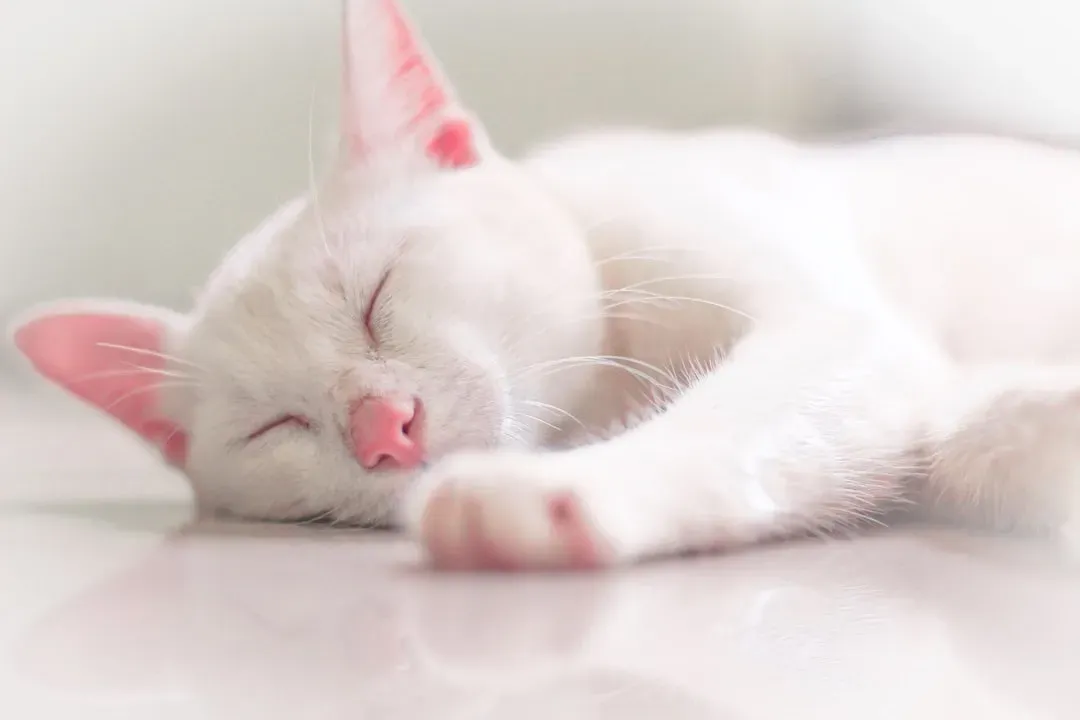
It’s easy to envy a cat. They curl up in a sunbeam, sigh contentedly, and drift off without a single care in the world. Yet the truth is that every one of those glorious naps is doing something real. Your cat’s sleep repairs tissue, strengthens immunity, sharpens cognitive function, consolidates memories, and keeps their hunting instincts wired and ready. There is, honestly, nothing passive about it at all.
As a cat owner, understanding sleep as a genuine health pillar gives you a significant advantage. You’ll notice the shifts. You’ll respond earlier. You’ll create better environments. And you’ll stop feeling guilty about letting your cat nap in peace instead of picking them up for a cuddle they clearly weren’t inviting. Sleep is your cat’s most productive hours. Treat it that way.
So the next time your cat melts into the sofa cushions for the fourth time before noon, maybe don’t be so quick to judge. Did you ever imagine there was so much happening behind those closed eyes? What do you think your cat dreams about? Drop your best guess in the comments.
Kristina is a young writer from India. An arts graduate and an avid content creator, Kristina is passionate about animals and wildlife. She enjoys exploring topics related to pet care, animal behavior, conservation, and nature, combining thorough research with engaging storytelling.