You’ve probably spent more time than you’d like to admit staring at your cat, trying to figure out what’s going on in that mysterious little head of theirs. One minute they’re purring on your lap. The next, they’re giving you a look that could curdle milk. Cats are famously hard to read, and yet the secret to understanding them has been swishing right in front of your eyes the whole time.
Despite their occasionally confusing behavior, cats, like most poker players, often have a tell: their tails. Along with purring, meowing, and direct eye contact, a cat’s tail movements can often indicate how a cat is feeling, their mood, and their intentions. Think of your cat’s tail as a live-updating emotional dashboard. Once you learn to read it, you’ll feel like you’ve unlocked an entirely new level of communication with your feline. Let’s dive in.
The Anatomy Behind the Magic: Why Cats Have Such Expressive Tails
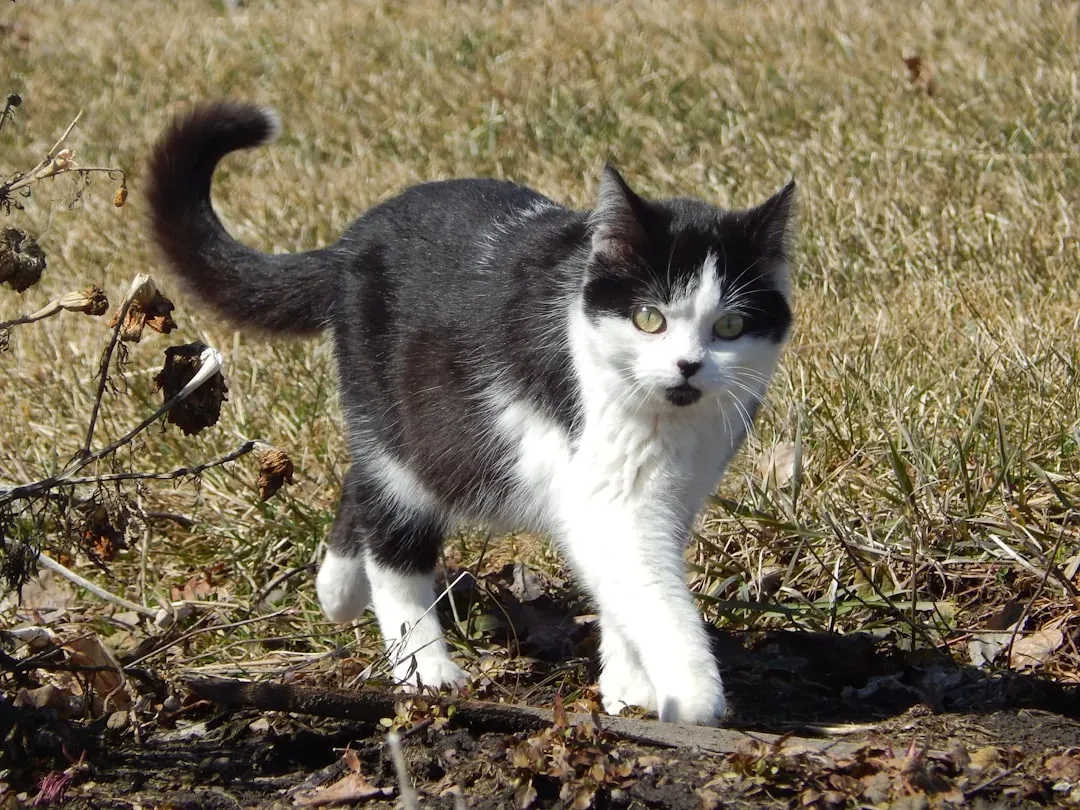
Before you can decode what the tail is saying, it helps to understand what you’re actually looking at. The tail is an extension of the spine: while the human spine stops at the pelvis, in cats the spine continues backward for another 18 to 23 small bones, or roughly 20 to 30 centimeters. The average female cat’s tail measures about 25 centimeters, and the average male cat’s tail measures about 28 centimeters, with larger breeds like Maine Coons having tails up to 40 centimeters long.
The bones of the tail are covered in layers of connective tissue, blood vessels, muscle, skin, and fur. That complex structure isn’t just for show. The tail is part of a cat’s balancing equipment, helping cats walk along narrow surfaces the way a tightrope walker’s bar provides stability. It’s remarkably engineered, serving dual purposes at once: physical balance and emotional expression. Honestly, that’s more multitasking than most of us manage before coffee.
The Sky-High Tail: Confidence Walking Through the Door
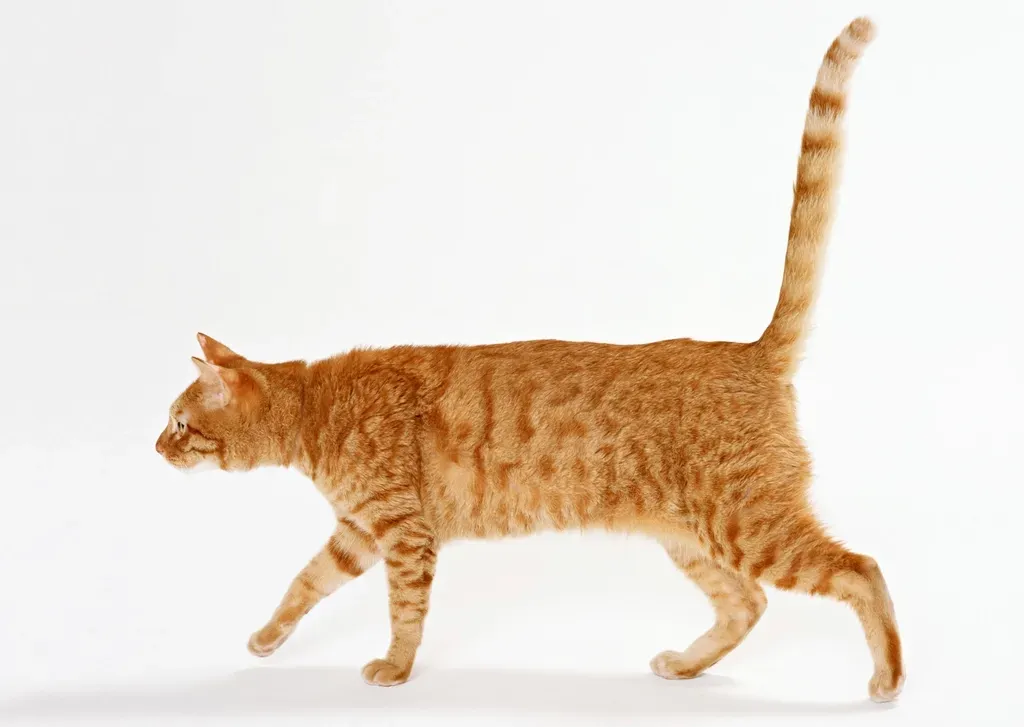
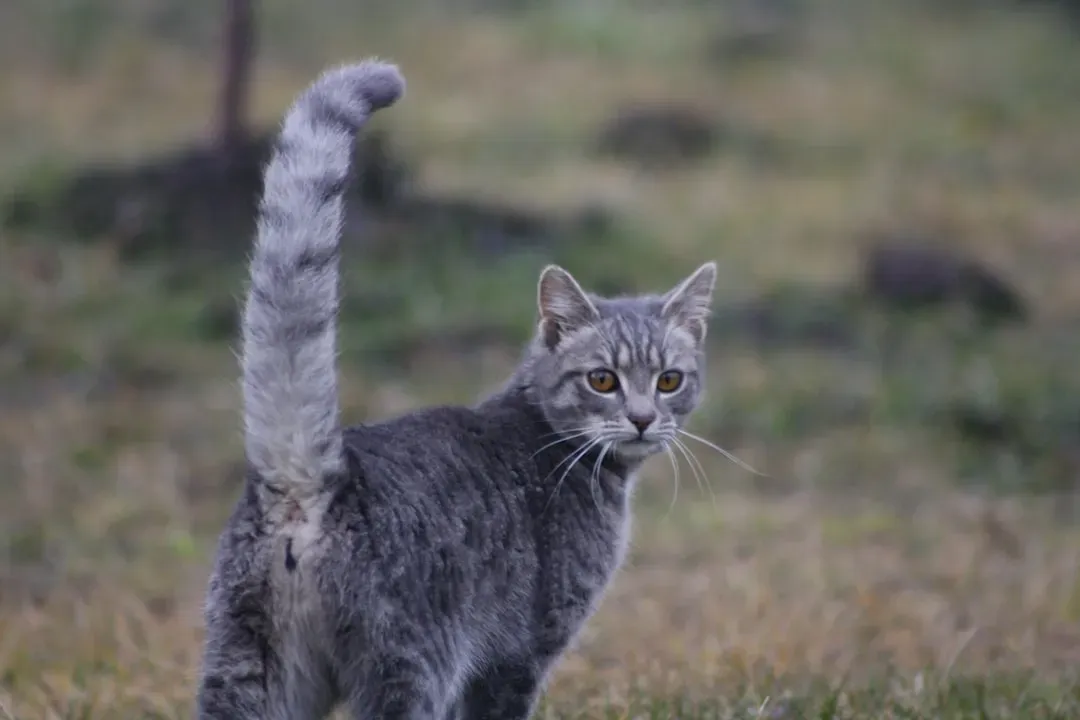
When your cat holds their tail high in the air as they move about their territory, they’re expressing confidence and contentment. A tail that sticks straight up signals happiness and a willingness to be friendly. It’s basically your cat’s version of walking into a room with their head held high, completely unbothered and ready to be adored.
Some behaviors carry over from kittenhood to older cats. For example, kittens greet their mom with high tails, and adult cats continue to do this with their favorite people. So when your cat strolls toward you, tail pointing straight at the ceiling, they’re not being dramatic. They’re greeting you the same way they once greeted their mother. If your cat approaches you with their tail up, this is a great time to pet them or play with them.
The Question Mark Curl: Your Invitation to Hang Out
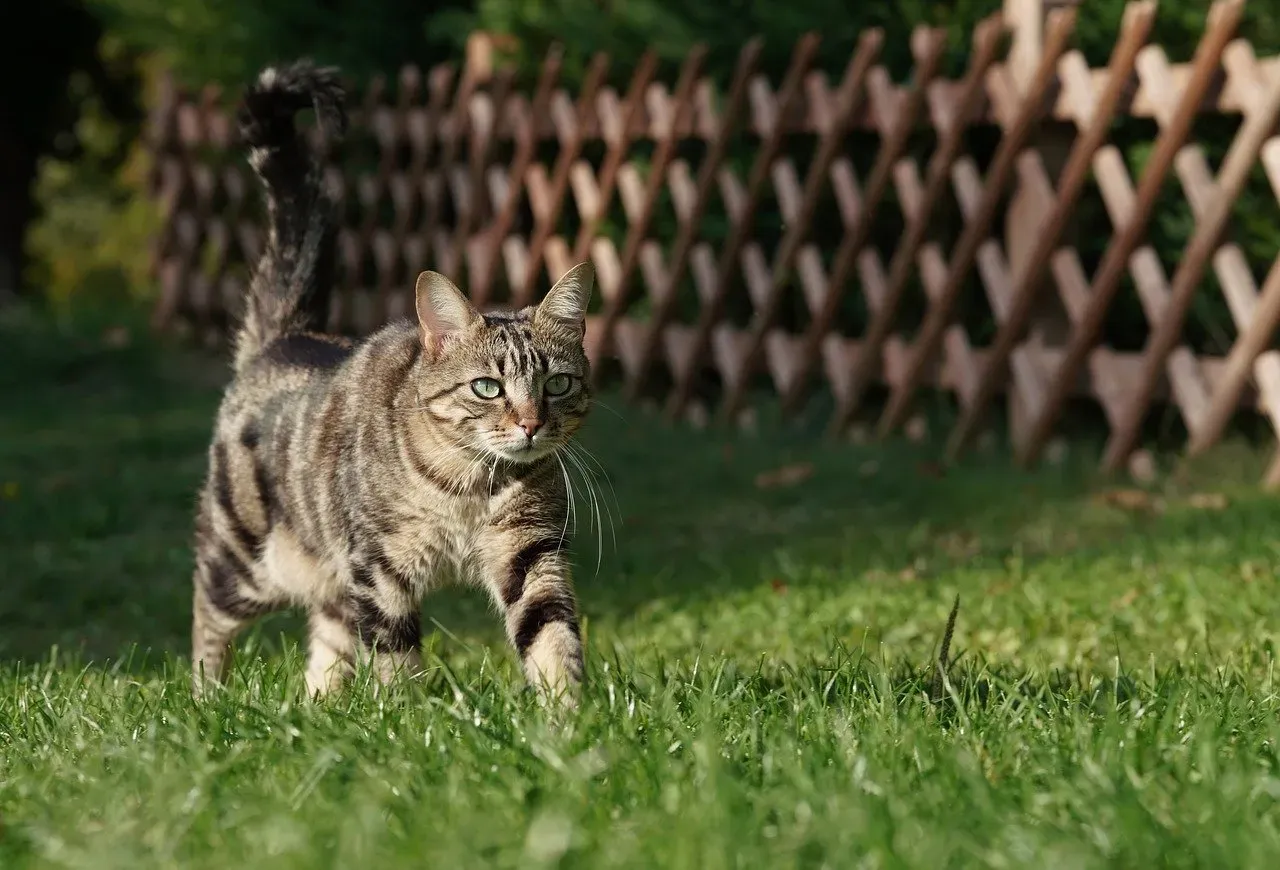
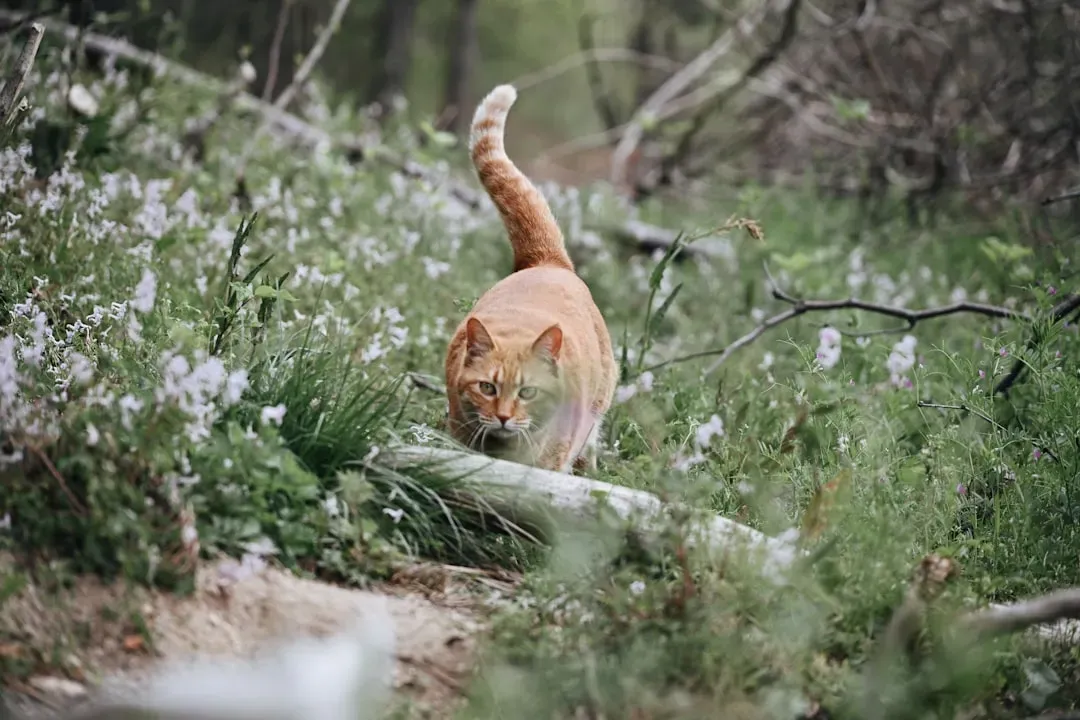
You may notice that sometimes your cat’s tail looks like a question mark – it stands upright but curls at the end. This cat tail language indicates that your cat is happy and approaching amicably, and when their tail is in this position, it means it’s an invitation to interact. Think of it as your cat raising their hand to say, “Hey, I’m in a good mood. Come hang.”
You might consider taking a break from your daily business to play with your cat if you notice a curve in their tail. This tail position often signals a playful mood and a cat that’s ready to share some fun with you. However, while it is tempting to pet that curly-tipped tail, most cats prefer to be petted around their facial glands on their cheeks, under their chin, and next to their ears. Good intel to keep in mind if you want to stay on their good side.
The Slow Swish: Focus Mode Engaged
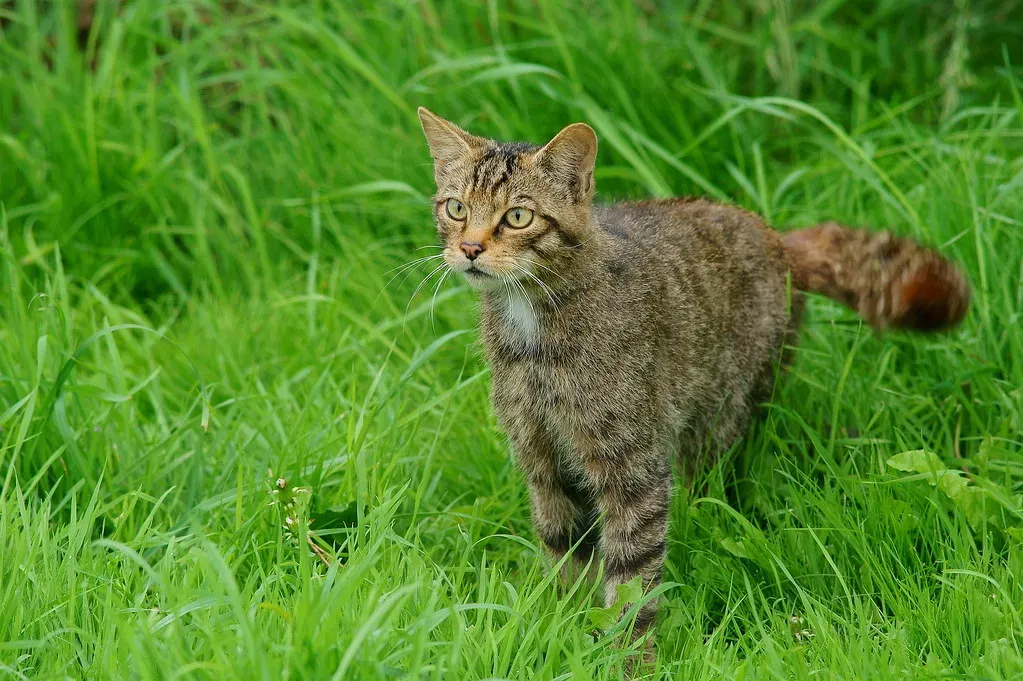
A tail that sways slowly from side to side usually means your cat is focused on an object. You might see this tail position right before your cat pounces on a toy or a kibble of cat food that’s tumbled outside the food bowl. It’s the feline equivalent of a athlete narrowing their eyes before a big moment. Total concentration. Zero distractions.
You’ve probably noticed your cat’s tail do this when they’re intensely focused on something like a toy and might be about to pounce. This tail movement does, in fact, mean a cat is in the zone and has zeroed all their attention on a target of interest but is likely feeling playful. Engaging in predatory behavior like stalking and pouncing is good enrichment for your cat, so let them continue to engage in whatever is captivating their attention.
The Thrashing Tail: Back Away Slowly
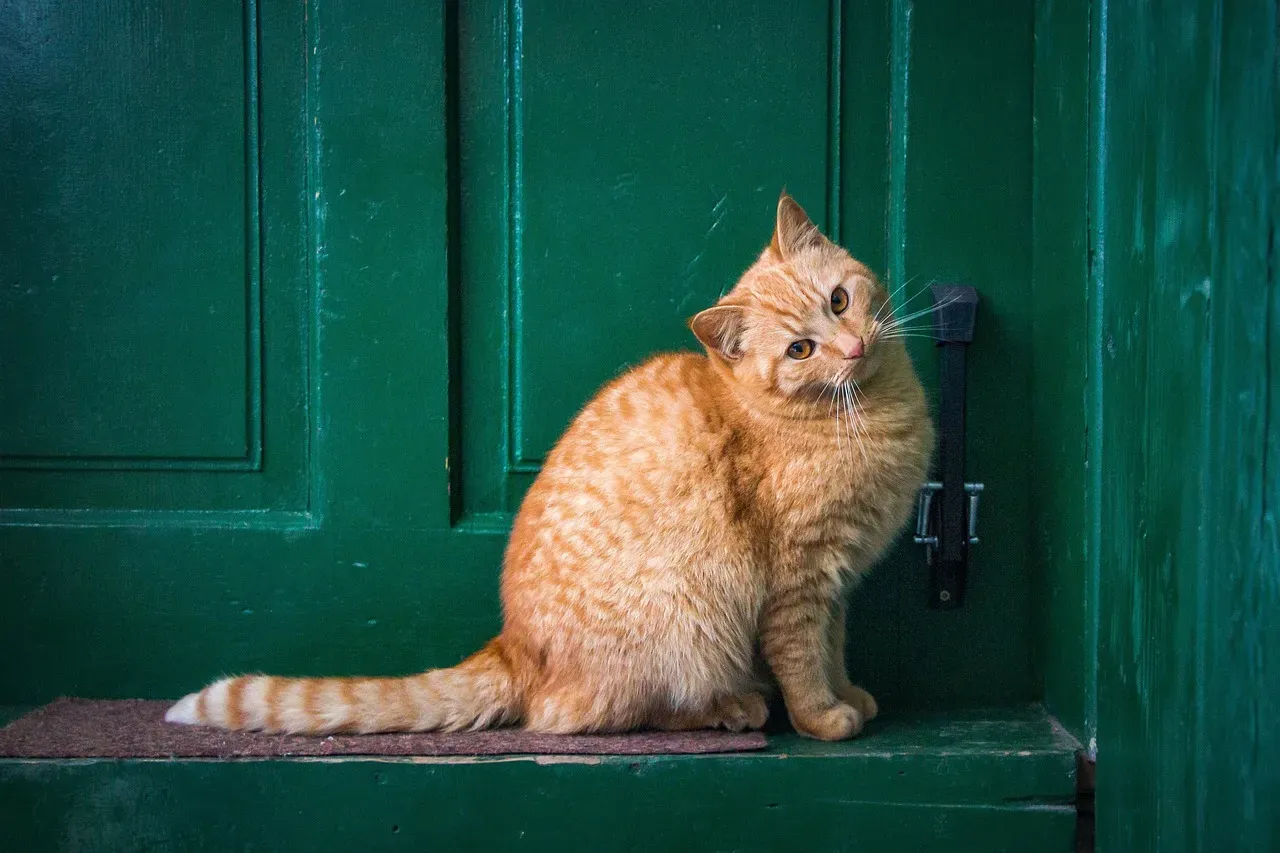
Unlike a slowly swaying tail, when your cat thrashes their tail back and forth, you’ve got an annoyed or angry cat on your hands, and it may be about to become aggressive. This is the universal feline “I am done with this conversation” signal. Ignore it at your own risk, because things can escalate quickly.
Whipping or lashing of the tail is a sign that a cat is angry and that they may take a sudden, strong action in the near future. If a cat does this, it’s time to take a step backward to give the cat some space. If you don’t, you may risk being bitten or scratched. One often unintended way to elicit this negative tail position is through overstimulation. Cats often like their interactions short and sweet, and crossing the line can lead to tail lashing before a friendly but pointed nip. You’ve been warned.
The Puffed-Up Tail: Full Panic Mode
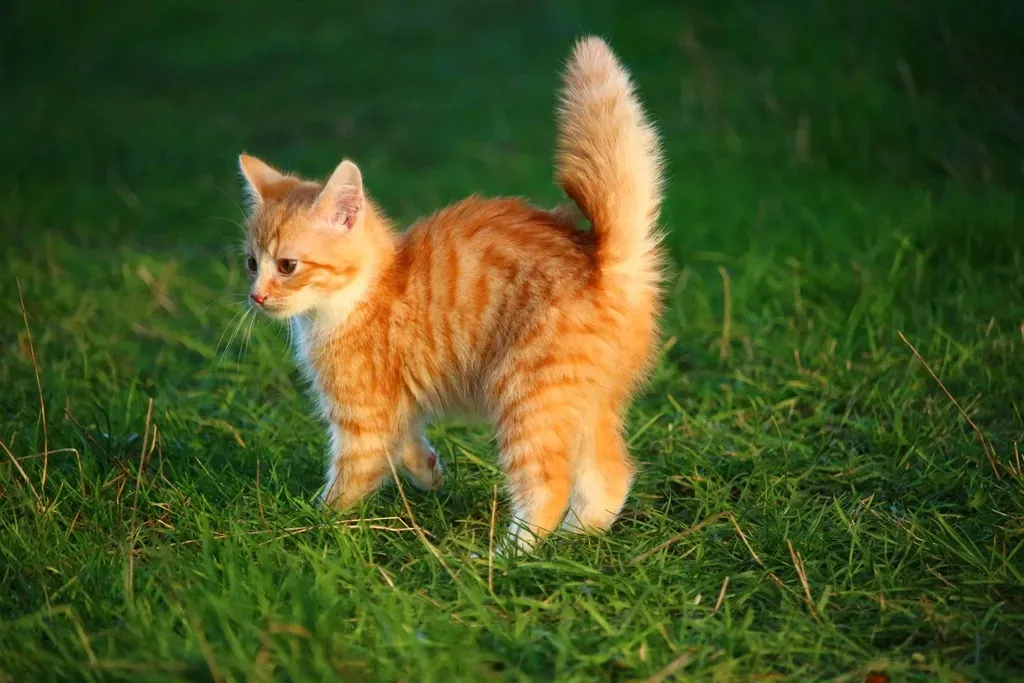
A puffed-up tail is a classic indicator that your cat feels frightened or threatened. This dramatic display makes your cat appear larger to ward off potential threats. A frightened cat may also arch its back and puff out its fur in response to a perceived danger. Think of it like nature’s own jumbo-sized bluff. Your cat is desperately trying to look like a creature you absolutely do not want to mess with.
It’s a defense mechanism designed to communicate that they’re actually very large and scary and not worth fighting. However, your cat wouldn’t puff their tail if they weren’t feeling threatened to begin with, so the behavior almost always stems from a fearful reaction. This tail position is often triggered by feeling threatened by other animals in the yard, dogs approaching, visitors in the home, or sudden noises. Removing the inciting triggers will help decrease your cat’s stress.
The Tucked Tail: Something Is Wrong
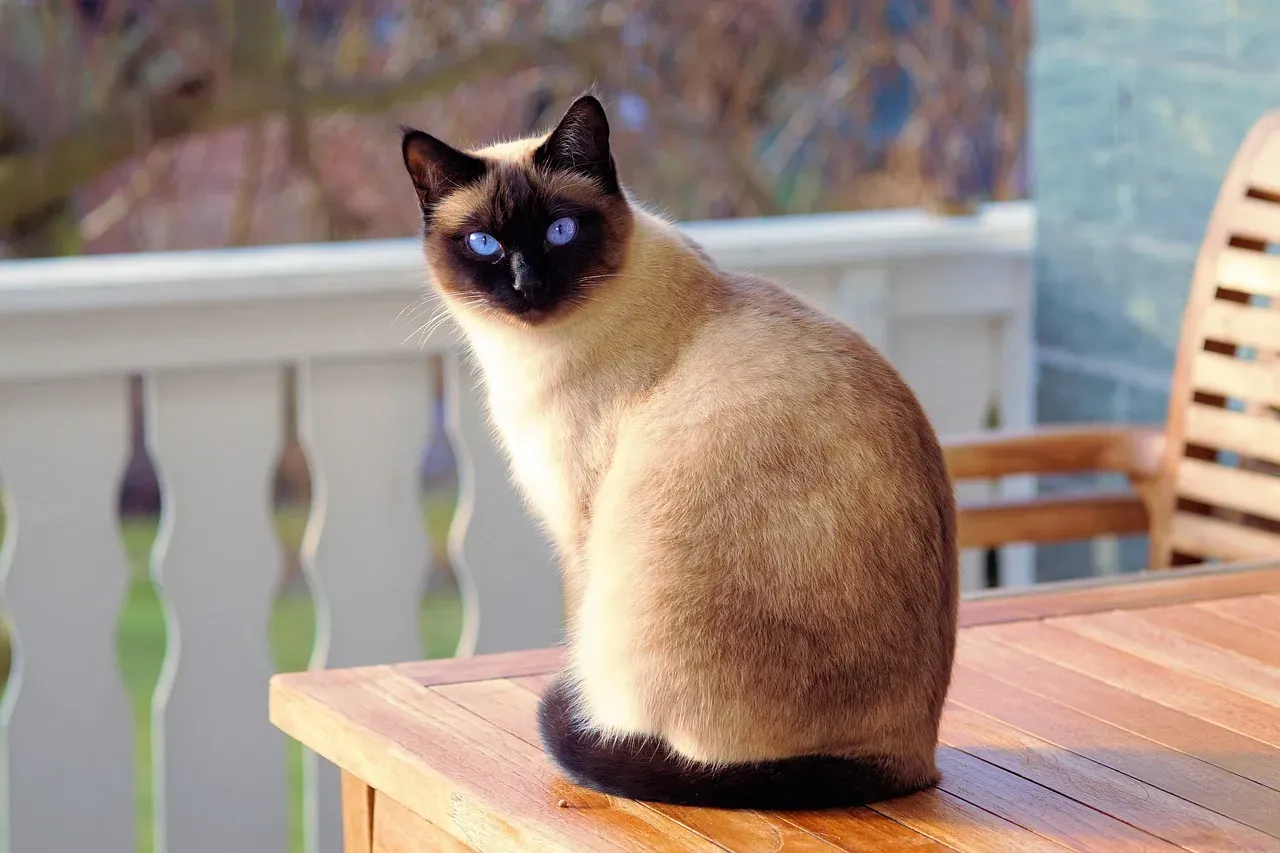
A cat may lower their tail below the level of their back if they are frightened or anxious. If your cat’s tail is tucked between their legs, then they are really scared or may be experiencing pain. It’s an instinct that mirrors what you see in dogs, which is interesting because cats and dogs actually share more communication overlap than people might expect.
A cat who has tucked the tail between the hindlegs is very frightened. This is a submissive posture where the cat is trying to appear small and non-threatening. Don’t assume though that this posture says it’s safe to approach. If there’s no means of escape, the frightened cat may display defensive aggression. So give them room, reduce the stressor if you can, and let your cat come back to you on their own terms.
The Tail Wrap: A Feline Hug in Disguise
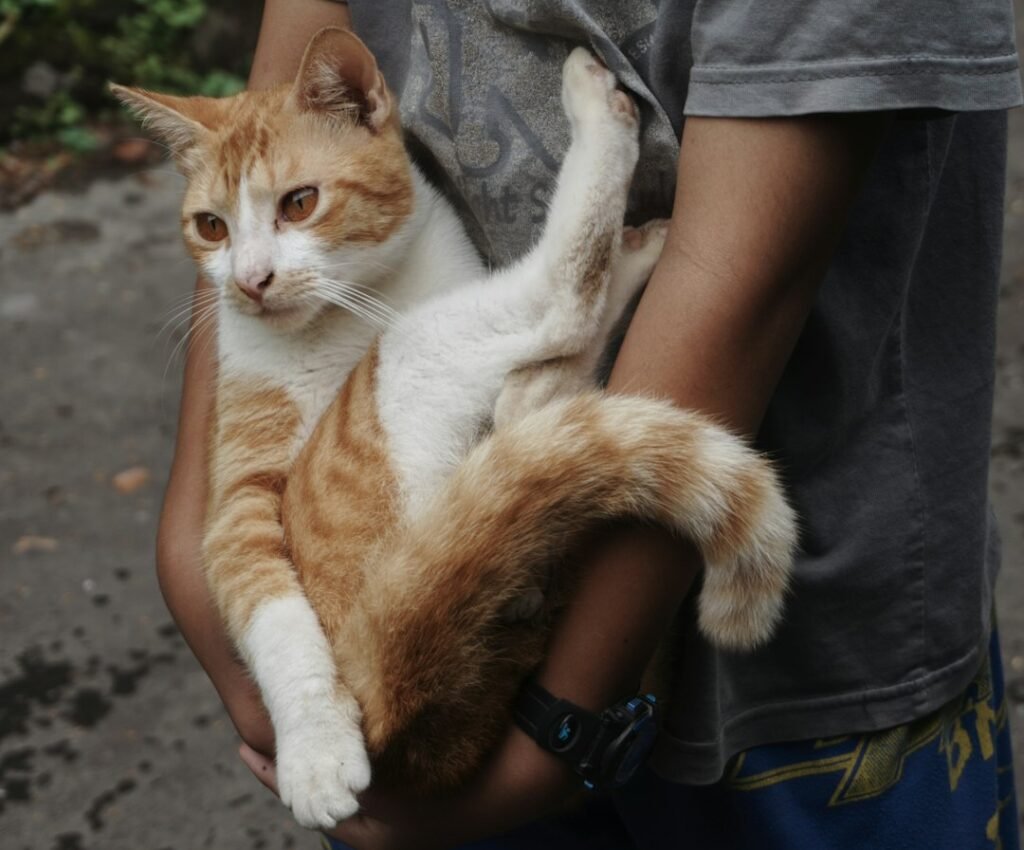
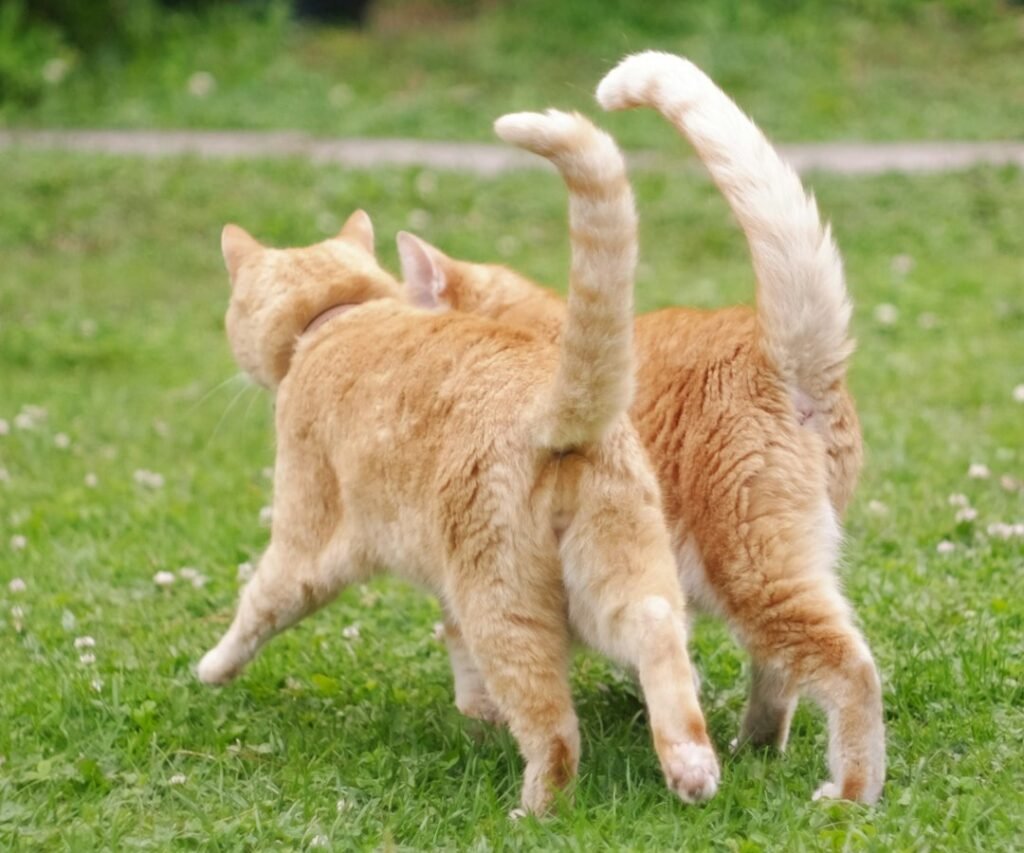
Just as we greet one another with handshakes or hugs, cats may greet by curling their tails around people and by intertwining their tails with other cats. Tail wrapping is an affiliative behavior that demonstrates a willingness to interact. It’s subtle enough that many cat owners miss it entirely, but once you know what to look for, it’s one of the most heartwarming things your cat can do.
While walking, cats may intertwine their tails as a gesture of affection and friendship. When resting, a cat may wrap their tail over another cat with whom they are bonded, as an affectionate display. Your cat may also gently wrap their tail over your arm when resting nearby. Consider it a cat’s version of a hug. If that doesn’t make you want to go find your cat immediately, I don’t know what will.
The Quivering Tail: Excitement Overload
Your cat may quiver their tail when they are especially excited to see you or another cat. It’s a quick, vibrating movement that typically signals pure, barely-contained excitement. It’s one of those behaviors that looks so oddly specific you might wonder if something is physically wrong with your cat the first time you see it. Spoiler: nothing is wrong. They’re just thrilled you exist.
Sometimes, when a cat quivers their tail while holding it straight up and backing up against a vertical surface, they may be urine marking. So context is everything here, as always. When a cat’s tail is in motion and looks fluid and soft, it’s “swishing.” Generally, this indicates a cat who’s relaxed or calmly interested in what’s happening. At this point, no alarm bells are going off in the cat, and they aren’t sleepy either. Calm, fluid motion is always a reassuring sign.
Reading the Whole Picture: Tail Language in Context
While tail movements are a critical aspect of feline body language, it’s essential to consider the entire body when interpreting your cat’s emotions. For example, a puffed tail combined with flattened ears and wide eyes is a strong indicator of fear, while an upright tail with a relaxed body posture reflects confidence. The tail never lies, but it rarely tells the complete story on its own.
Cats use their tail movements, along with their eyes, ears, and body postures, to communicate. Reading the tail language of a cat can also help you identify illness and pain more readily. Remember to interpret these tail movements in the context of your cat’s other body language signals and the current situation. The more you become aware of your cat’s body language, the better you will be at knowing how they’re feeling, allowing you to act accordingly and best provide for your cat’s emotional needs.
Conclusion: The Tail Always Tells the Truth
Your cat isn’t nearly as mysterious as they want you to think. That tail has been telling you everything all along. From the sky-high greeting tail to the dramatic puff of doom, every flick and swish is a window into an emotional world that’s surprisingly rich, nuanced, and deeply communicative.
The real beauty in learning this silent language is what it gives you in return: a stronger bond, fewer misunderstandings, and a whole new appreciation for just how expressive these so-called “aloof” creatures truly are. Cats are masters of communication, and our job is to pay attention. If you learn to accurately read their body language signals and respect what your cat is telling you, it will create trust and strengthen the bond you share.
So next time your cat walks into the room and starts moving their tail, stop what you’re doing and really look. They’re speaking directly to you. The only question is: have you been listening? What’s the most surprising tail signal you’ve noticed in your own cat? Tell us in the comments.
Kristina is a young writer from India. An arts graduate and an avid content creator, Kristina is passionate about animals and wildlife. She enjoys exploring topics related to pet care, animal behavior, conservation, and nature, combining thorough research with engaging storytelling.