Cats have a reputation, don’t they? Mysterious, a little aloof, seemingly unbothered by everything around them. Yet anyone who has shared a home with one of these creatures knows that underneath that cool exterior is a deeply emotional animal who notices everything you do, and feels it deeply.
Cats require emotional security to thrive in their surroundings, just like people do. When they feel safe, they are more relaxed and content, allowing them to form stronger bonds with their owners. The beautiful thing is you don’t need grand gestures to get there. Sometimes it’s the tiniest, most ordinary moments that speak volumes to your feline. Let’s dive in.
1. The Slow Blink: Your Cat’s Secret Love Language
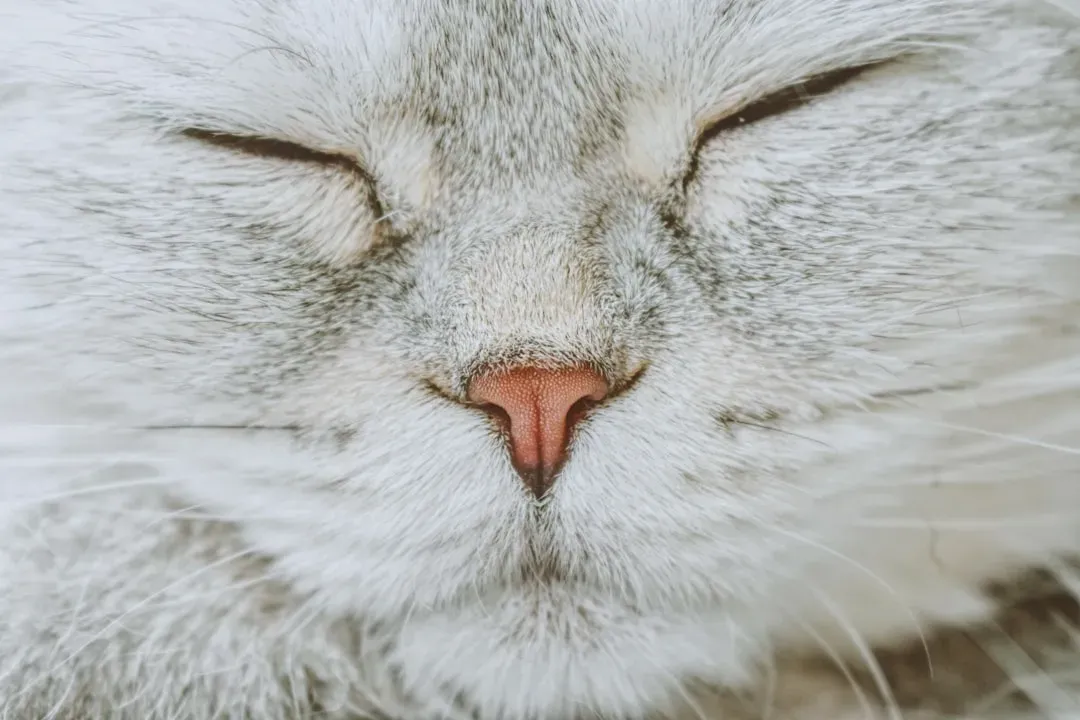
Some call it the slow blink, others call it “kitty kisses.” It’s a simple gesture to do: gaze at your cat, slowly closing your eyes halfway and then gradually opening them again. You’ve essentially just said “I love you” in fluent feline. It sounds almost too easy, honestly, but the science backs it right up.
This action shows the cat feels safe and relaxed enough to close its eyes slowly around you. In the wild, closing one’s eyes can make an animal vulnerable to predators, so a slow blink signals that your cat feels secure and at ease in your presence. Think about that for a second. Every time your cat does this, they’re telling you they trust you with their actual safety. That’s not small. That’s everything.
2. Gentle Petting in All the Right Places
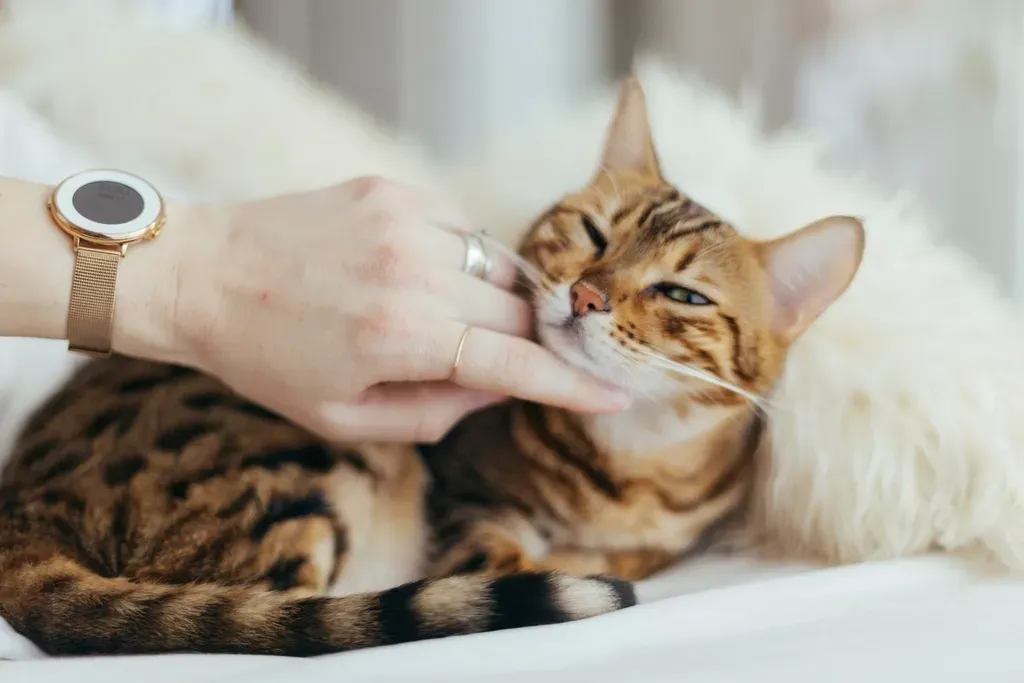
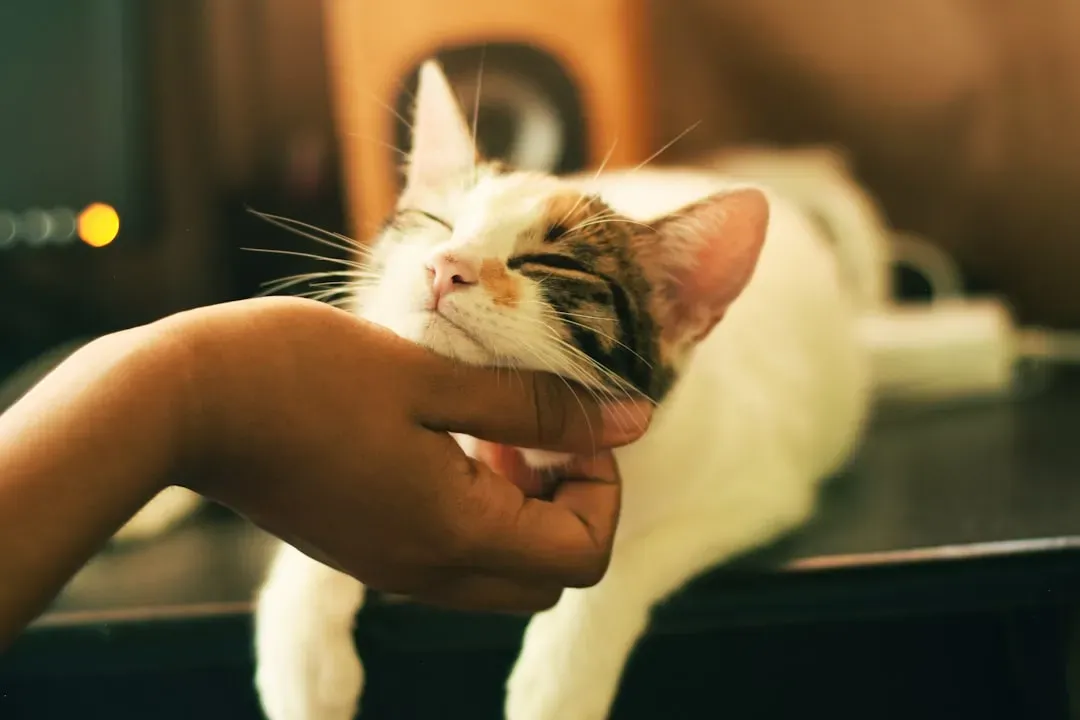
The right way to pet most cats is with an open hand and soft gentle strokes over the back, shoulders, neck, and the top of the head – never the paws, tail, or tummy until a cat communicates it’s okay to go there. This is the kind of detail that separates a cat who merely tolerates your affection from one who actively seeks it out. Get this right, and you’ll notice the difference almost immediately.
There are areas with scent glands and they tend to be the most loved areas to be scritched, scratched, and petted. You should avoid the belly, legs, and tail, unless your cat actively invites pets to these extra-sensitive areas. Also, here’s a small trick worth practicing: pause mid-session and give your cat the chance to lean in for more or walk away. Taking short breaks when petting your cat gives them the option to end the interaction or invite more pets. Respect in action.
3. Brush Them Like You Mean It
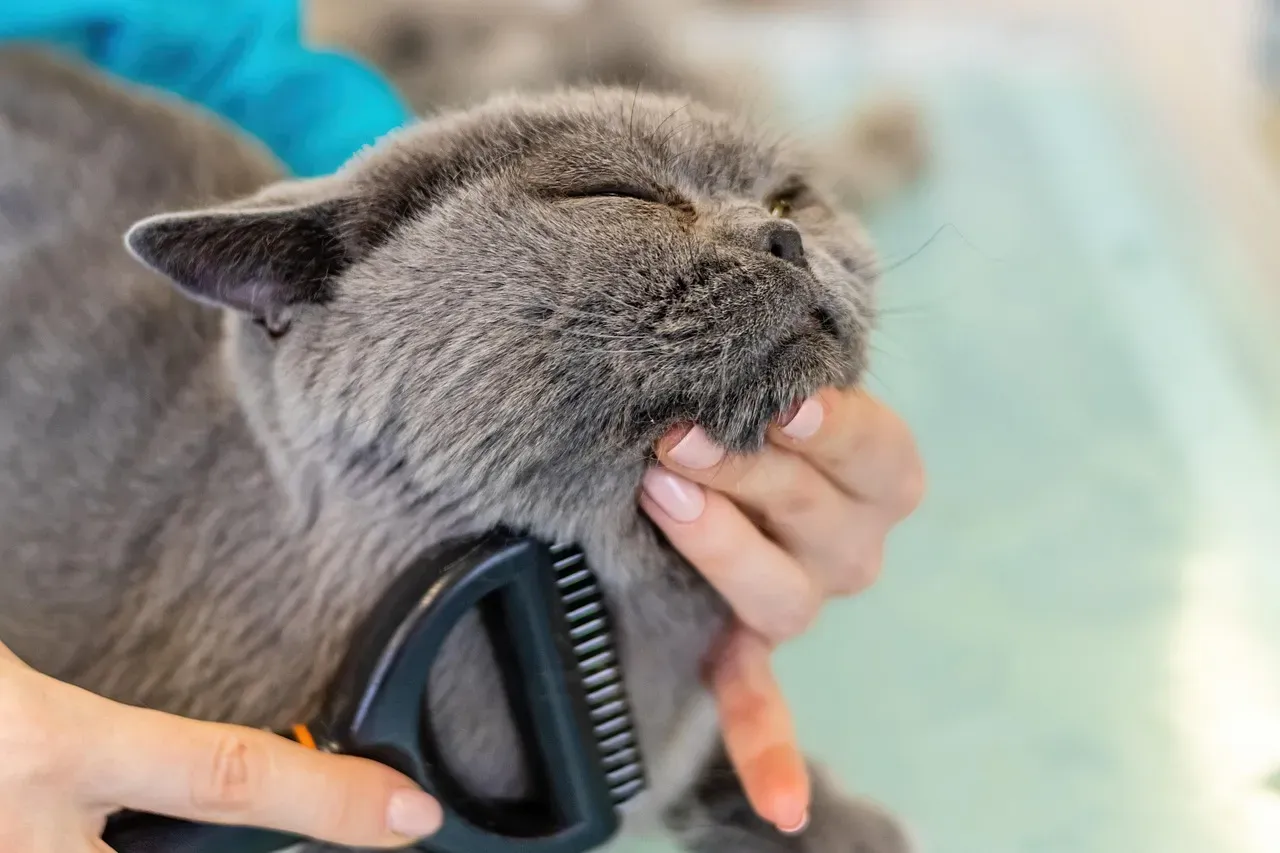
Regularly brushing your cat not only helps to remove loose fur and prevent mats, but it also strengthens your bond. Gentle petting and grooming sessions can be incredibly soothing for your cat, providing them with a sense of love and security. There’s actually something almost meditative about a good grooming session for both of you. Your cat gets physical comfort, and you get a purring, relaxed companion.
Feral cats who are bonded to each other often allogroom, which is when they spend some time licking and grooming each other, often purring as they do so. When you brush your cat, you are essentially mimicking this behavior. You’re not just a human with a comb. Some domestic cats even enjoy having a warm, damp cloth rubbed along their heads and backs since it takes them back to the tongue baths their moms gave them when they were kittens. That kind of comfort runs deep.
4. Talk to Them in a Softer, Warmer Tone
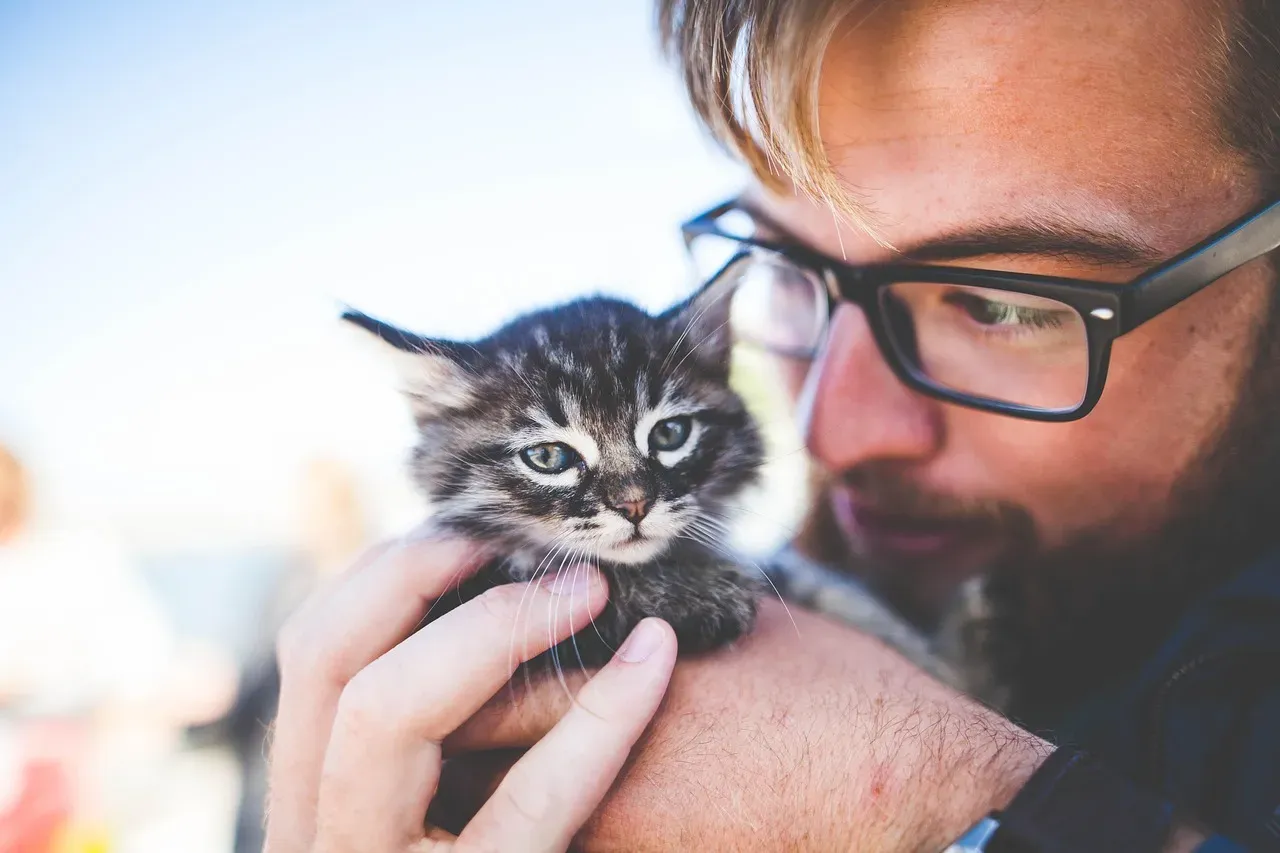
Cats are intuitive, picking up on moods, energy, and interpreting intentions through gestures and tone of voice. One study even showed that cats are more likely to respond to higher-pitched, sing-song tones – aka baby talk. I know. Talking to your cat in a silly voice feels a little ridiculous. Honestly though, it works. Your cat literally hears the warmth in your voice and responds to it.
Cats are sensitive to tone and can pick up on stress or tension in your voice. By maintaining a gentle and reassuring manner, you can help your cat feel more at ease, especially during stressful situations like vet visits or thunderstorms. Think of your voice as a tool you already have, one that costs nothing and requires zero effort, yet carries real weight in your cat’s world.
5. Create a Cozy, Safe Space Just for Them
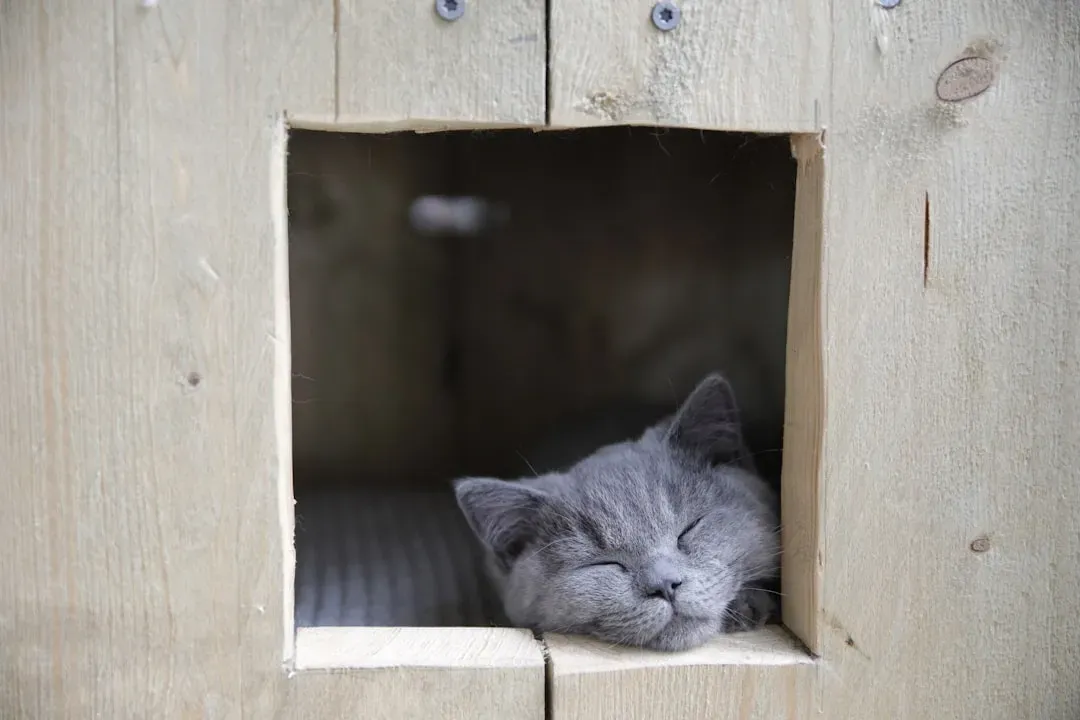
Your cat would want to have their own space, one that’s really their own, where they can feel calm and secure. This might be a room or a corner of a room, or it could be a cat cave or cat tree. Wherever you or your cat choose to create this shelter, it should be a place that remains relatively unchanged so your cat has a stable place to relax when feeling stressed.
Offering cozy resting spots throughout your home can help your cat feel emotionally secure. Cats require restful, safe spaces to nap, so setting up soft, warm areas in quiet corners or near windows is ideal. These spots allow them to relax while observing their environment from a place of safety. It’s a bit like giving your cat their own tiny apartment within yours. Safe, theirs, and always available. That kind of consistency means a great deal to a cat.
6. Play With Them – Really Play
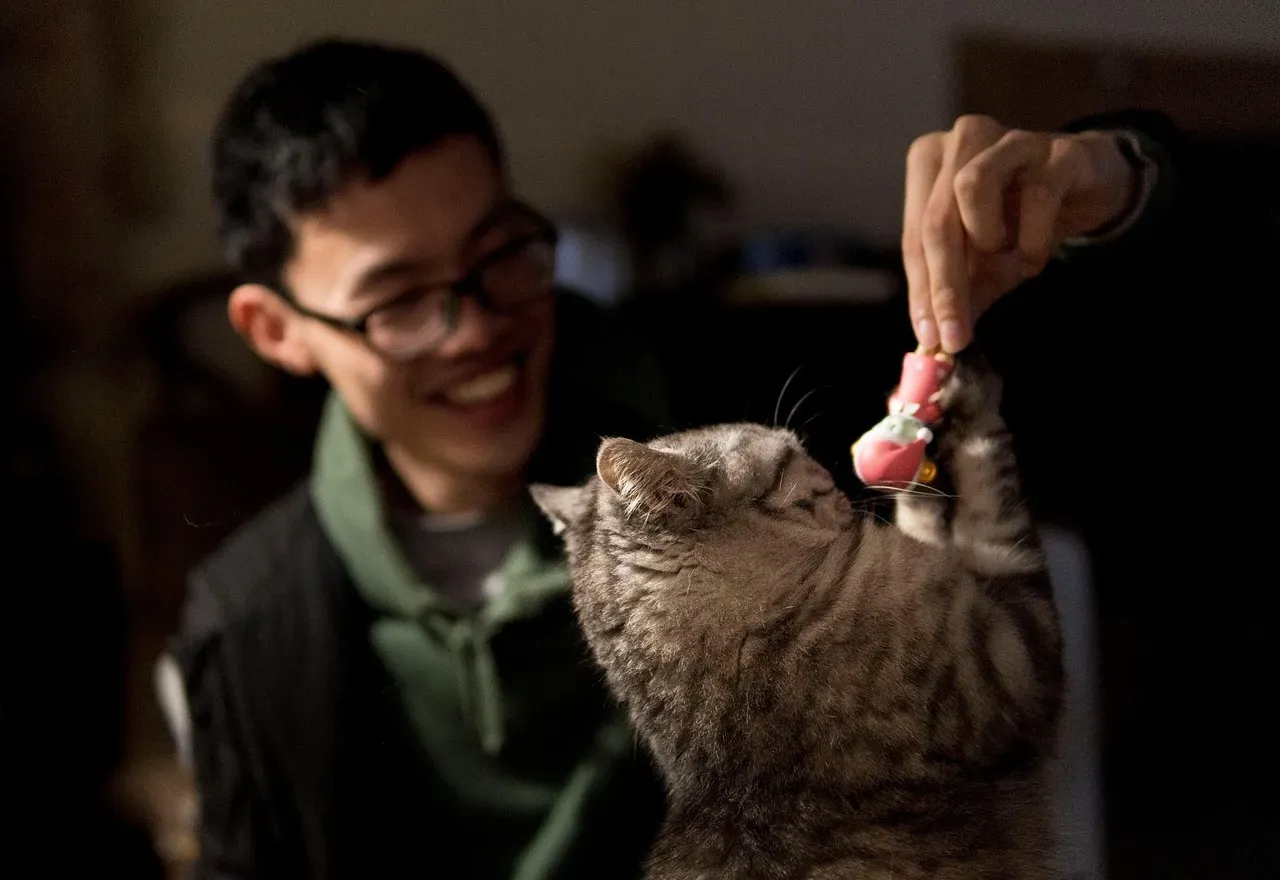
Playing with your cat will cause their brain to release feel-good hormones called endorphins and help them to burn off all that excess energy. Just 10 minutes of play a day is enough to keep them happy, healthy and your best friend. Ten minutes. That’s it. That’s less time than it takes to scroll mindlessly through your phone. Yet for your cat, those ten focused minutes can be genuinely transformative.
The top tips are to keep rotating the cat toys so that your cat doesn’t get bored, and to spend some time working out what their favorite type of play is. There’s no use trying to get them interested in a wand toy when they really want a mouse on a string, and vice versa. This might take some trial and error at first, but most cats will find some toys to suit them and how they want to play. Think of playtime less as a chore and more as your daily conversation – without words, just energy and joy.
7. Respect Their Boundaries Without Taking It Personally
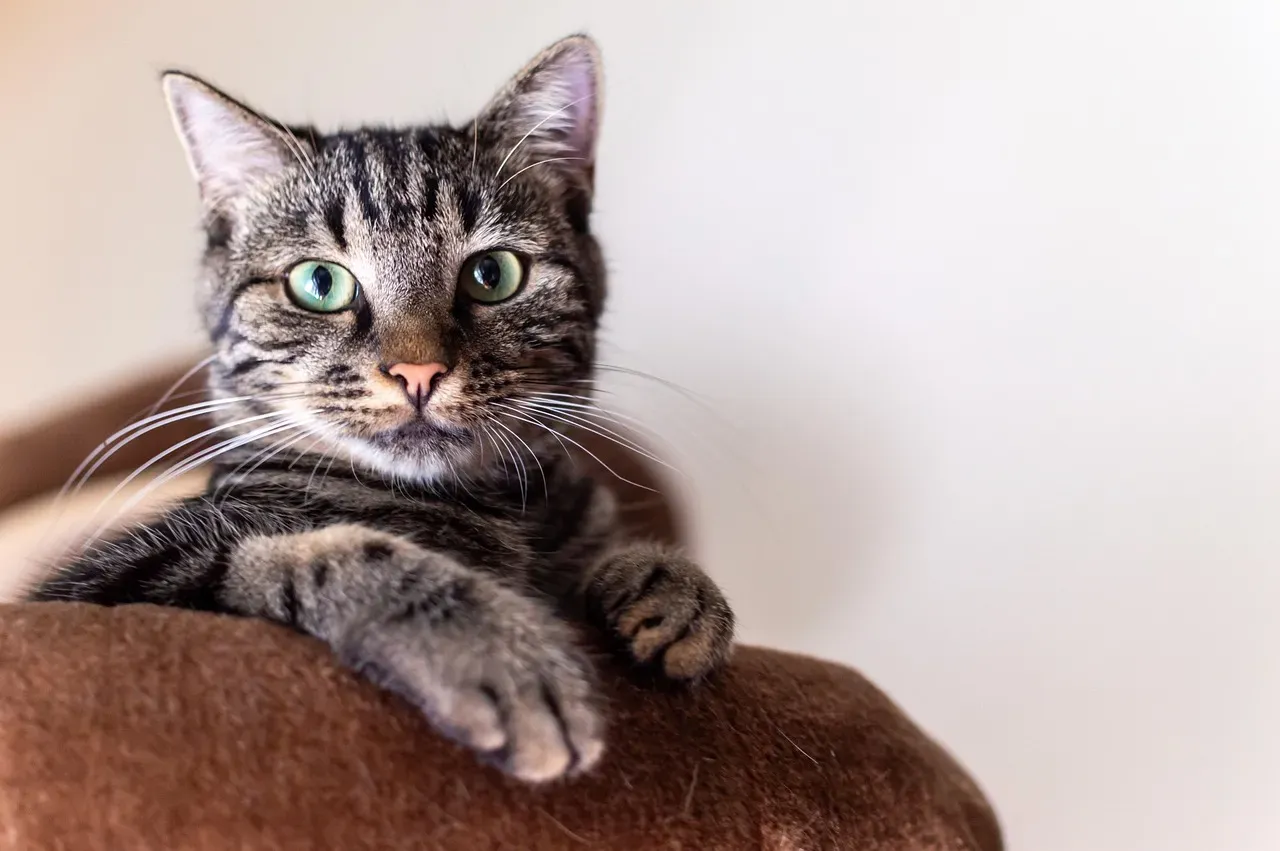
Cats are really good at nonverbal communication; you just have to know what signs to look for. Slow blinks, purring, headbutts, and relaxed posture indicate that they’re open to affection. A thumping tail, flattened ears, dilated pupils, and backing away, on the other hand, are clear “stop” signals. Learn these. Memorize them. They are your cat’s way of having an honest conversation with you.
Your cat will know you love them when you give them the personal space they need. One of the best ways to show your cat you love them is to just let them be themselves. Here’s the thing: respecting a cat’s “no” is one of the most loving things you can do for them. Respecting your cat’s boundaries builds trust and helps them feel safe at home. Trust, once built that way, is rock solid.
8. Keep Their Routine Predictable and Consistent
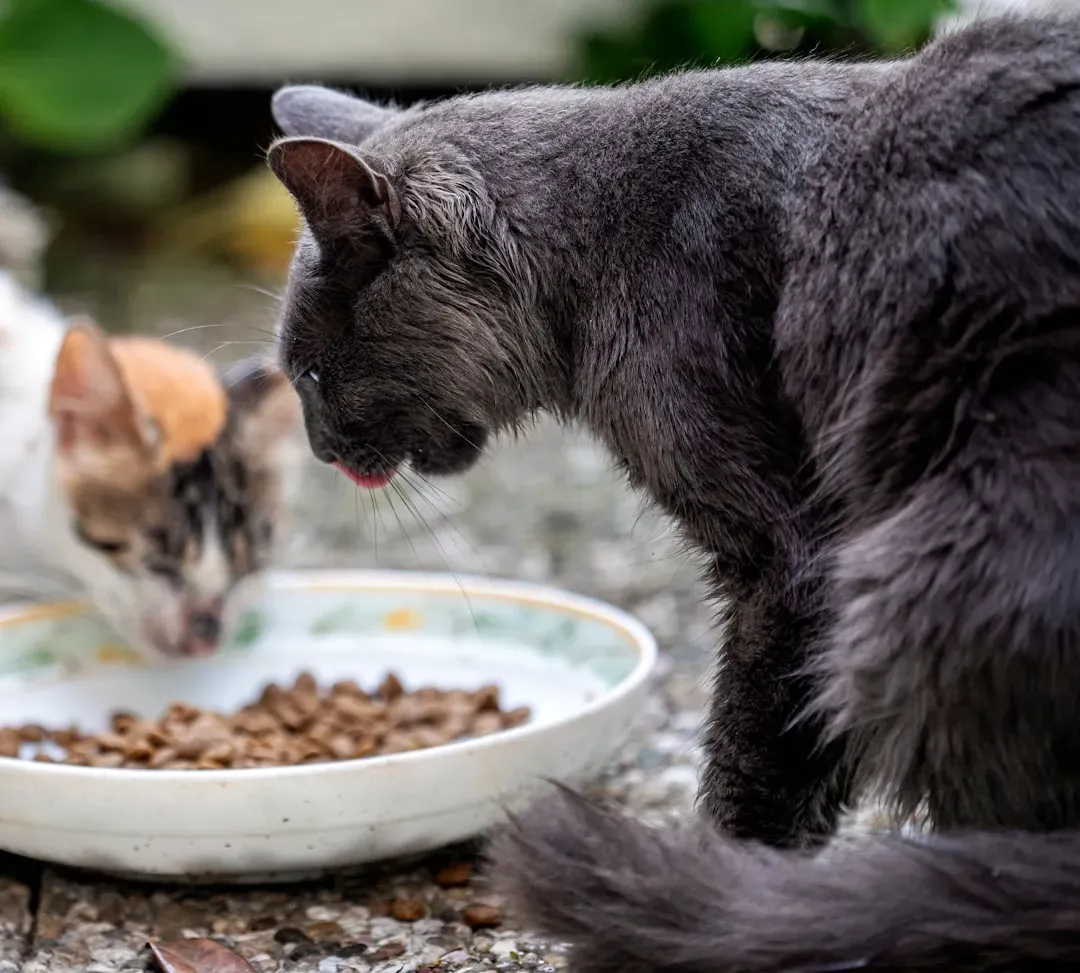
Cats thrive on routine, and having a consistent feeding schedule is crucial for their well-being. When you feed your cat at the same times each day, it provides them with a sense of predictability and stability. This can greatly reduce their anxiety and help them feel more secure. It might seem overly simple, but think of it this way: for a small creature whose entire world is your home, knowing what comes next is deeply calming.
The key to successful routine is consistency. Cats thrive on routine, and regular, predictable interactions can help your cat feel more secure in their environment. Whether it’s the same playtime window each evening, feeding at the same hour, or even just greeting them when you walk through the door, consistently being the provider of positive experiences creates an environment where your cat feels safe, valued, and loved. Over time, these positive associations help to strengthen your relationship and deepen the trust between you and your feline companion.
A Final Thought Worth Sitting With
The most surprising thing about loving a cat? It’s rarely about the big moments. It’s not about buying the most expensive toy or the fanciest bed. By incorporating a few small gestures into your daily routine, you can ensure that your furry friend feels loved and secure. These gestures are straightforward, yet they hold the power to transform your bond with your cat, making them feel cherished and emotionally secure.
Your cat is watching you, reading you, and quietly deciding, every single day, how safe this world feels. Trust is built slowly over time. If you give your cat lots of love, they’ll come to love you back – even if all pets show that love in different ways. Be patient, be consistent, and be present. That’s the whole secret, really. So here’s a question worth taking with you: if your cat could tell you which one of these gestures meant the most to them, which do you think it would be?
Kristina is a young writer from India. An arts graduate and an avid content creator, Kristina is passionate about animals and wildlife. She enjoys exploring topics related to pet care, animal behavior, conservation, and nature, combining thorough research with engaging storytelling.