You’ve probably come home after a long day, called your cat’s name, and gotten absolutely nothing in return. No trot to the door, no meow of acknowledgment. Just a slow blink from across the room, if you’re lucky. It’s easy to chalk this up to classic feline indifference, and honestly, that’s what most people do.
Here’s the thing, though. That cool, unbothered exterior? It’s a bit of a lie. Behind those half-lidded eyes lives one of the most emotionally detailed memory systems in the animal kingdom. Your cat isn’t forgetting you. Not even close. Let’s dive in.
1. Your Unique Scent – The One They’ll Never Confuse
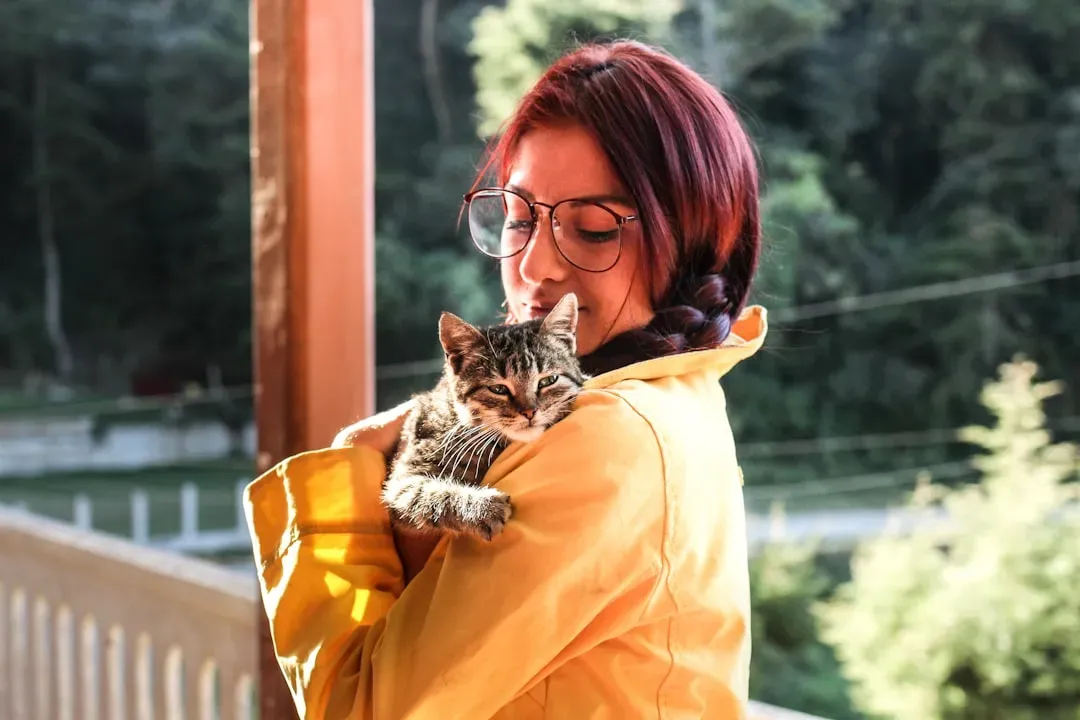
Smell is the strongest sense for cats. They essentially memorize your personal scent, a complex mix of your skin, clothes, and home environment, and even if you come home smelling like coffee or a new perfume, your “base scent” still helps your cat know it’s unmistakably you. Think of it like a fingerprint, invisible to you, but crystal clear to them.
Cats actually create detailed “scent maps” of their world using specialized scent glands on their face, paws, and other parts of their body. When they rub against you, they’re not just showing affection – they’re literally mapping you into their memory through scent markers. This is why your cat can recognize your unique scent even after long absences. So the next time your cat buries its face in your arm, understand that you’re being filed away permanently.
2. The Sound of Your Voice – Even From Another Room
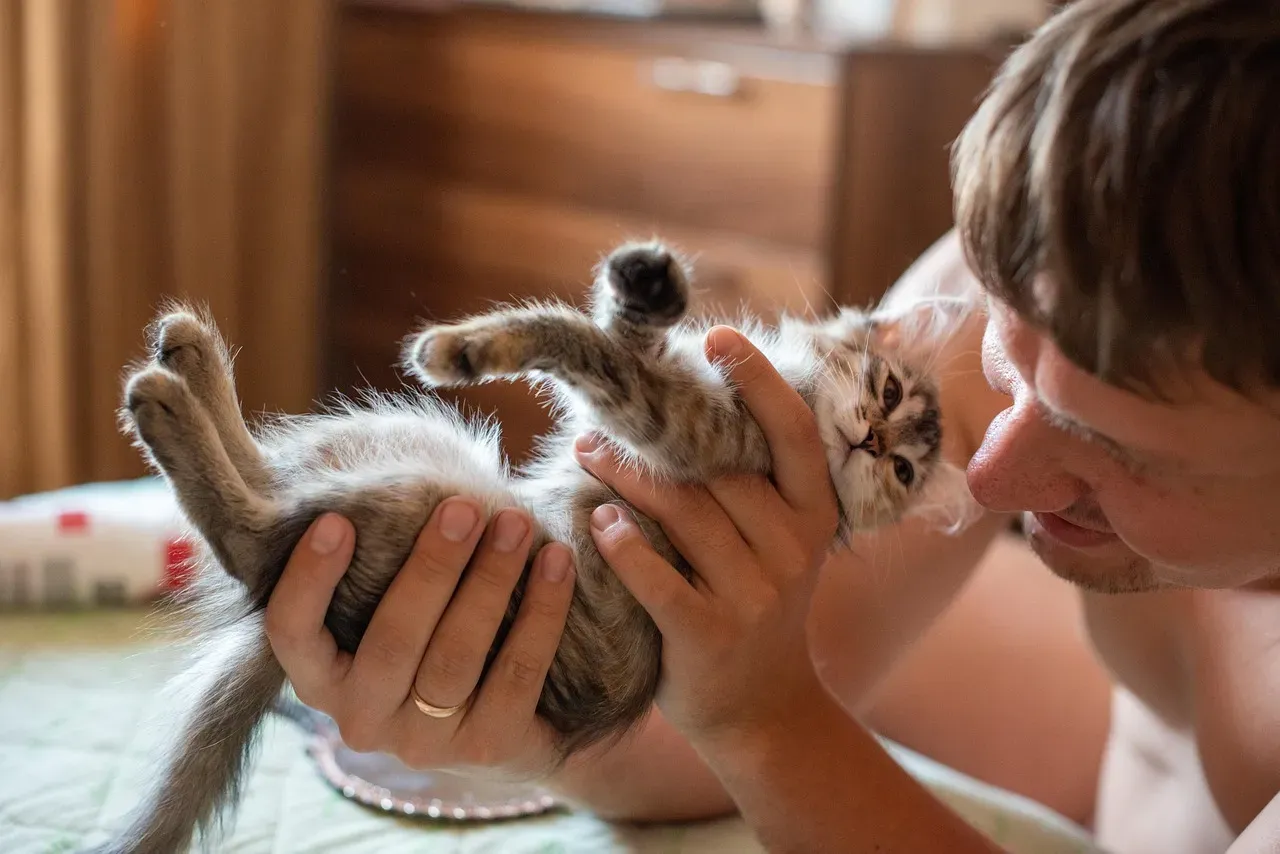
A 2013 study published in the journal “Behavioral Processes” found that cats were able to recall the voice of their owners for up to 10 years, even after long periods of not seeing each other. Ten years. Let that sink in for a second. Your voice isn’t just a sound to them – it’s an identity marker, one that triggers a cascade of associated memories.
Research indicates that cats can distinguish their owner’s voice from strangers’, and they may not always come running when called, but subtle ear and head movements prove they recognize familiar voices. You might think your cat is ignoring you when you call from the kitchen. In reality, those tiny ear swivels are quietly saying, “I hear you. I know exactly who you are.”
3. How You Made Them Feel Safe
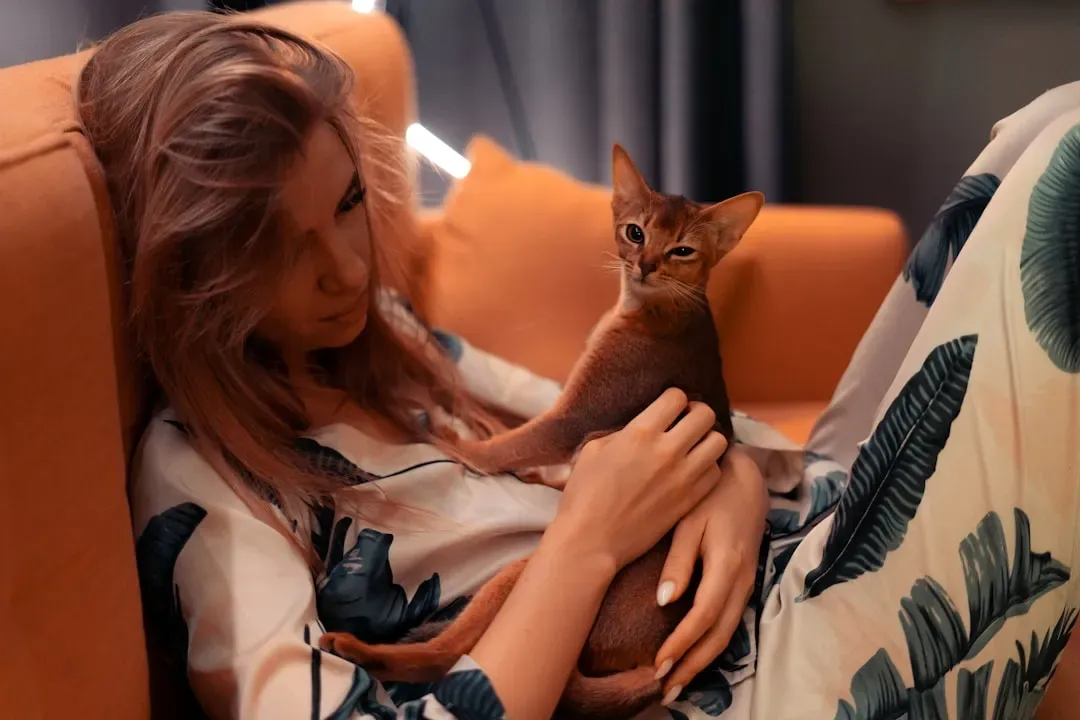
Cats remember people who make them feel safe, loved, or even scared. Their brains store emotion-tagged memories, which tend to last much longer than random ones. This is honestly one of the most important things to understand about your cat. Emotions aren’t just a human thing. They’re a feline memory tool.
Researchers at the Human-Animal Interaction Lab at Oregon State University point to results from their 2019 cat-owner attachment study, which indicates most cats rely on their humans as a source of security and comfort. This is significant because secure attachment is driven, at least in part, by the memory of associations the cat has made with the person. In simpler terms, every calm evening you spent together, every soft stroke during a thunderstorm, is stored somewhere in that little feline brain.
4. Every Single Feeding Routine You’ve Ever Set
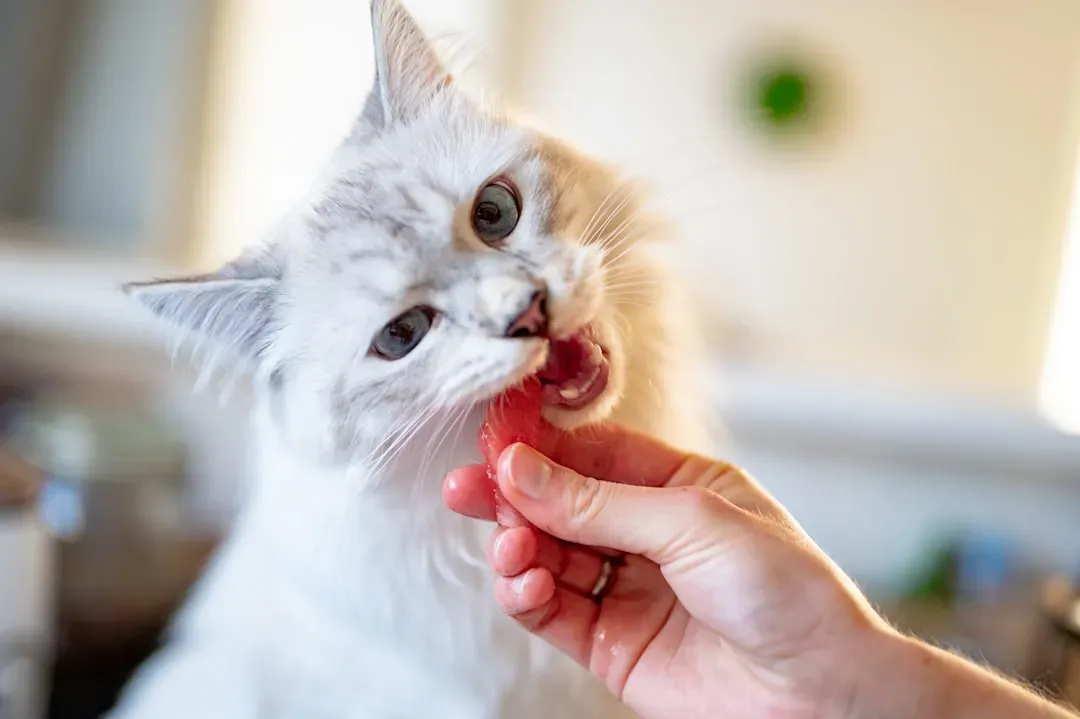
If you typically feed your cat at the same time each day, they will remember this pattern and begin anticipating it. Your cat may start to get excited as mealtime approaches, often around the same time each day, because they’ve learned to associate this routine with food. It’s almost a little humbling, honestly. You could forget your own schedule, but your cat absolutely will not.
There’s a good reason for cats to remember their caretakers – we feed them, and cats initially evolved to live with humans for survival. This isn’t just about hunger; it’s about trust and emotional security wrapped up in every meal you’ve ever given them. Cats often form strong associations with their feeding routine. For example, the sound of a can opener or the crinkle of a treat bag can signal mealtime, reinforcing their sense of predictability.
5. The Playtime Moments You Shared
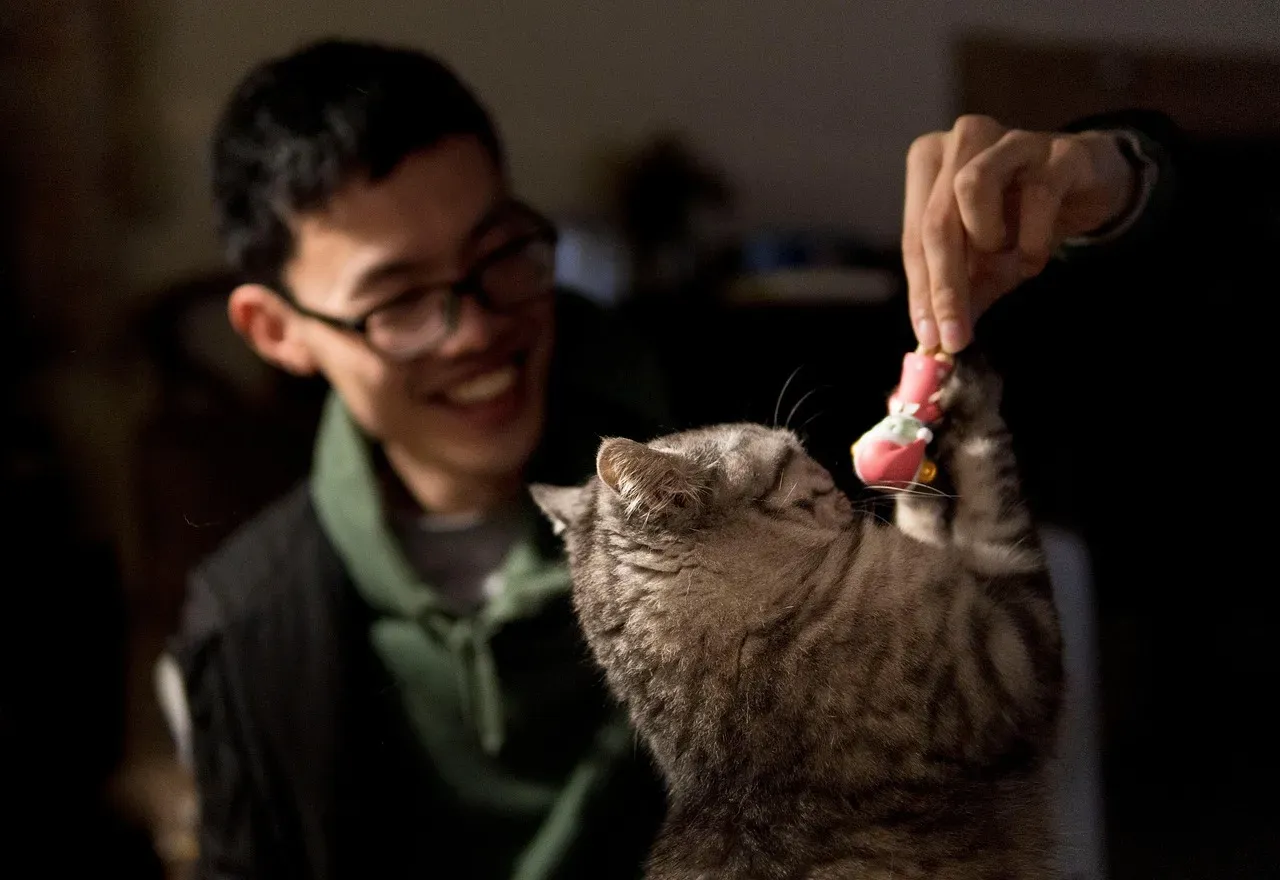
Playtime isn’t just exercise for cats; it’s a bonding ritual they deeply remember. Cats remember people based on their experiences with them, and if you’re the one who feeds your cat, plays with them, and gives them love and attention, they’re more likely to remember you. Each game of chase-the-feather or pounce-on-the-string becomes a stored memory. I think this surprises people the most. We assume cats are just in the moment, but those moments accumulate.
Cats associate joy and excitement with the people who play with them. Years later, just pulling out their favorite toy can trigger memories of those playful moments with you. It’s their way of holding onto the fun you brought into their lives. So yes, that worn-out feather wand sitting in the corner? It’s practically a memory scrapbook.
6. The Times You Were Unkind – Or Frighteningly Loud
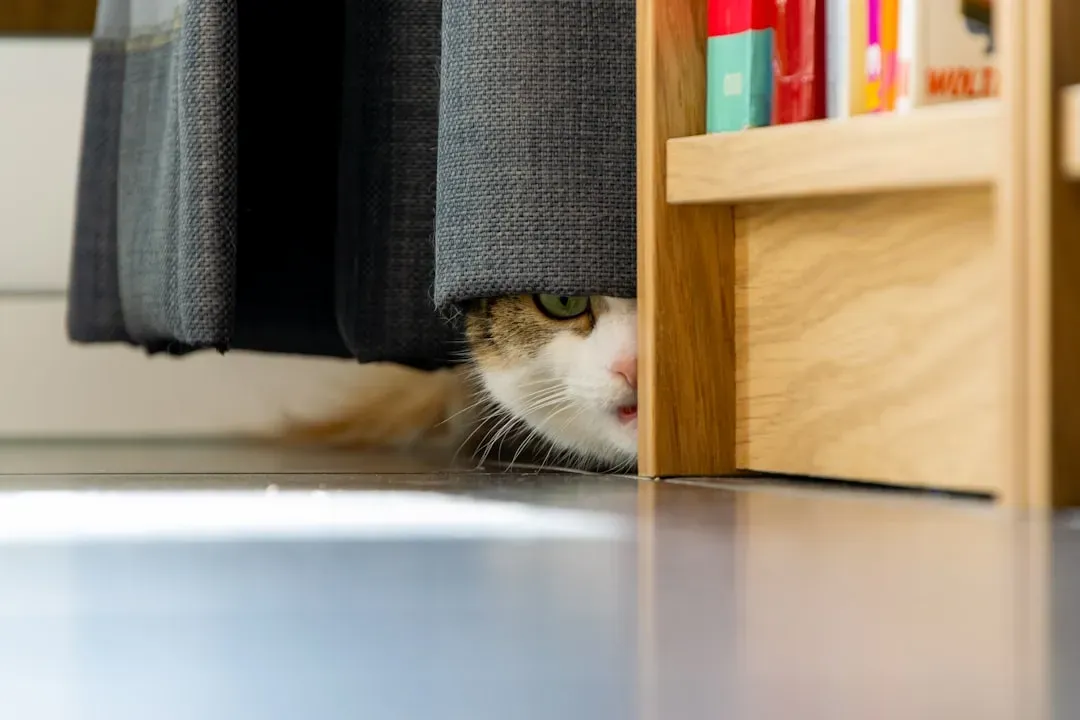
It’s not just about forming positive associations – cats also have long-term memories that allow them to form bonds with their owners, remember past experiences, and even hold grudges. If a cat has been mistreated, they will often remember the experience for years and have difficulty trusting humans again. This is the uncomfortable truth most cat owners don’t want to hear.
A cat who has had trauma or abuse in the past will associate that bad feeling with people. They use that association to display behaviors even in a new home, with a new family. These behaviors can range from hiding and not interacting, to not eating or being reactive toward people or other animals. It sounds harsh, but it’s actually a window into just how emotionally complex your cat truly is. Treat them gently, and that memory cuts both ways in your favor.
7. Your Daily Patterns and the Rhythm of Your Life

Cats also remember routines, such as feeding times and daily activities, and may become stressed or confused if these routines change abruptly. Your cat doesn’t need a clock. You are the clock. The way you move through your mornings, the sequence of your evenings – all of it gets absorbed and memorized with quiet precision.
Cats are highly observant animals that rely on environmental cues to feel secure. Sudden changes in their routine can create stress and anxiety, leading to behaviors such as hiding, aggression, or loss of appetite. It’s a bit like having a tiny roommate who notices everything and says nothing. Your cat is aware of your schedule in ways that would genuinely surprise you.
8. When You Were Away – and the Relief When You Returned
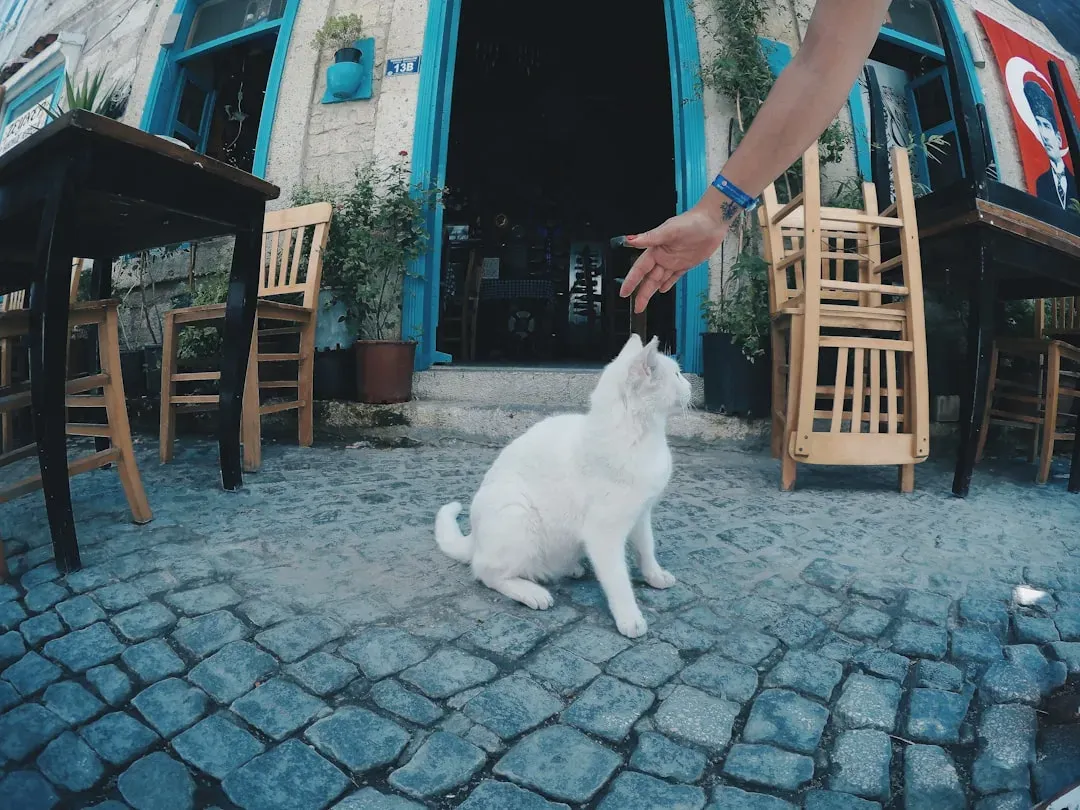
Cats may show signs of separation anxiety, such as excessive meowing, clingy behavior, or changes in eating and litter habits. Some cats become withdrawn or act out when their routine is disrupted. These behaviors can be their way of expressing that they miss you. That slightly cold shoulder when you walk back through the door? It’s not indifference. It’s actually a sign your absence registered.
Cats might sleep in your usual spots, sniff your belongings, or wait by the door at times you’d normally be home. While they’re often seen as independent, many cats form strong emotional bonds and can quietly struggle when those bonds are disrupted. It’s hard to say for sure how deeply they process your absence, but the behavioral evidence is pretty telling. They know when you’re gone, and they know when you’re back.
9. The Emotional Tone of Your Interactions Over the Years
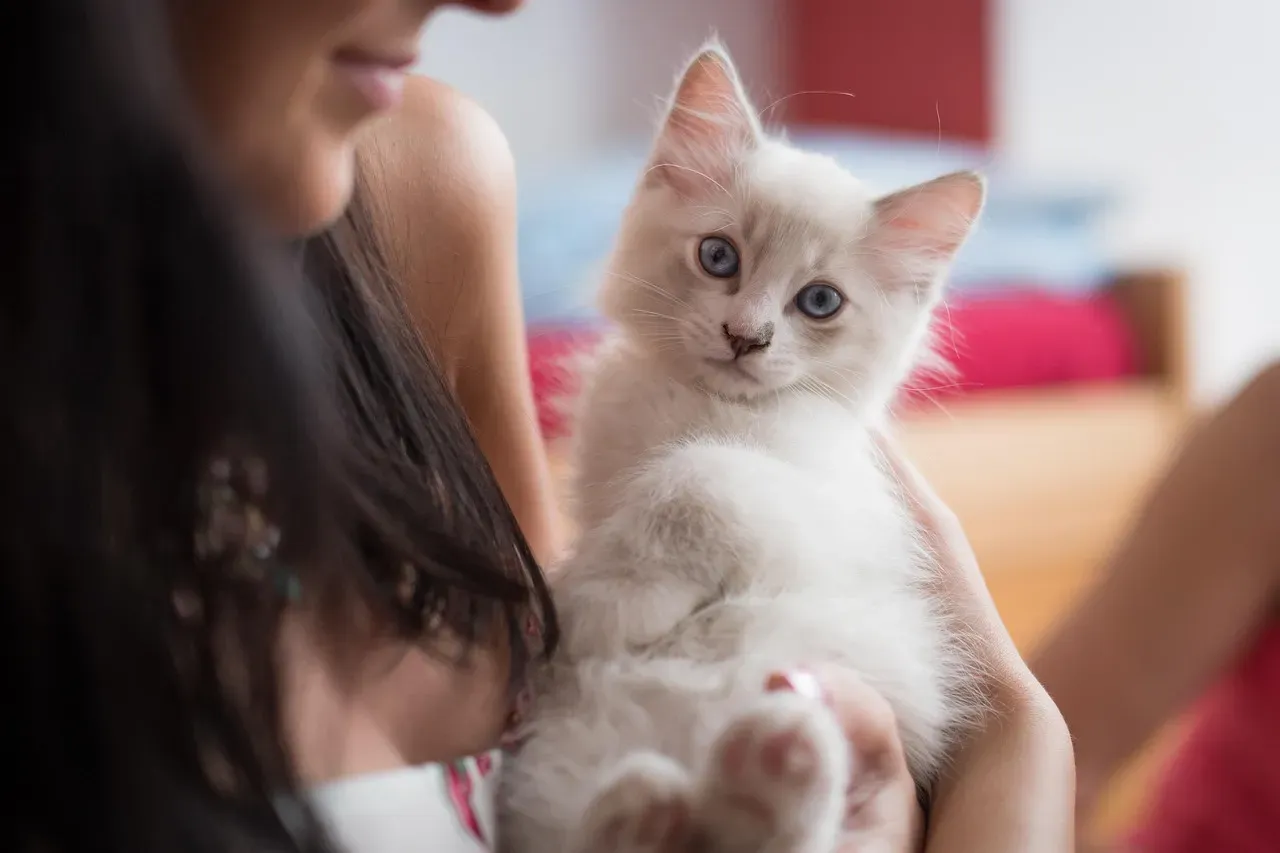
Research demonstrates that cats integrate visual and auditory signals to recognize human and conspecific emotions, and they appear to modulate their behavior according to the valence of the emotion perceived. This sophisticated emotional recognition system means cats are actively assessing the kindness or hostility in human behavior. Let’s be real: you can’t fake it with a cat. They know.
Long-term memory allows cats to remember people, places, and routines for months or even years, especially when emotions are involved or events are repeated. Cats form strong emotional connections with people they like, and these bonds shape their memories and influence how they interact with humans over time. Your consistent kindness becomes the foundation for a lasting relationship that transcends simple routine. Every soft word, every gentle touch builds something real inside them. Something lasting.
10. You – Completely and Deeply – Over Years and Years
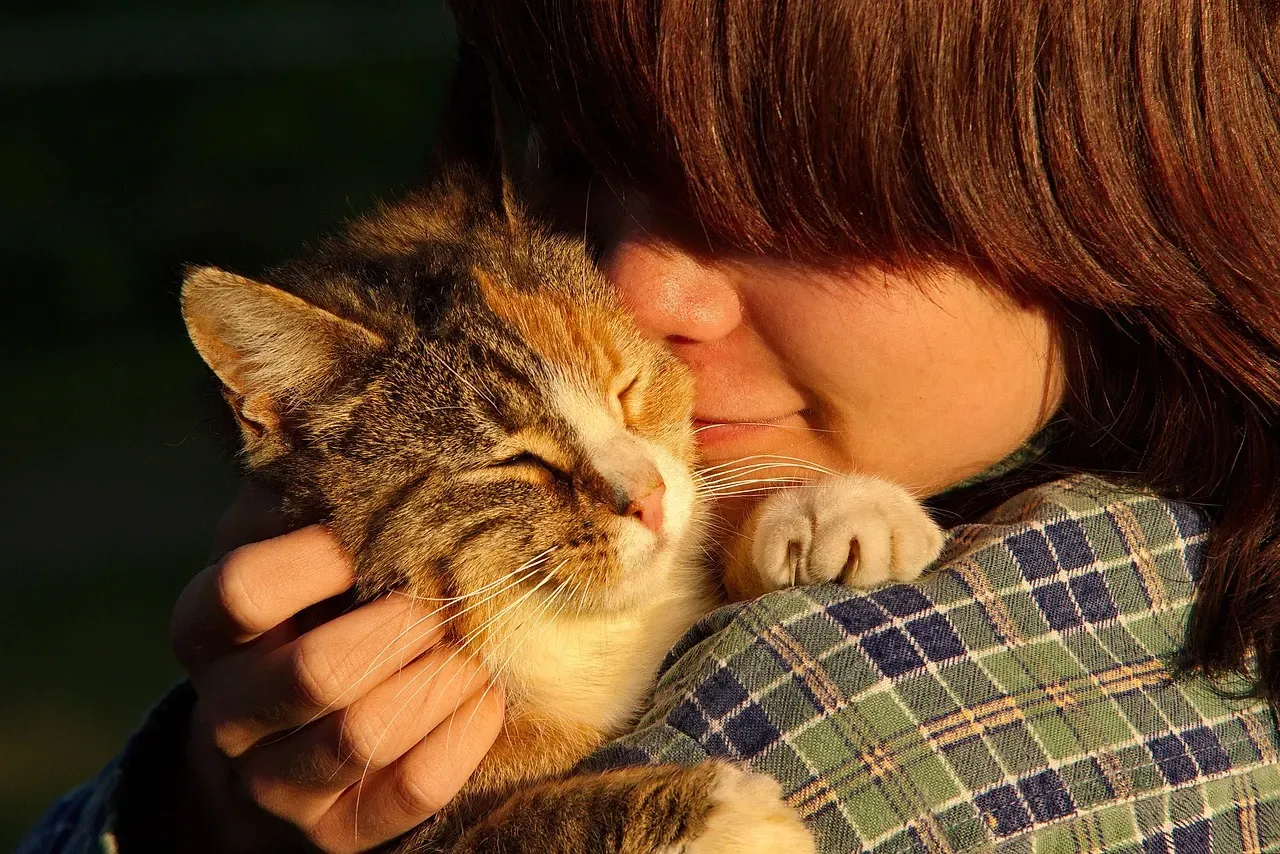
A cat’s memory of a beloved owner doesn’t simply expire. Because their bond with you is built on a mountain of positive associations like warmth, food, and safety, the memory becomes a deep and permanent part of who they are. This is perhaps the most reassuring thing science has to say on the subject. You are not just a passing presence in your cat’s life.
Cats possess impressive long-term memory capabilities, retaining recollections of events and locations for a decade or longer, and they can remember people, places, and experiences for years, with some documented cases of cats recognizing their owners after separations lasting several years. The closer the bond you build with your cat, and the more positive the associated memories, the more likely they are to remember you for longer. You leave a mark on them, whether you realize it or not.
Conclusion: Your Cat Is Quietly Keeping Score – In the Best Possible Way
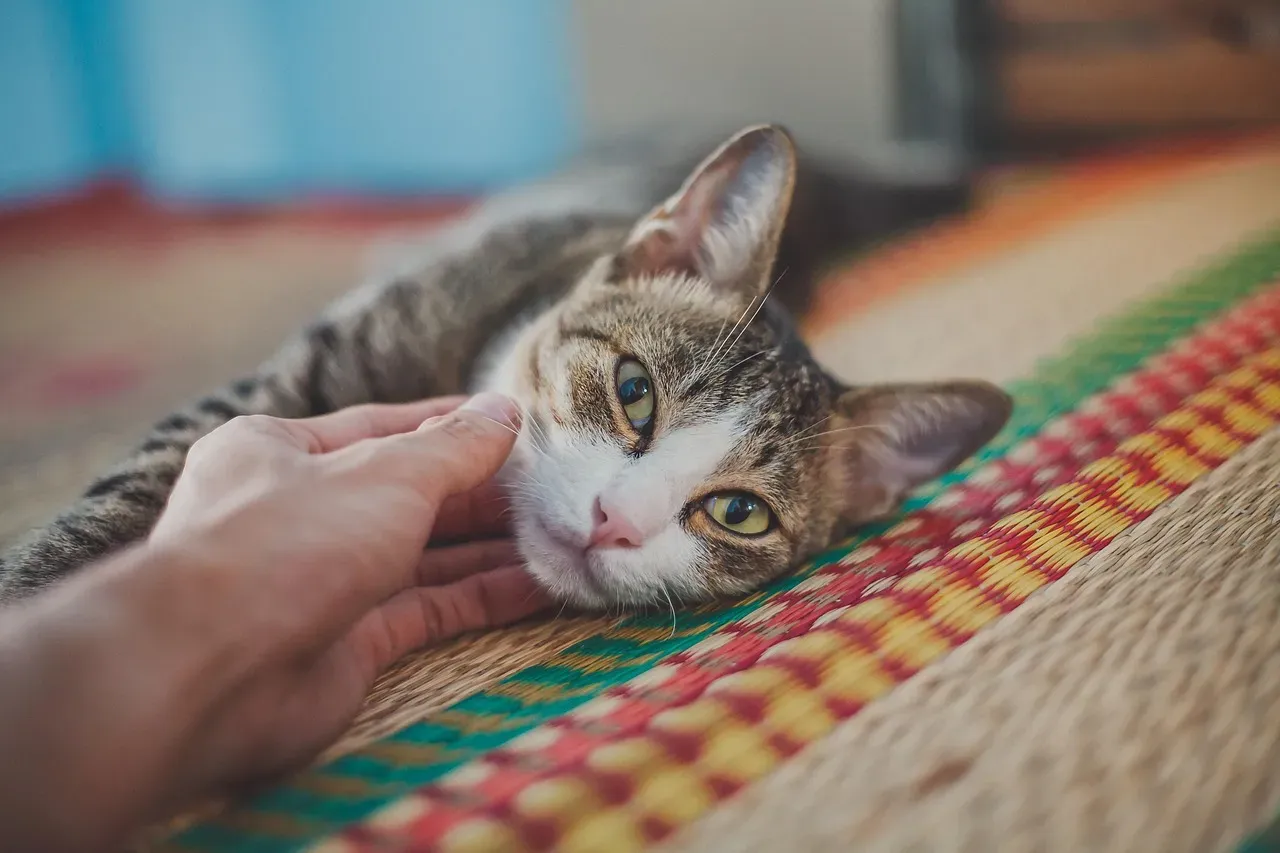
Cats have earned their reputation as mysterious, aloof, and fiercely independent. But here’s what the science actually shows: behind every slow blink and every seemingly indifferent gaze is a creature carrying a rich and detailed emotional memory of you. Your scent. Your voice. Your routines. Your kindness. Even your worst moments.
Every interaction you have with your cat is potentially creating a lasting memory. The time you spend together, the care you show, and the love you offer all become part of their permanent emotional record. That quiet cat curled at the foot of your bed isn’t just seeking warmth. It’s drawn to you specifically, because of everything you represent in its memory.
So the next time your cat seems distant, don’t take it personally. They haven’t forgotten a thing. If anything, that cool exterior just means they feel secure enough with you to let their guard down completely. And honestly? That might be the greatest compliment a cat can give. What does your cat do when you come home after being away – does it surprise you how much they seem to notice?
Kristina is a young writer from India. An arts graduate and an avid content creator, Kristina is passionate about animals and wildlife. She enjoys exploring topics related to pet care, animal behavior, conservation, and nature, combining thorough research with engaging storytelling.