There’s a certain club in this world. You don’t apply for membership. You don’t get a welcome kit or an orientation guide. You simply come home one day with a cat, and suddenly you’re in. Your life changes in ways you never quite predicted, and your sense of humor shifts into something that only other cat people truly get.
Dog owners are wonderful people. Honestly. Their enthusiasm is admirable, their pets are loyal, and their lives are beautifully loud. Still, the cat owner experience is its own universe entirely. It’s quieter, stranger, and arguably more philosophically complex. So let’s dive in to the 10 things you just can’t understand unless your home belongs to a feline.
1. The Art of Earning Affection That Was Never Promised
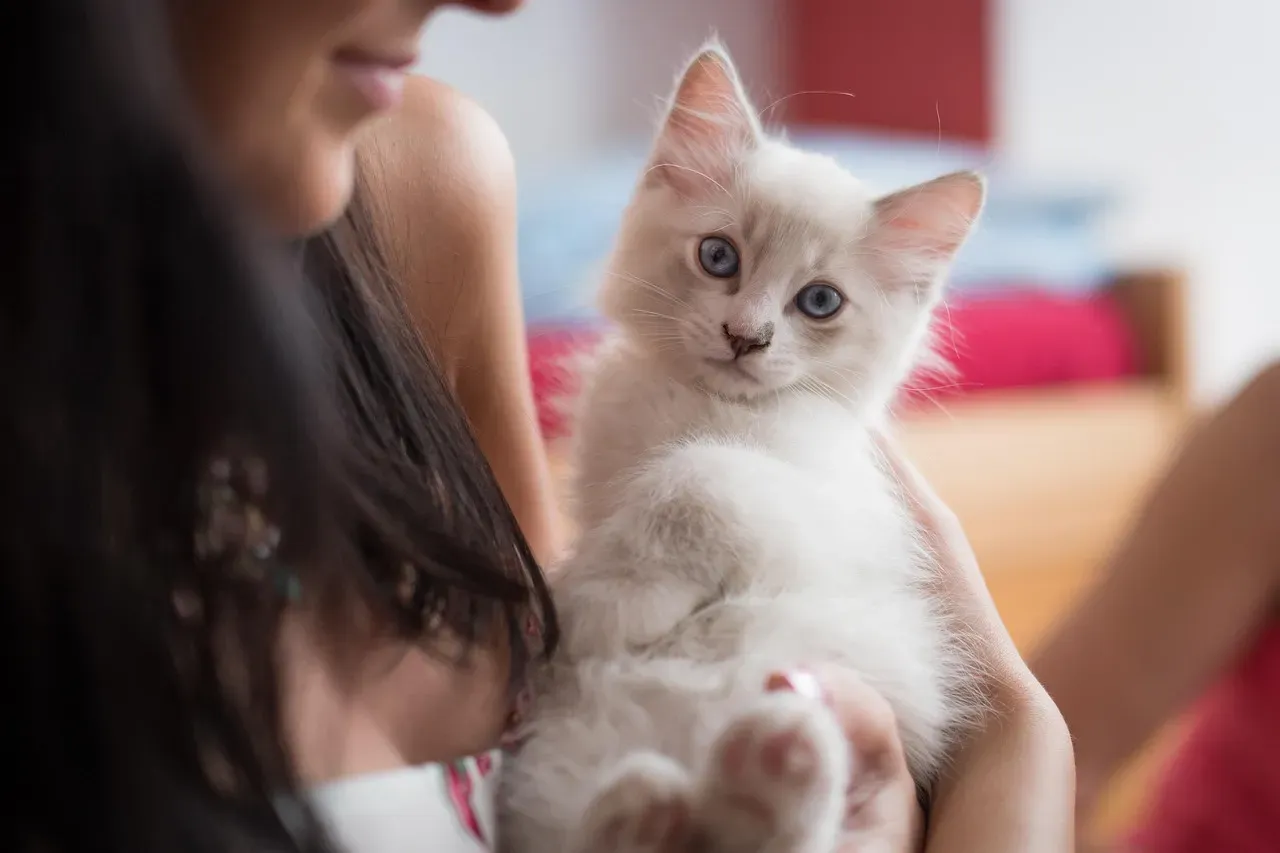
When you own a dog, love is practically guaranteed. You walk in the door and there’s a full-on celebration. Owning a cat is something else entirely. You earn your cat’s affection slowly, sometimes over months, sometimes over years, and when it finally happens, the feeling is incomparable. Research actually suggests that cats may be more discerning about their owners than dogs, and they have a stronger reaction to cat-directed speech than to human-directed speech, but only when their owner is talking.
That distinction matters more than it sounds. Your cat doesn’t respond to just anyone using a baby voice. Cats have a much stronger reaction to cat-directed speech than to normal speech, but only if it’s their owner talking. If it is anyone else, they don’t have this special reaction. So when your cat tilts its head and perks up at your voice and your voice alone, you realize you’ve been chosen. Dog owners may never truly understand what it means to be chosen by a creature that had every right to ignore you forever.
2. The Slow Blink Is the Highest Compliment You’ll Ever Receive
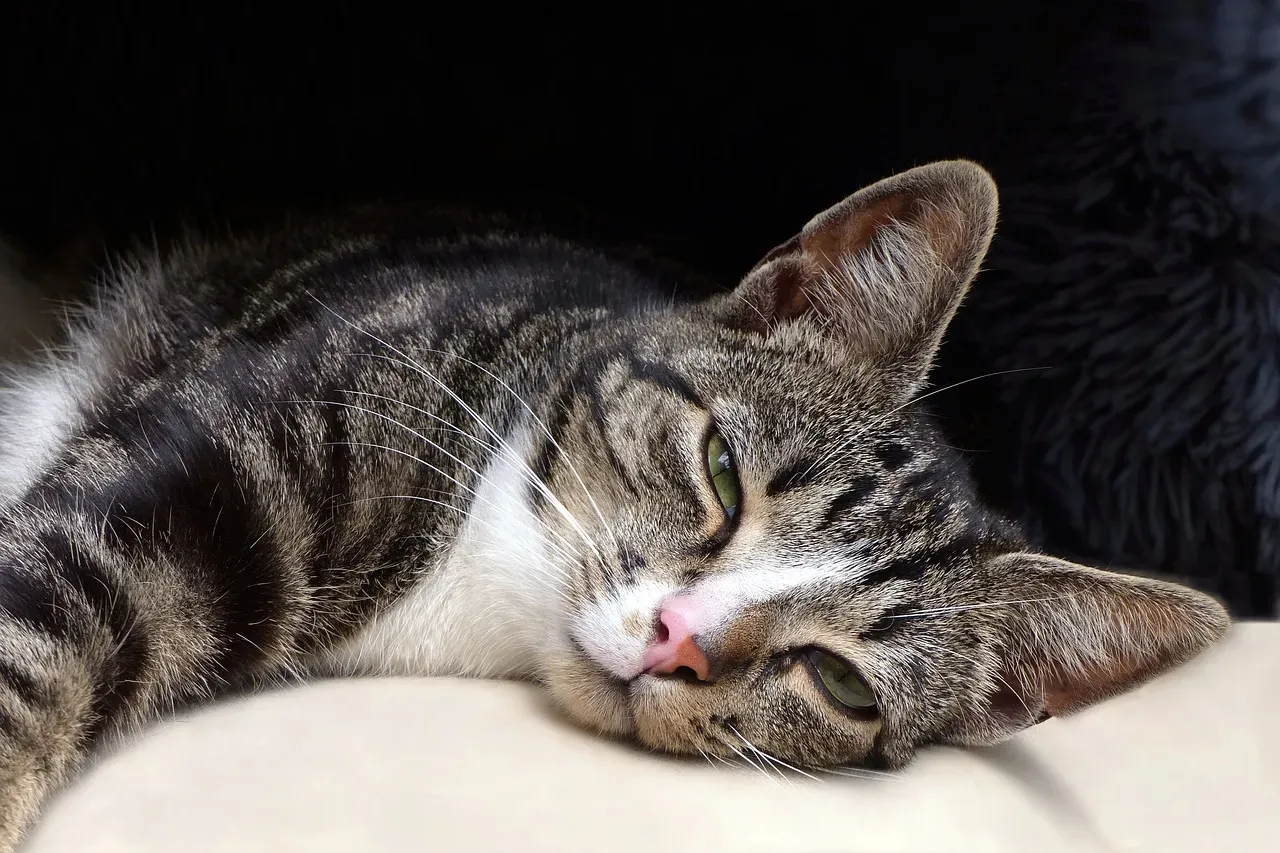
You’re sitting across from your cat. Your cat is watching you. Then, those half-moon eyes close, slowly, deliberately, and open again. To anyone else in the room, nothing happened. To you, everything happened. As theorized by animal behavior experts, the slow blink is how a cat tells you that she feels safe. The slow blink is an acceptance gesture. Cats do that when they’re absolutely comfortable with you.
Research published in The Journal of Physiology notes that the cat slow blink, when both the closing and the opening of the eyelid happen at a slow pace, differs from the velocity of a typical cat blink. This observation is noteworthy because it shows that slow blinking is not a reflexive movement. It’s an intentional behavior. Here’s the beautiful part: you can blink back. In a 2020 study, researchers found that cats were more likely to slow blink after their owners slow blinked at them. The researcher slow blinked at a cat, which led to the cat approaching the researcher’s outstretched hand. When humans initiate the slow blink, they are telling the cat that they trust them. Dog owners simply have no equivalent to this silent, deeply personal conversation.
3. Your Cat Has Essentially Developed Its Own Language Just for You
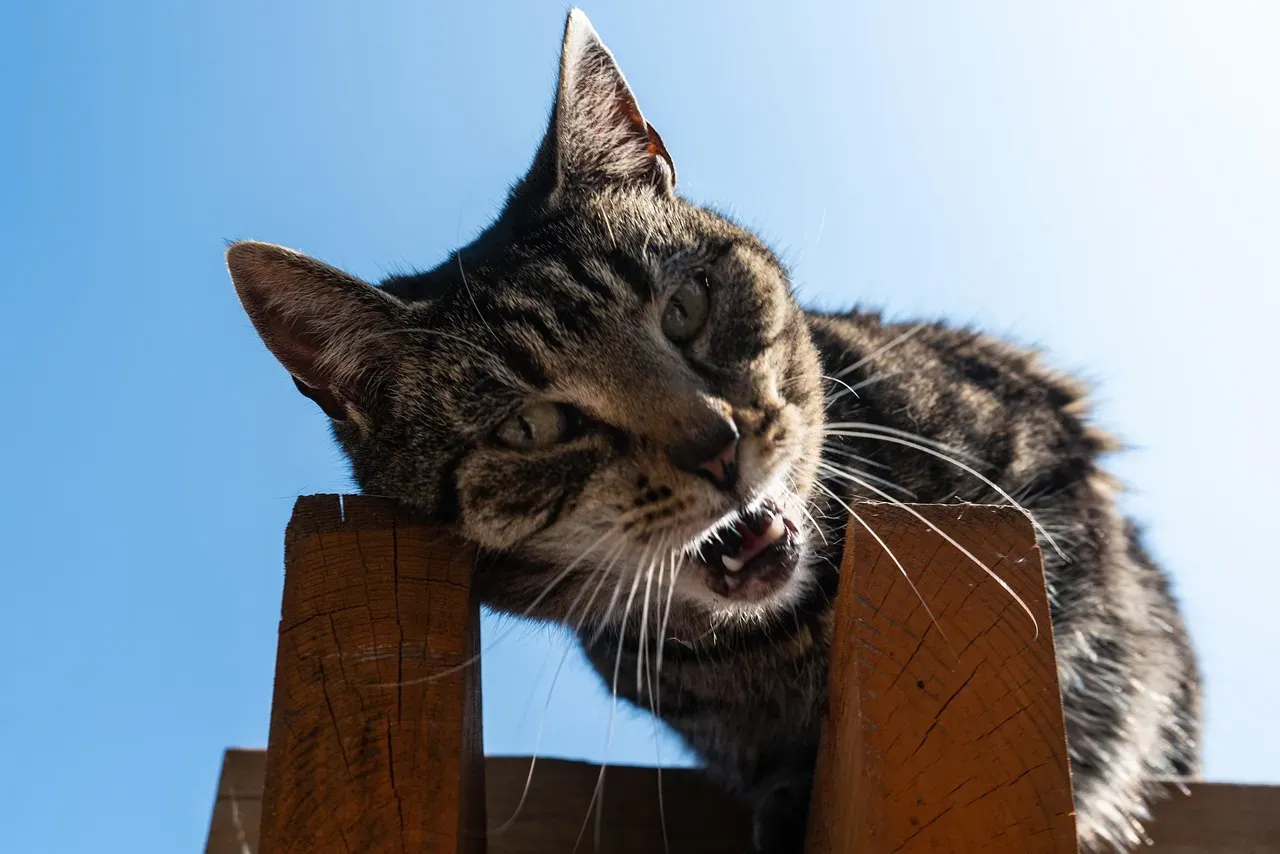
I think this is one of the most underrated things about cats, and it genuinely blew my mind the first time I read about it. Adult cats primarily meow to communicate with humans, not with other cats. They’ve essentially developed a language just for us. Think about that for a second. Your cat’s meow is not some primal survival tool. It’s a personalized communication system built specifically to talk to you.
Cats have a unique vocabulary with their owner. Each cat has a different set of vocalizations, purrs, and behaviors. Cats have up to 100 different vocalizations, while dogs only have 10. That’s not a small gap. That’s a canyon. Over time, you begin to hear the difference between the 6 a.m. breakfast demand, the bored afternoon chirp, and the slow trill that means, roughly translated, “I’m happy you exist.” Dog owners speak dog just fine, but they’re missing out on a whole sonic universe.
4. The Purr Is a Healing Force of Nature
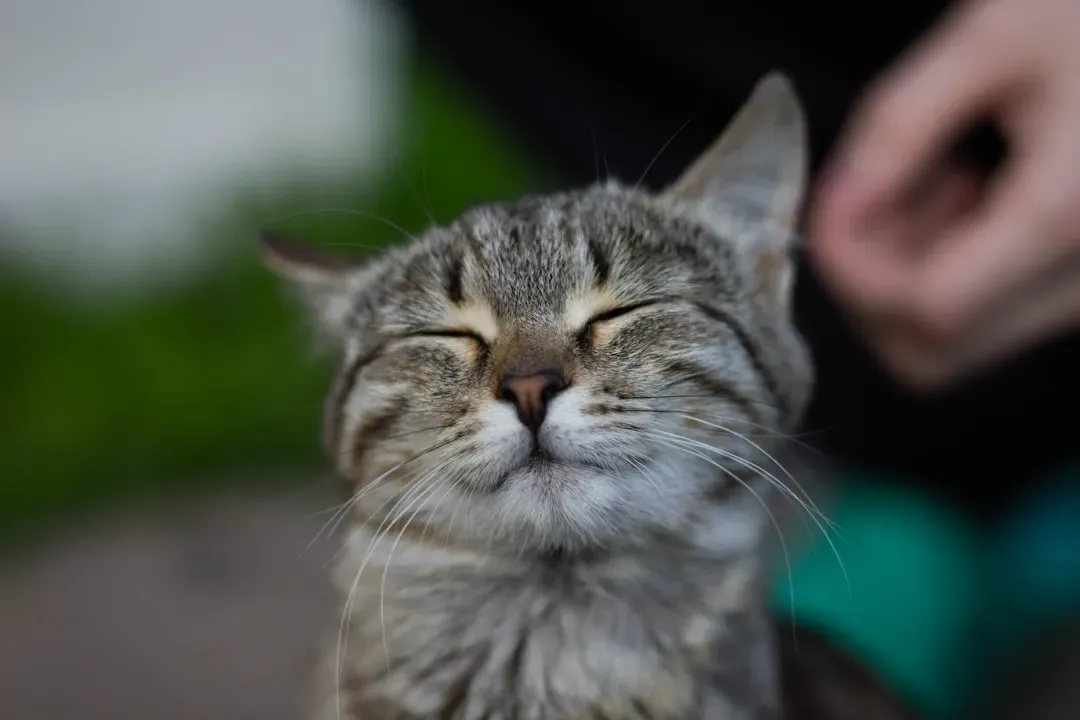
Every cat owner knows the feeling of a purring cat on their lap. It’s one of life’s genuinely underrated luxuries. Like sitting next to a tiny, warm engine that also loves you. Research suggests that the frequency of a cat’s purring, typically between 25 and 150 hertz, could have therapeutic effects on the body and mind. That’s not just a sweet idea. That’s physics working in your favor.
The cat purring effect on humans includes benefits like lowering blood pressure, promoting healing, and even reducing the risk of heart disease. Studies have shown that cat owners are less likely to suffer from heart disease compared to those without cats. The soothing effects of purring help reduce blood pressure, which can lower the risk of heart attacks and strokes. New scientific and anecdotal evidence indicates that the vibrations of a cat’s purr can help fight infections, reduce swelling and pain, and promote muscle growth and repair. A cat’s purr at a frequency of 18 to 35 hertz may also support tendon repair and joint mobility. At 25 to 50 hertz, purring promotes the healing of injured muscles and tendons. You’re not just cuddling a cat. You’re receiving therapy.
5. Kneading Is Not Just “Cute.” It’s a Deep Declaration of Trust
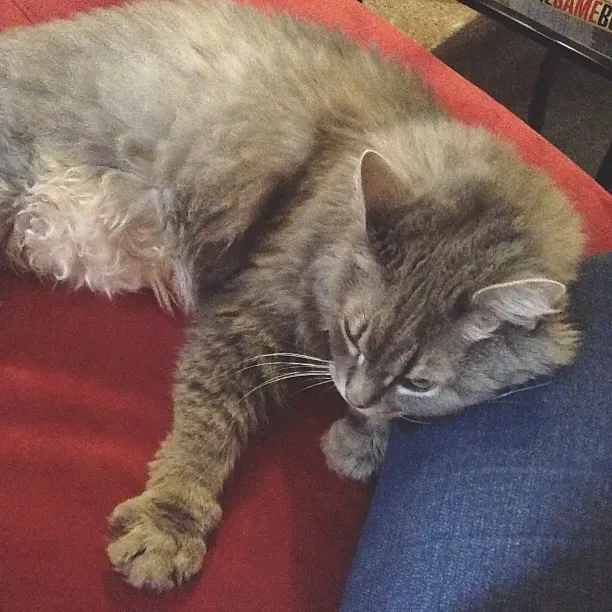
Your cat climbs onto your lap, starts pressing those tiny paws rhythmically into your thigh, and you wince slightly but wouldn’t dare move for the world. Non-cat people think this looks adorable but random. Cat owners know exactly what it means. This kneading behavior, also known as “happy paws,” stems from the movements cats made when they were nursing kittens, stimulating milk production. This motion may be self-soothing for your cat. Making biscuits also marks you by releasing pheromones from their paw’s sweat glands, and likely means that your cat feels very comfortable in your presence.
Kittens knead their mothers to stimulate milk flow, and adult cats continue the motion as a sign of comfort and affection. If your cat kneads you, consider it a deep expression of trust and contentment. The fact that your cat is doing a thing it did as a newborn, the most vulnerable state of its life, and doing it on you specifically, is genuinely touching when you stop to think about it. Dog owners get tail wags. You get something rooted in primal comfort and biological memory. That’s different.
6. Your Cat Treats You Like Another Cat, and That’s Actually the Point
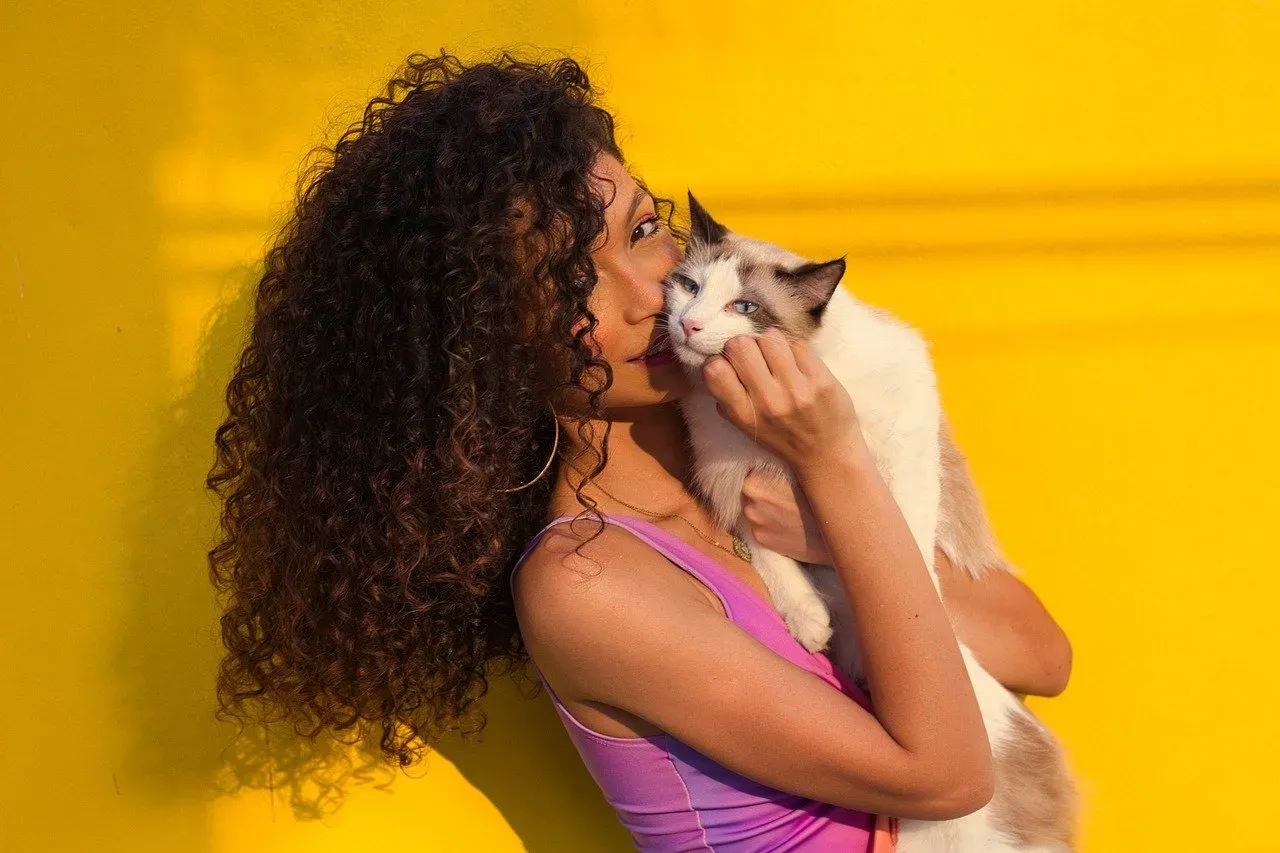
Here’s the thing that most dog owners can’t wrap their heads around. To your cat, you’re not their owner. You’re not their master. You’re essentially a very large, slightly clumsy fellow cat. Putting their tails up in the air, rubbing around your legs, and sitting beside you and grooming you are exactly what cats do to each other. Every headbutt, every slow tail raise, every ankle rub is the same social behavior your cat extends to other cats it respects and trusts.
When your cat connects with your body head-first and then smoothly brushes against you, behaviorists call it “bunting.” They’re rubbing facial scent glands on you to display feelings of affection, connection, and happiness. When they bunt other cats, they’re making new bonds or recognizing established relationships. So when your cat headbutts your chin at 7 a.m., it’s not an alarm clock malfunction. It’s your cat saying you belong together. That’s not cold. That’s actually quite beautiful in its own weird, feline way.
7. The “Gifts” Are Genuinely Meant With Love
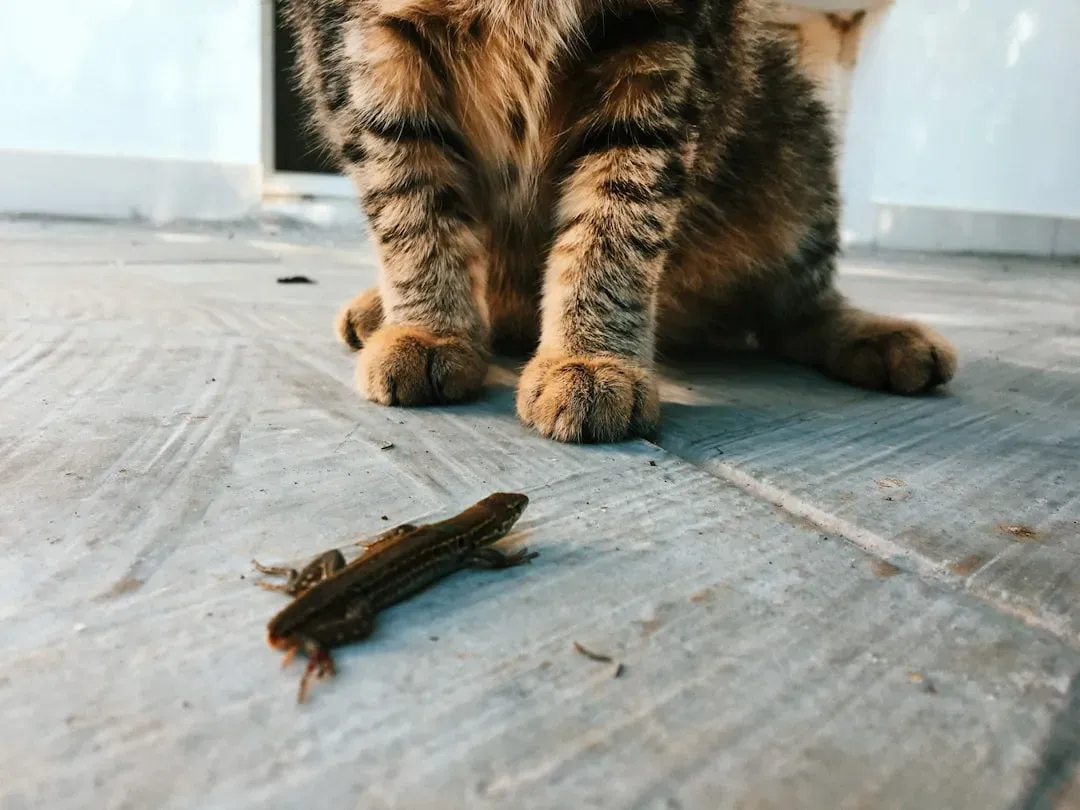
You walk into the kitchen one morning and there it is. Something small, no longer alive, deposited carefully near your feet. Your first reaction is horror. Your second, once you’ve recovered, is a kind of reluctant gratitude. Cats will bring gifts to you as a token of friendship, to thank you for feeding them, or to make sure you’re getting enough food. They’re trying to teach you how to hunt. They genuinely think you need help surviving.
It’s hard to say for sure whether cats understand that you’re perfectly capable of using a grocery delivery app, but their instincts don’t care. When your cat drops a toy or a caught insect at your feet, it’s not a prank. This behavior mimics their natural hunting instinct. It’s a gesture of inclusion, showing they consider you part of their social group. So there you have it. You’re family. You’re part of the hunting group. Dog owners might get enthusiastic licks, but your cat is out there hunting for you. That’s next-level devotion, even if the execution is deeply unsettling.
8. Cats Are Quietly Tuned Into Your Emotions in Ways Science Is Still Discovering
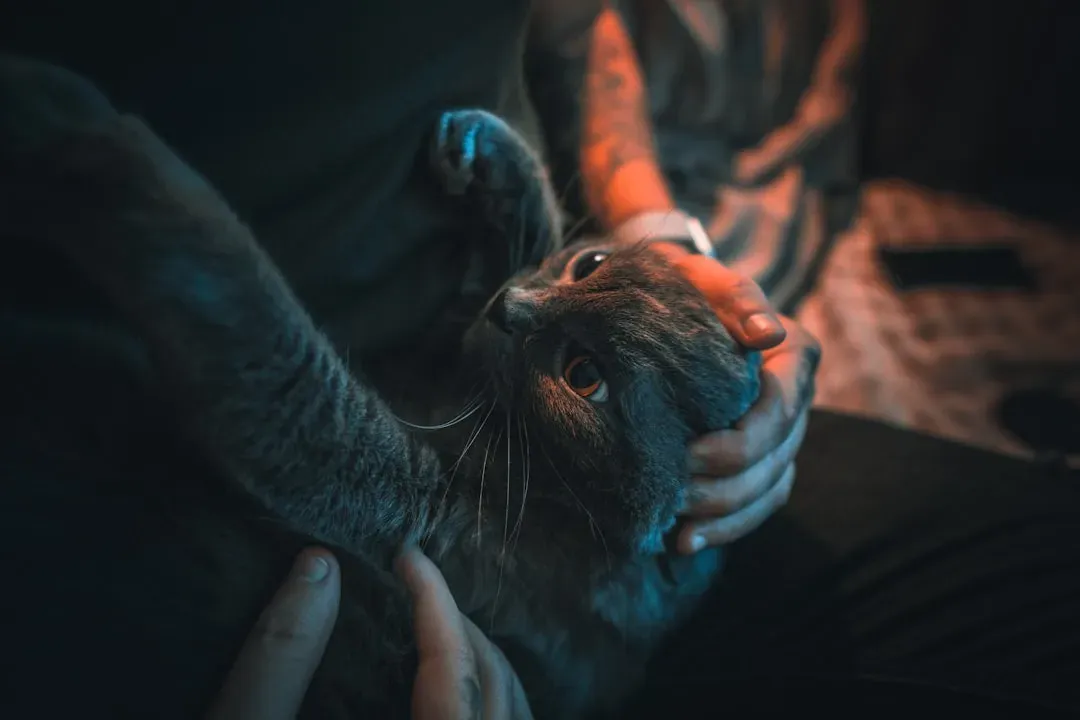
Cat people have always known this. You have a rough day. You sit down heavily on the sofa. Within minutes, there’s a cat on your lap, purring. Coincidence? Probably not. Studies show that cats can understand human emotional signals, detecting sadness, for example, through facial expressions, auditory cues, and other behaviors. They’re reading you all the time, you just don’t always realize it.
Cats are highly perceptive. They can detect changes in your tone, mood, and energy, often offering quiet comfort when you’re upset. The bond with a cat provides a sense of comfort, making them valuable partners in managing mental health. The repetitive sound of a cat’s purring has a calming, meditative quality that can reduce anxiety and promote mindfulness. Petting a cat or simply spending time with them often triggers the body’s relaxation response, helping people feel more grounded and at ease. Your cat isn’t ignoring your feelings. It’s processing them in its own quiet, deeply feline way, and responding on its own schedule.
9. The “Zoomies” at 3 a.m. Are Biologically Inevitable
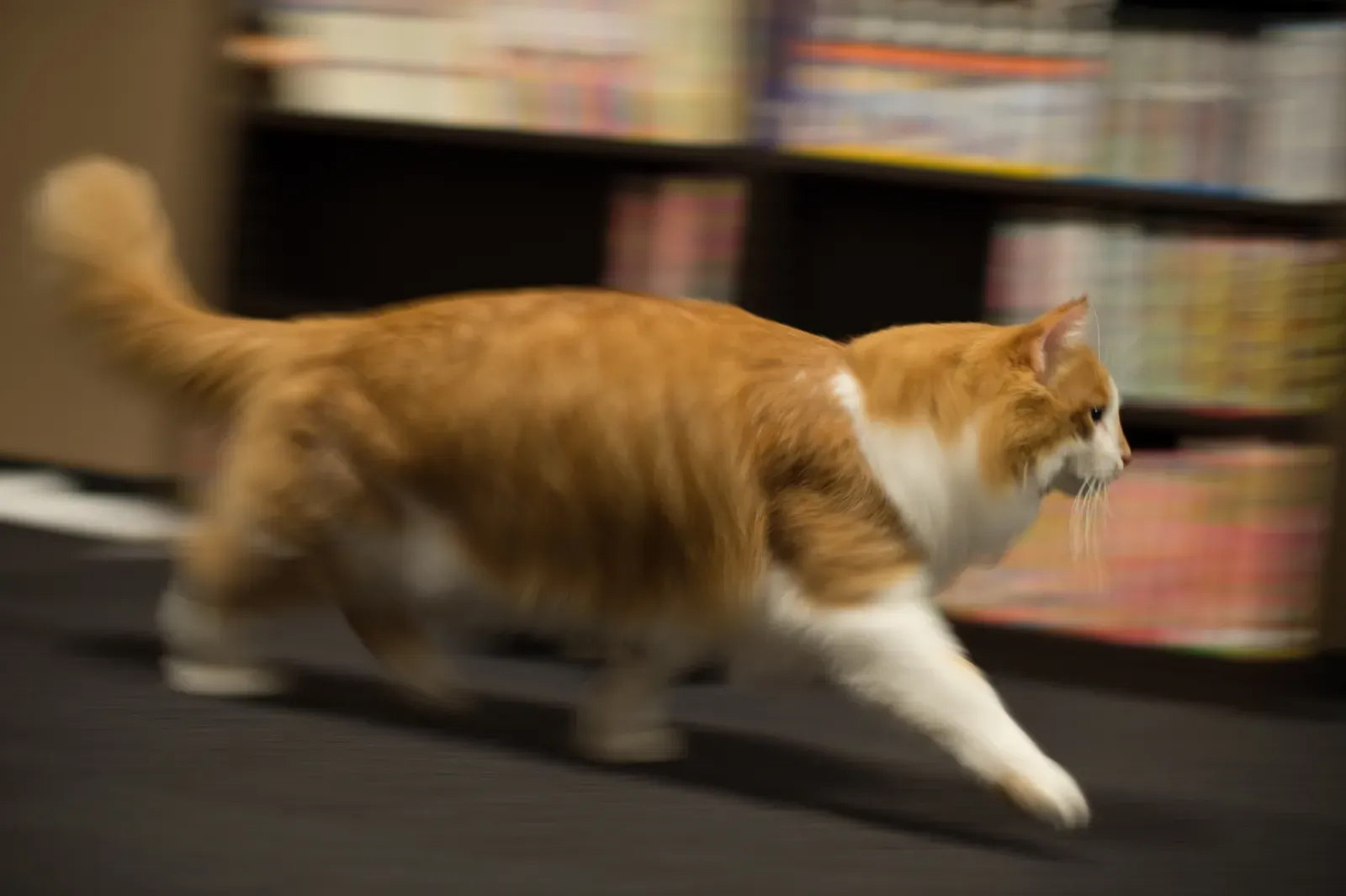
You’re asleep. It’s the middle of the night. Suddenly, it sounds like a small horse has taken up residence in your hallway and is running a speed trial. Then silence. Then it happens again. Those sudden bursts of energy, when your cat tears around the room at lightning speed, are known as zoomies. They’re a natural way for cats to release pent-up energy, and it’s healthy, even though it can happen at the most random times of day or in the middle of the night. It’s how they mimic hunting behavior. It may seem silly, but it’s important activity for your cat’s mental and physical wellbeing.
If your cat races around the house at 3 a.m., don’t worry. It’s normal. Cats are crepuscular, meaning they’re most active during dawn and dusk. You can help manage this energy by playing interactive games before bedtime to tire them out and keep their schedule balanced. Much like your cat deciding your daytime schedule, cats are happy to decide your sleep schedule too. Cat owners are all too familiar with waking up in the middle of the night to cat paws batting at their ears. Dog owners sleep through the night like normal people. Cat owners develop a very specific kind of exhausted resilience.
10. Your Cat’s Independence Is Not Coldness. It’s Respect for Your Autonomy Too
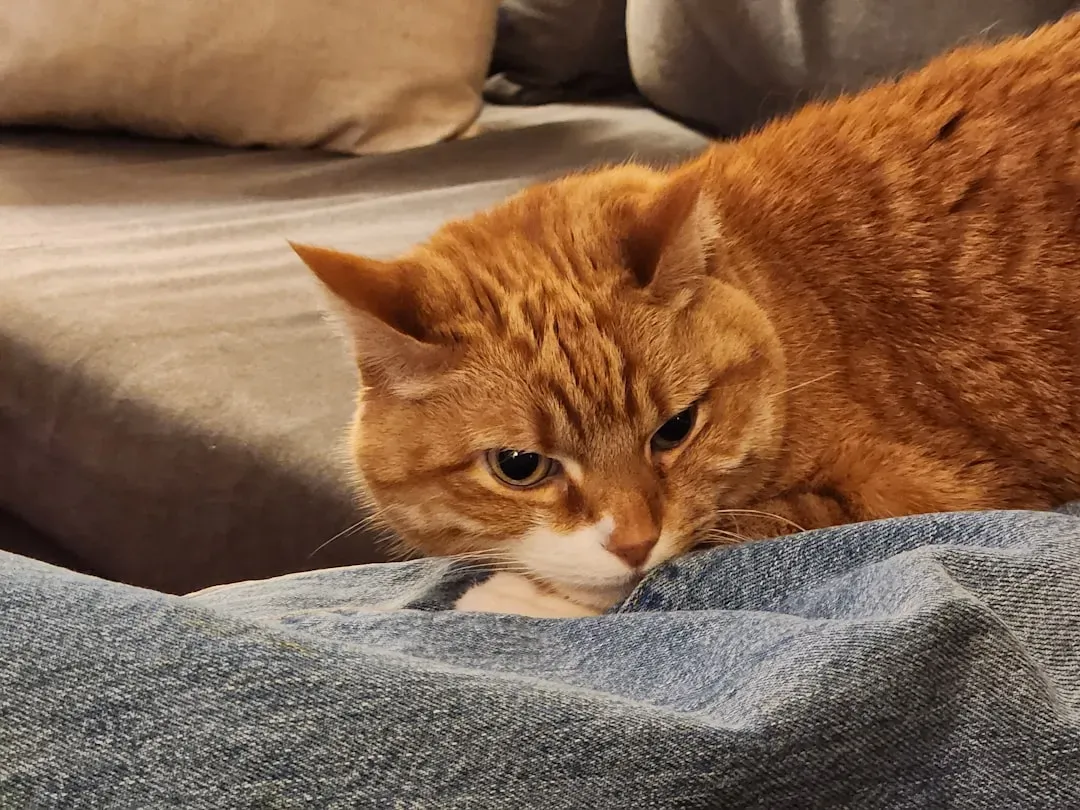
Dog owners sometimes look at cats and see rejection. They see a pet that wanders off, ignores commands, and stares out the window with what looks like absolute indifference. What they’re missing is the entire context. Cats like to know you are there, and they love to have established routines with their favorite people. It’s comforting for both them and their humans. Even though you don’t need to walk a cat, quality time with them is equally important.
Cats are famously low-maintenance. They don’t need to be bathed or taken for walks. They can be left on their own for hours at a time. Even though cats like to do their own thing, they still need plenty of love and attention. The data shows a record-breaking rise in cat ownership, the evolving humanization of pets, a deepening human-animal bond relationship with pets, and a heightened focus on proactive pet wellness. Cat ownership in 2026 is booming, and it’s easy to understand why. Cat owners were more likely to be curious, unconventional in thinking and actions. Honestly, it tracks. You have to think differently to appreciate a creature that loves you completely on its own terms.
Conclusion
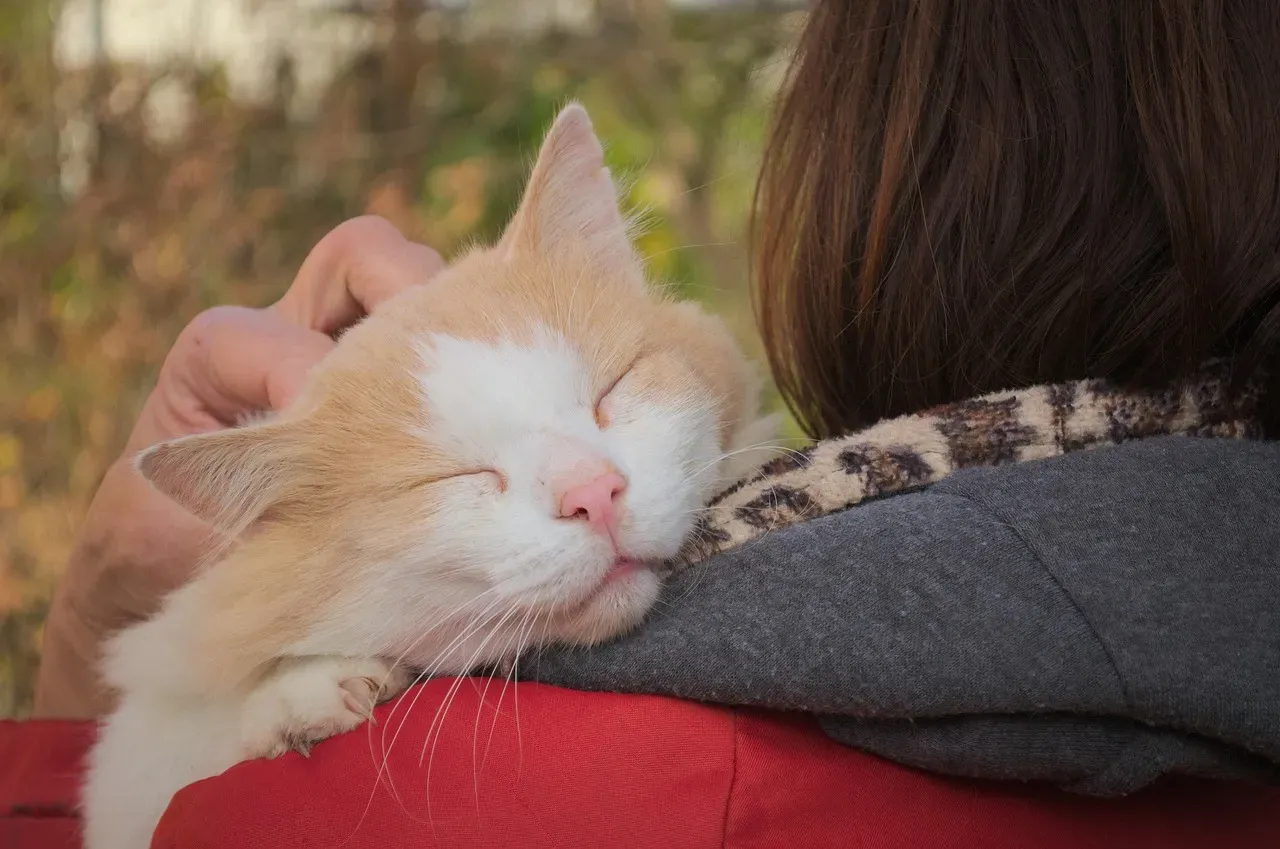
Owning a cat is one of those experiences that quietly rewires you. You learn to read subtlety. You find meaning in a slow blink, a soft purr, a tiny paw pressed against your leg. You discover that love doesn’t always arrive with a wagging tail and a bark. Sometimes it arrives with a headbutt at 6 a.m. and a dead spider deposited at your feet as proof of loyalty.
Dog owners will always have their loud, joyful, tail-wagging world. That’s genuinely wonderful. Still, the cat owner experience has its own depth, its own humor, and its own strange poetry that non-cat people simply don’t have access to. You earn every moment of it, and that’s exactly what makes it worth it.
Are you a cat owner who recognized every single one of these moments, or are you a dog owner quietly reconsidering? Drop your thoughts in the comments, we’d love to hear from you.
Kristina is a young writer from India. An arts graduate and an avid content creator, Kristina is passionate about animals and wildlife. She enjoys exploring topics related to pet care, animal behavior, conservation, and nature, combining thorough research with engaging storytelling.