You settle into bed, pull up the covers, and within two minutes you hear the soft padding of paws crossing the floor. Then comes the familiar weight on your chest, the vibration of a purr, and the unmistakable realization that your cat has claimed you – again. Most people just smile and drift back to sleep, never really asking why.
Here’s the thing: your cat isn’t sleeping on you by accident. Every spot they choose, every time they curl up on your chest or drape themselves over your feet, carries a meaning that goes far deeper than comfort. It speaks to instinct, emotion, biology, and something that genuinely looks a lot like love. Get ready to see your nightly feline visitor in a completely different light. Let’s dive in.
You Are Your Cat’s Safest Place on Earth
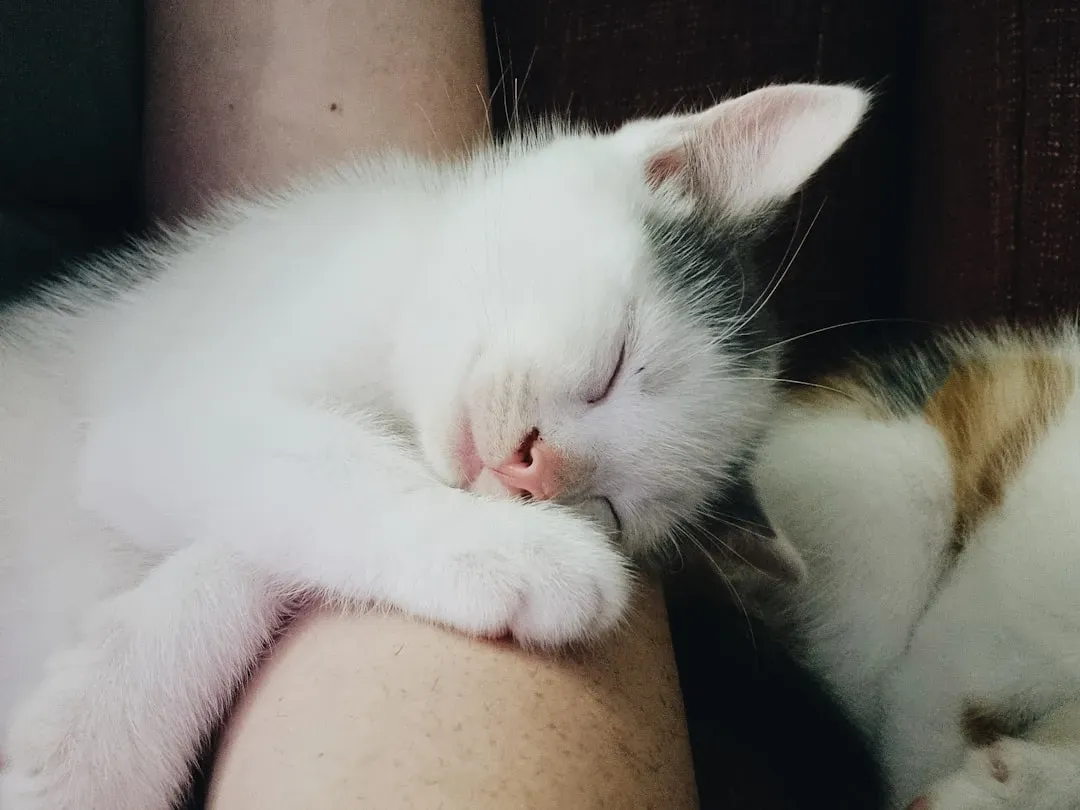
The most important reason your cat sleeps near you is security. Cats are most vulnerable when they’re asleep – they’re at their greatest risk of being caught off guard by a potential threat. Think about that for a second. Your cat, a creature hardwired by evolution to be alert and cautious, willingly closes its eyes and surrenders to sleep right on top of you. That’s not a small thing.
In the wild, cats are vulnerable when they sleep, so choosing to rest with you is a sign of ultimate trust and comfort. You’ve essentially become their security system. Their personal bodyguard. That fluffy little creature deciding to nap on your stomach is actually paying you one of the highest compliments in the entire feline world.
It’s a Warmth Thing – Your Body Is a Living Heater
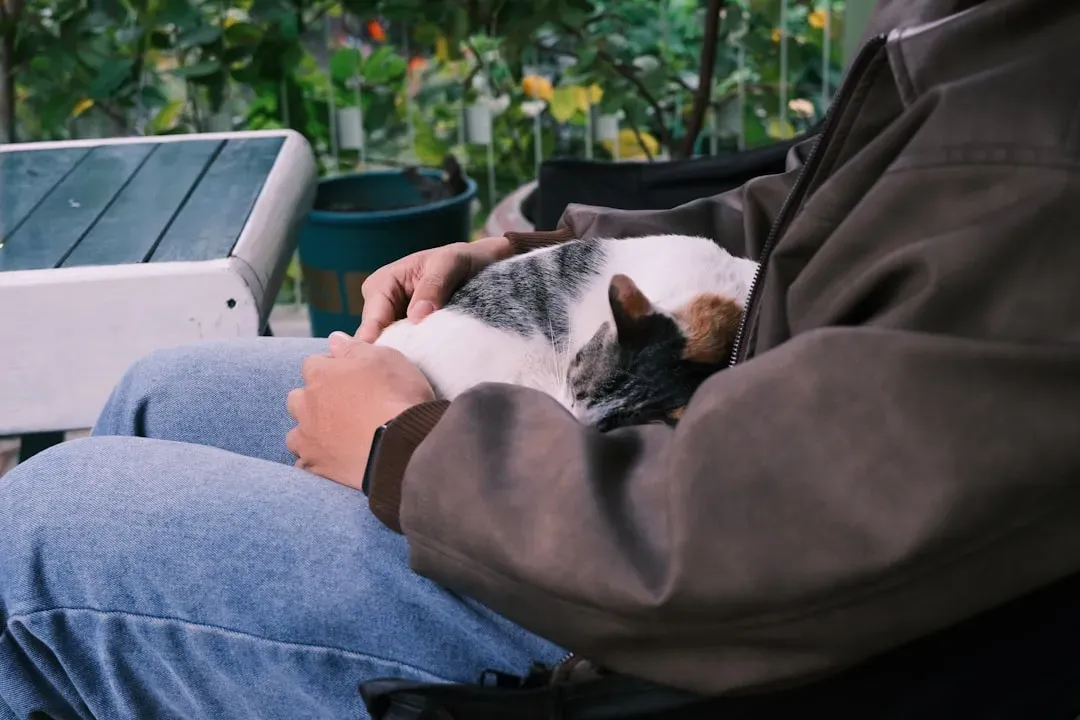
Your cat might choose you as their preferred place to snooze partly because of warmth. Cats have a high body temperature, around 101 degrees Fahrenheit, and they are naturally drawn to a human body’s warmth. You’re basically a walking electric blanket, and your cat figured that out long ago. Honestly, you should be flattered.
Cats have a higher body temperature than humans and love warmth accordingly. During sleep, we emit a lot of warmth, most of it from our heads. That’s why your cat gravitates toward your upper body so often. It’s less about affection in those moments and more about pure, primal thermodynamics. Still, the fact that they choose you over a sunny windowsill or a warm radiator? That says something important.
The Scent Connection – You’re Being Claimed
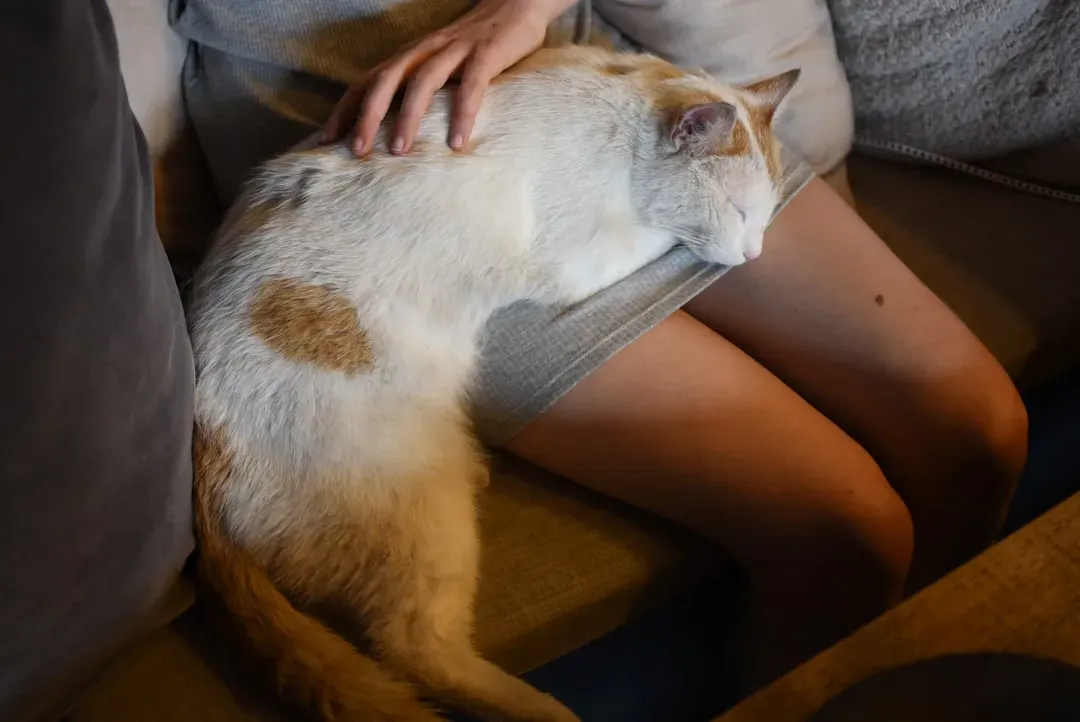
Cats are territorial animals that mark their turf with their scent. They release pheromones from their face and body, and sleeping on you allows them to spread their scent over you, thereby marking you as theirs. It sounds a little possessive when you put it that way. Honestly, though, it’s kind of sweet.
When your cat sleeps on you, they might also be marking you – subtly claiming you as part of their territory through scent exchange. Their body oils contain pheromones that signal ownership, bonding, and familiarity. This form of territorial behavior isn’t possessive in a negative sense; it’s actually a sign of affection and inclusion. So the next time your cat rubs their face against yours before settling in for the night, they’re essentially saying: “This human is mine, and I am theirs.” There are worse things to be claimed by.
Deep Trust – The Language of Letting Their Guard Down
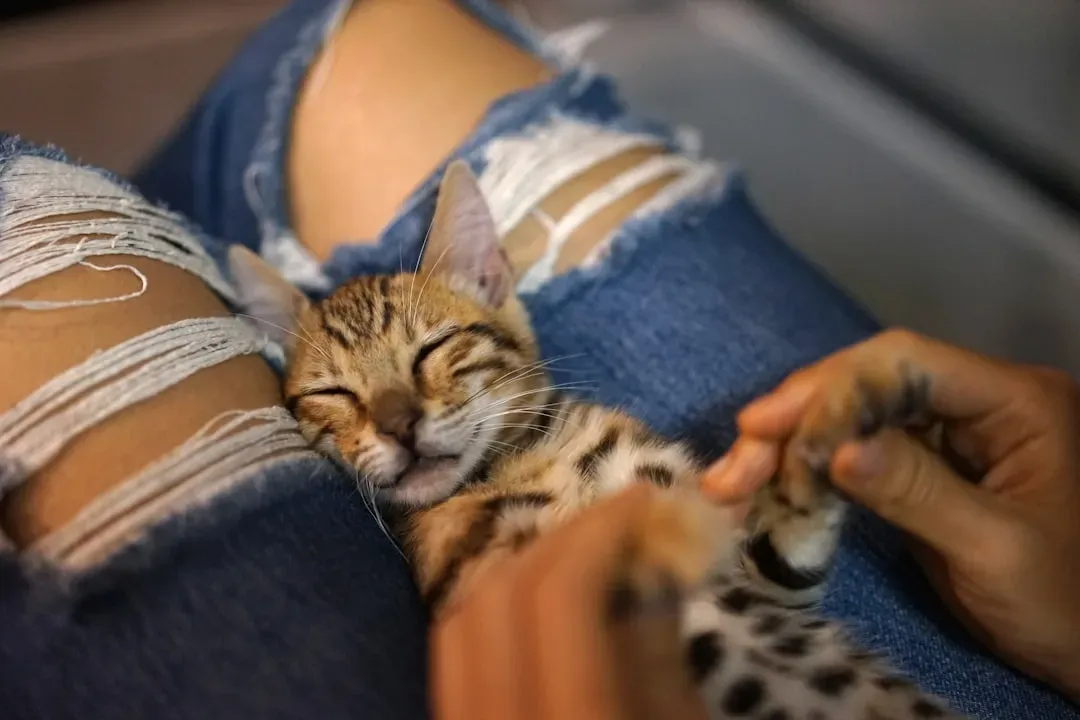
When a cat chooses to rest on you, it’s a sign of deep trust. They feel safe enough to let their guard down. Cats are predators by nature, but they are also prey. In the wild, sleeping is the moment they are most exposed. The fact that your cat can fully relax on your body means you have earned a level of trust that most animals reserve for their closest companions.
Your cat needs this sense of security to eat, sleep, and play without constantly worrying about conflict. By positioning themselves on you, your cat demonstrates their inherent trust that you’ll keep them safe, which allows them to enter deep sleep. This level of trust forms a significant component of your human-animal bond. Think of it like a human falling asleep on a friend’s shoulder during a long car ride. It only happens when you feel completely safe. Your cat is doing exactly that.
It’s Emotional – Yes, Your Cat Actually Loves You
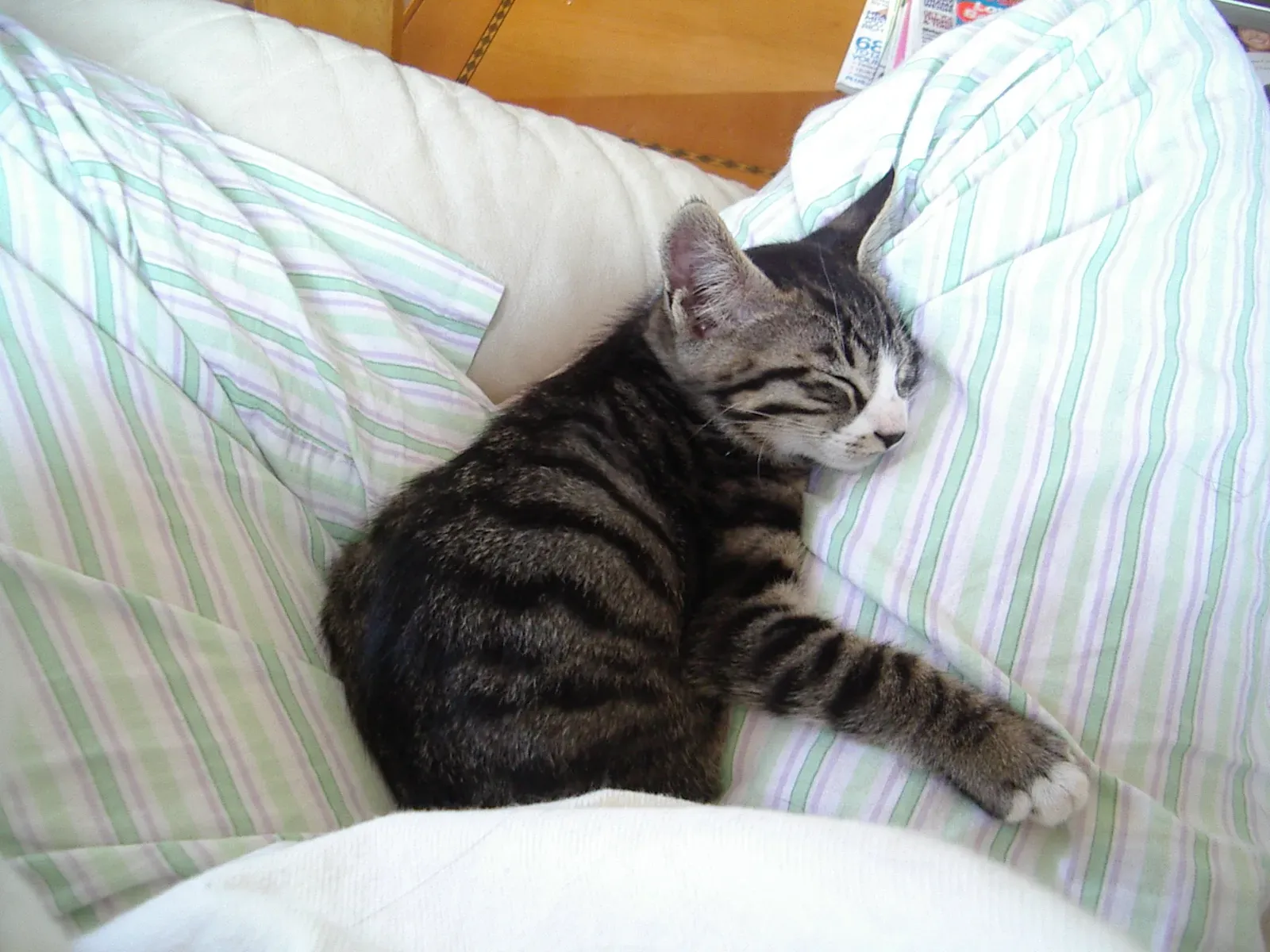
Let’s be real: the stereotype of the cold, indifferent cat couldn’t be further from the truth – at least not for cats that sleep on their humans. A study by American neuroscientist Paul Zak revealed that cats experience an increase in oxytocin levels – the hormone associated with bonding and affection – when they interact with their owners. That’s the same “love hormone” humans release when they hug someone they care about. Your cat is literally experiencing a biological rush of affection when they’re close to you.
Perhaps the most heartwarming reason your cat sleeps on you reflects the remarkable strength of your human-animal bond. Cats can form genuine attachment bonds with their human caregivers, viewing you as their primary source of comfort and security – much like human infants do with their parents. I think that comparison to an infant and parent is genuinely touching. It reframes the whole relationship in a way that makes you look at your cat a little differently. A lot differently, actually.
What Your Cat’s Sleeping Position Is Secretly Telling You
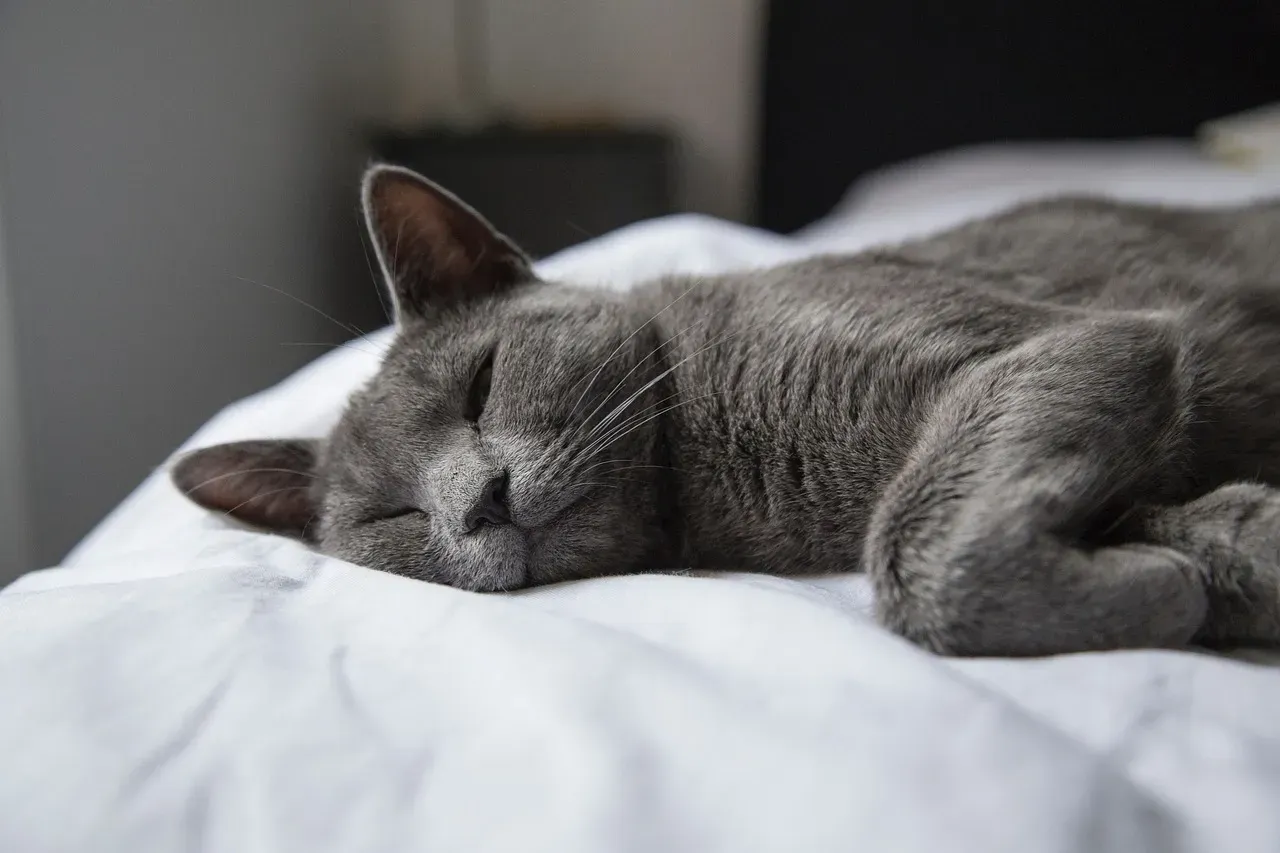
A cat’s preferred sleeping spot on your bed is not random. Rather, it reflects their comfort level, trust in you, and even their emotional state. The spot they choose is a full conversation – you just have to know how to read it. It’s like decoding a furry little mood ring.
One of the most intimate behaviors is when a cat settles directly on your sternum. The rhythmic sound of your heartbeat and the rise and fall of your breathing mimic the sensations they felt when sleeping against their mother and littermates. This position is the ultimate sign of security. Meanwhile, a cat sleeping at your feet is showing independence but still wants the reassurance of your presence nearby. This position also keeps them close enough to monitor any movement, enabling a quick escape if necessary, which is instinctive behavior from their wild ancestors. The foot of the bed provides a strategic vantage point, allowing them to keep an eye on the room’s entrance.
Routine and Habit – Once You’re Chosen, It’s Permanent
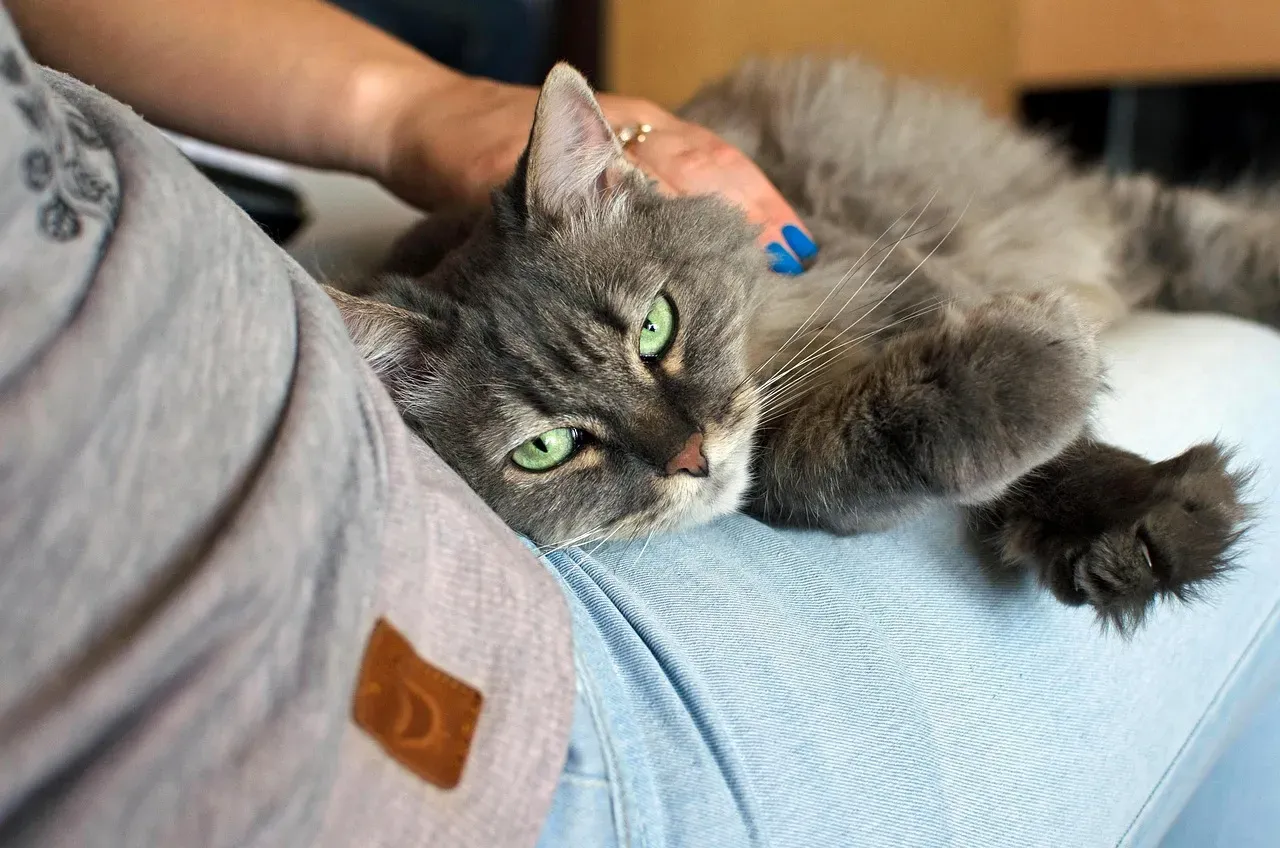
The factor of habit should not be underestimated. Cats are creatures of routine – once they find a place particularly pleasant, they usually stick to it. When the human lies in the same spot every night, it offers a constant, reliable environment. For cats, this equates to emotional stability, as they only sleep where they feel absolutely safe. So if your cat started sleeping on you a few months ago and hasn’t stopped, congratulations – you’ve been officially adopted as a sleep station.
Research supports this routine-based behavior. In one study, in 52% of cases a cat’s favorite sleeping spot was the owner’s bed – underscoring the idea that once cats find a comforting spot, they prefer to stick with it for consistency. Roughly half of all cats, when given the run of the house, still choose their owner’s bed above everything else. Your thousand-dollar orthopedic mattress has serious competition, and your cat is winning.
When It Happens Suddenly – What a Change in Behavior Can Signal
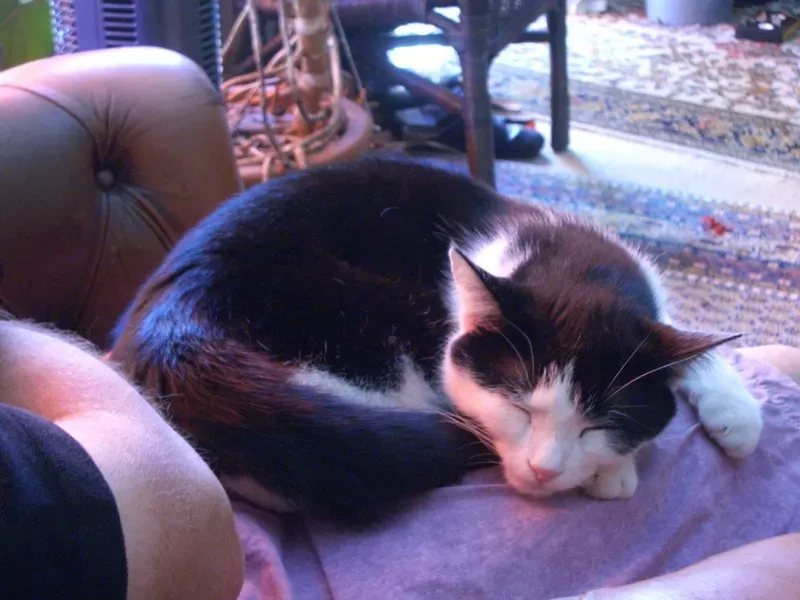
When your cat suddenly starts sleeping on you, it’s often an expression of trust, warmth-seeking, or emotional attachment. Cats, though independent by nature, also crave safety and familiarity, and their favorite human often provides both. However, sudden changes in sleeping behavior can sometimes be triggered by shifts in routine, environment, or even underlying health concerns. It’s worth paying attention when the pattern shifts dramatically – especially if it happens fast.
As much as many enjoy the nightly closeness, if this behavior suddenly begins or significantly increases, one should be cautious. It can also indicate health problems, stress, or general discomfort. This is especially true if the animal itself is not sleeping but is grooming itself to calm down. A cat that suddenly becomes clingy at night may be trying to tell you something beyond simple affection. If you notice other changes like reduced appetite or unusual lethargy alongside the new sleeping habits, a visit to your vet is a smart move.
The Benefits Go Both Ways – You Gain Something Too

Petting your cat releases oxytocin. That can reduce stress and promote relaxation for better sleep. So this isn’t just a one-sided arrangement where your cat gets a warm napping surface and you lose half your pillow. The exchange is genuinely mutual, and the science backs it up quite clearly.
Cats sleeping on the bed can be beneficial in many ways. Sleeping together means your cat is physically close to you, which can strengthen the human-feline bond by increasing your emotional connection and creating a sense of togetherness. While cats are independent creatures, they value the company of their human companions as it brings them comfort and security. This can help reduce any stress or anxiety your cat is experiencing and improve their mental health. In turn, this enables your cat to relax and sleep better, which can improve their physical health too. Two creatures, reducing each other’s stress, sharing warmth, building trust. It sounds simple. It kind of is.
Conclusion: That Weight on Your Chest Is Not Just a Cat
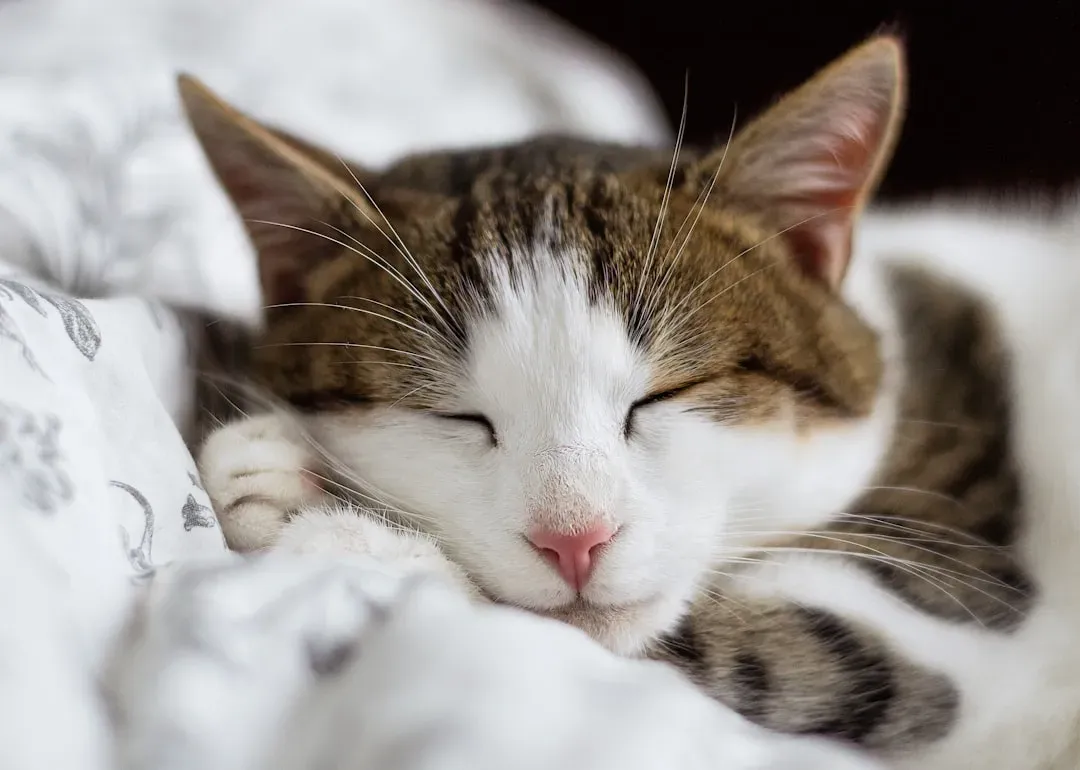
When you zoom out and look at the full picture, your cat sleeping on you isn’t a quirky habit or a minor inconvenience to laugh about. It is a deliberate, instinct-driven, emotionally loaded choice. Your cat selected you – out of every warm surface, cozy blanket, and sunny perch in the entire house – because you mean something to them that nothing else can replicate.
You are their warmth, their safety, their scent-marker, their heartbeat rhythm, their emotional anchor. Every time they climb onto your chest at night and settle in with a slow, rumbling purr, they are communicating in the only language they have. You’d think we would’ve figured this out by now. Maybe we have – we just needed a reminder.
So the next time you wake up unable to move because a seven-pound creature has pinned you to the mattress, don’t be annoyed. Be a little proud. You earned that. What does your cat’s sleeping spot say about your bond? Drop it in the comments – we’d love to know.
Kristina is a young writer from India. An arts graduate and an avid content creator, Kristina is passionate about animals and wildlife. She enjoys exploring topics related to pet care, animal behavior, conservation, and nature, combining thorough research with engaging storytelling.