You adopt a rescue cat, spend an entire week bonding with her at home, and then the moment finally comes when you have to go back to work. You probably picture her curled up somewhere, maybe waiting by the door, maybe a little anxious. What you almost certainly do not picture is a tiny tornado of pure, unbothered chaos. That is exactly what one cat owner from Florida discovered when he checked his home surveillance camera, and the internet has not stopped talking about it since. Let’s dive in.
A Rescue Cat, a Week of Bonding, and One Very Revealing Camera
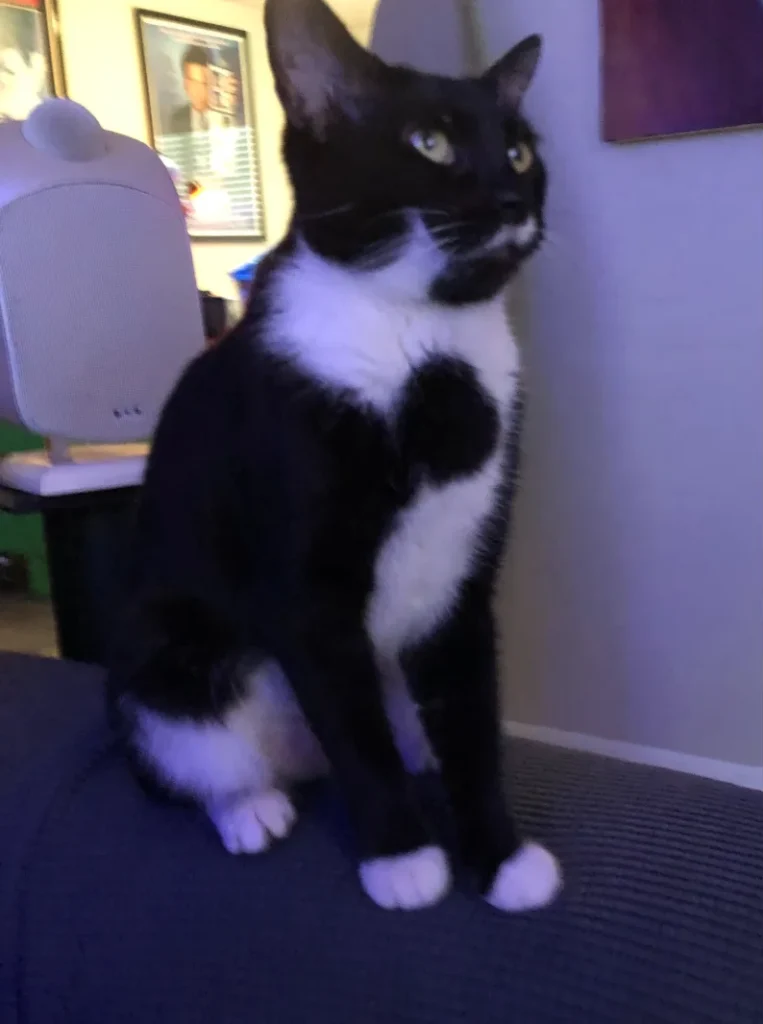
A pet owner was left in complete disbelief after home surveillance footage captured what his rescue cat was up to while she was left alone for the very first time. Greg had spent a whole week at home on vacation with Penny after adopting her from the Humane Society of North Central Florida, so returning to work felt like a big deal for him.
Greg, from Gainesville, Florida, explained that since he got Penny right before the Fourth of July, he was home on vacation during the entire first week he had her. He did, however, have to return to the office on Monday the 8th, which meant leaving her alone for the very first time.
Honestly, most new pet owners dread that moment. The guilt is real. You wonder if they’ll be okay, if they’ll be scared, if they’ll sit by the door pining for you all day. Greg was probably running through all of those scenarios in his head on his drive in.
What the CCTV Footage Actually Showed
In the hilarious clip, shared on Reddit under the username Rearrangioing, the tuxedo cat, who is a year and a half old, can be seen running up and down the living room, speeding from one side of the room to the other in a behavior commonly referred to as “the zoomies.”
Greg said he couldn’t believe the nine-second video that the camera captured. Her first day alone at the house, and she wasn’t missing him at all. She was just zooming around.
That right there is the kind of response that is equal parts hilarious and slightly humbling. You spend a week worrying about how your cat will cope, and she spends her first solo afternoon treating the living room like a racetrack. It’s hard not to laugh.
The Zoomies Explained: What Is Actually Happening to Your Cat
Frenetic Random Activity Periods, also known as FRAPs or colloquially as “zoomies,” “scrumbling,” “midnight crazies,” or “mad half-hours,” are random bursts of energy in which dogs and cats run frenetically, commonly in circles. They usually last a few minutes or less.
Typical features include running at top speed, rapid turns and spins, jumps and sudden stops, and brief vocalizations or changes in tail posture. Episodes usually last from a few seconds up to several minutes and end just as abruptly as they began.
In between the long periods of rest and sleep, cats often experience a surge in energy. In the wild, this is when they would be hunting. That burst of feel-good energy can sometimes trigger the zoomies, and despite having easy access to food, domesticated cats are still driven by their instincts to hunt and chase prey.
Think of it like a coiled spring. The cat sleeps, rests, conserves, and then suddenly, with zero warning, it all releases at once. It just happens to look absolutely unhinged to everyone watching.
Why Indoor Cats Are Especially Prone to the Zoomies
Living inside is safe for a house cat, but it is also far less interesting than surviving in the wild. Some indoor cats are desperate for something to break up the monotony, so they make up their own fun in the form of the zoomies, which can combat their pent-up energy.
Zoomies are also a natural expression of a cat’s hunting instincts, where they mimic the pursuit of prey. Understanding these episodes can help owners better manage their pet’s energy levels.
FRAPs most often occur when an animal is in a familiar environment, such as indoors or in a fenced yard, and appear to be self-terminating, meaning the animal often lies down or settles immediately afterwards. So in a strange way, Penny’s wild sprint around the living room was actually a sign that she felt completely comfortable and at home. Safe, even. That is not a bad thing at all.
The Internet Reacts and the Video Goes Viral
Greg’s video quickly went viral on social media, gaining viewers across multiple platforms. On Reddit alone, the clip received over 6,100 upvotes and 134 comments.
One Reddit user commented that Penny would probably be all curled up sweetly waiting for Greg to get home that evening, or perched on top of the fridge ready to pounce. Another called it one of the funniest things they had seen, adding that they needed a camera for their own two cats.
Another commenter quipped that Penny was clearly doing her job by messing up the rugs during zoomie time, and that she was hard at work. That comment basically sums up cat ownership in a single sentence. You give them a safe, warm home and they redecorate it during your lunch break.
When Zoomies Signal Something More Than Just Fun
Most cases of cat zoomies are entirely harmless, and the only reaction they require is a laugh. However, if a calm cat suddenly starts having zoomies seemingly out of nowhere, it might be worth talking to a vet. Physical symptoms like weight loss, changes in behavior, signs of anxiety, or excessive vocalization alongside zoomies could signal an underlying health issue.
FRAPs can sometimes indicate underlying behavioral concerns including anxiety, stress, and even depression. Veterinarians recommend speaking with a professional if FRAPs become noticeably more frequent, if the cat seems distressed, or if any strange new behaviors emerge alongside the episodes.
According to experts, animals might need more mental and physical stimulation if their zoomies become frequent. Activities like interactive play sessions and providing a variety of toys can help channel their energy in a more positive direction. It’s a useful reminder that keeping an indoor cat mentally engaged is not just about entertainment. It is genuinely important for their wellbeing.
What Penny’s Zoomies Really Tell Us About Cat Independence
Zoomies can be a sign of excitement or stress relief, showing that the cat feels secure enough in its environment to engage in such activities. That is actually the most heartwarming takeaway from Greg’s whole story. Penny was not distressed. She was not sitting by the door howling. She felt at home.
FRAPs may represent a rapid release of pent-up physical energy after a period of rest. Some ethologists suggest that they also express excitement, joy, or a positive arousal state. Researcher Marc Bekoff, among others, interprets many such episodes as play-related and genuinely pleasurable for the animal.
In other words, Penny was having the time of her life. The camera just happened to catch it, and Greg got a nine-second reality check about how much his cat was pining for him during his absence.
Greg’s story is one of those delightfully relatable moments that pet owners across the world immediately recognize. You worry, you wonder, you feel guilty, and then you get home only to find the cat has spent the whole day living her absolute best life. Penny’s viral zoomie session is not just funny. It is a genuine window into how cats process energy, express comfort, and enjoy their independence in ways we sometimes underestimate.
If you are a new cat owner about to leave your pet alone for the first time, maybe install a camera. You might not get the tearful reunion footage you were hoping for. What you will almost certainly get is something far better. So, have you ever caught your cat doing something unexpected on camera when you weren’t around? What do you think about it? Tell us in the comments.
Kristina is a young writer from India. An arts graduate and an avid content creator, Kristina is passionate about animals and wildlife. She enjoys exploring topics related to pet care, animal behavior, conservation, and nature, combining thorough research with engaging storytelling.