There is something quietly extraordinary about sharing the slow, steady passage of time with a cat. Not the dramatic milestones, not the big announcements, just the ordinary Tuesday mornings where your cat finds a sunbeam and you find your coffee, and somehow the world feels exactly right. It’s a relationship built in whispers, in slow blinks, in the particular weight of a warm body settling onto your lap at the end of a long day.
What most people don’t realize is that growing older alongside a cat does something to you, to your health, your habits, your sense of self, that goes far deeper than simple companionship. Science has started catching up to what cat owners have known for centuries. Be surprised by what the research actually says.
1. Your Heart Literally Gets Healthier
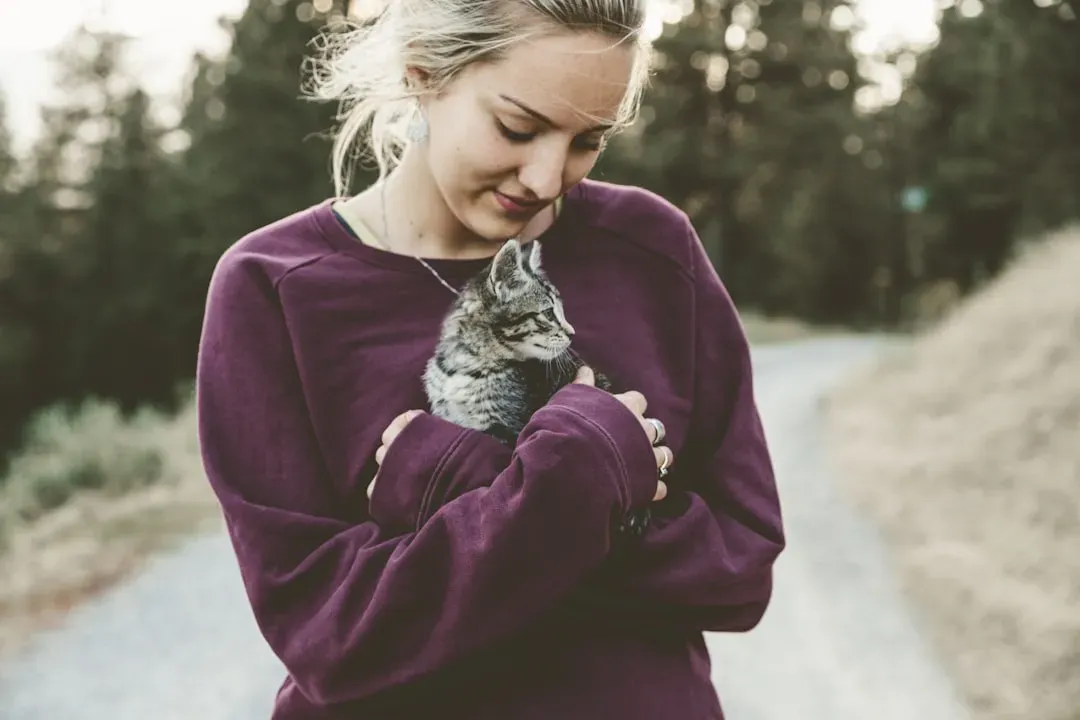
Here’s something that genuinely stopped me in my tracks when I first read it. A study of over 2,400 cat owners found that they were significantly less at-risk of dying due to cardiovascular disease, including stroke and heart attack, compared to non-owners during a 20-year follow-up. That is not a small statistic. That is your cat potentially adding years to your life without even trying.
Researchers theorized that this independent association between cat ownership and the risk of cardiovascular fatality may be related to the buffering effect on stress that cats offer. Think about it like this: your cat is essentially a daily, fur-covered dose of calm. No prescription required. No pharmacy queue. Just a purring animal that keeps your heart ticking a little steadier.
2. The Sound of a Purr Becomes Your Personal Therapy Session
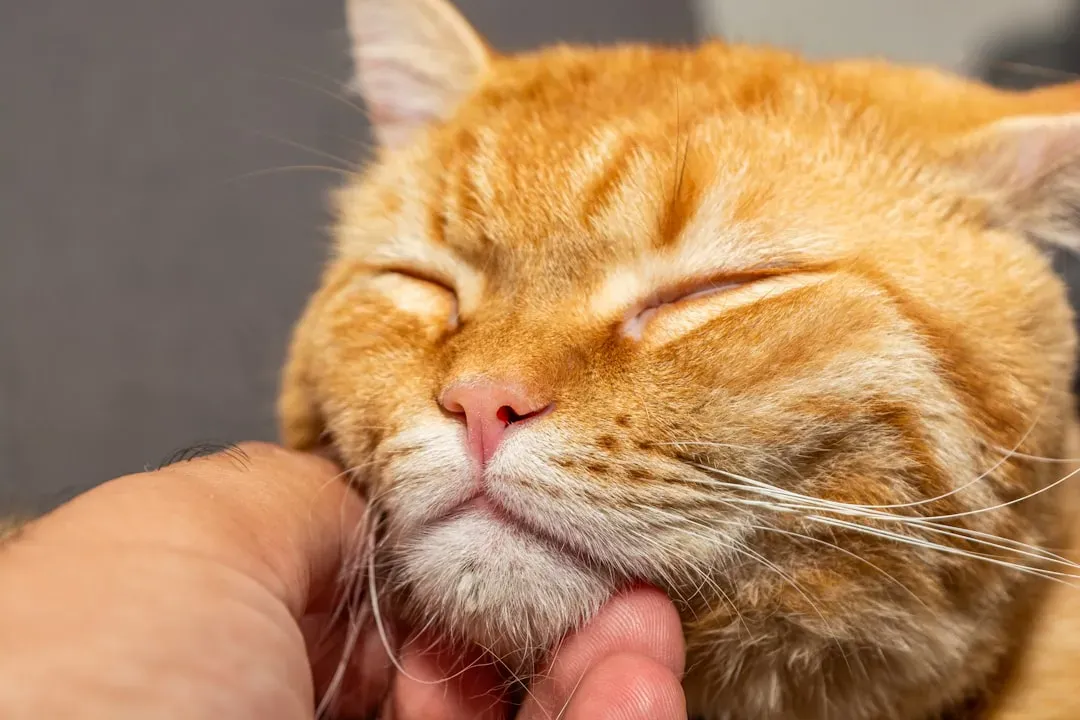
Research suggests that the frequency of a cat’s purring, typically between 25 and 150 hertz, could have therapeutic effects on both the body and the mind. That low, rhythmic vibration you feel when your cat curls up on your chest is doing more than just feeling nice. It is working on you at a biological level, in ways scientists are still genuinely amazed by.
Those vibrations can help reduce inflammation, improve circulation, and stimulate the healing of damaged tissues, and have also been shown to promote the regeneration of bone cells and increase bone density, making them valuable for treating bone fractures and joint issues. So the next time someone raises an eyebrow at you spending a Sunday afternoon letting your cat nap on you, you can tell them you are doing vibrational therapy. Completely true.
3. You Develop a Deeper, More Intuitive Daily Routine
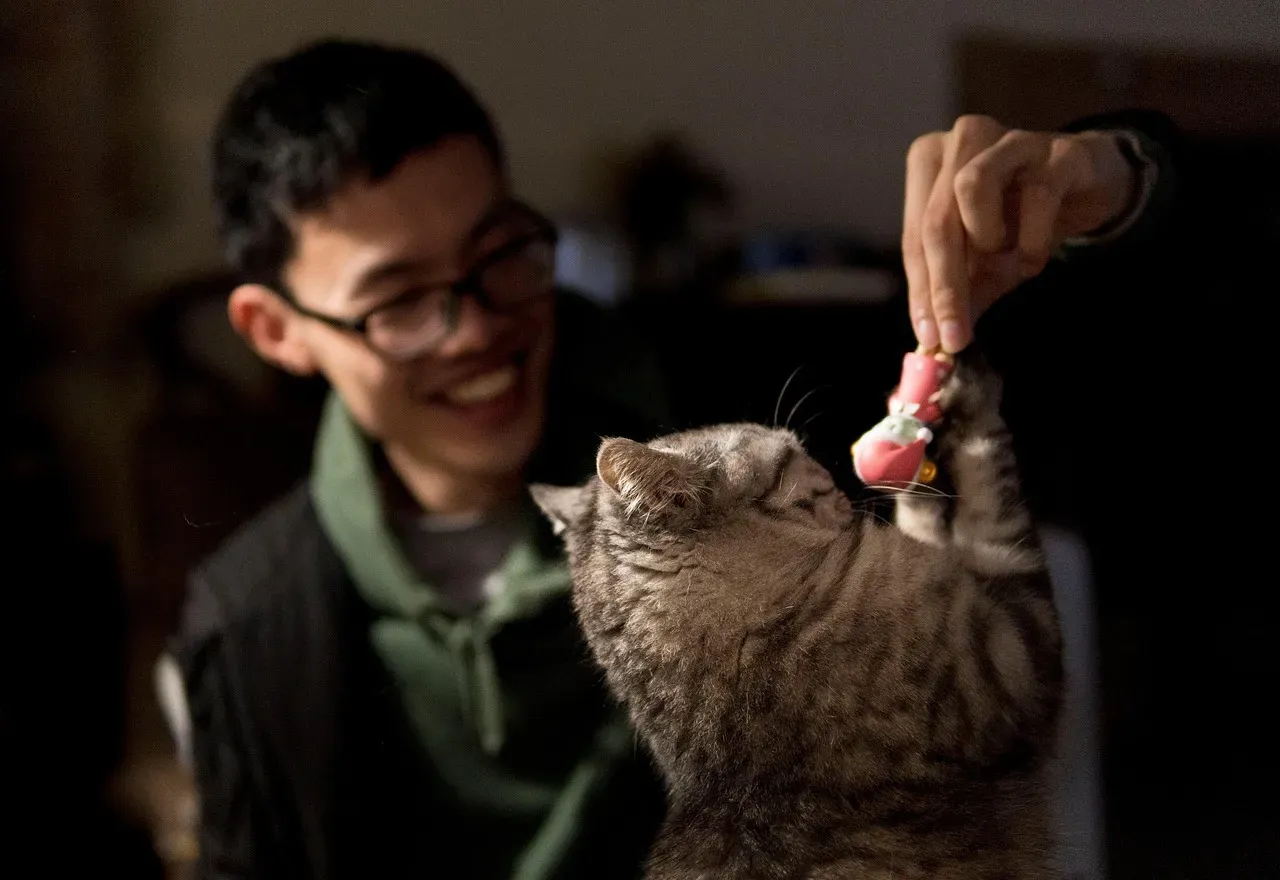
Pets help create structure in daily life. Tasks such as feeding, grooming, or playing with a pet give the day predictable touchpoints that support mental health and reduce boredom, and this kind of routine is especially valuable for older adults, as studies show that consistent daily activities are linked to better sleep, lower stress, and improved overall well-being. Your cat does not care about your schedule. It cares about its schedule, and in doing so, gives you one too.
Studies suggest that pet ownership can provide comfort and safety, social inclusion and participation, a meaningful role, and purpose through routine and structure. The care of a pet also requires responsibility, organization, and competence, and pets may play an important role in promoting purpose through productivity, a sense of value, and as something to look forward to each day. Honestly, there are mornings when the only reason I would drag myself out of bed early is because something small and opinionated was yelling about breakfast. And that is perfectly enough reason.
4. Your Relationship With Loneliness Changes Completely
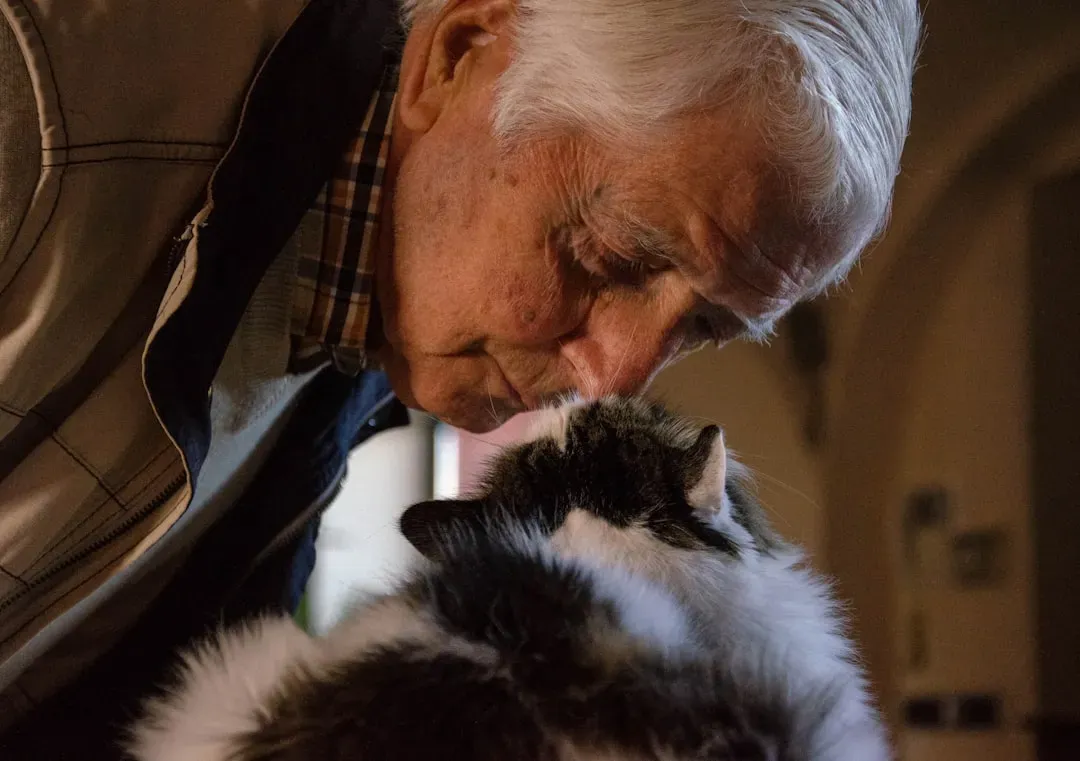
While evidence suggests pets can increase social connectedness, a growing body of literature also demonstrates that pet ownership may attenuate loneliness. In one cross-sectional study of over 800 older adults living alone, pet owners were found to be significantly less likely to report loneliness than non-owners. , you are never really coming home to an empty house. You are coming home to a creature who has a relationship with you, a history with you, preferences about you.
For older adults in particular, a cat can help alleviate loneliness and provide a sense of purpose, which is crucial for mental well-being. There is real, documented science behind this. A cat sitting on the other side of the sofa, ignoring you magnificently, is still keeping loneliness at bay in a way that surprises even researchers.
5. You Become More Emotionally Attuned
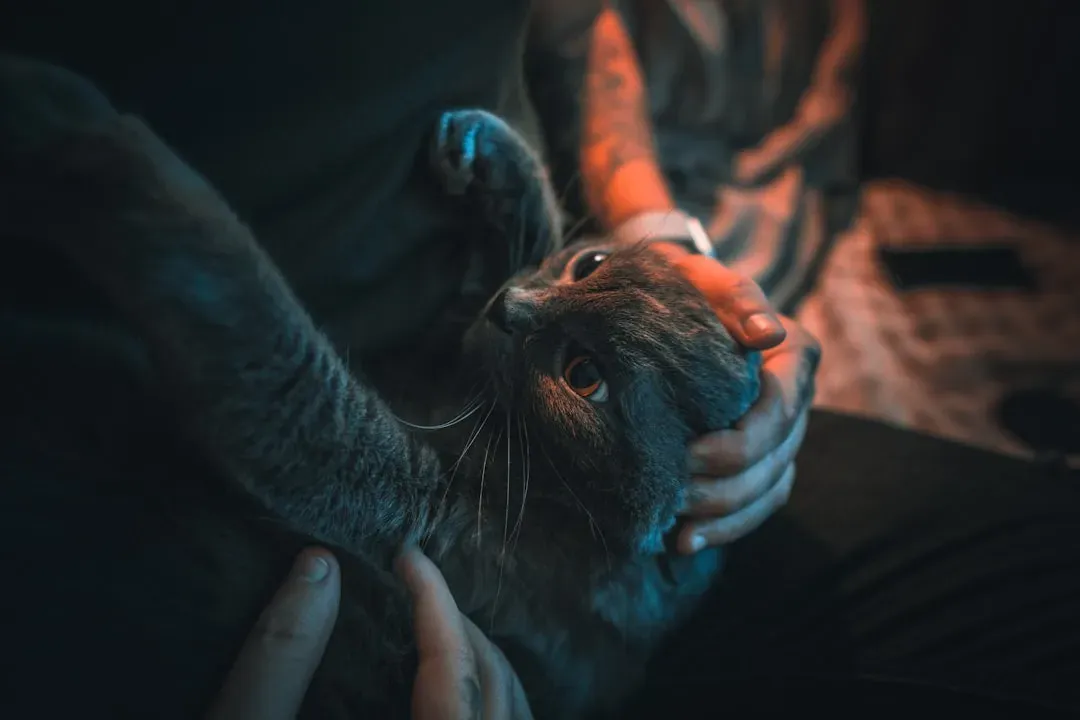
Cats can sense sadness as well as other emotions like anger in people. They are also able to detect emotions among other cats, and they associate auditory and visual cues like frowning with how they are treated when their owner is feeling sad. Living with a creature that reads you that carefully changes how you think about emotional intelligence. You start noticing things. You start paying attention differently.
Interacting with cats triggers the release of hormones in humans such as serotonin, dopamine, and oxytocin, which are often associated with good, positive feelings. Oxytocin in particular has been recognized for its role in bonding and stress relief, as well as its physiological effects such as decreased heart rate and slowed breathing. You don’t just get comfortable with your cat. You get chemically rewired, in the very best way.
6. You Sleep Differently, and Often Better
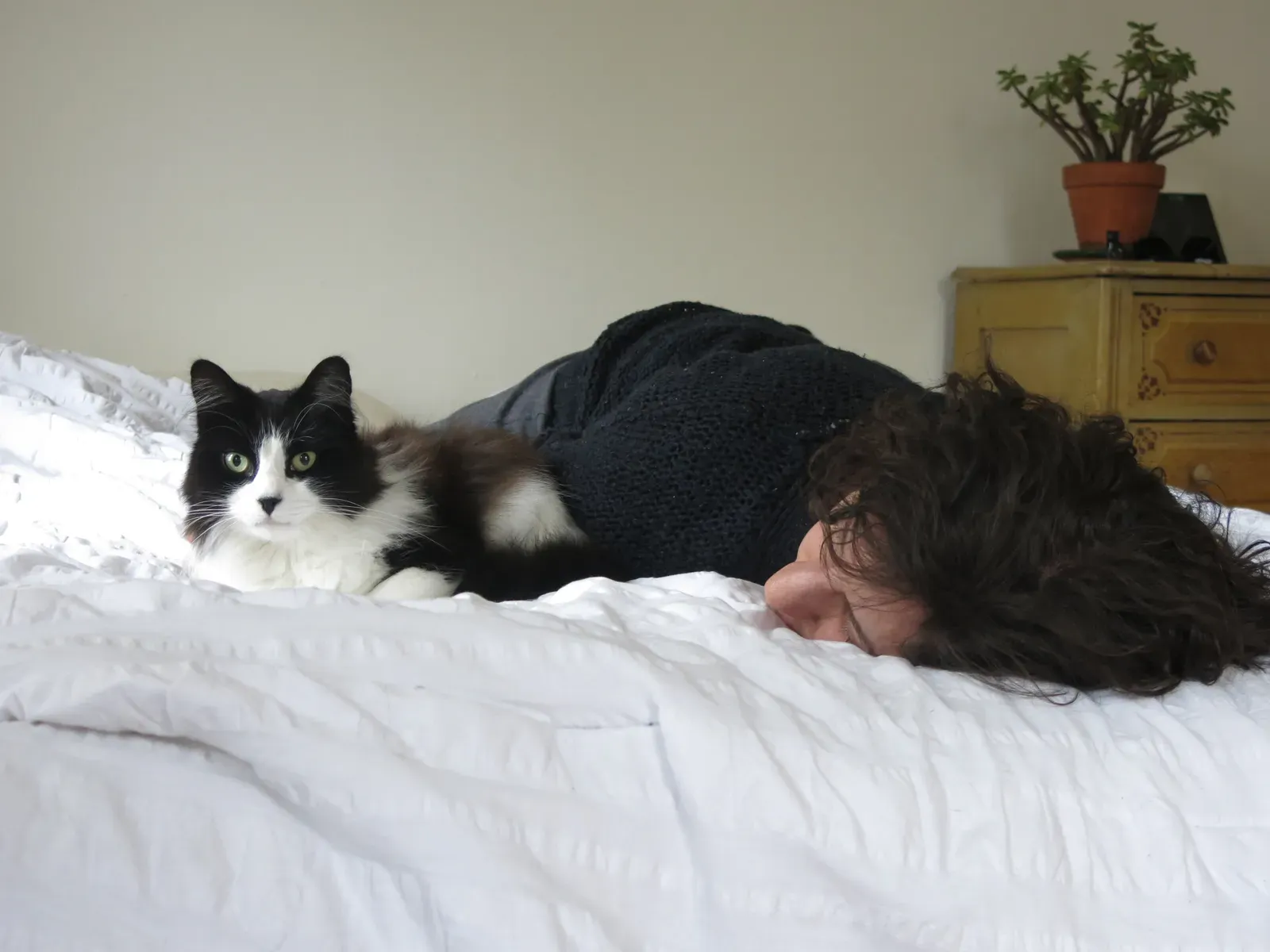
Many cat owners find that sleeping near a purring cat improves their sleep quality. The soft, rhythmic sound acts as a form of white noise, blocking out disruptive sounds and helping the brain enter a state of relaxation. It is a bit like having a living, breathing sound machine that also occasionally steals the blanket. The tradeoff, most cat owners would agree, is absolutely worth it.
People who suffer from insomnia or frequent nighttime awakenings may experience better sleep when accompanied by a purring feline companion. As the years go on and sleep becomes a more complicated negotiation with your own body, having that warm, steady presence beside you at night becomes less of a comfort and more of a genuine asset. It’s hard to say for sure how much of the benefit is the purring and how much is simply not feeling alone, but either way, it works.
7. You Grow a Stronger Sense of Purpose
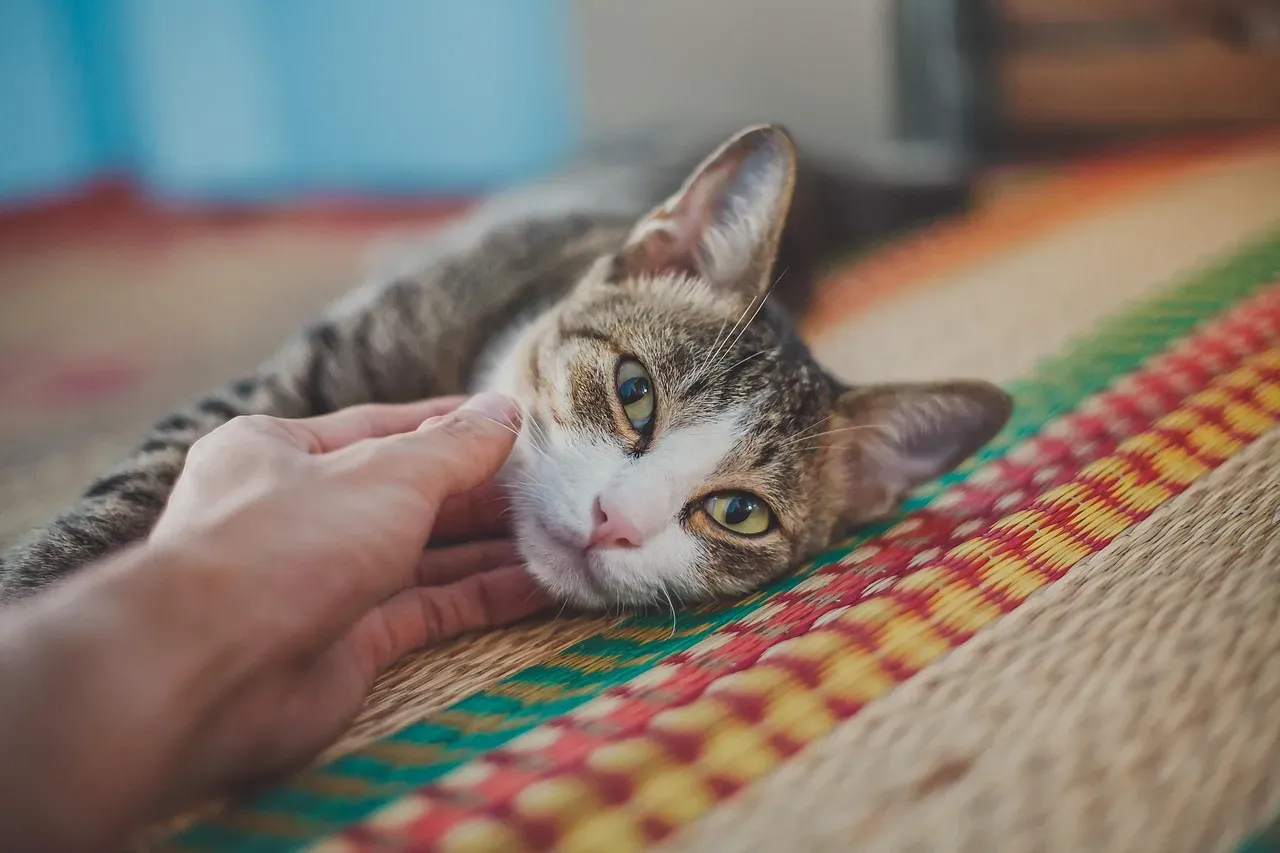
Pet ownership has been claimed to have mental health benefits such as a sense of purpose and meaning to life, management of emotions, increased ability to cope with difficult life situations, and a reduced risk to older adults developing mental health disorders associated with loneliness and depression. There is something grounding about being needed. Not in the heavy, exhausting way, but in the quiet, daily way a cat needs you.
Nurturing, a common expression of love and affection, is important for humans. Studies show that when people are no longer able to care for or nurture others, rates of depression go up and overall health declines. Cats are an outlet for people’s need to nurture another being. Your cat doesn’t know it’s doing any of this for you. It just wants its dinner and a warm spot. The purpose you find in that daily exchange, though, is completely real.
8. Your Cat Becomes Calmer, and So Do You
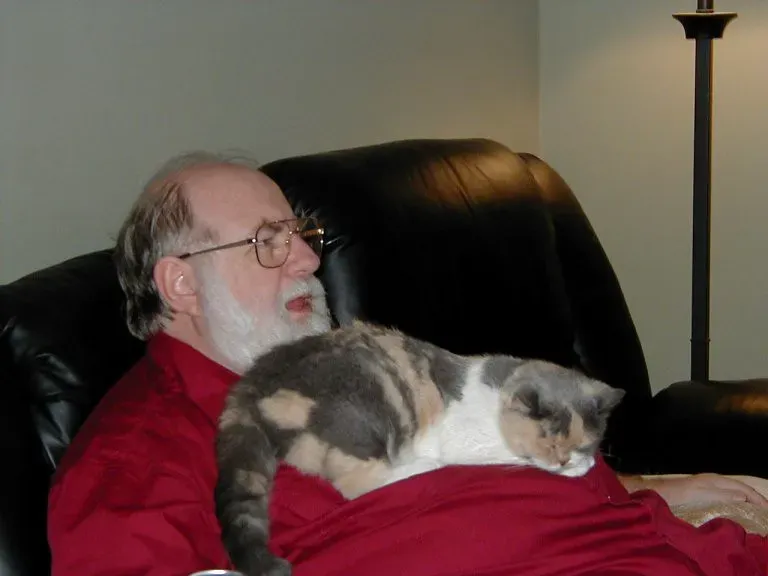
Mentally, senior cats tend to be more relaxed and content. They have accumulated a wealth of experiences and are generally less anxious or excitable. There is something almost philosophical about watching a senior cat. They have this quality that is hard to describe, like a creature that has made peace with the world. And somehow, that rubs off on you.
An older cat is likely to be a lot calmer, and happier to spend more time snoozing and cuddling up with you. If you started with a chaotic kitten bouncing off the walls at 3 a.m., the shift into a more serene companion is genuinely welcome. You both slow down together. You both find the same sunbeam. Let’s be real, that sounds like a pretty ideal way to age.
9. You Become a More Attentive Caregiver
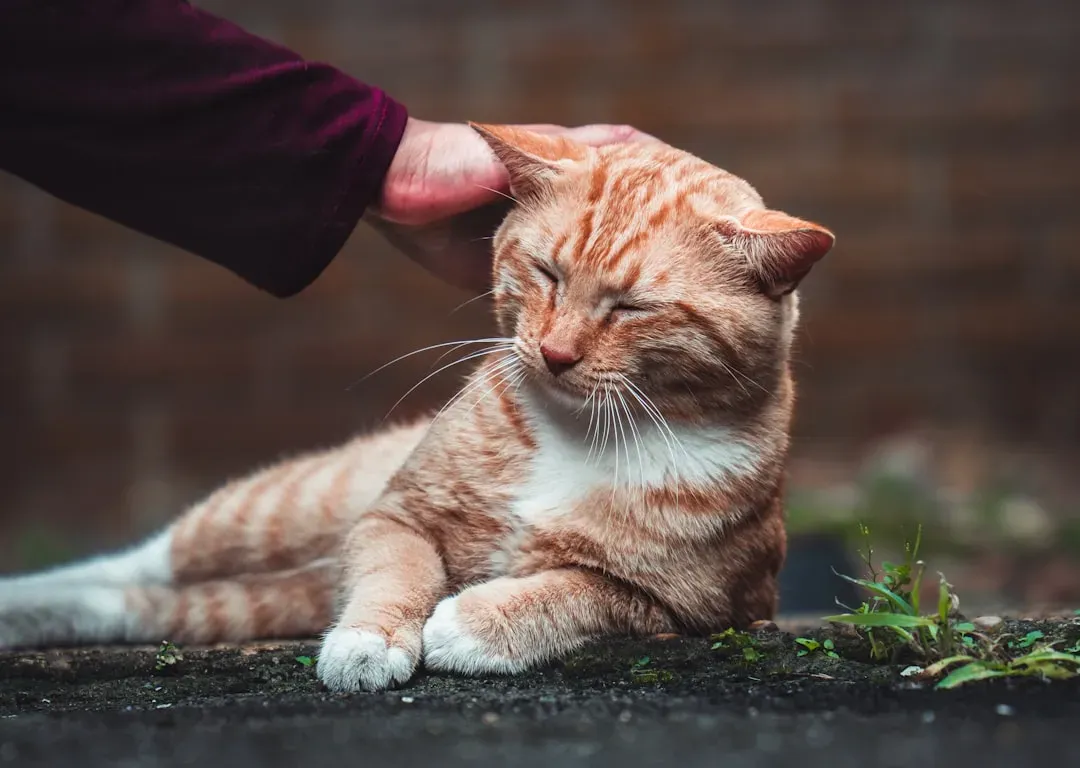
Many of the changes that occur with aging are not considered pathologic and do not negatively affect overall wellness or quality of life. However, ruling out disease is essential when attempting to determine whether an aged cat can be considered healthy. A clear understanding of the normal and abnormal changes associated with aging in cats can help make decisions regarding medical management and additional testing procedures. You get good at noticing. A slight change in how your cat walks. A shift in appetite. You become fluent in the language of small signals.
Because cats are adept at hiding illness until it is advanced or severe, it is important to take them regularly to the vet for wellness checks even if they seem perfectly healthy. This vigilance has a fascinating side effect. You start applying the same attentiveness to your own health, to the people around you. Caring deeply for a creature that cannot speak for itself quietly makes you a better observer of everything.
10. Your Home Transforms Around Both of You
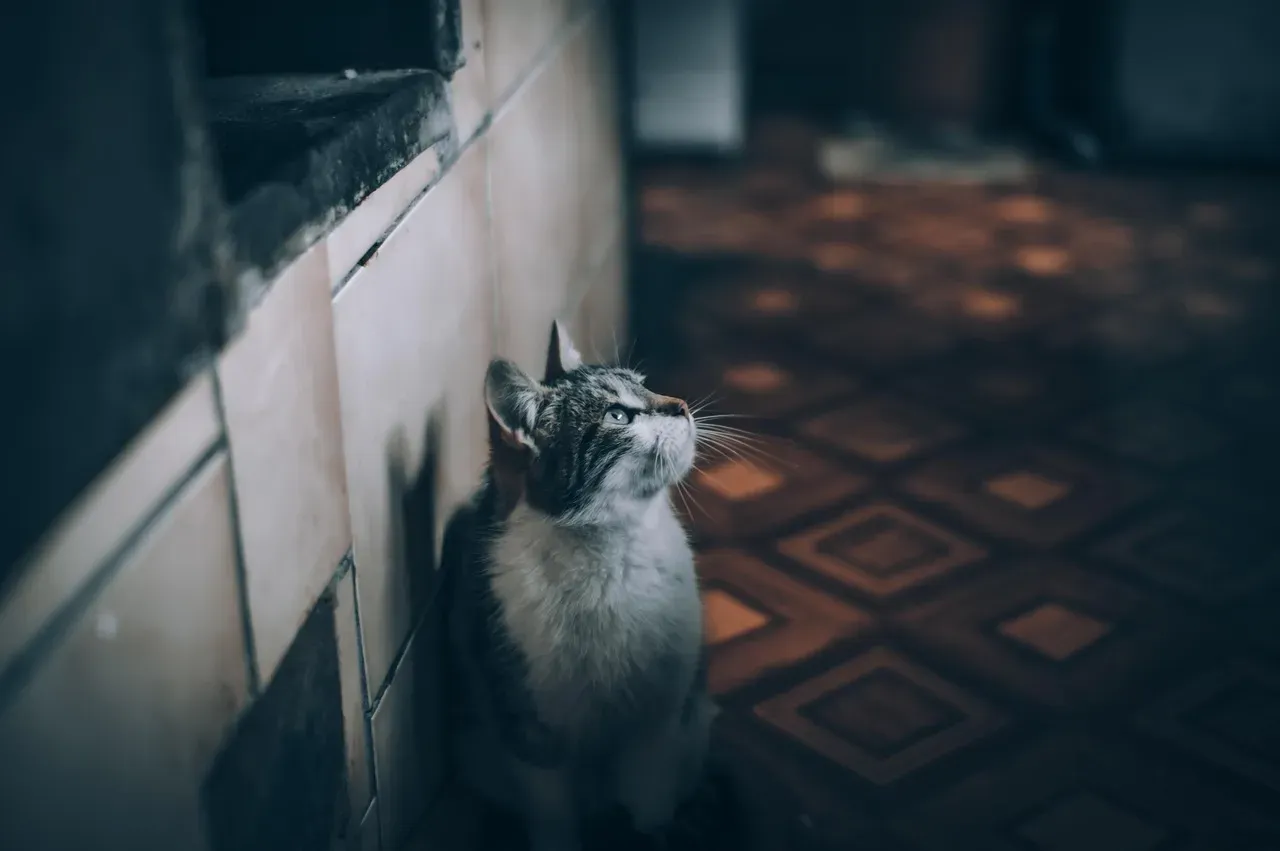
Older cats tend to be less active and playful, they may sleep more, gain or lose weight, and have trouble reaching their favorite places. Over time, you find yourself making small changes to your home that you barely even notice at first. A step here. A softer bed there. A ramp to the windowsill where your cat used to leap effortlessly.
Also important is ensuring all the facilities an older cat needs are easy for them to access. People may not realize that older felines with stiffer joints find it harder to climb up stairs or get up onto a high spot, which many cats love, so they need to think about adapting the environment to make it easier for an older cat to get about and access everything they need. Your home becomes a reflection of your relationship. It becomes softer, more considered, more deliberately comfortable. You accommodate each other. That’s really what growing older together looks like.
11. You Stop Taking Quiet Moments for Granted
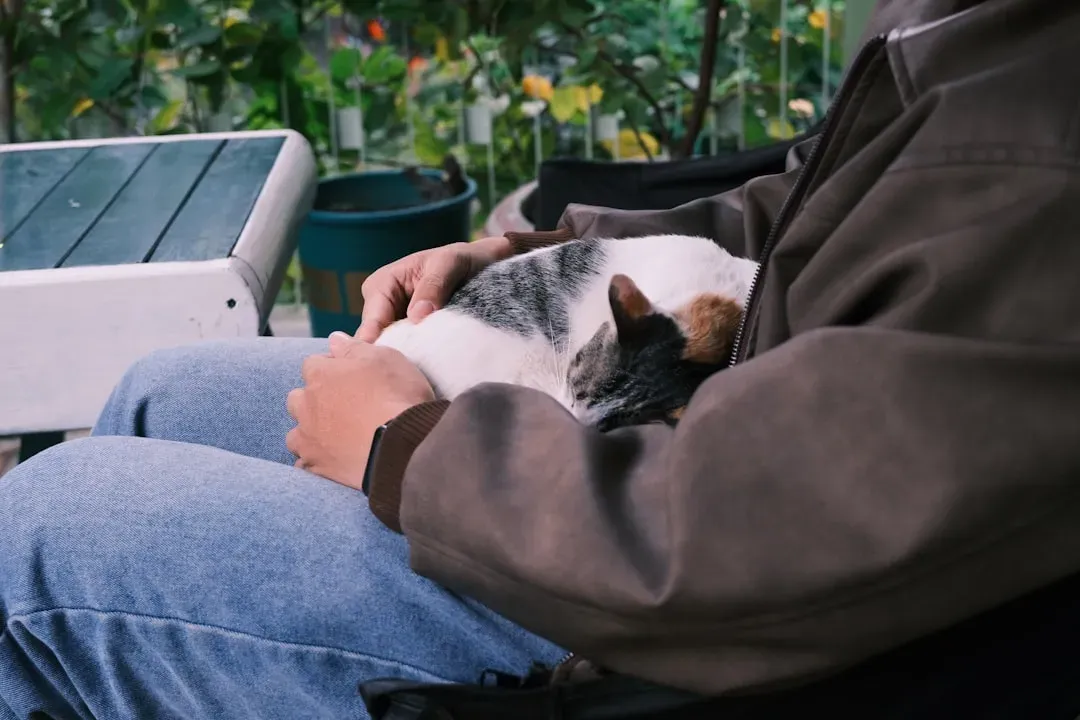
The repetitive sound of a cat’s purring has a calming, meditative quality that can reduce anxiety and promote mindfulness. When you live with a cat, you learn the art of sitting still without guilt. A cat on your lap is both a permission slip and a gentle anchor to the present moment. You cannot exactly rush off when there is a sleeping cat involved.
Over years of living alongside a cat, something shifts in the way you experience quietness. What once felt like doing nothing starts to feel like doing something essential. Your cat, magnificently indifferent to productivity culture, has been teaching you this all along. Honestly, some of the most valuable lessons I think people receive from their cats never involve a single word.
12. Your Social Connections Get an Unexpected Boost
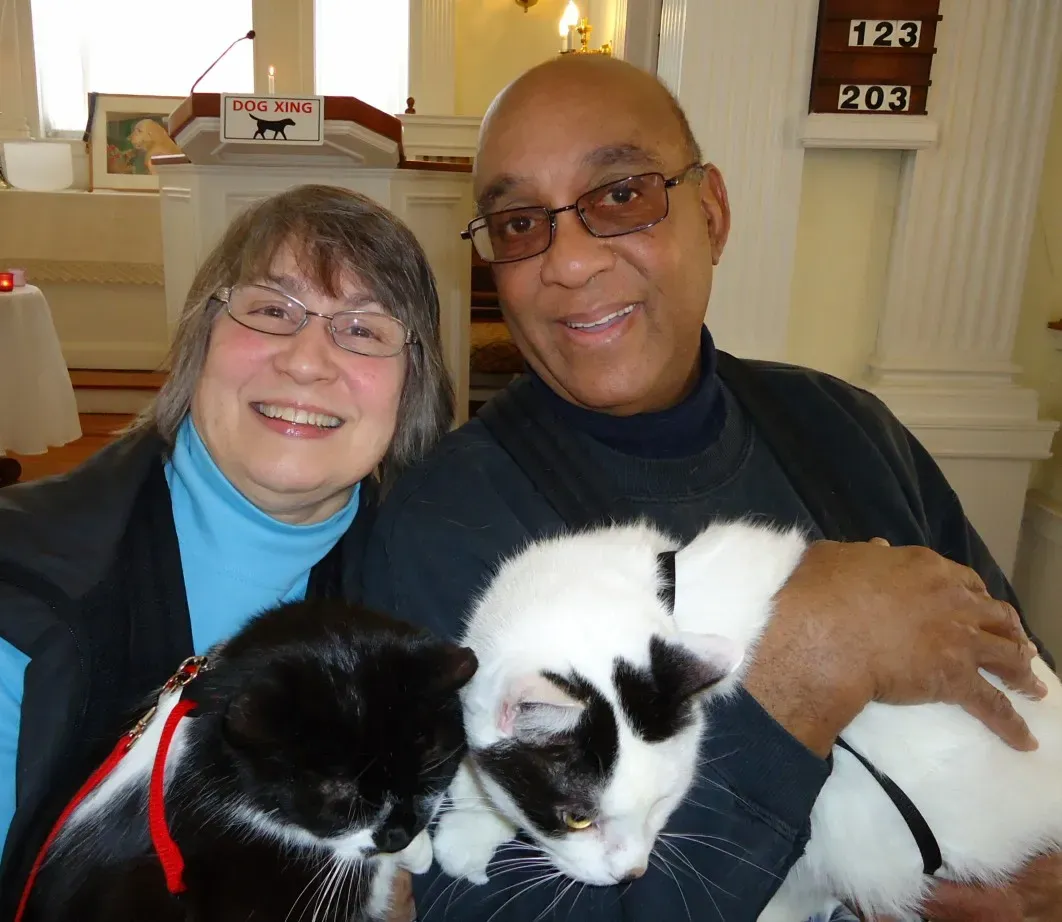
A pet can help you forge stronger social connections. Your animal friends give you a great reason to talk to others, whether it is during neighborhood walks, visits to the vet, or trips to the local pet store. They are excellent icebreakers, making it easier to meet new people and bond over shared experiences, and they can ease social anxiety by providing comfort and a sense of belonging. Mention your cat in almost any setting and suddenly there is a conversation. A photo exchange. A shared story.
Pets provided a source of purpose for a number of older adults as well as a conduit to increased social interaction with other pet owners. Your cat becomes, in a strange and lovely way, a social ambassador for you. It connects you to online communities, to neighbors, to veterinary staff who remember your cat’s name. That web of connection, built around one small animal, turns out to matter more than you ever expected.
13. You Both Navigate Vulnerability With More Grace
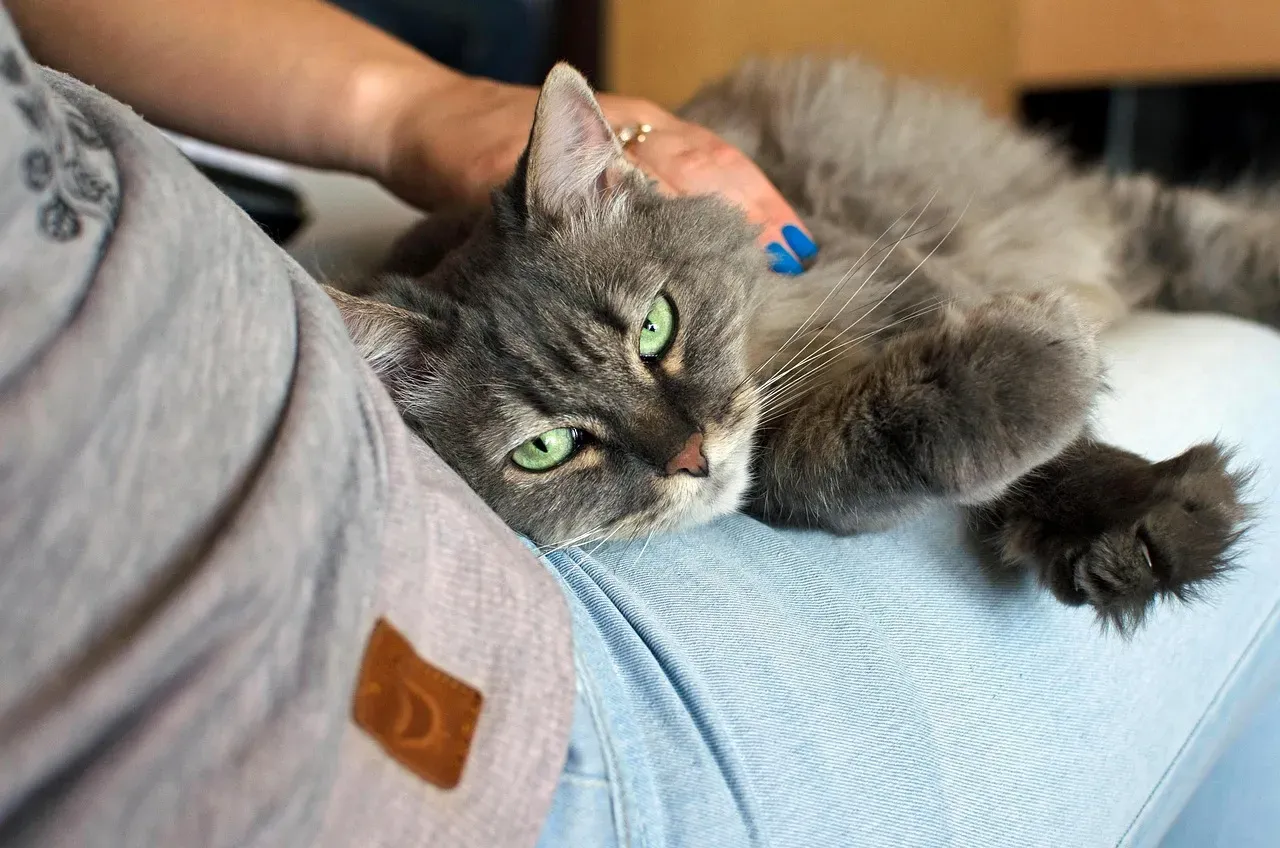
Aging cats typically experience changes in their immune response, with decreases in most white blood cell types and immune response in cats over age 10. This does leave them more susceptible to some infections compared to younger cats. Watching your cat age is not always easy. There are harder vet visits. Harder decisions. You witness vulnerability up close, and you learn to respond to it without turning away.
Successfully caring for a cat into their senior years is a wonderful achievement, and a cat in their senior years deserves the same level of care that they received as a youngster. Aging can be healthy or characterized by disease, so it is important to know what’s normal in order to identify abnormalities. That practice of showing up for a vulnerable being, of adapting, of advocating, teaches you something about your own aging that no book quite manages to capture. You grow through it.
14. Your Bond Deepens Into Something Wordless and Rare
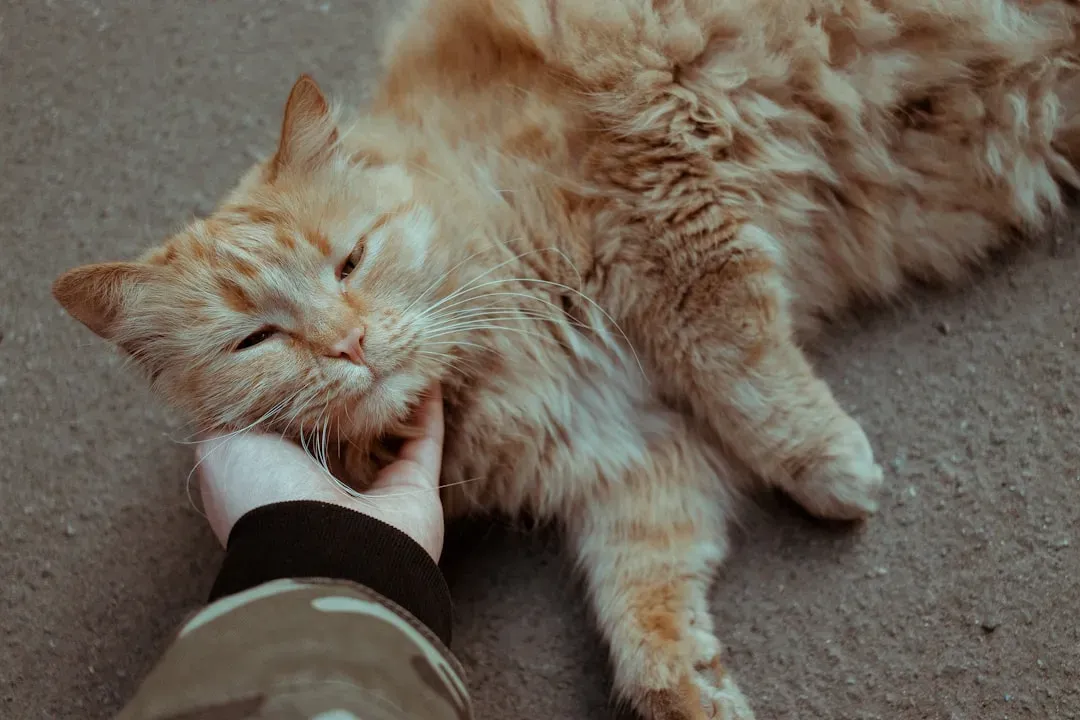
The bonds between cats and their human companions continue to strengthen during the adult stage. By the time you and your cat have spent a decade or more together, something remarkable has happened. You know each other’s rhythms. You know the particular meow that means discomfort versus the one that means impatience. Your cat knows the sound of your specific footsteps on the stairs.
Older cats cherish predictable days more than younger cats do. Just as we become set in our ways as we get older, cats do too. Some cats may need more emotional support as they age, while others may prefer to be left alone. The bond you build across years is not dramatic. It’s quiet and layered and incredibly specific. It belongs only to the two of you, and it deepens in ways that you probably won’t fully notice until the day you truly miss it.
15. You Gain a Profound, Personal Understanding of What Growing Old Means
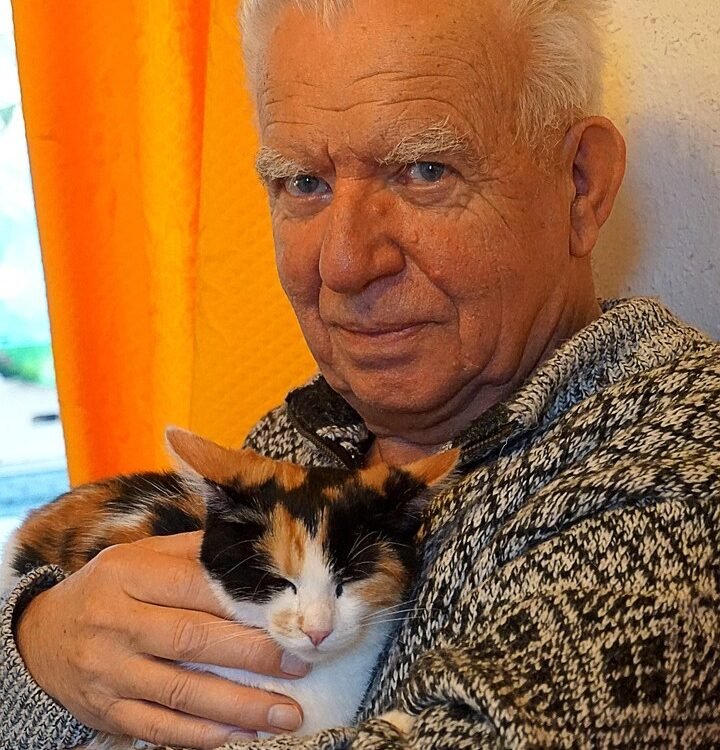
Aging refers to the natural and progressive series of life stages, beginning with conception and continuing through development, adulthood, and finally senescence. Although it is often misconstrued as such, aging is not a pathologic process, but rather comprises the normal time-dependent changes that occur during the life of every living organism. Today, it is generally accepted that healthy aging is achievable in both humans and animals, and should be promoted by effective health and wellness programs. Watching your cat age with dignity teaches you, in a very direct and personal way, that growing older is not a failure. It is just the next thing.
Senior cats are characterized by their grace and wisdom. They may develop graying fur, slower movements, and in some cases decreased sensory functions. These physical changes are part of the natural aging process, and while they may not be as agile as they once were, senior cats still exude a unique charm and elegance. You see that in your cat, and somewhere in the watching, you begin to believe it for yourself too. That might be the most quietly powerful gift a cat ever gives you.
Conclusion
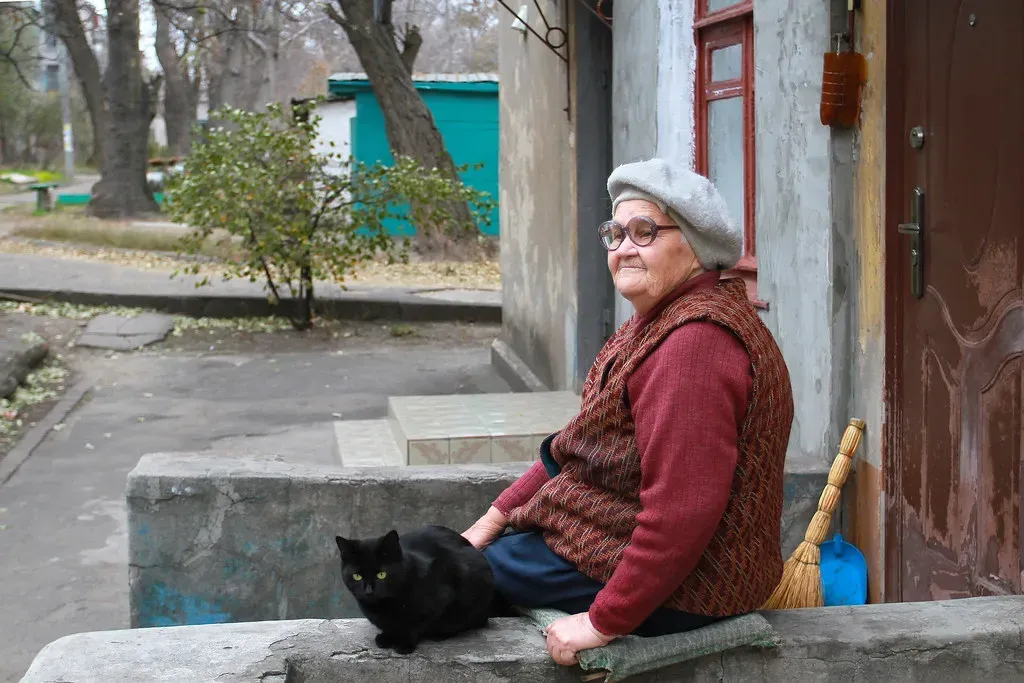
Growing older with a cat is one of those experiences that is almost impossible to fully explain to someone who hasn’t lived it. It’s not just pet ownership. It’s a long, unhurried conversation between two creatures who share a home, a routine, and eventually, the particular tenderness that comes from knowing each other across time. The science backs it up, from the heart health benefits to the reduction in loneliness to the therapeutic power of a purr. Yet the most meaningful parts live somewhere the studies can’t quite reach.
Your cat won’t give you a speech about resilience or purpose or gratitude. It will simply be there, warm and impossible and absolutely yours, while you figure all of those things out for yourself. And somehow, that is more than enough.
What aspect of growing older with a cat surprised you most? Share your story in the comments – because every cat relationship is its own quietly extraordinary thing.
Kristina is a young writer from India. An arts graduate and an avid content creator, Kristina is passionate about animals and wildlife. She enjoys exploring topics related to pet care, animal behavior, conservation, and nature, combining thorough research with engaging storytelling.