If you’ve ever lived with a cat, you already know the feeling. You’re sitting quietly on the couch, minding your own business, and suddenly your feline companion is staring at a blank wall with the intensity of a detective who just cracked a major case. Or maybe you’ve woken up at 3 AM to what sounds like a small horse galloping through your hallway. Cats are, without question, some of the most puzzling creatures that humans have ever chosen to share their homes with.
The thing is, behind every quirky habit your cat has, there’s a surprisingly fascinating story rooted in evolution, instinct, and even love. You just have to know where to look. Let’s dive in.
1. Kneading You Like You’re Fresh Bread Dough
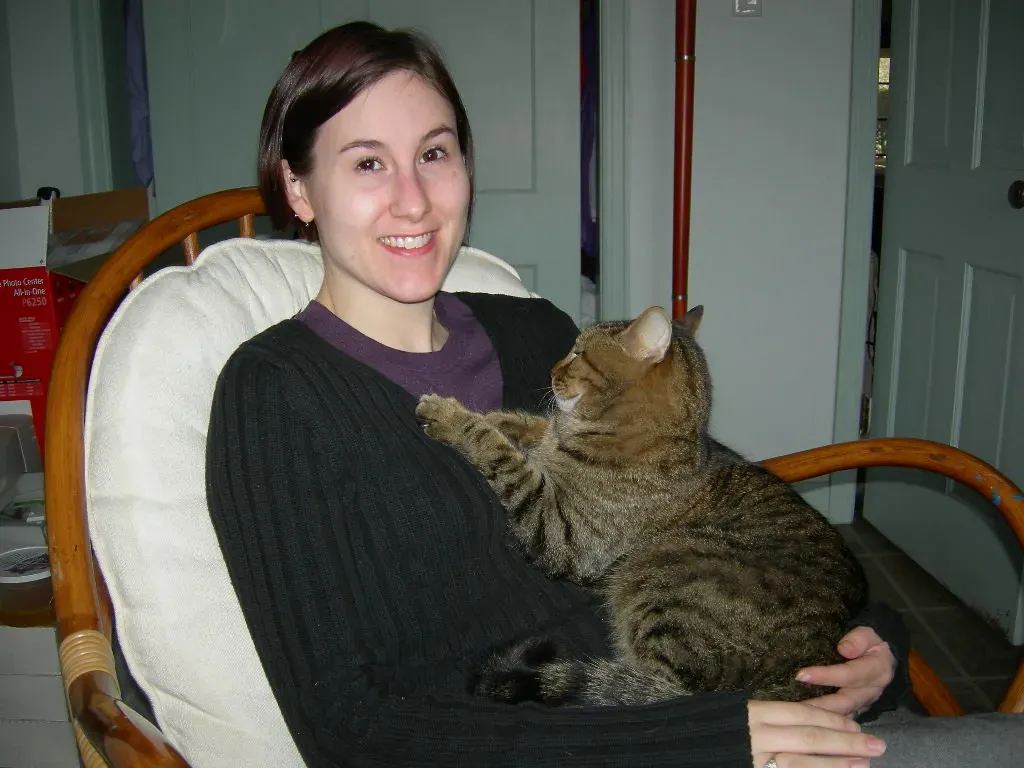
You’re settled in for a cozy evening, your cat climbs onto your lap, and then it begins. That rhythmic, almost hypnotic pressing of paws, in and out, in and out, like you’re some kind of living stress ball. This behavior originates from kittenhood, when your cat would knead their mother’s milk ducts around the teat to stimulate milk flow, and many cats continue this habit well into adulthood to self-soothe and express comfort.
Kneading also serves another purpose entirely – cats have scent glands in their paw pads, so by kneading you, they are actively marking their territory and reinforcing their claim on a particular space or person. So honestly, as uncomfortable as those little claws can feel, you should probably be flattered. You’ve been claimed.
2. The Midnight Zoomies That Defy All Logic
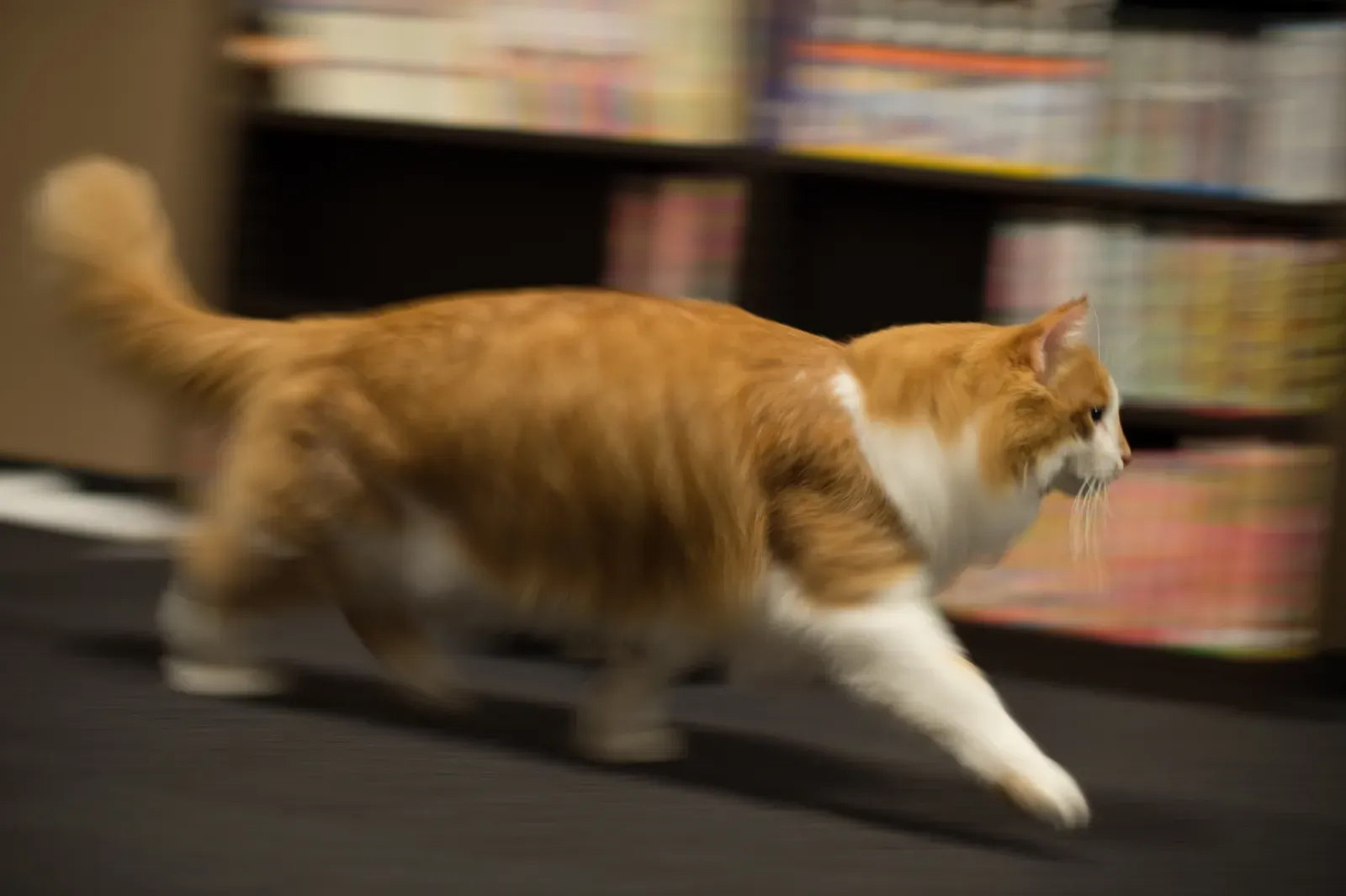
Scientifically known as frenetic random activity periods, or FRAPs, but colloquially known as zoomies, midnight crazies, or mad half-hours, these are random bursts of energy in which cats run frenetically, commonly in circles. You’re peacefully asleep, and then suddenly your cat has decided the entire apartment is a racetrack. Welcome to every cat owner’s 2 AM experience.
Zoomies are rooted in feline instincts. Cats are predators by nature, and even if they live indoors, they still have bursts of energy hardwired into their behavior. In the wild, a cat would stalk prey, chase it, and then rest. Indoor cats still feel these natural urges, and without hunting opportunities, they sometimes release pent-up energy in a sudden, high-speed dash around the house. Think of it like a pressure cooker with no outlet – eventually, something has to give.
3. The Slow Blink That Says “I Love You” in Cat
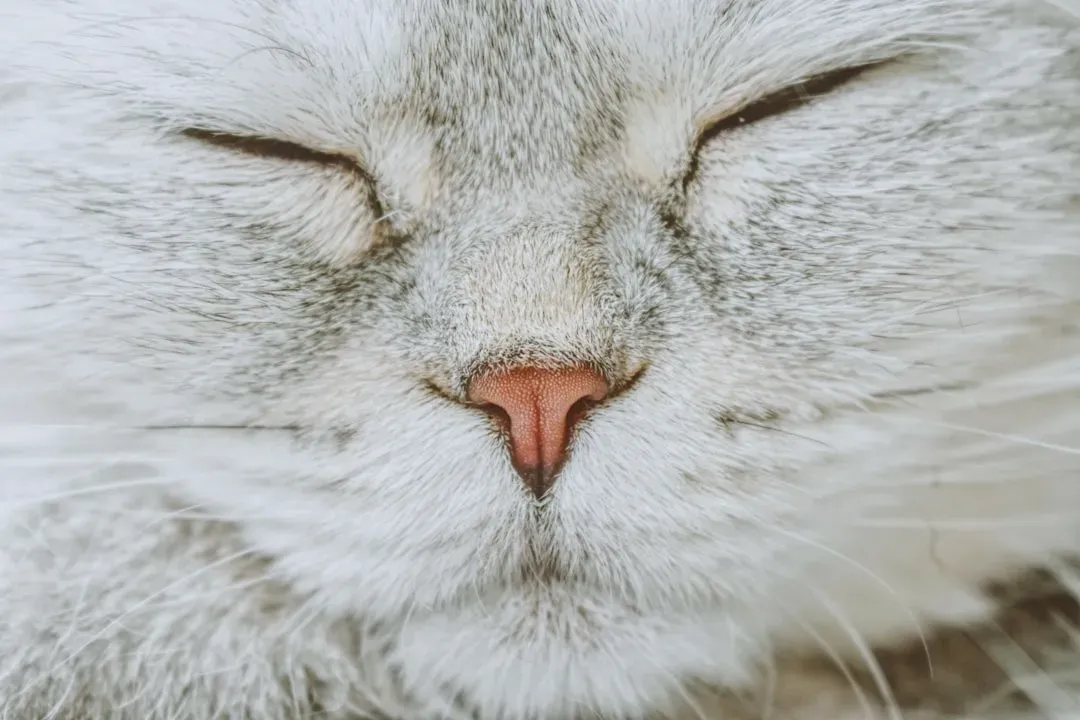
The slow blink is one of the ultimate signs of trust your cat can give you. Consider when an animal locks their eyes on prey or a rival – when your cat looks at you and slow blinks, they are relaxing their guard, and a cat in the middle of a slow blink is vulnerable at that moment. Honestly, I think it’s one of the most tender things an animal can do.
In a 2020 study, researchers found that cats were more likely to slow blink after their owners slow blinked at them. They took it a step further by leaving the cat alone with a researcher the cat didn’t know. The researcher slow blinked at the cat, which led to the cat approaching the researcher’s outstretched hand. When humans initiate the slow blink, they are telling the cat that they trust them, allowing the cat to form a positive association. Try it tonight – it genuinely works.
4. Headbutting You Straight in the Face
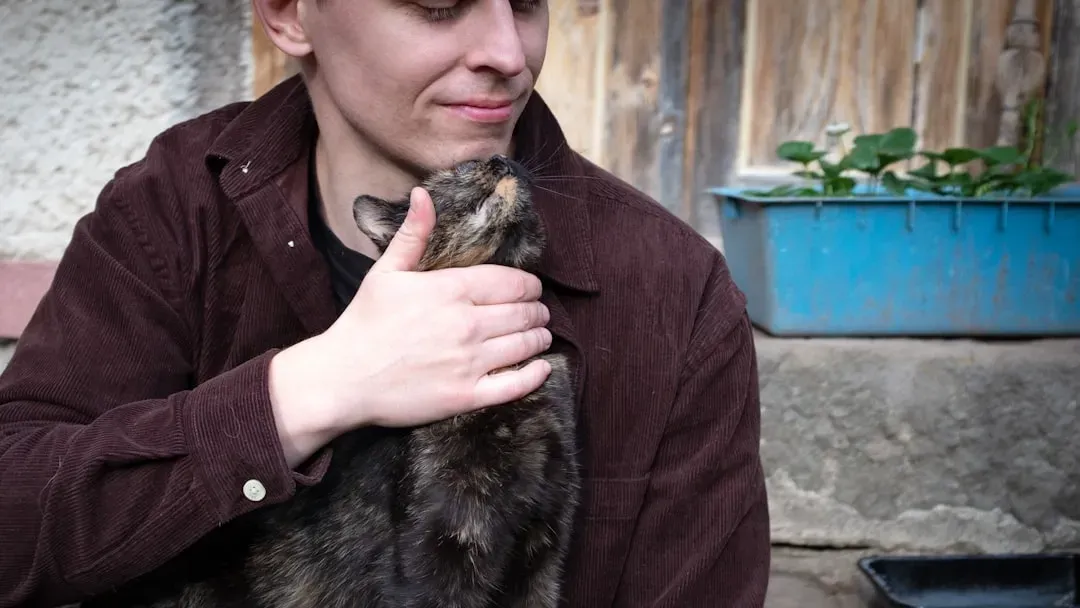
The short answer is that cat headbutting, also called bunting, is usually a friendly behavior where cats mark you with their scent to show bonding, comfort, and familiarity. It sounds odd when you put it that way, but being marked by your cat is essentially their version of wrapping you in a hug. In the wild, cats headbutt their fellow feline family members as a form of social bonding. Lions, for example, use bunting within their prides to reinforce connections and group cohesion. Domestic cats retain this behavior and extend it to their human families.
Headbutting may also serve as a comforting action for cats. Just as humans seek physical touch when feeling anxious, some cats use bunting as a way to self-soothe. If your cat headbutts you more often during stressful times – such as after a visit to the vet or when you’ve been away from home – it might be their way of seeking reassurance. So next time you get a solid skull-to-skull greeting, take it as the sincere love letter it is.
5. Obsessively Squeezing Into Tiny, Impossible Spaces
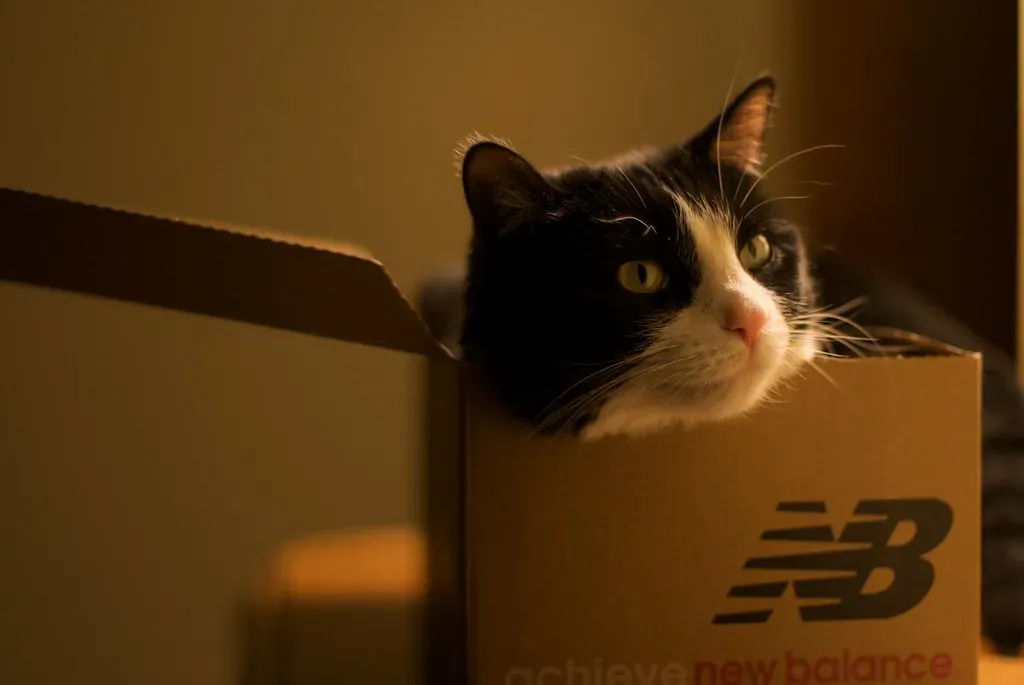
You spend good money on a plush cat bed. Your cat ignores it completely and decides the shoebox you were about to throw away is the perfect sleeping spot. Let’s be real – every cat owner has been there. Small spaces make your cat feel safe and secure. It really is that simple, and rooted in something ancient.
A cozy enclosure gives your cat a sense of safety and security. Their instincts tell them that a predator or rival can’t surprise them from behind, and as a hunter, they feel concealed from their prey. In addition, it’s simply more comfortable – a snug-fitting box contains warmth better than a roomy one with drafty space. With their flexible collarbone, shoulders, and spine, your cat can squeeze into some pretty tight spots. It’s like their own built-in security blanket, just shaped like your gym bag.
6. Knocking Things Off Tables for Absolutely No Reason
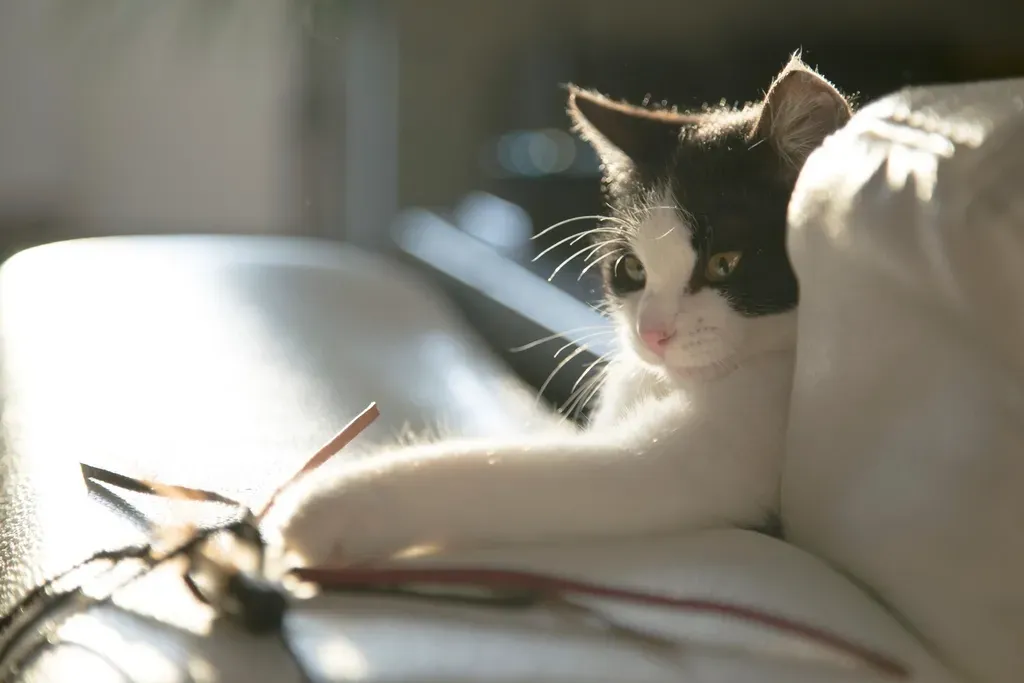
You make eye contact with your cat. They make eye contact with your favorite mug. A paw extends. The mug is gone. Cats knock things over due to instinct, boredom, or because it’s a learned behavior. Pet parents may unintentionally reinforce this behavior by responding when their cat knocks something over. Boredom is a major trigger, and environmental enrichment can help curb the behavior.
Cats are remarkably intelligent when it comes to understanding cause and effect, particularly regarding human behavior. If knocking something off a table consistently gets you to jump up, make noise, or rush over to them, your cat has learned a valuable lesson: this behavior works. Many cats discover that positive attention and negative attention both satisfy their need for interaction. Whether you’re praising them, scolding them, or simply engaging with them, you’re reinforcing the behavior. Mission accomplished, from your cat’s perspective. Every single time.
7. Bringing You Delightful “Gifts” You Absolutely Did Not Ask For
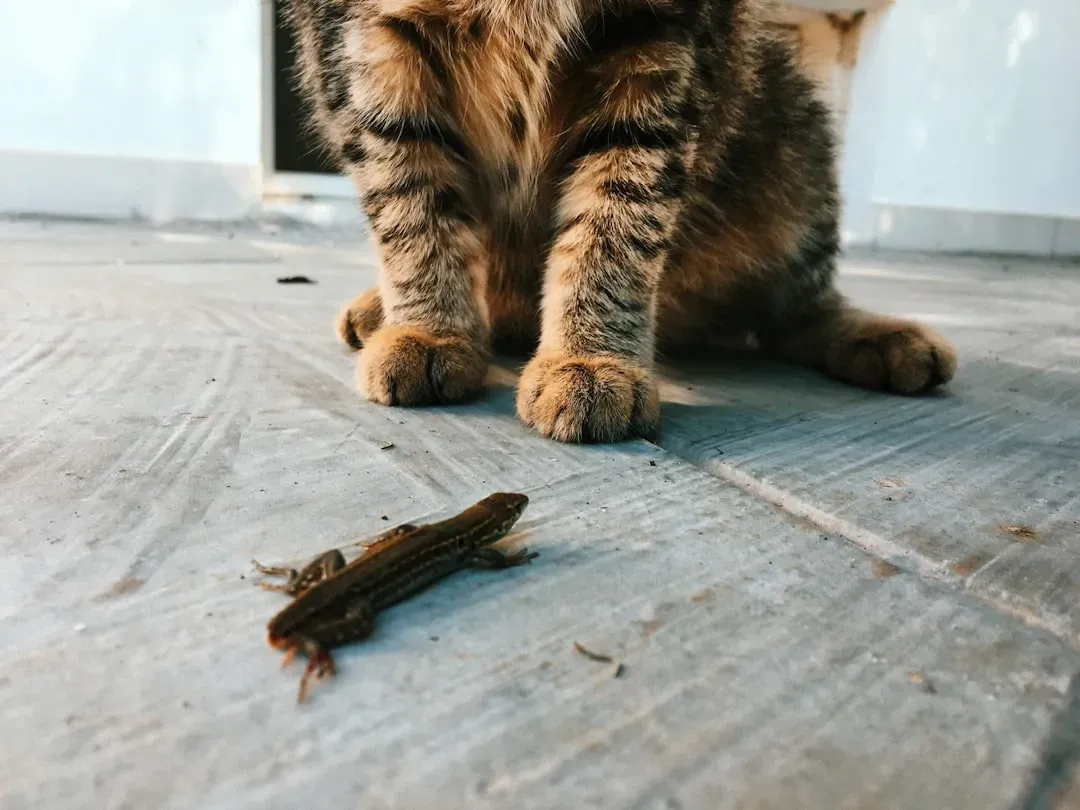
Nothing quite prepares you for the morning you wake up to find a small, lifeless creature placed beside your pillow like a love offering from a tiny, well-meaning assassin. Behaviorists have a few theories on why cats are persistent in leaving you their kills. Even though this habit may be perceived as a gross one, your cat is acknowledging you as a member of their group and sharing their hunting success with you. They could be thanking you for taking care of them, or perhaps you pay more attention to them when they generously bring you rodents, birds, or insects.
Cats play with their littermates and mothers as kittens and remember those times fondly, so bringing you toys is a sign that your cat considers you family. It’s oddly touching, when you think about it. If your cat brings you toys, it could be for a variety of reasons – it might be a sign that they’re bored and want to play with you. Whether the gift is a sock, a toy mouse, or something from the garden, the message is the same: you matter to them.
8. Drinking From the Faucet Instead of Their Bowl
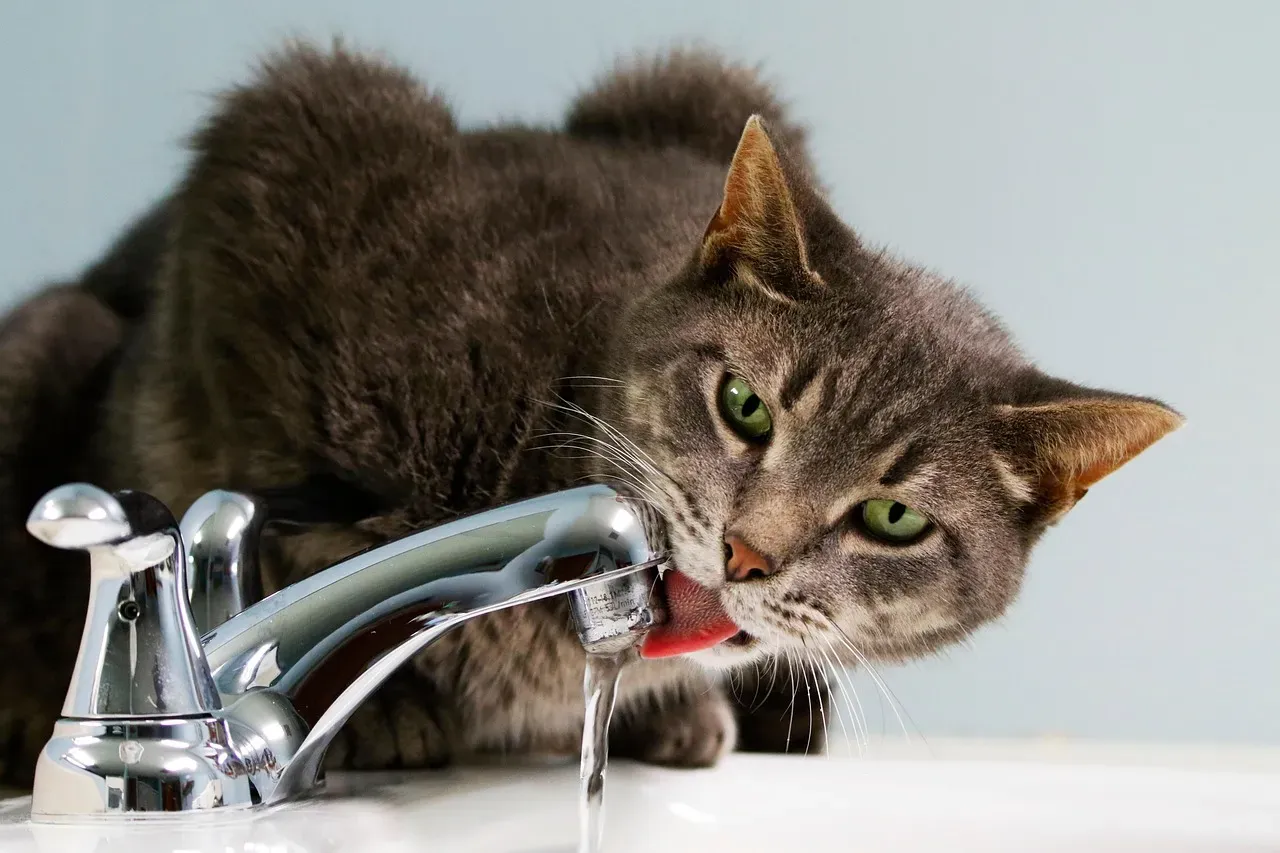
You fill their bowl with fresh water. You place it in the perfect spot. Your cat walks directly past it, jumps onto the sink, and stares at you until you turn the tap on. It’s almost comedically stubborn. This behavior may actually originate from your feline’s wildcat ancestors. Out in the wild, it’s safer to drink from running water sources such as a river than a stagnant water source that could be home to bacteria and other contaminants. Guess your cat is just playing it safe!
It’s hard to say for sure, but that ancient survival instinct hasn’t faded, even if your cat has never been within a hundred miles of a natural river. Normal eating and drinking behavior in cats varies widely due to their unique personalities and preferences. Typically, cats consume food in small, frequent meals throughout the day. The faucet preference is just one more reminder that beneath that fluffy, domestic exterior, there is a very opinionated little predator with a strong opinion about water quality.
9. Staring at Blank Walls Like They See Something You Can’t
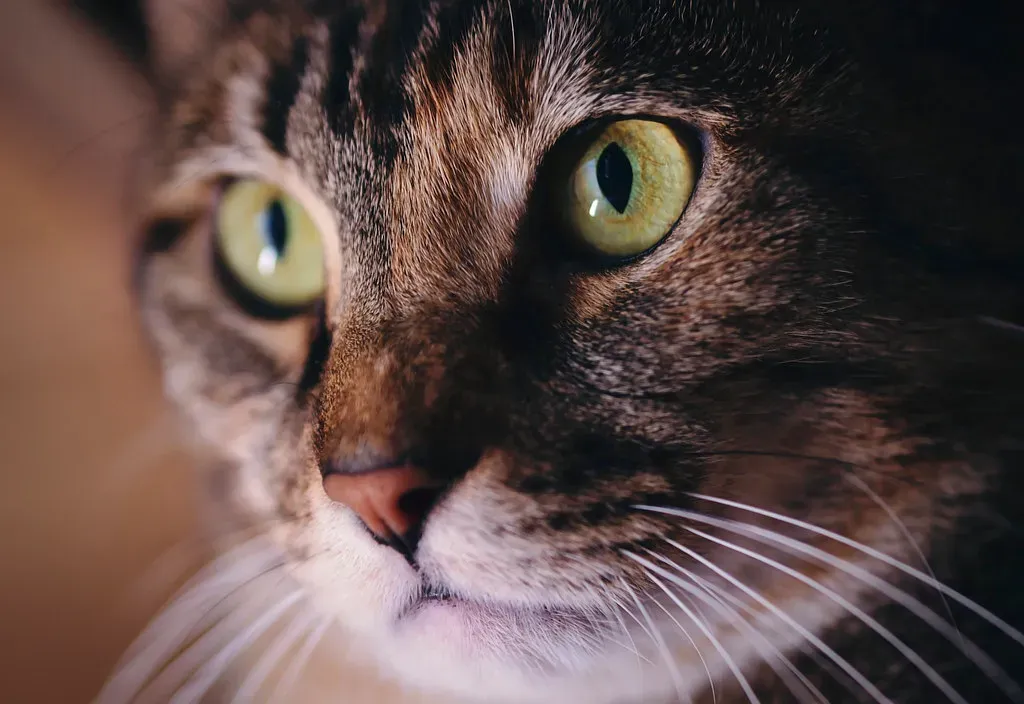
You’re watching TV, your cat is sitting perfectly still, eyes fixed on an empty corner of the room with the laser focus of someone watching a thriller. Is it a ghost? Is it a spider too small for your eyes to see? Surprisingly, research has shown that a notable portion of people struggle to recognize signs of an unhappy cat. Cats can be subtle, and their reactions may not always be obvious. That wall-staring is no different – your cat is almost certainly picking up on something real.
Cats have sensory abilities that are simply beyond what humans can detect. Their hearing range is far broader than ours, meaning they can easily detect the sound of an insect moving inside a wall or the faint rustle of a rodent in a neighboring room. There’s still so much we don’t know about cats and their behaviors. The wall staring, I think, is one of those humbling reminders that your cat is experiencing a version of the world that is far richer and more detailed than anything you can perceive.
10. Sitting on Your Laptop, Book, or Newspaper the Moment You Need It
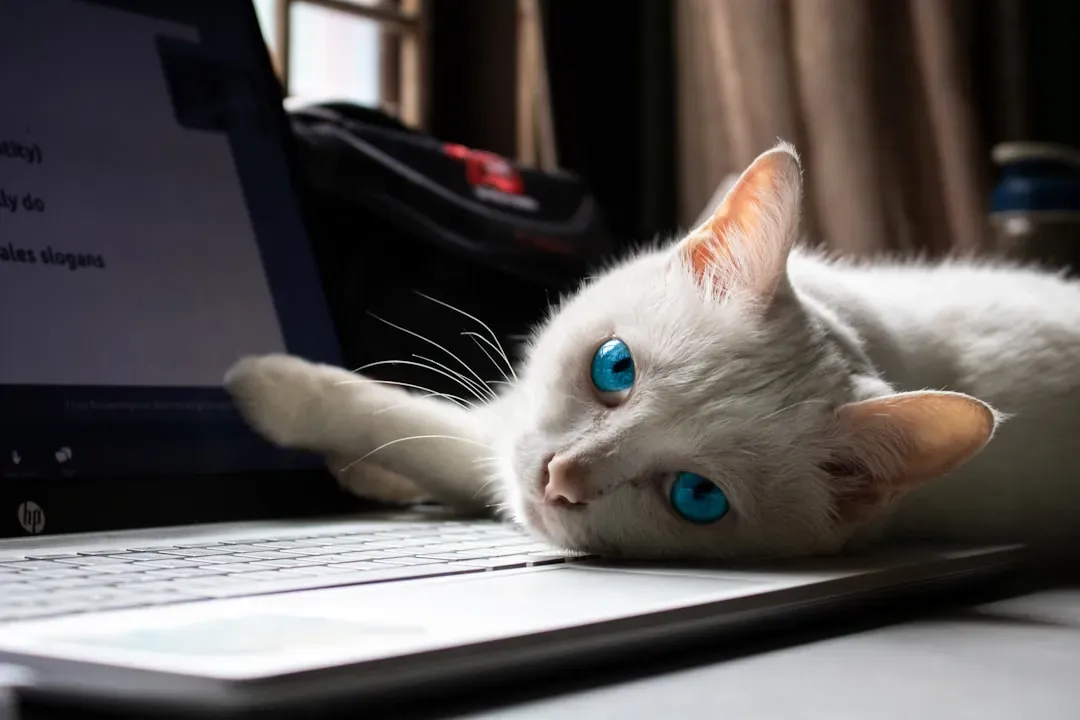
You open your laptop to finally get some work done. Within seconds, your cat is sitting on the keyboard, staring at you with a calm, unblinking expression that seems to say: “This is mine now.” If your cat frequently sits on your laptop, book, or laundry, it’s likely because these items carry your scent, and your cat wants to claim them as their own by mixing their scent with yours, while also directing your attention away from work and onto them.
Cats are naturally crepuscular, meaning they are most active at dawn and dusk. But just because your humble house cat isn’t in the wild doesn’t mean they don’t have the same powerful instincts! During the day, when your attention is split between screens and tasks, your cat is wired to want engagement. Sitting on whatever you’re looking at is, frankly, genius. It’s the most efficient attention-grabbing strategy in the animal kingdom, and it works every single time.
Conclusion: Your Cat Is Not Weird. They’re Just Magnificently Themselves.
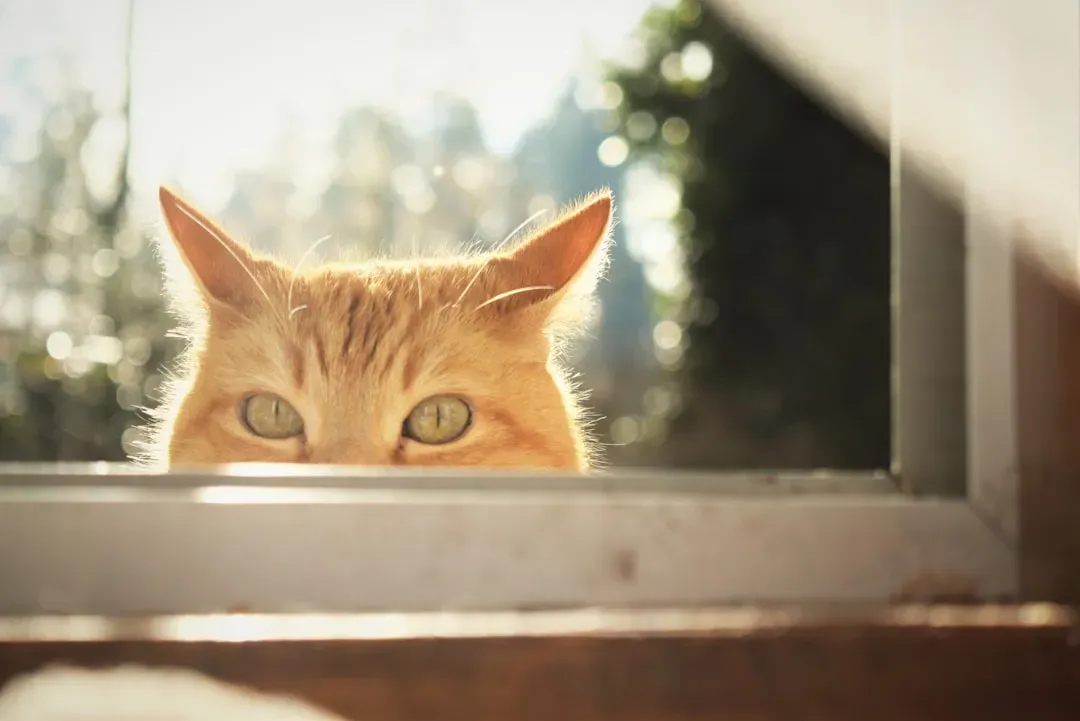
Here’s the thing about cats – the more you understand their quirks, the more fascinating they become. What looks like random chaos is actually a beautifully complex communication system built from millions of years of instinct, evolution, and adaptation. Cats are endlessly intriguing animals, known for their independence, intelligence, and sometimes downright baffling behaviors. While many cat parents have come to accept their feline’s quirky antics as part of the charm, some of these behaviors have deep-rooted explanations linked to instinct, evolution, or communication. By understanding these peculiar habits, we can better understand our cats’ needs, emotions, and interactions with their environment.
Every slow blink, every midnight sprint, every “gift” left on your pillow is your cat speaking their own language – and now, you speak a little more of it. Scientists are even building comprehensive cat databases, like the Darwin’s Cats project, aiming to enhance our understanding of feline behavior and genetics. So the next time your cat does something utterly bizarre, pause before you roll your eyes. You might just be witnessing something ancient, instinctive, and surprisingly meaningful.
Which of these habits does your cat have? Drop your answer in the comments – we’d love to hear what your feline overlord has been up to.
Kristina is a young writer from India. An arts graduate and an avid content creator, Kristina is passionate about animals and wildlife. She enjoys exploring topics related to pet care, animal behavior, conservation, and nature, combining thorough research with engaging storytelling.