Cats have been living alongside humans for thousands of years, yet they remain one of the most misunderstood animals on the planet. You probably think you know your cat pretty well. You feed them, you watch them sleep in seventeen different positions, and you’ve learned which spots make them purr. But honestly, there’s a good chance you’ve been reading them all wrong.
The myths surrounding feline behavior run surprisingly deep, shaped by centuries of folklore, pop culture caricatures, and old-fashioned guesswork. Despite the growing preference for cats as companion animals, beliefs and misperceptions about them remain common, and cultural and sociodemographic factors can heavily influence the way cats are kept and cared for. The good news? Science is catching up. Let’s dive into 14 of the biggest cat behavior myths that experts have put to rest, once and for all.
1. Cats Are Loners Who Don’t Need Social Interaction
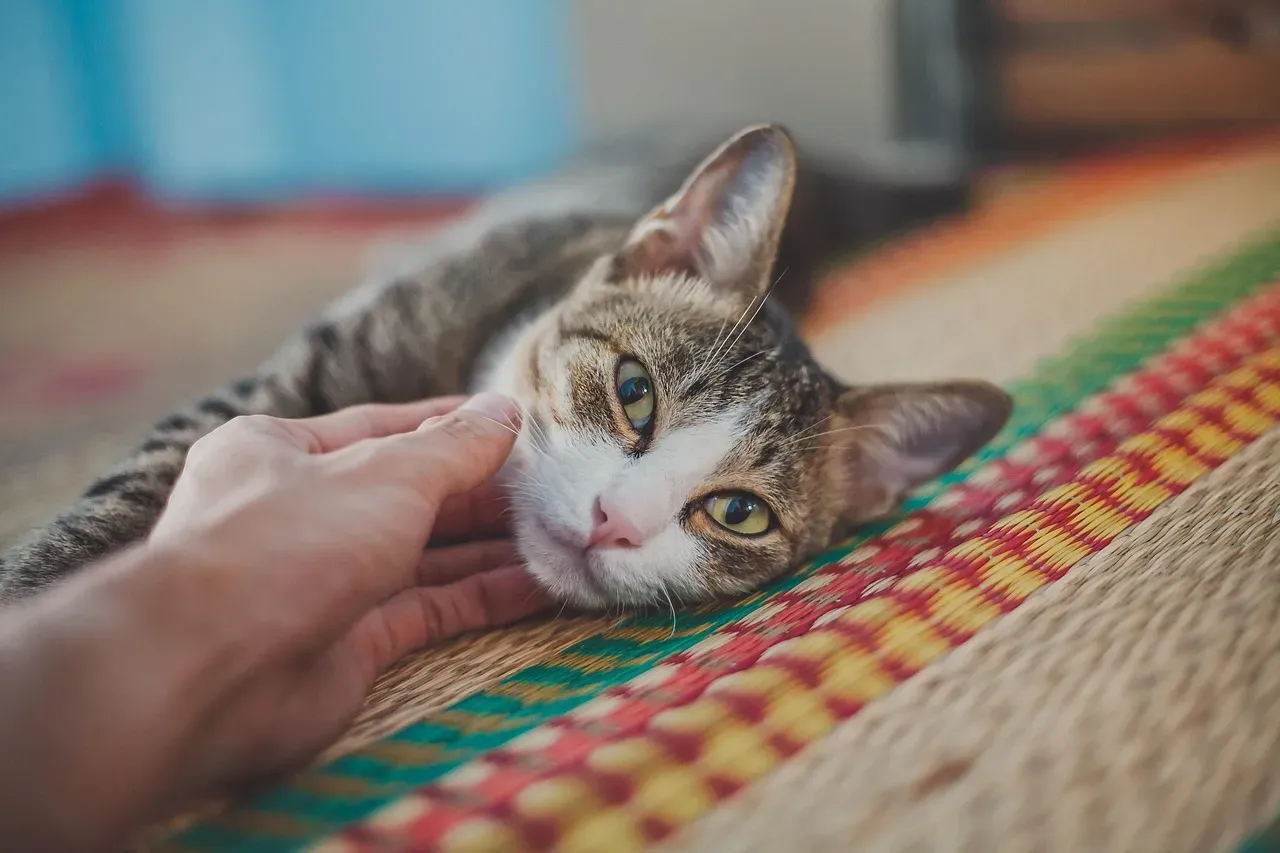
This is perhaps the most stubborn myth of all, and it does real damage. You might have adopted your cat thinking you were getting a low-fuss, emotionally independent creature who just wants a warm spot and a food bowl. The truth is that domestic cats are not universally antisocial. Rather, they are facultatively social, meaning their social behavior is flexible and heavily influenced by genetics, early development, and lifetime experiences.
Cats can experience genuine distress when their social needs in relationships with humans are not met. Think of it this way: just because your cat doesn’t follow you around the house like a golden retriever doesn’t mean they don’t care. They care deeply, just on their own terms. Ignoring that need is a recipe for a stressed, unhappy animal.
2. Cats Don’t Bond With Their Owners the Way Dogs Do
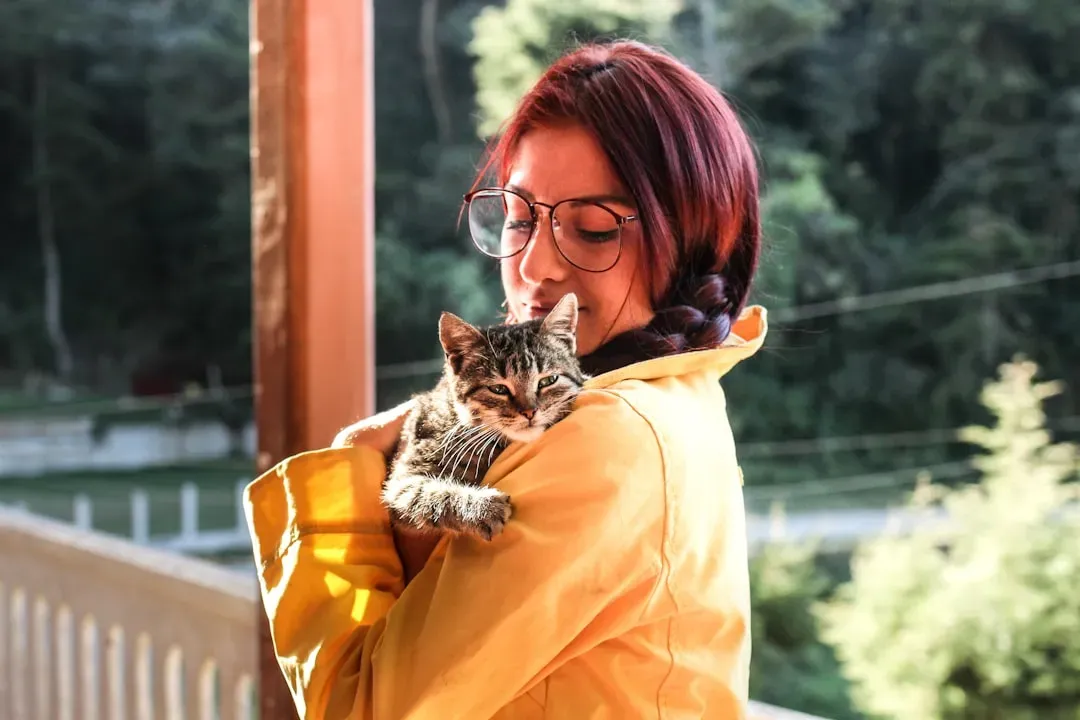
Here’s the thing: this one gets under my skin every time I hear it. The idea that cats are incapable of forming real emotional bonds is not just wrong, it’s been disproven in controlled scientific settings. Researcher Dr. Kristyn Vitale published findings showing that cats develop attachments to their caregivers much the same way dogs do. In the study, cats were placed in an unfamiliar environment, spent two minutes with their human caretakers, then two minutes alone, followed by a reunion. Cats with a secure attachment to their caregivers showed reduced stress while the caregiver was present.
The study concluded that the majority of cats use humans as a source of comfort, and that attachment to humans may represent an adaptation of the offspring-caretaker bond in both dogs and cats. You are not just a can opener to your cat. You are a source of genuine security. That’s worth knowing.
3. Cats Are Completely Self-Sufficient and Low Maintenance
Myths, anecdotes, and narratives of cats as low-maintenance, self-sufficient animals are pervasive, and the degree to which these may underlie complacency about fully meeting cats’ needs is unknown. This misconception is genuinely harmful, and it quietly affects the welfare of millions of cats every day. You might be providing food and water and thinking that’s enough. It isn’t.
While cats have a reputation for being independent, they need just as much care as dogs do, including regular vet visits, daily exercise, mental enrichment, and plenty of positive attention. Cats need stimulation. They need play. They need you to notice when something feels off. Treating them like furniture that occasionally moves is a recipe for behavioral problems down the road.
4. Purring Always Means Your Cat Is Happy
Every cat owner has felt that quiet satisfaction when their cat curls up and starts purring. It feels like approval, like love, like everything is right with the world. It’s common knowledge that purring indicates a happy, content kitty, but the truth is far more complex. Cats do purr when relaxed and comfortable, but they also purr to self-soothe when stressed, sick, or in pain.
Cats may purr in situations including anxiety, stress, or pain, using it as a self-soothing mechanism to alleviate discomfort or communicate with their human caregivers. Some cats even purr when hungry or seeking attention. Understanding the context and accompanying body language is key to deciphering what a cat’s purring really means. So next time your cat purrs, take a moment to look at the whole picture, not just the sound.
5. Cats Are Nocturnal Animals

You’ve been woken up at 3 AM by your cat racing across the bed, knocking things off shelves, or yowling at something invisible in the hallway. It feels very nocturnal. But here’s a surprising truth you might not have expected: cats are not nocturnal. They are actually crepuscular, meaning they are most awake at dusk and dawn, because their natural prey is most active during those times.
Birds and mice are very active at dawn, and cats evolved to take advantage of this by developing the ability to see in low-light conditions, getting the bulk of their hunting done while it’s mostly but not entirely dark. If your cat’s evening activity is a problem, consider a play session right before bed followed by a small feeding, which can recreate the natural hunting cycle and help them settle in for the night. That 3 AM chaos? Redirectable. Totally.
6. A Single Cat Is Always Lonely and Needs a Companion

People often bring a second cat home thinking they are doing their resident cat a favor. Sometimes that works out beautifully. Other times, it turns into a months-long cold war between two animals who want absolutely nothing to do with each other. A frequently encountered myth is that all singly kept cats are lonely and could benefit from having another cat brought home. While some cats may indeed benefit from feline company, domestic cats have diverse social compositions that include both solitary and social group structures, and many factors like access to resources and early socialization influence whether cats will enjoy or merely tolerate each other.
It’s important to understand that cats are individually variable in their desire for and tolerance of social interactions with other cats. Not every singly kept cat is lonely. Some cats form pair bonds and benefit from a feline companion, while for others, the presence of an additional cat may actually be stressful. You know your cat better than anyone. Trust what you observe, not the assumption.
7. Cats Can’t Be Trained

Let’s be real, this one is almost offensive to cats. The notion that training is strictly a dog thing has stuck around far too long. It is a misconception that training is not possible or relevant for cat welfare. In fact, cats are highly trainable, as evidenced by the world record for tricks performed by a cat in one minute being 26. Twenty-six tricks. In sixty seconds. Impressive is an understatement.
With some patience and positive reinforcement, your cat can learn all sorts of tricks and good manners. Short, fun training sessions work best, and when your cat displays the requested behavior, rewarding them with a treat or toy encourages the learning process. One practical behavior experts recommend training is teaching your cat to go inside its carrier, which can decrease stress associated with vet visits and could prove lifesaving in an emergency.
8. Cats and Dogs Are Natural Enemies

Cartoons have done an excellent job cementing this idea into collective memory. Tom and Jerry. The scratching, the chasing, the endless back-and-forth. But nature is a lot more nuanced than Saturday morning cartoons. Despite the stereotypes, many cats and dogs can learn to live together peacefully, and some even develop strong friendships and bonds. The key is patience and positive reinforcement, starting by keeping them separate and letting each pet get used to the other’s scent.
Researchers have even observed nose-to-nose sniffing between dogs and cats in shared homes, a common affiliative behavior among felines. That’s bonding behavior, not aggression. It turns out the biggest factor in how cats and dogs get along often comes down to how early and carefully the introduction was handled, not some ancient species grudge.
9. Scratching Furniture Means Your Cat Is Being Destructive on Purpose
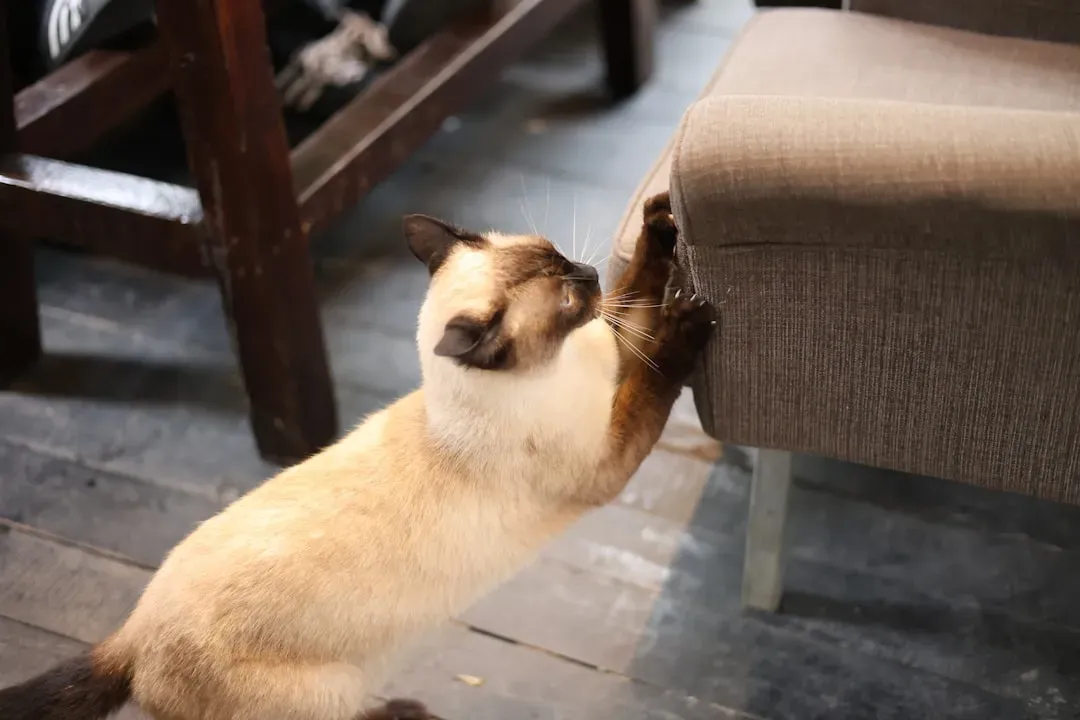
You come home to find your sofa arm in shreds and your first instinct is betrayal. Your cat did this intentionally to spite you, right? Not even close. One common misconception is that cats are “out for revenge” when they destroy household items, but these behaviors are usually part of normal investigation and play. Scratching is largely a marking behavior that deposits scent from special glands on the cat’s paws into their territory and removes the worn outer casing from the claws.
Cats don’t scratch simply to be destructive. Cat nails grow in layers, and scratching helps shed the outer sheath. Cats also have scent glands in the pads of their feet, and they scratch to mark the area with their scent. So the real question isn’t how to stop them from scratching, it’s how to redirect that completely natural urge toward something that isn’t your couch. Scratching posts, sisal rope, and flat cardboard surfaces work wonders.
10. Declawing Is a Simple and Harmless Solution to Scratching
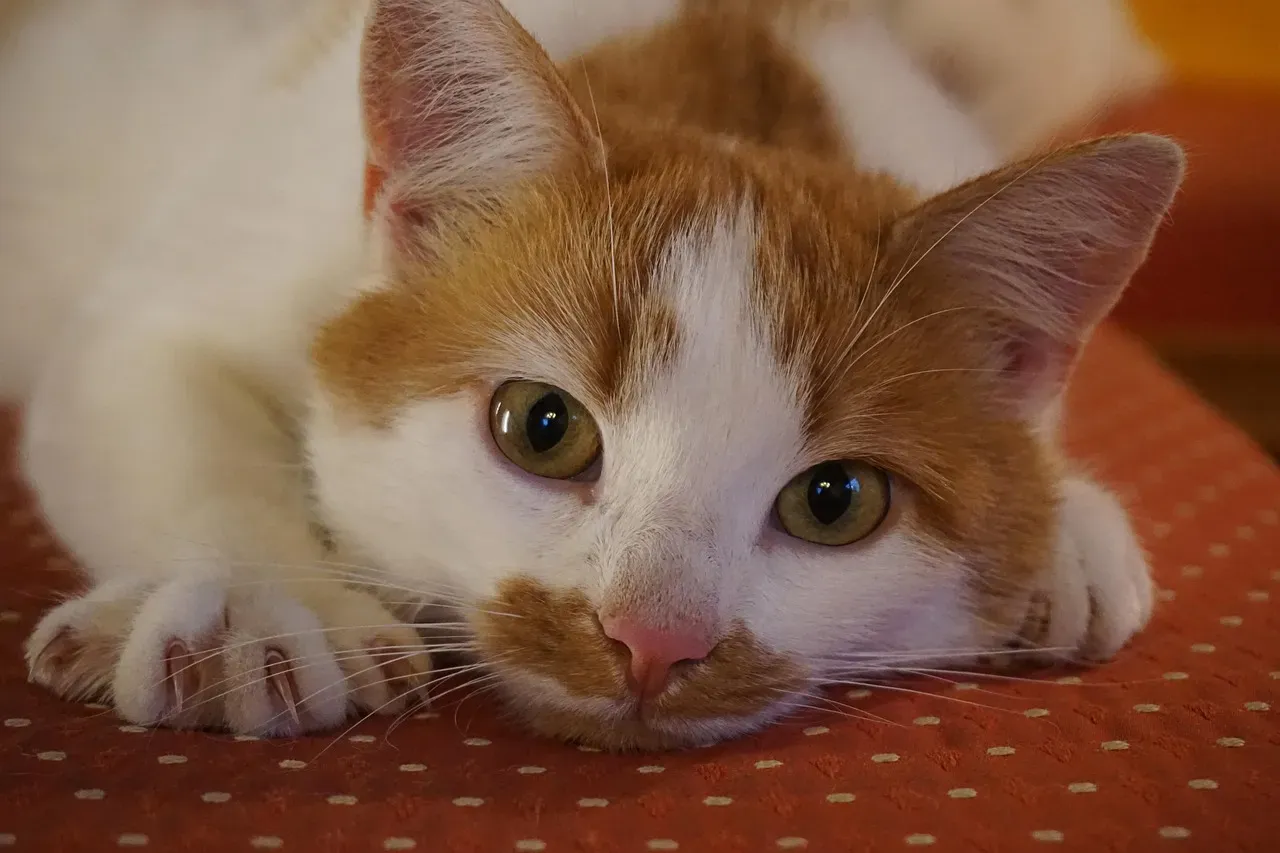
This myth belongs in a category all its own. It has caused real, lasting harm to countless cats, and experts are unambiguous about it. Declawing is not a simple nail removal, as most people assume. It involves an actual amputation of the digit, roughly comparable to removing a human finger at the first knuckle, and is an extremely painful procedure with a very stressful recovery period.
Declawing can cause significant discomfort and alter a cat’s gait, sometimes leading to long-term problems such as arthritis or posture misalignment. During recovery, movement can be painful, and some cats develop sensitivity or anxiety related to their paws, which can lead to elimination outside the litter box. Because the behavior behind scratching is instinctive and natural, declawing does not solve the underlying reason for it, and a cat that cannot scratch may still try to mark or find an outlet for stress in other ways, such as biting. There are far better options, and they start with understanding why cats scratch in the first place.
11. Cats Don’t Experience Separation Anxiety
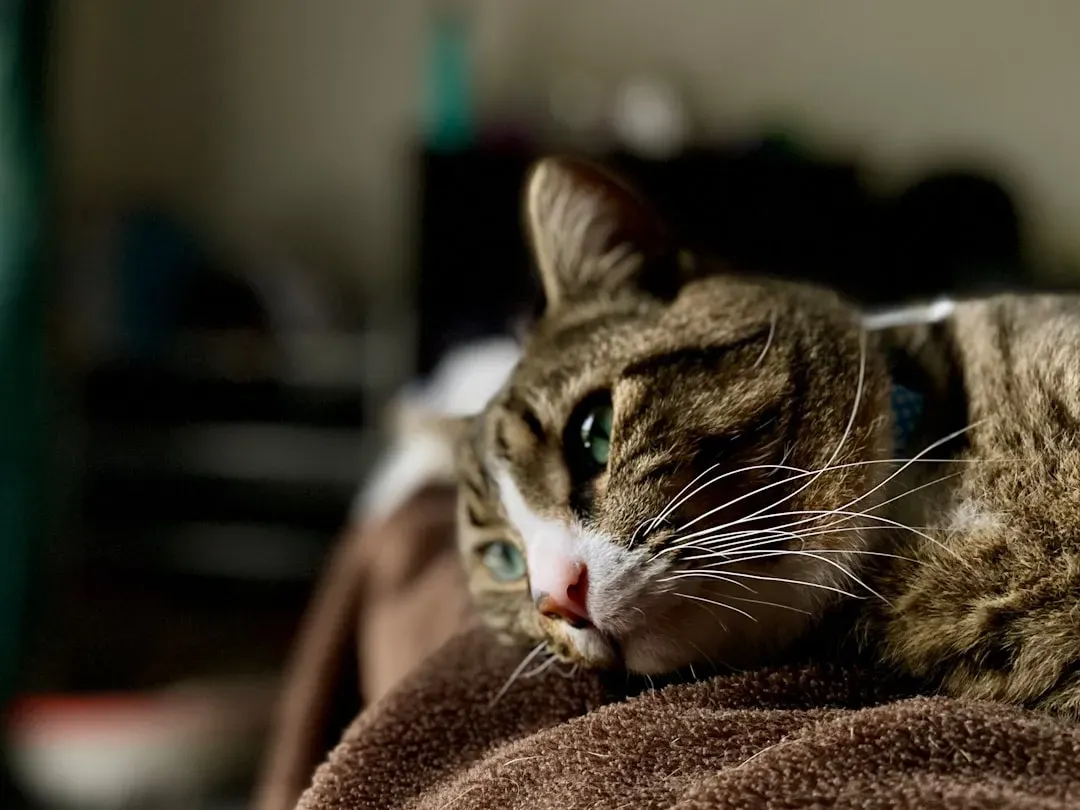
You’ve probably never worried about leaving your cat alone for a few days. You set out extra food, fill the water bowl, and assume they’ll be just fine stretched out on the windowsill while you’re away. Many people misjudge cats as loners and believe they can leave them home alone for days with just an automatic feeder and water, but expert behaviorists confirm that cats can experience separation anxiety just like dogs, craving attention and loving having their family around, even if they don’t show it in obvious ways.
Separation can be genuinely stressful for cats. Separation anxiety in cats may manifest in behaviors such as urination and defecation outside of the litter box, vocalization, vomiting, excessive grooming, lack of appetite, or an exuberant greeting when you return. If your cat acts strange after you’ve been away, that’s not weirdness. That’s them telling you they missed you.
12. Cats Love Milk and Dairy Products

The image of a cat lapping at a saucer of milk is one of the most iconic images in pet culture history. It’s on greeting cards, in children’s books, in old movies. It’s also, unfortunately, completely misleading. The iconic image of a cat lapping from a bowl of milk is just that, an image. In reality, it’s also a terrible idea, as the majority of cats are lactose intolerant.
This is one of those cases where a charming cultural image quietly led generations of well-meaning owners to give their cats something that could genuinely upset their digestive systems. Milk is not a treat for most cats. It’s a guaranteed stomach ache. If you want to give your cat something special, stick to high-quality wet food or a species-appropriate snack. Your cat’s gut will thank you.
13. Cats Always Land on Their Feet
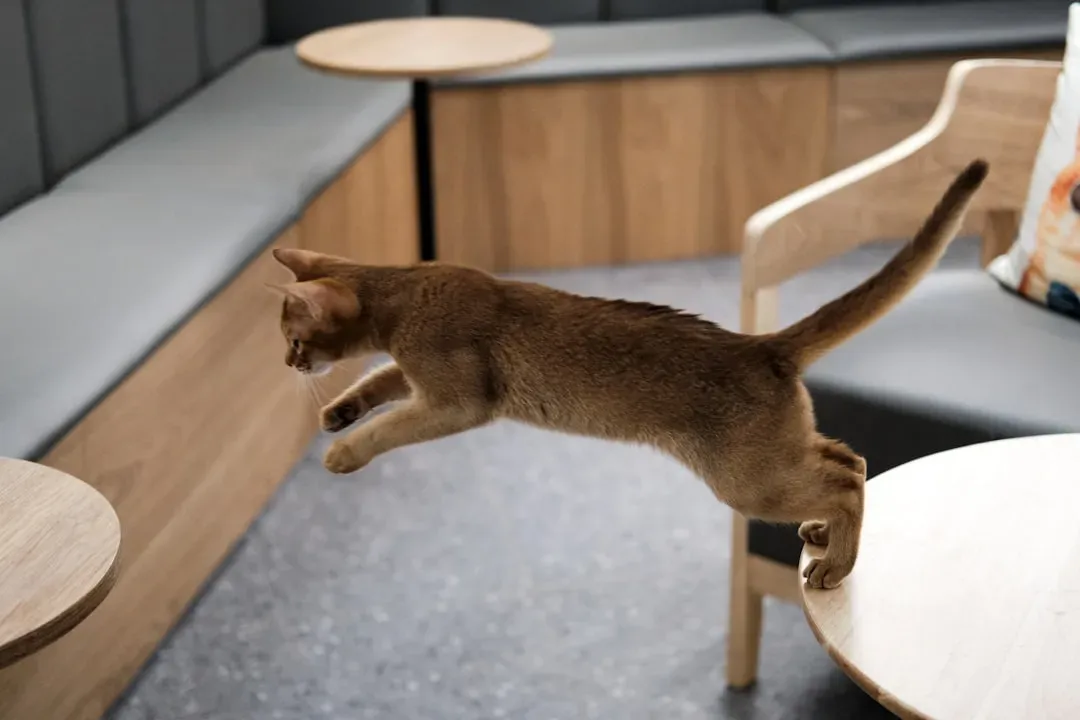
This one sounds like harmless trivia. And sure, there’s a kernel of truth in it, which is probably why it has survived so long. The misconception that cats always land on their feet may stem from the cat’s righting reflex, an internal balancing system combined with a very flexible backbone that allows them to twist mid-fall. Cats also have a vestibular apparatus in their inner ears that enables them to sense which way is up. However, these systems are not foolproof, and during a short fall, a cat may not have enough time to react.
Even cats that do land on their feet are not immune to injury. The “cats always land safely” myth has led some people to underestimate the real danger of falls from windows, balconies, and high shelves. I think this is one of those myths that sounds reassuring but can lead to genuinely dangerous situations. A cat’s righting reflex is impressive. It is not invincible.
14. Cats Don’t Need Regular Veterinary Care
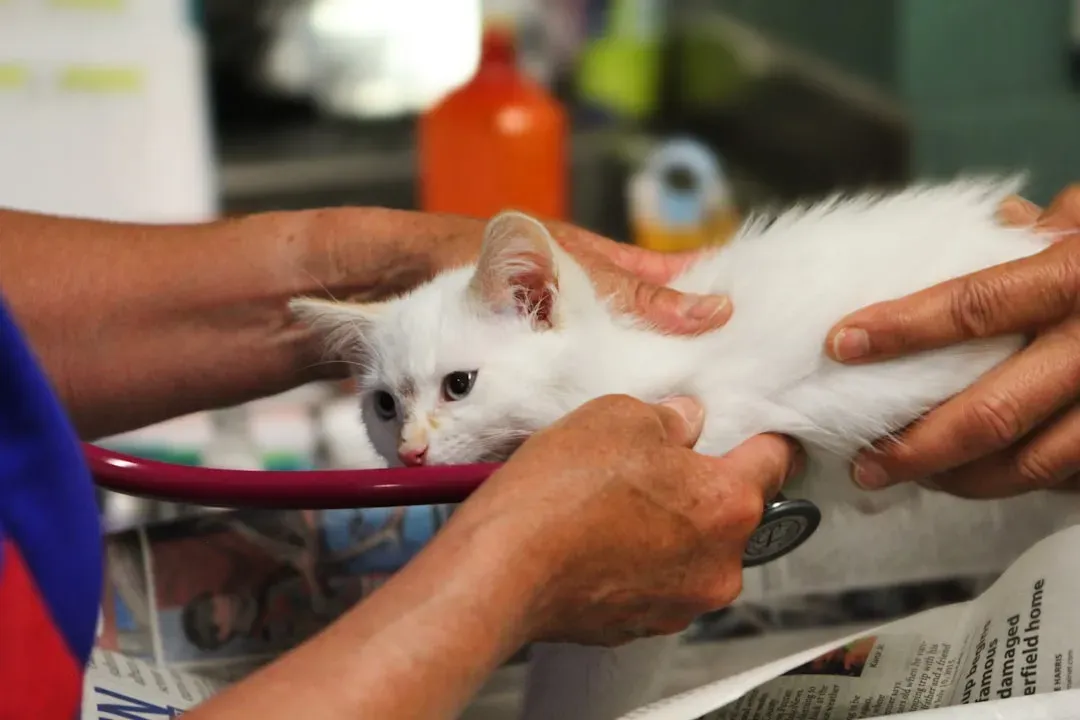
Here’s where the “low maintenance” myth causes some of its worst damage. Research has shown that cats visit the veterinarian less than dogs, and one of the primary reasons is the lack of knowledge about preventive clinical care. This negatively affects feline health, as many medical problems including obesity, respiratory diseases, and behavioral disorders could be avoided with regular veterinary visits and appropriate environmental guidance.
Cats need regular vet visits, daily exercise and mental enrichment, and plenty of positive attention from their guardians, all of which are essential to their well-being. Cats are notoriously good at hiding pain and illness, which means that by the time something is obvious to you, it may have been going on for quite a while. Annual checkups aren’t optional extras for cats. They are the baseline of responsible ownership.
The Truth Was There All Along
The relationship between humans and cats spans several thousand years, yet a significant proportion of the population still does not fully comprehend feline behavior. That gap between living with cats and truly understanding them is exactly where these myths thrive. They fill in the blanks with guesswork, convenience, and folklore passed down through generations.
Replacing these misconceptions with scientifically generated information could have a significant impact on how cats are managed, positively influencing their physical health, mental stimulation, and overall well-being, while also reducing stress for both cats and the people caring for them. Every myth you let go of is a small gift to your cat. They can’t correct your assumptions. Only you can.
So the next time someone tells you cats are cold, untrainable loners who land perfectly from any height and love a bowl of milk, you’ll know better. The real story of your cat is far richer, more nuanced, and honestly more interesting than any myth. Which of these surprised you the most? Drop your thoughts in the comments.
Kristina is a young writer from India. An arts graduate and an avid content creator, Kristina is passionate about animals and wildlife. She enjoys exploring topics related to pet care, animal behavior, conservation, and nature, combining thorough research with engaging storytelling.