Your cat could be sitting right there on your lap, purring away, looking perfectly peaceful – and still be battling a hidden illness you know absolutely nothing about. That’s one of the most unsettling truths of cat ownership. Unlike dogs, who tend to wear their discomfort loudly and dramatically, cats are experts at keeping you in the dark.
Cats occupy an unusual place on the food chain as mesopredators – both hunters and prey. Because they can be a potential meal for a higher-order carnivore, they’ve developed a superb survival skill through their ability to mask signs of illness from predators. That instinct hasn’t gone away just because your cat now sleeps on a memory foam cushion. So be surprised by how many of these warning signs you might actually be walking past every single day. Let’s dive in.
1. Your Cat Has Quietly Stopped Eating or Started Eating Way Too Much
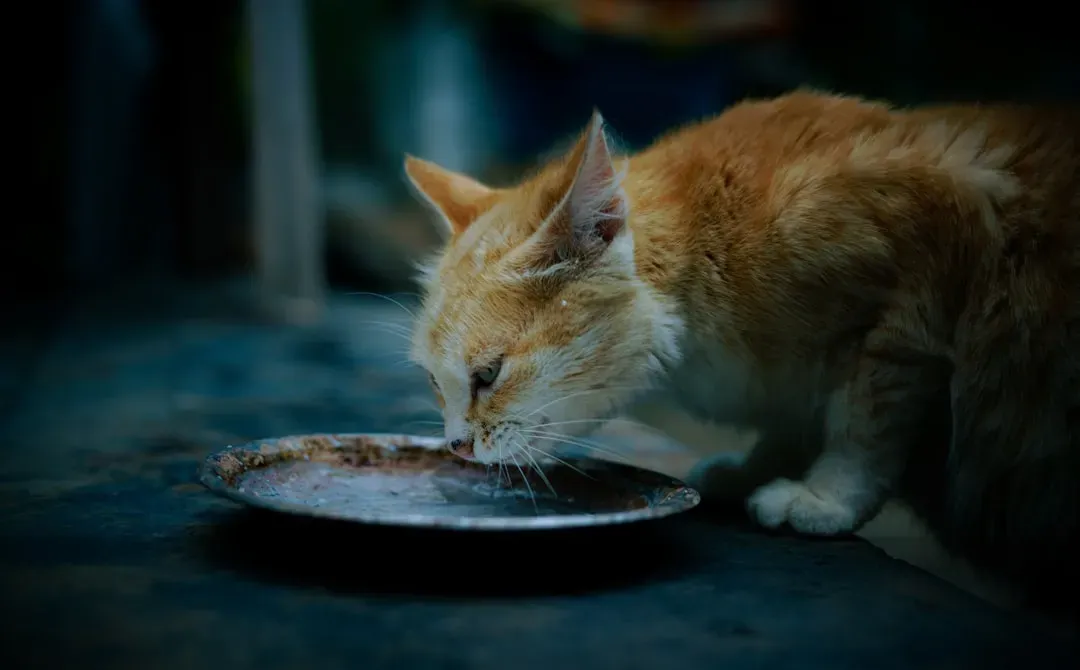
Here’s the thing – a change in your cat’s appetite is one of the earliest and most telling alarm bells you can observe. A sudden decrease in appetite is often one of the first signs that a cat is sick and can indicate dental problems, gastrointestinal issues, or systemic disease. Less commonly, an increase in appetite may signal metabolic or hormonal disorders such as hyperthyroidism or diabetes.
Cats that don’t eat enough over a range of three to five days are at risk of developing fatty liver disease. That’s genuinely scary when you consider how easy it is to assume your cat is just being picky. If your cat is turning up their nose at their favorite food or treats, don’t ignore it. While an occasional upset tummy is normal, avoiding much-loved foods and snacks for more than 24 hours is a serious cause for concern.
2. You’re Suddenly Refilling the Water Bowl Far More Often
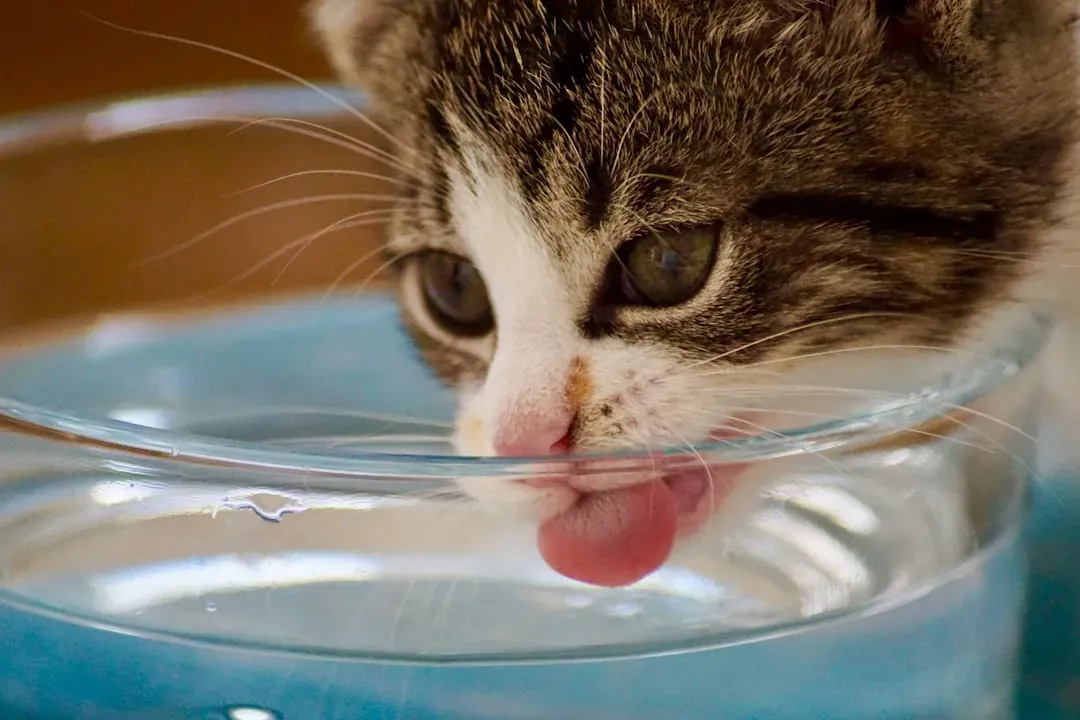
You might not clock it right away – it feels like a tiny, forgettable detail. But changes in a cat’s water consumption can signal potential health problems. Increased thirst may suggest kidney disease, diabetes, or hyperthyroidism. Conversely, a significant decrease in water intake might indicate dehydration, urinary tract issues, or another underlying illness.
If your cat suddenly starts drinking or urinating more without a change in diet, it could be a sign of a disease such as diabetes or other health problems related to their kidneys. Think of it like this: your cat’s water bowl is a silent health dashboard. Pay attention to it the same way you’d glance at the warning lights on your car. Monitoring your cat’s water intake closely helps detect abnormalities early. If a cat that typically drinks a moderate amount starts drinking excessively, it’s a sign that veterinary attention is needed to rule out or address serious health concerns.
3. The Coat Has Lost Its Shine or Looks Unkempt
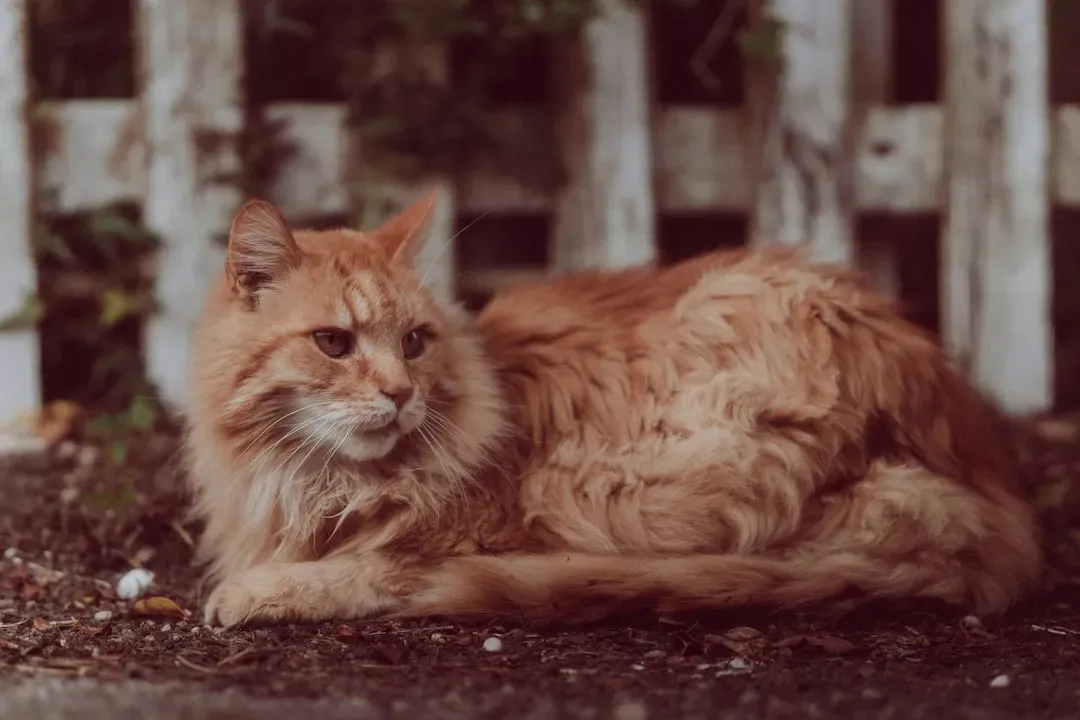
Cats are known for being meticulous groomers. A greasy, matted, or unkempt coat can indicate that your cat isn’t feeling well enough to care for herself. Honestly, if you’ve ever seen a cat who suddenly looks like they’ve given up on personal hygiene, that’s not just a bad fur day – that’s a red flag worth taking seriously.
Cats that are not feeling well do not tend to groom themselves well. You will usually see a messy or greasy coat, mats of fur, or clumps of loose hair. In some cases, you will see a difference in the coat’s shine or an increased amount of dandruff. On the flip side, overgrooming, known as psychogenic alopecia, can also be a sign of illness. The types of illness range from psychological conditions like increased anxiety and stress, to physical causes like fleas, infections, allergies, adverse reactions to food, or even hormonal disorders.
4. Your Cat Has Become a Ghost – Hiding All the Time
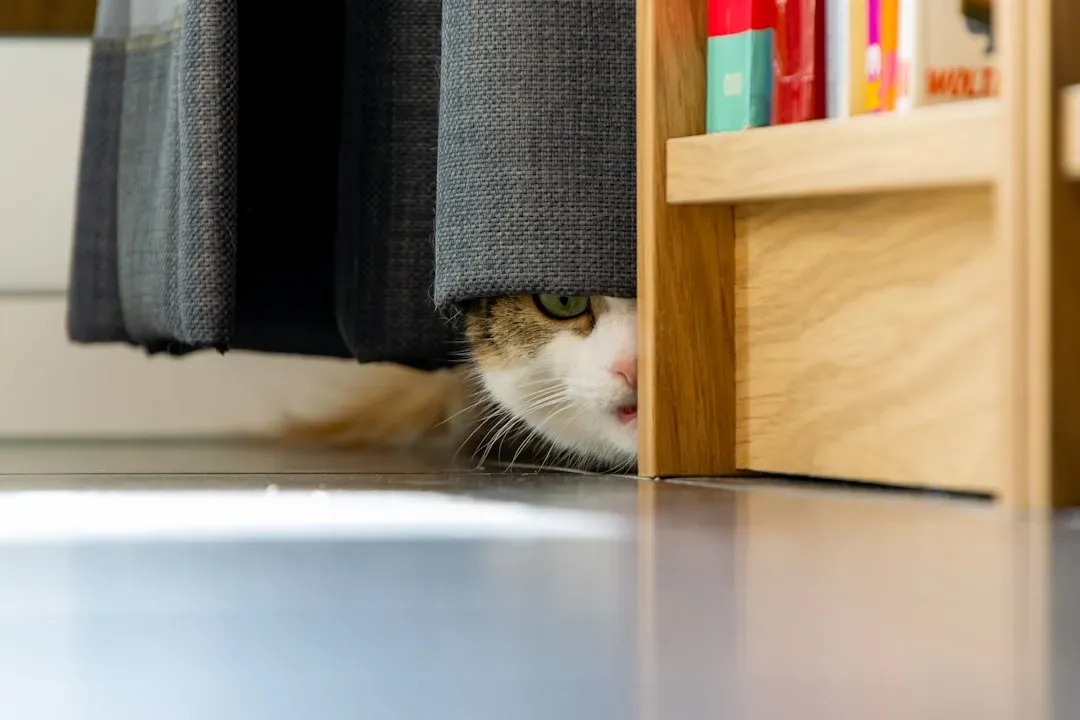
Most cat owners write off hiding as a personality quirk. Some cats are shy, sure. Some cats are naturally a bit aloof, but if your kitty suddenly starts hiding, avoiding you, or acting more withdrawn than usual, it might not just be a mood. Many sick cats instinctively isolate themselves when they’re not feeling well.
When your cat repeatedly retreats to seclusion, it could be one of the signs that your cat is sick. While it’s normal for cats to seek solitude occasionally, a sick cat often stays withdrawn for longer periods. If you notice that coaxing her out of her hiding spot results in her immediately returning to it, it may indicate that she is unwell and possibly in need of a vet’s attention. It’s worth remembering that it’s much easier for an unwell cat to escape from predators if they can’t find you. If your pet is spending more time than usual hanging out under the bed, in a closet, or in another out-of-the-way place, it may be sick or in pain.
5. Your Cat Seems Exhausted, Flat, and Just Not Themselves
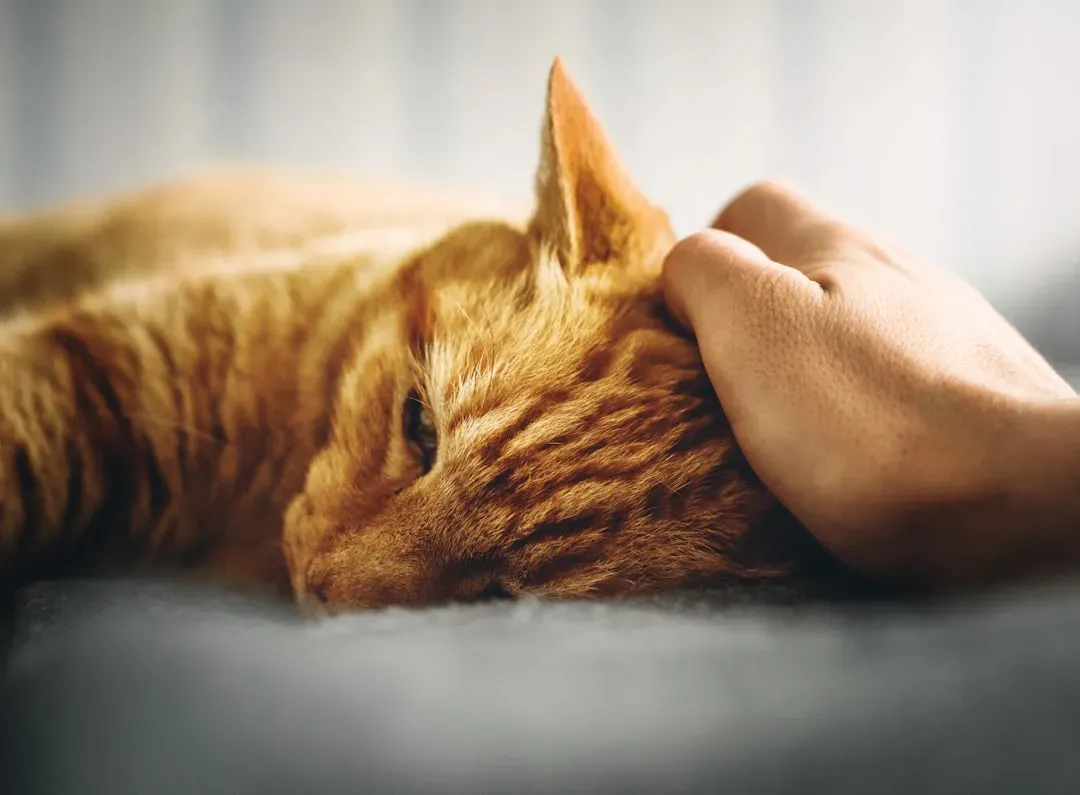
Lethargy typically refers to a state of tiredness or sleepiness. In cats, it can describe a broad array of signs that range from general inactivity and disinterest in food or water to complete apathy and even depression. One of the most common reasons for cats becoming lethargic is an illness or infection.
While cats love their naps, a sudden drop in energy is cause for concern. If your cat doesn’t want to play, climb, or even greet you like she usually does, she might be battling a hidden illness. Think about it this way – if your usually bouncy, window-jumping, ankle-attacking cat suddenly just lies there looking defeated, that’s not laziness. That’s your cat telling you something is very wrong, in the only way they know how.
6. The Litter Box Is Telling You a Story You Shouldn’t Ignore
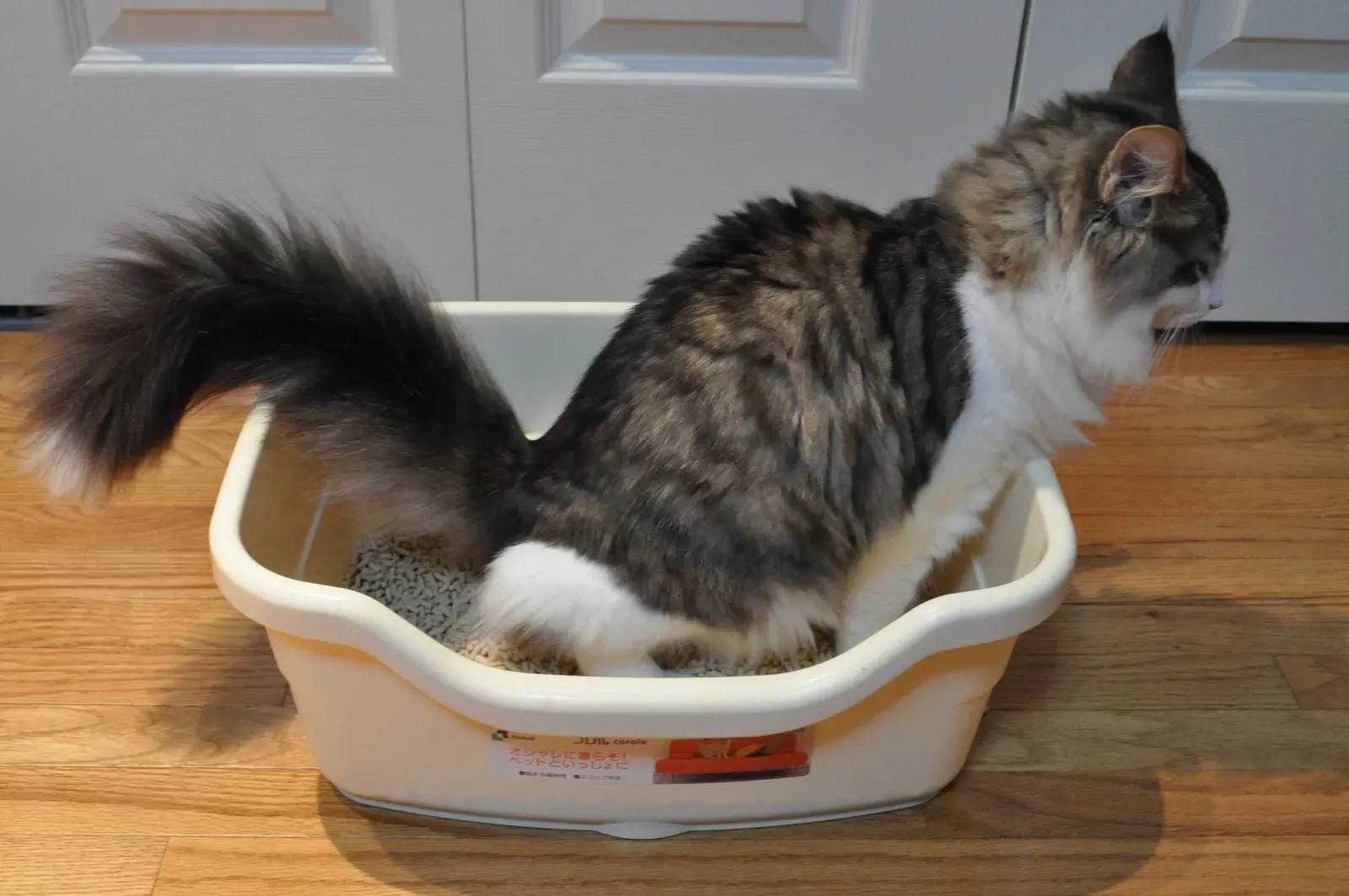
The litter box is one of the best tools for tracking your cat’s health. Keep an eye on frequency, color, and consistency of waste. Most cat owners scoop and move on without really looking, and honestly, I get it – it’s not exactly a pleasant task. Still, those few extra seconds of observation could genuinely save your cat’s life.
The sudden appearance of litter box issues could indicate anything from a urinary tract infection to bladder stones or kidney disease. If you see your cat struggling to urinate in the litter box with little or no results, there is a high possibility that the cat has an obstruction or blockage of the urinary tract. This issue can be treated but must receive immediate veterinary care. Otherwise, fatal complications will develop. Don’t brush that off as just a weird bathroom moment.
7. There’s a Change in Your Cat’s Voice – More or Less Than Usual
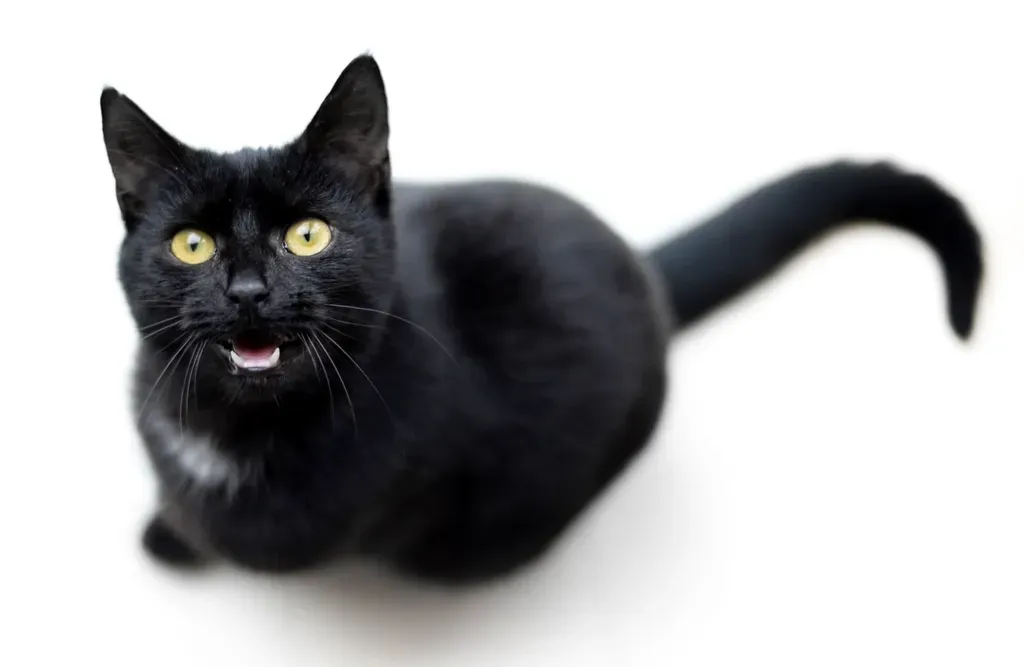
When a cat who is normally as quiet as a church mouse turns into a chatterbox, they could be trying to tell you that something is wrong. It is especially concerning if the behavior lasts for more than 24 to 36 hours. But here’s where it gets interesting – silence can be just as alarming as noise.
When a cat becomes sick, they may become much less vocal than usual. This is because when a cat is sick, they often do not feel well and do not have the energy to vocalize as much as they usually would. In some cases, a sick cat may become much more vocal than usual, as they may be trying to communicate that they are not feeling well. Increased vocalization can signify many things. It could mean that your cat is in pain, has an upset stomach, or is even suffering from a neurological problem.
8. Vomiting That Goes Way Beyond the Occasional Hairball
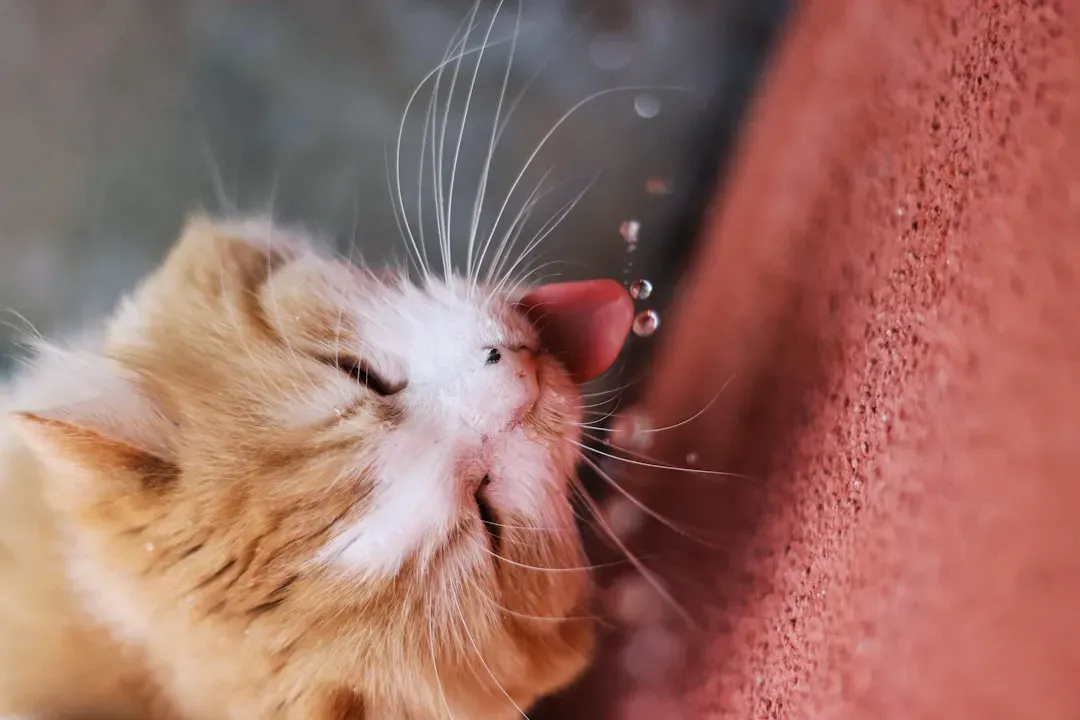
Let’s be real – we’ve all been woken up at 2 a.m. by that unmistakable retching sound. Hairballs happen. But there’s a clear line between “normal cat stuff” and something you should genuinely worry about. If your cat throws up more frequently, vomits food or blood, or has trouble swallowing, talk to your veterinarian. Throwing up can be a sign of many different cat illnesses including intestinal problems and kidney and liver disease. Vomiting accompanied by lethargy, depression, diarrhea or loss of appetite indicates an underlying problem.
It’s the acute vomiting – present for more than two to three days – that can lead to dehydration and warrants a call to the vet. Vomiting is one of the biggest signs your cat is sick, as it can be a sign of many things such as an infection, intestinal obstruction, liver disease, or cancer. Left untreated, these illnesses can lead to serious complications, including death. That’s a sobering fact worth keeping in mind every time you reach for the paper towels.
9. Unexplained Weight Changes – Losing or Gaining Without Reason
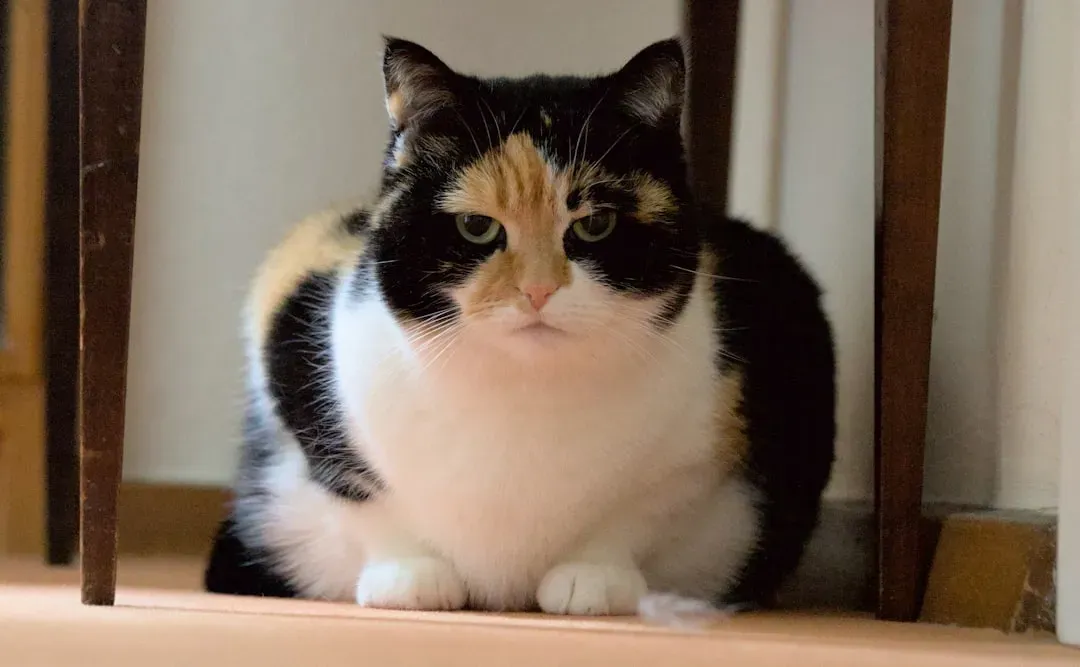
Weight changes in cats can be deceptively easy to miss, especially if you’re not regularly picking your cat up. A few pounds off a ten-pound cat is pretty noticeable – and it’s a symptom you shouldn’t ignore. For context, that’s a bit like a person losing roughly ten percent of their total body weight without explanation. You’d be at the doctor in a heartbeat.
If your cat is losing or gaining weight without any change in her diet or exercise, it’s time to pay attention. Weight loss might signal issues like hyperthyroidism, diabetes, or even cancer. Weight gain could indicate overfeeding, lack of activity, or a slower metabolism due to age. If your cat suddenly becomes ravenous despite losing weight, this could signal hyperthyroidism, diabetes, or intestinal parasites. These conditions are particularly common in senior cats and require prompt diagnosis.
10. Bad Breath, Odd Smells, or Visible Changes Around the Eyes and Nose
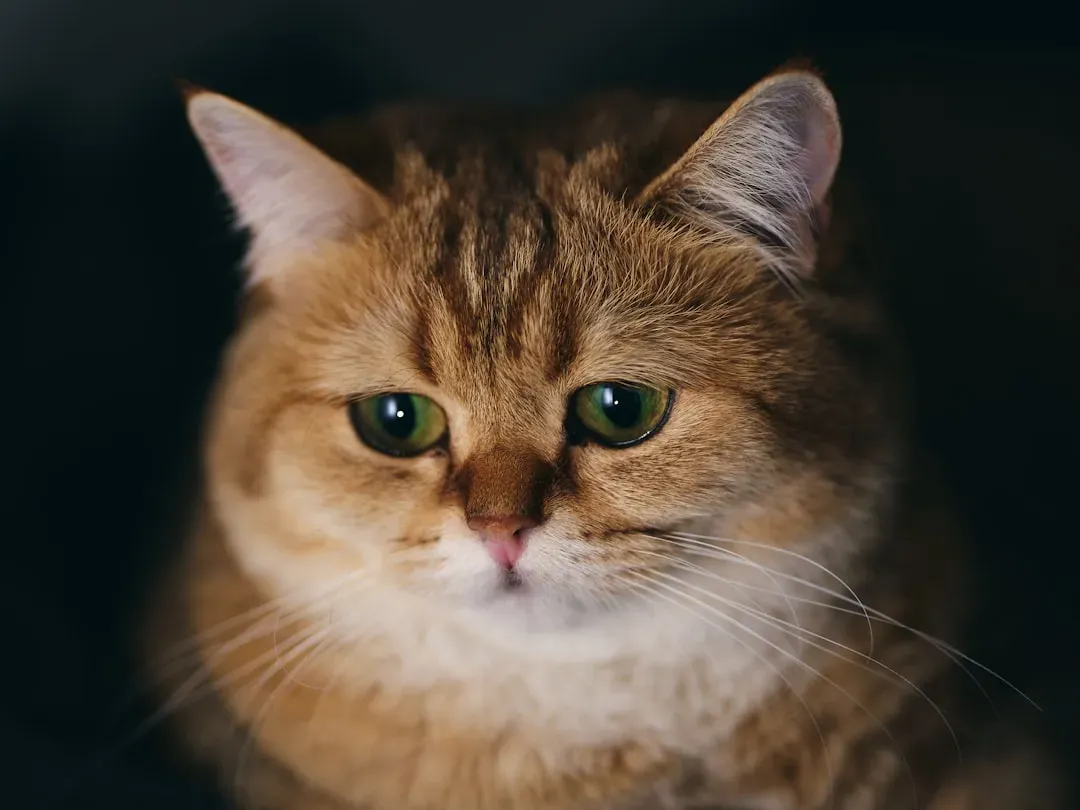
Your cat’s breath will never smell like roses – we can all agree on that. Dental disease is a common but often overlooked issue in cats. It can lead to infections that affect internal organs like the heart and kidneys. If your cat’s breath makes you recoil, that’s a red flag. Bad breath in cats is a strong sign that your cat may be suffering from periodontal disease or experiencing tooth pain.
It is not normal for a healthy cat to have any discharge from the nose, debris in the ears, excessive salivation, bad breath, or unusual odor from other parts of the body. Pay close attention to the eyes too. Gums, skin, or eyes that are pale may indicate anemia, while a yellow tint may indicate jaundice, and a bluish tint may indicate a lack of oxygen. Delaying treatment for these disorders, even by a few hours, can be fatal. Those are the kinds of details that separate a manageable diagnosis from a heartbreaking outcome.
What You Should Do Next
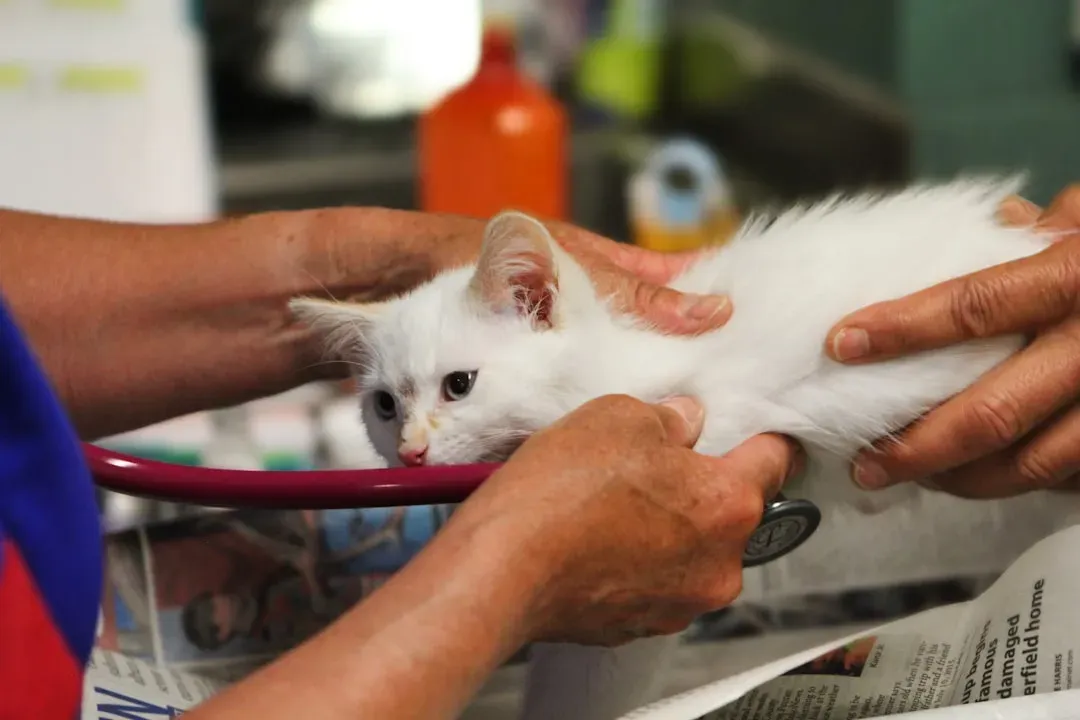
The single most important takeaway from all of this? Trust your gut. As a pet parent, you know your cat better than anyone else. If you notice behavioral or appearance changes or just get the feeling that something isn’t quite right, it is always best to go with your gut and schedule an appointment with your veterinarian. Even the most subtle sign of illness in cats can indicate a serious problem, so there is no such thing as being too cautious.
The earlier a problem is caught, the better the odds of a good outcome. A quick check-up today could mean avoiding a crisis tomorrow. Often, by the time cat parents realize their cat isn’t acting normal, the cat has actually been sick for some time, so treatment may be more difficult and more expensive. This is why preventive care and twice-a-year veterinary visits are so important.
Your cat can’t walk up to you and say “I don’t feel well today.” Everything they communicate, they communicate in whispers – through tiny behavioral shifts, coat changes, altered eating habits, and unusual silences. You are their only voice, their only advocate. The signs are there. You just have to know where to look. Did you recognize any of these signs in your own cat? Share your experience in the comments below.
Kristina is a young writer from India. An arts graduate and an avid content creator, Kristina is passionate about animals and wildlife. She enjoys exploring topics related to pet care, animal behavior, conservation, and nature, combining thorough research with engaging storytelling.