You think you know your cat. You live with them, you feed them, you’ve probably caught them staring at a blank wall at 2 AM like it owes them money. Yet cats remain one of the most delightfully baffling creatures on the planet, capable of ignoring a $50 toy in favor of the cardboard box it came in.
Here’s the thing, though. Most of your cat’s seemingly bizarre obsessions actually have deep, fascinating roots in biology, evolution, and instinct. Some of them will genuinely surprise you. Others will make you see your furry roommate in a completely new light. So buckle up, because we’re diving deep into the wonderfully weird world of feline desires. Let’s get into it.
1. That Sunny Spot on the Floor (It’s More Than Just Warmth)
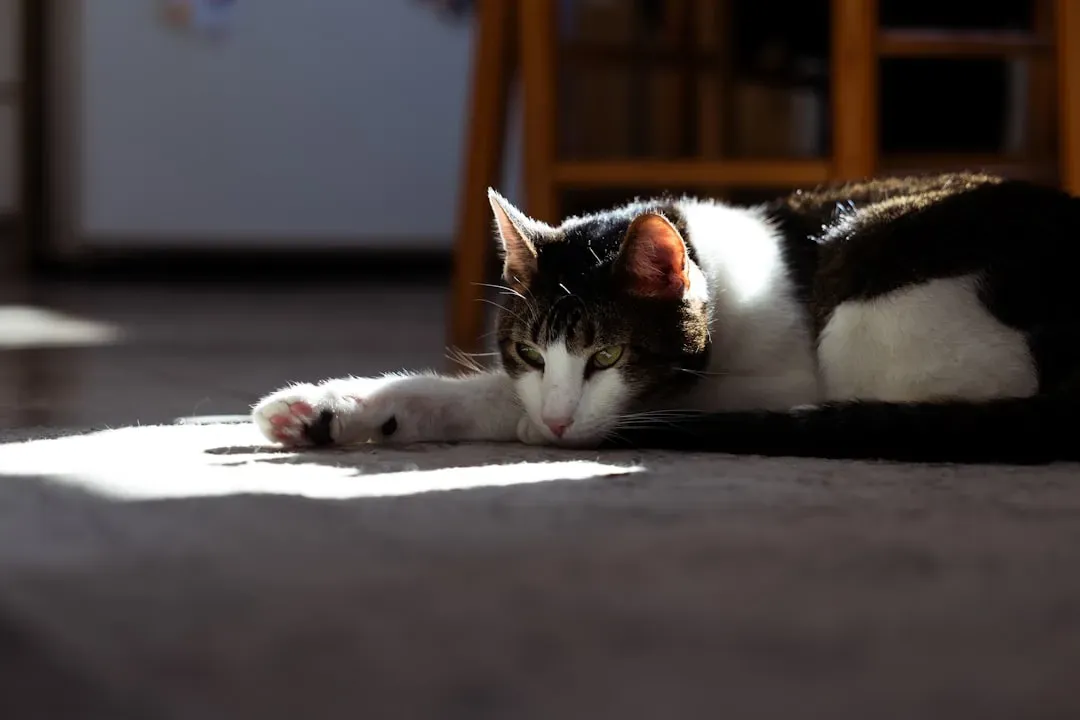
If your cat has ever treated a tiny square of afternoon sunlight like prime beachfront property, you are not alone. Cats are descended from ancestors who roamed the Middle Eastern desert and African plains, and as a result, they cope remarkably well with heat and need to maintain a body temperature that is actually higher than ours. Think of it this way: your cat is basically a tiny desert creature living in your apartment, constantly searching for that perfect thermal sweet spot.
Sunlight helps stimulate the production of serotonin, often called the “feel-good hormone,” promoting a sense of calm and contentment in cats. So when you watch your cat melt into a sunbeam with the expression of someone on a five-star vacation, that is genuinely what is happening inside their brain. Cats sleep for long periods of the day, and maintaining core body temperature is especially important during this time. Snoozing in warm places helps to prevent the drop in body temperature that comes with sleep when they are no longer exerting themselves physically.
2. The Irresistible Pull of Catnip
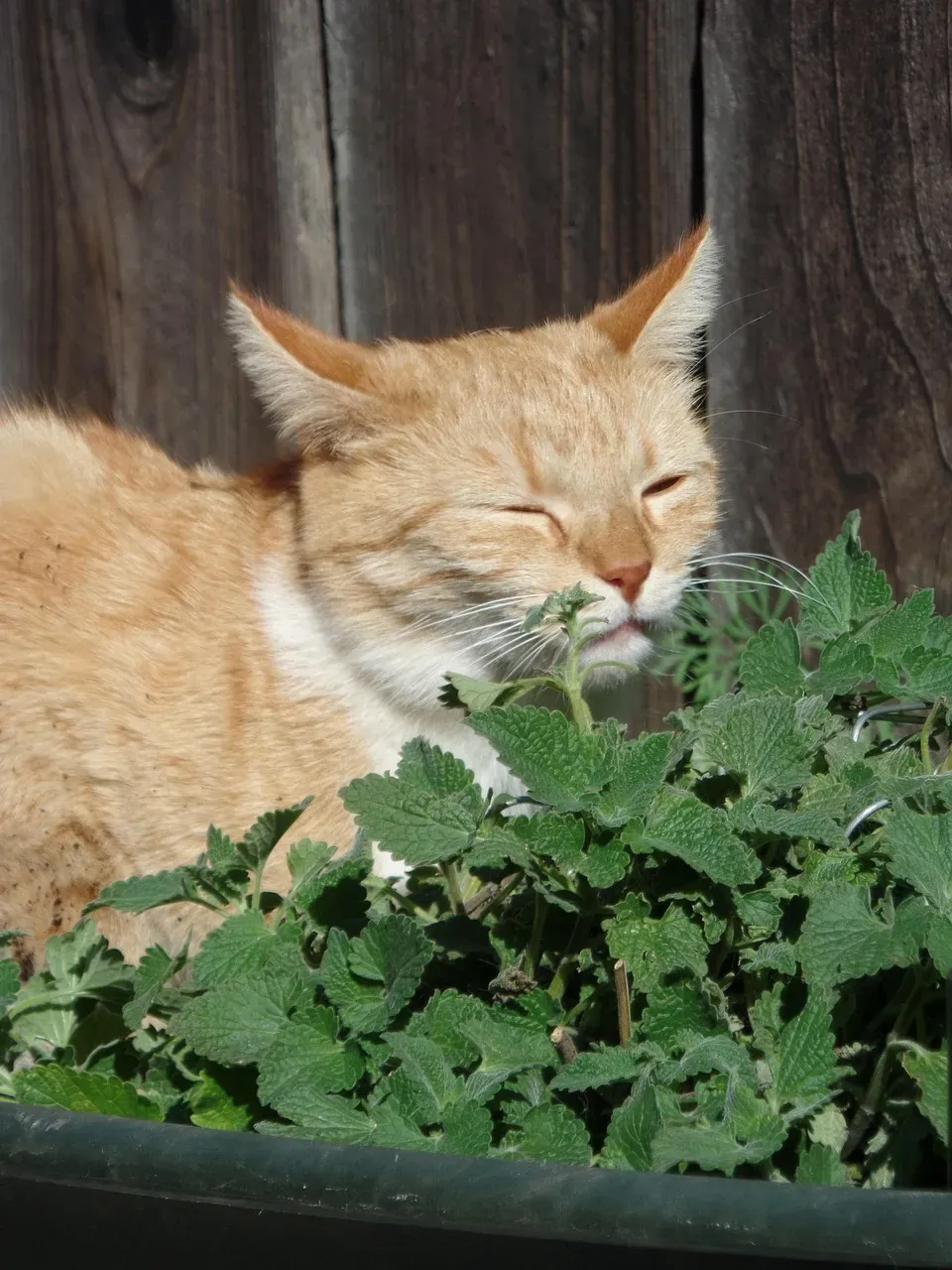
Catnip is, without question, the most dramatic substance in the feline world. Without a doubt, catnip (Nepeta cataria) is the most well-known and widely used cat attractant. This herb contains a chemical compound called nepetalactone, which binds to receptors in a cat’s nose, stimulating sensory neurons. Watching a normally composed, dignified cat absolutely lose their mind over a dried herb is honestly one of life’s great joys.
Interestingly, the response to catnip is hereditary. About half to roughly two thirds of cats are affected by it. For those that are, catnip acts as a stimulant when sniffed, but can have a sedative effect when eaten. So if your cat eats catnip and then falls asleep rather than going wild, that is not a malfunction. The chemical binds to receptors, stimulating neurons and releasing neurotransmitters like dopamine and serotonin. These neurotransmitters are associated with pleasure, reward, and euphoria, explaining why cats exhibit such playful and excited behavior.
3. Cardboard Boxes (Seriously, Every Single One)
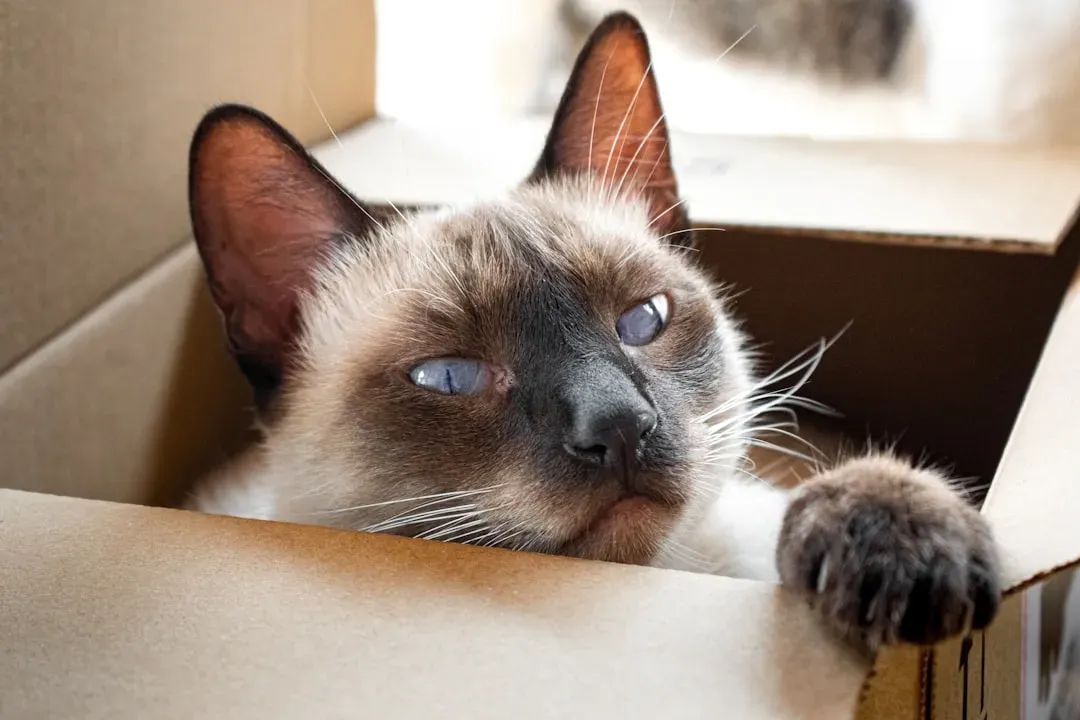
You could spend a small fortune on the most beautiful, cushioned, ergonomically designed cat bed. Your cat will sleep in the Amazon box it arrived in. Cats are creatures of comfort, and sometimes being in a box with side support is comfortable. Other times, being in a box makes some cats feel safe and secure, like they are protected from all sides. Boxes are also fun to hide in, spring out and surprise people and other pets in the household.
As predators, cats instinctively find hiding places from which to stalk prey. Yet as prey themselves, they also appreciate defensive hiding spots to stay safe. More than that, the swaddling effect that comforts human babies also benefits cats. They can create this hugging benefit by squeezing into boxes to calm their stress. It is essentially a self-soothing tool. Next time you order something online, maybe leave the box on the floor on purpose. Your cat will love you for it, at least for the next three hours.
4. Running Water From the Faucet
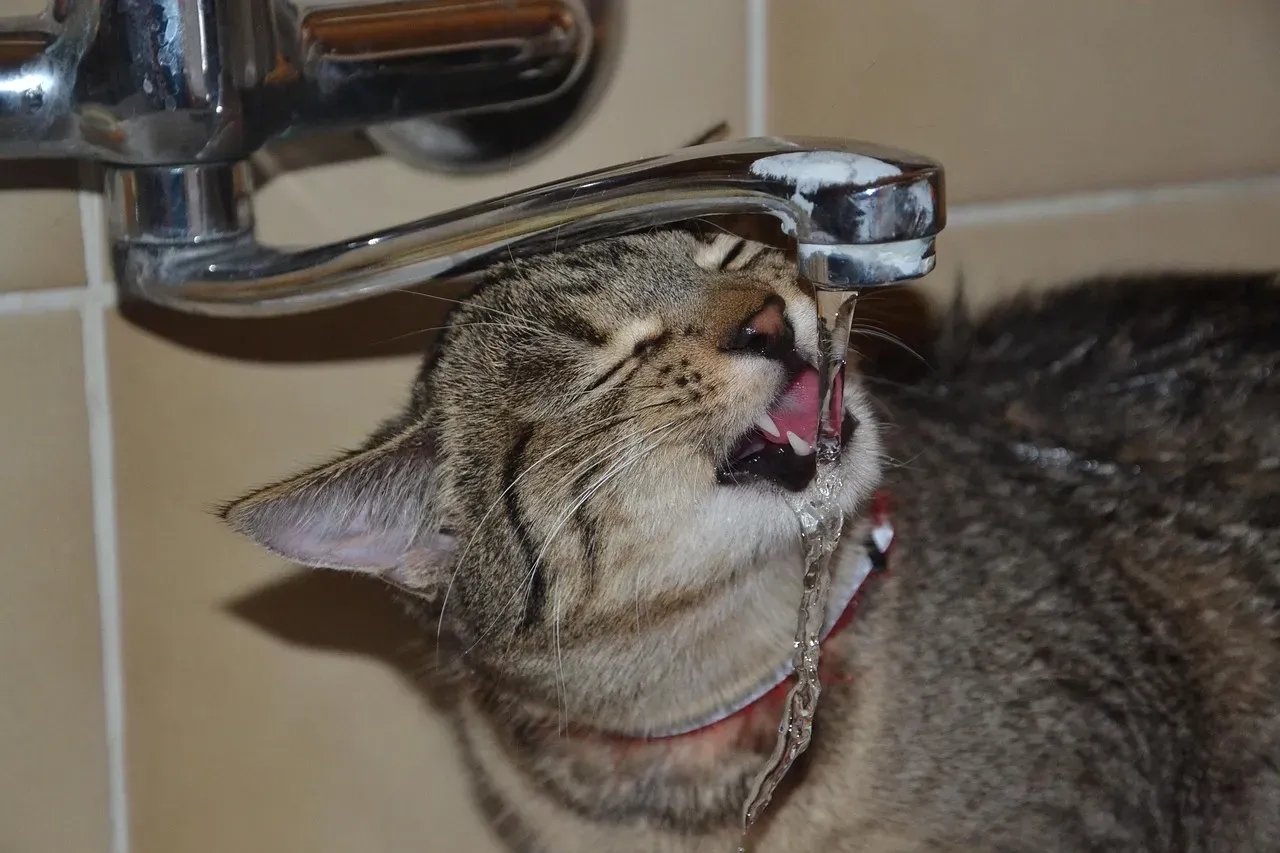
You bought the water bowl. Maybe even the fancy filtered fountain. Your cat still jumps up on the sink and waits, staring at the faucet with the expectant patience of someone waiting for a table at a restaurant. This behavior may actually originate from your feline’s wildcat ancestors. Out in the wild, it is safer to drink from running water sources such as a river than a stagnant water source that could be home to bacteria and other contaminants.
Your cat may just have a taste preference for running water compared to water that has been sitting in a cat bowl all day, which leads to bacteria formation. Food particles may also fall in and change the taste of the water. This is the reason why your cat’s water bowl should be changed several times a day and washed with soap and water at least daily. Honestly, your cat might just be on to something here. Running water is fresher, cooler, and apparently far superior to any bowl you have ever provided.
5. Your Scent (Especially on Worn Clothing)
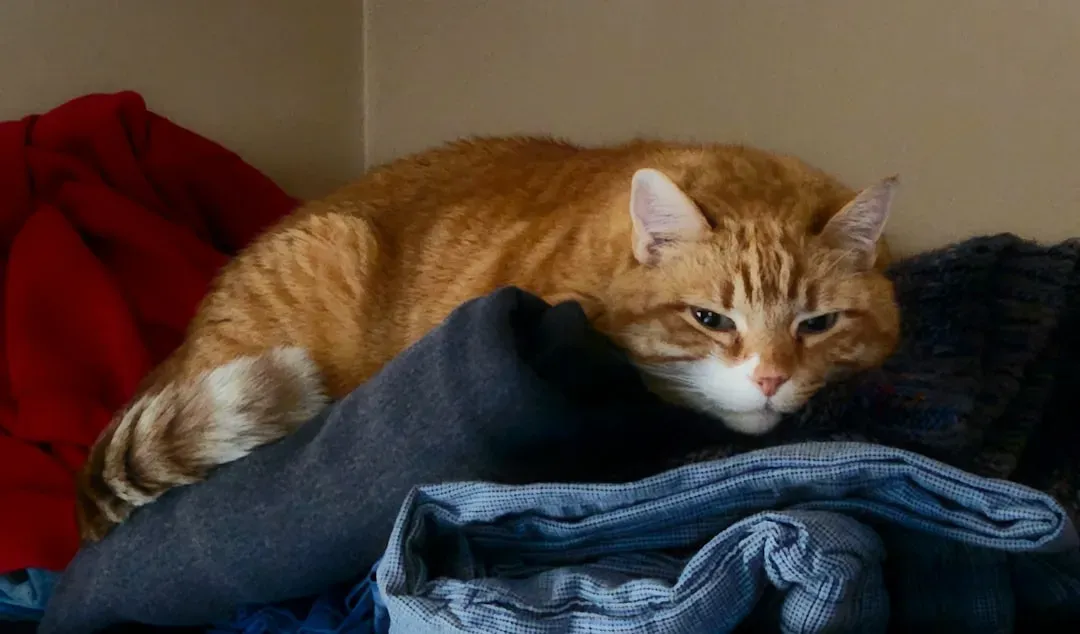
If you have ever come home to find your cat curled up directly on top of your dirty laundry, do not be grossed out. Be flattered. It might surprise some pet parents to learn that one of the smells cats love most is the scent of their human companions. Cats create community scent by transferring their scent to us and taking some of our scent on them. This essentially signals that you are a part of their “colony” and helps them feel safe and secure.
Your cat’s attraction to your smelly items often indicates a strong bond. Personal items carrying your scent provide comfort and security, especially when you’re away. This behavior has roots in their early development, where scent recognition plays a crucial role in mother-kitten bonding. So that sweatshirt you left on the couch? If your cat enjoys sleeping on your clothing, it’s often because they’re attracted to and feel comforted by your scent. Pure devotion, wrapped up in a fluffy, slightly judgmental package.
6. Kneading (a.k.a. “Making Biscuits”)
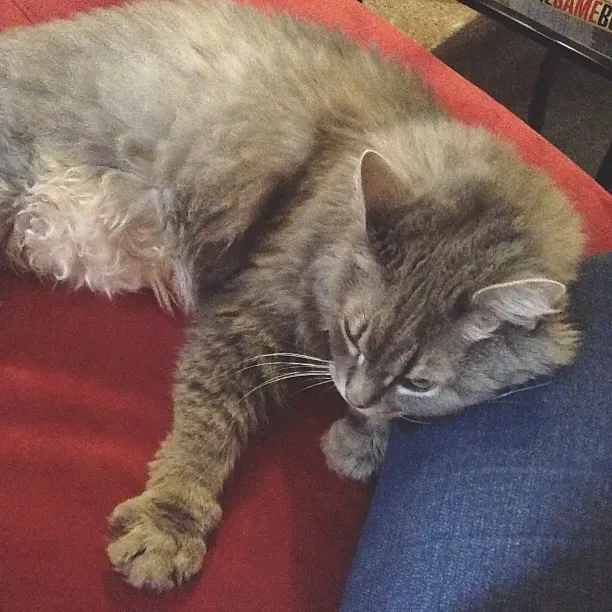
There is something almost meditative about watching a cat knead rhythmically on a soft blanket. Kittens instinctively knead their mother to get milk flowing, but why do adult cats do it? Pet experts think it’s a way to show contentment, display affection, and mark a person, object, or another animal with the scent glands in their paws. It is one of those behaviors that never fully leaves them, like how some adults still prefer a childhood comfort food when they are stressed.
Cats may also use the behavior to scent-mark a beloved human, create a comfy bed, or express contentment. It’s a trait kittens carry into adulthood, often used to calm themselves during times of anxiety. I think this one is perhaps the most touching of all feline behaviors. It’s basically your cat’s way of saying, “I’m happy and comfortable right now.” Their paws have scent glands, so when they knead, they’re saying, “This blanket or lap is mine!” If your thighs are paying the price, consider placing a thick blanket on your lap as a buffer.
7. High Perches and Elevated Vantage Points
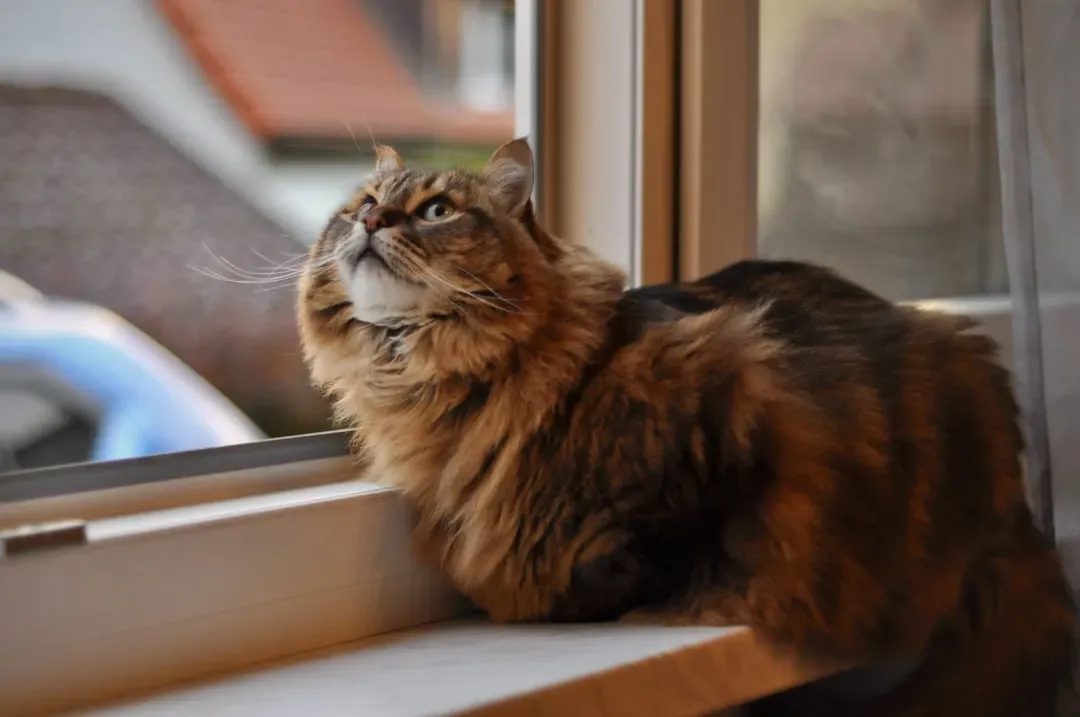
Your cat is not just climbing the bookshelf to be dramatic. Well, maybe a little. Pet cats, though no longer wild, inherit the instinct to seek high ground. They’re hunters, sniffing out and stalking prey. Finding the highest ground in your house offers a nifty lookout, far from dog-sniffing and kid-poking range. Think of it like having a private penthouse with a panoramic view of everyone’s business.
Cats love their window perches and can spend countless hours staring out a window and watching the world go by. They are fascinated watching most things including objects that get blown around by the wind, insects, people, birds, squirrels, and any form of wildlife. It is basically live television for them, and the programming never gets boring. If you want a genuinely happy cat, investing in a tall cat tree placed near a window is one of the best things you can ever do.
8. Headbutting You (It Actually Means Something Beautiful)
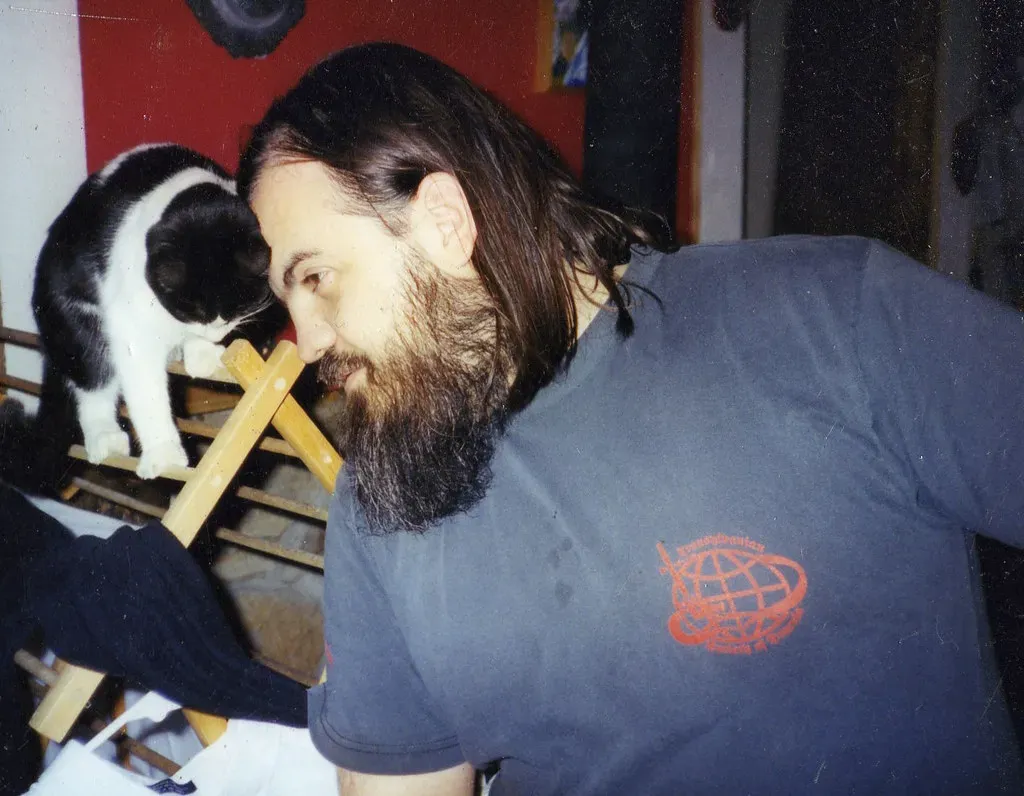
Your cat walks up to you, lowers their head, and gently bumps it against your face, your hand, or your shin. Adorable? Absolutely. Meaningful? More than you might realize. Also called “bunting,” headbutting other pets or people is a normal cat behavior similar to a human high five or wave. When a cat head butts you, they are likely just saying hello and possibly transferring some of their scent onto you. Cats have scent glands on their faces, making headbutting an easy way for them to mark others, and being marked by a cat is the ultimate compliment that shows affection and respect.
When your kitty rubs their head on you, they’re doing more than just showing you affection and saying hello. They are actually doing something that behaviorists call “bunting.” Pheromones are being released from the cat’s head and it is their way of showing ownership over you. Just as a cat would rub on furniture to leave their scent to mark territory, they are showing pride in the fact that you are theirs. So the next time your cat bonks you gently on the nose, know that you have just been officially claimed. Honestly, it is an honor.
9. Knocking Things Off Surfaces
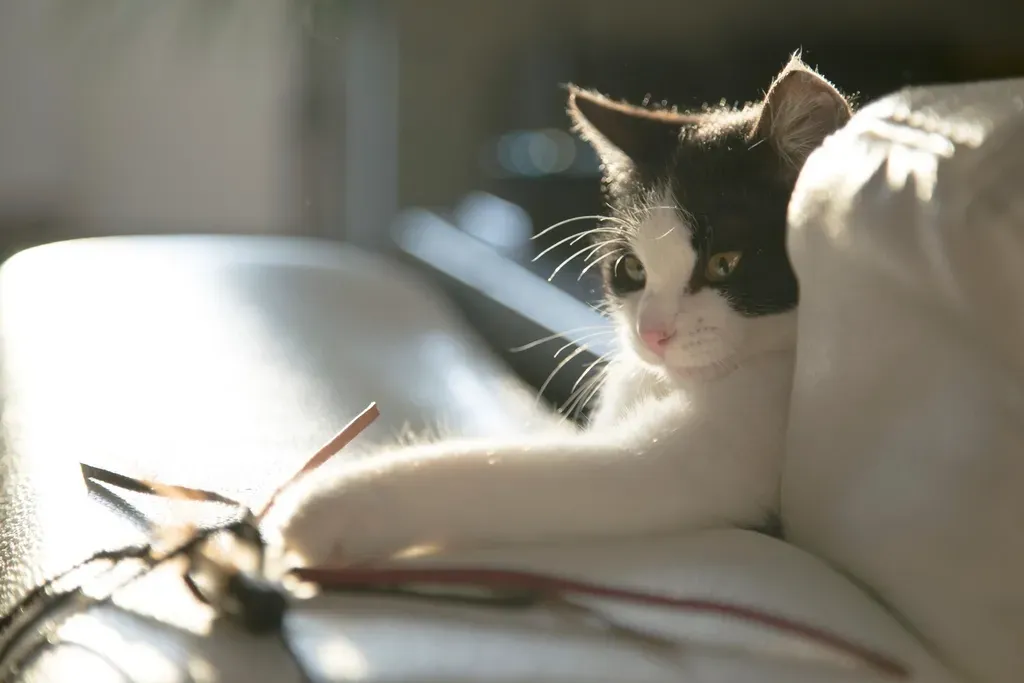
Here is the one that drives cat owners absolutely mad. Your cat will sit beside a perfectly placed item on a table, make direct eye contact with you, and then slowly nudge it off the edge. It looks like pure chaos. But it is not. The behavior stems from a strong hunting instinct that makes them acutely aware of their surroundings. In their pursuit of prey, cats constantly test things in their environment to see if they are alive and viable food sources.
Every time your cat pushes an item until it drops, it reacts in a different manner. It may just be fun to watch the items bounce around in different directions each time they fall. Try not to show irritation. Doing so gives them your attention, which is a close runner-up to the juicy meal they were hunting for. Even if your energy is angry, it still means you’re paying attention to them when you weren’t a moment before, and your cat may learn to repeat this behavior to achieve the desired outcome. So yes, they know exactly what they are doing.
10. The Crinkle of Paper Bags
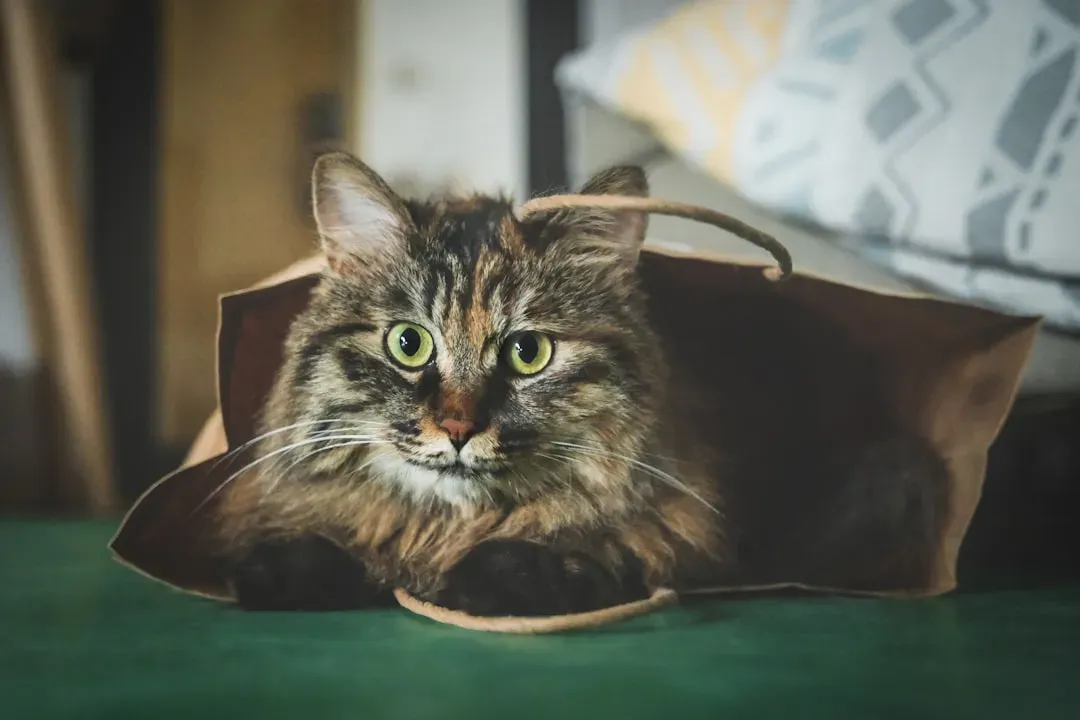
Paper bags and cats go together like coffee and Monday mornings. It is not a coincidence that your cat sprints into the room the second you reach for one. Cats and paper bags are an iconic duo. This behavior ties into their love of small spaces, but paper bags offer an extra attraction: the crinkly sound. Many cats love the noise the bag makes as they move around in it. Plus, it’s a great hiding spot for ambushing unsuspecting toy mice, or your feet.
Think about it from your cat’s perspective. A paper bag is essentially a tiny cave that makes exciting sounds and smells faintly of whatever it carried. It is multisensory enrichment in a free, disposable package. Cats have hearing that can detect frequencies up to around 64,000 Hz, allowing them to hear ultrasonic sounds better than dogs. They also have excellent low-light vision and highly sensitive whiskers and paw pads. That rustling paper is practically a symphony to their ears. No wonder they cannot resist.
11. Watching Birds Through the Window
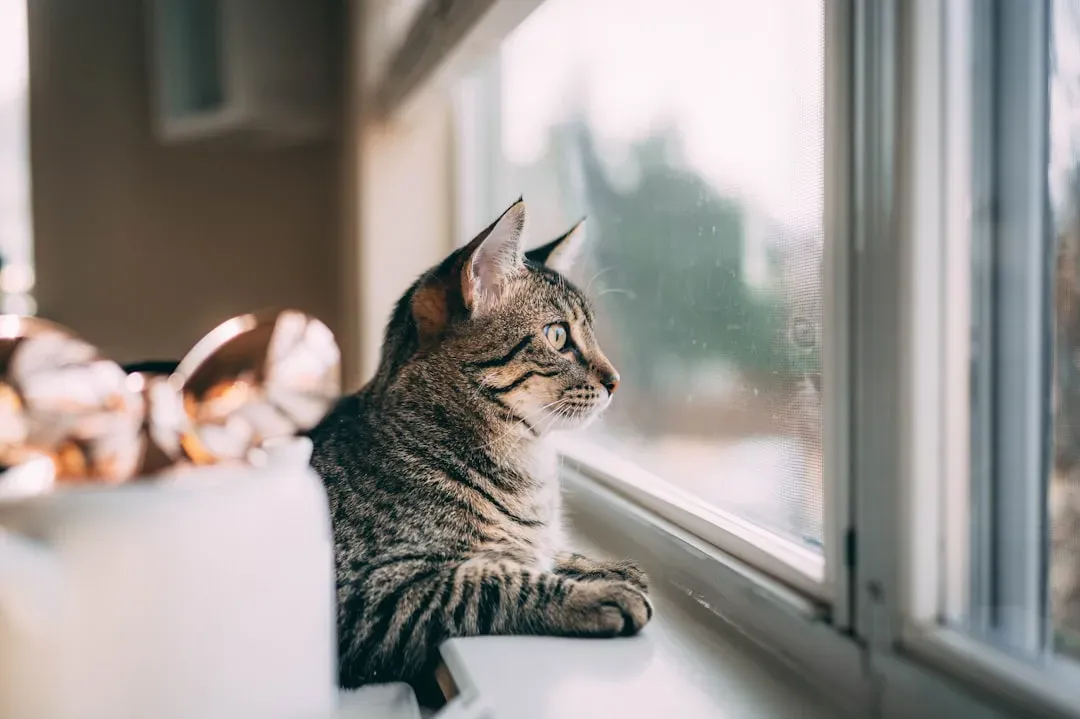
There is something almost theatrical about a cat watching birds. The intense focus, the twitching tail, and then, inevitably, the chattering. When your cat sees a bird outside the window, they might chatter at it. Chattering is a distinctive, repetitive clicking sound made from a combination of lip smacking and rapidly vibrating the lower jaw. This odd behavior looks like teeth chattering, and a lot of cats also sprinkle in soft, birdlike chirp sounds. This strange cat trait is thought to be a mix of predatory excitement and frustration at not being able to get to the bird.
Behaviorists speculate that this chattering is because your cat is frustrated that they cannot get outside to hunt prey. They also may be excited and slightly aggravated. Others say that this strange jaw movement may be your kitty’s natural instinct that allows their muscles to prepare for the act of killing prey. It is hard to say for sure which theory is correct, but either way, it is one of the most entertaining things a cat does. Window perches near bird feeders? Genuinely the best gift you can give an indoor cat.
12. You (Yes, Really)
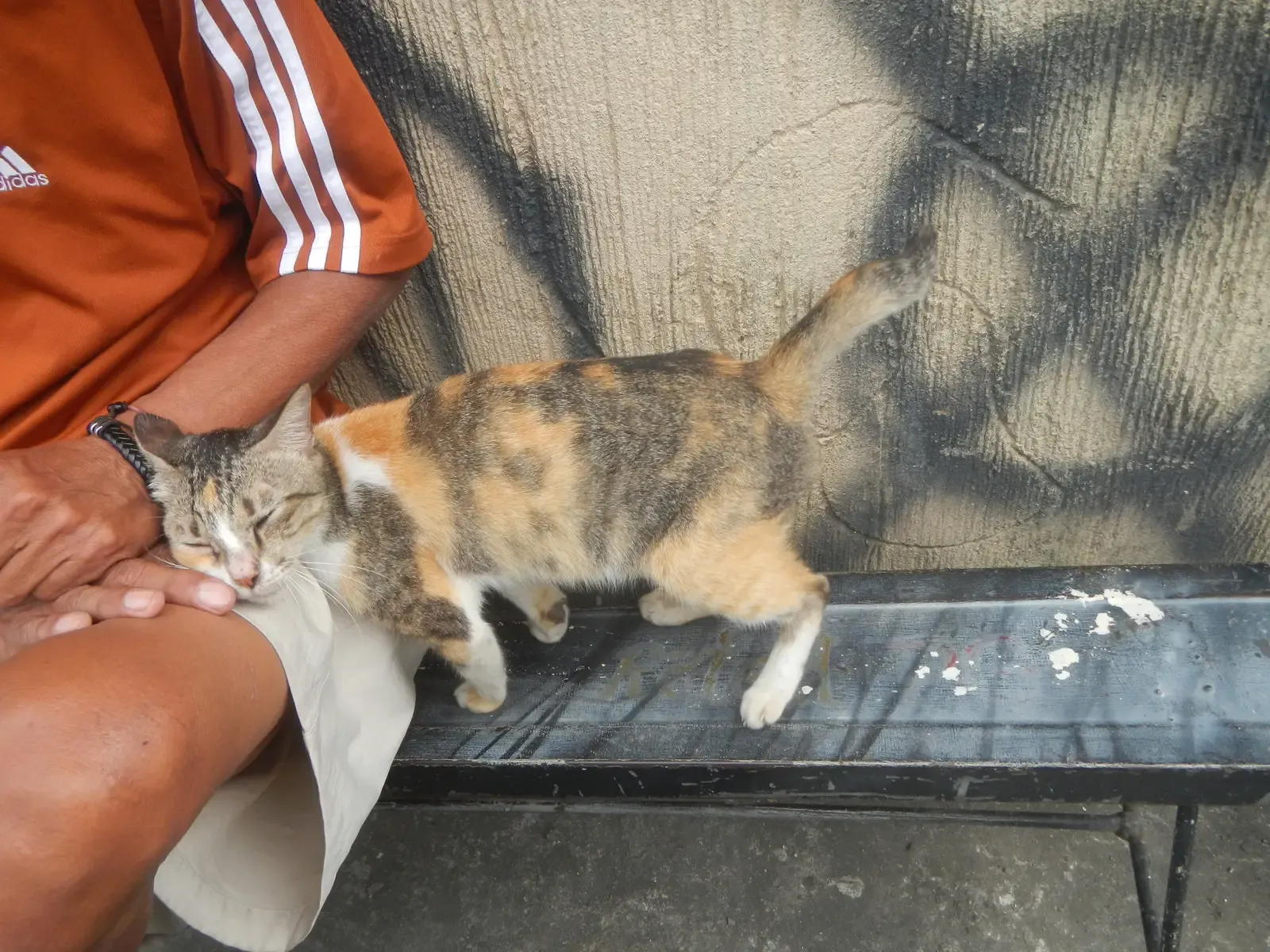
Let’s be real: after all the boxes, sunspots, and crinkly bags, this is the most surprising one. Your cat truly is irresistibly drawn to you. Putting their tails up in the air, rubbing around your legs, and sitting beside you and grooming you are exactly what cats do to each other. They are treating you as a fellow member of their social group, which, given how notoriously independent they are, is genuinely saying something.
They are using behavior that they would use toward their mother. All the behavior they show toward us is derived in some way from the mother-kitten relationship. The kitten learns to raise its tail, rub on its mother, and knead and purr. Grooming is what mothers do back to kittens. So cats are using bits of behavior already in their repertoire to communicate with us. When your cat chooses to curl up beside you at the end of the day, that is not coincidence. That is a deliberate, emotionally loaded choice. Cats are natural healers. They can always provide comfort when you need it most. And honestly, I think we need them just as much as they, very quietly and on their own terms, need us.
Conclusion
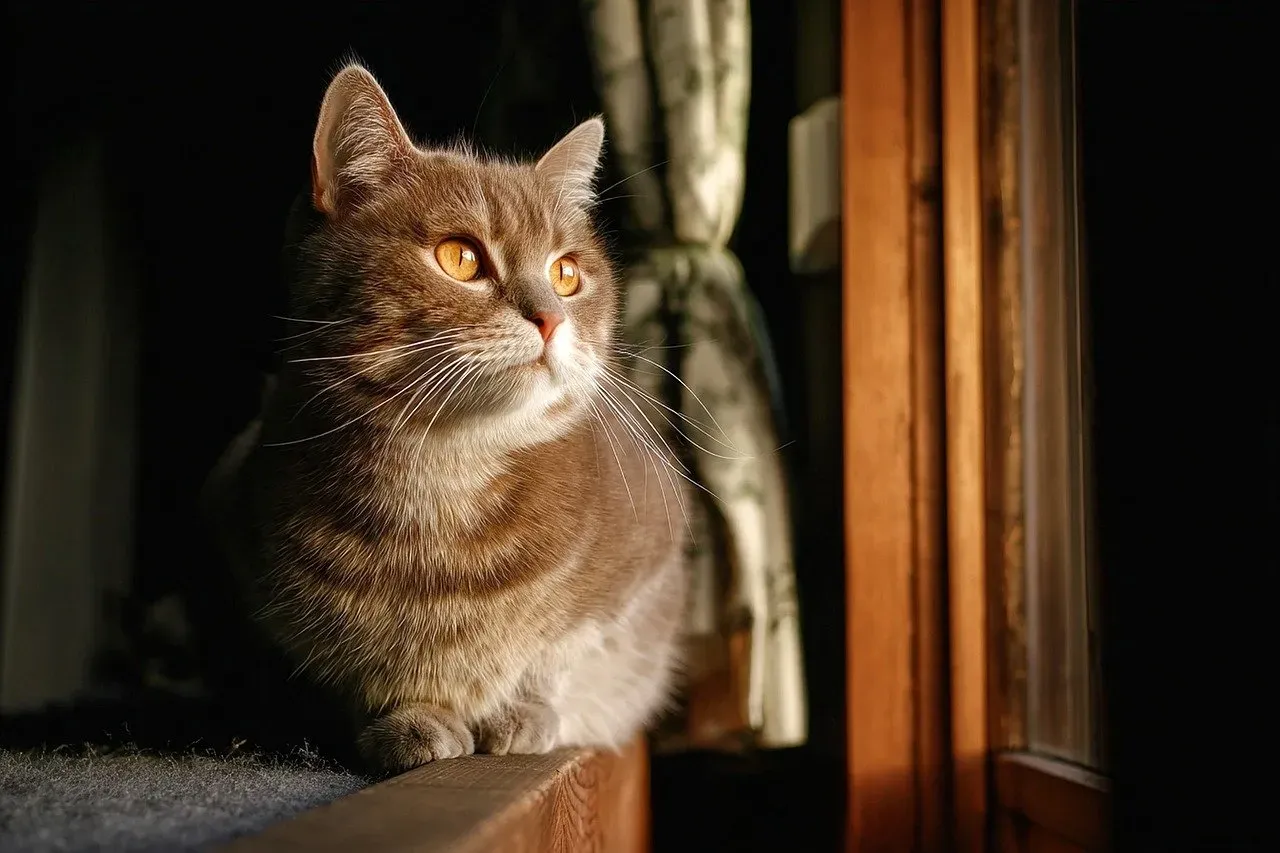
Cats are endlessly layered creatures. The more you understand the science and instincts behind their quirks, the more you realize that nothing they do is truly random. From the way they claim a sunspot to the way they bump their head against yours in the dark, every behavior tells a story stretching back thousands of years to desert-dwelling wildcats navigating a world very different from your living room couch.
The beauty of living with a cat is that they never fully let you decode them. Just when you think you have figured them out, they do something entirely inexplicable and wonderful. Understanding what they find irresistible is not just fun trivia. It is a genuine window into who they are, and a roadmap for making their lives richer and happier.
So, which of these surprised you the most? Drop your thoughts in the comments below. And if your cat is currently sitting in a box, judging you for reading this instead of paying attention to them, well, you now know exactly why.
Kristina is a young writer from India. An arts graduate and an avid content creator, Kristina is passionate about animals and wildlife. She enjoys exploring topics related to pet care, animal behavior, conservation, and nature, combining thorough research with engaging storytelling.