You love your cat. You feed it, clean its litter box, buy it elaborate toys it completely ignores, and let it sleep on your face at 3 a.m. You think you’re a good cat parent. Your cat, however, may have a wildly different opinion.
Cats have been watching humans with those cool, unblinking eyes for thousands of years. And honestly? They have noticed things. Researchers and animal behaviorists have uncovered some genuinely eye-opening truths about how cats perceive us, and it turns out we are making quite a few missteps. Some of them are shocking, some are hilarious, and some might make you rethink everything you thought you knew about your furry companion. Let’s dive in.
1. You Think That Unblinking Stare Is a Staring Contest
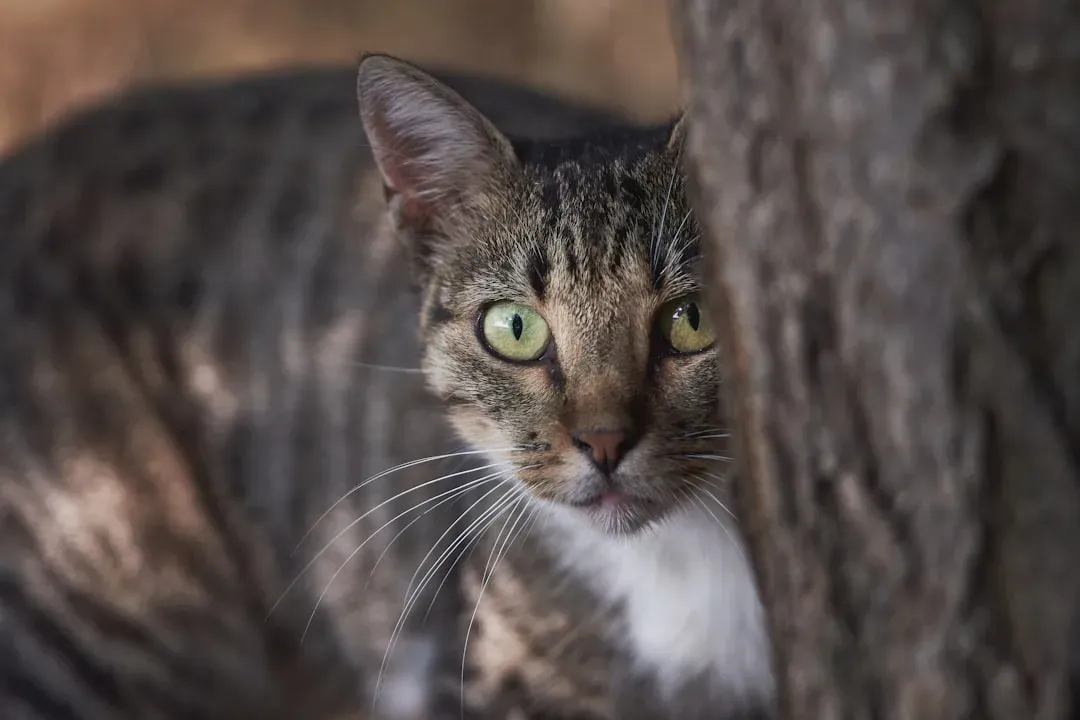
Here’s the thing: when you lock eyes with your cat and hold that gaze, thinking you’re bonding, you are actually doing the feline equivalent of starting a fight. While gazing into the eyes of your cat might feel like bonding, holding eye contact for too long is a challenge in cat language – an aggressive indicator that you’re down for a confrontation. Imagine someone at a dinner party just fixing you with an intense, unwavering glare. Uncomfortable, right? That’s exactly how your cat feels.
Cat behaviorists agree it’s best not to hold prolonged eye contact with a cat, as they may interpret it as a threat or challenge. A slow blink, on the other hand, is often interpreted as friendly and affectionate. So the next time you want to connect with your cat, try the slow blink. It’s basically a cat hug, and it works remarkably well.
2. You Pet the Belly Like It’s an Invitation
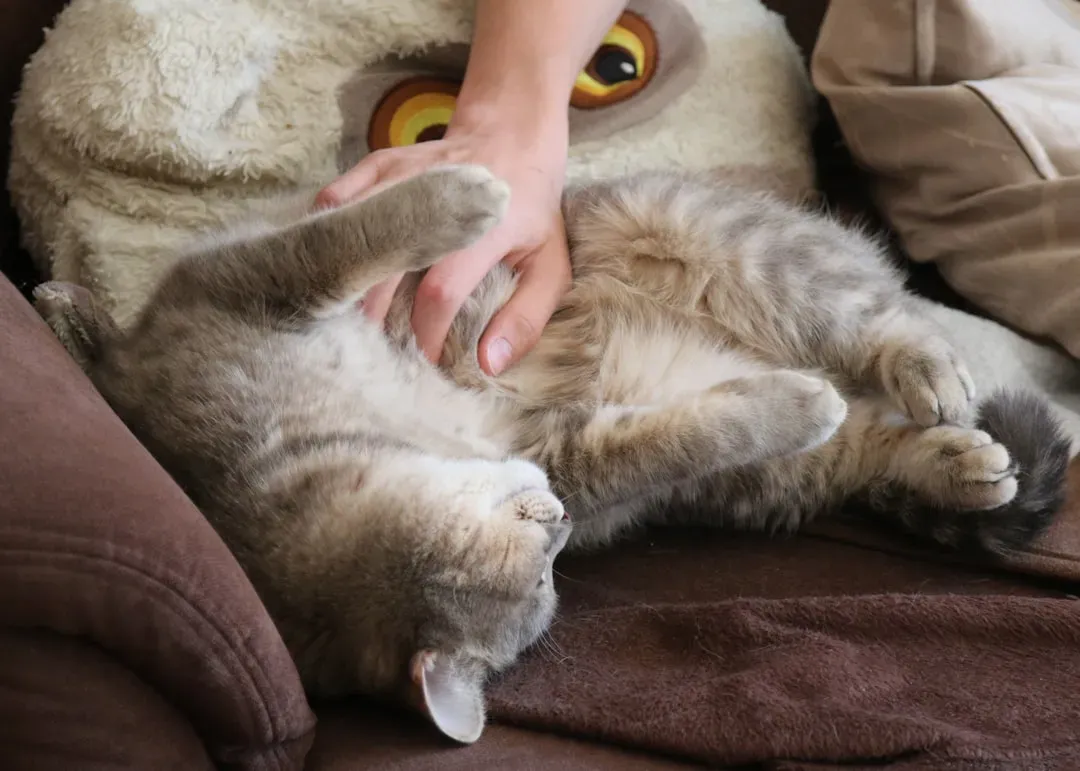
Your cat rolls over. It exposes that fluffy, irresistible belly. You reach out. Then suddenly, you have four paws wrapped around your arm and possibly some tooth marks on your hand. This is not random aggression. This is you misreading a very clear signal. Rolling over is often your cat’s way of saying they trust you not to touch their belly, so when you do, they may feel that trust was misplaced. It’s a trust display, not a consent form.
Hair follicles on the belly and tail area are hypersensitive to touch, so petting there can be overstimulating. Cats prefer to be pet and scratched on the head, specifically under their chin and cheeks, where they have scent glands. Think of it less like a snuggle and more like touching a live wire. Stick to the chin and cheeks, and you’ll get a much warmer reception.
3. You Mess With Their Daily Routine Without Warning
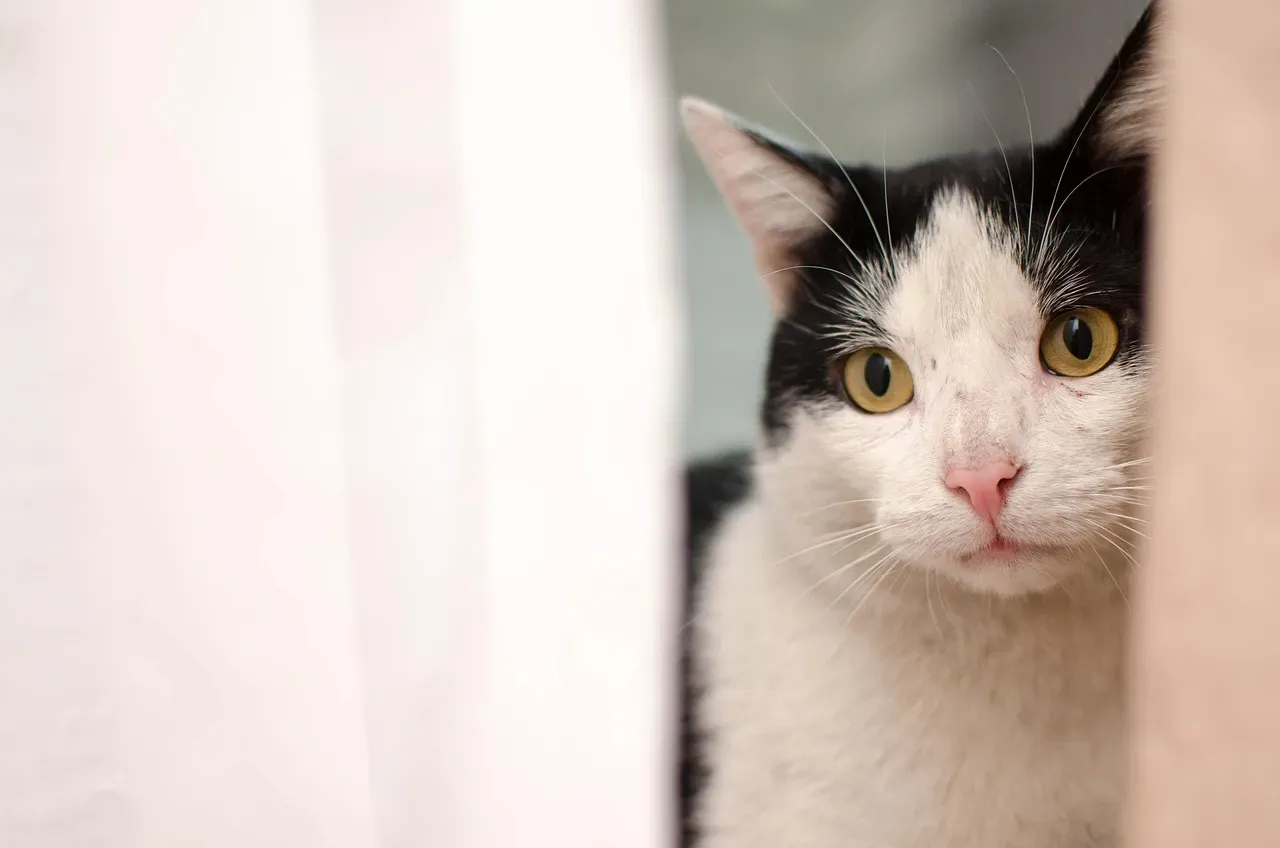
You slept in on Saturday. You fed your cat an hour late. You left for a spontaneous weekend trip. To you, these are life’s little variations. To your cat, they might as well be a category-five hurricane. Daily routines, including play time, feed schedule, and owner schedule, should be predictable, thus reducing the chronic stress associated with unpredictability. Cats are creatures of extraordinary routine, and disrupting that structure triggers a real stress response.
Cats that struggle with sudden schedule changes often rely on routine, predictability, and emotional security to feel safe. When routines are disrupted, some cats may become withdrawn, show increased vocalization, clinginess, unwanted behaviors, or extreme reactiveness to loud noises. Honestly, I think of it like this: imagine if someone randomly rearranged your kitchen every other day. You’d be frustrated too. Consistency is kindness, as far as your cat is concerned.
4. You Make Too Much Noise
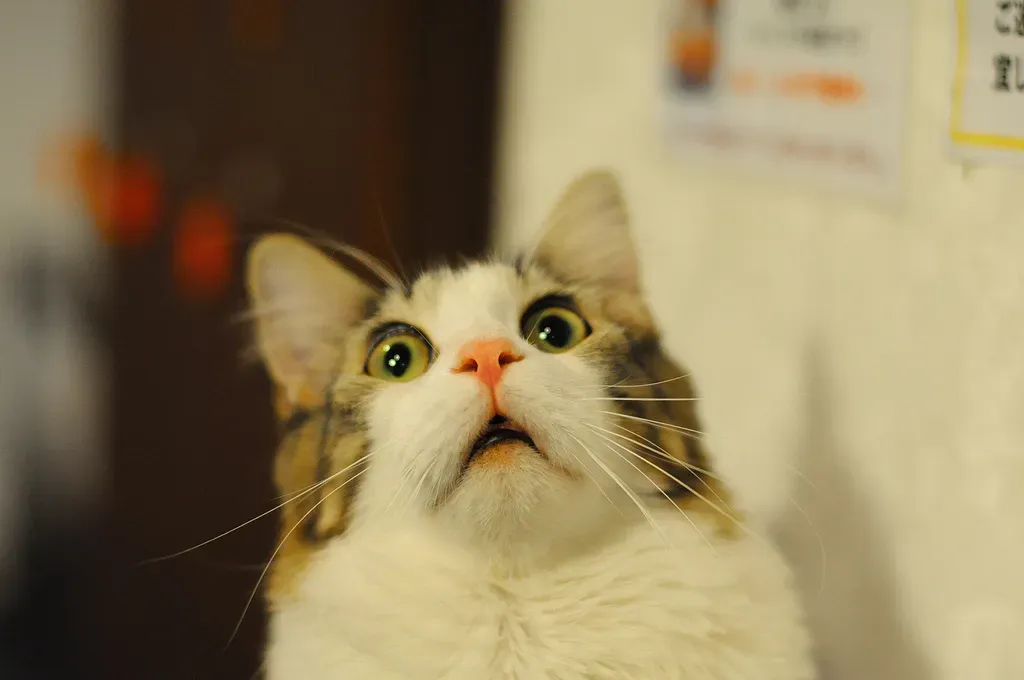
Cranking up the music, vacuuming enthusiastically, slamming cabinet doors – you might barely notice these sounds. Your cat absolutely does. Loud noises make cats very nervous: in nature, loud noises can indicate a dangerous predator. When a cat hears a loud noise, it activates the part of their brain that governs the fight, flight, or freeze response. This can result in increased aggression towards people or other pets, skittish behavior, loss of appetite, over-grooming, or litter box problems. That vacuum cleaner your cat flees from is not a quirk. It’s a genuine trauma response.
Cats have one of the widest ranges of hearing amongst mammals, and this enables them to hear very high-pitched noises. Because their ears are sensitive to loud noises, these can be particularly scary if they don’t expect them or know what causes them. Your cat is not being dramatic. Its auditory system is simply built at a completely different level of sensitivity than yours. A little more quiet in the house goes a long way.
5. You Pick Them Up Whenever You Feel Like It
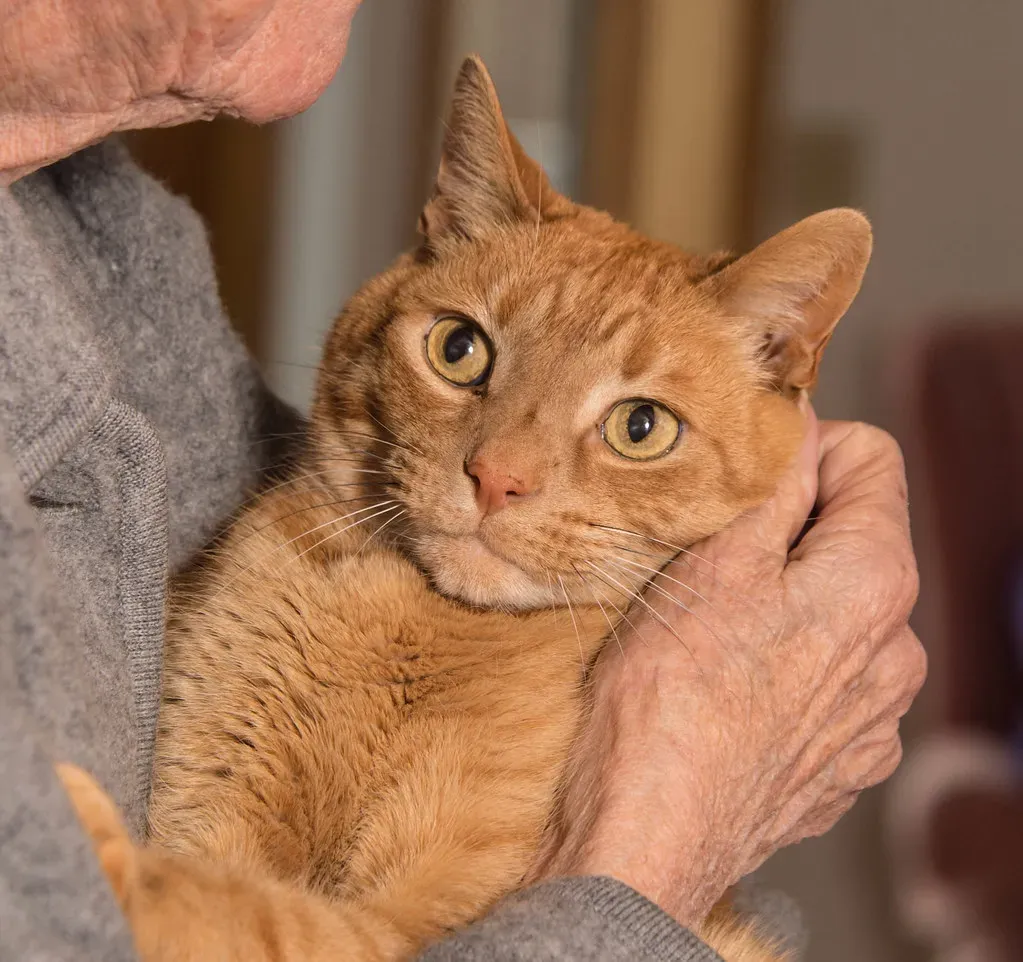
You see your cat sitting peacefully on the windowsill, minding its own business. You swoop in, scoop it up, and hold it like a baby because it’s just so adorable. Your cat, however, did not sign off on this. Being picked up is not a very natural behavior for cats. Some really dislike it, often due to poor socialization, a protest against restraint, fear, or pain. For an animal that survives by controlling its own movements and escape routes, being lifted off the ground by a giant is no small thing.
Your cat may feel disrespected by being picked up when they would prefer to choose their spot themselves. It’s a lot like being picked up mid-sentence at a party and carried into another room. Rude, right? Let your cat come to you on its own terms. The bond you build from that kind of respect is far stronger than any forced cuddle session.
6. You Ignore Their Meows
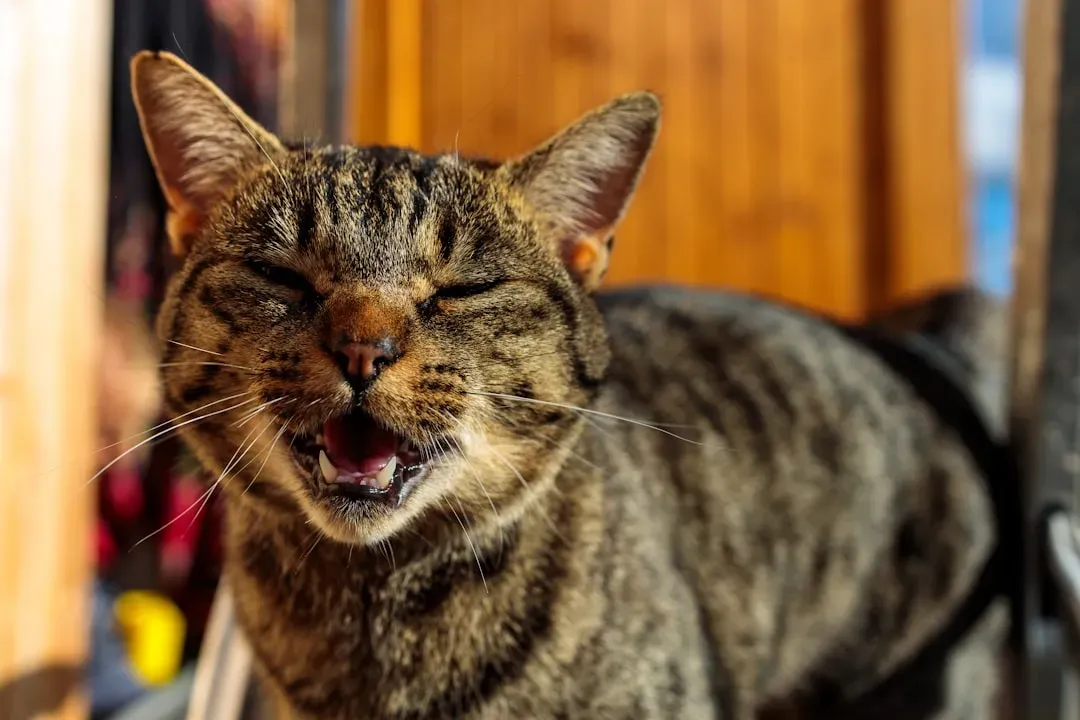
Your cat meows. You glance over and go back to scrolling your phone. Your cat meows again, louder. You do not react. Here is what you may not realize: your cat is actually communicating something specific to you, and being ignored is, to them, genuinely baffling. Cats mostly meow for humans. They sometimes meow at one another, but rarely and mostly as kittens. When they meow, they’re communicating with us in some way. Acknowledging their meows tells your cat that you heard them, even if you didn’t understand them. Ignoring that communication entirely is like hanging up on someone mid-sentence.
Cats learn specifically how their owners react when they make particular noises. If the cat thinks, “I want to get my owner from the other room,” it works to vocalize. Your cat has put real effort into figuring out how to talk to you. The least you can do is acknowledge that something was said, even with a simple glance or a soft word back. It matters more than you might think.
7. You Bring Chaos Into Their Territory
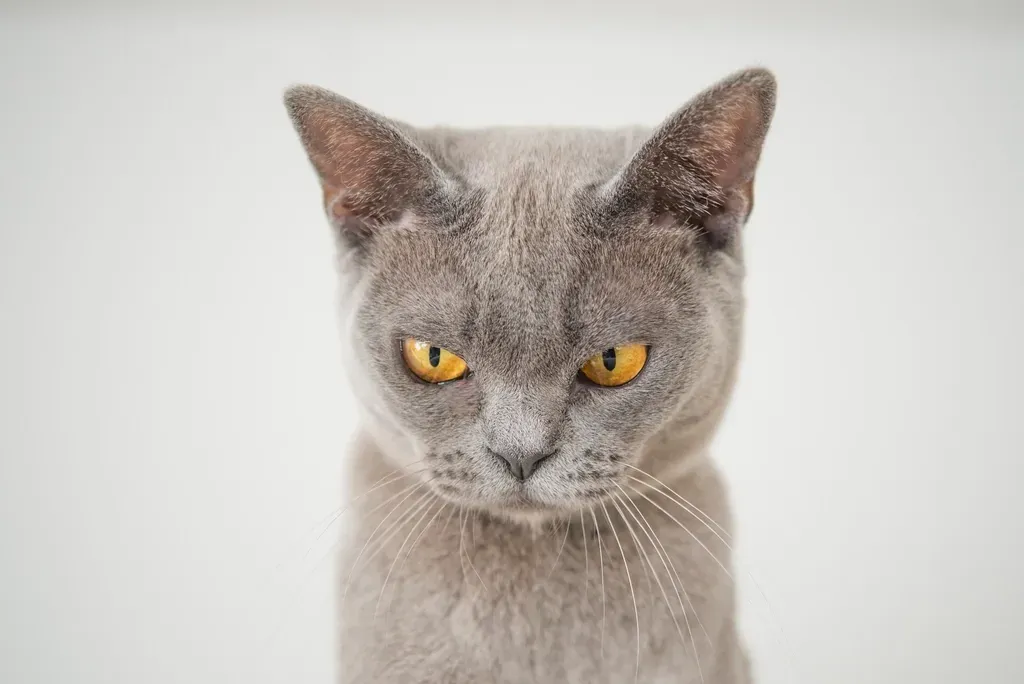
You rearranged the furniture. You brought home a new piece of clothing that smells like a dozen different strangers. You invited a crowd of people over and let them freely roam around your cat’s carefully scent-mapped kingdom. A cat’s scent map is their way of marking territory with their scent by rubbing their cheeks and bodies on items. This scent marking creates a sense of familiarity and comfort for a cat, and messing with it too much can make them feel disoriented. Their scent map is essentially their home security system, and you keep disabling it without warning.
Novelty may be stressful in itself and therefore changes in the physical environment of the cat, as well as the arrival of a new household member or a change in the daily routine, may all lead to stress. Think of it like someone redecorating your home while you sleep. Disorienting at best, maddening at worst. Introduce changes gradually, and give your cat time to re-establish those all-important scent boundaries.
8. You Are Completely Baffling to Watch
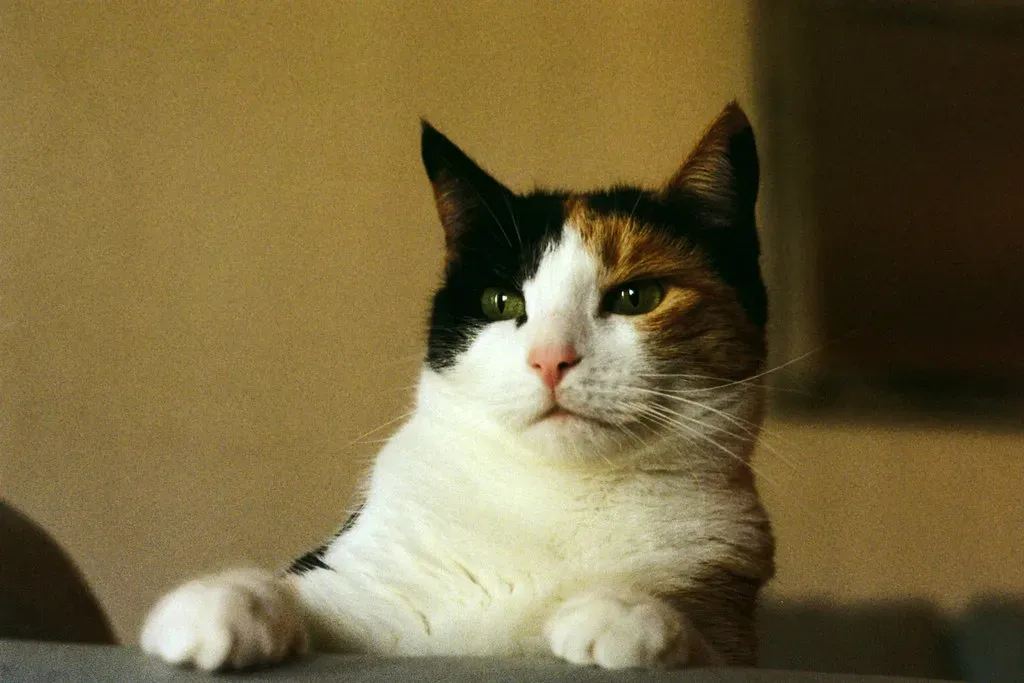
You talk to your phone. You laugh at nothing visible. You dance in the kitchen alone. You do yoga poses on the floor while making strange breathing sounds. To you, these are completely normal Tuesday activities. To your cat, you are utterly inexplicable. Sometimes, these naturally curious creatures might just be wondering what you’re doing. Because humans do not speak the same language as cats, there are a lot of things that people do, like hug, dance, or unpack the groceries, that cats may find very baffling. Your cat is not judging your dance moves, exactly. It simply cannot compute what you are doing or why.
When a cat stares at a person, they often use that same instinctive focus to gather information. They may think they are simply watching us, but they are reading our movements, tone, and behavior. Your cat is essentially running a constant data analysis on you, filing away information and trying to build a model of your behavior. It’s part flattering, part scientific, and entirely cat.
9. You Don’t Read Their Emotional Signals
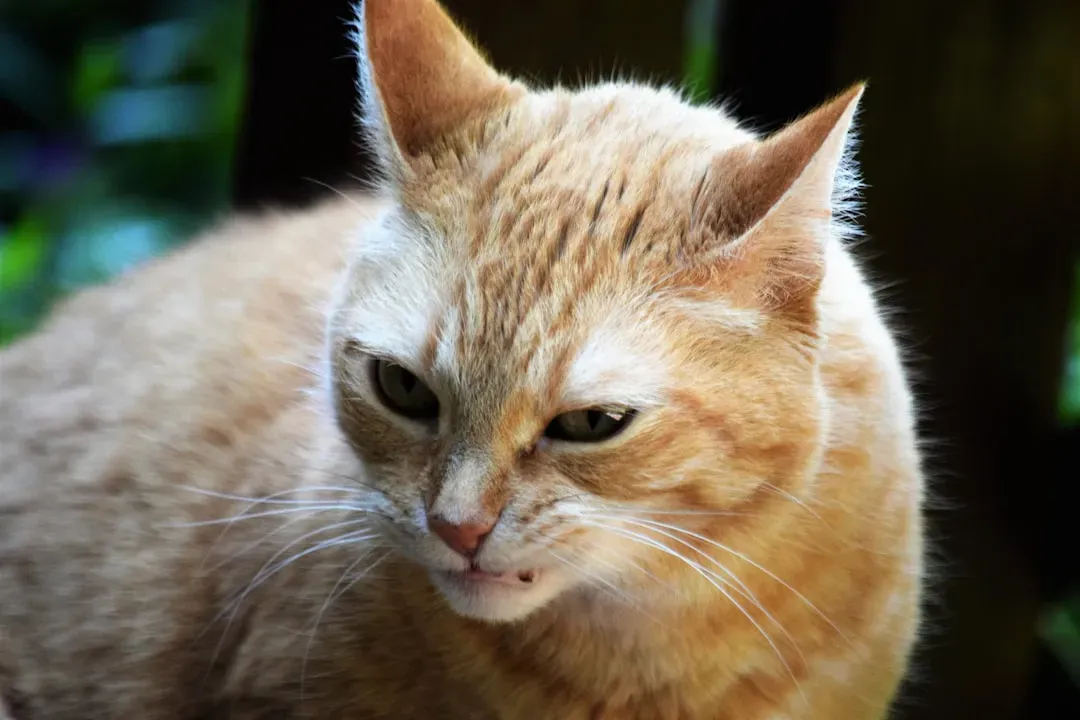
Your cat’s tail is lashing. Its ears are slightly flattened. Its pupils are dilated. Yet here you are, still reaching out for “just one more pet.” Let’s be real, most cat owners have been guilty of this at some point. Cats use subtle shifts in their posture, ears, eyes, and tail to signal their mood or health. Missing these signals is one of the most common, and most judged, things humans do from a feline perspective.
Cats watch us more closely than we realise. They register our footsteps, our tone of voice, how quickly we cross the room, whether we close a door gently or slam it. For a species that survives by scanning tiny variations, those details matter. Your cat is reading you constantly and fluently. The least you can do is try to read it back. A swishing tail paired with dilated eyes means the petting session is over, full stop.
10. You Are Emotionally Unpredictable
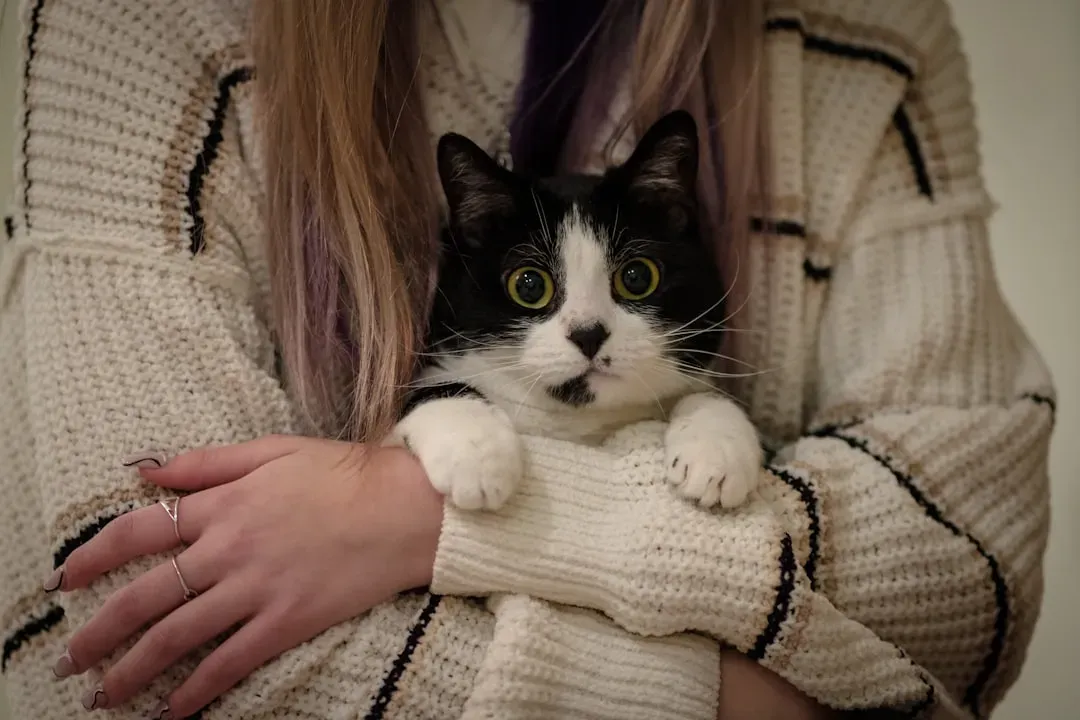
Had a terrible day? You stomp in, your body tense, your voice sharp, the energy in the room completely different from your usual Tuesday self. You might think you’re holding it together. Your cat knows otherwise. Cats feel safer when events follow a predictable rhythm. Irregular feeding times, different people coming and going, or new work schedules can raise their baseline tension. Raised shoulders, faster walking, tense hands, and sharper tone all act as warning signals to a species tuned to read movement and sound. You are basically a walking weather report, and your cat is watching every cloud.
Cats notice your moods. They often gravitate toward calm, predictable humans, even curling up with people who are sad. Not because they’re feline empaths, but because sadness usually comes with stillness, quiet voices, and fewer sudden movements – all highly rated features in Catland. It’s a humbling thought. Your cat isn’t necessarily comforting you out of pure love. It’s also rating you on your calm-meter. The good news? You can improve your score anytime, just by slowing down.
Conclusion: Your Cat Is Watching, Always
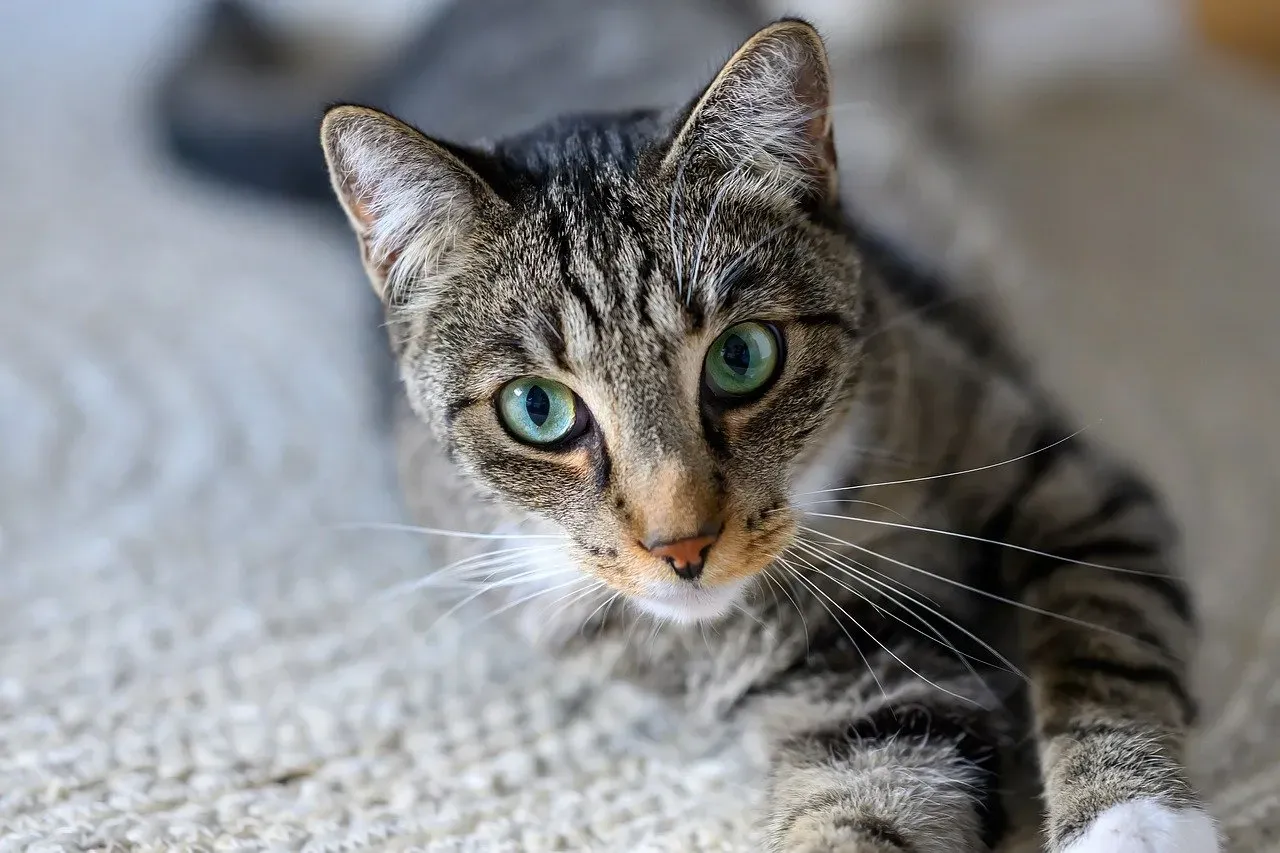
Here is the beautiful paradox at the heart of all this: your cat notices everything about you, registers every mood shift, reads every movement, and still chooses to share its life with you. Cats can recognize familiar humans, read emotional cues, and remember which people are worth approaching. They are not keeping a moral scorecard, but they are paying far more attention than most people give them credit for.
The truth is, understanding your cat’s perspective is one of the most rewarding things you can do as a pet owner. Once you start seeing the world through their eyes – the sensitivity to sound, the need for routine, the importance of consent in touch – the whole relationship shifts. It’s important that you recognize the pattern so that you can change your behavior. Once the human changes their behavior, so will the cat. So take a breath, slow-blink at your cat, and maybe, just maybe, you’ll earn a little feline respect back. What do you think – is your cat already judging you for one of these? Drop your thoughts in the comments!
Kristina is a young writer from India. An arts graduate and an avid content creator, Kristina is passionate about animals and wildlife. She enjoys exploring topics related to pet care, animal behavior, conservation, and nature, combining thorough research with engaging storytelling.