You have probably dismissed your cat’s blank stare as pure indifference more times than you can count. Maybe you have even told someone, with complete confidence, that your dog is the smart one in the household. Honestly, most of us have. The image of the cat as a beautiful, cold, self-absorbed creature who barely notices your existence has been around for centuries. It is wildly popular. It is also, as it turns out, significantly wrong.
Science has been quietly building a case against that lazy assumption for decades, and the findings are nothing short of fascinating. Your cat is not ignoring you because it lacks the brainpower to engage. It may simply have decided you are not worth its time right now, which, in its own way, is proof of a very sophisticated mind. Buckle up, because what follows might change the way you look at that furry creature curled on your couch forever. Let’s dive in.
Your Cat’s Brain Is Surprisingly Similar to Yours
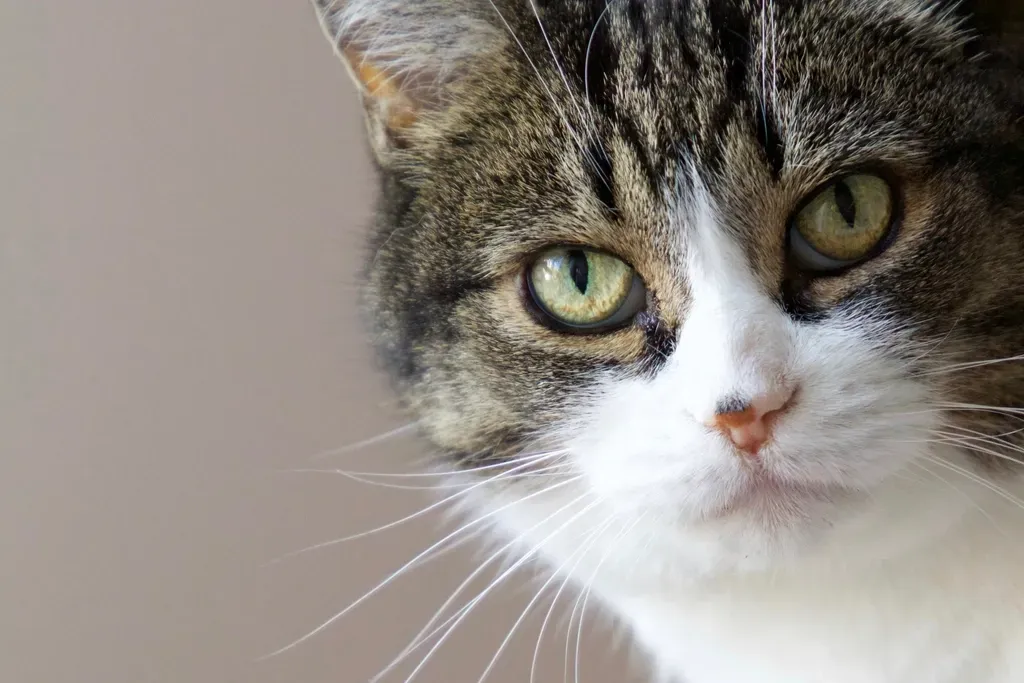
Here is the first thing you need to know, and it is genuinely surprising. The feline brain’s structure and surface folding is roughly 90 percent similar to that of humans. Think about that for a second. The creature napping on your radiator has a brain that looks, structurally speaking, quite a lot like yours. That is not a minor footnote in biology. That is a big deal.
The surface area of a cat’s cerebral cortex is approximately 83 square centimeters. According to researchers at Tufts University School of Veterinary Medicine, the physical structure of the brains of humans and cats is very similar, and humans and cats have similar lobes in their cerebral cortex. What this means for you is simple: when your cat watches you, processes information, or makes a decision, it is using a brain that works in ways that are not as alien to your own mind as you might think.
The Neuron Count That Changes Everything

Let’s talk about raw brain power for a moment, because this is where things get truly interesting. Cats have an estimated 300 million neurons in their cerebral cortex, compared to 160 million in dogs, responsible for decision-making, memory, problem-solving, and complex thoughts. That is nearly double the count of your famously loyal and obedient dog. Staggering, right?
Cats have more nerve cells in the visual areas of their brain, a part of the cerebral cortex that is responsible for decision-making, problem-solving, planning, memory, and language-processing, than humans and most other mammals. So when your cat tracks a fly across the ceiling with those laser-focused eyes, that is not just instinct kicking in. That is a remarkably dense network of specialized neurons doing exactly what they were built to do, brilliantly.
The Memory That Outlasts Your Own
You might forget where you left your keys after three days. Your cat, however, operates on an entirely different memory timeline. Cats possess impressive long-term memory capabilities, retaining recollections of events and locations for a decade or longer. These memories are often intertwined with emotions, allowing cats to recall both positive and negative experiences associated with specific places. A decade. Let that sink in.
In a fascinating experiment comparing memory in dogs and cats, both species were trained to find food under a box with a lit lamp. Canine recall lasted no more than five minutes. Cats, however, returned to the correct box as long as 16 hours later, exhibiting a power of recall superior to that of monkeys and orangutans. So the next time your cat gives you the cold shoulder after a long trip, it is not being dramatic. It genuinely remembers that you were gone, and it is not impressed.
Problem-Solving Skills That Rival Primates
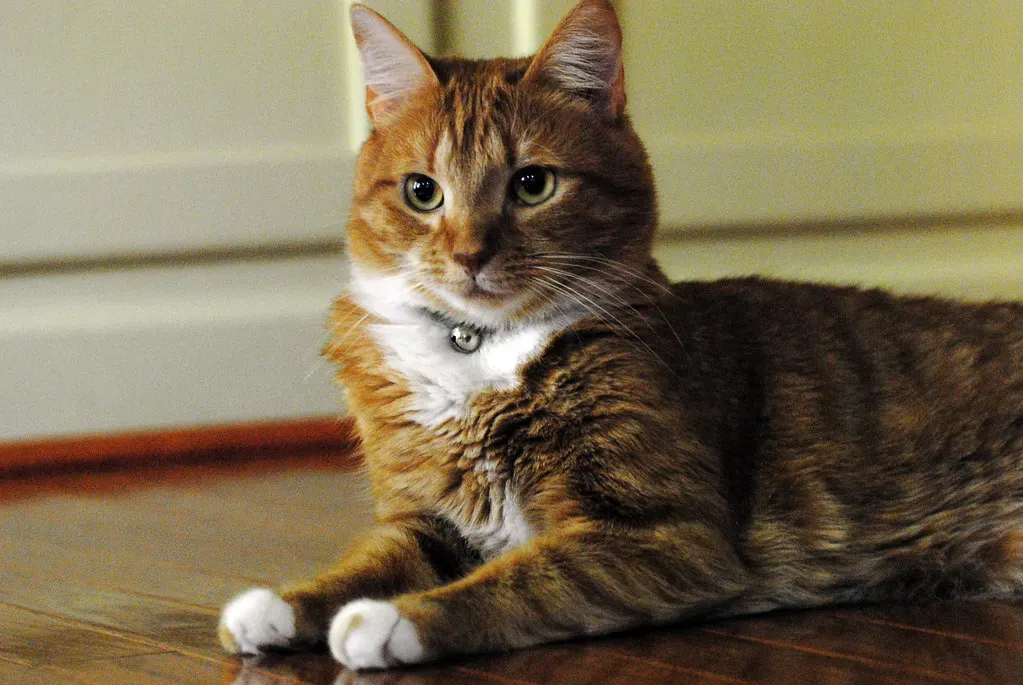
Here is something that used to astonish scientists: the ability to form what researchers call “learning sets” was once thought to be exclusively a primate skill. Then cats came along and blew that assumption apart. The cat’s intellectual ability is highlighted by its ability to use the information retained to solve problems. Cats are able to form “learning sets,” a skill once thought to be confined to primates. For example, cats trained to pull boxes on wheels showed they could combine that skill with their own insight to solve new problems, with one cat pulling a box to a specific location and using it, step-stool fashion, to reach a piece of food suspended from the ceiling by a string.
Research has shown that cats possess a remarkable ability to learn and solve problems. They are naturally curious and have a penchant for exploration. One study presented cats with different puzzles and tasks to solve, and researchers found that cats use logical reasoning to access rewards through trial and error, suggesting feline cognition involves a combination of instinct and problem-solving skills. That combination of instinct and reasoned logic is far more sophisticated than most people give them credit for. It is less “animal acting on instinct” and more “strategic thinker working a problem.”
Object Permanence: The Hidden Toy Test
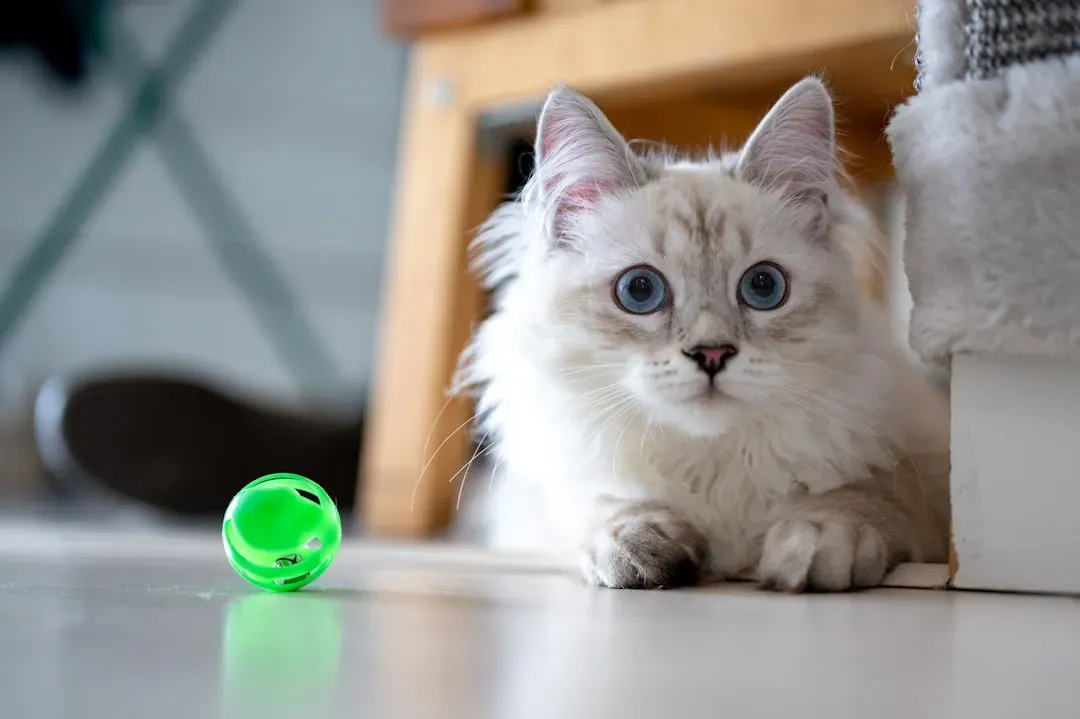
Object permanence sounds like a dry academic concept, but what it actually means is this: does your cat know that the toy you just hid under a blanket still exists? The answer, it turns out, is a very confident yes. Object permanence, the understanding that objects continue to exist while out of sight, is a key part of the sensorimotor stage of cognitive development. Cats have been shown to reach Stage 5 object permanence by passing successive visible displacement tests.
This is the same cognitive milestone that developmental psychologists track carefully in human infants. A cat’s ability to understand object permanence doesn’t stop at knowing that a toy mouse is still under the couch. Research has also shown that, if you were to move the mouse without letting your cat see you and showed them it wasn’t there, they may be able to figure out where it would move to next. That is not just awareness. That is a form of spatial reasoning, and it mirrors a cognitive skill that human babies typically develop in their first year of life.
Your Cat Reads Your Emotions Better Than You Think
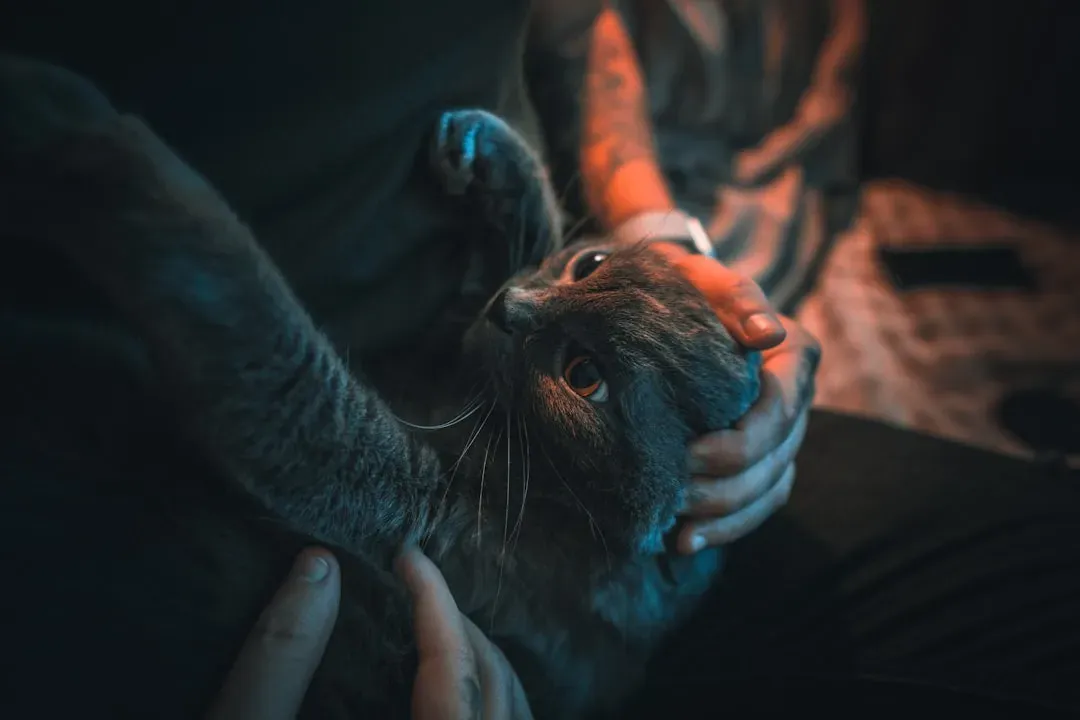
You might believe your cat is completely indifferent to your mood. Science strongly suggests otherwise. Research demonstrates that cats integrate visual and auditory signals to recognize human and conspecific emotions and appear to modulate their behavior according to the valence of the emotion perceived. In plain terms, your cat is reading the room, combining what it sees on your face with the tone of your voice and reacting accordingly.
It goes even deeper than facial expressions and tone. Researchers from the University of Bari in Italy explored whether cats can detect human emotions through scent alone. They found that “fear” odors elicited higher stress levels than “physical stress” and “neutral,” suggesting that cats perceived the valence of the information conveyed by “fear” olfactory signals and regulated their behavior accordingly. Your cat can literally smell your fear. That, friends, is emotional intelligence in a remarkably literal sense.
Social Bonds That Science Didn’t Expect

For a long time, researchers assumed cats were fundamentally antisocial creatures who tolerated humans at best. That view has been thoroughly revised. Research has shown cats can form secure attachments to their owners, like infants with caregivers, and they recognize human emotions, read tone and gesture, and exhibit behaviors linked to empathy and social awareness. The comparison to infant attachment is not casual. It is based on structured behavioral testing.
Scientific studies have shown that approximately 65 percent of cats form secure attachments to their human caregivers. This bond is demonstrated through increased oxytocin levels during positive interactions and specific behavioral patterns when reuniting after separation. Cats can also pick up on their owners’ emotional states and may adjust their behavior accordingly, with some cats even displaying empathetic behaviors, offering extra attention and affection when their humans are feeling down or unwell. The cat sitting on your lap when you are having a hard day? That is not coincidence. That is a creature responding to you with something that looks a whole lot like compassion.
They Can Learn by Watching You
Dogs are famous for their trainability. Cats, on the other hand, have a reputation for being impossible to teach anything. Honestly, that reputation is more about cat motivation than cat ability. Like humans, cats can learn from observation. They can pick up information by watching another cat, animal, or human. This is called observational learning, and it is a form of intelligence that puts cats well above what most people assume.
An experiment was done to identify possible observational learning in kittens. Kittens that were able to observe their mothers performing an experimentally organized act were able to perform the same act sooner than kittens that had observed a non-related adult cat, and sooner than the ones who observed no other cat performing the act. In practical terms, your cat watches how you open the fridge. It watches how you turn the door handle. It is filing that information away. How many cats you have seen open doors is probably not a coincidence.
Social Intelligence That Rivals Dogs

For years, scientists barely studied cat cognition at all. Dogs dominated the research, and cats were left out of the conversation entirely. After years when scientists largely ignored social intelligence in cats, labs studying feline social cognition have popped up around the globe, and a small but growing number of studies is showing that cats match dogs in many tests of social smarts. That finding rattled the scientific community in the best possible way.
Miklósi, who typically studies dogs, discovered that like their canine counterparts, cats have the ability to understand what other animals, including humans, are communicating to them. The key insight here is that cats were domesticated differently from dogs, descending from largely antisocial ancestors. Their intelligence may have increased during semi-domestication, as urban living provided an enriched and stimulating environment requiring novel adaptive behaviors. In other words, your cat evolved to be smart partly because living with you required it to be.
Conclusion: Give Your Cat a Little More Credit
The portrait of the cat as an empty-headed, emotionally unavailable creature has been dismantled piece by piece by science. You now know that your cat carries a brain structurally similar to yours, packs roughly twice the cortical neurons of a dog, remembers experiences for up to a decade, learns by watching you, reads your emotions through sight, sound, and even smell, and forms genuine secure bonds with the people it loves. That is not the profile of a simple animal.
It is the profile of a highly specialized, cognitively rich creature whose intelligence simply works differently from what we expected. Think of it this way: a cat is not a failed dog. It is a masterclass in a completely different kind of smart. The next time your cat gives you that long, slow blink, consider that it might be the most emotionally aware thing in the room. So, after everything you have just read, do you still think your cat is just sitting there doing nothing?
Kristina is a young writer from India. An arts graduate and an avid content creator, Kristina is passionate about animals and wildlife. She enjoys exploring topics related to pet care, animal behavior, conservation, and nature, combining thorough research with engaging storytelling.