You sit down for dinner, fork in hand, and then you feel it – that unmistakable sensation of being watched. You look up, and there it is. Your cat, perched with perfect stillness, eyes locked onto your plate like a tiny, furry surveillance camera. If you’ve ever wondered whether your cat is genuinely plotting something or simply living rent-free in your head, you’re not alone.
The truth behind this behavior is far more fascinating than you might expect. It mixes ancient instinct, learned habits, emotional bonding, and a dash of pure feline stubbornness. There’s real science here, and honestly, some of it will change how you see your cat entirely. So let’s dive in.
Your Cat Is Running an Ancient Hunting Program
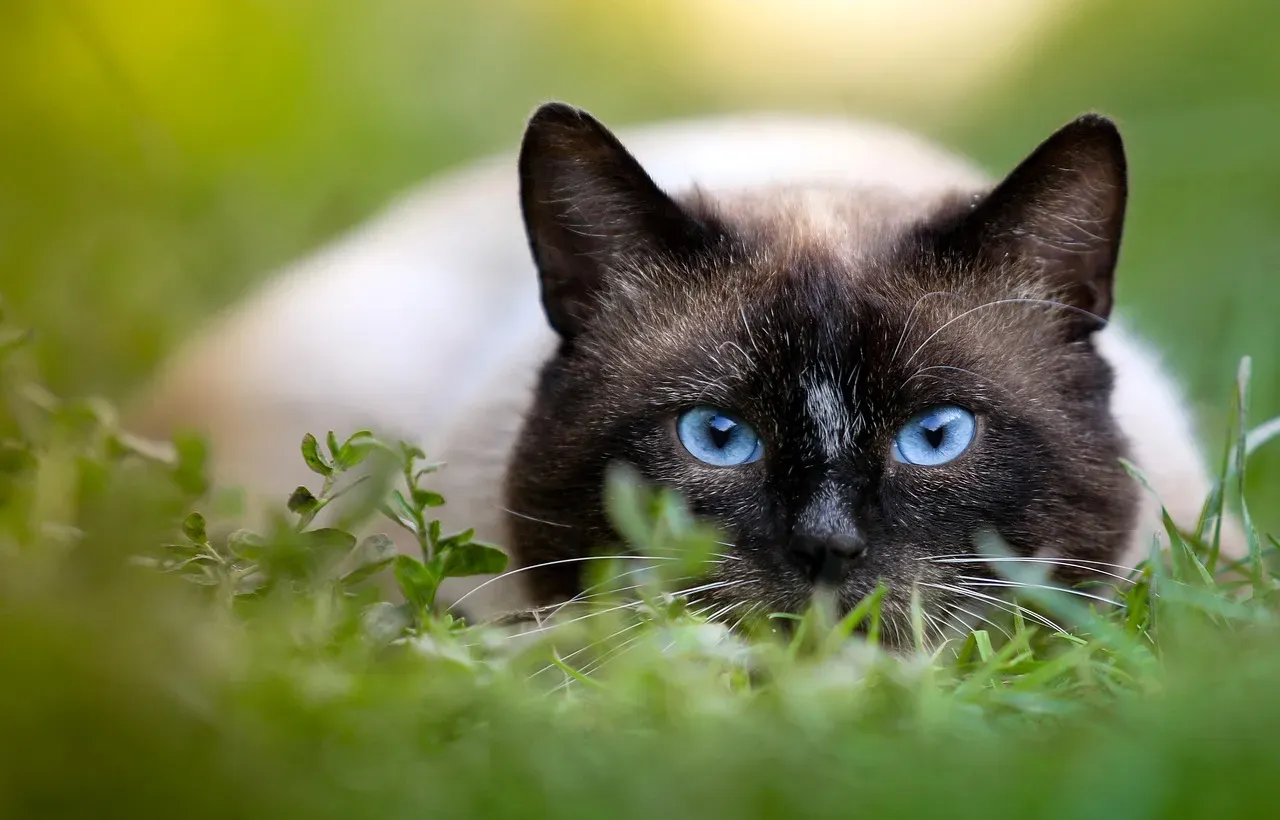
Here’s the thing – your cat didn’t always live on a couch with a curated playlist of bird videos. Domestic cats evolved from solitary hunters who relied on stealth, timing, and acute observation to survive. Even though today’s housecats receive regular meals, their instincts remain finely tuned. Watching you eat is, in a primal sense, tracking movement near a food source.
Watching repetitive hand-to-mouth motions is inherently stimulating for a cat. In the wild, subordinate animals often observe dominant ones to assess safety, hierarchy, and opportunity. So when your cat stares at your plate of pasta, they’re essentially running an ancestral program that was written long before kibble existed.
The Power of Their Nose Pulls Them In
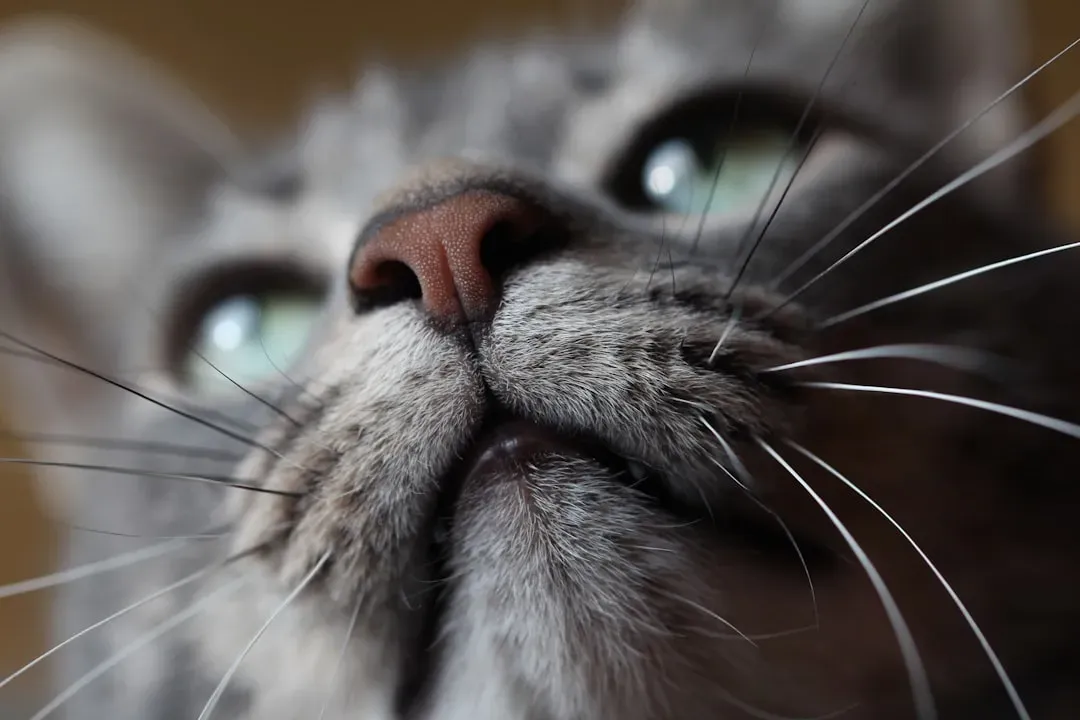
Let’s be real – your grilled chicken smells incredible, especially if you’re a cat. Cats have a strong sense of smell, up to 14 times more sensitive than humans. That lasagna you’re eating from across the table? Your cat detected it the moment you opened the oven. It’s practically an assault on their senses.
Cats need to smell what they eat. Their wild ancestors ate meat that was still warm, and they could detect the scent of freshly caught prey. When the aroma of your meal hits their nose, it triggers something deep and instinctive. The staring that follows is really just their way of processing an overwhelming olfactory experience – and hoping something lands on the floor.
They’re Silently Asking You to Share
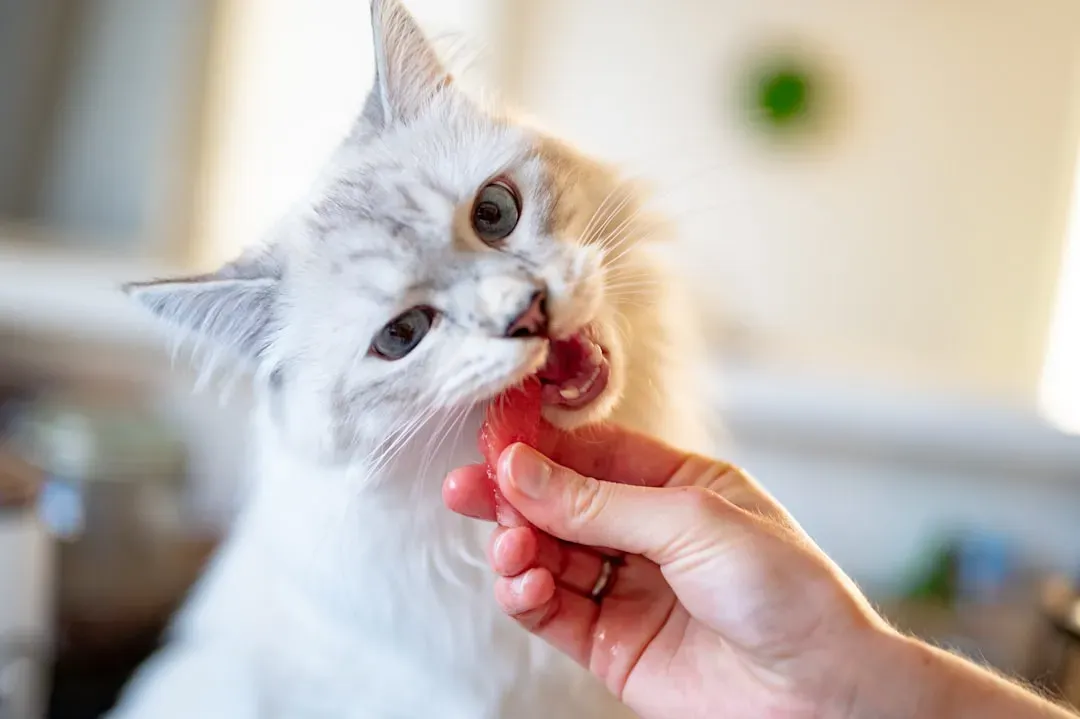
Some cats may stare intently at you while you’re eating your meal, in hopes of getting a tasty morsel of human food. This isn’t random. Cats are remarkably strategic about when and how they deploy the stare, and mealtimes happen to be prime opportunity windows. Think of it as a negotiation tactic without words.
If it’s around the time your cat is usually fed and they’re staring at you with demanding eyes, they’re likely using their best mind tricks to convince you to top up their food bowl. For added effect, they may pair this stare with meows to really get your attention. It’s calculated, almost businesslike, and honestly a little impressive.
You Accidentally Trained Them to Do This
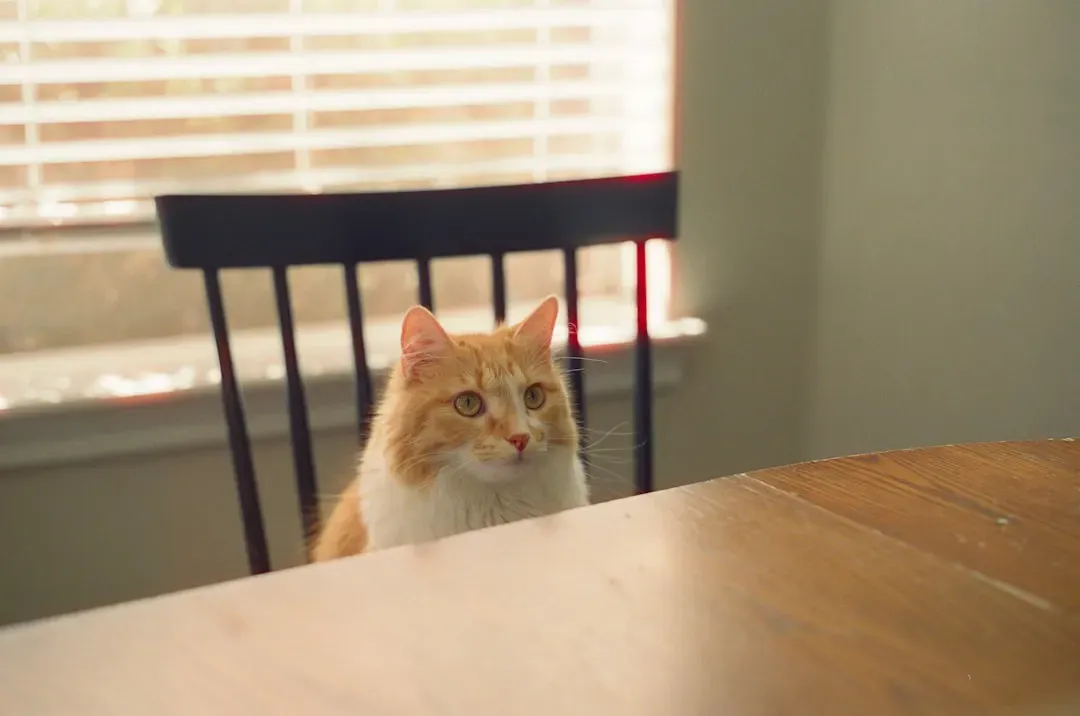
This one stings a little. If your cat has ever received a scrap from your plate, even once, they now associate staring with potential payoff. From the cat’s perspective, sitting quietly and intently watching you is a successful hunting strategy. You created a monster. A very cute monster, but still.
Behavioral scientists call this operant conditioning. When a behavior leads to a desirable outcome, like a piece of chicken, the animal is more likely to repeat it. Over time, the cat refines the technique – the longer and more intensely they stare, the higher the chance you’ll give in. Every time you laughed at them, shooed them away, or gave them “just this once,” you reinforced the loop. Consistency matters more than you’d think.
They See Mealtime as a Social Event
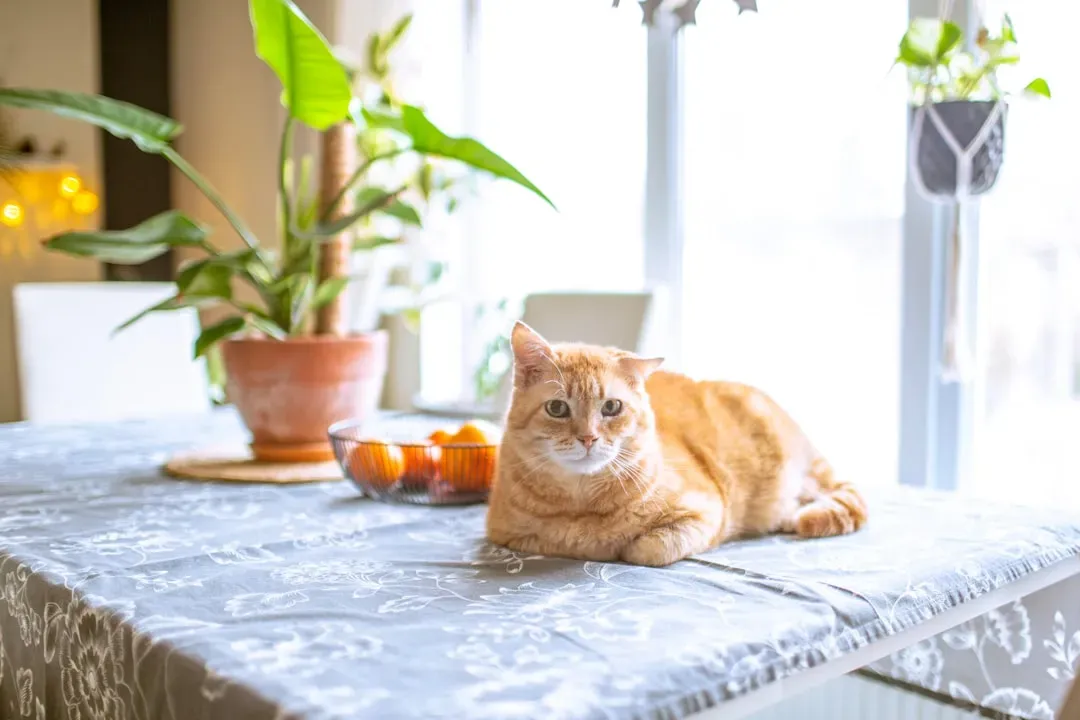
Honestly, this is the one that gets me. Your cat might not even be interested in your food at all. In multi-pet households or bonded pairs, cats often watch their humans as part of social bonding. To a cat, sharing space during meals – even silently – is a sign of inclusion. In the wild, animals that eat near each other are part of the same social group. You’re basically their family dinner table.
Some cats simply don’t want to eat unless the dining environment is to their liking. This fussy behavior is known as “affection eating,” and it often means your cat just wants a little company while they snack. In most cases, this behavior is no reason to worry – your cat likely just feels more comfortable with you around. Honestly, that’s kind of sweet, even if it’s inconvenient.
It’s Also a Form of Deep Communication
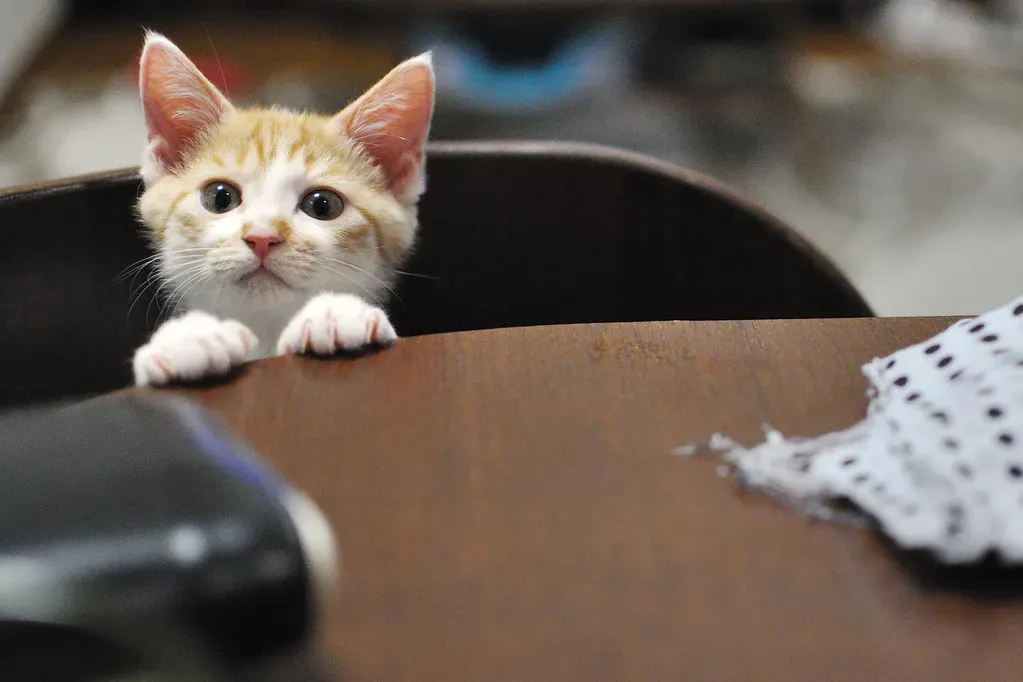
Staring is considered rude in the human world, but staring can convey very different messages in the cat world. A staring cat can be a sign of asking for attention, seeking food, or a warning that the cat needs space. Context is everything, and your cat is fully aware that you’re paying attention when they lock eyes with you. It’s their most reliable tool for communication.
Unlike dogs that tend to bark, paw, or do acrobatics to get humans’ attention, cats are a little more subtle. Eye contact plays a significant role in the way they bond, communicate, express emotions, and even assert dominance. That unwavering gaze during your dinner isn’t random noise – it’s a full sentence, delivered in a language most people are still learning.
The Slow Blink Is Their Way of Saying “I Love You”
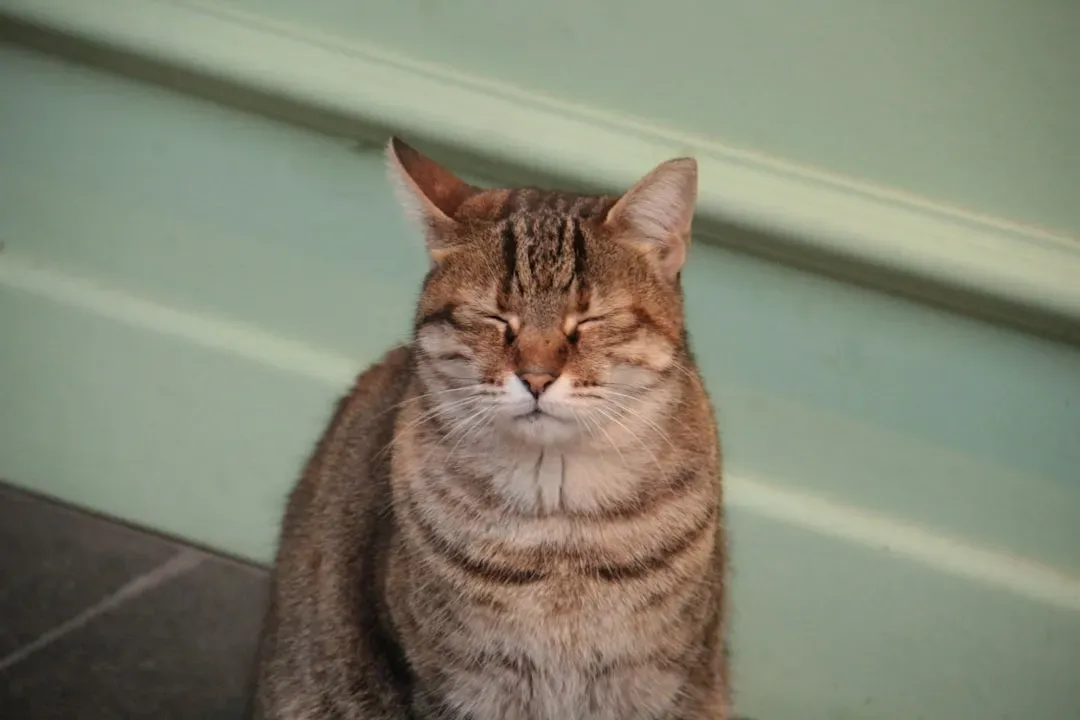
Not every dinner stare is a demand. Some of them are actually pretty tender. According to a study published in the journal Scientific Reports, slow blinking, observed in cats and humans, can be a sign of trust. When cats receive slow blinks from their humans, they often return the gesture, suggesting a mutual nonverbal “I like you.” So if your cat stares and then slowly closes their eyes, that’s actually a compliment.
Staring is also a sign of a close bond between you and your cat. They are unlikely to hold eye contact with someone they don’t like or trust. If they slowly blink while looking at you, that means they love you even more – they trust you enough to close their eyes in your presence. Try returning the gesture. Slow blink back. You might be surprised at what happens next.
Their Internal Clock Is More Accurate Than You Think
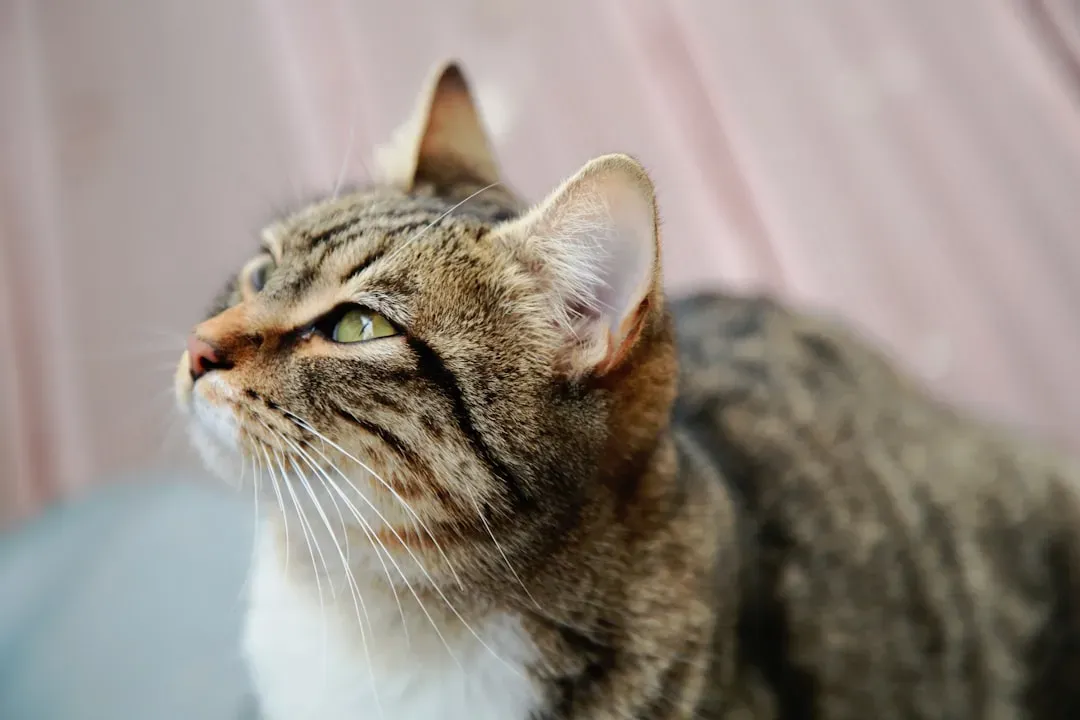
Cats are highly attuned to routines. They notice when you open the fridge, sit at the table, or pick up utensils – all cues that precede feeding time. Your cat has likely associated these actions with food delivery, whether from their own bowl or, inadvertently, from your plate. It’s almost uncanny how precise they are about it.
Your cat takes great comfort in familiar routines, and their internal clock lets them know when it’s about to become mealtime. Even when you’re never late in offering food at the same time every day, they may still sit there in anticipation. Cats are also most active during dawn and dusk, which coincides with many human meal times. Their heightened alertness during these hours makes them more likely to focus on anything routine-breaking, including your dining rituals.
What You Should (and Shouldn’t) Do About It
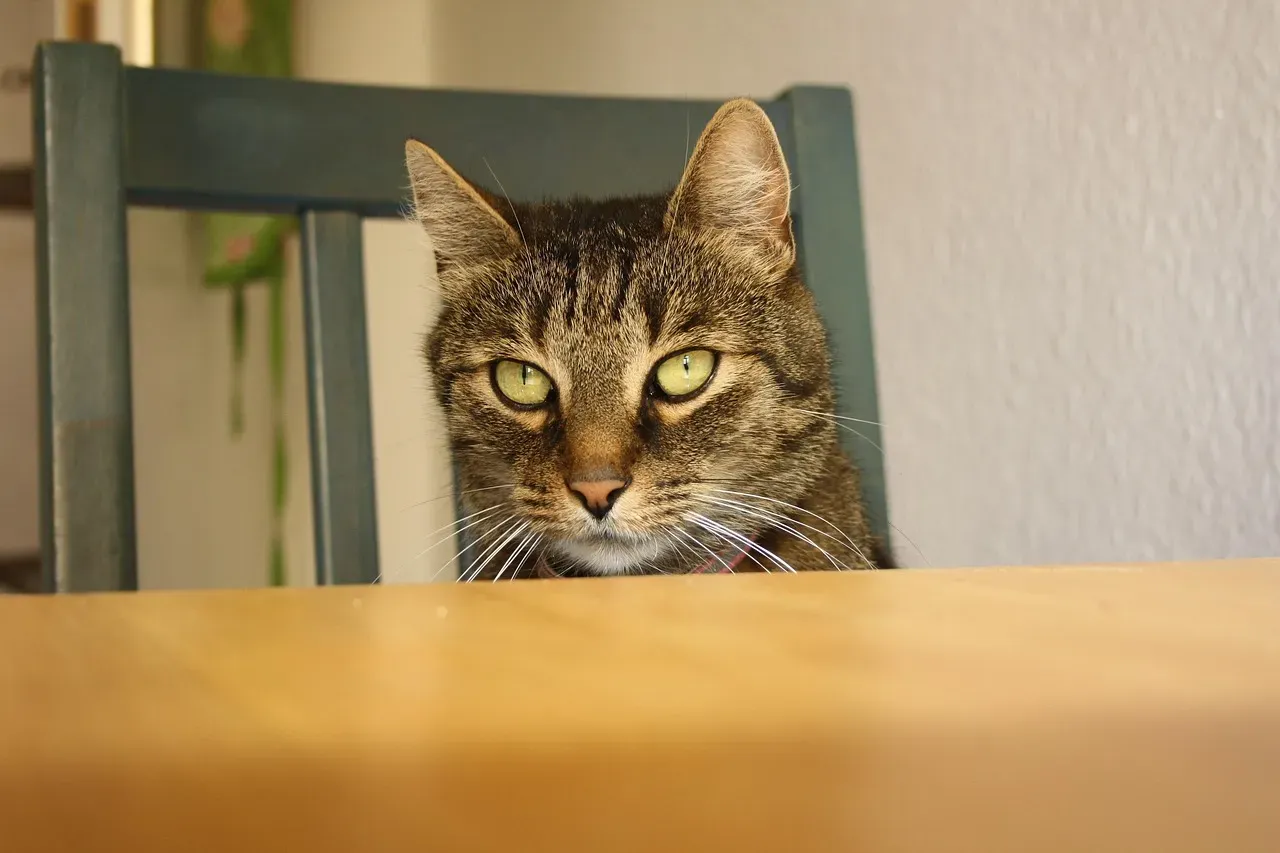
Let’s wrap this up with something practical. The good news is that staring during meals isn’t inherently problematic. It becomes an issue when it escalates into begging, vocalizing, or even pawing at your plate. With patience and consistency, you can redirect your cat’s attention in a way that respects their natural instincts while preserving your peace at mealtimes.
If your cat feels they get plenty of attention from you throughout the day, they’re less likely to beg for your attention during dinner. Occasionally sharing safe, cat-friendly foods like plain chicken or fish isn’t harmful, but doing so regularly encourages begging and may lead to nutritional imbalances. Human food often contains salt, spices, or fats unsuitable for cats. If you choose to share, do so sparingly and only with veterinarian-approved items. A consistent feeding schedule and plenty of play will go a long way in reducing the intensity of those dinner-table staredowns.
Conclusion
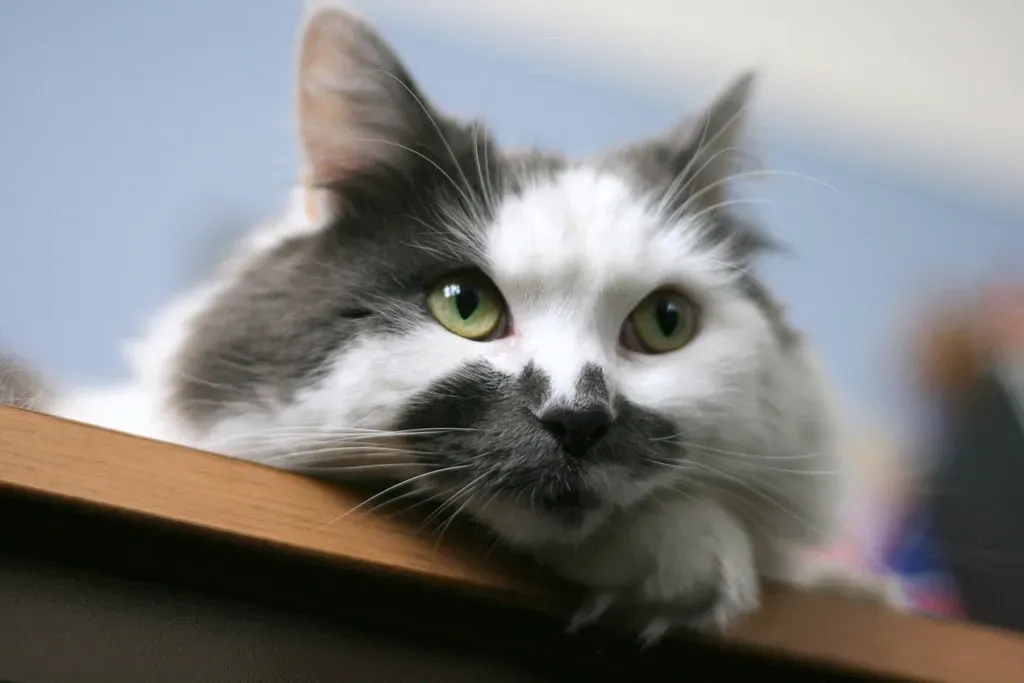
So the next time your cat locks eyes with you over your evening meal, know that it’s rarely just one thing. It’s instinct layered over learned behavior, wrapped in social bonding, and occasionally topped off with genuine affection. Your cat isn’t being weird. They’re being a cat – which is arguably the most complex animal in the average household.
The stare is a window into their world, one where you are, simultaneously, a food provider, a trusted companion, a rival to monitor, and the most interesting thing in the room. Honestly, how many beings in your life see you that way? Maybe the real question isn’t why your cat stares at you while you eat – it’s whether you’ve ever truly stared back. What would you have guessed was going on behind those unblinking eyes?
Kristina is a young writer from India. An arts graduate and an avid content creator, Kristina is passionate about animals and wildlife. She enjoys exploring topics related to pet care, animal behavior, conservation, and nature, combining thorough research with engaging storytelling.