Most cat owners genuinely believe they’re doing everything right. The bowl gets filled. The food gets chosen. The cat eats. Simple enough, right? Except it really isn’t. Feline nutrition is surprisingly nuanced, and even small mistakes in your cat’s diet can lead to significant health issues like obesity, kidney problems, or nutrient deficiencies. That’s a lot at stake for something that seems so routine.
Here’s the thing: feeding mistakes don’t usually come from neglect. They come from good intentions mixed with misinformation, habits from dog ownership, or advice that worked for someone else’s cat but not yours. If you’ve ever thought “my cat seems fine,” this article might change your perspective completely. Let’s dive in.
You’re Probably Leaving Food Out All Day
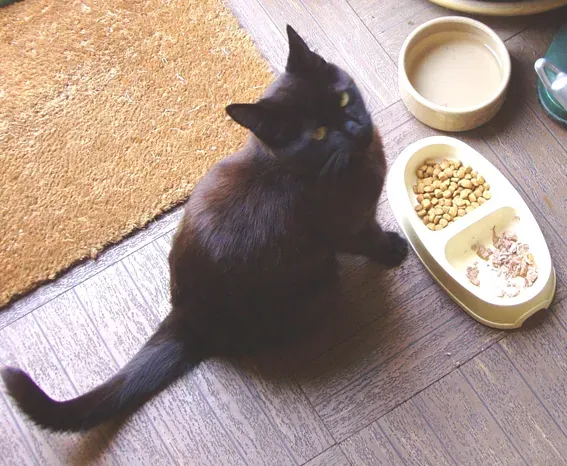
Honestly, this is the number one mistake cat owners make, and it feels so innocent. One of the most damaging cat feeding mistakes is free feeding, which means leaving food available around the clock. This practice goes against everything cats were naturally designed for and undermines your efforts to provide proper care. Think of it like this: would you leave an entire day’s worth of snacks within arm’s reach and expect yourself not to keep nibbling? Neither can your cat.
Indoor cats lack the exercise of hunting. When food is always available, the natural grazing habit quickly leads to overeating. Without a set schedule, many cats eat because the food is there, not because they are hungry. This constant access leads to rapid weight gain. Moving to scheduled meals, ideally two to three times per day, is one of the single most impactful changes you can make for your cat’s long-term health.
You’re Not Watching the Portions Closely Enough
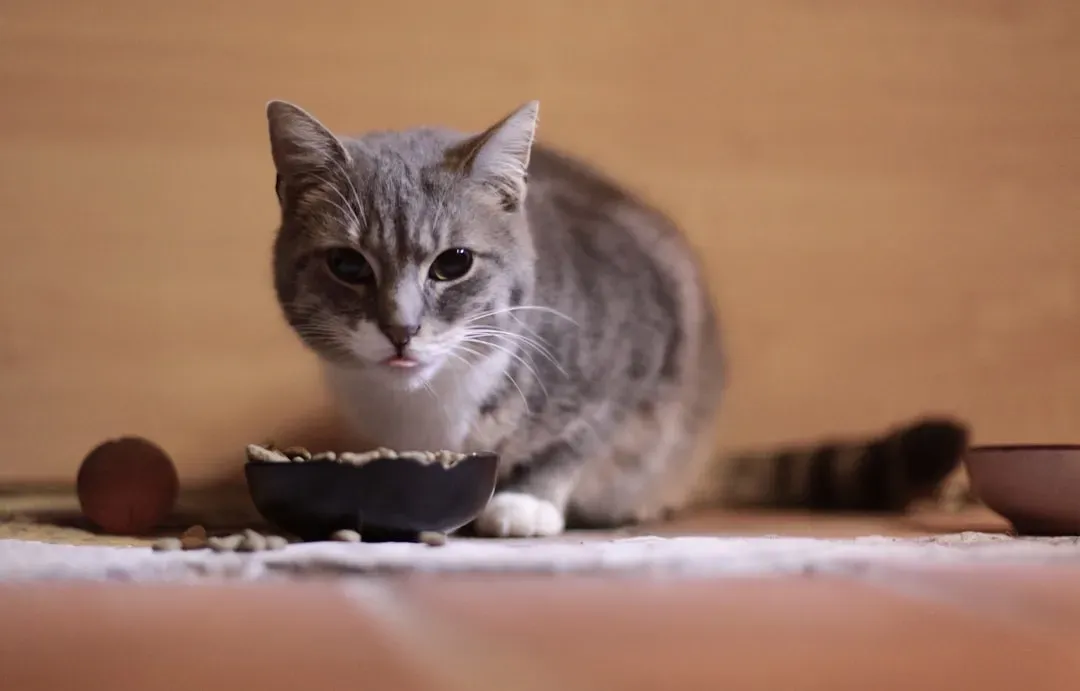
One of the most common feeding mistakes among cat owners is inadequate dosing. The amount of food you give your cat should be appropriately adapted to its nutritional needs, as well as its level of physical activity. Many owners eyeball their cat’s portions the same way they pour their own cereal in the morning. That casual approach works fine for you. For your cat, not so much.
Younger and more active cats will require more food, while older and less active cats generally need less. Furthermore, certain cat foods are higher in calories than others, so make sure to always read the dosing instructions on the label and adapt the portions accordingly. Also, don’t overlook treats. We all love to treat our cats, but treats can sneakily and quickly add up additional calories. Those little extras add up faster than you’d think.
You’re Ignoring the Serious Risks of Obesity
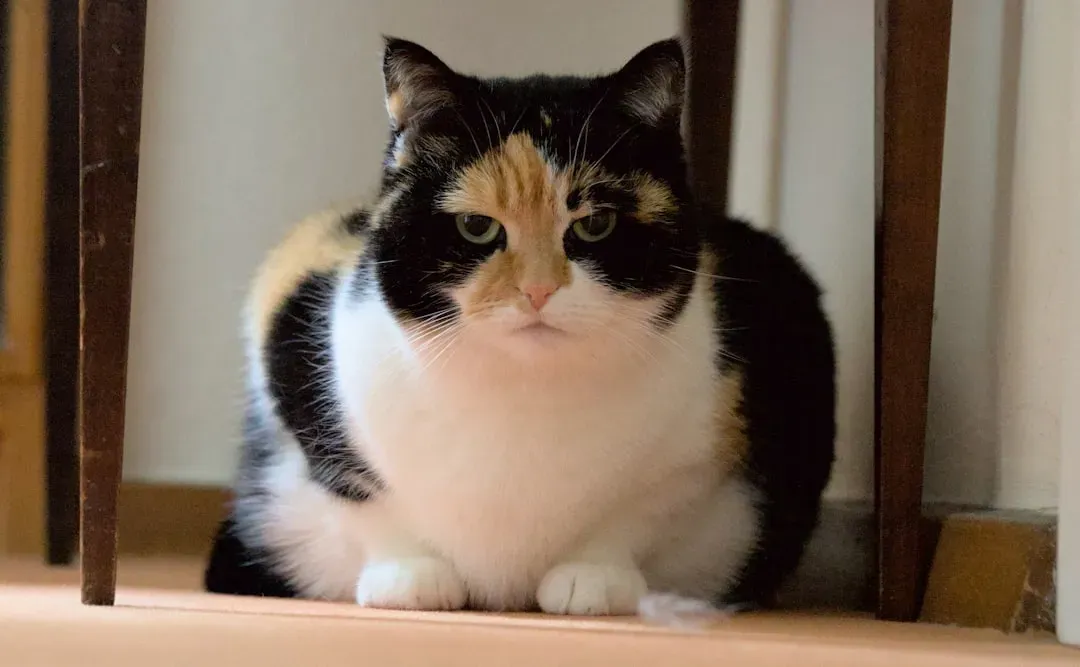
Let’s be real: a chubby cat looks adorable on social media. However, the health story behind that extra fluff is far from cute. Feeding too much food or food of inadequate nutritional content are the leading causes of feline obesity. Obesity is a serious health concern which can significantly reduce your cat’s lifespan. It has been linked to an increased risk of diseases such as diabetes, heart disease, kidney disease, osteoarthritis, chronic infections, and even some forms of cancer.
The numbers are genuinely alarming. A Cornell College of Veterinary Medicine study found that overweight cats are four-and-a-half times more likely to develop diabetes mellitus compared to optimal weight cats. Obese cats are seven times more likely to require veterinary care for lameness, caused by joint diseases such as arthritis or muscle injuries. Still think the extra handful of kibble is harmless? It might be time to reconsider.
You’re Relying Too Heavily on Dry Food and Forgetting Hydration
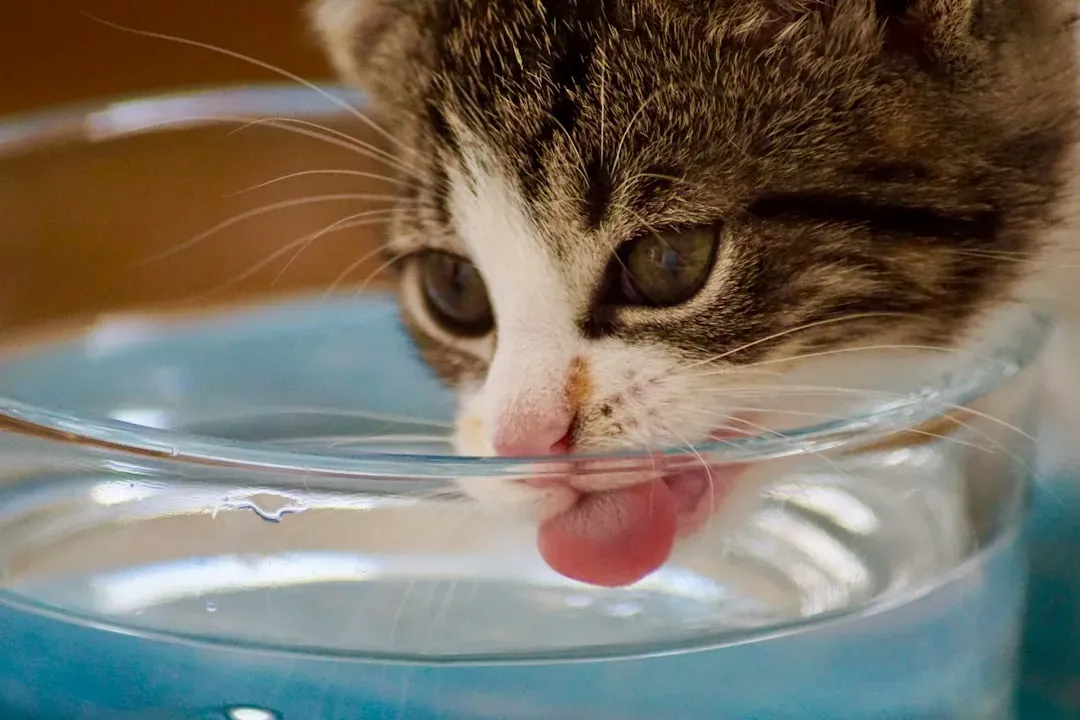
Dry kibble is convenient, affordable, and easy to store. It’s also not nearly enough on its own for most cats. Throughout their evolution, cats’ diets have always been rich in water. Because cats historically got enough water with their food, they naturally don’t drink as much water voluntarily as dogs. This is why feeding your cat only dry food, which contains only a fraction of the moisture cats need, can lead to dehydration and may increase the risk of urinary tract diseases.
It is recommended to incorporate canned food into your cat’s diet to ensure higher water intake. Make sure to also provide multiple sources of fresh and clean water available at all times. Water fountains can also be a great way to motivate your cat to drink more water. Think of wet food as a hydration vehicle, not just a meal. Your cat’s kidneys will thank you for it in the long run.
You’re Feeding Human Foods That Could Actually Be Toxic
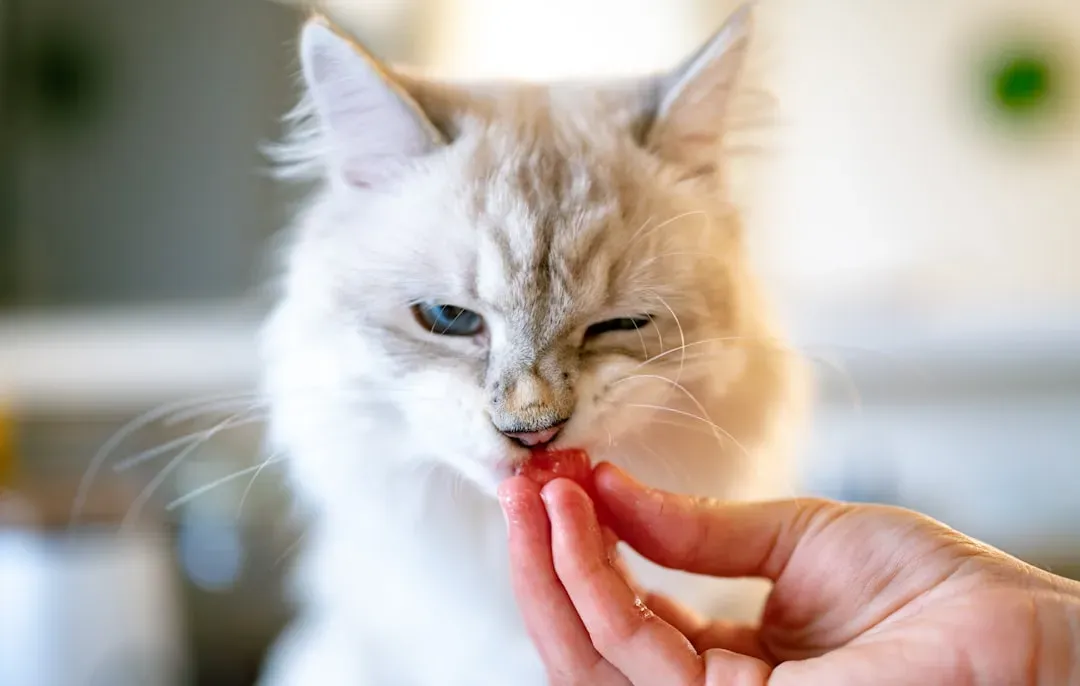
Sharing a little piece of your dinner with your cat feels like an act of love. In some cases, though, it could be an act of unintentional harm. Onions, garlic, leeks, chives, and shallots contain sulfur compounds that are toxic to cats because they damage their red blood cells. These damaged cells die more rapidly than normal, causing anemia, which can be fatal. And those ingredients are in almost everything you cook.
The list of dangerous foods goes well beyond the onion family. Chocolate contains theobromine and caffeine, which are toxic to cats. The darker a chocolate is, the more of these compounds it usually contains. Even something as surprising as grapes carries risk: the toxic substance within grapes and raisins is unknown, but even a small amount of ingestion can lead to kidney failure. When in doubt, just don’t share your plate.
You’re Not Keeping to a Consistent Feeding Schedule
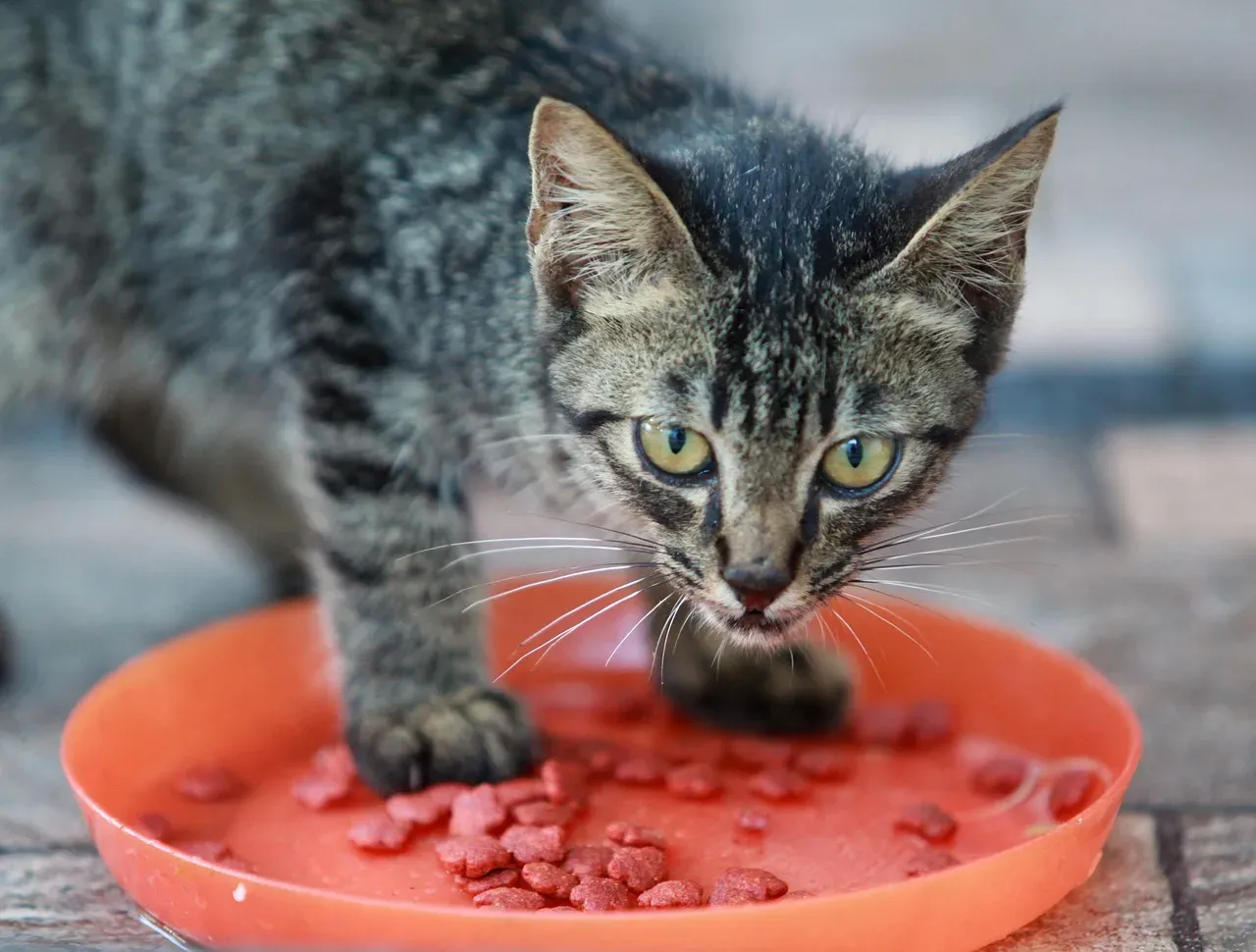
Cats are creatures of deep routine. I know it sounds a little dramatic, but your cat’s entire mental well-being is partly tied to when you put that bowl down. Feeding an adult cat at regular times provides the security and predictability of a routine. Meals become a cornerstone event of the day around which other activities are added. A feeding routine helps your cat cope when there are changes in the household. An inconsistent schedule, on the other hand, can cause real anxiety.
Cats fed at inconsistent times or with changing portions often try to take control of the schedule themselves. Irregular feeding can lead to bursts of energy at inconvenient times, followed by long naps. While cats do love sleep, extreme swings sometimes point to feeding patterns that don’t match their natural rhythm. If your cat is waking you up at 3 a.m. demanding breakfast, erratic feeding times are probably the culprit. Stick to a schedule and stick to it religiously.
You’re Not Adjusting the Diet for Your Cat’s Life Stage
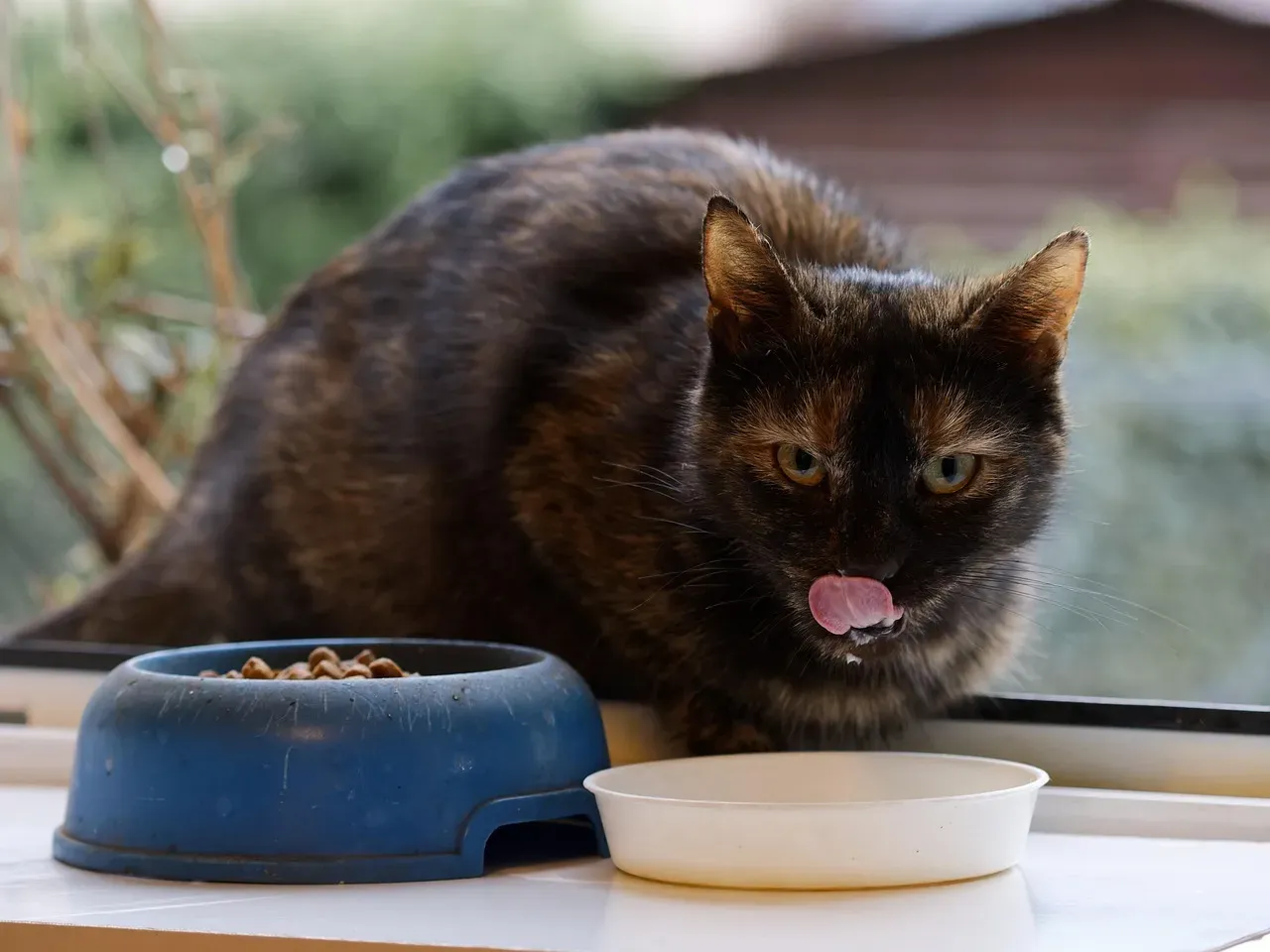
A kitten, an adult cat, and a senior cat might all look like cats, but their nutritional needs are worlds apart. Kittens usually require more frequent meals to support their fast-growing bodies. You should generally feed kittens three times a day until they reach around four months of age, then switch to feeding twice a day. Feeding a kitten like an adult cat, or vice versa, can cause real developmental and metabolic problems.
The other end of the spectrum needs attention too. Cats that suffer from certain diseases may benefit from having their diet modified. Diabetic cats, for example, should ideally be fed a diet that is moderately restricted in carbohydrates, while cats suffering from advanced chronic kidney disease should usually be fed a protein and phosphorus-restricted diet. If your senior cat is still eating the same food it ate at age two, it’s worth a conversation with your vet as soon as possible.
You’re Using the Wrong Type of Bowl
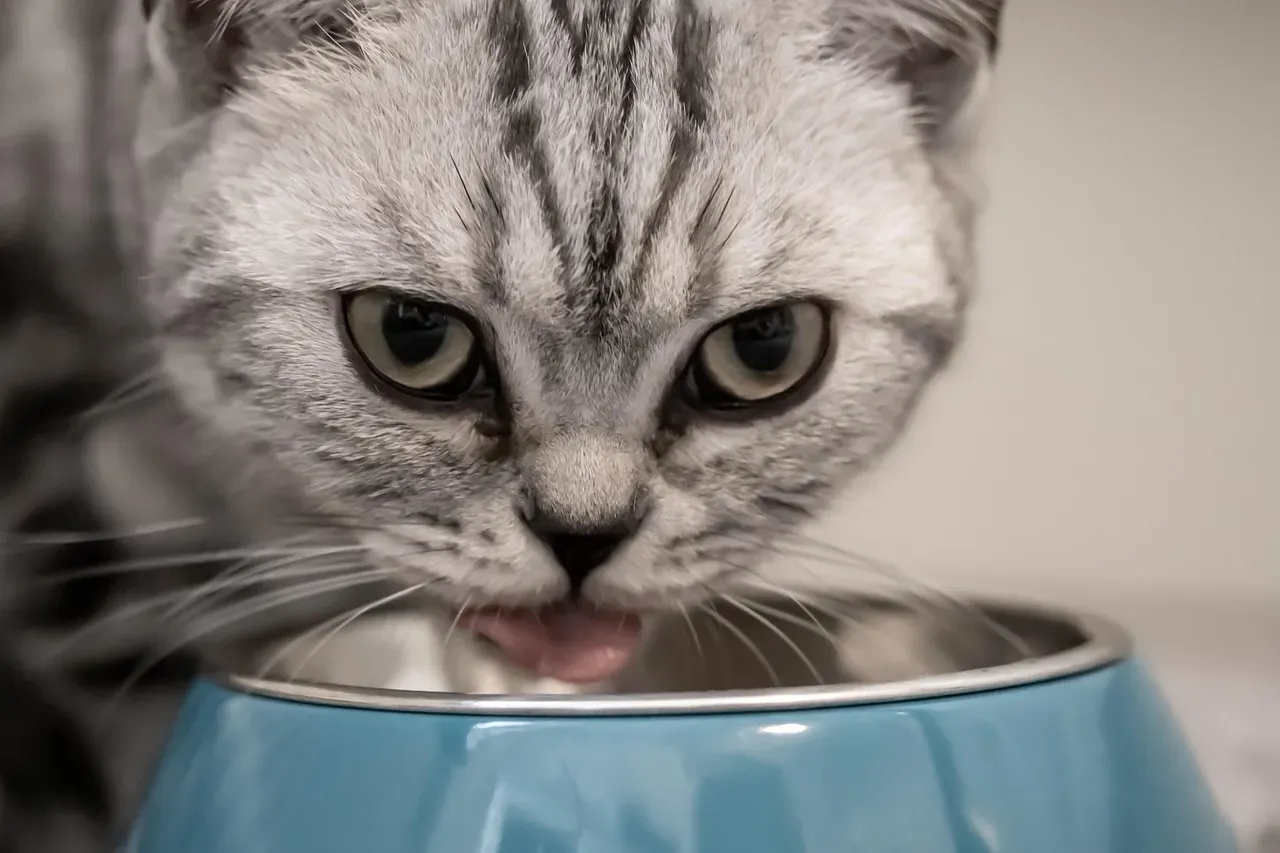
This one surprises most people, and it surprised me too when I first learned about it. The bowl you choose actually matters more than you might expect. It is thought that contact with everyday items can lead to whisker fatigue, particularly food and water bowls. The idea is that when your cat’s whiskers brush against the sides of their bowls while they eat or drink, this can overwhelm their sensitive receptors and theoretically lead to stress. It’s a somewhat controversial topic in veterinary circles, but many cat owners report dramatic improvements simply from switching bowl types.
The type of dish you use to feed your cat can make a difference in their eating habits. Cats have sensitive whiskers and may not like eating out of deep or narrow bowls, as the sides may touch their face. A shallow, wide bowl is ideal for most cats, but some may prefer a flat plate or an interactive feeder that keeps them mentally stimulated while eating. On top of that, ceramic or stainless steel bowls are your safest bet. They’re non-porous, easy to clean, and unlike plastic bowls, they don’t cause feline acne. Small change. Big difference.
You’re Switching Foods Too Quickly or Not Tracking What Your Cat Eats
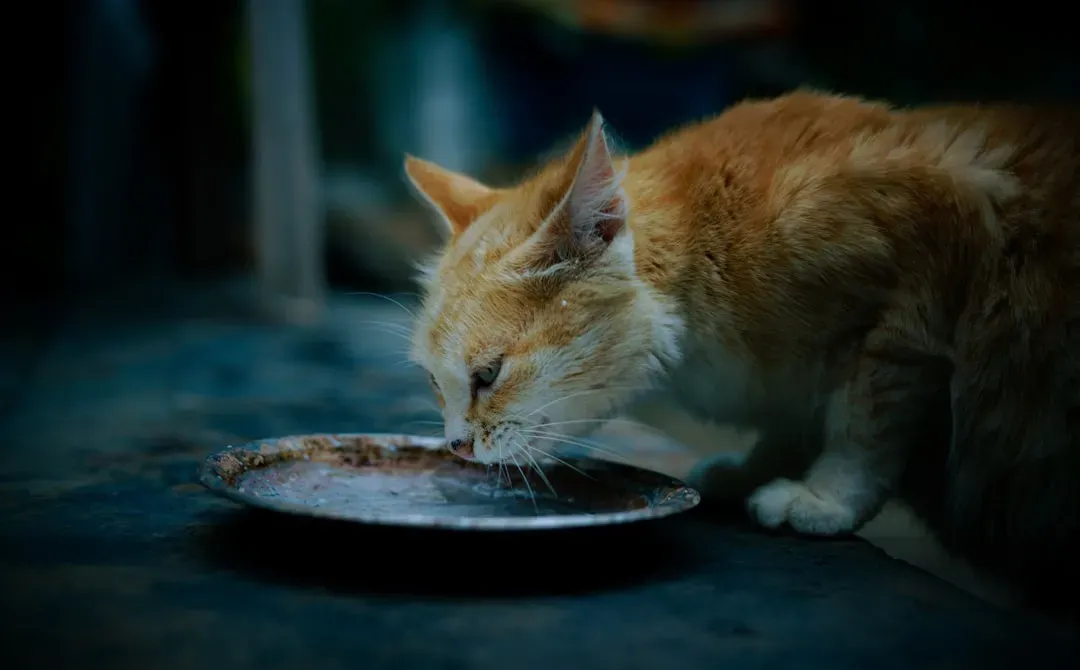
Variety sounds great in theory, and your cat might even seem interested in a new food. However, swapping diets abruptly is a recipe for a very unhappy litter box situation. Transitioning your cat to a new feeding schedule or food should be a gradual process to ensure their comfort and health. Start by gradually adjusting feeding times over a week, making small changes each day. Monitor your cat’s reaction closely to these adjustments, looking for any signs of distress or discomfort.
Beyond the transition itself, tracking your cat’s intake is something most owners skip entirely, yet it’s incredibly valuable. A feeding routine allows you to better monitor how much your cat is eating or if there is a change in their behavior when eating. These can signal early health issues that might be missed without a schedule. You can determine changes in eating habits because you know the feeding schedule. A drop in appetite can be the first sign of illness. You cannot manage what you do not measure. Tracking how much each cat eats allows you to catch illness early. A drop in appetite is the first sign of trouble.
Conclusion
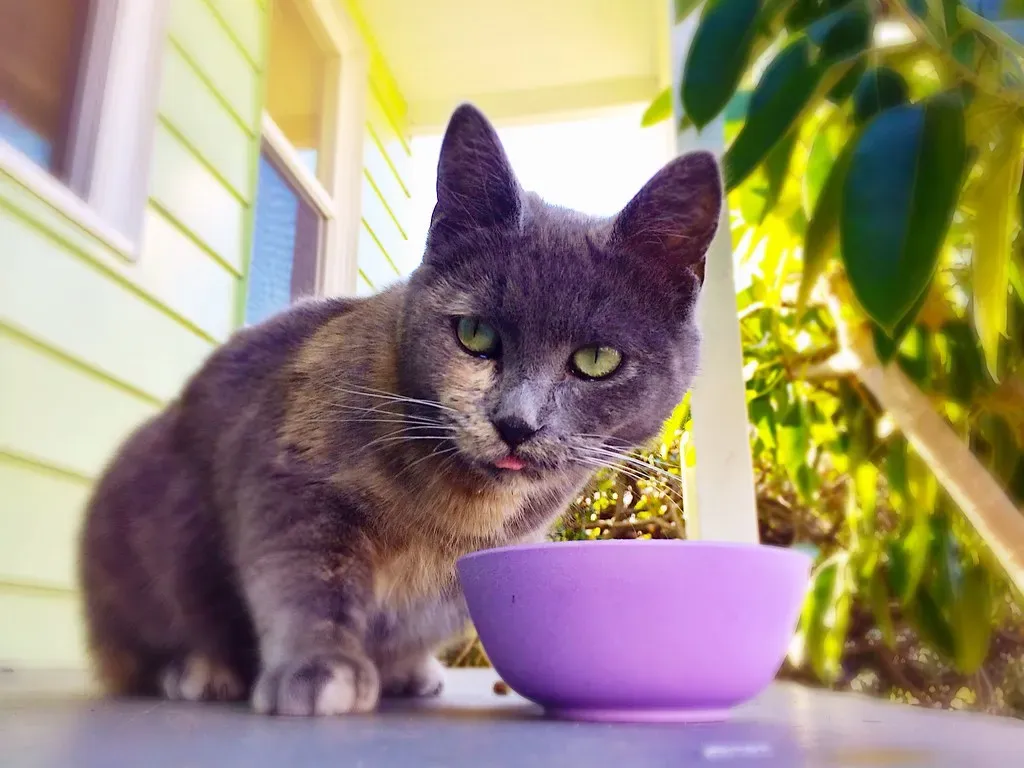
Feeding your cat seems like the simplest part of pet ownership. Fill the bowl, done. However, as you’ve seen, the reality is far more layered. From the wrong bowl shape to the wrong schedule to the wrong human food tossed over as a treat, these everyday mistakes can quietly chip away at your cat’s health for years before the signs become obvious.
The good news is that most of these mistakes are entirely fixable. You don’t need expensive equipment or a nutrition degree. You need consistency, a little awareness, and a willingness to pay closer attention to the small daily habits that define your cat’s quality of life. Your cat can’t tell you when something is wrong, so it falls on you to get it right. And now that you know better, you absolutely can. What feeding habit are you going to change first?
Kristina is a young writer from India. An arts graduate and an avid content creator, Kristina is passionate about animals and wildlife. She enjoys exploring topics related to pet care, animal behavior, conservation, and nature, combining thorough research with engaging storytelling.