Imagine waking up one morning and your cat looks you dead in the eyes, opens its mouth, and instead of a mysterious meow, says, “I’ve been trying to tell you this for years.” Honestly, that scenario is both hilarious and completely plausible, because your cat has been talking to you all along. You just haven’t known the language.
The truth is, cats are fluent communicators. Their vocabulary isn’t made of words, of course, but of postures, tail movements, eye gestures, sounds, and scent signals that together form one of the most sophisticated animal communication systems on the planet. Learning to decode it doesn’t just make you a better pet owner. It transforms your entire relationship. So let’s get into it.
Your Cat Has a Secret Language (And You’re Already Hearing It)
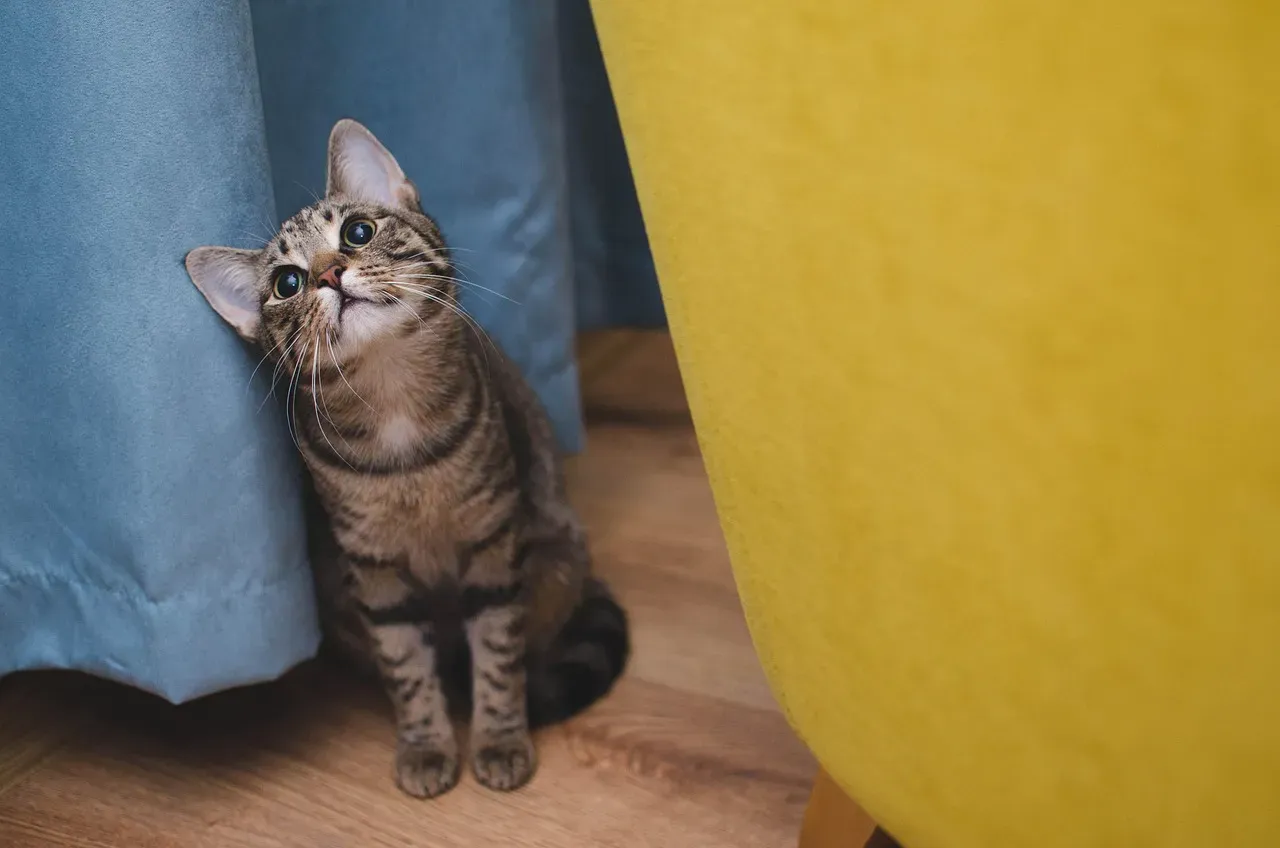
Here’s the thing most people get wrong about cats: they assume silence means indifference. But silence in the feline world doesn’t mean nothing is being said. Cats may not speak your language, but they communicate constantly through body signals. Every flick of the tail, every ear rotation, every slow blink is a sentence in a language that predates human speech by millions of years.
Cat non-verbal communication encompasses all the ways cats express their emotions, needs, and intentions without making vocal sounds. Unlike humans, who rely heavily on words, cats communicate primarily through body language, facial expressions, tail movements, ear positions, and even scent marking. Think of it like reading a book written in a foreign script. Once you learn the alphabet, whole stories open up.
The Tail Tells a Tale You Should Not Ignore
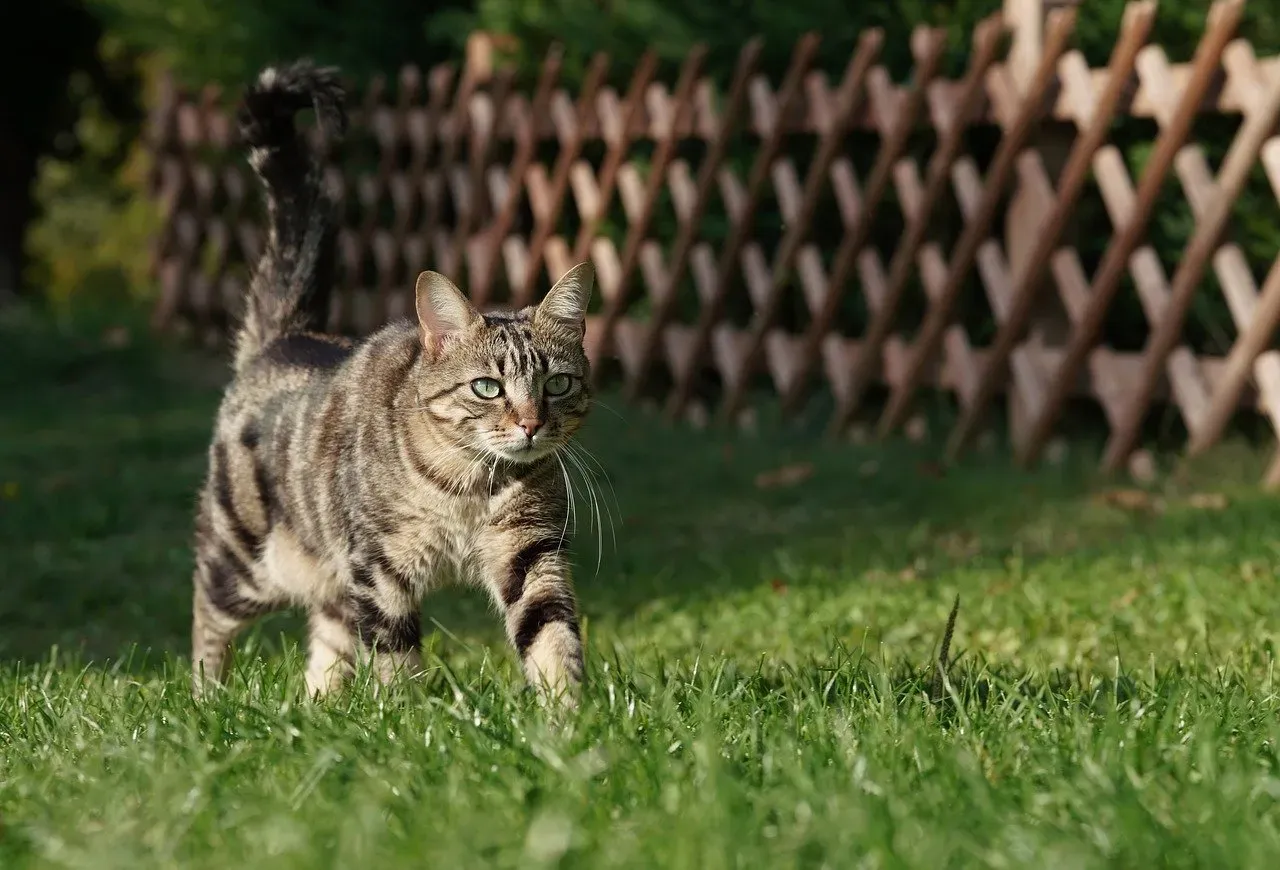
If you want to start somewhere simple, start with the tail. It’s the cat’s most expressive flag, waving emotional broadcasts you can actually see from across the room. Cats often use their tails to communicate. A cat holding its tail vertically generally indicates positive emotions such as happiness or confidence; the vertical tail is often used as a friendly gesture toward people or other cats.
Cat tails are full of expression, and their movement provides important clues. A tail held high signals a confident, happy, and approachable cat. A tail tucked low or between the legs signals fear or submission. A tail puffed out means the cat is alarmed and trying to appear larger to a threat. A tail swishing or lashing indicates irritation or overstimulation. So the next time your cat walks toward you with its tail straight up like a little antenna, know that’s the feline version of a warm wave hello.
Eyes Are Windows to What Your Cat Is Actually Feeling
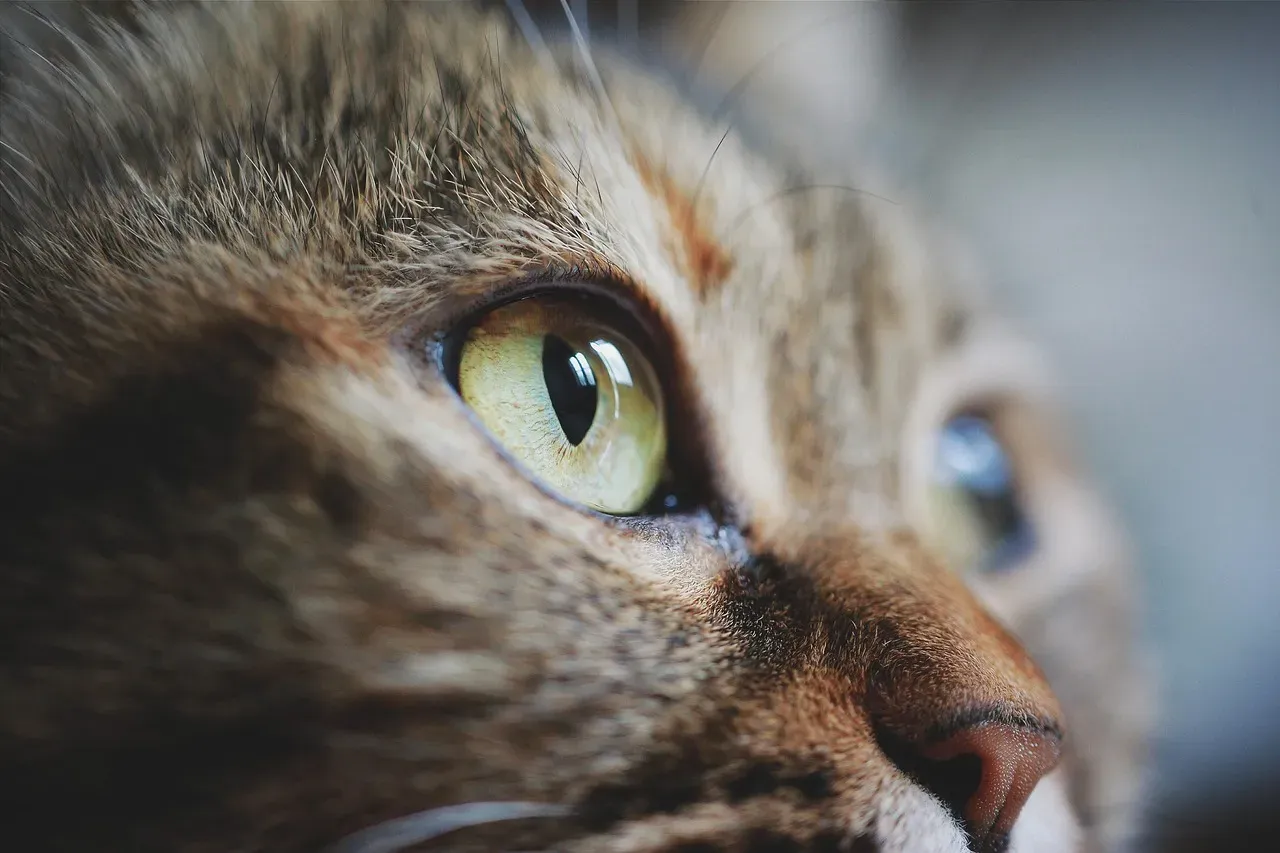
Surprising fact: staring directly at your cat can actually stress them out. In the feline world, a hard unblinking stare is a form of confrontation, not connection. A direct stare by a cat usually communicates a challenge or threat and is more likely to be seen in high-ranking cats; lower-ranking cats usually withdraw in response. The direct stare is often used during predation or for territorial reasons.
The good news is you can speak the opposite dialect. Slow blinking is one of the most heartwarming signals in cat body language. Often called a “cat kiss,” this gesture reflects trust and relaxation. Many cats will return the gesture if you slow blink at them first. Try it tonight. Close your eyes slowly and open them while looking at your cat, and watch what happens. It’s oddly beautiful.
Those Ears Are Basically a Mood Radar
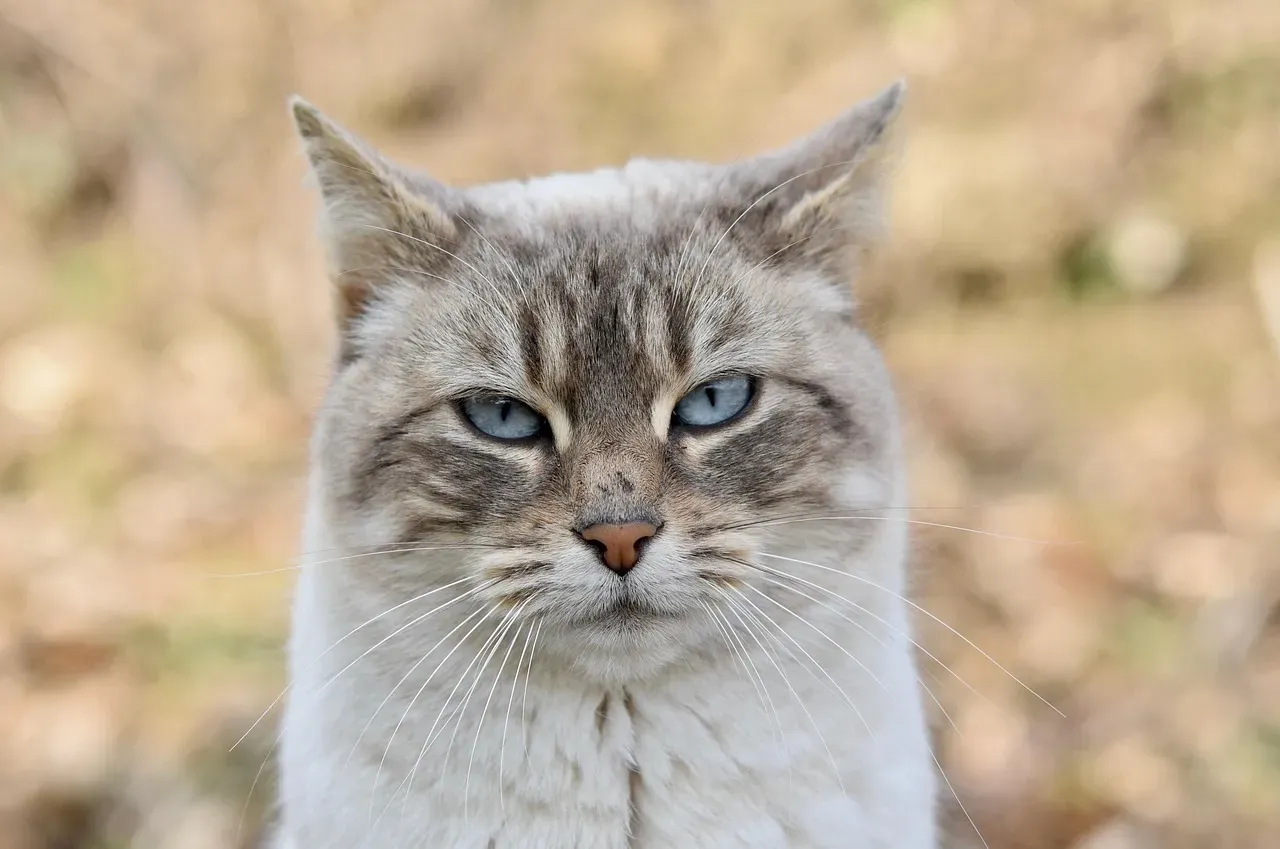
Your cat’s ears can rotate nearly 180 degrees, and they’re doing it constantly for a reason. Your cat’s ears are incredibly expressive. Watch how they move when they hear a sound, become curious, or get startled. It’s like having a live emotional dashboard mounted right on top of their head.
Forward and upright ears indicate curiosity or interest. Ears pinned back against the head often signal fear or aggression. A stressed cat might also display what vets sometimes call “airplane ears,” where the ears rotate sideways like little wings. Their ears may be rotated to the sides in an “airplane ears” pose or angled backward. Learning this single cue alone can save you from more than a few unexpected scratches.
The Purr: Comfort, Contentment, or Something More Complex?
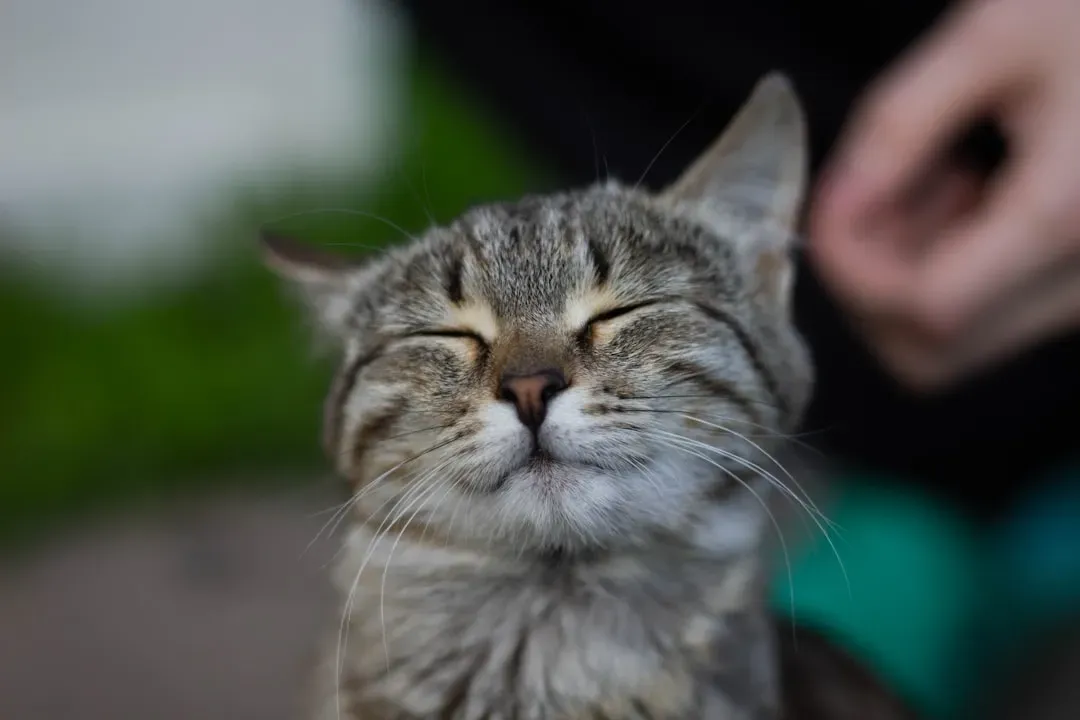
Let’s be real, everyone assumes purring means happiness. It usually does. But the full story is far more layered, and a little surprising. A cat purring can mean many things. Usually, the cat purrs to show that it is happy and feels safe. That part you probably already knew. Here’s the part that catches most people off guard.
A cat’s purring can also indicate distress, such as illness, injury, or impending death. The exact reason for this is unknown, but it is suspected that by purring, the cat communicates to other cats that it is harmless or tricks potential predators into thinking everything is fine. The cat can also soothe itself by purring. This is why cats can often purr in stressful situations such as at the vet clinic or when travelling in a vehicle. So context matters enormously. A purring cat with relaxed posture and half-closed eyes is probably blissful. A purring cat curled tightly in a corner during a storm? Probably self-soothing.
Meowing Is Actually a Language Invented Just for You
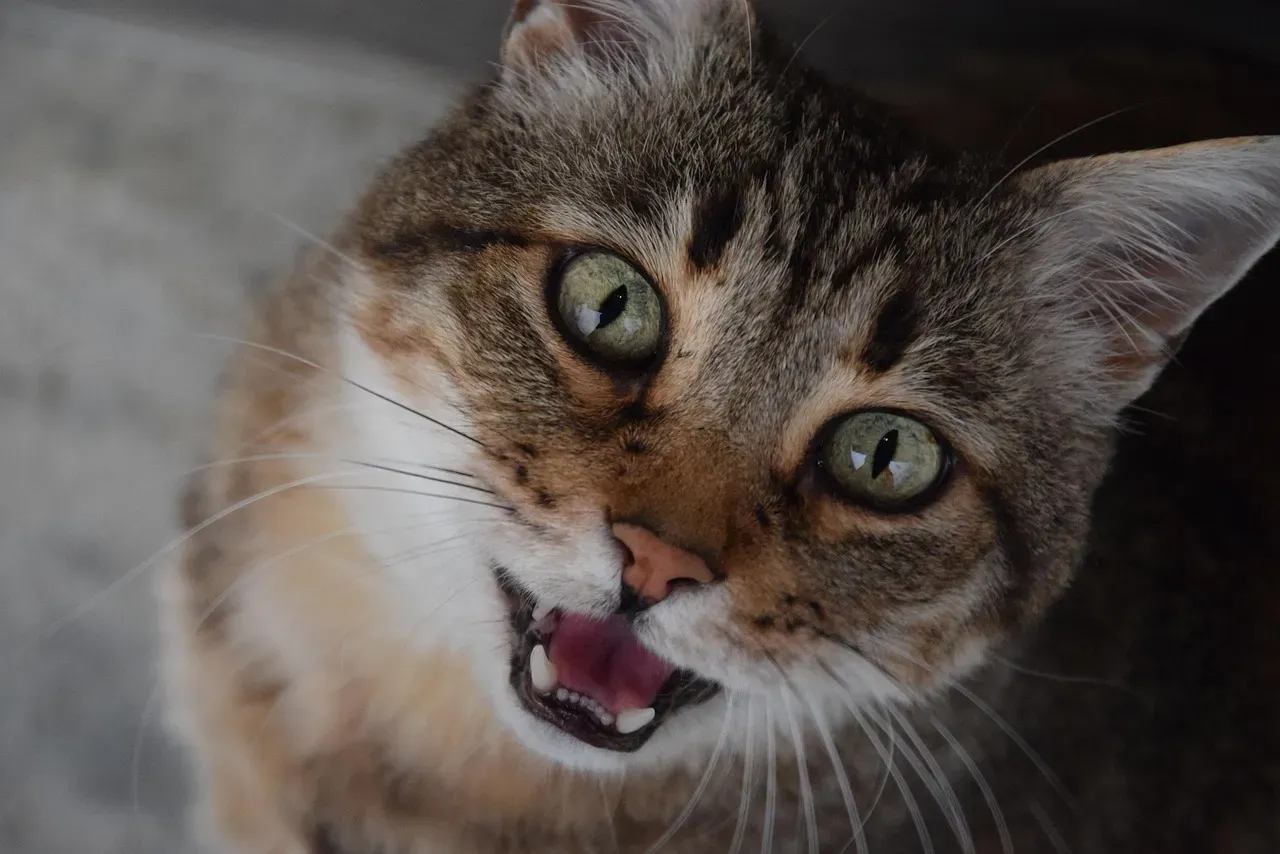
Here’s something genuinely mind-blowing: your cat did not evolve to meow at other cats. That sound was developed specifically for human beings. Adult cats rarely meow to each other, and so adult meowing to human beings is likely to be a post-domestication extension of mewing by kittens. Your cat essentially learned that humans respond to vocal cues and adapted accordingly. That’s not just communication. That’s strategy.
A meow can be assertive, plaintive, friendly, bold, welcoming, attention-soliciting, demanding, or complaining. It can even be silent, where the cat opens its mouth but does not produce any sound. And remarkably, up to 21 different cat vocalizations have been observed. You’re not hearing random noise. You’re hearing a personalized vocabulary your cat has crafted specifically for life with you.
Kneading, Bunting, and the Many Ways Cats Show Love
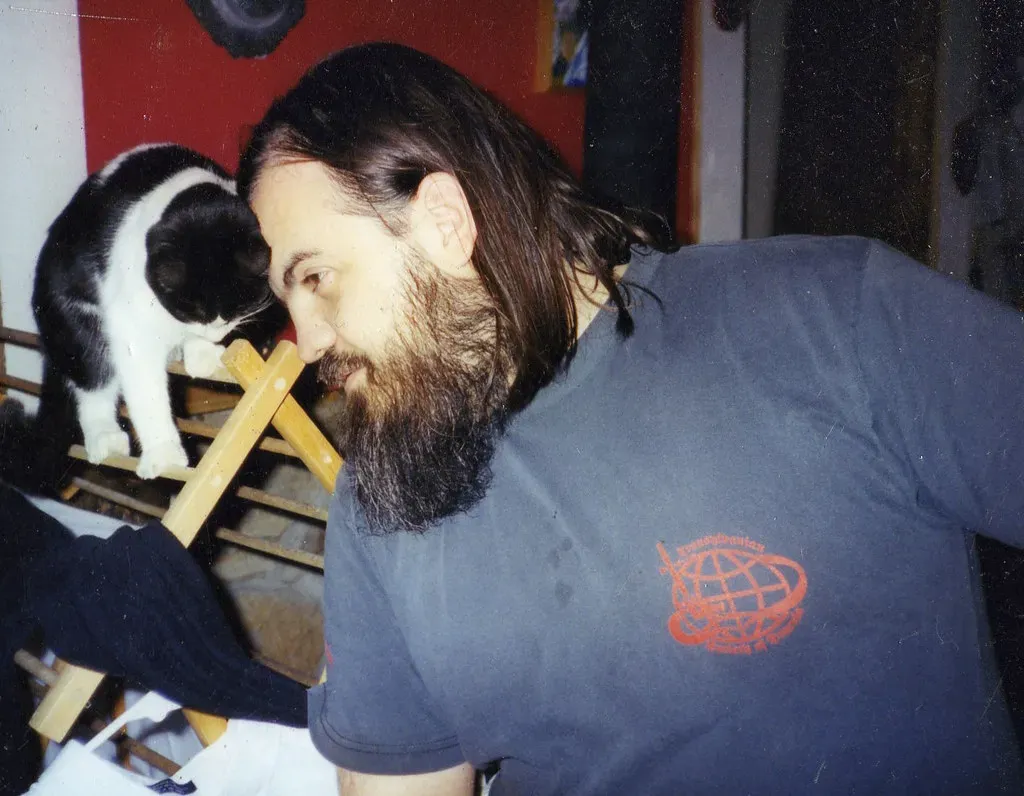
When your cat rhythmically pushes their paws into your lap like they’re making bread dough, don’t mistake it for weirdness. That’s one of the warmest things they can do. Kneading, or “making bread,” is a rhythmic paw movement that indicates happiness or contentment. It originates from kittenhood, where kittens knead to stimulate milk flow during nursing. Essentially, you’ve become the emotional equivalent of their mother. That’s enormous trust.
When your cat headbutts you, it’s not just an act of affection; it’s a significant compliment. This behavior, known as “bunting,” is how cats deposit their scent to mark their territory. I know, it sounds less romantic when you realize you’ve been claimed like a couch cushion. Still, the cat often responds to petting by head bumping and kneading with its paws. The cat’s cheeks have glands that secrete pheromones, so head bumping is also for leaving scent marks. They’re saying: you belong to me, and I belong to you.
When Your Cat’s Body Is Warning You to Back Off

Not all messages from your cat are warm and fuzzy. Some are urgent. And missing them can end badly for everyone. A cat that feels threatened or scared and needs to defend itself often bends its body in an arc towards the threat, flattens its ears along with its head, and has dilated pupils. The cat may hiss and spit. Its fur can be fluffy, and its tail puffed up.
Signs of aggression are usually obvious to pet parents, but it’s important to remember that a cat showing aggression is not being mean or vindictive. They are panicking. If you see a cat demonstrating these signs, remove the perceived threat and give the cat space. Honestly, that’s solid advice for a lot of relationships, not just feline ones. Respect the warning signal, give space, and let things de-escalate naturally.
Reading the Full Picture: Context Is Everything
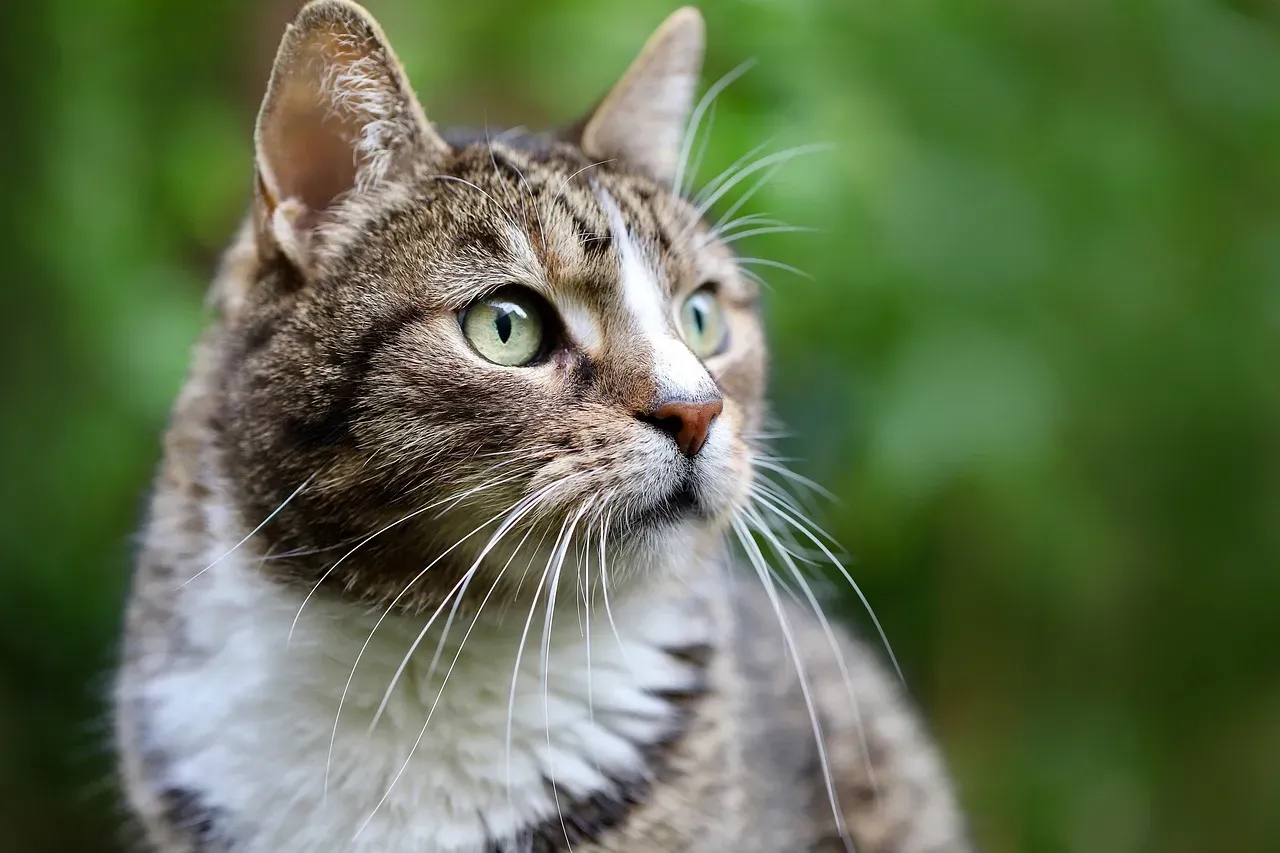
Here’s what separates a true cat reader from someone just guessing: the ability to combine multiple signals into one unified understanding. Cats rarely communicate with just one signal. Instead, they combine ears, eyes, tails, and posture into a full message. For example, forward ears plus an upright tail plus a slow blink equals a relaxed, friendly cat. Pinned ears plus dilated pupils plus a lashing tail equals agitation, which means it’s time to give space.
Often body language can be used to display multiple emotions. When trying to figure out your cat’s body language, try to understand the context in which they are communicating. Think of it like reading a sentence rather than isolated letters. One flattened ear in a calm environment might mean something very different from the same ear position paired with a puffed tail and dilated eyes. In time, you may become so attuned to your kitty’s personality and habits that you’re able to detect subtle changes in their mood and even recognize health problems before physical signs of illness appear. That level of fluency is achievable. It just takes attention.
Conclusion: You Already Speak More Cat Than You Think
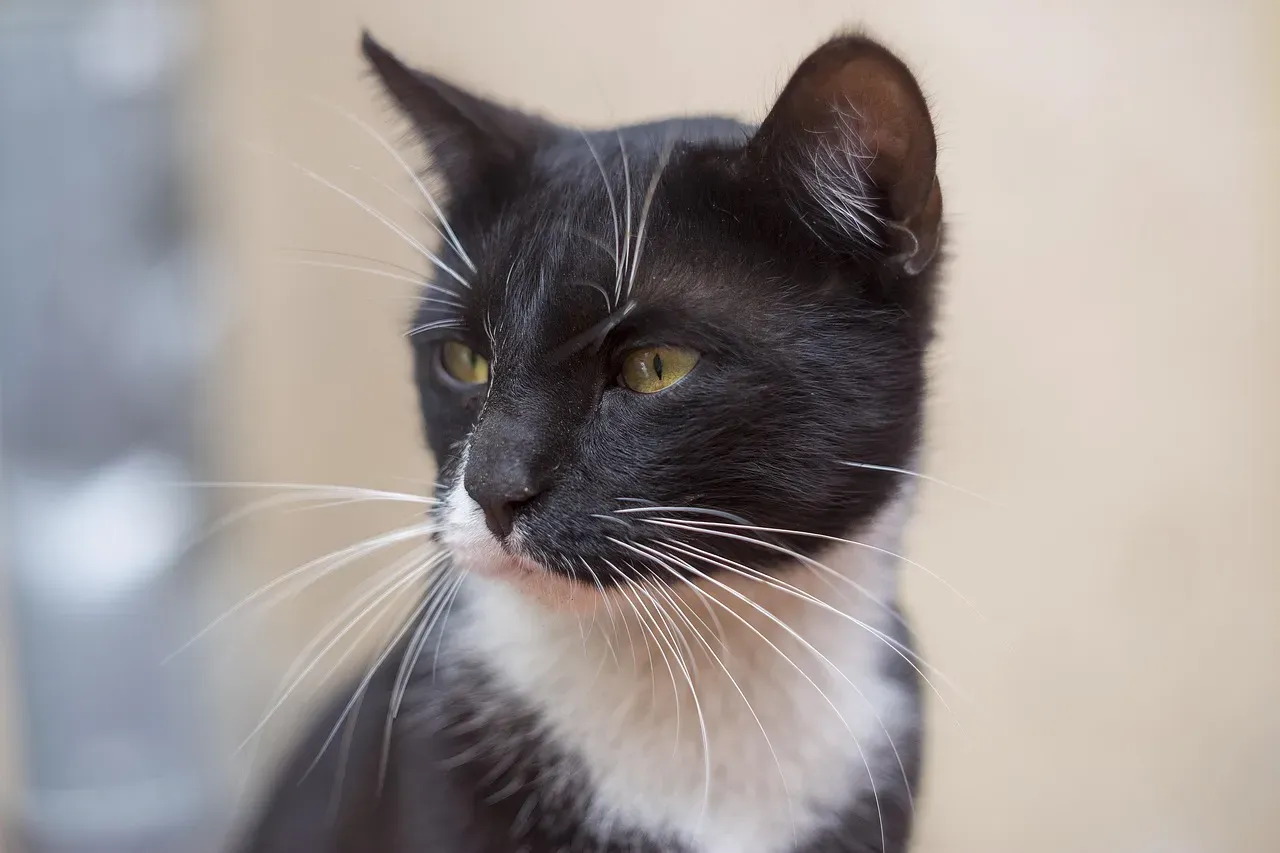
Your cat has never stopped communicating with you. Every time they’ve brought their tail up, blinked slowly, kneaded your blanket, or chirped at you from across the room, they’ve been sending you real, meaningful messages. The only thing missing was your ability to receive them.
Learning to read cat body language isn’t just about avoiding scratches or respecting space, it’s about creating a richer, more rewarding relationship. When you understand your cat’s signals, you can adjust your interactions in ways that build trust. That’s a gift worth working for. Start small. Watch the tail. Return the slow blink. Notice the ears. Over time, you’ll find that the conversation between you and your cat was always there, just waiting for you to tune in.
So the next time your cat sits across the room, locks eyes with you, and blinks slowly in the afternoon light, ask yourself: what would you say back?
Kristina is a young writer from India. An arts graduate and an avid content creator, Kristina is passionate about animals and wildlife. She enjoys exploring topics related to pet care, animal behavior, conservation, and nature, combining thorough research with engaging storytelling.