You share your home, your couch, sometimes your pillow, with a creature that has mastered the art of being completely unreadable. Your cat could be absolutely thriving, or quietly miserable, and honestly? You might not even notice. That’s not a criticism. It’s just that cats are genuinely complex communicators, and their emotional signals are often whisper-quiet compared to, say, a dog wagging its whole body at the front door.
The truth is, most people perform worse than expected when scientists show them videos of cats and ask them to identify whether felines are feeling positive or negative emotions. Only about one in eight people can do it reliably, and those people tend to be veterinarians, vet techs, or shelter workers – not your average cat parent. So if you’ve been unsure, you’re in very good company. Let’s dive in.
The Slow Blink: Your Cat’s Version of “I Love You”
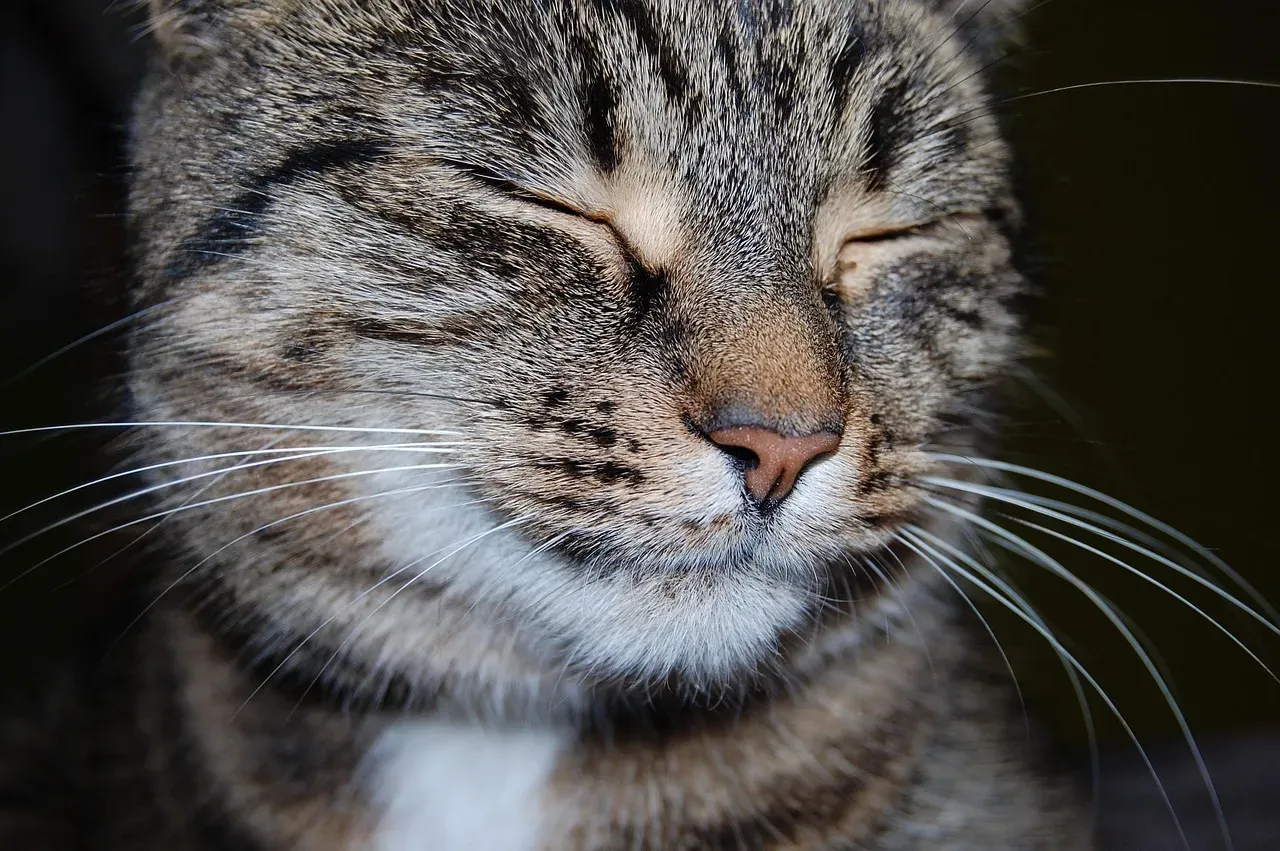
Here’s the thing – your cat probably can’t smile. Not in the way we do, anyway. While cats don’t outright smile, they do have expressions that act in a similar manner, like the slow blink. Sometimes called a “cat kiss,” this subtle but meaningful gesture is a deliberate behavior that your cat makes to show they’re content and calm being with their loved ones.
Blinking may seem like the most common and mundane motion to us, but for cats, it’s a sign that they trust you. When they’re blinking, their guard is down, and that shows they’re content and happy. Think of it like your cat lowering its emotional drawbridge. If you want to try something genuinely heartwarming, slow-blink back at your cat. If your cat is telling you through their body language that they feel comfortable and relaxed around you, you can tell them the same. Slowly blink at them and move your head slightly to the side. If you’re lucky, your cat will do the same back.
The Tail Tells Everything – If You Know What to Look For
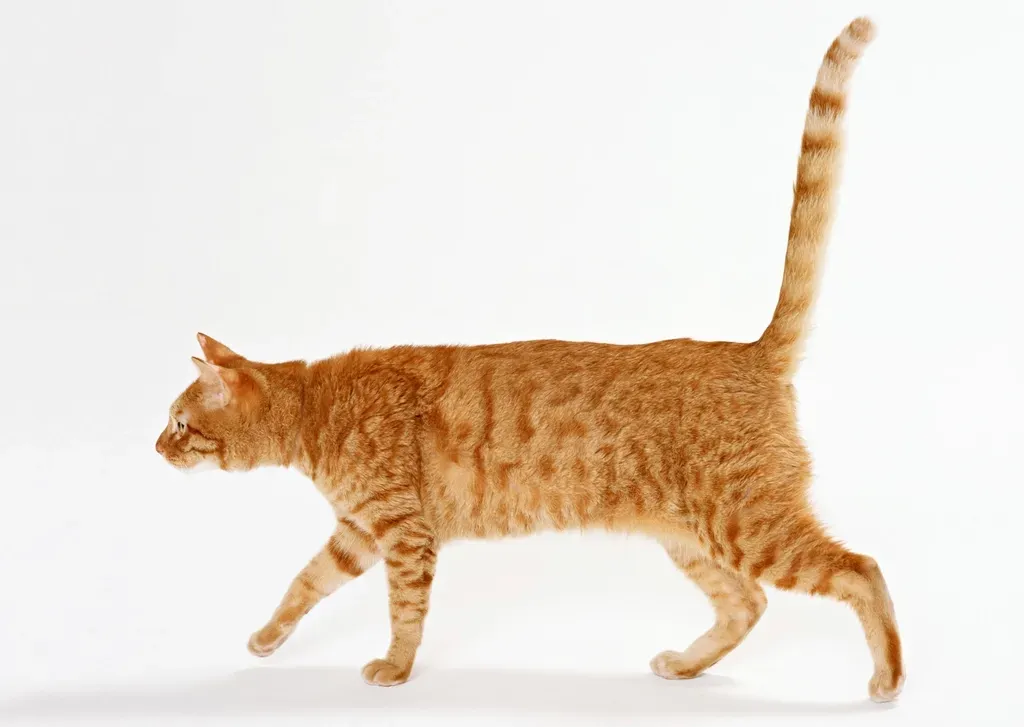
Cats use their tails to express how they feel. Happy cat tail signs include an upright tail, which is basically a cat’s way of saying, “Hi! Nice to see you!” A quivering tail pointed up and held high is also usually a declaration of happiness and excitement. It’s one of the most honest signals your cat sends you, and most people just walk right past it.
On the flip side, watch for warning signs. If your cat twitches their tail rapidly backwards and forwards, this is often a sign they’re getting upset or angry. If your cat is feeling scared or worried, they might tuck their tail in close to them, but they may also flick their tail if they are feeling threatened or annoyed. Reading the tail is like reading a mood barometer – once you learn it, you can’t unsee it.
Purring Is Not Always What You Think
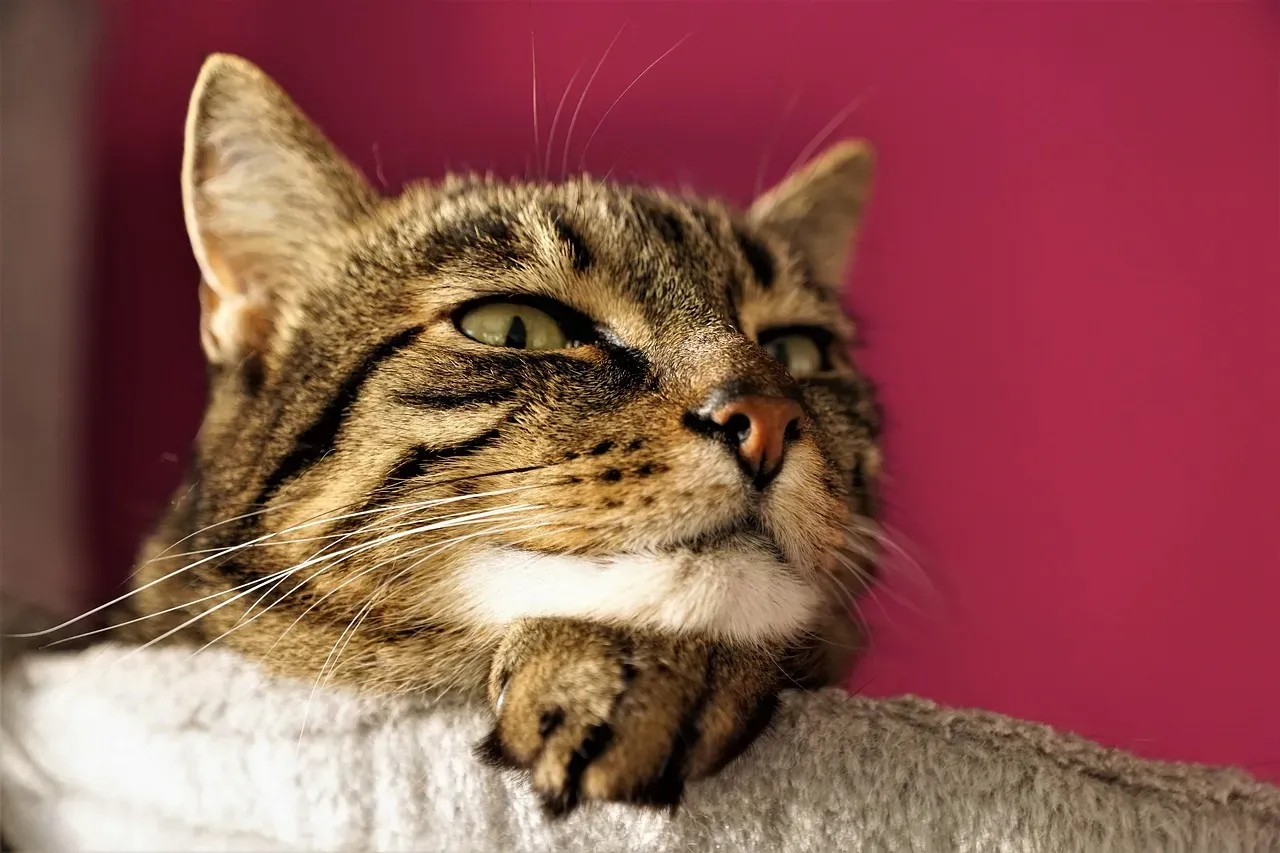
Most cat owners hear purring and immediately think: happy cat. That’s often true, but it’s not the whole story. We often think a purring cat is always a happy one. For the most part, cats do purr when they’re happy or content. As long as their body language looks relaxed too, then it is likely that your cat is purring because they’re happy.
However, cats don’t always purr to show they are happy. Sometimes cats can purr if they’re anxious, worried or in pain. If your cat is purring at a time when it would be unusual for them to be happy, make sure you pay attention to their body language because this will be a clearer sign of how your cat is feeling. Purring combined with a tense, hunched posture is a very different message from purring while sprawled out in a sunny window. Context is everything.
Kneading Is Pure, Unfiltered Joy
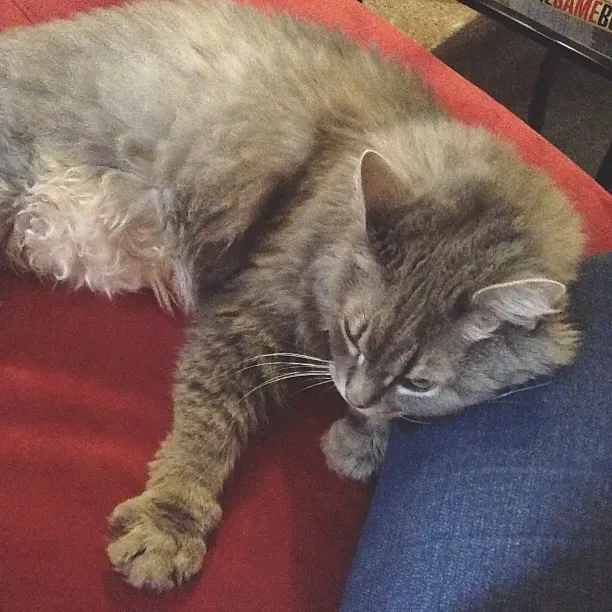
Kneading often accompanies purring. It’s known by a variety of names, including “making biscuits,” because cats make the same motion with their paws as if they were kneading dough. Cats might knead a blanket or their favorite people or something soft, and it’s often the height of contentment. Thought to be a throwback to the security that kittens feel when kneading on their mother, kneading is a clear sign that a cat is extremely happy.
So when your cat climbs onto your lap and starts rhythmically pressing those little paws into your thighs – even if it hurts a little – take it as the highest possible compliment. You might have noticed your cat making a strange kneading motion on blankets, pillows, or even you. It’s completely adorable, but it’s also a sign that they’re in a very good mood. Cats are feeling content and safe when they knead. It’s honestly one of the sweetest things they do.
What Your Cat’s Voice Is Actually Saying
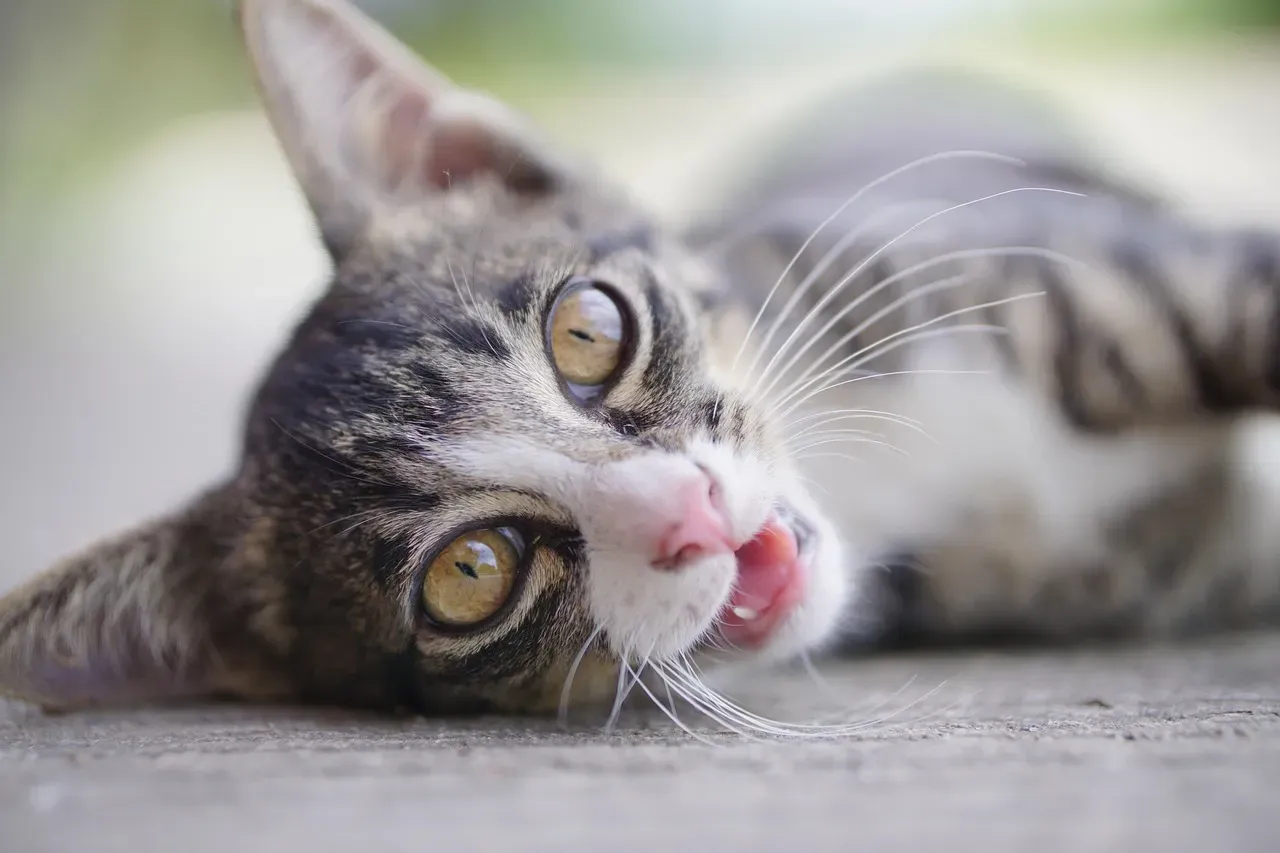
Cats aren’t as vocal as dogs when it comes to showing how they feel, but they have their own unique ways of communicating. From purring to meowing, your cat’s vocal cues can say a lot about their emotional state. Most people know the screech of an angry cat. What’s easier to miss is the tonal variety of a happy one.
Vocal cats may have long conversations with you, and the pitch of their meow will allude to how they are feeling. A high-pitched meow is a content cat, while a low-pitched meow may indicate an unhappy or annoyed cat. Not all cats chirrup, but when you hear this trilling sound, you’ll know your cat is happy. A chirrup is often an invitation to follow your cat somewhere or to ask for affection or play. Pay close attention – your cat is literally talking to you.
Grooming Habits Reveal More Than You’d Expect
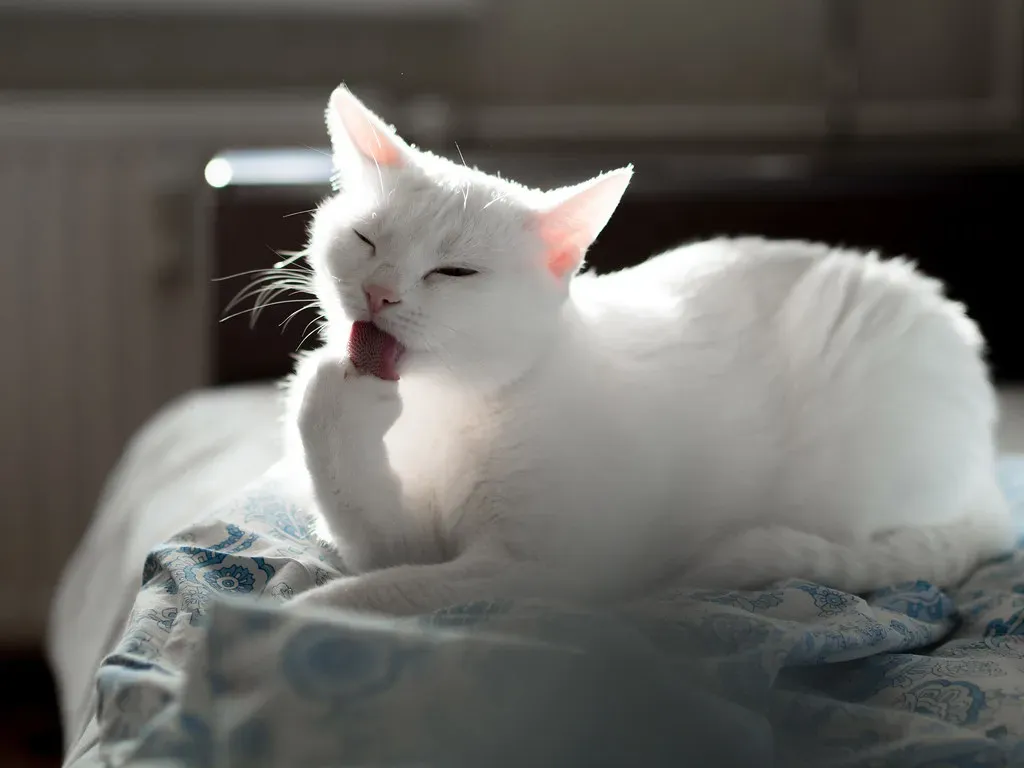
Cats that are stressed or ill often neglect their grooming. A cat who regularly grooms is likely in good spirits. Think of it like this: when you’re going through a rough patch, the last thing you want to do is style your hair perfectly. Cats are no different.
A clean, well-kept coat is a sign of a healthy, happy cat. Not only do cats enjoy sleeping for many hours, but they can also spend roughly half of their waking hours grooming themselves. Grooming is serious business, so a happy cat will always make sure they keep themselves in tip-top condition. An unusually unkempt coat can be cause for concern and signal an underlying medical problem. On the other hand, overdoing it can also indicate a medical or behavioral problem, like anxiety. Both extremes are worth noting.
Appetite and Routine: The Happiness Baseline
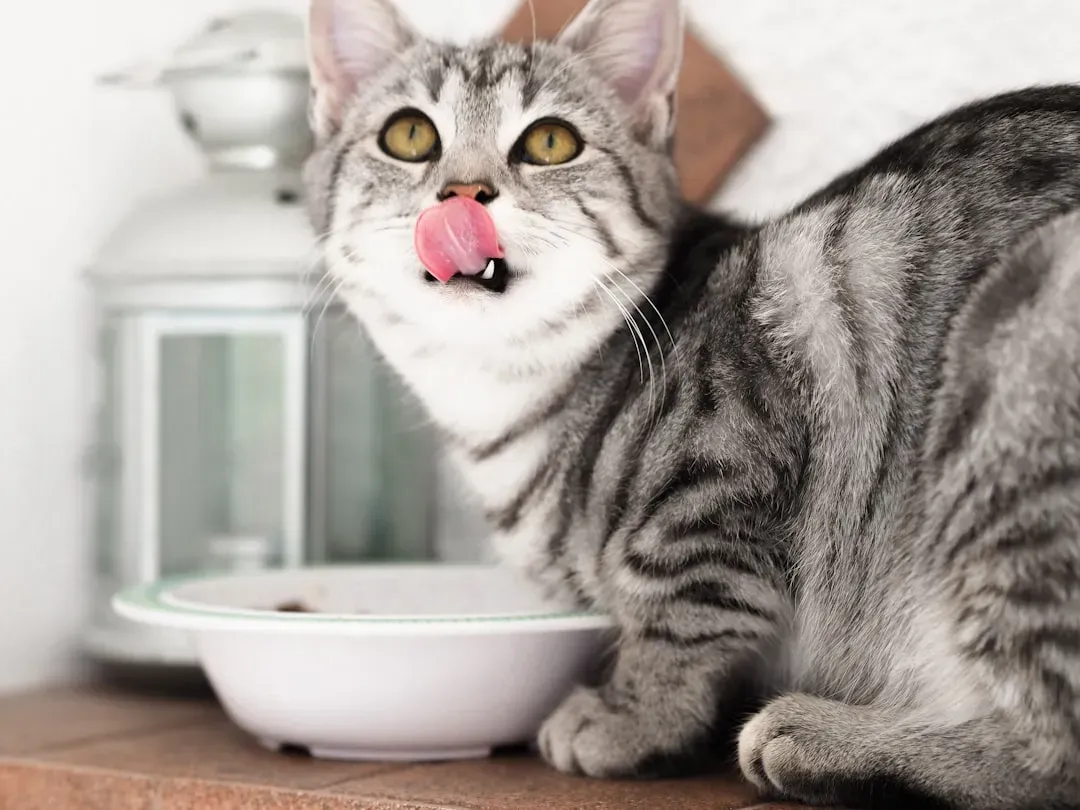
I think this one is deeply underrated by cat owners. Your cat’s daily routine – when they eat, how eagerly, whether they stick to their usual schedule – is one of the best indicators of their overall wellbeing. Happy and content cats have good appetites and enjoy their food. Many happy cats relish their treats and have routines with their parents around mealtime. If your cat is not eating regularly or their eating habits change, it’s often a sign that something is wrong and a vet visit is in order.
A happy cat will have a good, healthy appetite. They will look forward to feeding time and might show their eager anticipation by meowing and rubbing against your legs as you prepare their food. Once you have set the bowl down in front of them, they will happily eat what you have offered them. Disruptions to this rhythm, even small ones, can be your first clue that something is off.
Relaxed Body Posture: The Happiness You Can See
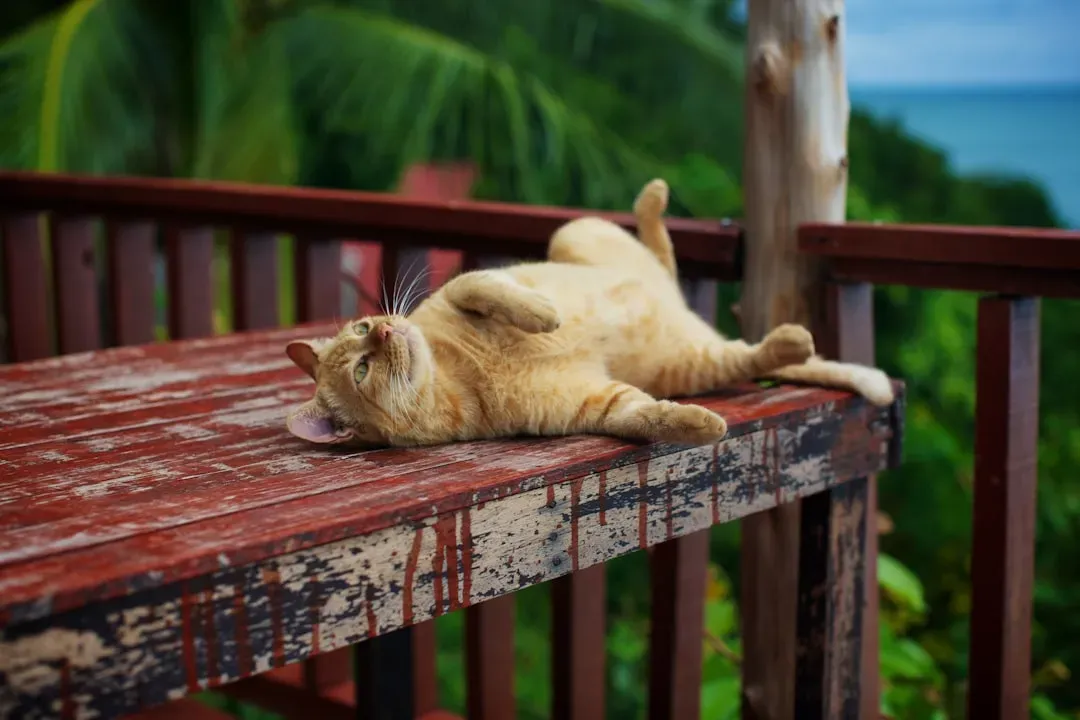
Essentially, the more open your cat’s body position, the less stressed they are. A cat who is lying on their side or their back with their legs stretched out, their tail loose and out, and their belly on show is relaxed. It’s a posture that takes real confidence to hold – think about how vulnerable that position is for a small predator-prey animal.
Rolling on their back and showing their belly is something cats only do when feeling very content and secure. Has your cat ever come up to you and suddenly rolled onto their back? That’s not an invitation for a belly rub necessarily, but it is a profound signal of trust. The exposed belly is a sign of comfort and trust, but it is not necessarily an invitation for a belly rub. Many people have touched a cat’s stomach only to have the cat instantly seize up, latching onto their hand with claws and teeth. Admire it from a distance – it’s still a gift.
Play, Curiosity, and Engagement: The Joy of an Active Mind
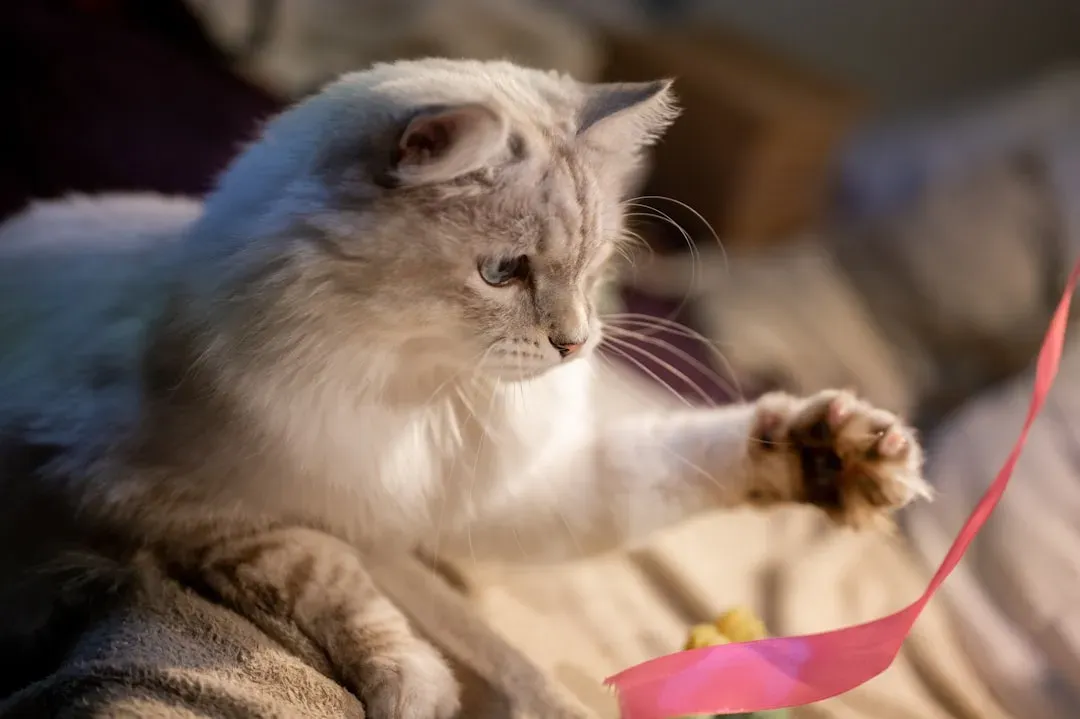
Cats are built to explore, and a happy cat is often a curious cat. Confident kitties driven by their curiosity will be more likely to engage in interactive play with their human, other cats, or toys. They’ll also be more likely to investigate their environment, poking their noses into closets and cupboards and stuffing themselves into the tiniest of cardboard boxes. A cat that seems genuinely interested in the world around them is a cat that’s thriving.
Happy cats need plenty of physical and mental engagement. When they don’t have enough stimulation in their lives, they can become bored and frustrated. Cats can manifest their boredom in various ways, sometimes subtly and sometimes more pronounced. Environmental enrichment, particularly for indoor cats, can increase physical activity and mental stimulation, keeping behavioral issues at bay. If your cat is living in an environment with plenty of room, toys, perches, windows, sleeping areas, food, water, litter boxes, and human interaction – chances are, they’re pleased.
Conclusion: Your Cat Is Talking – Start Listening
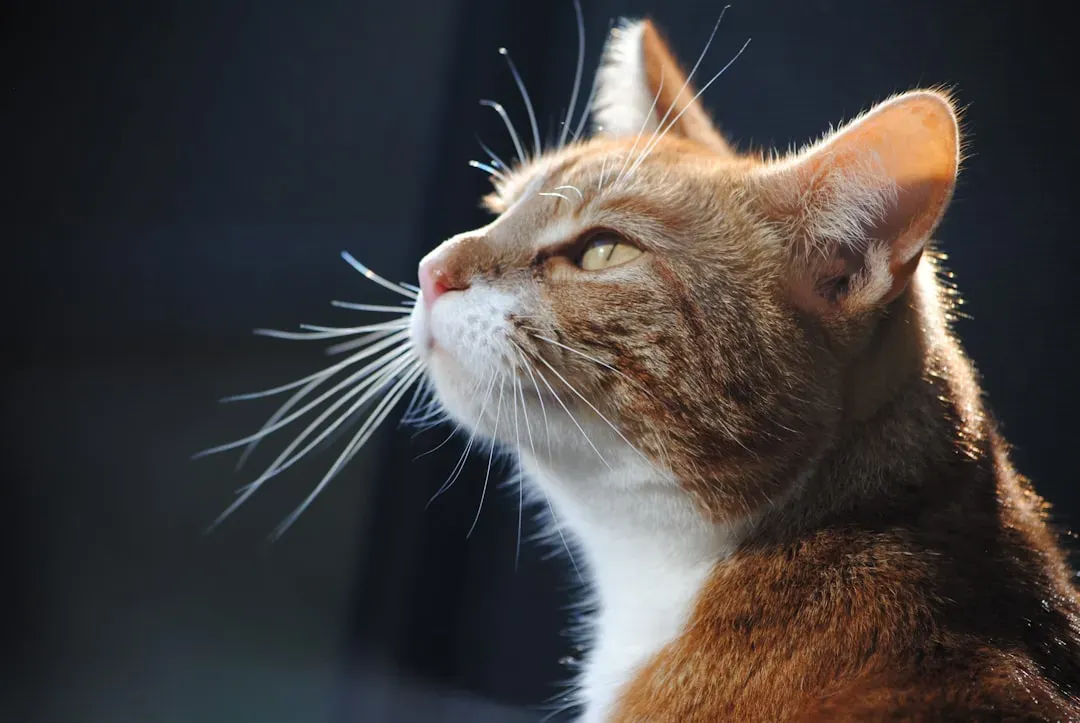
Reading your cat’s happiness isn’t about cracking some mysterious code. It’s about slowing down and actually paying attention to the small, quiet signals they send every single day. The slow blink across the room. The upright tail as they trot toward you. The gentle knead at 10pm. These are love letters written in a language that takes a little practice to read.
You should feel more comfortable with assessing the happiness levels of your cat. Your cat’s body language, vocalizations, and behaviors give you lots of information and indicators, though they can be subtle. By having a better understanding of them, you allow yourself to become much more attuned to your cat’s emotions so that you can recognize when something might be wrong sooner rather than later. Your cat isn’t aloof. They’re just speaking a different language. Once you learn even a few phrases, your whole relationship changes.
So next time your cat walks into the room and glances over at you with a long, lazy blink – blink back. You might be surprised by what you’ve been missing all along. What sign of happiness has your cat been showing you that you never quite recognized before? Tell us in the comments.
Kristina is a young writer from India. An arts graduate and an avid content creator, Kristina is passionate about animals and wildlife. She enjoys exploring topics related to pet care, animal behavior, conservation, and nature, combining thorough research with engaging storytelling.