Your home feels like the safest place in the world – for you, at least. But for your cat? It’s practically an obstacle course of hidden threats. Most pet owners are shocked to discover that the very things they use every day, from that beautiful bouquet on the kitchen table to the painkillers sitting on the nightstand, can send a curious feline straight to the emergency vet.
Cats are notoriously inquisitive creatures. They climb, they sniff, they chew, they lick. It’s their nature. Cats also process chemicals differently than dogs or humans. Their liver lacks certain enzymes that help break down and eliminate toxins, making them more susceptible to poisoning from even small amounts of common household items. That single biological fact changes everything. What barely bothers you could be absolutely catastrophic for your cat. So let’s get into it – you might be surprised how many of these hazards are already sitting in your home right now.
1. Lilies – The Flower That Can Kill With Just a Sniff

Here’s something that genuinely shocked me when I first learned it: you don’t even have to watch your cat eat a lily for it to become dangerous. Lily toxicity is especially dangerous – even licking pollen from their fur can result in kidney failure. That’s not an exaggeration. That’s what vets are seeing in practice every day.
Lily poisoning was the number one exposure call to Pet Poison Helpline for cats in 2023. Both true lilies (Lilium species) and daylilies (Hemerocallis species) can cause kidney failure in cats. Small ingestions of the petals or leaves – even the pollen or the water in the vase – can result in severe, potentially irreversible kidney failure. If you have lilies in your home right now, honestly, the safest move is to remove them entirely. No flower is worth that risk.
2. Household Cleaning Products – A Chemical Minefield Under Your Sink
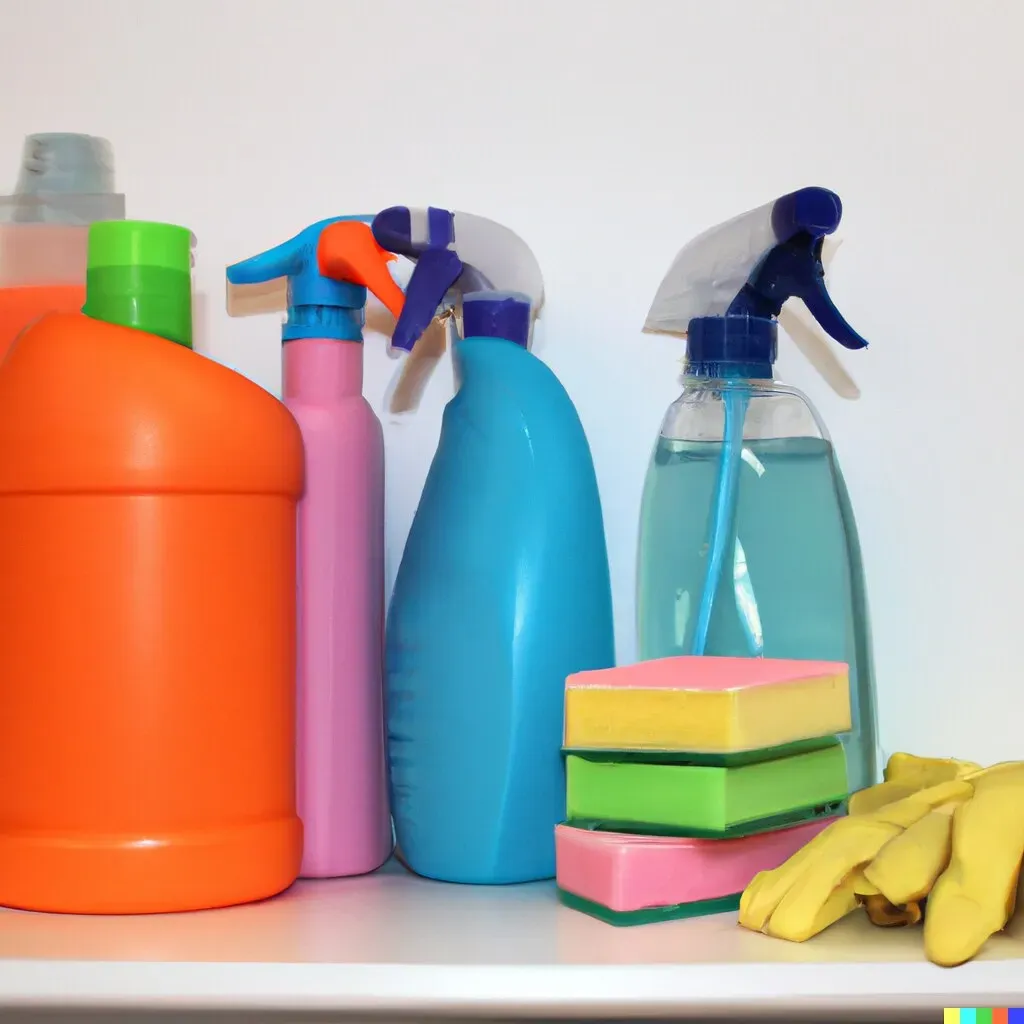
Common household cleaners, including kitchen and bath surface cleaners, carpet cleaners, and toilet bowl cleaners, can be toxic to cats. Symptoms can include stomach upset, chemical burns, respiratory signs, and even organ damage, depending on the product. Think about how your cat walks across a freshly mopped floor, then grooms their paws. That’s a direct exposure route most people never consider.
Bleach is harmful if ingested and can cause serious damage to your cat’s mouth, throat, stomach, and intestines. Ammonia-based cleaners are also dangerous because they can irritate a cat’s skin and eyes. Whether it’s a powder detergent or those seemingly harmless pods, dish and laundry cleaning solutions can be highly toxic to cats. Swallowing detergent can lead to drooling, vomiting, and severe gastrointestinal upset. The simple fix? Keep them locked away and let surfaces dry fully before your cat roams back in.
3. Human Medications – The Pills Your Cat Shouldn’t Be Curious About
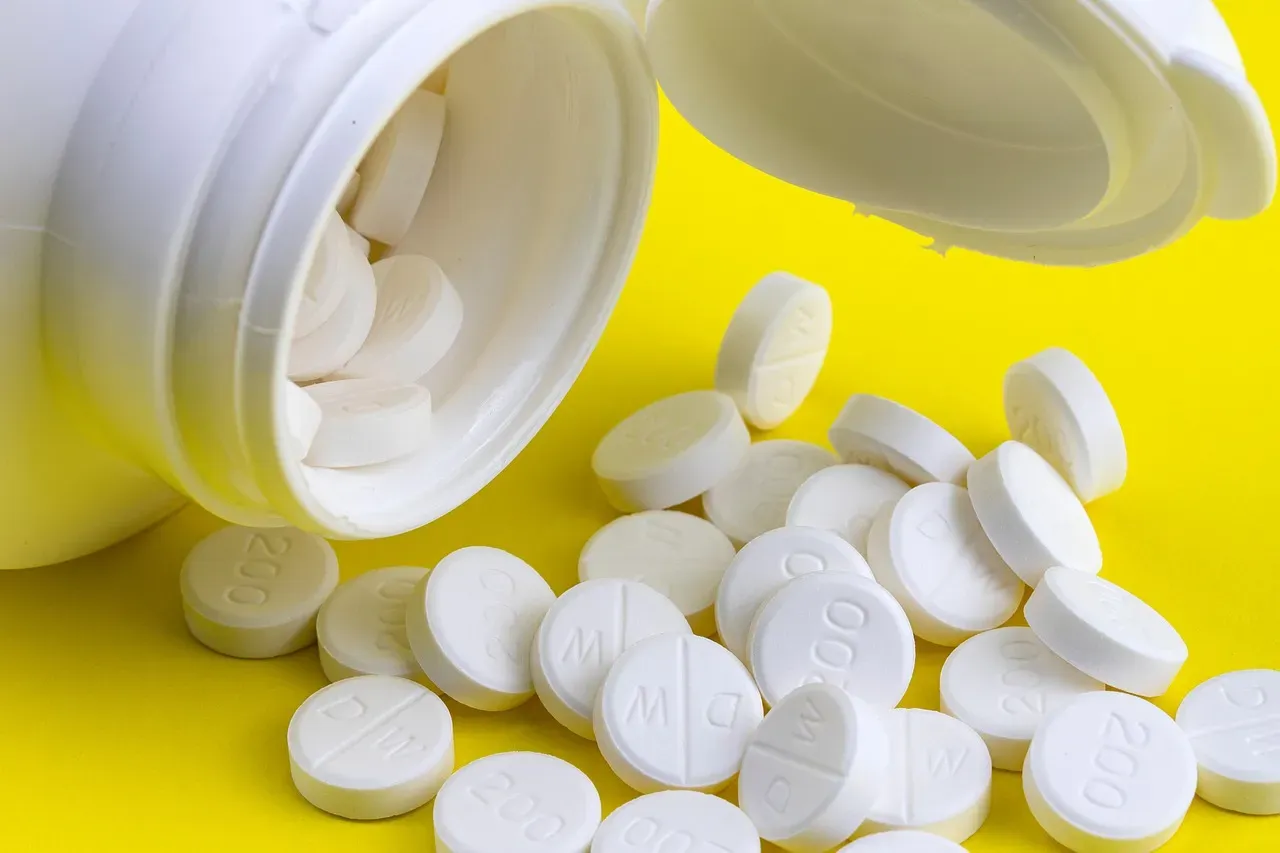
Let’s be real – most of us have dropped a pill on the floor and thought nothing of it. But for your cat, that tiny tablet could be a life-threatening event. Acetaminophen, such as Tylenol, can be fatal to a cat that ingests just one tablet, resulting in severe anemia, difficulty breathing, swelling of the face and paws, and liver failure. One tablet. That’s it.
Ibuprofen and naproxen can cause kidney failure and stomach ulcers. Antidepressants, sleep aids, and cold medicines can cause vomiting, tremors, or seizures even in small amounts. Cats will often gobble up pills they find lying on tables or dropped on the floor, so you need to be vigilant with your medications. Treat every pill like it could be your cat’s last meal – because it very well could be.
4. Essential Oils and Diffusers – Smells Lovely, Hides Real Danger
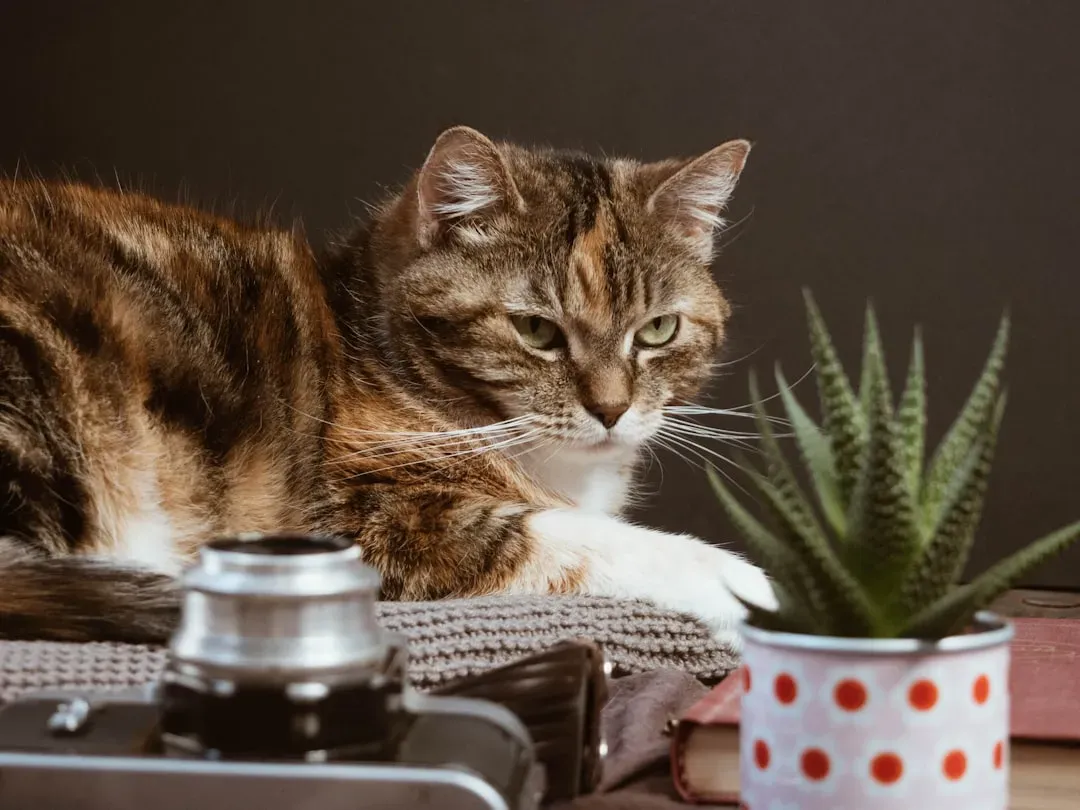
The wellness trend of filling your home with calming essential oil diffusers is everywhere right now. Lavender mist in the bedroom, eucalyptus in the bathroom – it all sounds harmless. Unfortunately, your cat’s liver tells a very different story. Essential oils contain potent chemicals that can be rapidly absorbed both orally and through the skin. Cats are particularly susceptible to the harmful effects of essential oils, as they have difficulty metabolizing them.
Some common essential oils that are poisonous to cats include peppermint oil, clove oil, eucalyptus oil, and tea tree oil. If you’re using essential oils in your home, make sure to keep them out of reach and avoid diffusing them around cats. It’s also important to keep cats away from candles, potpourri, and other scented products containing essential oils. Think of it this way: what smells like a spa day to you smells like a poison lab to your cat’s sensitive system.
5. Toxic Houseplants – The Pretty Ones Are Often the Worst
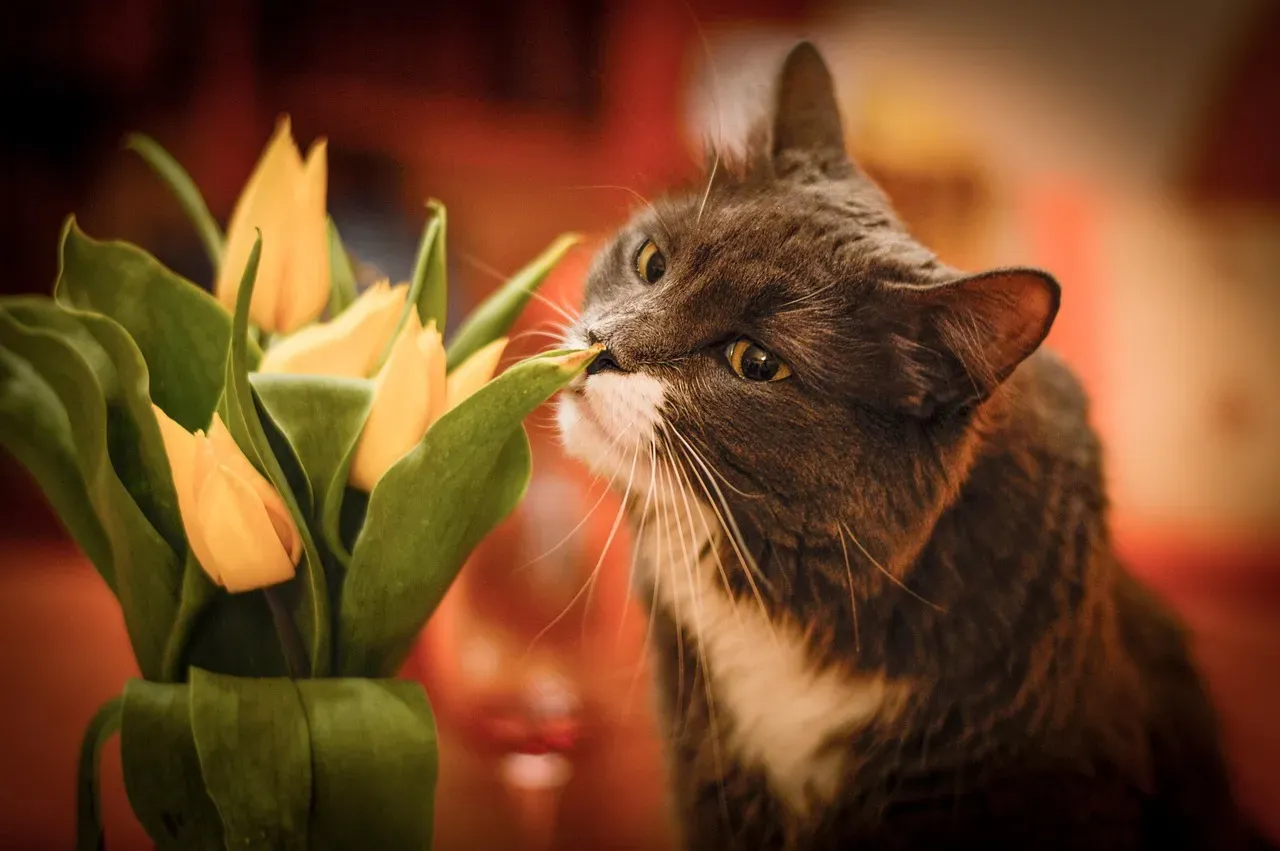
It’s almost unfair. The most stunning plants – pothos cascading from shelves, elegant peace lilies in the corner – are often the most dangerous. Pothos, philodendron, and peace lilies contain calcium oxalate crystals that irritate the mouth and digestive tract. Insoluble calcium oxalates, found in plants like pothos or dieffenbachia, cause intense mouth and throat irritation. Your cat doesn’t have to eat much for the suffering to begin.
Some common plants such as tulips, daffodils, lilies, philodendrons, Dieffenbachia, foxglove, and Japanese yew are very dangerous for cats. When a cat becomes unwell from plants, it is usually because something has brushed on their fur or paws, which they have then ingested while grooming. There is greater risk within the home as it is a confined area, and a bored or curious cat might investigate an indoor plant or a cut flower display by playing and nibbling. A good rule of thumb: before you bring any new plant home, look it up first.
6. Antifreeze – Sweet, Deadly, and Dangerously Easy to Find
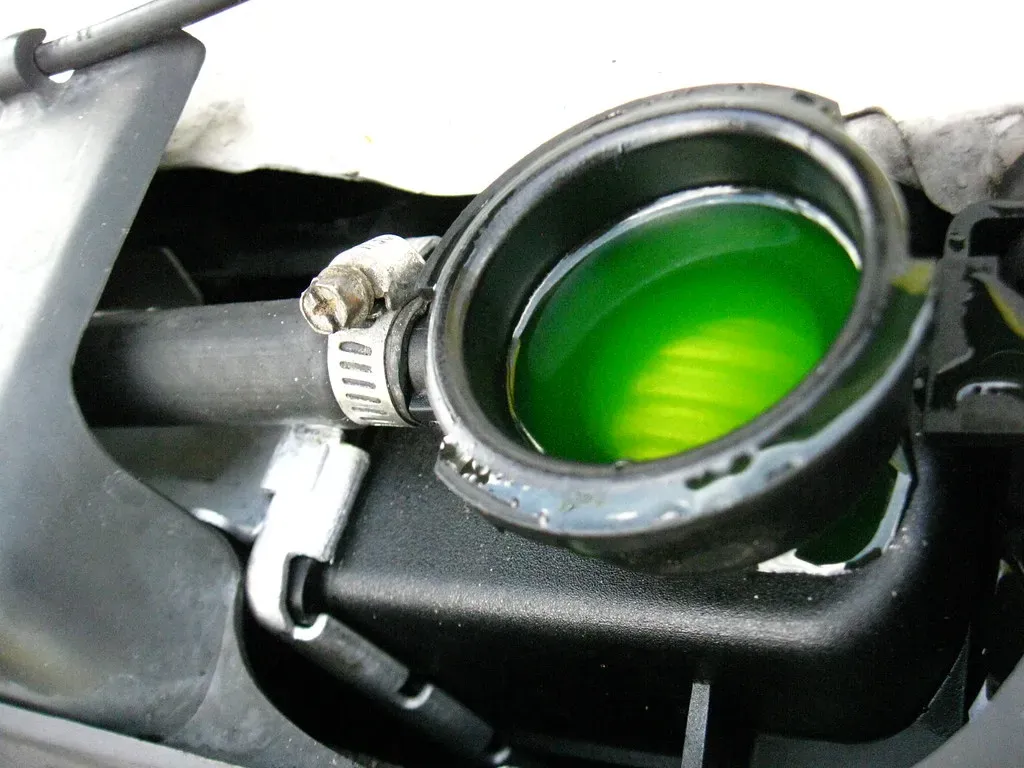
This one belongs on every single cat safety list ever written. Antifreeze is the kind of danger that disguises itself beautifully. Antifreeze is a common household product that contains ethylene glycol, which can cause kidney failure if ingested. Unfortunately, cats are drawn to the sweet taste of antifreeze, but just a few licks can be fatal for them. A few licks. That’s the terrifying math here.
Antifreeze (ethylene glycol) is sweet-tasting but deadly; just a teaspoon can be fatal. Garages, driveways, storage sheds – these are the places most cat owners don’t think to cat-proof. To keep your cat safe from antifreeze poisoning, always store it out of reach in a securely sealed container. If you ever notice a puddle or spill in the garage, clean it up immediately and completely. Your cat’s life could genuinely depend on it.
7. Onions, Garlic, and Kitchen Alliums – The Everyday Foods That Aren’t Safe to Share
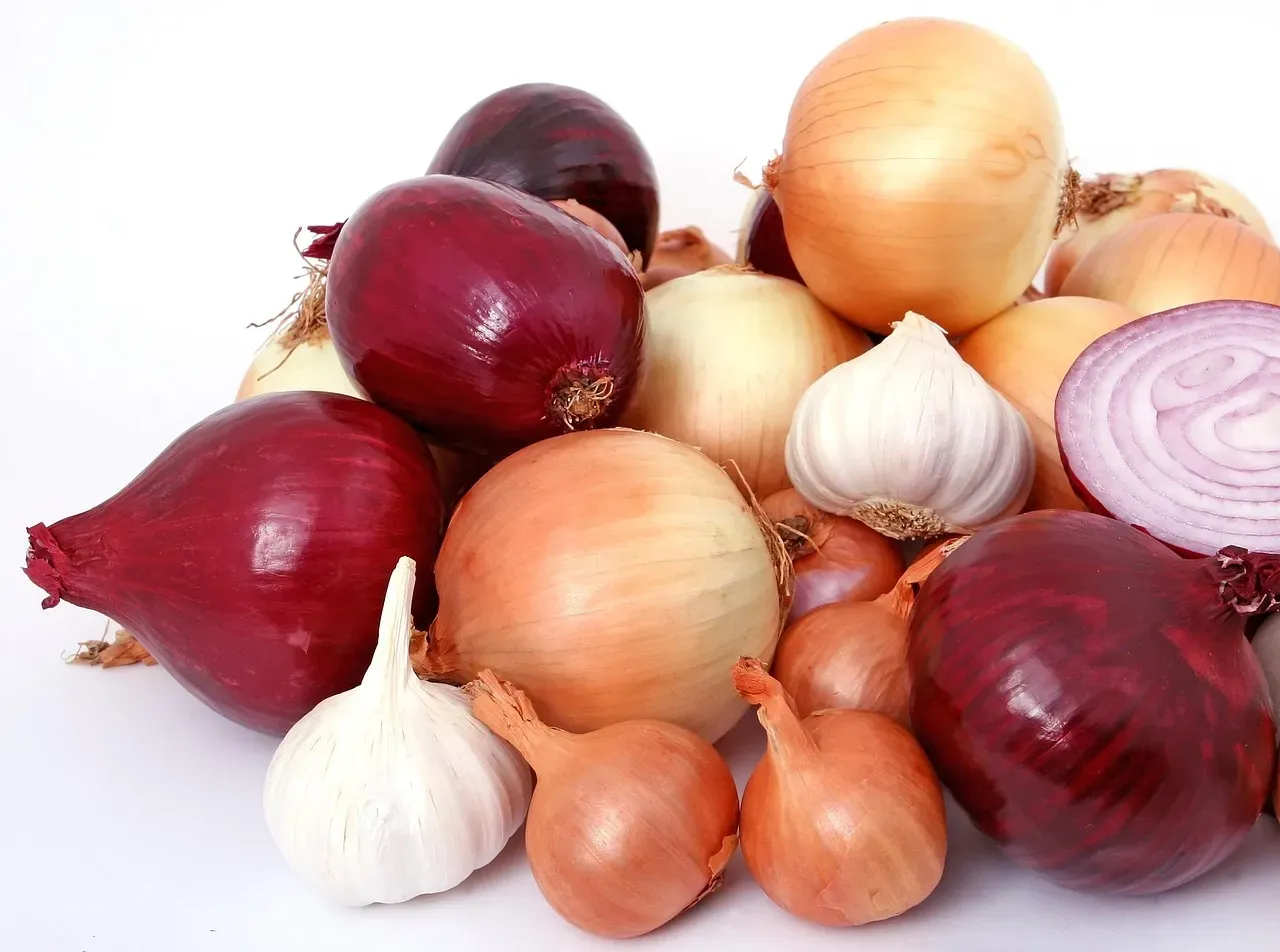
You’d never intentionally feed your cat a raw onion, obviously. But the danger here is sneakier than that. Table scraps, leftover pasta with garlic sauce, a bit of stir-fry – it all adds up. Onions, garlic, leeks, shallots, chives, and scallions are all considered poisonous to cats. Ingesting these foods can damage red blood cells, and cats in particular are more susceptible to red blood cell damage than dogs. Even ingesting small amounts can be very dangerous.
Onion powder is often added to baby food, so if you’re feeding cats baby food when they’re ill or have a sensitive stomach, be careful of this ingredient – check the ingredient label. Signs the cat is feeling ill can take several days to show, but beware of vomiting, diarrhea, loss of appetite and dehydration as symptoms. The delayed reaction is what makes this especially dangerous. You might not connect the dots until your cat is already seriously ill.
8. Rubber Bands, Hair Ties, and Small Objects – The Invisible Choking Hazards
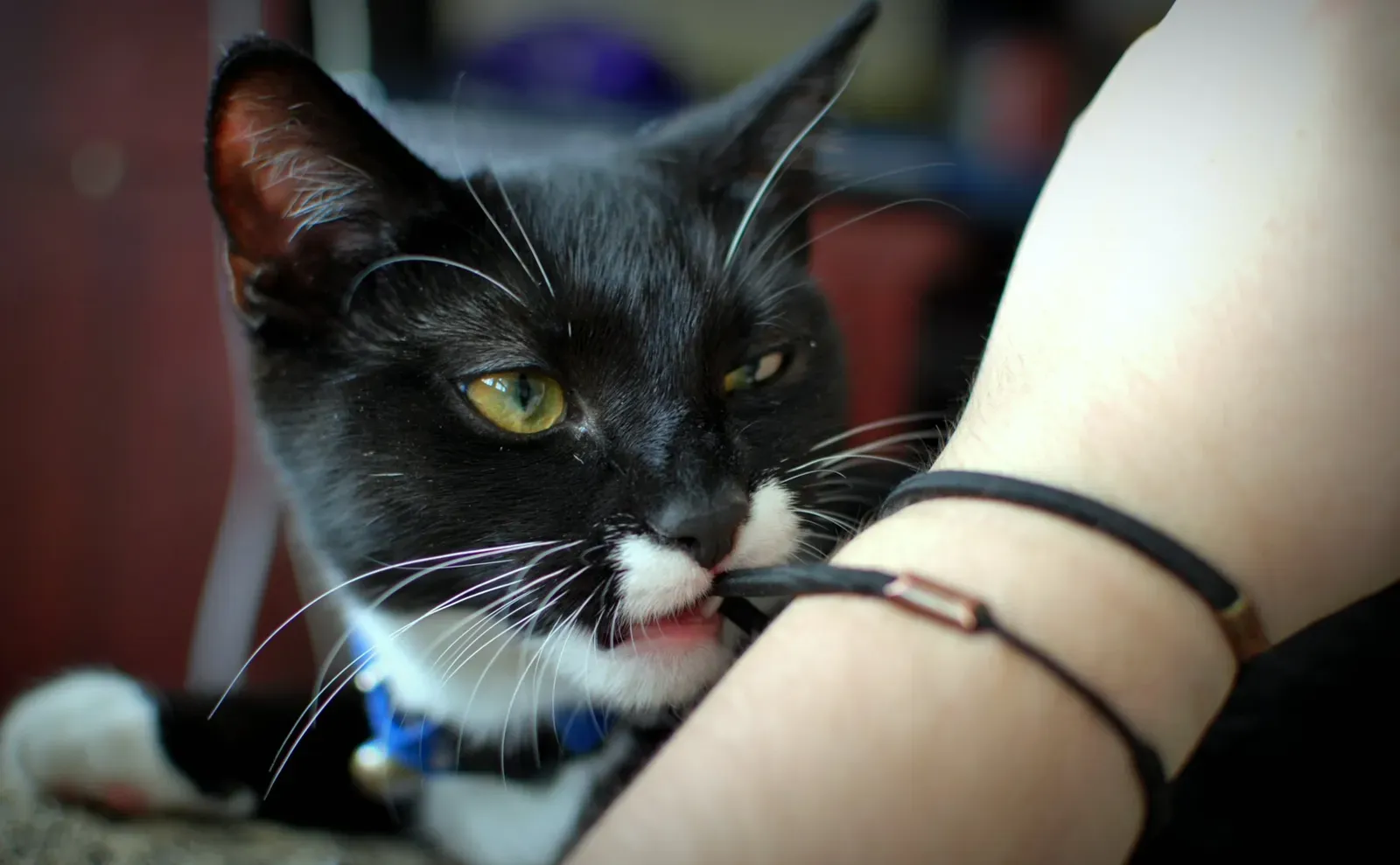
Cats are basically toddlers with better balance and worse judgment about what to put in their mouths. That rubber band on the kitchen counter? Your hair tie on the bathroom floor? To a cat, those are irresistible toys. Rubber bands, hair ties, and other small objects can be dangerous to cats if ingested. They can become lodged in a cat’s digestive system, leading to serious health problems like gastrointestinal issues, intestinal blockages, and even death.
Curtain cords can also pose a strangulation hazard, while electric cords, if chewed, could lead to electrocution. Imagine that – the cord from your blinds could strangle a cat, and the phone charger on your nightstand could electrocute one. To keep your cat safe from these hazards, keep rubber bands, hair ties, and other small objects well out of reach in closed containers. It sounds fussy, but this kind of micro-tidying can genuinely save a life.
9. Batteries – The Hidden Threat in Every Drawer
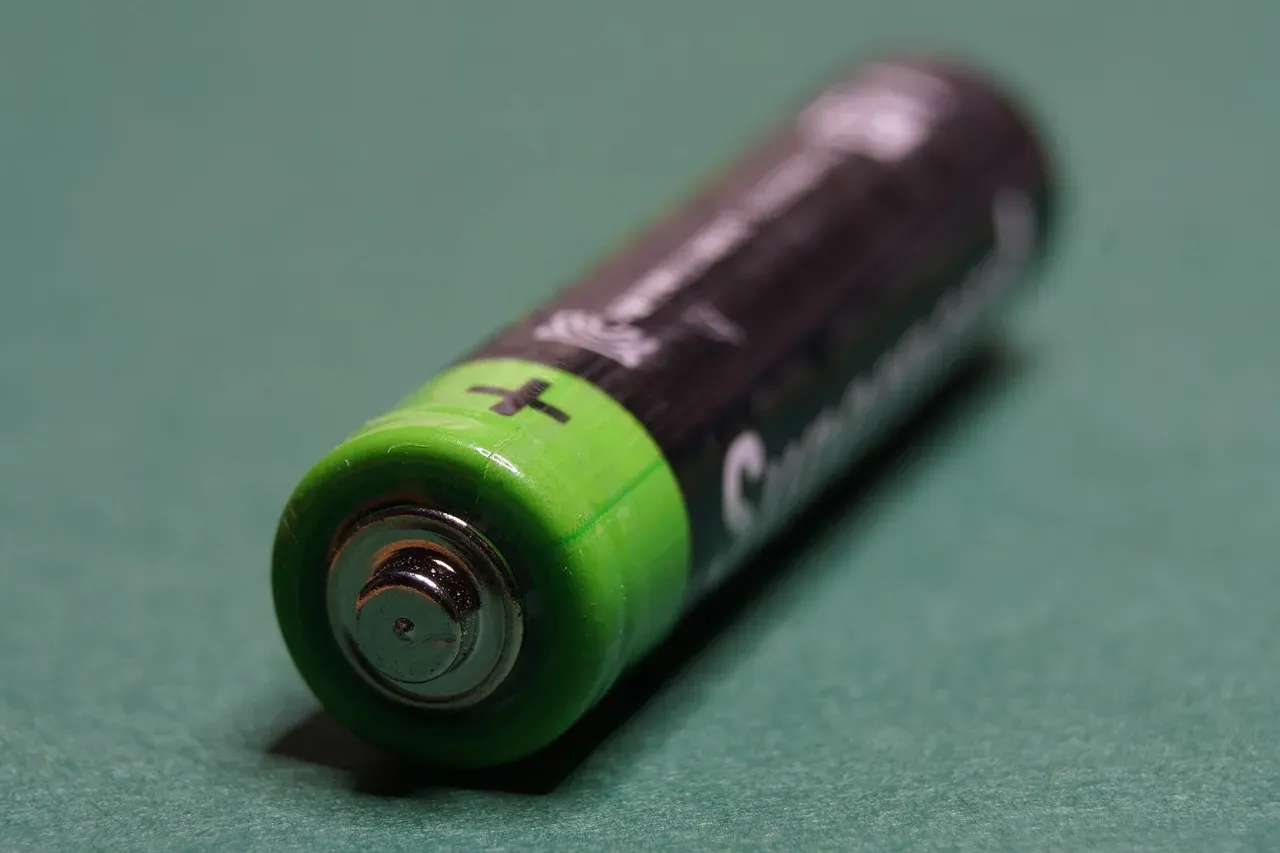
Most people don’t even think about batteries as a cat hazard. They’re just those things you dig out for the TV remote or a child’s toy. Yet they deserve a very serious spot on this list. Batteries contain harmful chemicals that can cause serious injury or death if ingested by cats. They pose the greatest threat when chewed or punctured as leaking chemicals can lead to burns in the mouth, esophagus, or stomach. Button batteries are especially dangerous as they can be easily swallowed by cats.
Think about how many loose batteries you have sitting around the home right now. A junk drawer, a remote control left on the couch, a child’s toy with a loose compartment. To prevent your cat from ingesting batteries, keep them out of reach and avoid leaving spare batteries in open containers or on countertops where they may attract attention. If you suspect your cat has ingested or chewed on a battery, contact your veterinarian as soon as possible. Speed is everything in a situation like that.
10. Chocolate and Caffeine – Not Just a Dog Problem

Most people know chocolate is toxic to dogs. Far fewer realize it’s a genuine danger for cats too – just as serious, just as potentially lethal. Chocolate is toxic for cats. It can cause symptoms including vomiting, diarrhea, and elevated blood pressure; in severe cases, ingesting the snack can lead to a seizure, coma, or death. That piece of dark chocolate you left on the coffee table is not worth the risk.
Chocolate, coffee, and caffeine contain methylxanthines, which affect the heart and nervous system. Coffee grounds left on the counter, an unattended mug of espresso, even certain teas – all of these pose a real threat. Cats don’t crave chocolate the same way dogs do, but they’re opportunistic. If they sniff something interesting and take a bite, the damage can be done before you even know what happened. Keep all of it safely stored away.
11. Dog Flea and Tick Products – A Deadly Mistake of Mistaken Identity
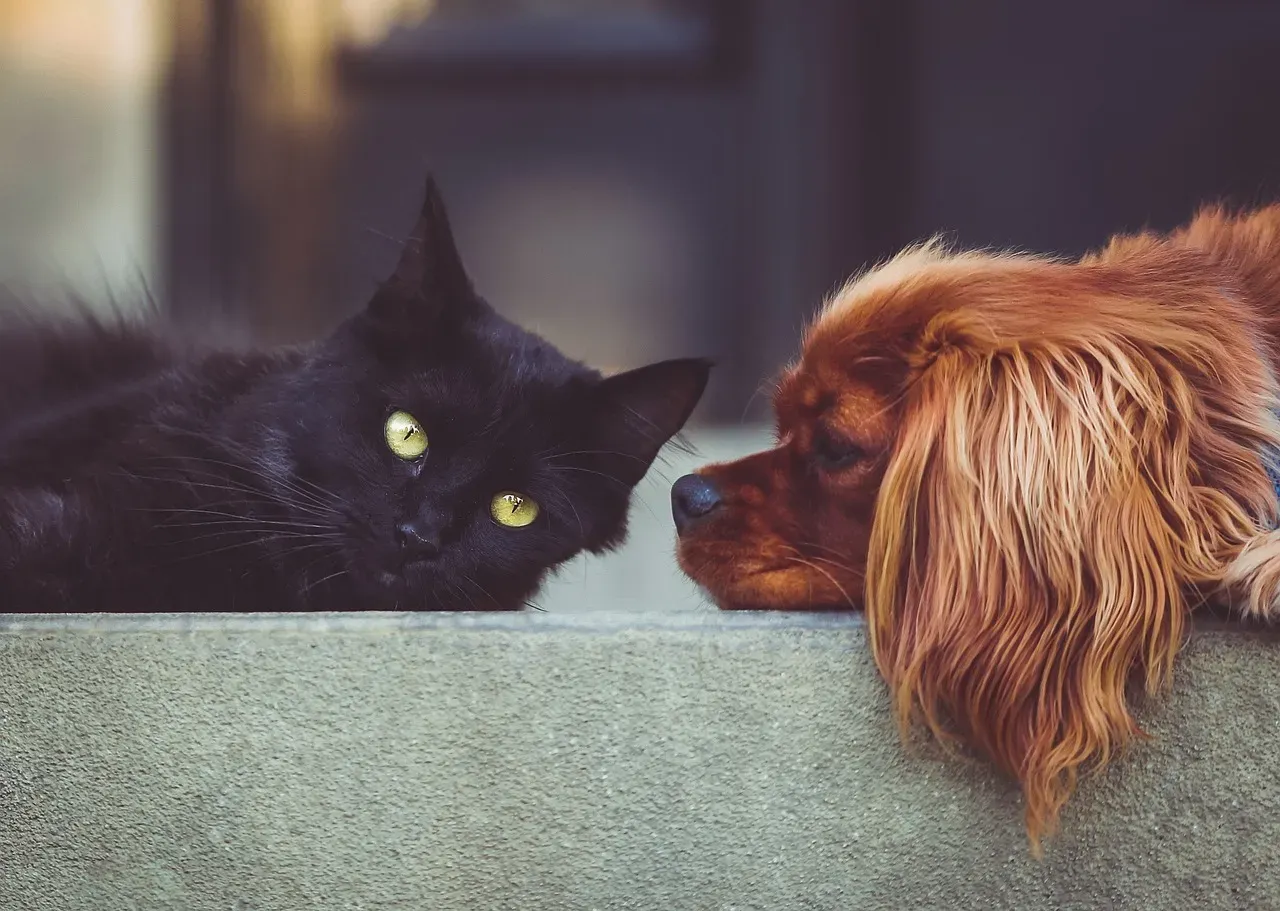
This is one of the most heartbreaking categories on this list because it often happens with the best of intentions. A pet owner wants to treat their household for fleas, grabs the dog product, and uses it on the cat. The consequences can be catastrophic. Dog-specific insecticides containing pyrethroids, such as permethrin, are highly toxic to cats. Poisoning occurs when dog flea products are directly applied on cats or cats lick these medications off dogs, leading to neurologic stimulation.
Never use dog-only flea treatments on cats; they often contain permethrins, which are highly toxic to felines. Flea and tick spot-on products for dogs that are pyrethroid-based cause tremors and seizures and can be deadly to cats. Even a cat that simply rubs up against or grooms a dog that was recently treated can absorb enough of the chemical to become seriously ill. Always read labels, always consult your vet, and never assume what’s safe for one pet is safe for another.
12. Antidepressants and ADHD Medications – When Human Medicine Becomes a Cat’s Temptation
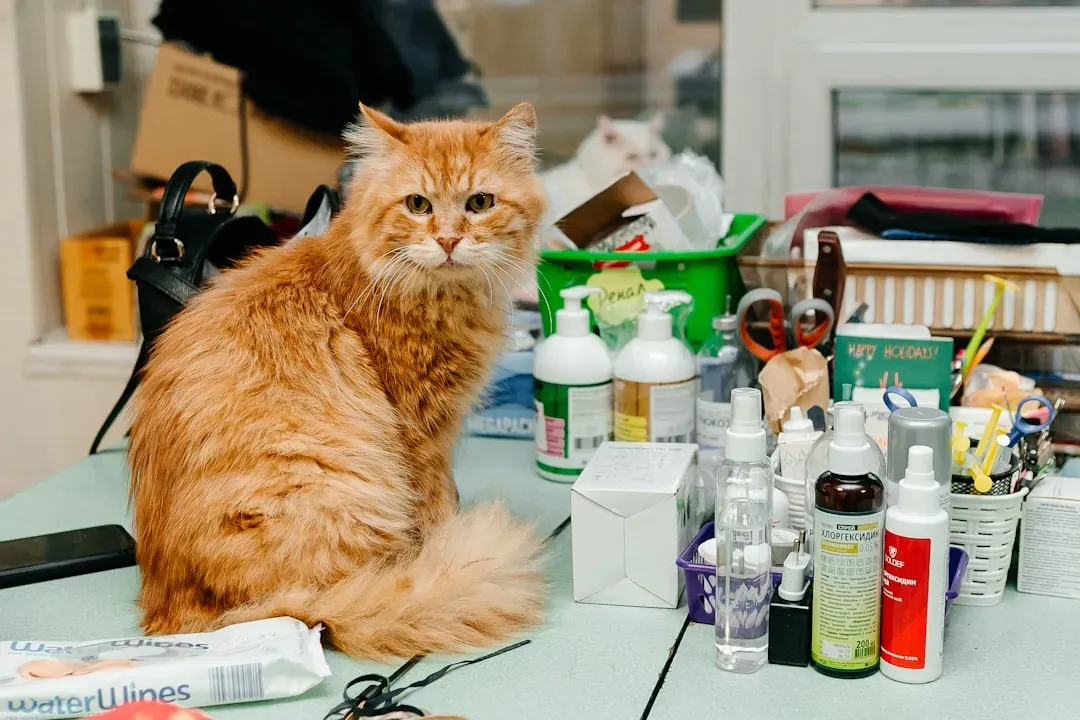
Here’s the thing – you might expect cats to avoid medication. Not so. Cats seem to like the taste of certain antidepressants such as Effexor and ADHD medications such as Adderall, which may contain an attractive smell or flavor in the coating. Ingestion of these medications may lead to cardiovascular and neurologic stimulation. The very coating designed to make medicine more palatable for humans makes it dangerously appealing to cats.
Instead of improving their mood and energy level, human antidepressants can cause lethargy, tremors, seizures, vomiting, diarrhea, and hyperthermia in cats. All medications, whether prescription or over-the-counter, should be kept in sealed containers out of reach. Think of your medication storage like you would for a toddler. Childproof caps aren’t just for children – they’re for cats too. One pill casually left on a bedside table could become a veterinary emergency before morning.
A Final Word – Your Home, Your Responsibility
The truth is, creating a safe home for your cat doesn’t require a total lifestyle overhaul. It mostly requires awareness. Once you know what to look out for, you can make small changes that have an enormous impact. Store medications properly. Research plants before bringing them home. Swap out harsh chemical cleaners where you can. Preventing exposure is the best way to protect your cat from household toxins. Start by conducting a “cat safety audit” around your home: secure all chemicals and medications in cabinets your cat can’t open, and remove toxic plants or replace them with cat-safe alternatives.
If you ever suspect your cat has been exposed to something toxic, don’t wait and see. Start heading to your emergency vet immediately and call them when you are en route if you can. Providing as many details as possible about the toxin your cat ingested, and even bringing the packaging, can help the team make quicker decisions. Your cat relies on you completely. They can’t read warning labels. They don’t know danger from curiosity. That’s your job – and honestly, it’s one of the most important ones you have as a pet owner.
Take a look around your home right now with fresh eyes. What do you see that might need to move, be locked away, or be reconsidered entirely? You might be surprised by what you find.
Kristina is a young writer from India. An arts graduate and an avid content creator, Kristina is passionate about animals and wildlife. She enjoys exploring topics related to pet care, animal behavior, conservation, and nature, combining thorough research with engaging storytelling.