Most cat owners glance into the litter box, wrinkle their nose, scoop quickly, and move on. Honestly, it’s not exactly the highlight of the day. Yet that small, unglamorous ritual? It might be one of the most important health checks you’re performing without even realizing it.
Your cat cannot tell you when something hurts. They can’t text you that something feels off or book a vet appointment on their own. What they can do is leave behind a daily collection of clues that, if you pay close attention, tells a surprisingly detailed story about what’s happening inside their body. The litter box, boring as it sounds, is essentially your cat’s health diary. Let’s dive in.
The Baseline: What “Normal” Actually Looks Like
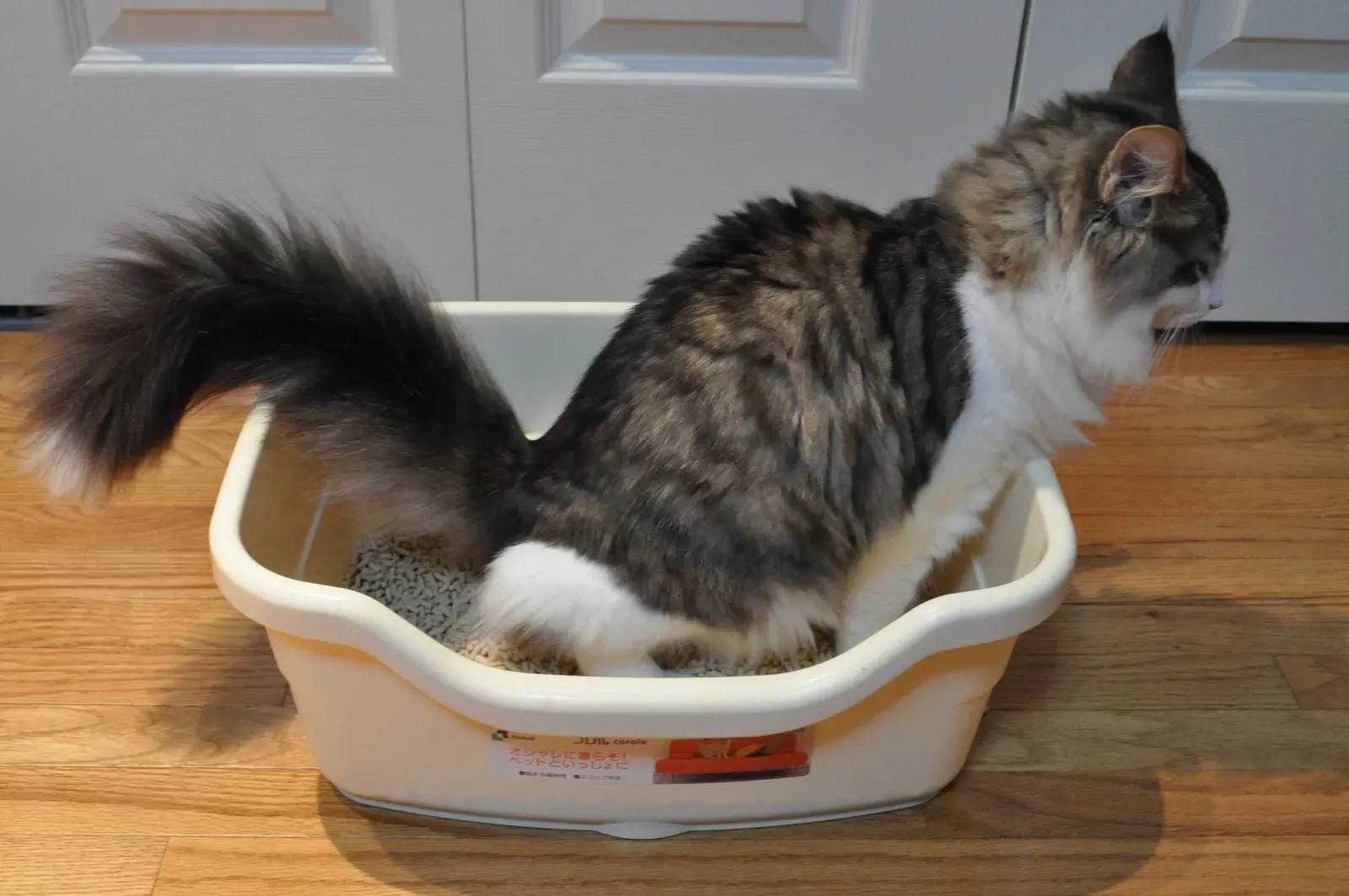
Before you can spot something wrong, you need to know what right looks like. Healthy cats typically urinate two to four times daily and defecate once every twenty-four to thirty-six hours, though individual patterns can vary based on diet, age, and health status. Think of it as your cat’s personal rhythm, and your job is to learn that rhythm by heart.
Normal urine should be pale yellow to amber in color with minimal odor, while healthy stool should be well-formed, brown, and easily covered by your cat. If what you’re seeing in the box matches that description day after day, you can breathe a sigh of relief. Your cat is doing just fine.
Factors like age, diet changes, stress levels, and even weather can influence elimination patterns, so what matters most is knowing your cat’s baseline behavior so you can recognize when something changes. In other words, become a litter box detective. You don’t need a magnifying glass, just a few seconds of genuine observation each day.
Frequency Changes: Your First Red Flag
Here’s the thing: when your cat starts going too often or not nearly enough, that shift is almost never random. Increased visits, especially with small amounts of urine, can point to a possible UTI, diabetes, or kidney disease, while decreased visits may signal dehydration, urinary blockage, or constipation. That’s a wide range of serious conditions, all announced by something as simple as a shift in bathroom frequency.
A sudden increase or decrease in frequency can indicate an underlying health problem that requires veterinary attention. It’s a bit like how a spike in your electricity bill tells you something in the house changed, even if you can’t immediately see what. Your cat’s elimination schedule works the same way. Pay attention to the pattern, not just the moment.
What the Color and Volume of Urine Are Telling You
Your cat’s urine can reveal crucial health information. The volume of urine your cat produces can indicate health issues, and excessive urination might suggest diabetes or kidney problems, often accompanied by increased thirst. If you notice your cat at the water bowl far more than usual alongside extra litter box trips, that combination is worth taking seriously.
Urine color can range from pale yellow to amber, with changes in urinary habits signaling various health complications. Increased urination with excessive thirst might indicate diabetes mellitus, while changes in urine volume or color, sometimes with weight loss, could suggest kidney disease. It sounds alarming, but catching these signs early gives you a real window for treatment that could make all the difference.
Stool Consistency and Color: Reading Between the Lines
You might not love this part, but the appearance of your cat’s stool is a genuinely powerful health signal. Healthy cat stool is typically firm, moist, and brown in color. It should hold its shape but be easily scoopable, which indicates a balanced diet and good digestive health. Anything that strays significantly from that description deserves a closer look.
Black or tar-like stool can indicate the presence of digested blood, which may be a sign of gastrointestinal bleeding or ulcers and requires immediate veterinary consultation. Bright red blood in the stool often points to issues such as hemorrhoids, anal gland problems, or lower gastrointestinal tract conditions, and veterinary advice is important to determine the cause. Pale or yellowish stools are also a concern, as stool that is pale or yellow may suggest liver problems or issues with bile production, which warrants a veterinary evaluation to assess liver function and overall health.
Straining, Crying, or Spending Too Long in the Box
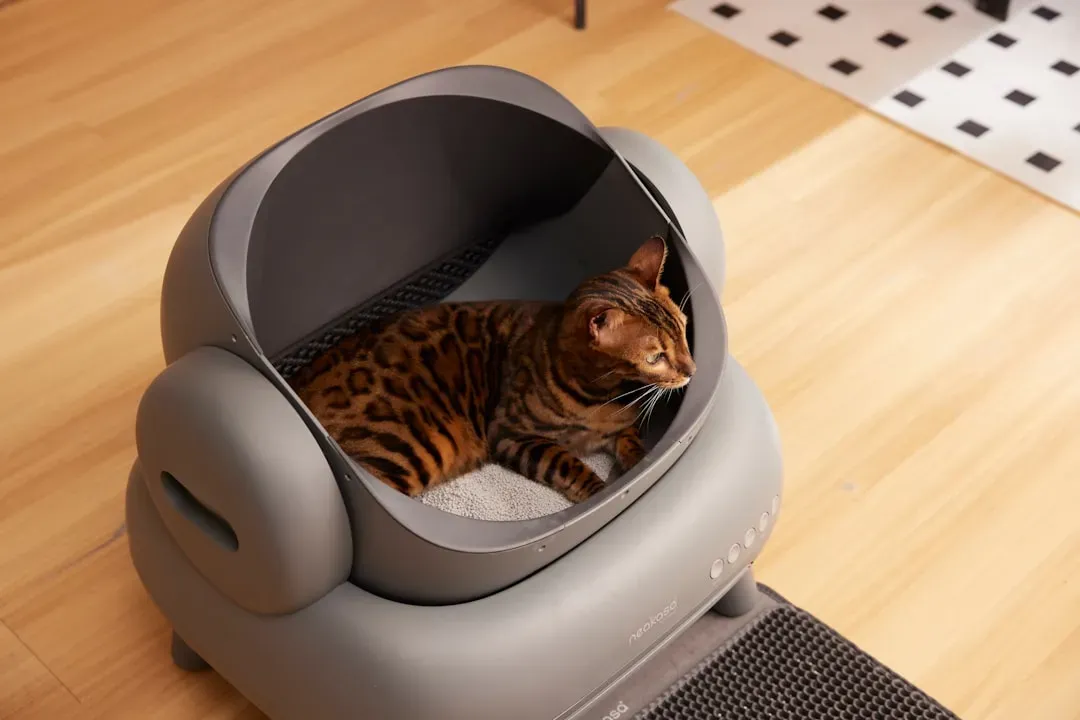
Let’s be real: if your cat is sitting in the litter box for what feels like an eternity and nothing is happening, that is not just an inconvenient quirk. Any straining, crying, or visible distress while urinating demands immediate veterinary care, and male cats are particularly susceptible to urinary blockages, which can become life-threatening within hours. This is one of those situations where waiting to “see if it gets better” can genuinely cost your cat its life.
When a male cat struggles to urinate, it can lead to a dangerous buildup of toxins in the bloodstream, severe pain, and potentially life-threatening complications such as kidney failure or bladder rupture. If left untreated, urinary obstruction can be fatal. Signs to watch for include frequent trips to the litter box with little to no urine produced, straining, and visible discomfort. If you see this happening, do not wait until morning. Get to a vet immediately.
Going Outside the Litter Box: Behavioral Signal or Medical Cry for Help?
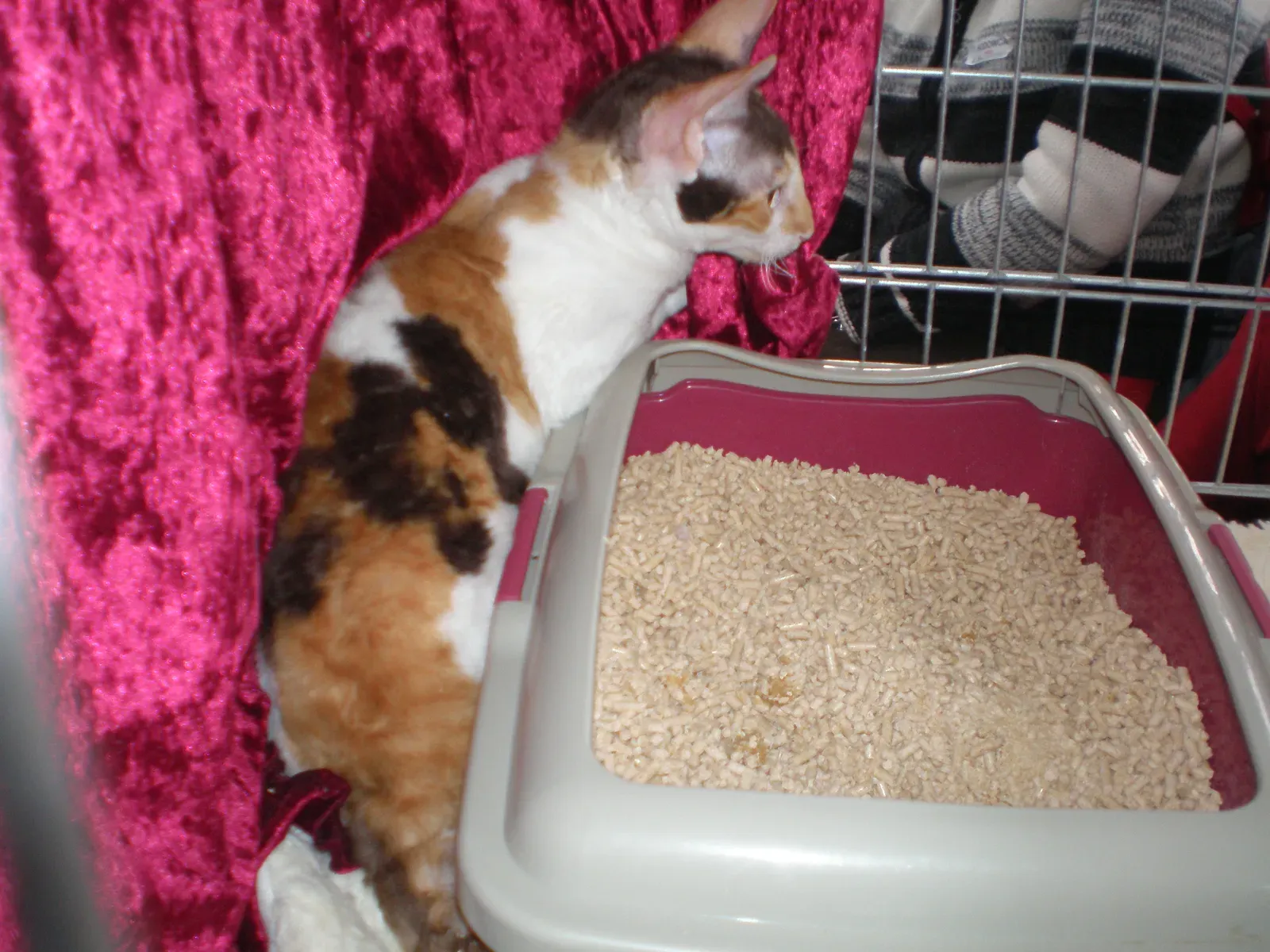
Finding a puddle outside the box is frustrating, no question. Your first instinct might be annoyance, but that reaction misses something important. Your cat isn’t acting out of spite. Litter box avoidance is almost always rooted in either a medical or behavioral cause, and understanding which is which is the first step toward solving the problem. Treating it as misbehavior without investigating the cause is like yelling at your car for making a strange noise.
Changes in the environment, such as moving to a new home, the arrival of a new pet or family member, or changes in routine, can stress cats and lead to toileting outside the litter box. Meanwhile, on the medical side, many medical conditions can make urination or defecation uncomfortable or urgent, leading cats to associate the litter box with pain. Urinary tract infections, for instance, can cause frequent, painful urination and may lead your cat to avoid the litter box altogether. Rule out the medical cause first, always.
Spraying vs. Regular Urination: Yes, There Is a Difference
Not all urine outside the box means the same thing, and this distinction matters enormously. Cats spray urine to mark their territory. A cat who is spraying will typically hold his or her tail erect and quiver while spraying urine, often on an upright surface. If you’re finding small amounts of urine on vertical surfaces like walls or chair legs, you’re dealing with a spray situation, which is a territorial or anxiety-driven behavior rather than a litter box problem.
Another equally normal but less pleasant marking behavior is the deposition of small amounts of urine around a given area. By doing this, a cat announces his or her presence, establishes or maintains territorial boundaries, or advertises readiness to mate. Cats usually spray on vertical surfaces, like the backs of chairs or walls. Spraying is far more common in unneutered cats, so if your cat hasn’t been spayed or neutered yet, that’s worth discussing with your vet right away.
How Your Cat Covers (or Doesn’t Cover) Its Waste
This one catches a lot of people off guard, but the way your cat buries, or refuses to bury, its waste actually says something meaningful. Feline elimination behavior is rooted in survival. Privacy seeking comes from wild ancestors who were vulnerable while eliminating and needed to avoid predators. Waste-burial instincts developed alongside those habits so cats could eliminate without leaving strong scent trails. When a domestic cat covers its waste thoroughly, it’s acting on thousands of years of instinct.
When a cat deliberately leaves waste uncovered, though, it can carry a different message. Some cats leave stool and urine uncovered as a way of marking territory; the smell can communicate to other cats whose turf is whose. However, if your cat used to cover its waste and has recently stopped, it may not cover up as a way of minimizing the amount of time it has to spend in an offending substrate, which could mean the litter type needs changing. A sudden shift in this behavior, like most bathroom changes, deserves attention.
Smart Technology and the Future of Litter Box Monitoring

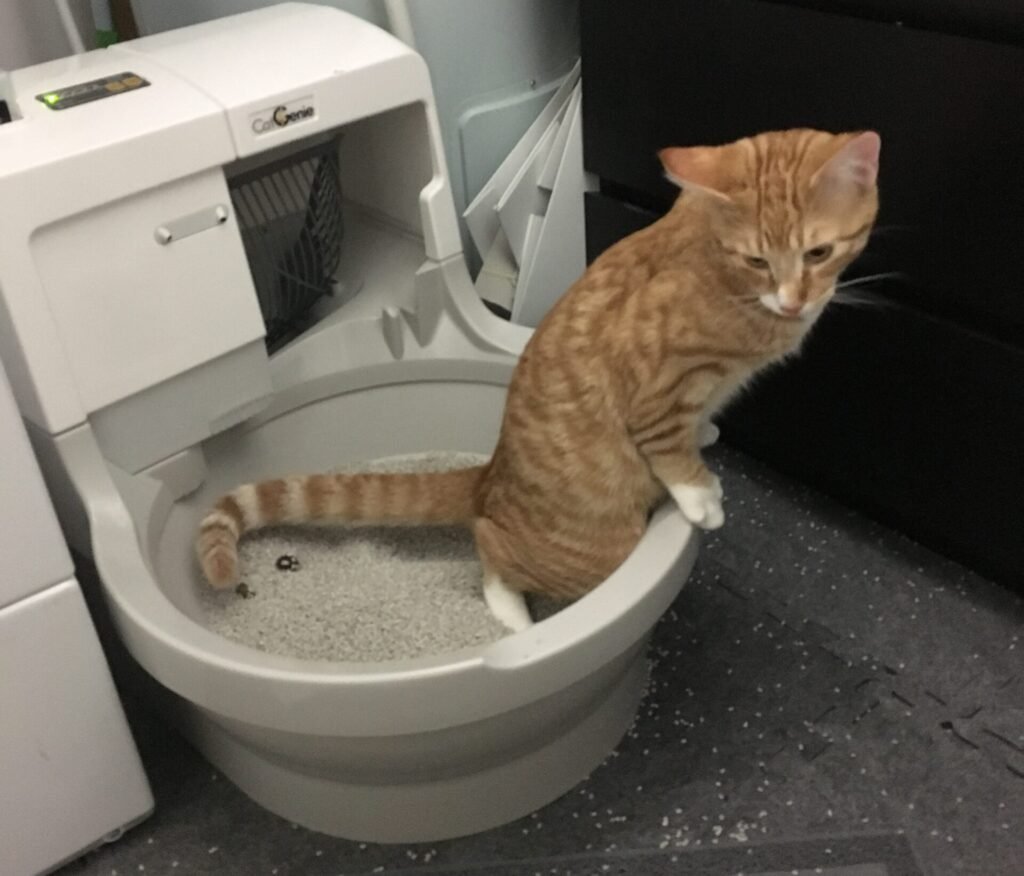
It might sound a little over the top, but technology is genuinely transforming how cat owners stay on top of their pet’s health. Smart litter boxes are useful for tracking bathroom habits, especially in multi-cat or busy households. Recent studies show that AI-based monitors can identify individual cats and detect urination or defecation events with over eighty percent accuracy, helping spot early health issues. Think of it less like a gadget and more like a tiny early-warning system living in your laundry room.
One of the biggest misconceptions about automatic litter boxes is that automation removes the need to monitor your cat’s health. While automatic litter boxes save time and reduce odor, they can also hide subtle changes in your cat’s bathroom habits, which are early warning signs of illnesses like urinary tract infections, kidney issues, or digestive problems. So if you do invest in a self-cleaning unit, make sure it comes with health tracking features, not just cleaning automation. The goal is to stay informed, not just to avoid scooping.
Conclusion: The Litter Box Is a Window, Not Just a Chore
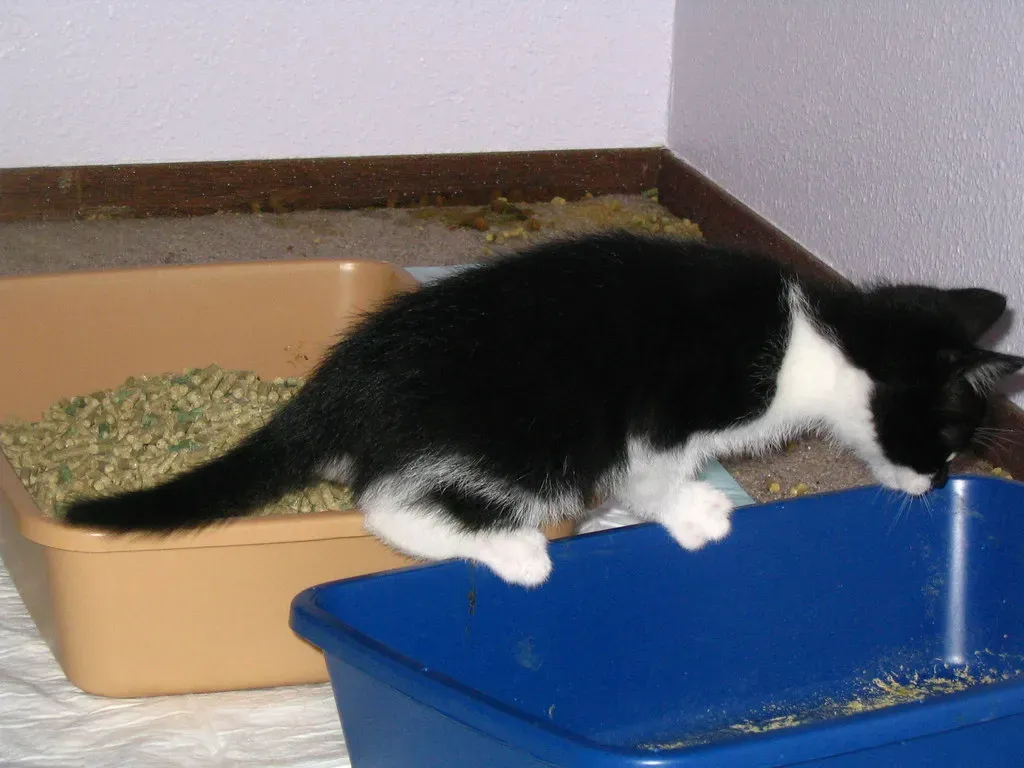
It’s easy to treat the litter box as one of the less glamorous aspects of cat ownership, something to deal with quickly and forget about. But every single day, your cat is leaving behind information that no blood test or routine checkup can replicate in real time. Consistently monitoring your cat’s litter box is a simple yet powerful way to stay on top of their health. Many cat health problems first show up as changes in bathroom habits, and catching these early can make a big difference in treatment outcomes.
You don’t need to become obsessive about it. You just need to be present and observant. Know what your cat’s normal looks like. Notice when something shifts. Trust your gut when something seems off, because litter box changes are rarely “just behavioral.” They’re your cat’s way of communicating that something is wrong, and early recognition of concerning symptoms combined with prompt veterinary care can prevent minor issues from becoming major health crises.
Your cat trusts you with its whole world. The least you can do is pay attention to what it’s trying to say. So the next time you grab that scoop, take just a few extra seconds to look. You might be surprised by what you find. What has your cat’s litter box revealed about their health? Share your experience in the comments below.
Kristina is a young writer from India. An arts graduate and an avid content creator, Kristina is passionate about animals and wildlife. She enjoys exploring topics related to pet care, animal behavior, conservation, and nature, combining thorough research with engaging storytelling.