You’ve probably watched a cat lose its mind over a tiny pinch of dried herb and thought – what on earth is happening right now? One moment your cat is a dignified, aloof creature. The next, it’s rolling on the floor like it just discovered the meaning of life. Catnip has this uncanny ability to completely transform a cat’s personality in a matter of seconds, and honestly, it’s one of the most fascinating things happening right in your living room.
What most people don’t realize is that beneath all that hilarious rolling and drooling, there’s some genuinely mind-blowing science at work. From ancient insect-repellent strategies to opioid pathways in the brain, catnip is far more complex than you’d ever expect from a common garden plant. So let’s dive in – because what you’re about to learn might completely change how you look at that little green bag in your cupboard.
What Catnip Actually Is (It’s Not What Most People Assume)
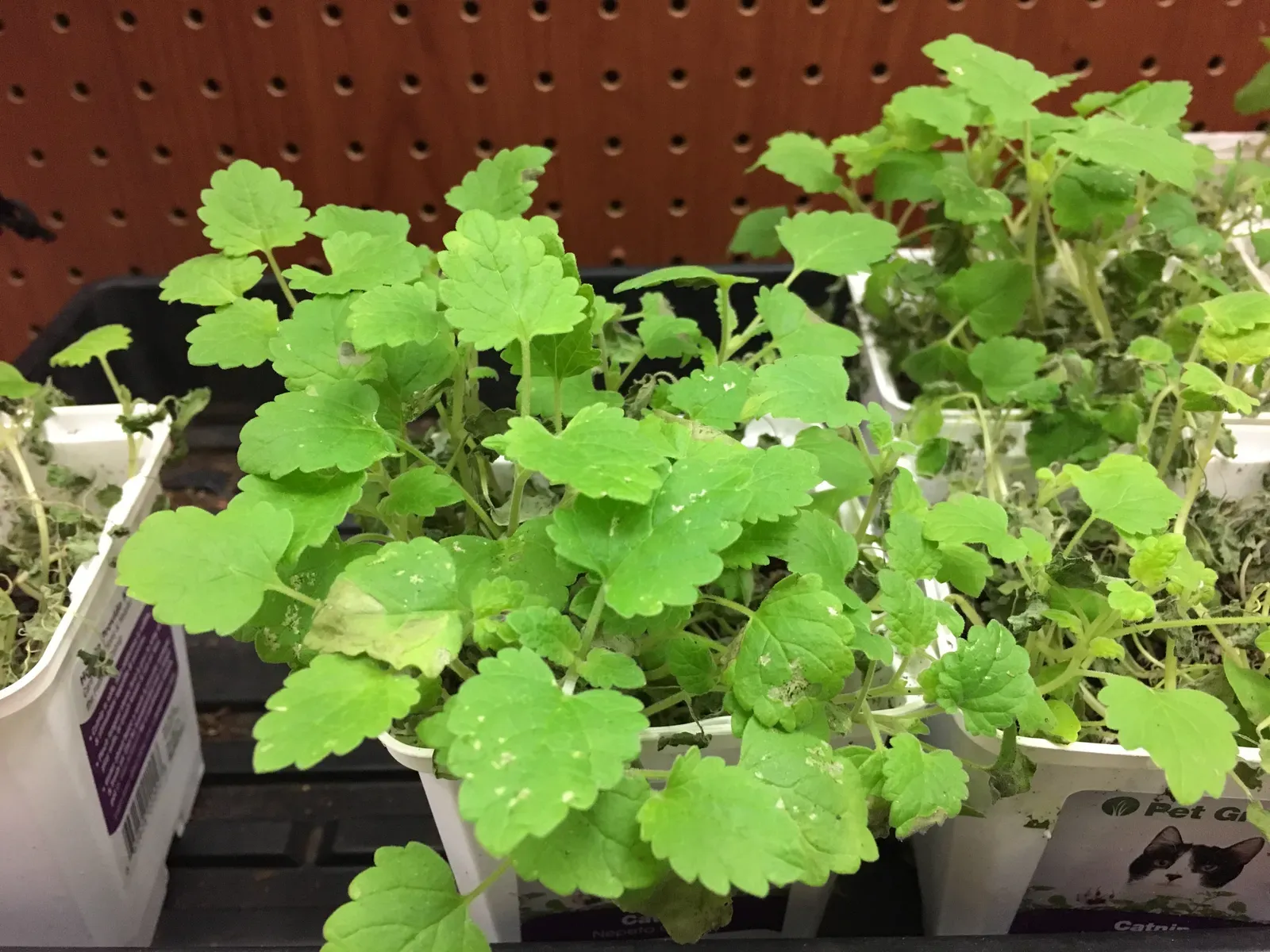
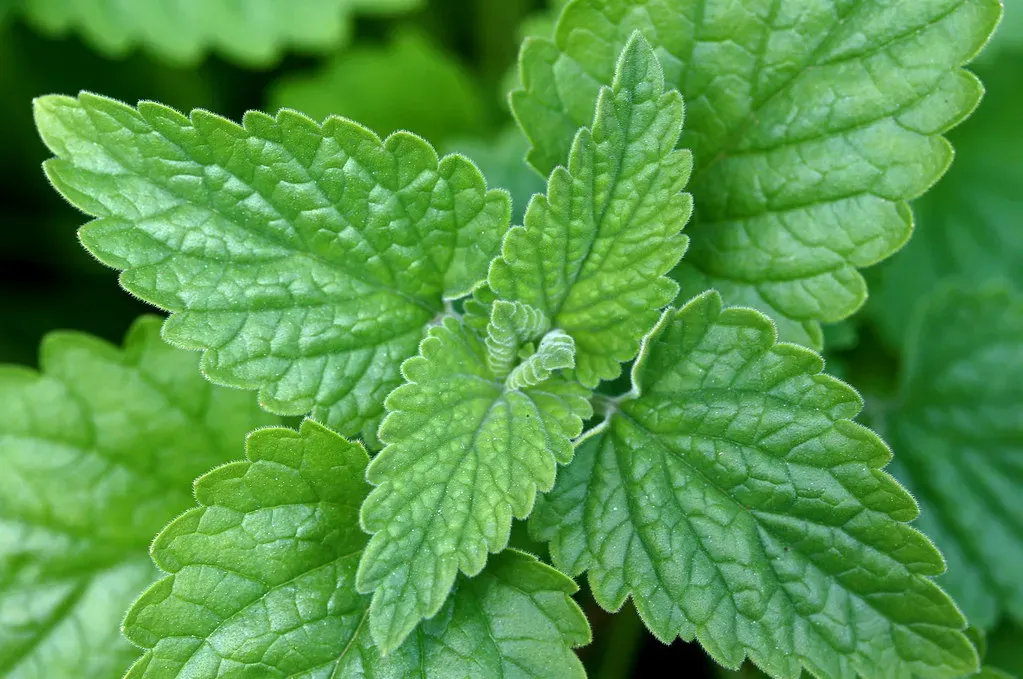
Here’s the thing – most people think of catnip as some kind of exotic cat drug, a mystery plant brewed up specifically to mess with feline minds. In reality, it’s a surprisingly ordinary herb. Catnip, or Nepeta cataria, is a common herb that is a member of the mint family. Catnip plants are members of the mint family and contain volatile oils, sterols, acids, and tannins, and while native to Europe, Asia, and Africa, the plant was brought to North America by settlers and nowadays grows widely as a weed.
You might have walked past it in a garden without even knowing. It is an herbaceous herb that can grow up to three feet tall and has greyish-green leaves with small white or lavender flowers. Originally cultivated as a medicinal crop, catnip can now be found growing wild in every state except Hawaii and Florida. Not exactly the mysterious, exotic substance its reputation suggests, is it?
The Secret Weapon Inside: Meet Nepetalactone
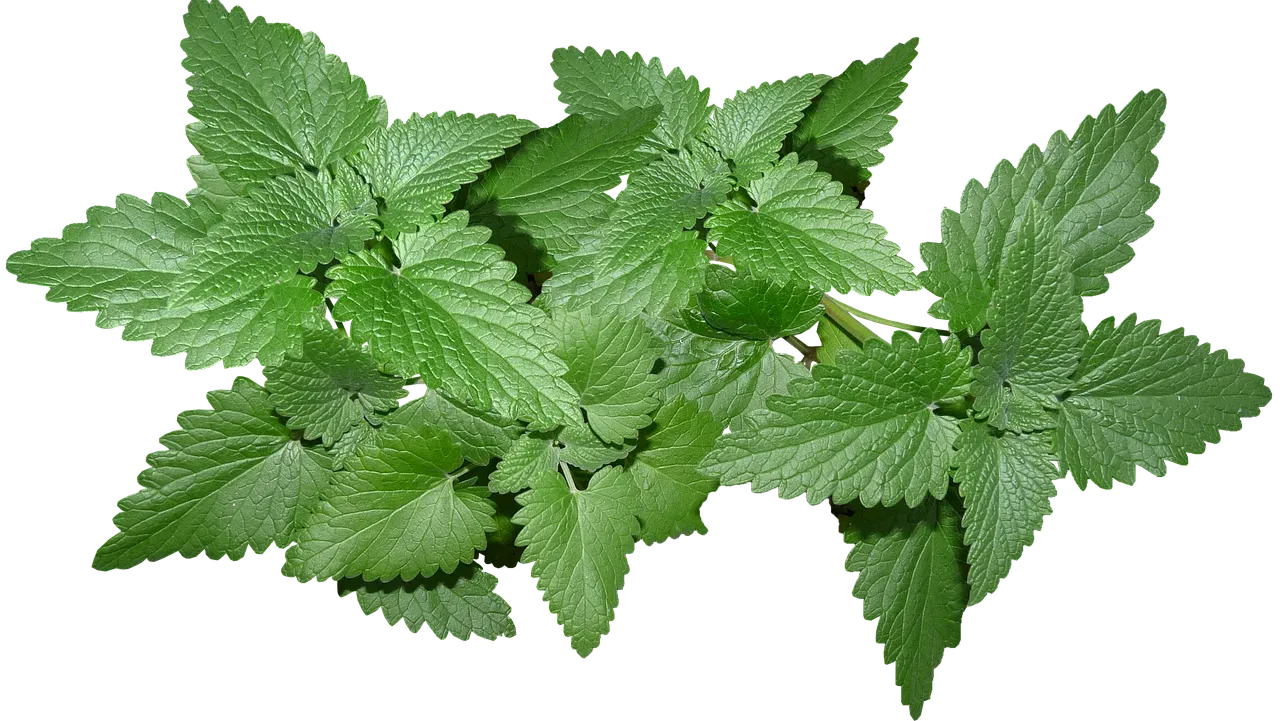
If you want to understand what catnip actually does, you need to get acquainted with one key compound. Catnip contains a chemical compound called nepetalactone, which gives the plant its distinctive odor and is also responsible for its unique effects on cats – and nepetalactone is found in the leaves, stems, and flowers of the plant. Think of it as a tiny chemical key that just happens to fit perfectly inside a cat’s brain lock.
What makes this compound so extraordinary is its potency. Nepetalactone and its isomers make up roughly seventy to ninety-nine percent of the essential oil that can be obtained from the catnip plant. Cats are attracted to the smell of nepetalactone, which binds to receptors in their noses, and while catnip has other compounds that can stimulate a reaction on their own, nepetalactone is by far the strongest. It’s a remarkably concentrated force packed into a seemingly modest plant.
What Happens Inside Your Cat’s Brain
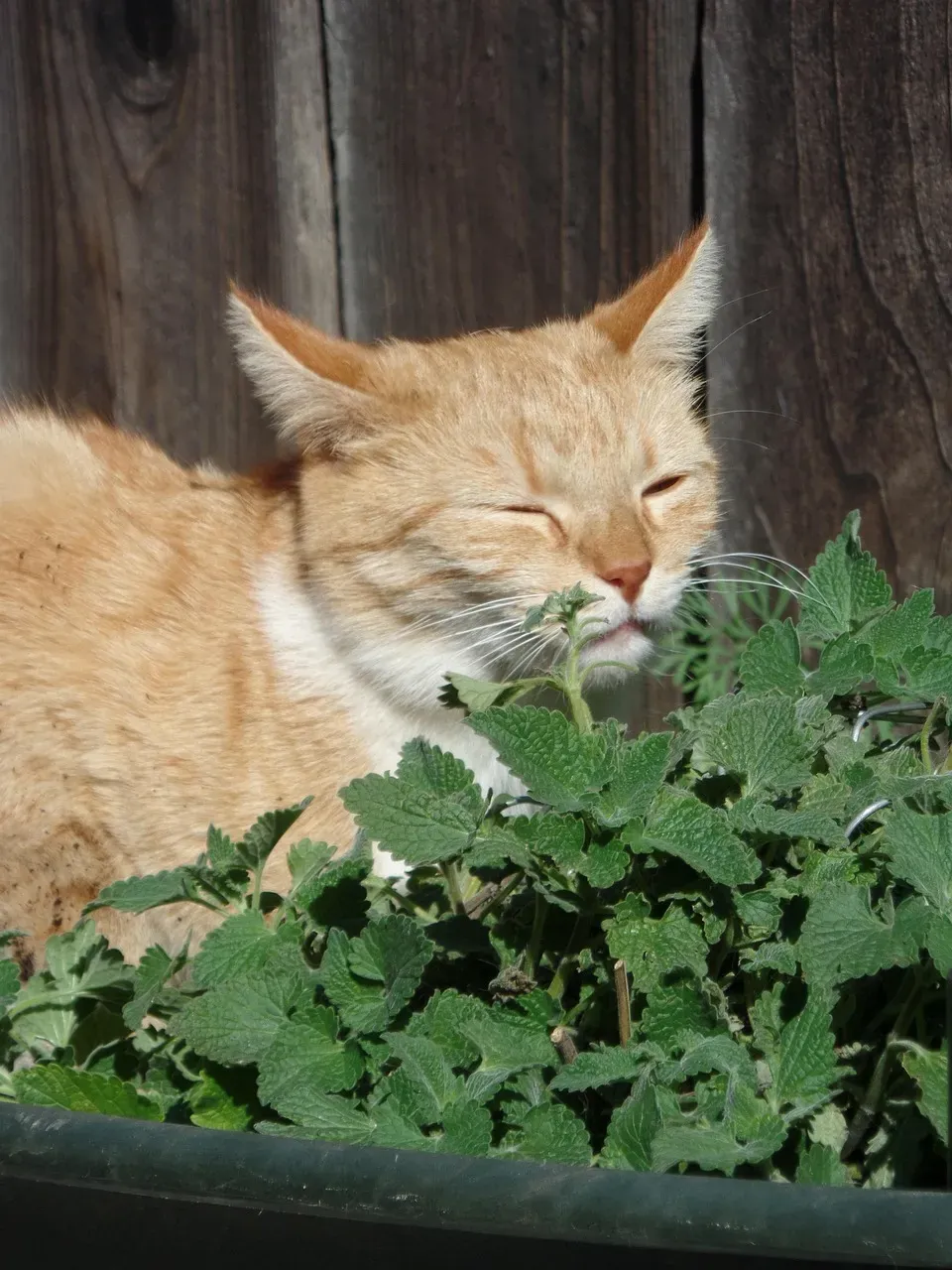
This is where things get genuinely fascinating. The moment your cat catches a whiff of catnip, an intricate chain reaction fires off inside its skull that most cat owners never fully appreciate. Nepetalactone, one of catnip’s volatile oils, enters the cat’s nasal tissue, where it is believed to bind to protein receptors that stimulate sensory neurons. These cells, in turn, provoke a response in neurons in the olfactory bulb, which project to several brain regions including the amygdala and the hypothalamus, the brain’s “master gland” that plays a role in regulating everything from hunger to emotions.
The result is essentially a full brain event. The hypothalamus regulates neuroendocrine responses through the pituitary gland, creating a “sexual response” – meaning the cat essentially reacts to an artificial cat pheromone. This “high” can stimulate increased levels of serotonin, dopamine, and other neurotransmitters in the brain – the same chemicals that are involved in pleasure and happiness. It’s remarkably similar to how the human brain responds to its own pleasure triggers, just through a completely different sensory pathway.
The Wild Behavioral Show: What You’ll See (and Why)
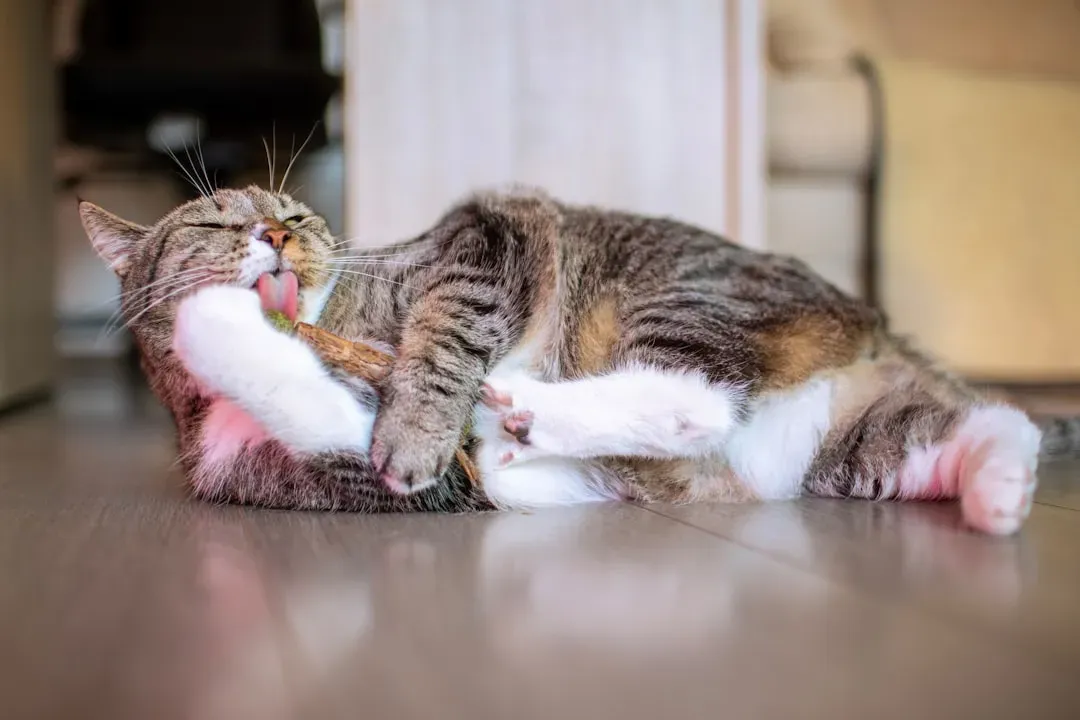
When your cat encounters catnip, the behavioral display that follows is both entertaining and scientifically telling. When cats smell catnip, they exhibit several behaviors common to queens in season – females in heat – and they may rub their heads and body on the herb or jump, roll around, vocalize, and salivate. You might think your cat has simply lost the plot. Scientifically speaking, it kind of has – but in the best possible way.
What’s interesting is that sniffing versus eating the plant actually produces noticeably different results. If a cat inhales catnip through its nose, the effect is hyperactiveness or more active behavior, but if it is eaten, the cat is more likely to be calm and space out. This response lasts for about ten minutes, after which the cat becomes temporarily immune to catnip’s effects for roughly thirty minutes. It’s a built-in reset switch – nature’s way of preventing the party from going on forever.
Not Every Cat Gets an Invitation to the Party
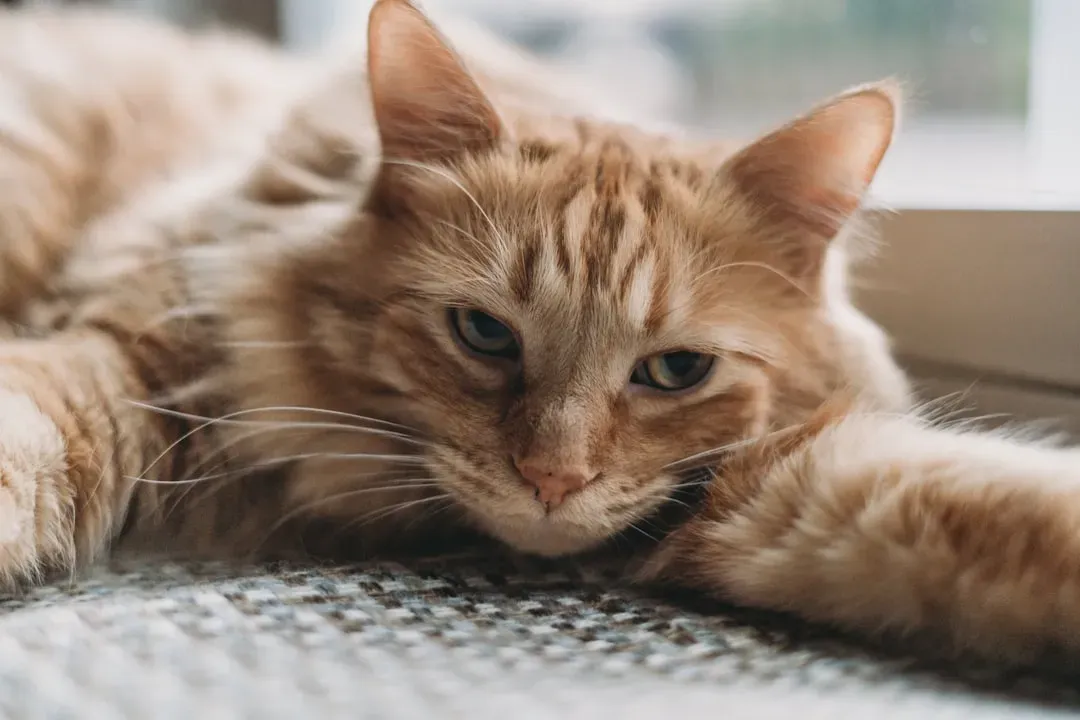
Here’s something that surprises a lot of cat owners. You bring home catnip expecting your feline to go absolutely wild – and nothing happens. Your cat sniffs it, gives you a look of pure indifference, and walks away. Don’t take it personally. Response to catnip is hereditary, and about seventy to eighty percent of cats exhibit this behavior in the plant’s presence. That means a meaningful chunk of cats simply aren’t wired for the experience at all.
The genetics behind this are quite precise. The response is genetic, and autosomal dominant, which means if one parent passes on the gene, then the offspring will inherit the response. Catnip does not affect kittens until they are about six months old and begin to reach sexual maturity. So if your brand-new kitten ignores catnip, give it time – they may just need to grow into it. It’s a bit like waiting for a teenager to develop a taste for coffee.
Catnip’s Surprising Double Life as a Natural Bug Repellent
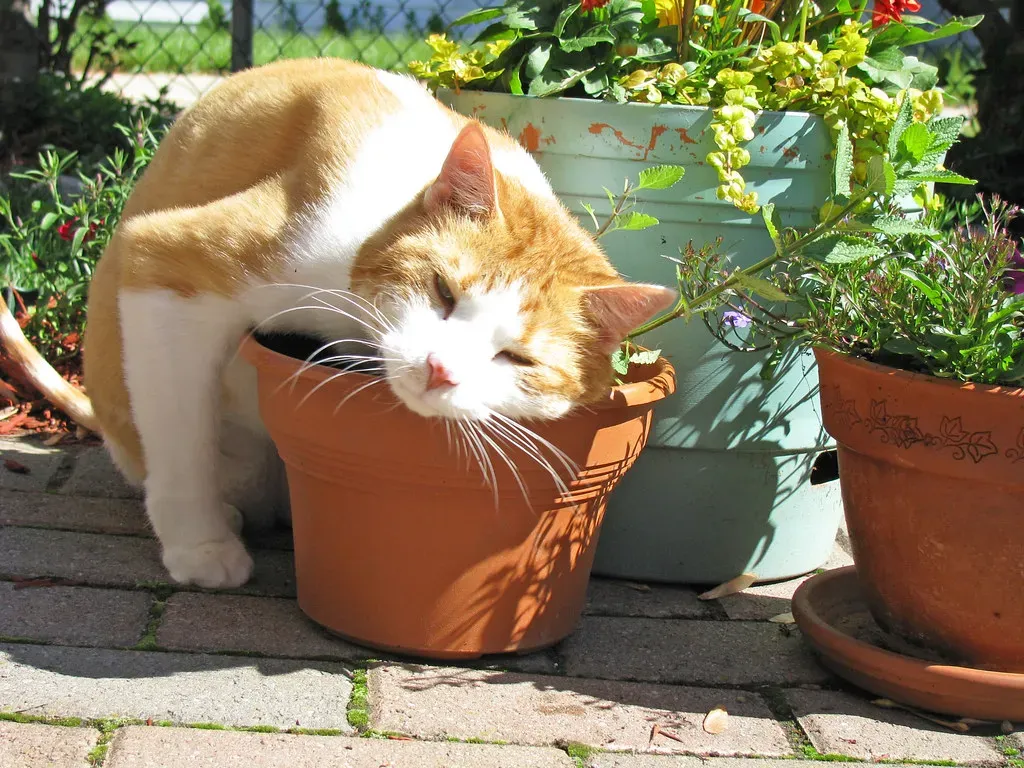
This is probably the most jaw-dropping fact about catnip, and most cat owners have absolutely no idea about it. The rolling and rubbing behavior that looks like pure recreational fun might actually serve a vital survival purpose. Researchers hypothesized that when felines in the wild rub on catnip or silver vine, they’re essentially applying an insect repellent. According to researchers, the rubbing and rolling against the plants transfers nepetalactone onto the fur for chemical defense against mosquitoes and possibly against other biting arthropods.
What’s even more remarkable is just how powerful that defense actually is. Researchers report that nepetalactone, the essential oil in catnip that gives the plant its characteristic odor, is about ten times more effective at repelling mosquitoes than DEET – the compound used in most commercial insect repellents. Research published in iScience suggests that when cats play with and damage either catnip or silver vine, the plants’ leaves actually emit higher levels of chemical compounds that repel mosquitoes. Your cat isn’t just getting high – it may be performing an ancient, instinctive act of self-preservation. I honestly find that completely extraordinary.
Is Catnip Safe? The Truth About Risks and Limits
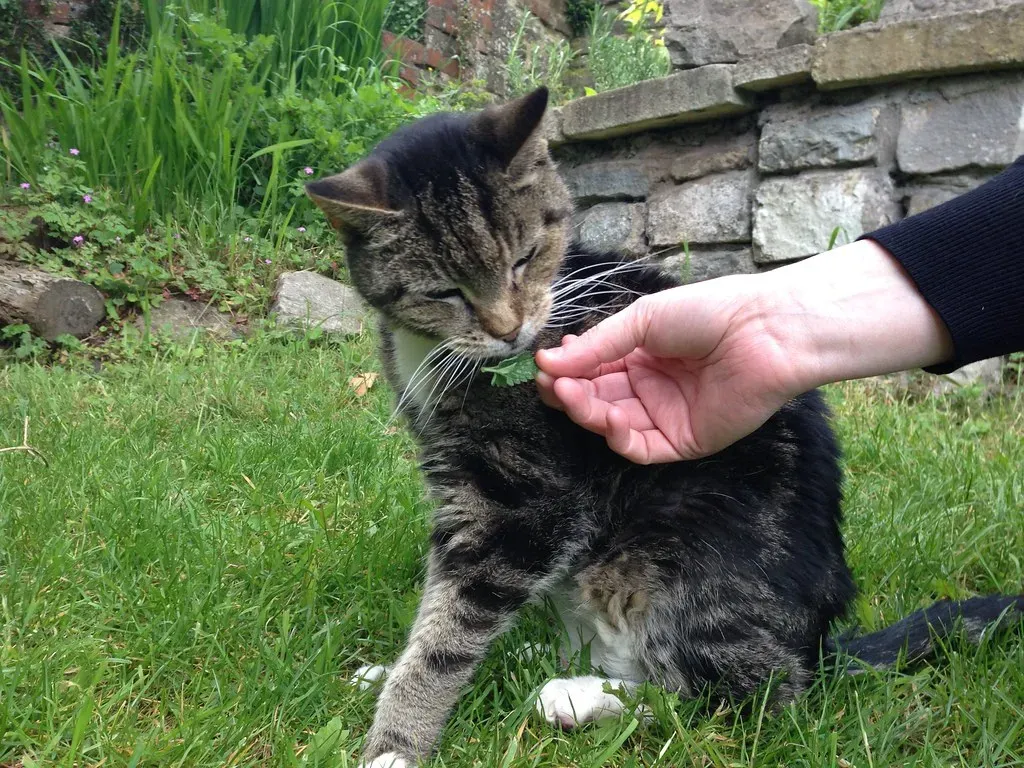
Let’s be real – when something sends an animal into a frenzied rolling session, most responsible pet owners are going to wonder if it’s actually safe. The good news is reassuring. Catnip is considered to be nonaddictive and completely harmless to cats. Scientific studies have shown that catnip doesn’t affect the brain in the same way as drugs like marijuana or cocaine do, and cats are completely aware of their surroundings when under the effects of catnip – they’re just much “happier.”
Still, moderation makes sense. Cats cannot overdose on catnip, but too much catnip can cause some health problems, such as vomiting, diarrhea, dizziness, or having trouble walking. Catnip is safe for cats, but like any treat or enrichment item, it’s best to use it in moderation and under supervision, as veterinarians recommend using it about once every few weeks. Think of it the way you’d think about any pleasurable treat – wonderful in reasonable amounts, potentially uncomfortable in excess.
Beyond Cats: Catnip’s Effects on Humans and Big Cats
You might be wondering – if catnip sends cats into ecstasy, what does it do to humans? The short answer is: not the same thing, at all. Human brains are physiologically different from cat brains, and people do not react to catnip by getting “high.” In humans, nepetalactone acts more like valepotriates, the compounds in the herb valerian that are a mild sedative in most people. So while your cat is spinning in circles, drinking catnip tea might just make you mildly sleepy. Quite the contrast.
Now for the big cats. It turns out catnip’s kingdom extends well beyond your living room sofa. Cats, from domestic companions to lions and tigers, are exquisitely susceptible to a volatile oil found in the stems and leaves of the catnip plant. However, there’s one notable exception – the majority of big cat species have been found to respond to nepetalactone’s effects, but tigers appear to be an exception to this. So while a lion might be rolling around just like your tabby at home, the tiger in the next enclosure couldn’t care less. Animals are wonderfully unpredictable, aren’t they?
Catnip Alternatives: What to Do When Your Cat Says No
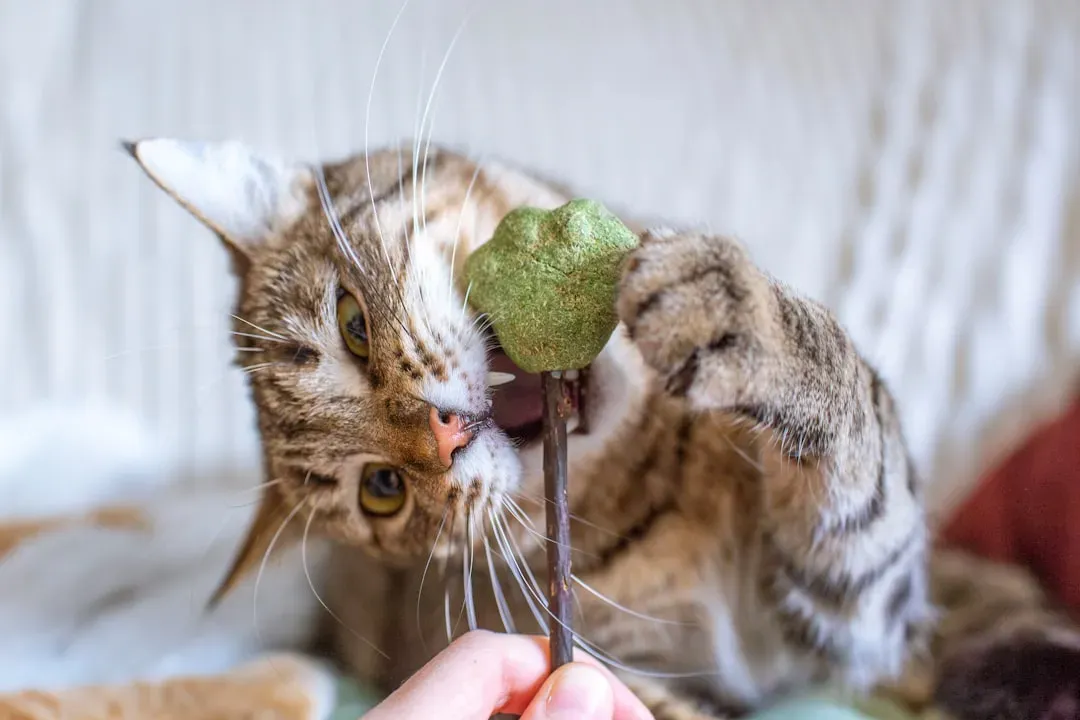
So your cat genuinely doesn’t respond to catnip. You’ve tried fresh, dried, sprays – nothing. Don’t give up on enrichment just yet, because science has some genuinely good news. Silvervine is the most effective of the catnip alternatives, as more cats respond to its smell than to catnip. In a 2017 study, almost eighty percent of cats were responsive to silvervine versus sixty-eight percent that responded to catnip, and approximately seventy-five percent of the cats that were unresponsive to catnip were responsive to silvervine. That’s a strikingly high success rate for cats who seemed beyond reach.
There are several worthy alternatives worth exploring with your feline companion. A study published in BMC Veterinary Research suggests that valerian root, silver vine, and Tatarian honeysuckle can also have a similar effect on cats’ behavior. Of cats that did not respond at all to catnip, seventy-one percent did respond to silver vine, roughly a third to Tatarian honeysuckle, and about one in five to valerian root, suggesting that these are effective alternatives to catnip. The key takeaway? Almost every cat can find its own version of joy – sometimes you just need to try a different key for a different lock.
Conclusion
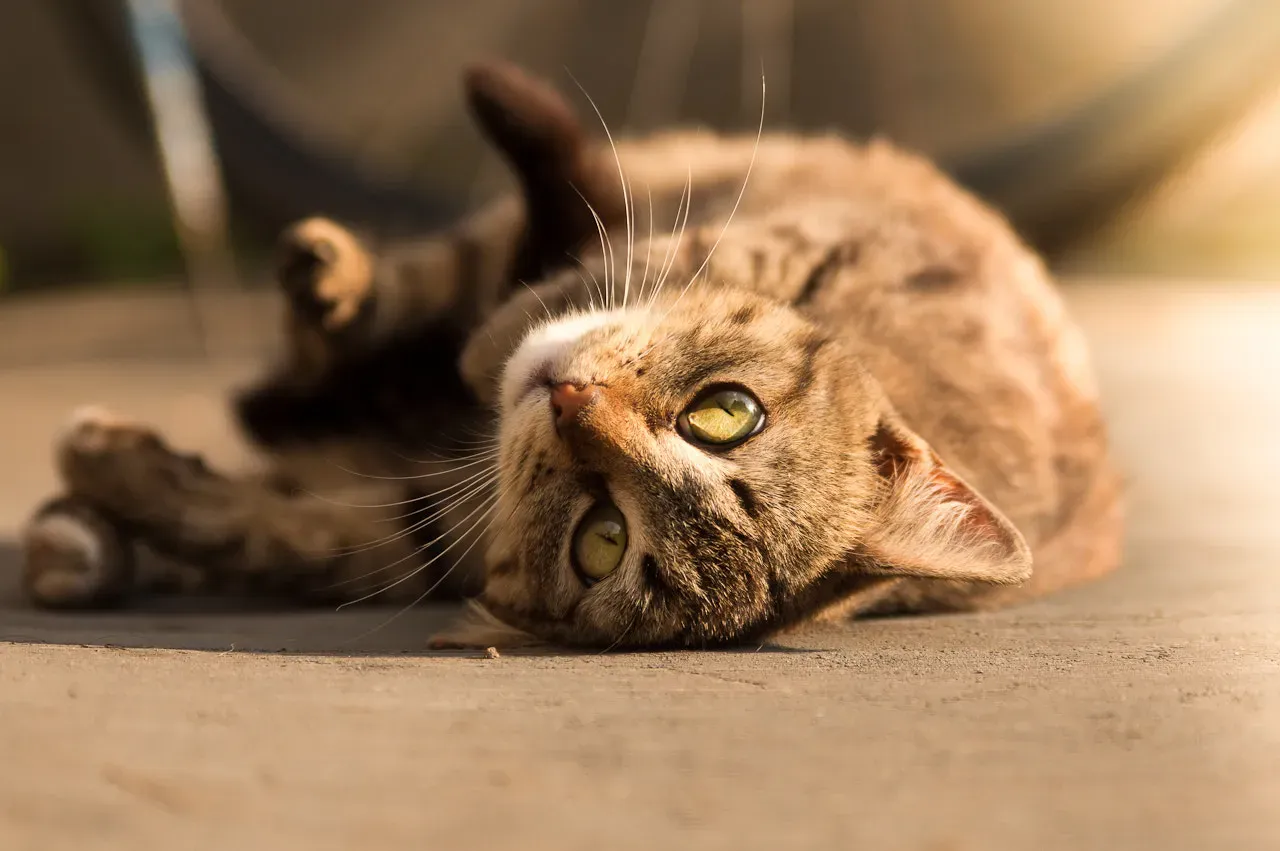
Catnip is one of those things that looks simple on the surface but reveals an entire world of complexity the moment you start digging. What begins as a funny video of a cat rolling on the floor turns out to be a story about brain chemistry, evolutionary survival strategy, genetics, and even the future of natural insect repellents. It’s a reminder that nature is always doing far more than it appears to be.
Whether your cat goes absolutely wild for catnip or treats it with complete indifference, understanding what’s actually happening beneath the fur gives you a whole new appreciation for your feline companion’s wonderfully complex inner world. The next time you watch your cat roll blissfully across the floor, you’ll know there’s ancient, elegant science behind every single spin. Have you ever tested your cat’s reaction and been surprised by what happened? We’d love to hear your story in the comments.
Kristina is a young writer from India. An arts graduate and an avid content creator, Kristina is passionate about animals and wildlife. She enjoys exploring topics related to pet care, animal behavior, conservation, and nature, combining thorough research with engaging storytelling.