There is something quietly profound about watching a cat grow old. One day they are leaping off the refrigerator without a second thought, and the next they are eyeing the couch like it is a mountain to summit. If your feline companion has crossed the threshold into their golden years, you already know the feeling: a mix of tenderness, protectiveness, and maybe a little worry.
The good news is that small changes can make an enormous difference. As cats enter their senior years, typically around the age of 10, they often face a variety of age-related challenges, including decreased mobility, heightened sensitivity to cold, and more pronounced reactions to environmental stresses. You don’t have to overhaul your entire home or spend a fortune to help your older cat thrive. Sometimes, it’s the simplest adjustments that carry the most weight. Let’s dive in.
1. Upgrade Their Sleeping Spot to Something Truly Cozy
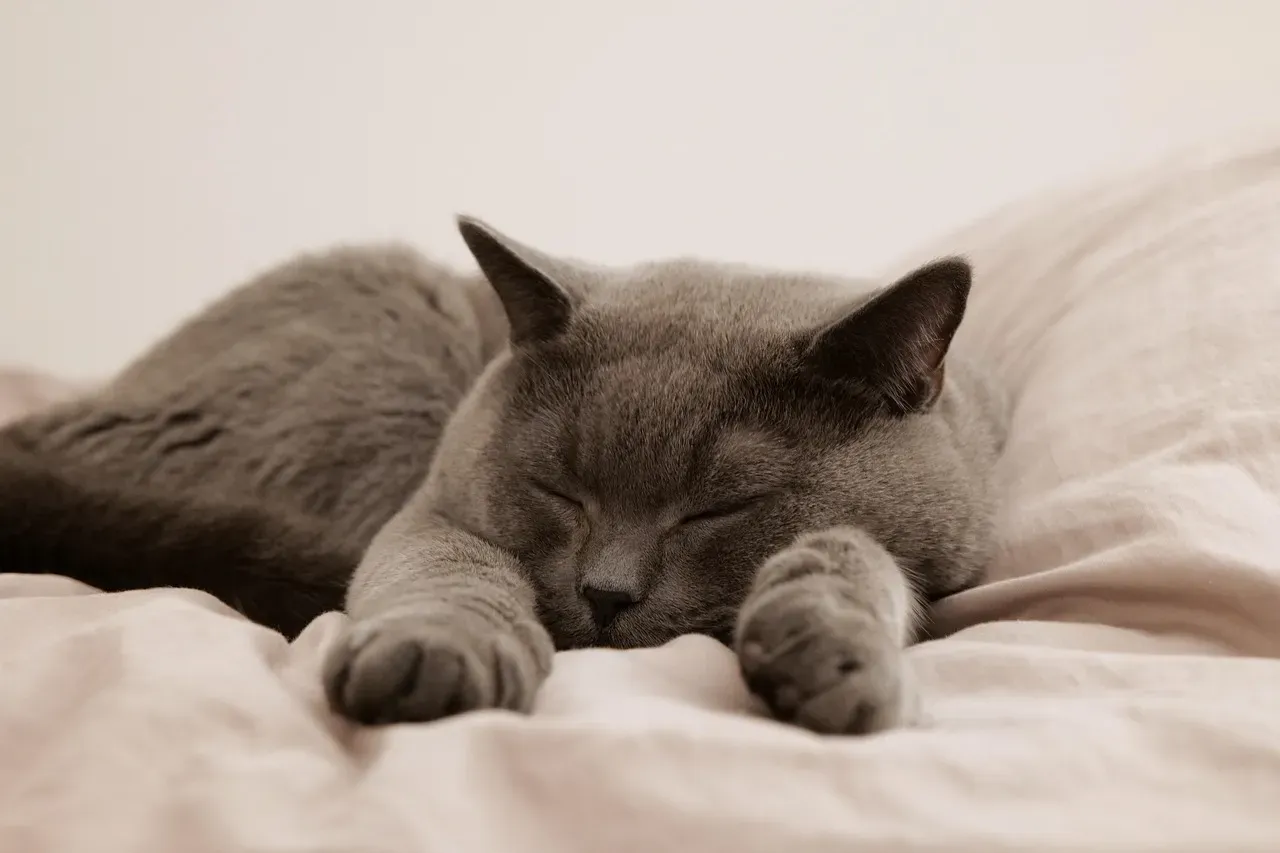
Your senior cat is not being lazy. They genuinely need more rest, and the quality of where they sleep matters more than you might think. As cats grow older, they often need extra padding and warmth for comfort, so providing soft bedding at their preferred sleeping and resting spots is essential. Think of it like trading in a thin camping mat for a proper memory foam mattress. Your older cat deserves that upgrade.
Consider investing in an orthopedic bed specifically designed to support the bones and joints of older cats, enhancing their comfort and health. Heated cat beds will also reduce joint pain and help your cat sleep more comfortably, but avoid human heating pads, which are not necessarily safe for animals. Place these beds in warm, draft-free corners, because you want to make sure your older cat’s favorite resting place is not in a drafty area of your home, but too much heat can potentially burn a cat who can’t move quickly, so think warm, not hot.
2. Rethink the Litter Box Setup
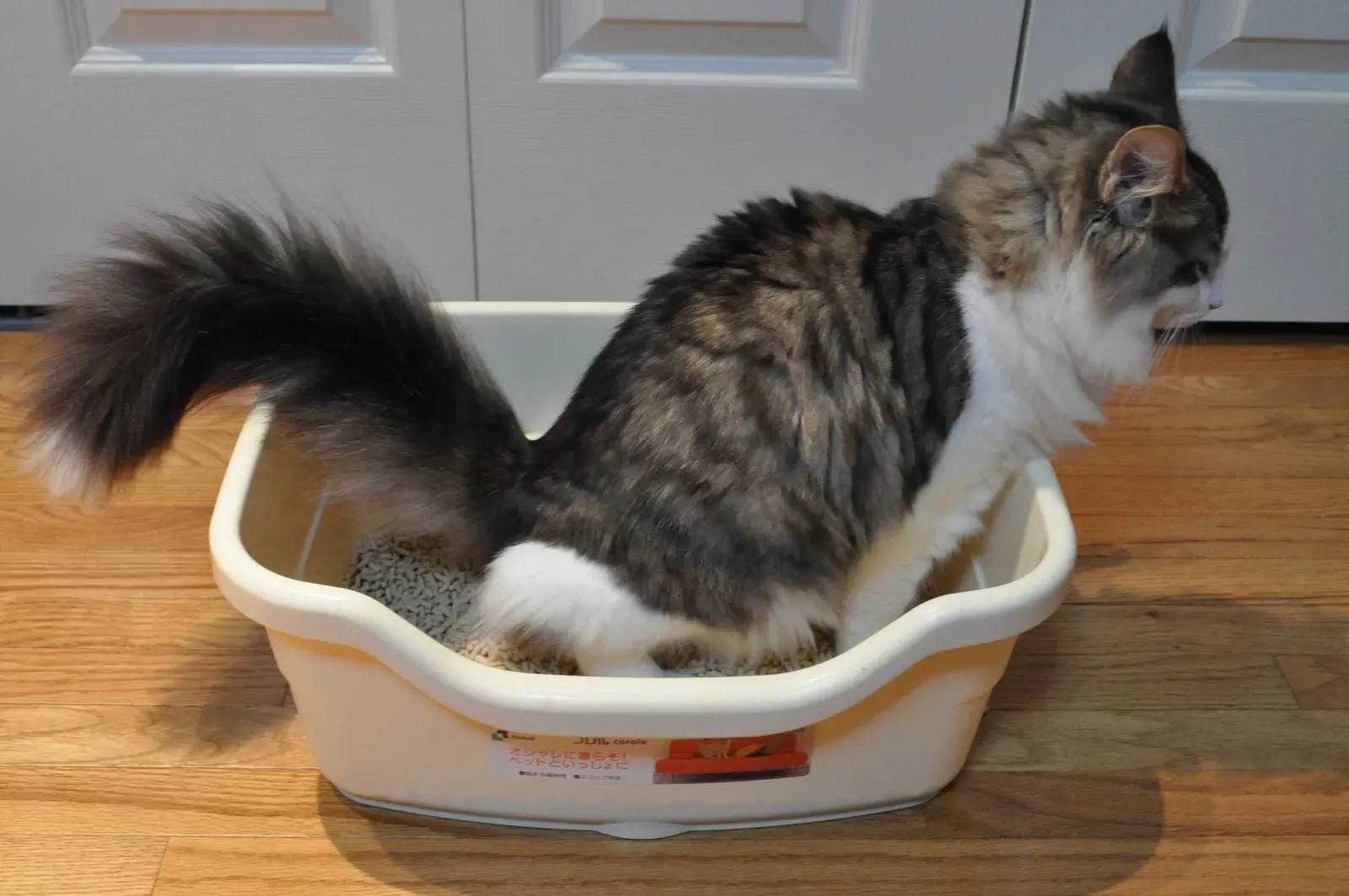
Honestly, this one is underrated. Most people don’t realize how much physical effort going to the bathroom takes for an arthritic older cat. The loss of mobility is common in older cats and can range from mild to severe, with the pain of arthritis often being the cause, although some cats can experience muscle weakness too. A litter box that was perfectly fine five years ago might now be a source of daily struggle.
You can help your cat access their bathroom by keeping the walls of the box low to make getting in and out easier, placing litter boxes on every floor of the house, and finding quiet areas that won’t startle your cat when using the box. Cleaning litter boxes more frequently can also encourage your cat to keep going there, and gives you an insight into their health, since more frequent urination could be a sign of diabetes, kidney disease, or high blood pressure. Pay attention. The litter box tells a story.
3. Switch to Raised or Easier-Access Food and Water Bowls
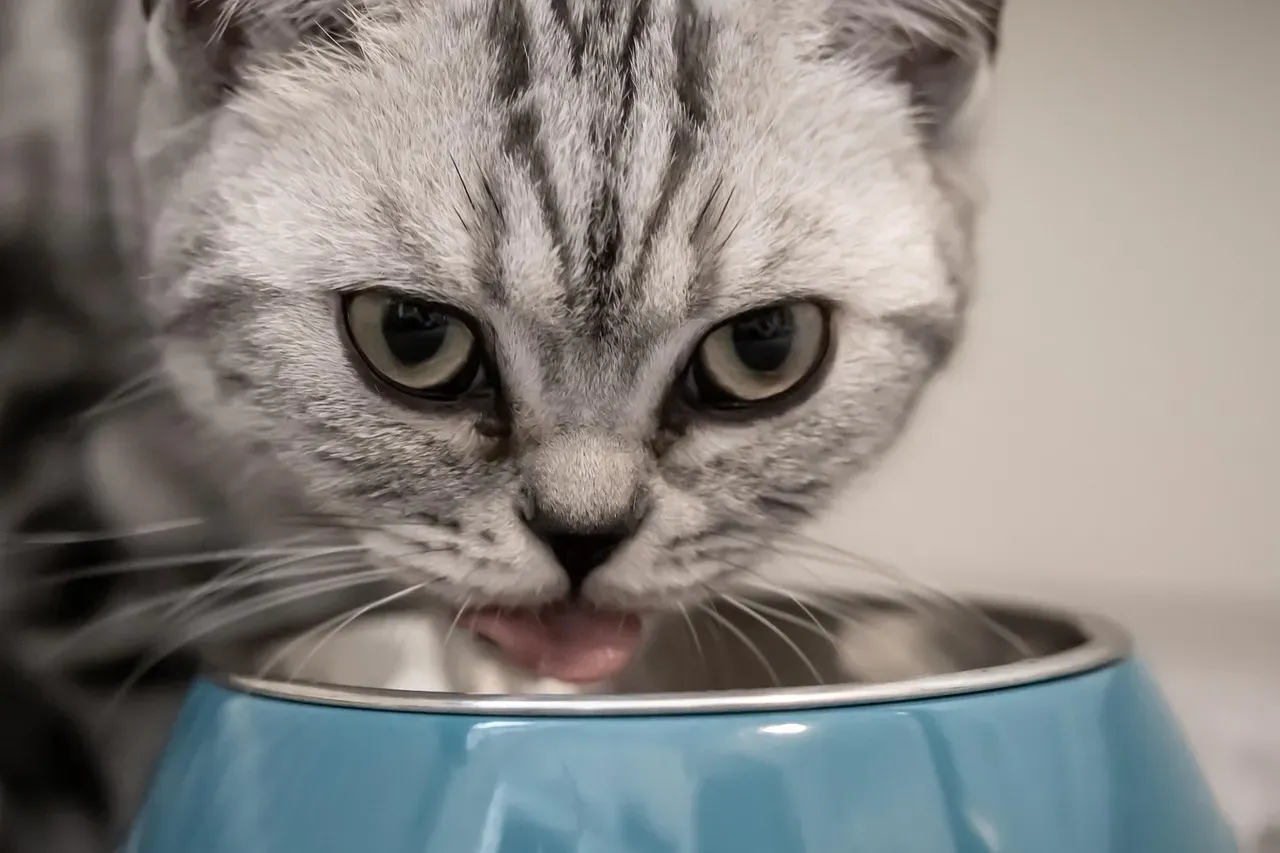
Here’s the thing: bending down to eat doesn’t sound like a big deal to most of us. For a senior cat dealing with arthritis in their neck or hips, however, it can be genuinely painful. Crouching to eat or drink can be painful, especially for cats with arthritis, as it puts stress on the hips, elbows, and neck. You can alleviate this problem by switching to raised cat bowls, and looking for dishes that are high enough to allow your cat to eat and drink while standing or sitting.
Using shallow, wide dishes rather than deep, narrow ones is also helpful, and elevated feeders and water fountains cater specifically to arthritis and mobility issues. Warming up their food slightly increases the aroma and appeal, especially if your cat’s sense of smell has faded. Keep multiple water stations around your home and refresh them frequently. Kidney health depends heavily on hydration in older cats, and every extra sip counts.
4. Add Ramps and Steps to Their Favorite Spots
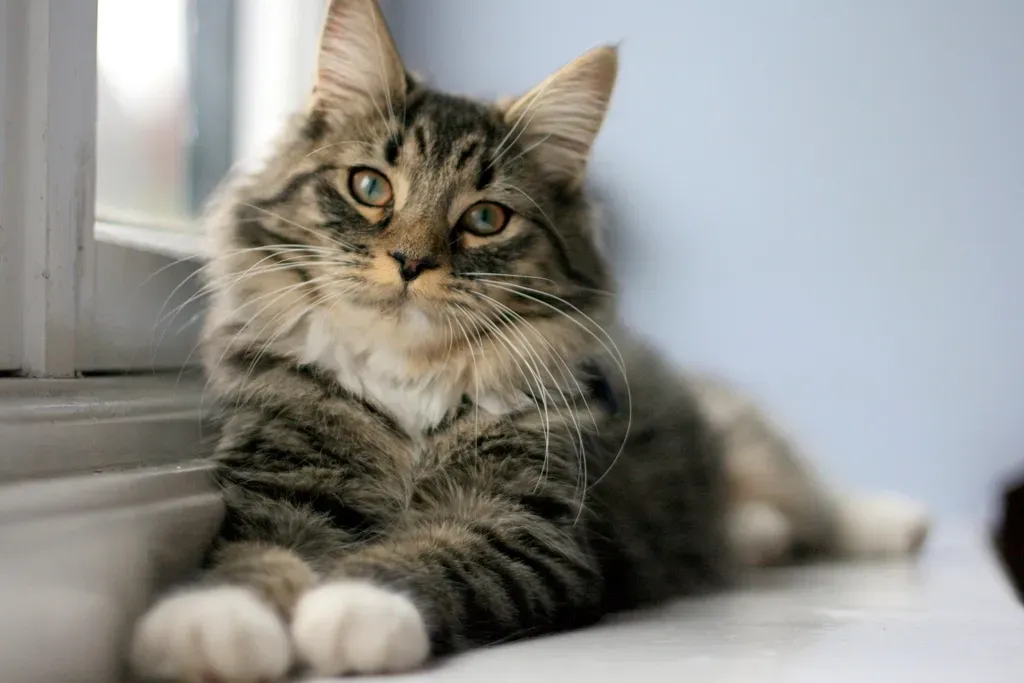
Your senior cat still wants to curl up on the windowsill where the afternoon sun hits just right. They still want to be on the couch with you. They haven’t lost the desire; they’ve just lost some of the physical ability to get there. Cats love to look outdoors and most enjoy sitting on high windowsills, but jumping up can be difficult for some senior cats, so providing a series of shallow steps or a gently sloping ramp can help your older cat comfortably reach their favourite lookout.
As your cat gets older, they may struggle with joint problems and lose some of their mobility, so you may need to adapt their living spaces. Consider adding ramps to help them get to their favorite perches so they can still enjoy surveying their territory. Throw rugs are also helpful, as hard flooring can be slippery for elderly paws. Think of your home as a little accessibility project. A few small ramps and rugs go a very long way.
5. Help With Grooming More Regularly
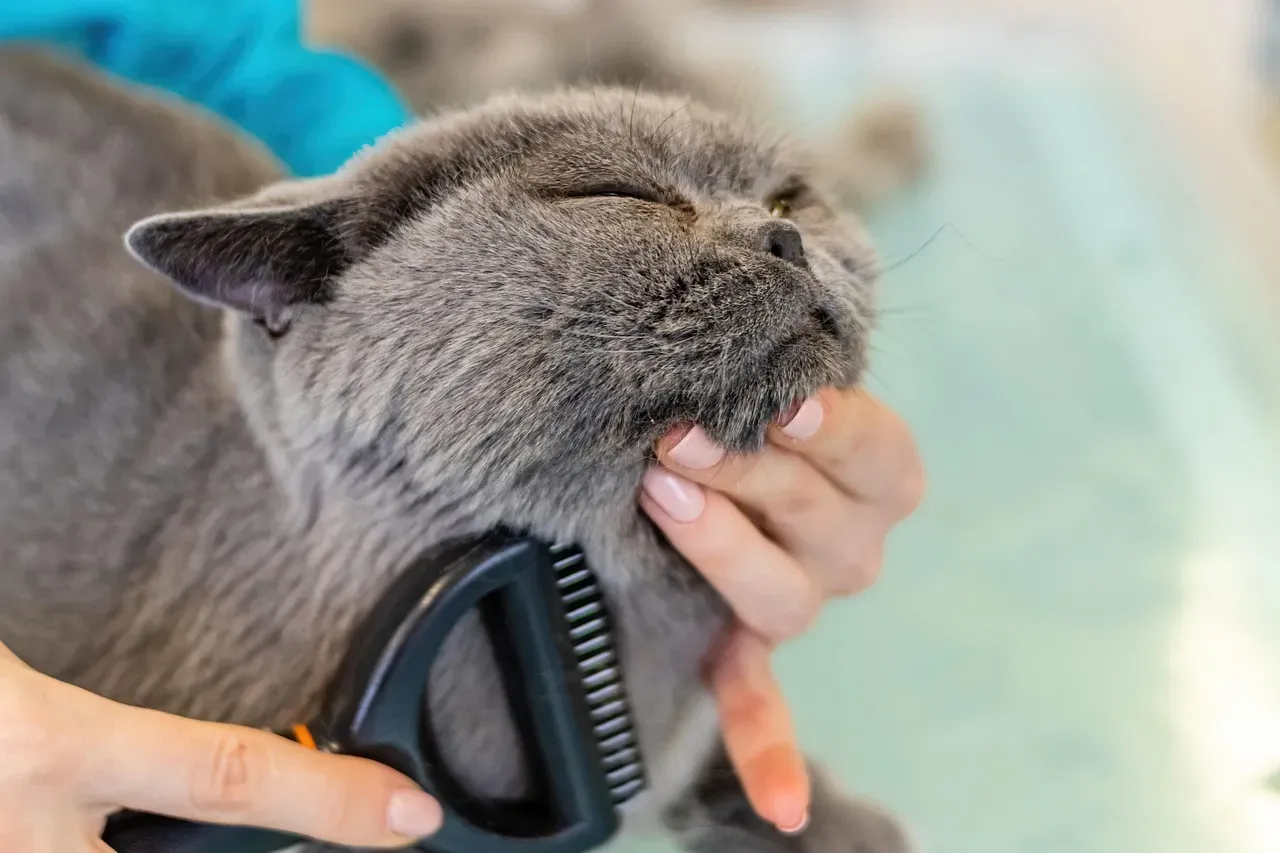
Cats are famously independent groomers, which makes it easy to assume your senior is handling things just fine. In reality, a loss in mobility, obesity, or health issues may make it more difficult for older cats to reach certain areas of their body comfortably, resulting in their fur becoming tangled and matted, so depending on their type and length of fur, you may need to assist them with grooming several times a week.
Gently brushing or combing removes loose hairs and stimulates circulation and sebaceous gland secretions, returning luster to the coat. Use this grooming time to discreetly check your cat’s body condition, paying attention to sudden weight gain or loss, and looking for things like lumps, bumps, lesions, skin problems, heat, and swelling. Contact your vet right away if you notice anything unusual. It’s bonding time and a health check all rolled into one.
6. Pay Close Attention to Their Nutrition
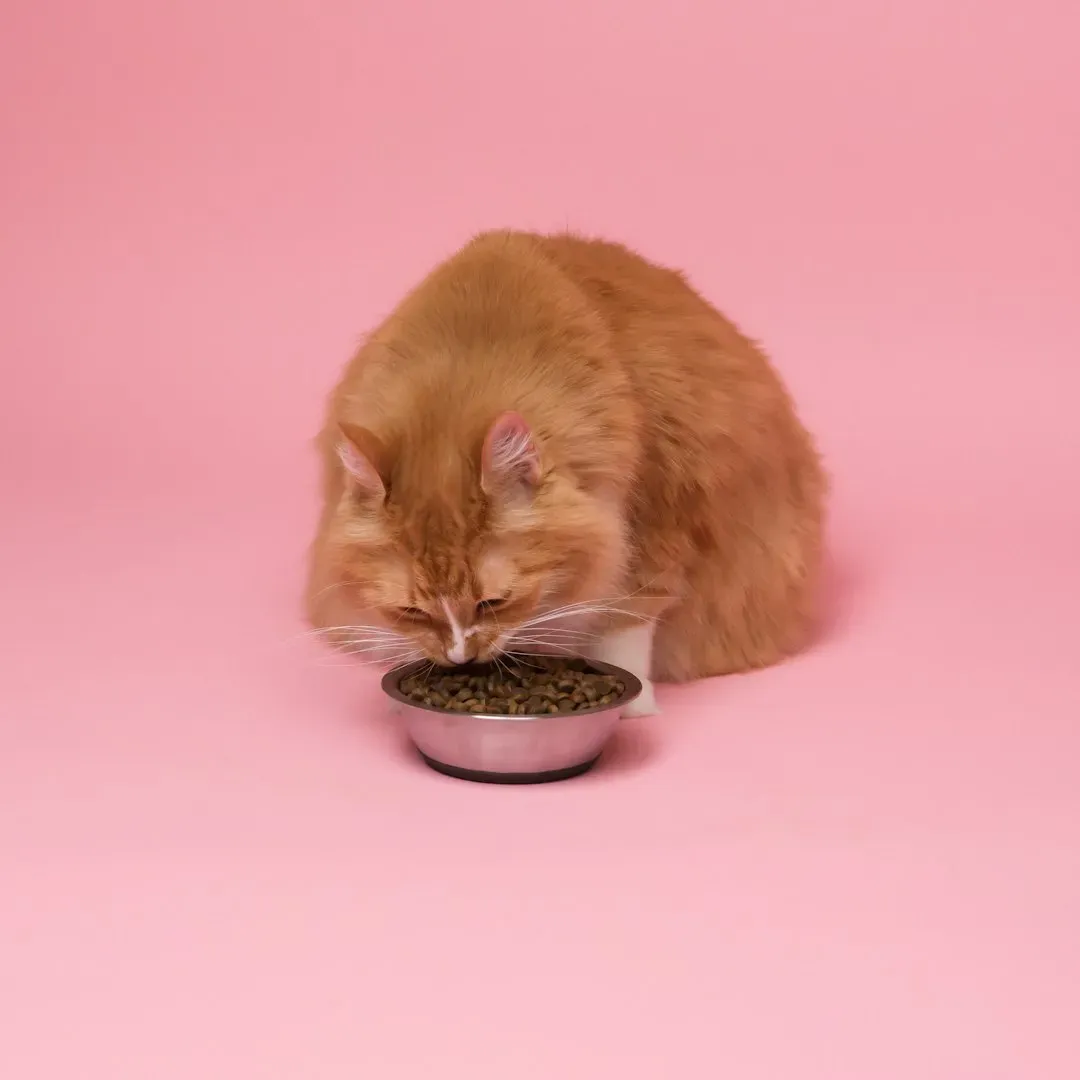
Senior cats are at risk of becoming underweight due to a decreasing sense of taste or smell, which can cause a lack of interest in eating. On the flip side, a lot of cats get heavy or even obese as they get older, which can be controlled with diet and activity if the weight gain is non-medical. It sounds contradictory, but weight management really does swing both ways depending on the individual cat. No two senior cats are alike.
Talk with your veterinarian about the right diet and nutritional needs for your cat and their particular situation, and consider adding wet food that is higher in moisture to combat the risk of dehydration. Senior cat formulas often have fewer calories along with extra fiber, fatty acids, vitamins, and sometimes probiotics to help support their bodies. A cat’s digestion is also improved by feeding them small, frequent meals throughout the day and night, so measure your cat’s daily food and distribute it in small portions. Consistency in feeding times also helps reduce stress.
7. Schedule Vet Visits Twice a Year Without Fail
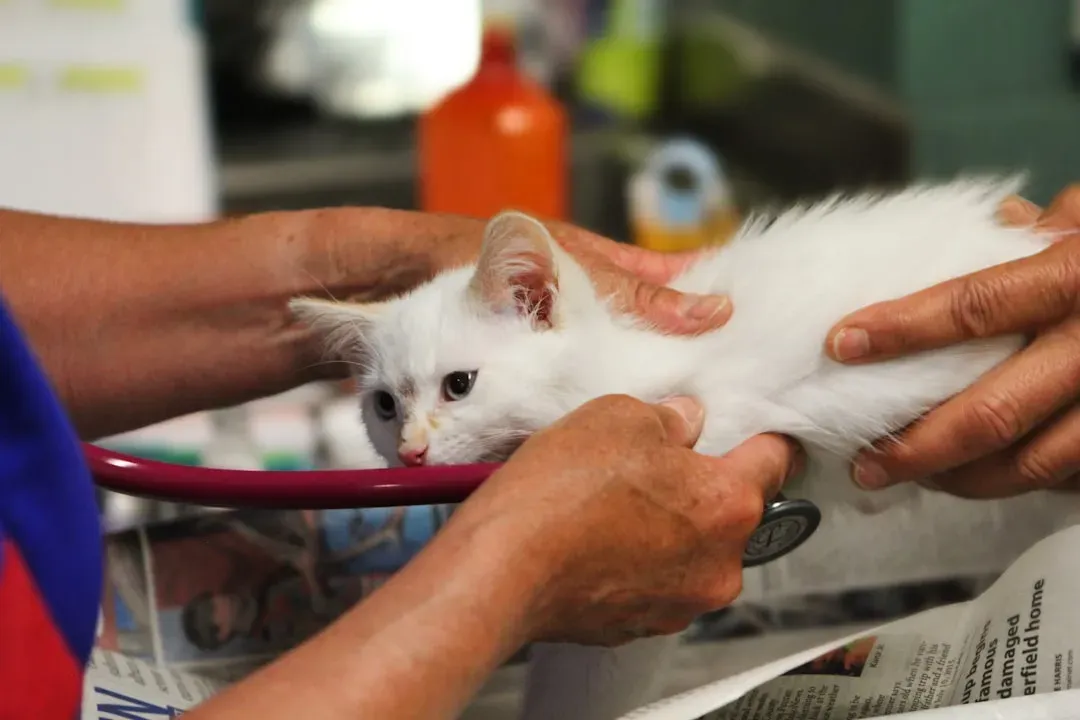
I know it sounds like a basic suggestion, but you’d be surprised how many people still take their senior cat to the vet just once a year, treating it like a routine checkbox. The truth is, that’s simply not enough at this stage of life. Because most chronic diseases we see in senior cats are slow to progress, early recognition is usually only possible through diagnostic tests. The earlier a disease is diagnosed, the more likely its progression can be slowed or reversed, and a high quality of life for your senior cat can be maintained for longer.
Ideally, cats over 11 years of age should see the veterinarian every six months, and blood work done during these visits can detect the onset of health issues like kidney disease while there’s still time to make medical changes that will improve and extend your cat’s life. Routine dental check-ups are also critical, as many older cats experience issues with their teeth such as pain or tooth loss that can affect their eating. Your vet is genuinely your greatest ally in this chapter of your cat’s life.
8. Keep the Home Environment Calm and Consistent
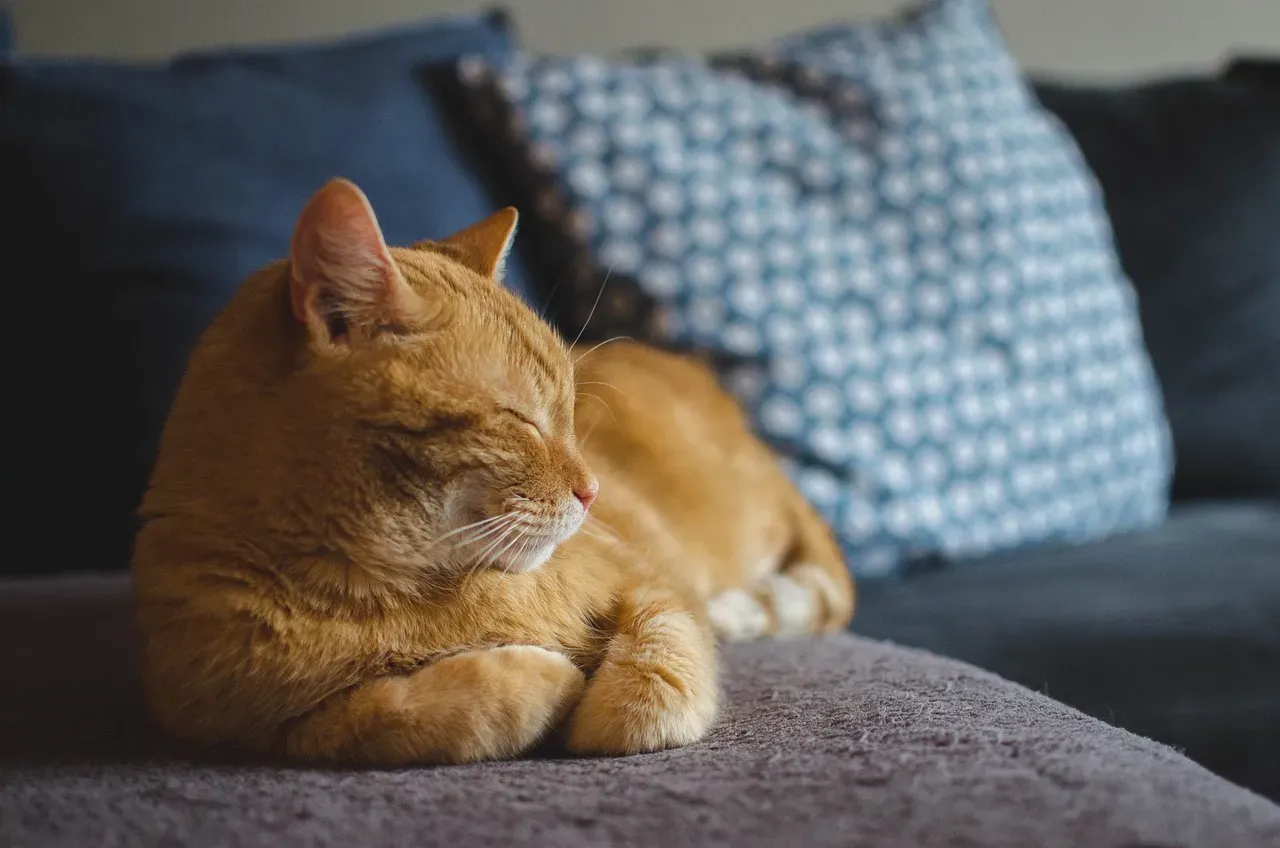
Here’s something that gets overlooked all the time: stress is a real and serious issue for older cats. It’s not just a personality quirk. Older cats can be more sensitive to changes in routine or household, which can lead to stress, and patience and accommodations, such as extra affection, a favorite toy or blanket, or a quiet room, go a long way in helping your senior cat adjust to upsetting changes.
Older cats cherish predictable days more than younger cats do. Think of routine as a kind of invisible comfort blanket for them. Tack down rugs and runners to avoid slips and falls, and rearrange furniture to create clear paths between key areas like food, water, and litter boxes, and increase lighting levels and add night lights to help with failing vision. A calm, well-organized space is a genuine form of care.
9. Keep Them Gently Mentally and Physically Stimulated
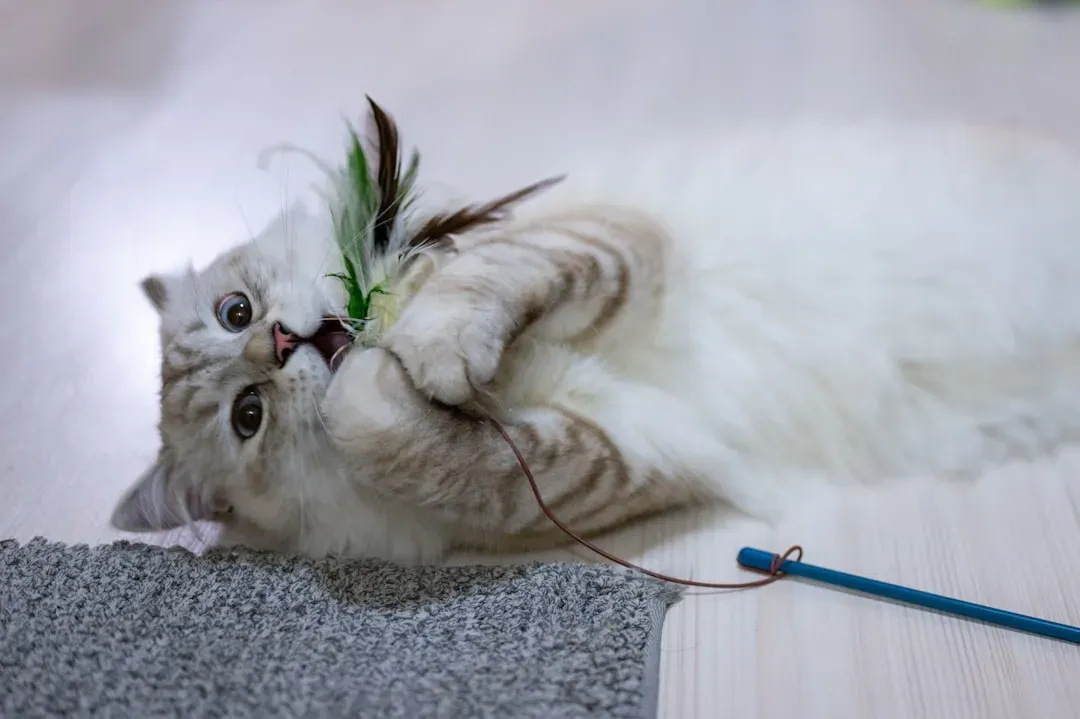
Your senior cat doesn’t need to run marathons. They don’t need a new kitten roommate either, honestly. In fact, think twice before bringing home a new kitten to help “keep your cat young,” because kittens are incredibly cute, but their shenanigans are more likely to annoy and stress your senior cat than do her any good. What your older cat does need is gentle, meaningful engagement that respects their current pace.
Your older cat may not get the zoomies like they used to, but play is still an important part of senior cat care. Try modifying your cat’s favorite activities and games. Instead of tossing a toy across the room, encourage them to bat and kick a toy on a small throw rug. Wand toys are also great for stimulating your senior cat’s hunting instinct. For mental stimulation, some older cats also enjoy the challenge of puzzle feeders, just make sure it’s not too much effort and stops your cat from eating their required amount.
10. Give Them Extra Love, Patience, and Emotional Support
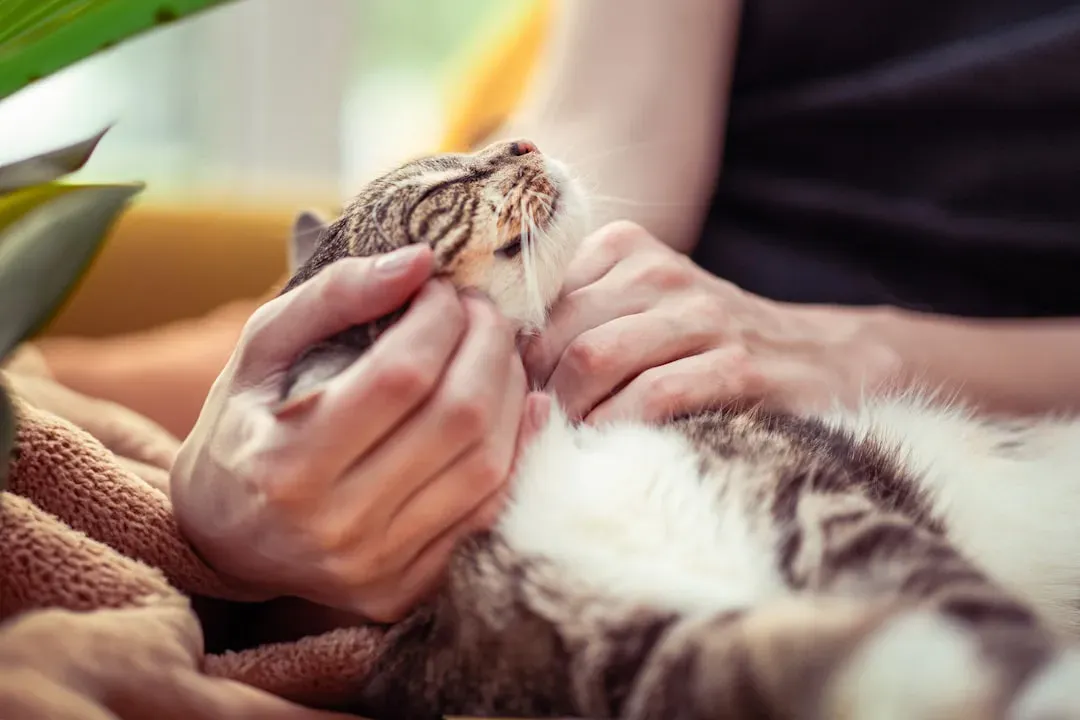
If there is one trick that costs absolutely nothing and delivers everything, it is this one. Your senior cat may have slowed down on the outside, but their need for connection has not diminished one bit. While some older cats may become more independent, many will savor those cuddle and bonding sessions with you more than ever. The bond you’ve built over years is a powerful source of comfort for them now.
Your kitty may sleep most of the day away, but she still counts on the warmth and reassurance of your affection. Take care of her physical needs with senior cat care tips, but don’t forget to address her emotional needs too. Love and devotion are the most important things you can offer your aging cat. Speak softly and calmly around your senior cat and avoid introducing too many new pets or people. Sometimes, just sitting quietly beside them is enough.
Conclusion: Small Acts, Big Impact
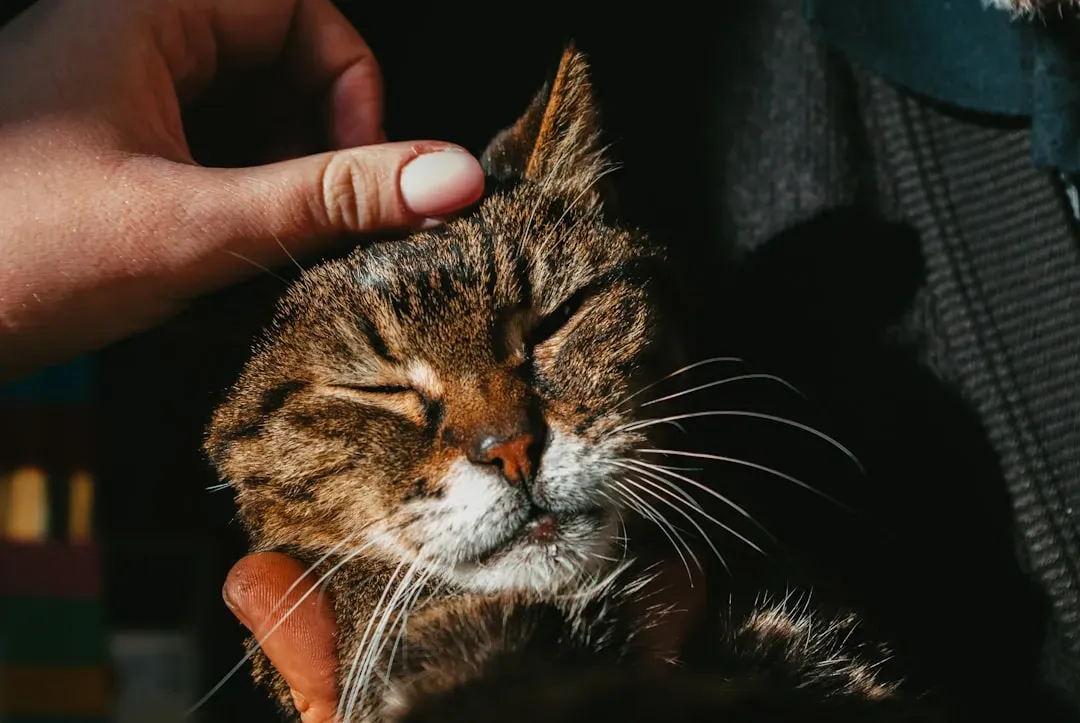
Caring for a senior cat doesn’t require a veterinary degree or a complete home renovation. It requires attention, empathy, and a willingness to see the world from your cat’s perspective. With some adjustments to their environment and your care routines, senior cats can continue enjoying their twilight years, and focusing on accessibility, comfort, and safety will go a long way in giving your elder feline family member the best home possible.
Every little thing you do, from the cozy bed in the sunny corner to the quiet voice you use when they seem unsettled, tells your cat one thing: you see them, and you’re there. That matters more than any gadget or supplement ever could. Your cat has given you years of companionship. Now it’s your turn to return the favor in the most thoughtful way you know how.
Have you noticed any of these changes in your senior cat recently? What adjustments have made the biggest difference in their comfort? Share your experience in the comments. You might just inspire another cat owner to make a life-changing tweak for their own beloved companion.
Kristina is a young writer from India. An arts graduate and an avid content creator, Kristina is passionate about animals and wildlife. She enjoys exploring topics related to pet care, animal behavior, conservation, and nature, combining thorough research with engaging storytelling.